
Aiwo, Nauru Travel Guide
Discover Aiwo, the heart of Nauru, where pristine beaches, rich history, and a warm community await to create an unforgettable island experience.
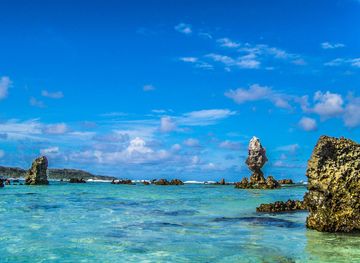
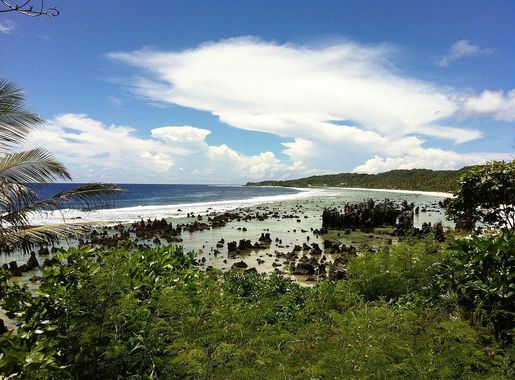
Aiwo, the bustling heart of Nauru, offers a unique blend of natural beauty and cultural heritage. Nestled on the western coast of this tiny island nation, Aiwo is known for its friendly locals and laid-back atmosphere. Despite its small size, Aiwo is rich in history and has a vibrant community that welcomes visitors with open arms. One of the highlights of Aiwo is its picturesque coastline, where you can relax on pristine beaches and enjoy the stunning views of the Pacific Ocean. The warm, crystal-clear waters are perfect for swimming, snorkeling, and diving. For those interested in history, Aiwo offers a glimpse into Nauru's past with remnants of World War II artifacts and phosphate mining history, which played a significant role in shaping the island's economy. Aiwo is also a gateway to exploring the rest of Nauru. From here, you can easily access other parts of the island, such as the Buada Lagoon, a tranquil freshwater lake surrounded by lush vegetation, and Anibare Bay, known for its beautiful coral reefs and abundant marine life. Whether you're seeking adventure or relaxation, Aiwo provides a perfect starting point for your Nauruan journey.

Know before you go
Hi, I'm Eve. Here are a few practical things to know before exploring Aiwo.
- Visit the Aiwo District to experience local life and interact with the friendly residents.
- Take a walk along the Aiwo coastline during sunset for breathtaking views and photo opportunities.
- Explore the remnants of World War II artifacts scattered around Aiwo for a historical perspective.
- Try local dishes at Aiwo's eateries to get a taste of Nauruan cuisine.
- Rent a bike to easily navigate Aiwo and other parts of Nauru, as the island is small and bike-friendly.

Best landmarks in Aiwo
Top-rated picks
Best Landmarks

Menen Hotel
Discover relaxation and local charm at Menen Hotel, your ideal base for exploring the beauty of Ibwenape.

Nauru Australian Immigration Detention Center
Discover the complex narratives of immigration at the Nauru Australian Immigration Detention Center, a pivotal landmark reflecting global migration policies.

Capelle and Partner
Discover the vibrant shopping experience at Capelle and Partner in Ronave, where local charm meets global brands in a lively atmosphere.

Ewa Lodge
Discover the tranquility of Ewa Lodge in Ronave, where comfort meets nature in a perfect blend of relaxation and exploration.

Best restaurants in Aiwo
Top-rated picks
Best Restaurants

The Bay Restaurant
Experience exquisite seafood dining with breathtaking ocean views at The Bay Restaurant in Anibare, Nauru.

OMG Sushi Restaurant
Experience authentic sushi delights at OMG Sushi Restaurant in Orro, where freshness meets creativity in every bite.

Mr Chippies
Experience Anibare's culinary delight at Mr Chippies—where local flavors meet inviting ambiance for an unforgettable dining experience.

Star Kingdom
Experience authentic Asian cuisine at Star Kingdom in Boe – where every dish is a celebration of flavor and tradition.

Best bars in Aiwo
Top-rated picks
Best Bars

The Bay Restaurant
Experience the best of Anibare's culinary delights at The Bay Restaurant, where stunning views meet exquisite flavors.
Od-N Aiwo Hotel
Discover a unique blend of comfort and local charm at Od-N Aiwo Hotel, your ideal retreat in the heart of Nauru.

Jules On The Deck
Experience the vibrant atmosphere and stunning views at Jules On The Deck, Nibok's premier bar for cocktails and lively entertainment.

Eigigu Supermarket
Discover the flavors of Boe at Eigigu Supermarket, where local products meet authentic experiences in a charming grocery setting.

Best nightclubs in Aiwo
Top-rated picks
Best Nightclubs
Menen Hotel
Experience comfort and convenience at Menen Hotel, your perfect retreat in the heart of Ibwenape, offering a blend of local charm and modern amenities.

The Bay Restaurant
Experience exquisite dining at The Bay Restaurant with stunning views and a menu that blends local flavors with international cuisine.

Ewa Lodge
Discover tranquility and adventure at Ewa Lodge, your ideal serviced accommodation in the serene landscapes of Ronave.

Geography of Nauru
Explore the breathtaking landscapes and unique ecosystems of Nauru, a hidden gem in the Pacific perfect for nature lovers and adventure seekers.

Best shops in Aiwo
Top-rated picks
Best Shops

Eigigu Supermarket
Explore local flavors at Eigigu Supermarket in Boe, where fresh produce meets authentic culinary experiences.

Pacific store
Explore the Pacific Store in Nibok for a delightful array of groceries, local snacks, and a warm shopping experience.
Zombies Store
Discover quirky treasures and local crafts at Zombies Store in Yaren, a unique general store that offers a delightful shopping experience.

Vim No.1 Store
Explore Vim No.1 Store in Arijejen for an authentic taste of Nauru - a local grocery experience with fresh produce and unique snacks.

Explore Aiwo on the Map
A handpicked selection of must-see spots in Aiwo, mapped for you.
Aiwo Essentials
-
Aiwo is located on the island nation of Nauru in the Pacific Ocean. The only international gateway to Nauru is the Nauru International Airport (INU) located in Yaren District, a short drive from Aiwo. Flights to Nauru are limited and primarily serviced by Nauru Airlines, which operates routes from Australia, Fiji, and other Pacific islands. There are no direct flights from Europe or the Americas, so travelers will need to connect through one of these locations.
-
Nauru is a small island, and Aiwo is easily navigable. Car rentals are available, and driving is on the left-hand side of the road. Taxis are also available but may need to be arranged in advance. There is no formal public transport system, but locals often use bicycles and motorbikes for short distances. Walking is a viable option for exploring Aiwo given its compact size.
-
The official currency of Nauru is the Australian Dollar (AUD). Credit cards are accepted in major hotels and some restaurants, but it is advisable to carry cash, especially when visiting smaller establishments or local markets. There are limited ATMs on the island, so it is wise to bring sufficient cash for your stay. Currency exchange services are available at the airport and some banks.
-
Aiwo is generally a safe destination for tourists. However, it is advisable to take standard precautions. Avoid walking alone at night in unfamiliar areas and keep an eye on your belongings in crowded places. While there are no specific high-crime areas targeting tourists, it is always best to stay vigilant and aware of your surroundings. The local community is friendly and welcoming.
-
In case of emergency, dial 110 for police, 111 for the fire department, and 112 for medical emergencies. The Republic of Nauru Hospital is located in Yaren District and provides basic medical services. It is recommended to have travel insurance that covers medical emergencies and evacuation if necessary. For minor health issues, there are pharmacies available in Aiwo and other districts.
-
Fashion: Do dress modestly, especially when visiting public places. Avoid wearing overly revealing clothing. Religion: Do respect local customs and traditions. Be mindful of local religious practices and dress codes. Public Transport: Do be respectful when using local transport options. Don't expect formal schedules or routes. Greetings: Do greet people with a friendly 'hello' or 'good day'. Locals appreciate politeness and friendliness. Eating & Drinking: Do try local cuisine and specialties. Don't refuse food or drink offered by locals, as it is considered impolite.
-
To experience Aiwo like a local, visit the local markets where you can buy fresh produce and traditional Nauruan goods. Engage with locals, as they are often friendly and willing to share stories about the island's history and culture. Don't miss visiting the remnants of the phosphate mining sites, which have played a significant role in Nauru's history. For a unique experience, take a walk along the coastal areas to enjoy the stunning Pacific Ocean views and visit the Buada Lagoon in the central part of the island.
When is the best time to visit Aiwo?
Useful Local Phrases for Aiwo
You don't need to speak the language perfectly. Even learning a few simple words can make conversations warmer—and locals usually appreciate the effort.
— Eve

Here are the phrases I use most often in Aiwo. Try a few—you'll be surprised how far they go! 😊
❤️
-
- HelloIa orana
[ya oh-rah-nah] - GoodbyeAere ra
[eye-reh rah] - YesE
[eh] - NoAita
[eye-tah] - Please/You're welcomeMaeva
[my-eh-vah] - Thank youMauruuru
[mah-roo-roo] - Excuse me/SorryTatou
[tah-toh] - How are you?E aha ta oe?
[eh ah-hah tah oh-eh] - Fine. And you?Maitai. O oe?
[my-tie. oh oh-eh] - Do you speak English?Ua haere oe i te reo anga?
[oo-ah ha-eh-reh oh-eh ee teh reh-oh ahng-ah] - I don't understandUaore au i te haamataa
[oo-ah-oh-reh oh ee teh hah-ah-mah-tah]
- HelloIa orana
-
- I'd like to see the menu, pleaseE mea haere mai au e titau i te manu, maruru
[eh meh-ah ha-eh-reh my oh eh tee-tow ee teh mah-noo mah-roo-roo] - I don't eat meatUaore au i te kai e kai pararaa
[oo-ah-oh-reh oh ee teh kai eh kai pah-rah-rah] - Cheers!Manuia!
[mah-noo-ee-ah] - I would like to pay, pleaseE mea haere mai au e utu, maruru
[eh meh-ah ha-eh-reh my oh eh oo-too mah-roo-roo]
- I'd like to see the menu, pleaseE mea haere mai au e titau i te manu, maruru
-
- Help!Aide!
[eye-day] - Go away!Haere atu!
[ha-eh-reh ah-too] - Call the Police!Taitai i te farani!
[tie-tie ee teh fah-rah-nee] - Call a doctor!Taitai i te faatere!
[tie-tie ee teh fah-ah-teh-reh] - I'm lostUa haere au i te haere
[oo-ah ha-eh-reh oh ee teh hah-eh-reh] - I'm illUaore au i te ora
[oo-ah-oh-reh oh ee teh oh-rah]
- Help!Aide!
-
- I'd like to buy...E mea haere mai au e hoko...
[eh meh-ah ha-eh-reh my oh eh hoh-koh] - I'm just lookingE manuia au e titau
[eh mah-noo-ee-ah oh eh tee-tow] - How much is it?E aha te moni?
[eh ah-hah teh moh-nee] - That's too expensiveTeitei te moni
[tay-ee-tay teh moh-nee] - Can you lower the price?E taea e te faatei te moni?
[eh tah-eh-ah eh teh fah-ah-tay teh moh-nee]
- I'd like to buy...E mea haere mai au e hoko...
-
- What time is it?E aha te haa e haapiti?
[eh ah-hah teh hah-ah eh hah-ah-pee-tee] - It's one o'clockTe haa e te tahi
[teh hah-ah eh teh tah-hee] - Half past (10)E haapiti o te tekau
[eh hah-ah-pee-tee oh teh teh-kow] - MorningPō
[poh] - AfternoonArepō
[ah-reh-poh] - EveningAfu
[ah-foo] - YesterdayAroa
[ah-roh-ah] - TodayA tenei ra
[ah teh-neh-ee rah] - TomorrowApareira
[ah-pah-reh-ee-rah] - 1Tahi
[tah-hee] - 2Rua
[roo-ah] - 3Toru
[toh-roo] - 4Wha
[fah] - 5Rima
[ree-mah] - 6Ono
[oh-noh] - 7Fitu
[fee-too] - 8Valu
[vah-loo] - 9Iva
[ee-vah] - 10Tekau
[teh-kow]
- What time is it?E aha te haa e haapiti?
-
- Where's a/the...?E aha ia te...?
[eh ah-hah ee-ah teh] - What's the address?E aha te tuhinga?
[eh ah-hah teh too-hee-ngah] - Can you show me (on the map)?E taea e te faaahow mai ia au (i te mahere)?
[eh tah-eh-ah eh teh fah-ah-hoh mah-ee ee-ah oh (ee teh mah-heh-reh)] - When's the next (bus)?E aha te haa o te ra e haere mai?
[eh ah-hah teh hah-ah oh teh rah eh ha-eh-reh my] - A ticket (to ....)Te tiketi (ki ...)
[teh tee-keh-tee (key)]
- Where's a/the...?E aha ia te...?
History of Aiwo
-
Long before European contact, Aiwo was one of the areas inhabited by the indigenous Nauruan people. The inhabitants lived a subsistence lifestyle, relying heavily on the island's natural resources, including fishing, coconut farming, and the cultivation of pandanus and other local plants.
-
In the late 19th century, European explorers and missionaries began to arrive in Aiwo. The London Missionary Society established a presence on the island, introducing Christianity and Western education. This period marked significant changes in the social and cultural fabric of Aiwo and the rest of Nauru.
-
The discovery of rich phosphate deposits in Aiwo in the early 20th century transformed the area's economy. The British Phosphate Commissioners began large-scale mining operations, which brought considerable economic activity and migration to Aiwo. This period saw the construction of infrastructure, including the Aiwo Boat Harbor, to facilitate the export of phosphate.
-
During World War II, Aiwo and the rest of Nauru were occupied by Japanese forces from 1942 to 1945. The occupation had a profound impact on the local population, with many Nauruans being forcibly relocated to other islands. The Japanese also fortified Aiwo, leaving remnants of bunkers and coastal defenses that can still be seen today.
-
After World War II, Aiwo underwent significant reconstruction as part of Nauru's recovery efforts. The phosphate industry resumed, and Aiwo became one of the key administrative and commercial centers. Nauru gained independence in 1968, and Aiwo played a central role in the newly formed Republic of Nauru, housing several important government and industrial facilities.
-
Today, Aiwo is a vibrant district that reflects both its historical legacy and modern developments. The Aiwo District is home to a mix of traditional Nauruan culture and contemporary influences. Visitors can explore the Aiwo Boat Harbor, historical mining sites, and local markets that offer a glimpse into the daily life and enduring traditions of the Nauruan people.
Cities near Aiwo
The closest cities to Aiwo, if you have time for more than one stop.




Your all‑in‑one travel companion app
Explore expert travel guides, compare and book tours, experiences, hotels, and more—all from the palm of your hand. Download now for seamless trip planning wherever your wanderlust takes you.


Aiwo in Photos
Browse through our photo collection highlighting the charm and character of the destination.






Aiwo: Heart of Nauru's Charms
Aiwo, the bustling heart of Nauru, offers a unique blend of natural beauty and cultural heritage. Nestled on the western coast of this tiny island nation, Aiwo is known for its friendly locals and laid-back atmosphere. Despite its small size, Aiwo is rich in history and has a vibrant community that welcomes visitors with open arms. One of the highlights of Aiwo is its picturesque coastline, where you can relax on pristine beaches and enjoy the stunning views of the Pacific Ocean. The warm, crystal-clear waters are perfect for swimming, snorkeling, and diving. For those interested in history, Aiwo offers a glimpse into Nauru's past with remnants of World War II artifacts and phosphate mining history, which played a significant role in shaping the island's economy. Aiwo is also a gateway to exploring the rest of Nauru. From here, you can easily access other parts of the island, such as the Buada Lagoon, a tranquil freshwater lake surrounded by lush vegetation, and Anibare Bay, known for its beautiful coral reefs and abundant marine life. Whether you're seeking adventure or relaxation, Aiwo provides a perfect starting point for your Nauruan journey.
Explore More of Buada District

Looking beyond Aiwo? Discover Buada District for broader travel guides, local hot-spots, and regional highlights.
Explore Buada DistrictExplore More of Nauru

Looking beyond Aiwo? Discover Nauru for broader travel guides, local hot-spots, and regional highlights.
Explore Nauru