

Nibok District Travel Guide - Free Web & App
Your ultimate guide to Nibok District. Discover top landmarks, proposed trips, and local tips. Free on the web or via the Evendo companion app.


Nibok District, Nauru, reveals inland phosphate landscapes, island history, community life and a quieter side of the Pacific beyond the coastal road.
Landscape and Location
Nibok District occupies part of Nauru’s elevated interior, an area shaped by the island’s phosphate geology and the long after-effects of intensive mining. Unlike Nauru’s coastal districts, whose identity is closely associated with beaches, reef waters and the ring road, Nibok is principally an inland administrative and residential area. Its setting helps visitors understand the sharp contrast between Nauru’s narrow coastal settlement belt and the rough, elevated phosphate lands farther inland.Read more about Nibok District
Mining Heritage and Community Life
Exploring Nibok
When is the best time to visit Nibok District?
Best: January–March · 30°C| Month | High (°C) | Rainfall (mm) |
|---|---|---|
| January (best) | 30 | 200 |
| February (best) | 30 | 200 |
| March (best) | 30 | 200 |
| April | 30 | 200 |
| May | 30 | 200 |
| June | 30 | 200 |
| July | 30 | 200 |
| August | 30 | 200 |
| September | 30 | 200 |
| October | 30 | 200 |
| November | 30 | 200 |
| December | 30 | 200 |
Getting to and around Nibok District
How to get there
Transportation
Best landmarks in Nibok District
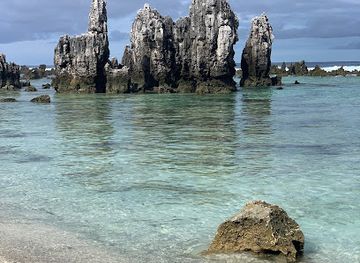
Nibok’s defining landmarks are largely environmental and industrial. The district forms part of Nauru’s elevated phosphate-bearing plateau, where exposed pinnacle limestone and altered ground record the scale of mining more clearly than monumental architecture could. These formations are not simply scenic features: they represent the removal of the island’s original phosphate soils and the continuing challenge of restoring productive land. Residential roads, churches and community buildings provide the more immediate cultural landmarks of present-day Nibok, though individual sites should be identified locally rather than treated as public monuments. The district’s historical meaning is also connected to the wider island landscape, including wartime traces elsewhere, the coastal settlement belt and Buada Lagoon in neighbouring Buada District. Nibok therefore rewards contextual appreciation of geology, industry and community rather than a checklist of formal monuments.
-
Restaurant
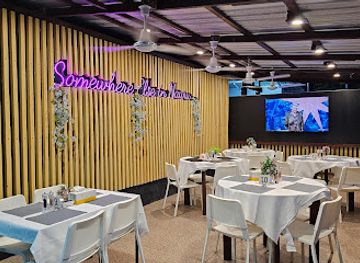
Somewhere Else in Nauru
Discover the flavors of Nauru at Somewhere Else, a cozy restaurant offering authentic local cuisine in a beautiful island setting.
-
Power station
Power Station Control
Explore the Power Station Control in Arijejen, where modern engineering meets stunning landscapes and innovative energy solutions.
-
 Mountain peak
Command Ridge
Experience the stunning vistas and natural beauty at Command Ridge, the perfect destination for adventure and tranquility in a tropical paradise.
-
Lake
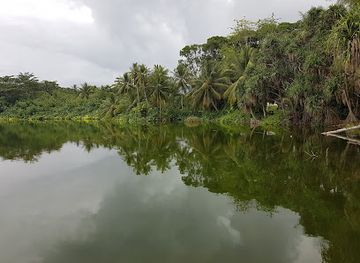
Buada Lagoon
Experience the serene beauty and cultural richness of Buada Lagoon, a must-visit natural gem in Nauru for every traveler seeking tranquility.

Explore Nibok District on the map
Plan your trip on one map. See where the top attractions, landmarks, restaurants and hotels are, and book hotels and experiences in a few clicks.
Best hotels in Nibok District
Best restaurants in Nibok District
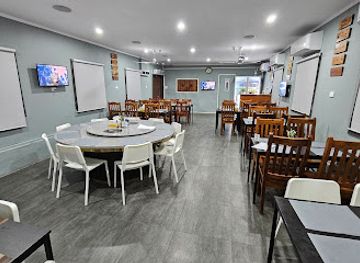
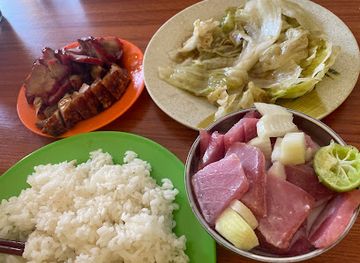
Nibok has no established restaurant quarter and visitors should not expect a large choice of cafés or dining rooms within the district. Meals are more likely to be arranged through accommodation, local contacts or businesses in Nauru’s main service areas, particularly around Yaren and other settled parts of the coastal belt. Nauruan food reflects the island’s Pacific setting, with fish, coconut, imported staples and home-grown produce appearing in everyday cooking, although availability varies. Visitors may encounter informal home-style hospitality rather than a formal dining scene, but should arrange this in advance and avoid assuming that meals can be bought near inland mining areas. Carrying water and a snack is sensible when touring Nibok, since the district’s interest is its landscape and community setting rather than food infrastructure.
-
Restaurant
Somewhere Else in Nauru
Experience the rich flavors of Nauru at Somewhere Else – where local traditions meet contemporary dining.
-
Breakfast
Lucky Tigeress Yum Cha
Experience authentic dim sum and delicious breakfast options at Lucky Tigeress Yum Cha in Arijejen, where every meal is a taste of tradition.
-
Chinese
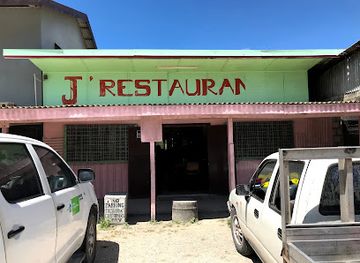
J’ RESTAURANT
Experience the best of Chinese cuisine at J’ Restaurant in Arijejen - where flavor meets tradition on the beautiful shores of Nauru.
-
Chinese
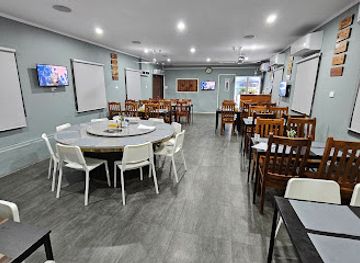
Coconut Tree Restaurant
Discover the flavors of authentic Chinese cuisine at Coconut Tree Restaurant in Nibok - a must-visit culinary gem for travelers.


Best bars in Nibok District
Nibok does not have a recognised nightlife district, nightclub scene or concentration of late-opening bars. Evenings in the district are principally residential and community-oriented, with social life more likely to take place privately or through local gatherings than in venues marketed to tourists. Visitors seeking a drink or informal evening meal should ask their accommodation or local contacts about currently operating establishments elsewhere on the island, particularly in the main settled and administrative areas, rather than relying on a walk-in venue in Nibok. Events, church activities and community occasions may occur, but they should not be assumed to be publicly advertised or available to visitors. Respect for quiet neighbourhoods is important after dark, and independent walking across inland areas is unwise where roads, lighting and access are limited.
-
Restaurant
Somewhere Else in Nauru
Discover the vibrant flavors of Nauru at Somewhere Else, where local ingredients meet international cuisine in a warm and inviting atmosphere.
-
Chinese
J’ RESTAURANT
Experience the vibrant flavors of China at J’ Restaurant, a top destination for authentic Chinese cuisine in Arijejen.
-
Coffee store
Turtle Shop (Food and Drinks)
Discover Turtle Shop in Nibok, where aromatic brews and a cozy atmosphere await every traveler.
-
Chinese
Coconut Tree Restaurant
Discover authentic Chinese flavors at Coconut Tree Restaurant in Nibok, where each dish tells a story of culinary tradition and local charm.

Best nightclubs in Nibok District
Nibok does not have a recognised nightlife district, nightclub scene or concentration of late-opening bars. Evenings in the district are principally residential and community-oriented, with social life more likely to take place privately or through local gatherings than in venues marketed to tourists. Visitors seeking a drink or informal evening meal should ask their accommodation or local contacts about currently operating establishments elsewhere on the island, particularly in the main settled and administrative areas, rather than relying on a walk-in venue in Nibok. Events, church activities and community occasions may occur, but they should not be assumed to be publicly advertised or available to visitors. Respect for quiet neighbourhoods is important after dark, and independent walking across inland areas is unwise where roads, lighting and access are limited.
-
Bar
Jules On The Deck
Experience the vibrant coastal lifestyle at Jules On The Deck in Nibok, where refreshing drinks and stunning ocean views await.

Best shops in Nibok District
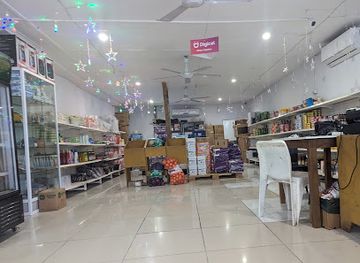
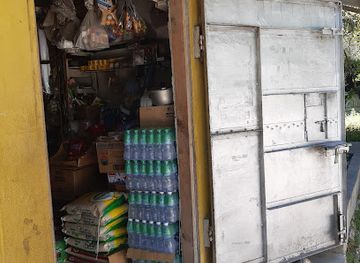
Shopping in Nibok is limited and primarily local in character, with no established commercial centre or specialist craft market known as a district attraction. Everyday supplies are more likely to be found in the island’s principal service areas and small shops around the settled coastal belt, while visitors should not depend on finding extensive provisions once they are exploring inland roads. Useful purchases may include drinks, snacks and practical supplies, and locally prepared food or small items may sometimes be obtained through personal contacts rather than formal retail outlets. Nauru-related souvenirs and gifts are more likely to be encountered through administrative, accommodation or community connections elsewhere on the island than in a dedicated Nibok shopping quarter. Ask permission before photographing or purchasing objects made by local residents, and do not remove phosphate, coral or natural materials as souvenirs.
-
Grocery store
Pacific store
Explore the flavors of Nauru at Pacific Store, your essential grocery destination in Nibok, offering fresh produce and local delights.
-
Grocery store
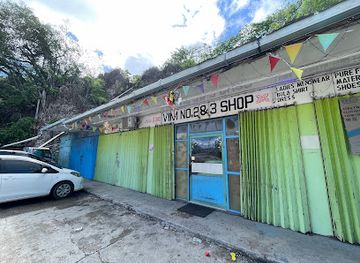
Vim No.1 Store
Explore the vibrant Vim No.1 Store in Arijejen, your ultimate grocery destination for local flavors and unique Nauruan products.
-
Convenience store
Rainbow Store
Experience the local charm at Rainbow Store in Baiti, your go-to convenience stop for snacks, souvenirs, and a taste of island life.
-
General store
Halo Store
Explore local treasures and vibrant culture at Halo Store, your charming general store in Arenibek.

Get your free copy of our complete guide to Nibok District, delivered straight to you.
Everything on this page, from attractions and restaurants to essentials and local phrases, in one PDF you can read offline, print or share.
Already have an account? Sign in
Your Nibok District guide is ready.
We'll send it to · Not you? Sign out

Getting your guide ready…
We are putting together a fresh copy of the Nibok District guide. This can take up to a minute.
This can take a few moments. If your browser asks, choose Allow so the download can start. You'll find the guide in your Downloads folder.
Nothing happened? Download it again
Sorry, the guide is taking longer than usual. Please try again in a minute, or get it by email instead.
Nibok District essentials
Currency and Payment
Safety
Emergency Situations
Do's and Don'ts
Local Tips
From Eve
Local phrases worth knowing
You don't need to get them perfect. A few words go a long way, and locals appreciate the effort.
Basics
| English | Local | Say it |
|---|---|---|
| Hello | Iaorana | [yah-oh-rah-nah] |
| Goodbye | Tofa | [toh-fah] |
| Yes | E | [eh] |
| No | Ae | [aye] |
| Please/You're welcome | Fakamolemole | [fah-kah-moh-leh-moh-leh] |
| Thank you | Fakafetai | [fah-kah-fay-tah-ee] |
| Excuse me/Sorry | Fakamarie | [fah-kah-mah-ree-eh] |
| How are you? | Ko si akea? | [koh see ah-kay-ah] |
| Fine. And you? | Lelei. E pei koe? | [leh-leh-ee. eh pay koh-eh] |
| Do you speak English? | Ko e tau fafaga i te gafaga a Pilitania? | [koh eh tow fah-fah-ngah ee teh gah-fah-ngah ah pee-lee-tah-nee-ah] |
| I don't understand | Te le mafaia | [teh leh mah-fah-ee-ah] |
Eating & Drinking
| English | Local | Say it |
|---|---|---|
| I'd like to see the menu, please | Ko e fia fesoasoani i le taumafa, fia fesoasoani | [koh eh fee-ah feh-soh-ah-soh-ah-nee ee leh tow-mah-fah, fee-ah feh-soh-ah-soh-ah-nee] |
| I don't eat meat | Te le faamamafa i le pisupo | [teh leh fah-ah-mah-mah-fah ee leh pee-soo-poh] |
| Cheers! | Malo | [mah-loh] |
| I would like to pay, please | Ko e fia tuu, fia fesoasoani | [koh eh fee-ah too, fee-ah feh-soh-ah-soh-ah-nee] |
Emergencies
| English | Local | Say it |
|---|---|---|
| Help! | Taʻutino! | [tah-oo-tee-noh] |
| Go away! | Alu | [ah-loo] |
| Call the Police! | Valaʻau le Pouesi! | [vah-lah-ah-oo leh poh-oo-eh-see] |
| Call a doctor! | Valaʻau se fomaʻi! | [vah-lah-ah-oo seh foh-mah-ee] |
| I'm lost | Ua ou te lea | [oo-ah oh teh leh-ah] |
| I'm ill | Ua ou mafai | [oo-ah oh mah-fah-ee] |
Shopping
| English | Local | Say it |
|---|---|---|
| I'd like to buy... | Ko e fia faʻatau... | [koh eh fee-ah fah-ah-tow] |
| I'm just looking | O le a ou vaai | [oh leh ah oh vah-ah-ee] |
| How much is it? | E leai se uiga e lelei? | [eh leh-ah-ee seh oo-ee-gah eh leh-leh-ee] |
| That's too expensive | O le mea e lelei i lelei | [oh leh meh-ah eh leh-leh-ee ee leh-leh-ee] |
| Can you lower the price? | E te manaʻo e tuʻu atu le tau? | [eh teh mah-nah-oh eh too-oo ah-too leh tow] |
Time & Numbers
| English | Local | Say it |
|---|---|---|
| What time is it? | O le a le taimi? | [oh leh ah leh tah-ee-mee] |
| It's one o'clock | O le a se tasi | [oh leh ah seh tah-see] |
| Half past (10) | I le vaaitau (10) | [ee leh vah-ah-ee-tow] |
| Morning | Taeao | [tah-eh-ah-oh] |
| Afternoon | Afiafi | [ah-fee-ah-fee] |
| Evening | Aso | [ah-soh] |
| Yesterday | Ananafi | [ah-nah-nah-fee] |
| Today | A le aso nei | [ah leh ah-soh neh-ee] |
| Tomorrow | Aso o le a nei | [ah-soh oh leh ah neh-ee] |
| 1 | Tasi | [tah-see] |
| 2 | Lua | [loo-ah] |
| 3 | Tolu | [toh-loo] |
| 4 | Fa | [fah] |
| 5 | Lima | [lee-mah] |
| 6 | Ono | [oh-noh] |
| 7 | Fitu | [fee-too] |
| 8 | Valu | [vah-loo] |
| 9 | Iva | [ee-vah] |
| 10 | Uma | [oo-mah] |
Transport & Directions
| English | Local | Say it |
|---|---|---|
| Where's a/the...? | O fea le...? | [oh feh-ah leh] |
| What's the address? | O le a le tuʻu | [oh leh ah leh too-oo] |
| Can you show me (on the map)? | E te manaʻo e faʻailoa mai ia te aʻu (i le mapa)? | [eh teh mah-nah-oh eh fah-ah-ee-loh-ah mah-ee ee-ah teh ah-oo ee leh mah-pah] |
| When's the next (bus)? | O le a le faʻa | [oh leh ah leh fah-ah] |
| A ticket (to ....) | Se tusi (i le ....) | [seh too-see ee leh] |
History of Nibok District
An Island Formed by Reef and Phosphate
Nauru is a raised coral island whose central plateau accumulated valuable phosphate through natural processes over geological time. Human settlement developed around the more accessible coastal fringe, while the elevated interior remained a distinct landscape of vegetation, limestone and phosphate-bearing soils. This physical division later became fundamental to Nauru’s history: the interior was the source of the resource that transformed the island’s economy, whereas most homes and daily services remained concentrated around the coast.
Traditional Nauruan Settlement
Before industrial mining, Nauru was organised through twelve traditional tribal territories, reflected in the island’s historical social structure and still echoed by modern district boundaries. Communities depended on coastal resources, coconut and pandanus, home gardens and the island’s freshwater environments. Nibok’s present-day identity belongs to this wider Nauruan pattern of land, kinship and district affiliation, although industrial development and later population changes altered how the interior was used.
Phosphate Mining and Landscape Transformation
Commercial phosphate mining began in the early twentieth century and became the defining economic force in Nauru. Mining expanded across the central plateau, including areas associated with today’s inland districts, removing shallow soils and exposing the underlying pinnacled limestone. Revenue brought modern infrastructure and international connections, but the industry also created severe environmental damage and left the island vulnerable when reserves declined. The altered ground around Nibok is therefore part of a national industrial landscape rather than an isolated local feature.
War, Independence and a Changed Interior
Nauru was occupied by Japan during the Second World War from 1942 until 1945, a period that brought forced deportations, hardship and disruption to the island’s communities. After the war, phosphate production resumed under new administrative arrangements, and Nauru became independent in 1968. The post-independence era brought greater control over national resources but also increasing concern about the environmental and economic consequences of mining, issues that remain relevant to Nibok and the wider central plateau.
Restoration and Contemporary Nauru
As accessible phosphate reserves diminished, restoring mined land became one of Nauru’s most persistent national challenges. Rehabilitation has involved efforts to improve soil, vegetation and future land use, though the scale and difficulty of the damaged plateau make recovery a long-term process. Today, Nibok is primarily a residential district within a small island state, and its historical significance lies in the way community life continues alongside the physical evidence of mining, wartime experience and changing plans for Nauru’s interior.
Nibok District in Photos
Browse through our photo collection highlighting the charm and character of the destination.
Cities in Nibok District
The towns and cities of Nibok District, and the easiest places to base yourself.
-

-

-

-


Swipe for more cities
Neighbouring destination travel guides
The closest destinations to Nibok District, if you have time for more than one.
-

-

-

-

-


Swipe for more destinations
Explore more

Explore more of Nibok
Discover Nibok, a peaceful coastal district in Nauru, where pristine beaches, vibrant marine life, and warm local culture await every traveler.
Explore Nibok
Explore more of Nauru
Discover Nauru, the serene island nation in Micronesia, offering pristine beaches, rich history, and vibrant marine life for an unforgettable tropical escape.
Explore Nauru