

Gupteshwor Cave (Pokhara) Travel Guide - Free
Explore Gupteshwor Cave in Pokhara with Evendo's free guide. Find the best shops, historic streets, restaurants, and gems on web or mobile.


Gupteshwor Cave in Pokhara, Nepal, pairs a sacred Shiva shrine with limestone passages, Davis Falls views and easy cultural sightseeing near Chorepatan.
A Cave Beside the Waterfall
Gupteshwor Cave occupies a distinctive pocket of southern Pokhara, in the Chorepatan area opposite the powerful cascade commonly known as Davis Falls or Devi's Fall. The surrounding locality is less a conventional residential neighbourhood than a destination zone shaped by pilgrimage, geology and sightseeing. Visitors arrive through a shrine entrance before descending into a limestone passage where low ceilings, chambers and naturally sculpted rock lead towards the underground world beneath the waterfall landscape.Read more about Gupteshwor Cave
Mahadev, Limestone and Local Belief
A Compact Visitor District
Best attractions in Gupteshwor Cave
Gupteshwor Cave is the central attraction, with a shrine entrance leading into a natural limestone system of passages, chambers and rock formations. Its most meaningful feature is the combination of subterranean geology and continuing worship of Gupteshwor Mahadev, rather than a simple display of stalactites. Directly across the road, Davis Falls provides the essential companion experience: water plunges into a gorge and disappears into the ground, linking the visible landscape with the cave beneath it. The two sites can be visited in a compact outing, while the surrounding Chorepatan streets offer glimpses of local commerce, refreshment stalls and ordinary Pokhara life beyond the formal attractions. Visitors should allow for steps, low ceilings, damp surfaces and changing light inside the cave, and treat the waterfall edge with particular caution during wet weather or periods of strong flow.
-
Museum
International Mountain Museum
Discover the heart of the Himalayas at the International Mountain Museum in Pokhara – a captivating journey through mountain culture and ecosystems.
6 min drive · 1.9 km from neighbourhood centre
-
Tourist attraction
Dam Side
Explore the tranquil beauty of Dam Side in Pokhara, where nature meets culture in a breathtaking landscape.
15 min walk · 1.2 km from neighbourhood centre
-
Tourist attraction
Viewpoint
Discover unparalleled views of the Himalayas at Pokhara Viewpoint, a serene escape into nature's captivating beauty.
5 min drive · 1.5 km from neighbourhood centre
-
Tourist attraction
Crystal water swimming place..
Discover the breathtaking tranquility of Pokhara's Crystal Water Swimming Place, where nature and adventure come together in stunning harmony.
19 min walk · 1.5 km from neighbourhood centre


Best landmarks in Gupteshwor Cave
The principal landmark is Gupteshwor Mahadev Cave, whose shrine entrance and underground passages give the site both architectural and religious importance. Its identity is defined by the relationship between the built shrine space and the limestone formation beneath it. Across the road, Davis Falls, also called Devi's Fall or Patale Chhango, is the area's defining natural marker: the stream drops into a rocky gorge and vanishes underground, creating the physical connection with the cave landscape. Together, the cave entrance, religious fittings, rock chambers and waterfall form a concentrated cultural-geological landmark zone in Chorepatan. These places are significant locally because they combine pilgrimage, natural processes and Pokhara's visitor economy, while their scale remains intimate compared with the city's larger urban and mountain-view attractions.
-
Tourist attraction
Gupteshwor Mahadev Cave
Experience the enchanting Gupteshwor Mahadev Cave in Pokhara, where nature's beauty meets spiritual significance in a breathtaking underground adventure.
3 min walk · 0.2 km from neighbourhood centre

Explore Gupteshwor Cave on the map
A handpicked selection of must-see spots in Gupteshwor Cave, mapped for you.
Best hotels in Gupteshwor Cave
Best restaurants in Gupteshwor Cave
Dining around Gupteshwor Cave is modest and functional, reflecting the area's role as a sightseeing and pilgrimage stop rather than a restaurant district. Small stalls and local eateries near the cave and Davis Falls typically cater to visitors looking for tea, cold drinks, snacks and uncomplicated meals, while the wider Chorepatan area provides more everyday food options. Menus may include familiar Nepali staples such as dal bhat, momos and light snacks, but the immediate attraction zone should not be mistaken for Pokhara's broader culinary scene. For greater choice, visitors generally continue towards Lakeside or central Pokhara, where cafés, international restaurants and more specialised dining are concentrated. Around the shrine, eat discreetly, keep litter under control and be mindful that religious visitors may be using the same spaces for pilgrimage rather than leisure.
-
Restaurant
Majhery Restaurant And Sweets Shop
Discover exquisite flavors at Majhery Restaurant And Sweets Shop in Pokhara—where tradition meets taste amidst stunning Himalayan views.
2 min walk · 0.2 km from neighbourhood centre
-
Restaurant
DRAGON Tibetan Momo Restaurant
Experience authentic Tibetan cuisine at DRAGON Tibetan Momo Restaurant in Pokhara - savor delicious momos and immerse yourself in local flavors.
3 min walk · 0.3 km from neighbourhood centre
-
Restaurant
Dolma restaurant
Savor authentic Nepali cuisine at Dolma Restaurant in Pokhara – where tradition meets taste.
3 min walk · 0.3 km from neighbourhood centre
-
Tibetan
Potala tibetan restaurant
Discover authentic Tibetan flavors in the heart of Pokhara at Potala Tibetan Restaurant - where every dish tells a story.
3 min walk · 0.2 km from neighbourhood centre


Best bars in Gupteshwor Cave
Gupteshwor Cave is not a nightlife district, and the area becomes comparatively quiet after the main sightseeing period. Evening activity is more likely to centre on local tea stalls, small eateries, religious visits and traffic passing through Chorepatan than on bars, clubs or live-music venues. Visitors looking for cocktails, organised entertainment or late-night social spaces should use Lakeside, Pokhara's principal tourist quarter, rather than expecting those facilities beside the cave. If staying nearby, remember that the shrine and surrounding homes form a working local environment: keep voices and music low, avoid treating religious grounds as an evening party setting and arrange transport in advance if returning after other parts of Pokhara have become busier.
-
Bar
Busy Bee Cafe
Experience the vibrant atmosphere and delicious offerings at Busy Bee Cafe, a beloved bar and restaurant in the heart of Pokhara.
7 min drive · 2.4 km from neighbourhood centre
-
Tourist attraction
Gupteshwor Mahadev Cave
Discover the enchanting Gupteshwor Mahadev Cave in Pokhara, a perfect blend of spirituality and natural beauty, attracting tourists from all over.
3 min walk · 0.2 km from neighbourhood centre
-
Bar
Paradiso Pokhara
Experience the lively spirit of Pokhara at Paradiso Pokhara, a top bar offering exquisite drinks, delightful cuisine, and live entertainment in a stunning location.
7 min drive · 2.3 km from neighbourhood centre
-
Pub
Irish Pub
Explore the lively Irish Pub in Pokhara, where great food, drinks, and entertainment create an unforgettable nightlife experience.
7 min drive · 2.4 km from neighbourhood centre


Best nightclubs in Gupteshwor Cave
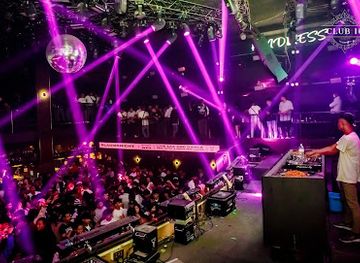
Gupteshwor Cave is not a nightlife district, and the area becomes comparatively quiet after the main sightseeing period. Evening activity is more likely to centre on local tea stalls, small eateries, religious visits and traffic passing through Chorepatan than on bars, clubs or live-music venues. Visitors looking for cocktails, organised entertainment or late-night social spaces should use Lakeside, Pokhara's principal tourist quarter, rather than expecting those facilities beside the cave. If staying nearby, remember that the shrine and surrounding homes form a working local environment: keep voices and music low, avoid treating religious grounds as an evening party setting and arrange transport in advance if returning after other parts of Pokhara have become busier.
-
Night club
The Treasure Lounge
Discover the electrifying nightlife of Pokhara at The Treasure Lounge, where music, dance, and exquisite cocktails come together in perfect harmony.
8 min drive · 2.6 km from neighbourhood centre
-
Night club
Club Sixteen
Discover Pokhara's nightlife at Club Sixteen, the ultimate destination for dance, music, and unforgettable memories.
7 min drive · 2.4 km from neighbourhood centre
-
Lounge
Open House Lounge & Bar
Experience the vibrant atmosphere and exquisite cocktails at Open House Lounge & Bar in Pokhara, where relaxation meets stunning views.
7 min drive · 2.2 km from neighbourhood centre
-
Night club
Matrix Arena
Discover the electrifying nightlife at Matrix Arena, the premier night club in Pokhara, where vibrant music and dancing create unforgettable memories.
9 min drive · 2.9 km from neighbourhood centre



Best shops in Gupteshwor Cave
Shopping at Gupteshwor Cave is concentrated around the entrance roads and consists mainly of small-scale visitor retail rather than a broad independent shopping scene. Stalls may offer religious souvenirs, devotional items, simple handicrafts, postcards, snacks and inexpensive gifts associated with Pokhara and the cave visit. The experience is closer to browsing a pilgrimage and sightseeing market than exploring a specialised design quarter or traditional bazaar. Visitors should compare similar items when buying, check prices politely and remember that stock changes according to season and demand. Chorepatan's everyday shops serve local residents and provide practical supplies, but those seeking wider choices in clothing, trekking equipment, books or crafts will find a much denser retail selection in Lakeside and central Pokhara. Respectful behaviour is particularly important around devotional objects and shrine spaces.
-
Gift shop
Namlang Tashiling Tibetan Handicrafts
Discover the beauty of Tibetan artistry at Namlang Tashiling Tibetan Handicrafts in Pokhara, where each piece reflects rich cultural heritage.
5 min walk · 0.4 km from neighbourhood centre
-
Baby clothing store
Panas Kids Collection
Explore the delightful Panas Kids Collection in Pokhara for unique baby clothing and toys that inspire creativity and joy for your little ones.
3 min walk · 0.3 km from neighbourhood centre
-
Book store
Buswah Handicraft
Explore Buswah Handicraft, a charming bookstore in Pokhara, where literature meets local craftsmanship in a serene atmosphere.
2 min walk · 0.1 km from neighbourhood centre
-
Supermarket
Market Chhorepatan,pokhara
Discover the vibrant local culture and shopping experience at Chhorepatan Market in Pokhara, where fresh produce and traditional crafts await.
3 min walk · 0.2 km from neighbourhood centre


Gupteshwor Cave essentials
Getting There
Getting Around
Safety
Emergency Situations
Do's and Don'ts
Local Tips

From Eve
Local phrases worth knowing
You don't need to get them perfect. A few words go a long way, and locals appreciate the effort.
Basics
| English | Local | Say it |
|---|---|---|
| Hello | नमस्ते | [namaste] |
| Goodbye | फेरि भेटौं | [pheri bhetau] |
| Yes | हो | [ho] |
| No | होइन | [hoin] |
| Please/You're welcome | कृपया | [krpaya] |
| Thank you | धन्यवाद | [dhanyavad] |
| Excuse me/Sorry | माफ गर्नुहोस् | [maaf garnuhos] |
| How are you? | तपाईंलाई कस्तो छ? | [tapailai kasto cha?] |
| Fine. And you? | राम्ररी। तपाईंलाई? | [ramrari. tapailai?] |
| Do you speak English? | तपाईंले अंग्रेजी बोल्नुहुन्छ? | [tapainle angreji bolnuhunchha?] |
| I don't understand | मैले सम्झिन | [maile samjhina] |
Eating & Drinking
| English | Local | Say it |
|---|---|---|
| I'd like to see the menu, please | कृपया मेनू हेर्न चाहन्छु | [krpaya menu hern chahanchu] |
| I don't eat meat | म मासु खाँदैन | [ma masu khandain] |
| Cheers! | चियर्स! | [cheers!] |
| I would like to pay, please | कृपया भुक्तानी गर्न चाहन्छु | [krpaya bhuktani garn chahanchu] |
Emergencies
| English | Local | Say it |
|---|---|---|
| Help! | मदद गर्नुहोस्! | [madad garnuhos!] |
| Go away! | दूर जानुहोस्! | [dur januhos!] |
| Call the Police! | प्रहरीलाई बोलाउनुहोस्! | [praharilai bolaunuhos!] |
| Call a doctor! | डाक्टरलाई बोलाउनुहोस्! | [daktarlai bolaunuhos!] |
| I'm lost | म गुम भएको छु | [ma gum bhaeko chu] |
| I'm ill | म सम्झना गरिरहेछु | [ma samjhana gari rahachu] |
Shopping
| English | Local | Say it |
|---|---|---|
| I'd like to buy... | म किन्न चाहन्छु... | [ma kinn chahanchu...] |
| I'm just looking | म सिर्जना गरिरहेछु | [ma sirjana gari rahachu] |
| How much is it? | यसको मुल्य कति हो? | [yasko mulya kati ho?] |
| That's too expensive | यो धेरै महँगो छ | [yo dherai mahango cha] |
| Can you lower the price? | तपाईं मुल्य कम गर्न सक्नुहुन्छ? | [tapain mulya kam garn saknuhunchha?] |
Time & Numbers
| English | Local | Say it |
|---|---|---|
| What time is it? | कति बजे छ? | [kati baje cha?] |
| It's one o'clock | यो एक बजे हो | [yo ek baje ho] |
| Half past (10) | दसबजे बितियो | [dasbaje bitiyo] |
| Morning | बिहान | [bihan] |
| Afternoon | दिउँसो | [diunso] |
| Evening | साँझ | [sanh] |
| Yesterday | हिजो | [hijo] |
| Today | आज | [aaj] |
| Tomorrow | भोलि | [bholi] |
| 1 | एक | [ek] |
| 2 | दुई | [dui] |
| 3 | तीन | [tin] |
| 4 | चार | [char] |
| 5 | पाँच | [panch] |
| 6 | छ | [chha] |
| 7 | सात | [saat] |
| 8 | आठ | [aath] |
| 9 | नौ | [nau] |
| 10 | दस | [das] |
Transport & Directions
| English | Local | Say it |
|---|---|---|
| Where's a/the...? | ...कहाँ छ? | [...kaha cha?] |
| What's the address? | ठेगाना के हो? | [thegana ke ho?] |
| Can you show me (on the map)? | तपाईंले मलाई देखाउन सक्छिनुहुन्छ? | [tapailae malai dekhaun sakchinuhunchha?] |
| When's the next (bus)? | अर्को कति बजे? | [arko kati baje?] |
| A ticket (to ....) | एक टिकट (...सम्म) | [ek ticket (...samma)] |
History of Gupteshwor Cave
A Limestone Landscape Shaped by Water
Gupteshwor Cave belongs to the limestone landscape of the Pokhara Valley, where water has formed underground cavities and passages over long periods. The cave's physical character is inseparable from the nearby waterfall: water disappearing through the gorge and surrounding rock helps explain why the site feels like one connected natural system rather than an isolated attraction. The geological setting also distinguishes this southern Pokhara locality from the open lakeshore and built-up areas around central Pokhara.
The Rise of Gupteshwor Mahadev
The cave became significant as a Hindu pilgrimage site dedicated to Gupteshwor Mahadev, a manifestation of Shiva whose name is associated with a concealed or hidden form. A shrine at the entrance and religious images within the cave give the natural formation a continuing sacred purpose. Its importance therefore rests not merely on age or unusual rock formations: local worship, offerings and ritual behaviour have shaped how the cave is entered, understood and cared for.
From Pilgrimage Site to Visitor Attraction
As Pokhara developed into a major base for visitors exploring the Annapurna region, Gupteshwor Cave and the adjacent Davis Falls became part of the city's established sightseeing circuit. Access improvements, entrance facilities and small-scale commercial activity have made the site easier to visit, while the shrine remains active. Contemporary tourism has added photography and geological curiosity to the older religious purpose, creating a compact visitor district in Chorepatan where pilgrimage, local commerce and natural attraction overlap.
Gupteshwor Cave in Photos
Browse through our photo collection highlighting the charm and character of the destination.
Neighbourhoods near Gupteshwor Cave
The closest neighbourhoods to Gupteshwor Cave, if you have time for more than one stop.
-

-

-

-


Swipe for more neighbourhoods
Explore more

Explore more of Pokhara
Pokhara, Nepal blends Phewa Lake, Himalayan views, sacred temples, mountain museums and outdoor adventures in a relaxed gateway to the Annapurna region.
Explore Pokhara