

Oud-Zuid (Amsterdam) Travel Guide - Free
Explore Oud-Zuid in Amsterdam with Evendo's free guide. Find the best shops, historic streets, restaurants, and gems on web or mobile.


Oud-Zuid in Amsterdam pairs world-class museums, Museumplein, Vondelpark, elegant streets, Concertgebouw performances and refined local dining for culture-focused city breaks.
Museums, Music and Monumental Streets
Oud-Zuid occupies the cultivated southern side of Amsterdam’s historic centre, an area of broad avenues, late-nineteenth-century town houses, leafy squares and some of the Netherlands’ most important cultural institutions. Its best-known core is the Museumkwartier, or Museum Quarter, gathered around Museumplein, where the Rijksmuseum, Van Gogh Museum and Stedelijk Museum face one another across a large civic lawn. The Concertgebouw stands just beyond the square, anchoring the district’s reputation for classical music.Read more about Oud-Zuid
Architecture and Everyday Character
Culture Beyond the Museum Doors
Best attractions in Oud-Zuid
Oud-Zuid’s attractions are concentrated around Museumplein, where three major museums create one of Amsterdam’s richest cultural clusters. The Rijksmuseum presents Dutch art and history in Pierre Cuypers’s nineteenth-century building, while the Van Gogh Museum follows the artist’s development through paintings, drawings and letters. The Stedelijk Museum provides a contrasting focus on modern and contemporary art and design. Nearby, the Concertgebouw is an important destination for orchestral music, and its architecture gives the surrounding square a strong civic presence. Vondelpark offers a different kind of attraction: a large urban park for walking, cycling, people-watching and seasonal outdoor events. Smaller pleasures include the galleries and carefully designed streets around the Museum Quarter, the green spaces of Willemspark and the changing views across Museumplein, where museum façades, cyclists and open lawn create a recognisably southern Amsterdam scene.
-
Tourist attraction
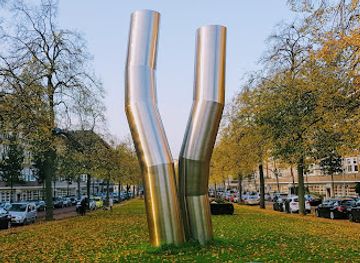
ARTZUID
Discover ARTZUID, an enchanting outdoor sculpture museum in Amsterdam-Zuid, showcasing contemporary art amidst stunning architecture and verdant parks.
7 min drive · 2.4 km from neighbourhood centre

Best landmarks in Oud-Zuid
Oud-Zuid’s landmarks express Amsterdam’s late-nineteenth-century cultural ambition and its subsequent residential development. The Rijksmuseum, designed by Pierre Cuypers and opened in 1885, is the district’s most imposing architectural presence, combining ornate brickwork, towers and a public passage through the building. The Concertgebouw, completed in 1888, is equally important as a monument to the city’s musical life. Across Museumplein, the Stedelijk Museum and Van Gogh Museum mark later phases of museum architecture and cultural presentation. The square itself is a significant open urban space, while Vondelpark forms a major landscape landmark on the neighbourhood’s western side. Beyond these institutions, the villas and apartment houses around Willemspark, Jan Luijkenstraat and Hobbemastraat reveal the area’s planned expansion and changing architectural tastes, with continuous façades and decorated brick buildings giving many streets their distinctive visual unity.
-
Sculpture museum
ARTZUID
Explore ARTZUID in Amsterdam, where contemporary art meets beautiful outdoor settings in a unique sculpture museum experience.
7 min drive · 2.4 km from neighbourhood centre
-
Memorial
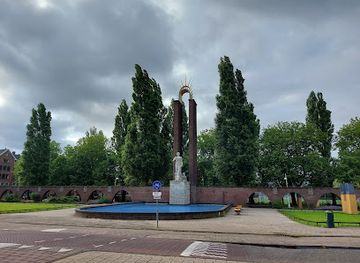
Monument Indië-Nederland
Explore the India-Netherlands Monument in Amsterdam, a serene memorial celebrating the deep-rooted historical ties between India and the Netherlands.
6 min drive · 2.0 km from neighbourhood centre
-
Monument
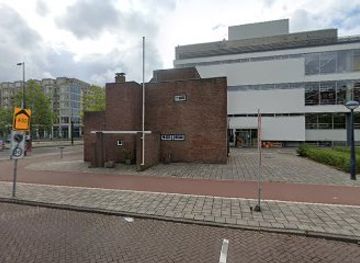
De Noordelijke Dienstwoning
Discover the charm of the Noordelijke Dienstwoning, a stunning monument in Amsterdam-Zuid that reflects the city's rich architectural heritage.
14 min walk · 1.1 km from neighbourhood centre
-
Memorial park
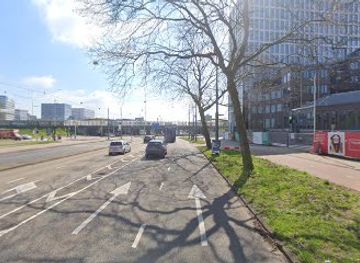
War Memorial Amstelveenseweg
Explore the War Memorial Amstelveenseweg in Amsterdam: A serene park dedicated to honoring the sacrifices made in war, set in the heart of Amsterdam South.
12 min walk · 1.0 km from neighbourhood centre
Explore Oud-Zuid on the map
A handpicked selection of must-see spots in Oud-Zuid, mapped for you.
Best hotels in Oud-Zuid
Best restaurants in Oud-Zuid
Dining in Oud-Zuid reflects the neighbourhood’s cultural institutions and affluent residential character, with restaurants, cafés, bakeries and wine-focused venues concentrated around the Museum Quarter, Van Baerlestraat and Cornelis Schuytstraat. Visitors will find polished modern European cooking, international menus, coffee bars and places designed for a leisurely meal after museum visits, alongside more informal cafés serving breakfast, sandwiches and pastries. The area is not Amsterdam’s primary street-food or late-night dining district; its food culture is more settled and appointment-oriented than that of nearby De Pijp. Hotel restaurants and museum cafés add convenient options around Museumplein, while the streets towards Vondelpark provide quieter terraces and neighbourhood eating. Dutch staples can appear alongside Mediterranean, Asian and contemporary vegetarian dishes, reflecting the capital’s wider culinary range without giving Oud-Zuid a single defining cuisine.
-
Restaurant
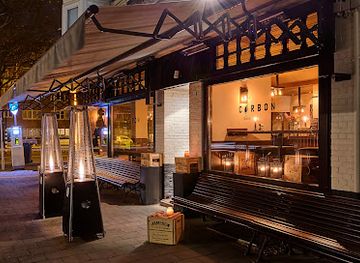
Café Carbòn Zuid
Discover delectable steaks and a lively atmosphere at Café Carbòn Zuid in Amsterdam-Zuid – where every meal is a celebration of flavor.
16 min walk · 1.3 km from neighbourhood centre
-
Dutch
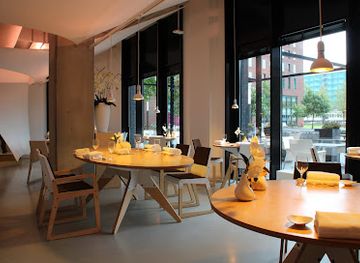
Bolenius Restaurant
Discover Bolenius Restaurant: A Premier Destination for Modern Dutch Cuisine in Amsterdam with Local Ingredients.
6 min drive · 2.1 km from neighbourhood centre
-
Italian
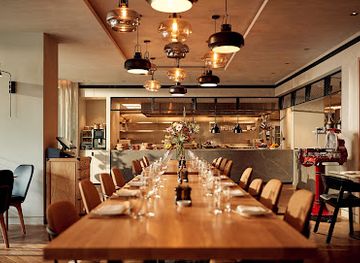
TOZI Restaurant & Bar, Vondelpark
Experience authentic Venetian cuisine at TOZI Restaurant & Bar in Amsterdam's Vondelpark - where Italy meets Dutch charm.
7 min drive · 2.3 km from neighbourhood centre
-
Italian
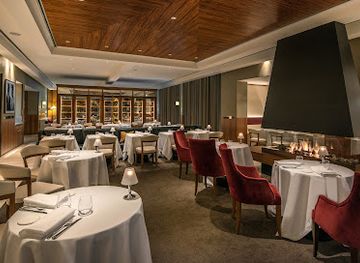
Roberto's Restaurant Amsterdam
Experience authentic Italian cuisine in the heart of Amsterdam at Roberto's Restaurant—where every meal is a delightful journey through Italy.
7 min drive · 2.4 km from neighbourhood centre
Best bars in Oud-Zuid
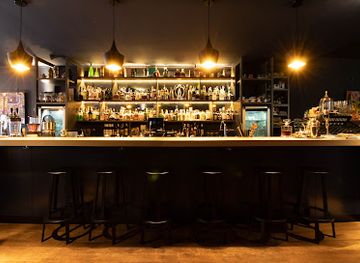
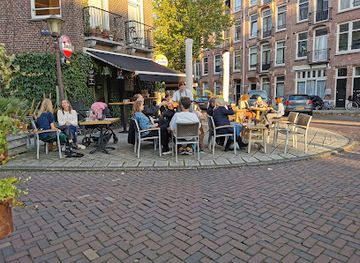
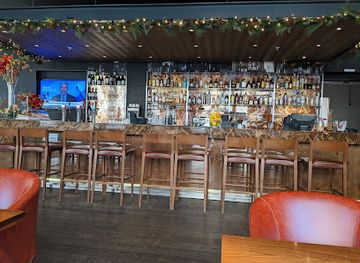
Oud-Zuid is comparatively restrained after dark, with evening life revolving around restaurant bars, hotel lounges, neighbourhood cafés and performances at the Concertgebouw rather than a dense concentration of nightclubs. Museumplein becomes quieter after museum closing, while the streets around Cornelis Schuytstraat and Van Baerlestraat offer places for a drink before or after dinner. The Concertgebouw is the district’s defining evening venue, presenting classical concerts and other musical programmes in an acoustically celebrated hall. Visitors seeking larger club nights or a more concentrated bar scene generally need to continue towards nearby Leidseplein, De Pijp or the city centre, rather than assuming those districts are part of Oud-Zuid. Vondelpark is primarily a daytime and early-evening public space, so it should not be treated as a nightlife venue.
-
Cocktail bar
Labyrinth Cocktail Soul Food & Poetry Bar
Discover the vibrant flavors of the Caribbean at Labyrinth Cocktail Soul Food & Poetry Bar in Amsterdam, where cocktails, cuisine, and culture unite.
6 min drive · 1.9 km from neighbourhood centre
-
Bar
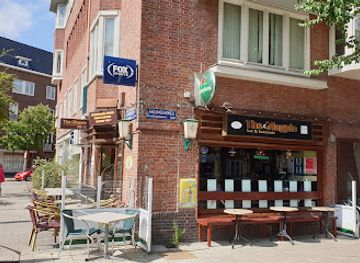
The Magpie
Experience the cozy charm of The Magpie, Amsterdam's perfect spot for breakfast, cocktails, and sports in a vibrant setting.
15 min walk · 1.2 km from neighbourhood centre
-
Bar
Bar Leijten
Discover the vibrant charm of Bar Leijten in Amsterdam-Zuid, where delightful drinks and a warm atmosphere await every visitor.
5 min drive · 1.6 km from neighbourhood centre
-
Bar
Manhattan Lounge - Bar
Discover the energetic Manhattan Lounge - Bar in Amsterdam-Zuid, a perfect blend of cocktails, live music, and a vibrant atmosphere.
7 min drive · 2.2 km from neighbourhood centre
Best nightclubs in Oud-Zuid
Oud-Zuid is comparatively restrained after dark, with evening life revolving around restaurant bars, hotel lounges, neighbourhood cafés and performances at the Concertgebouw rather than a dense concentration of nightclubs. Museumplein becomes quieter after museum closing, while the streets around Cornelis Schuytstraat and Van Baerlestraat offer places for a drink before or after dinner. The Concertgebouw is the district’s defining evening venue, presenting classical concerts and other musical programmes in an acoustically celebrated hall. Visitors seeking larger club nights or a more concentrated bar scene generally need to continue towards nearby Leidseplein, De Pijp or the city centre, rather than assuming those districts are part of Oud-Zuid. Vondelpark is primarily a daytime and early-evening public space, so it should not be treated as a nightlife venue.
-
Night club
Club Classic
Discover the electrifying nightlife at Club Classic, Amsterdam's premier night club for an unforgettable party experience.
4 min walk · 0.4 km from neighbourhood centre
Oud-Zuid essentials
Getting There
Getting Around
Safety
Emergency Situations
Do's and Don'ts
Local Tips

From Eve
Local phrases worth knowing
You don't need to get them perfect. A few words go a long way, and locals appreciate the effort.
Basics
| English | Local | Say it |
|---|---|---|
| Hello | Hallo | [hah-loh] |
| Goodbye | Tot ziens | [toht zeens] |
| Yes | Ja | [yah] |
| No | Nee | [nay] |
| Please/You're welcome | Alstublieft | [ahl-stuu-bleeft] |
| Thank you | Dank je | [dahnk ye] |
| Excuse me/Sorry | Sorry | [soh-ree] |
| How are you? | Hoe gaat het? | [hoo gahht het] |
| Fine. And you? | Goed. En met jou? | [khoot. en met yow] |
| Do you speak English? | Spreek je Engels? | [sprayk yuh eng-uhls] |
| I don't understand | Ik begrijp het niet | [ik buh-greyp het neet] |
Eating & Drinking
| English | Local | Say it |
|---|---|---|
| I'd like to see the menu, please | Mag ik de menukaart zien, alstublieft | [mahkh ihk duh meh-noo-kahrt seen, ahl-stuu-bleeft] |
| I don't eat meat | Ik eet geen vlees | [ik ayt khayn flays] |
| Cheers! | Proost! | [prohst] |
| I would like to pay, please | Ik wil graag betalen, alstublieft | [ik wil khrahkh buh-tah-luhn, ahl-stuu-bleeft] |
Emergencies
| English | Local | Say it |
|---|---|---|
| Help! | Help! | [help] |
| Go away! | Ga weg! | [gah vaykh] |
| Call the Police! | Bel de politie! | [bel duh poh-lee-see] |
| Call a doctor! | Bel een dokter! | [bel ayn dohk-tuhr] |
| I'm lost | Ik ben verdwaald | [ik ben vuhr-dwahlt] |
| I'm ill | Ik ben ziek | [ik ben zik] |
Shopping
| English | Local | Say it |
|---|---|---|
| I'd like to buy... | Ik wil graag kopen... | [ik wil khrahkh koh-puhn] |
| I'm just looking | Ik ben alleen aan het kijken | [ik ben ahl-ayn ahn het kee-kuhn] |
| How much is it? | Hoeveel kost het? | [hoo-veyl kost het] |
| That's too expensive | Dat is te duur | [daht is tuh dur] |
| Can you lower the price? | Kunt u de prijs verlagen? | [kunt u duh prays vuh-rah-ghun] |
Time & Numbers
| English | Local | Say it |
|---|---|---|
| What time is it? | Hoe laat is het? | [hoo laht is het] |
| It's one o'clock | Het is één uur | [het is ayn oor] |
| Half past (10) | Half elf | [hahlf elf] |
| Morning | Ochtend | [ohk-tuhnt] |
| Afternoon | Middag | [mit-tahkh] |
| Evening | Avond | [ah-vohnt] |
| Yesterday | Gisteren | [khis-teh-ruhn] |
| Today | Vandaag | [vahn-dahkh] |
| Tomorrow | Morgen | [mohr-khun] |
| 1 | Een | [ayn] |
| 2 | Twee | [tvay] |
| 3 | Drie | [dree] |
| 4 | Vier | [veer] |
| 5 | Vijf | [vayf] |
| 6 | Zes | [zehs] |
| 7 | Zeven | [zay-ven] |
| 8 | Acht | [ahkht] |
| 9 | Negen | [nay-khun] |
| 10 | Tien | [teen] |
Transport & Directions
| English | Local | Say it |
|---|---|---|
| Where's a/the...? | Waar is de... | [vahr is duh] |
| What's the address? | Wat is het adres? | [vaht is het ah-druhs] |
| Can you show me (on the map)? | Kunt u mij laten zien (op de kaart)? | [kunt u may laa-tuhn seen (op duh kahrt)] |
| When's the next (bus)? | Wanneer is de volgende (bus)? | [vahn-nehr is duh vohl-ghuhn-duh (buhs)] |
| A ticket (to ....) | Een kaartje (naar ....) | [ayn kahrt-yuh (nahr)] |
History of Oud-Zuid
From Polder Land to Southern Expansion
Before urban development, much of present-day Oud-Zuid consisted of low-lying polder land beyond Amsterdam’s older built-up area. The city’s nineteenth-century population growth encouraged expansion south of the Singelgracht, and the 1877 plan by civil engineer Jan Kalff provided a framework for new avenues, public spaces and building plots. The area was developed as a spacious residential extension rather than as a continuation of the dense medieval town, with room for broad streets and prominent cultural buildings. This planned expansion established the contrast that still defines Oud-Zuid: formal boulevards and large institutions set among quieter residential quarters.
The Birth of the Museum Quarter
Oud-Zuid’s cultural identity took shape in the late nineteenth century, when the Rijksmuseum opened in 1885 on the southern edge of the expanding city. Designed by Pierre Cuypers, it combined museum, national monument and ceremonial gateway in a single building. The Concertgebouw followed in 1888, creating a major home for orchestral music, and the Stedelijk Museum opened in 1895. Together these institutions transformed the area around Museumplein into a national cultural centre. Their presence also influenced surrounding development, attracting prestigious residences, hotels, galleries and commercial services to streets that had recently been on Amsterdam’s urban fringe.
Amsterdamse School and Residential Ambition
The early twentieth century brought further building in the residential quarters around the Museum Quarter and Willemspark. Architects working in and around the Amsterdamse School tradition introduced expressive brickwork, sculptural details and carefully composed façades to parts of southern Amsterdam, while other streets retained more restrained revival and early-modernist designs. Housing in Oud-Zuid was varied in scale but generally associated with professional and middle- to upper-income households. The neighbourhood’s schools, churches, shops and cultural venues developed alongside this residential fabric, giving the district a settled civic character rather than the industrial identity found in parts of Amsterdam closer to the harbour.
Postwar Culture and Urban Renewal
After the Second World War, Oud-Zuid remained one of Amsterdam’s principal cultural districts, although its museums and public spaces were repeatedly adapted to changing ideas about collections, access and urban use. Museumplein became a focus of redesign and public debate, eventually regaining a large open lawn and a clearer relationship with the surrounding institutions. The Rijksmuseum underwent a major restoration and renewal in the early twenty-first century, reopening its central passage as a public route. At the same time, the neighbourhood’s established housing, galleries, restaurants and specialist retail helped consolidate its contemporary identity as a prestigious but still lived-in part of Amsterdam.
Oud-Zuid in Photos
Browse through our photo collection highlighting the charm and character of the destination.
Neighbourhoods near Oud-Zuid
The closest neighbourhoods to Oud-Zuid, if you have time for more than one stop.
-

-

-

-

-


Swipe for more neighbourhoods
Explore more

Explore more of Amsterdam
Amsterdam blends canal-side architecture, world-class museums, historic neighbourhoods and cycling culture with thoughtful food, design and lively local life.
Explore Amsterdam