

Free Palisades Travel Guide & Mobile App
Explore Palisades with free travel guides. Discover regional history, expert tips, proposed trips, and audio guides on web or mobile app.


Explore New Jersey’s Palisades for Hudson River cliffs, wooded trails, Revolutionary history, riverfront parks and sweeping views towards New York City.
Read more about Palisades
When is the best time to visit Palisades?
Best: May–June, September · 23–27°C| Month | High (°C) | Rainfall (mm) |
|---|---|---|
| January | 5 | 80 |
| February | 6 | 70 |
| March | 10 | 90 |
| April | 17 | 100 |
| May (best) | 23 | 90 |
| June (best) | 27 | 100 |
| July | 30 | 110 |
| August | 29 | 100 |
| September (best) | 26 | 90 |
| October | 20 | 80 |
| November | 13 | 90 |
| December | 8 | 100 |
Getting to and around Palisades
How to get there
Transportation
Best attractions in Palisades
The New Jersey Palisades offer a concentrated blend of outdoor recreation, history and metropolitan scenery. Palisades Interstate Park is the central attraction, with cliff-top viewpoints, forest trails, rocky ravines, picnic grounds and river access extending through the Bergen County Palisades. Walkers can choose short scenic outings or longer routes that descend towards the Hudson, while birdwatchers and amateur naturalists may find woodland habitats, seasonal flowers and migrating birds. Fort Lee Historic Park interprets the Continental Army’s position during the American Revolution and provides context for the dramatic landscape around it. The George Washington Bridge is not a park attraction in the conventional sense, but its vast span and busy approaches form an unmistakable part of the southern Palisades setting. Fort Lee’s museums, civic spaces and Korean-American commercial district add an urban cultural dimension, while quieter communities such as Alpine and Tenafly provide access to the park’s northern woods and river corridor. Visitors should distinguish between the New Jersey section and the larger cross-border Palisades Interstate Park system, whose additional overlooks and facilities continue into New York.
-
Shopping mall
Palisades Center
Discover unparalleled shopping, dining, and entertainment at Palisades Center, the ultimate destination in West Nyack, NY.
-
Escape room center
Escape the Mystery Room
Experience an exhilarating adventure at Escape the Mystery Room, where teamwork and creativity blend in captivating escape challenges in West Nyack.
-
Go-kart track
K1 Speed - Indoor Go Karts, Corporate Event Venue, Team Building Activities
Experience the thrill of indoor go-kart racing at K1 Speed in West Nyack, where excitement meets competition for all ages.
-
Park
State Line Lookout, Palisades Interstate Park Commission
Discover stunning views of the Hudson River and NYC skyline at State Line Lookout in New Jersey's Palisades Interstate Park.


Explore Palisades on the map
Plan your trip on one map. See where the top cities, national parks and sights are, and book hotels and experiences in a few clicks.
Best hotels in Palisades
Best restaurants in Palisades
Dining in the Palisades region is strongest in and around Fort Lee, where a substantial Korean-American community has helped make the town a destination for Korean barbecue, noodle restaurants, dumpling houses, bakeries and cafés. The wider Bergen County area also offers Japanese, Chinese, Latin American, Italian and contemporary American cooking, alongside familiar diners and casual family restaurants. Englewood Cliffs and nearby towns provide further choices, while Alpine and the park itself are better suited to picnics and meals planned before a walk. Visitors should look for Korean specialities such as grilled meats, soups, noodles and banchan, the small accompanying dishes served with many meals, rather than assuming that the region has a separate rural cuisine. The Hudson setting supports scenic dining in some places, but the Palisades’ food culture is primarily metropolitan and immigrant-influenced, reflecting northern New Jersey’s connection with New York City. Markets and specialist grocers can be useful for assembling picnic provisions, especially when spending several hours on the trails.
-
Restaurant
Dave & Buster's West Nyack - Palisades
Experience culinary delights and thrilling games at Dave & Buster's West Nyack – where fun meets flavor in every bite!
-
Restaurant
The Cheesecake Factory
Experience the ultimate American dining with decadent desserts at The Cheesecake Factory in West Nyack – perfect for families and food lovers!
-
New American
Yard House
Experience the best of New American cuisine at Yard House in West Nyack with diverse flavors and an extensive craft beer selection.
-
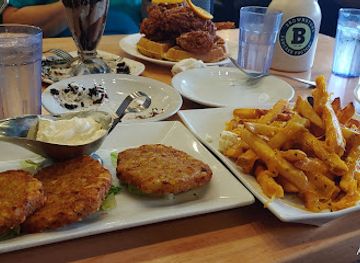
Brunch
Brownstone Pancake Factory (Englewood Cliffs, NJ)
Experience creative brunch delights at Brownstone Pancake Factory in Englewood Cliffs – where every bite is a celebration of flavor!


Best bars in Palisades
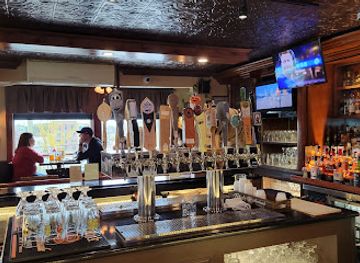
Evening life is concentrated in Fort Lee and the surrounding Bergen County communities rather than inside the wooded park. Fort Lee offers Korean restaurants, cafés, lounges, cocktail-led venues and casual bars, with much of its social activity organised around dining rather than a single nightlife district. Nearby towns provide additional pubs, restaurants and live entertainment, while the New Jersey Palisades themselves become quiet after dark, with limited facilities and poor suitability for improvised evening walks. New York City is easily visible and relatively close across the Hudson, but it is outside the region and requires planning for bridge traffic and transport. Visitors seeking a relaxed evening can combine a meal in Fort Lee with a bridge or skyline view; those looking for late-night clubs will generally find a broader choice in Manhattan or larger regional centres beyond the Palisades.
-
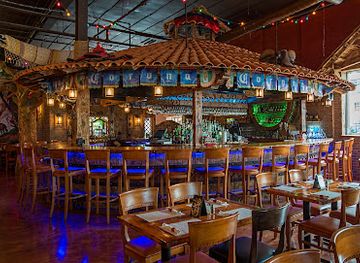
Bar
Rancho Mateo
Discover the vibrant atmosphere of Rancho Mateo - a lively bar and Colombian restaurant in North Bergen offering delectable food, live music, and a true taste of Latin culture.
-
Restaurant
Dave & Buster's West Nyack - Palisades
Discover the ultimate blend of dining and entertainment at Dave & Buster's West Nyack, where fun meets flavor in a family-friendly atmosphere.
-
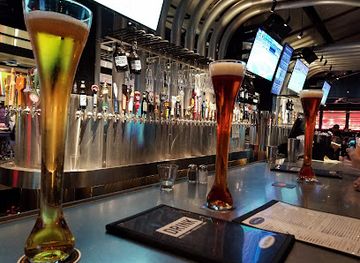
Bar
Yard House
Experience the vibrant flavors of New American cuisine and an extensive draft beer selection at Yard House in West Nyack.
-
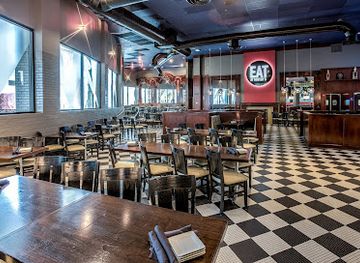
American
Bridge View Tavern
Experience the perfect blend of scenic views and delicious American cuisine at Bridge View Tavern in Sleepy Hollow.
Best nightclubs in Palisades
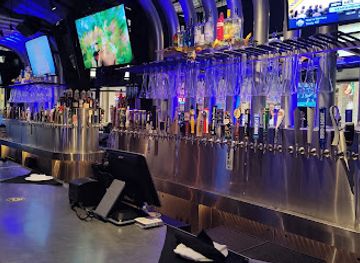
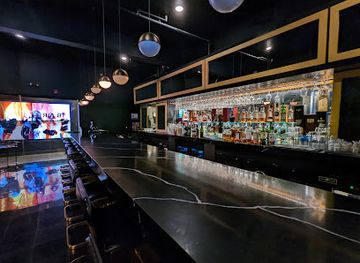
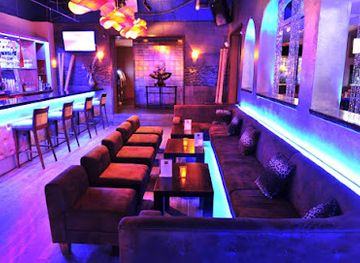
Evening life is concentrated in Fort Lee and the surrounding Bergen County communities rather than inside the wooded park. Fort Lee offers Korean restaurants, cafés, lounges, cocktail-led venues and casual bars, with much of its social activity organised around dining rather than a single nightlife district. Nearby towns provide additional pubs, restaurants and live entertainment, while the New Jersey Palisades themselves become quiet after dark, with limited facilities and poor suitability for improvised evening walks. New York City is easily visible and relatively close across the Hudson, but it is outside the region and requires planning for bridge traffic and transport. Visitors seeking a relaxed evening can combine a meal in Fort Lee with a bridge or skyline view; those looking for late-night clubs will generally find a broader choice in Manhattan or larger regional centres beyond the Palisades.
-
New American
Yard House
Discover Yard House in West Nyack, where New American cuisine meets a vibrant bar scene, perfect for food lovers and sports fans alike.
-
Karaoke
Karaoke Rock 21 | bar & dining
Experience the ultimate karaoke night at Karaoke Rock 21, where music, food, and fun collide in a lively atmosphere.
-
Lounge
46 Lounge
Experience the vibrant nightlife at 46 Lounge in Totowa, NJ, where chic ambiance meets unforgettable music and cocktails.
-
Bar
Fox & Crow
Discover the vibrant atmosphere and delicious cuisine at Fox & Crow, Jersey City's beloved bar and restaurant, perfect for a night out or a casual meal.

Best shops in Palisades
Shopping is primarily an urban Fort Lee experience rather than a rural park activity. Along the town’s commercial corridors, visitors can find Korean and wider Asian grocery shops, bakeries, cafés, restaurants, pharmacies and everyday retail, making the area useful for picnic supplies as well as for exploring northern New Jersey’s food culture. Independent businesses and specialist food shops are more characteristic here than souvenir outlets. Englewood Cliffs, Tenafly and nearby Bergen County communities add local high-street services, boutiques, galleries and restaurants, although retail patterns change over time and are spread across several town centres. The Palisades parklands have limited shopping, so buy water, snacks and other walking essentials before entering the wooded sections. Practical regional purchases include packaged Korean foods, bakery goods, speciality teas and locally available New Jersey products; traditional park souvenirs are less prominent than the landscape, geological story and nearby metropolitan culture.
-
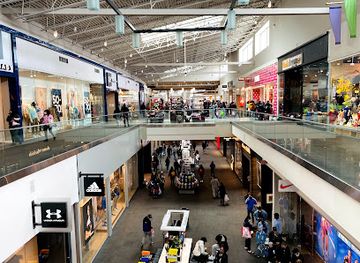
Outlet mall
The Mills at Jersey Gardens
Explore unbeatable deals at The Mills at Jersey Gardens, New Jersey's largest outlet mall with top brands, dining, and entertainment options.
-
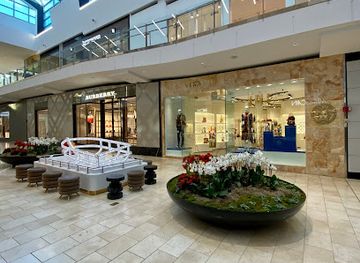
Gift shop
Westfield Garden State Plaza
Discover the ultimate shopping and entertainment destination at Westfield Garden State Plaza, featuring diverse stores, dining options, and a movie theater.
-
Shopping mall
Palisades Center
Explore the vast shopping, dining, and entertainment options at Palisades Center, New York's premier shopping destination!
-
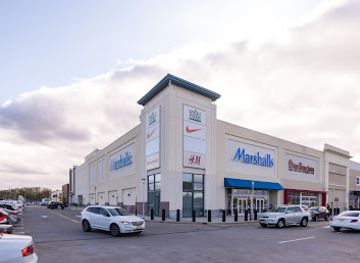
Outlet mall
Bergen Town Center
Explore Bergen Town Center: A premier outlet mall in Paramus, NJ, offering diverse shopping, dining, and entertainment options for all visitors.

Get your free copy of our complete guide to Palisades, delivered straight to you.
Everything on this page, from attractions and restaurants to essentials and local phrases, in one PDF you can read offline, print or share.
Already have an account? Sign in
Your Palisades guide is ready.
We'll send it to · Not you? Sign out

Getting your guide ready…
We are putting together a fresh copy of the Palisades guide. This can take up to a minute.
This can take a few moments. If your browser asks, choose Allow so the download can start. You'll find the guide in your Downloads folder.
Nothing happened? Download it again
Sorry, the guide is taking longer than usual. Please try again in a minute, or get it by email instead.
Palisades essentials
Currency and Payment
Safety
Emergency Situations
Do's and Don'ts
Local Tips
From Eve
Local phrases worth knowing
You don't need to get them perfect. A few words go a long way, and locals appreciate the effort.
Basics
| English | Local | Say it |
|---|---|---|
| Hello | Hey | [hey] |
| Goodbye | See ya | [see ya] |
| Yes | Yeah | [yeh] |
| No | Nah | [nah] |
| Please/You're welcome | No problem | [no prob-lum] |
| Thank you | Thanks | [thanks] |
| Excuse me/Sorry | Sorry | [sorry] |
| How are you? | How ya doin'? | [how ya doin'] |
| Fine. And you? | Good. You? | [good. you?] |
| Do you speak English? | You speak English? | [you speak English?] |
| I don't understand | I don't get it | [I don't get it] |
Eating & Drinking
| English | Local | Say it |
|---|---|---|
| I'd like to see the menu, please | Can I see the menu? | [can I see the menu?] |
| I don't eat meat | I'm vegetarian | [I'm vedge-tair-ian] |
| Cheers! | Cheers! | [cheers] |
| I would like to pay, please | Can I get the check? | [can I get the check?] |
Emergencies
| English | Local | Say it |
|---|---|---|
| Help! | Help! | [help] |
| Go away! | Leave me alone! | [leave me alone] |
| Call the Police! | Call the cops! | [call the cops] |
| Call a doctor! | Get a doctor! | [get a doctor] |
| I'm lost | I'm lost | [I'm lost] |
| I'm ill | I'm not feeling well | [I'm not feelin' well] |
Shopping
| English | Local | Say it |
|---|---|---|
| I'd like to buy... | I want to buy... | [I want to buy...] |
| I'm just looking | Just browsing | [just brow-sing] |
| How much is it? | What's the price? | [what's the price?] |
| That's too expensive | That's pricey | [that's pry-see] |
| Can you lower the price? | Can you do better on the price? | [can you do better on the price?] |
Time & Numbers
| English | Local | Say it |
|---|---|---|
| What time is it? | What time is it? | [what time is it?] |
| It's one o'clock | It's one o'clock | [it's one o'clock] |
| Half past (10) | Half past 10 | [half past ten] |
| Morning | Morning | [morning] |
| Afternoon | Afternoon | [afternoon] |
| Evening | Evening | [evening] |
| Yesterday | Yesterday | [yesterday] |
| Today | Today | [today] |
| Tomorrow | Tomorrow | [tomorrow] |
| 1 | One | [one] |
| 2 | Two | [two] |
| 3 | Three | [three] |
| 4 | Four | [four] |
| 5 | Five | [five] |
| 6 | Six | [six] |
| 7 | Seven | [seven] |
| 8 | Eight | [eight] |
| 9 | Nine | [nine] |
| 10 | Ten | [ten] |
Transport & Directions
| English | Local | Say it |
|---|---|---|
| Where's a/the...? | Where's the...? | [where's the...?] |
| What's the address? | What's the address? | [what's the address?] |
| Can you show me (on the map)? | Can you show me on the map? | [can you show me on the map?] |
| When's the next (bus)? | When's the next bus? | [when's the next bus?] |
| A ticket (to ....) | A ticket to... | [a ticket to...] |
History of Palisades
Lenape Homeland and Hudson River Settlement
Before European colonisation, the Palisades and the wider Hudson Valley formed part of the homeland of Lenape peoples, whose communities used the river, woodland and coastal plain for travel, fishing, hunting and agriculture. The cliffs were part of a wider living landscape rather than an isolated scenic feature. Dutch settlement in the seventeenth century brought new landholding patterns, trade and conflict, followed by English control of the region. Indigenous displacement and the remaking of land ownership shaped the communities that developed around the Palisades.
The Palisades Sill and Geological Formation
The cliffs are the visible edge of the Palisades Sill, an extensive intrusion of dark igneous rock formed during the breakup of the ancient supercontinent Pangaea, approximately 200 million years ago. Molten material cooled below the surface and was later exposed as erosion removed softer surrounding rocks. The result is the steep escarpment overlooking the Hudson. This geological story is central to the region’s identity and explains why the Palisades appear as a long, relatively continuous wall rather than a series of unrelated hills.
Fort Lee and the American Revolution
In 1776, the Continental Army established Fort Lee on the New Jersey heights overlooking the Hudson, opposite Fort Washington on Manhattan Island. The position was intended to help control movement along the river, but British and Hessian forces compelled the American troops to withdraw in November that year. The retreat became part of George Washington’s difficult New Jersey campaign. Fort Lee Historic Park preserves and interprets this episode, although the surviving landscape is largely a reconstructed and commemorative setting rather than an intact eighteenth-century fortification.
Nineteenth-Century Industry and Quarrying
The Palisades’ rock attracted industrial use during the nineteenth century, when quarrying and related activity altered parts of the cliffs and river corridor. Stone was valuable for construction in the rapidly expanding New York metropolitan area, and the Hudson provided a practical transport route. Industrial development also brought growing concern about the loss of scenery and natural land. The tension between commercial exploitation and landscape preservation became one of the forces behind the creation of a protected park at the turn of the twentieth century.
Creation of Palisades Interstate Park
Palisades Interstate Park was established in 1900 through cooperation between New York and New Jersey, following sustained conservation efforts led by civic organisations and supporters of the Hudson landscape. The park was intended to protect the cliffs from further quarrying and preserve public access to river and woodland scenery. Its cross-border structure was significant: rather than treating the Palisades as separate state landscapes, the initiative recognised the escarpment and Hudson corridor as one connected natural system.
The George Washington Bridge and Metropolitan Change
The opening of the George Washington Bridge in 1931 transformed Fort Lee’s relationship with Manhattan and made the New Jersey Palisades a major gateway into the New York metropolitan region. Roads, housing and commercial development expanded around the bridge approaches, placing intense urban infrastructure beside the protected cliffs. The bridge remains both a practical crossing and a defining landmark, while the nearby park demonstrates how conservation and metropolitan growth have continued side by side.
Modern Conservation and Recreation
During the twentieth and twenty-first centuries, the Palisades became increasingly valued for public recreation, ecological protection and interpretation of local history. The New Jersey section of Palisades Interstate Park now supports hiking, picnicking, river access, scenic observation and environmental education. Conservation work addresses erosion, invasive plants, storm damage and the pressure created by high visitor numbers. The region’s current character depends on maintaining this balance between an intensively used metropolitan setting and a fragile cliff-and-woodland ecosystem.
Palisades in Photos
Browse through our photo collection highlighting the charm and character of the destination.
Neighbouring regions of Palisades
The closest regions to Palisades, if you have time for more than one.
-

-

-
-

-


Swipe for more regions
Explore more
Explore more of New Jersey
Discover New Jersey: From vibrant cities and historic towns to scenic beaches and lush parks, the Garden State offers a rich blend of culture, nature, and adventure.
Explore New Jersey