

Free Gateway Region Travel Guide & Mobile App
Explore Gateway Region with free travel guides. Discover regional history, expert tips, proposed trips, and audio guides on web or mobile app.


Explore New Jersey’s Gateway Region for Hudson River views, urban culture, industrial heritage, green reservations and easy access to metropolitan attractions.
Read more about Gateway Region
Getting to and around Gateway Region
How to get there
Transportation
Top city travel guides in Gateway Region
The cities of Gateway Region, and the easiest places to base yourself.
-

-

-

-


Swipe for more cities
Destinations in Gateway Region
Resorts, valleys and scenic spots worth a trip of their own.
-

-

-

-

-

-


Swipe for more destinations
Best attractions in Gateway Region
The Gateway Region offers an unusually broad mixture of urban culture, industrial heritage and accessible open space. Paterson Great Falls National Historical Park centres on the powerful waterfall and the mill landscape that made Paterson an early American manufacturing city. Newark provides museums, performing arts and historic architecture, while the Hudson waterfront in Jersey City, Hoboken and nearby communities combines parks, promenades, ferry travel and views towards Manhattan. Outdoor visitors can explore Watchung Reservation, South Mountain Reservation and other county parkland through woodland trails, reservoirs and nature areas. Historic houses, preserved civic buildings and former industrial districts add context in towns such as Montclair, Newark and Paterson. The region is also well suited to visitors interested in architecture and community history, with dense nineteenth-century streetscapes alongside modern redevelopment. Family outings may include parks, museums and educational sites, while walkers can choose between urban waterfront routes, river landscapes and wooded uplands. Because attractions are dispersed across several counties, an itinerary works best when organised around a particular corridor or transport line rather than treating the region as a single compact centre.
-
Historical place museum
9/11 Memorial & Museum
Experience the profound tribute of the 9/11 Memorial & Museum, where history, remembrance, and resilience converge in the heart of New York City.
-
 Park
The Battery
Explore The Battery, a historic park in Manhattan featuring stunning harbor views, lush gardens, and rich history, perfect for relaxation and exploration.
-
Park
Brooklyn Bridge Park
Explore Brooklyn Bridge Park: A stunning urban oasis with breathtaking views, recreational activities, and cultural experiences along the East River.
-
Historical landmark
One World Trade Center
Discover the resilience of New York City at One World Trade Center, a stunning architectural marvel and symbol of hope.


Best landmarks in Gateway Region
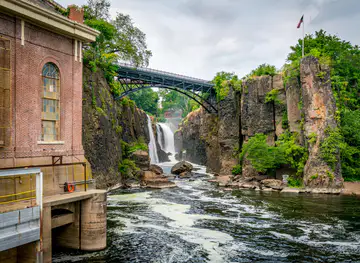
The Great Falls of the Passaic in Paterson are the Gateway Region’s defining natural and industrial landmark: the waterfall powered mills and canals that helped establish one of the United States’ earliest planned manufacturing cities. Along the Hudson, the Palisades form a dramatic geological edge above the river, while waterfront parks in Jersey City, Hoboken and Weehawken provide a contrasting metropolitan panorama across to Manhattan, which lies outside the region. Newark’s Cathedral Basilica of the Sacred Heart is a major example of Gothic Revival ecclesiastical architecture, and the city’s older civic and commercial buildings reflect its long urban history. Historic streets in Hoboken, Jersey City, Montclair and other communities preserve nineteenth-century row houses and town-centre architecture shaped by industry and commuter railways. The region’s reservations provide less urban but equally significant landmarks, including wooded ridges, reservoirs and overlooks in the Watchung and South Mountain landscapes. Together these places show how rivers, geology, transport and industry have determined the region’s identity.
-
Historical landmark
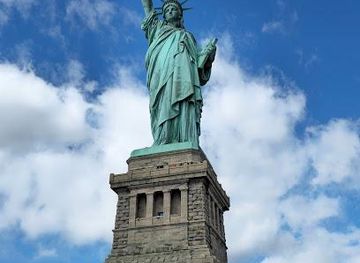
Statue of Liberty
Discover the Statue of Liberty, a monumental symbol of freedom and democracy in New York City, offering breathtaking views and rich history.
-
Sculpture
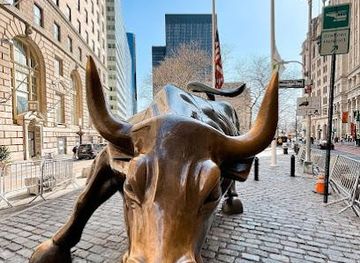
Charging Bull
Explore the Charging Bull in Bowling Green Park, a symbol of strength and resilience in New York City's financial district, capturing the essence of Wall Street.
-
Monument
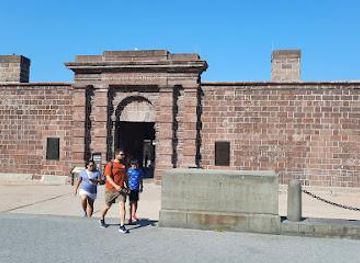
Castle Clinton National Monument
Discover the rich history and stunning views at Castle Clinton National Monument, a key landmark in New York's Battery Park.
-
Bridge
Manhattan Bridge
Experience stunning views of New York City from the iconic Manhattan Bridge, a symbol of architectural brilliance and urban connection.

Explore Gateway Region on the map
Plan your trip on one map. See where the top cities, national parks and sights are, and book hotels and experiences in a few clicks.
Best hotels in Gateway Region
Best restaurants in Gateway Region
Dining in the Gateway Region reflects its position beside New York Harbor and its long history of immigration, manufacturing and suburban growth. Newark and the Hudson waterfront offer restaurants and food shops representing Portuguese, Brazilian, Spanish, Latin American, Caribbean, South Asian and other culinary traditions, while Paterson is particularly noted for the breadth of Middle Eastern and South Asian food available around its commercial neighbourhoods. Italian-American delis, pizzerias, bakeries, diners and neighbourhood restaurants remain part of the wider food culture, alongside contemporary dining in Jersey City, Hoboken, Montclair and other established centres. Farmers’ markets and specialist grocers provide New Jersey produce in season, while regional farm products appear on menus beyond the urban core. Traditional pubs and casual restaurants are common, but the area is better understood as a collection of distinct local food scenes than as one single cuisine. Visitors should also remember that United States menus generally list prices before sales tax and that table-service tipping is customary.
-
Event venue
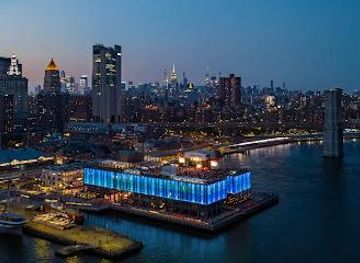
Pier 17
NYC's ultimate rooftop concert haven where world-class music meets Brooklyn Bridge sunsets and East River skyline magic in the vibrant Seaport District.
-
Dinner theater
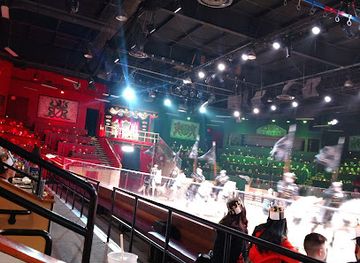
Medieval Times Dinner & Tournament
Immerse yourself in an unforgettable medieval adventure at Medieval Times Dinner & Tournament with jousting knights and a royal feast.
-
Seafood
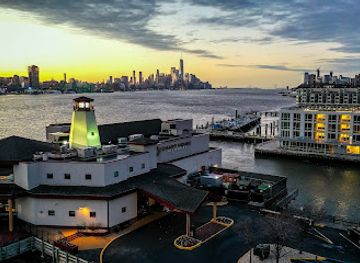
Chart House
Experience exquisite seafood and stunning skyline views at Chart House in Weehawken - A fine dining haven on the waterfront.
-
Cuban
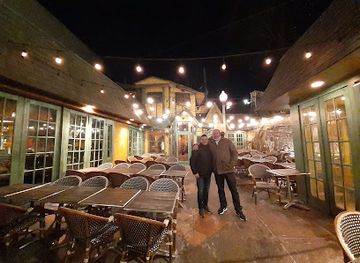
Cuban Pete's
Discover the vibrant flavors of Cuba at Cuban Pete's in Montclair—where every dish tells a story and every visit feels like a celebration.
Best bars in Gateway Region
Evening life varies sharply across the Gateway Region. Jersey City, Hoboken, Montclair and parts of Newark have the broadest selection of bars, breweries, cocktail rooms, live-music venues and restaurants open late, with different atmospheres ranging from busy waterfront districts to quieter neighbourhood main streets. Newark’s performing-arts institutions add concerts, theatre and dance to the evening programme, while some nightlife is concentrated around major venues and transport hubs rather than in one continuous district. Paterson and the northern suburban communities generally have a smaller scene centred on restaurants, local bars, breweries and community events rather than large nightclubs. The Hudson waterfront can be lively at weekends, but conditions and opening arrangements change, so check current information before travelling. Visitors should plan their return journey in advance, particularly when leaving the better-connected urban centres or travelling late at night.
-
Seafood
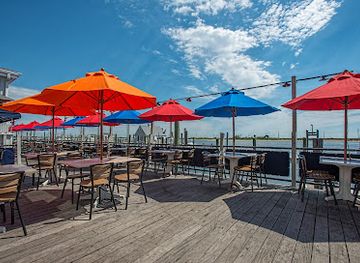
Bahrs Landing Famous Seafood Restaurant & Marina
Experience the best seafood dining at Bahrs Landing, a waterfront restaurant and marina in Highlands, NJ, offering fresh catches and stunning views.
-
Sports bar
Hudson Blue Bar & View
Experience the thrill of sports at Hudson Blue Bar & View, where great food meets stunning skyline views and an electrifying atmosphere.
-
Bar
Garden State Bar
Experience the perfect blend of comfort and flavor at Garden State Bar in Milltown, NJ, where drinks, food, and good company await.

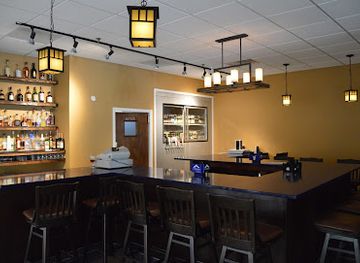
Best nightclubs in Gateway Region
-
National park
Paterson Great Falls National Historical Park
Explore the natural beauty and historical significance of Paterson Great Falls National Historical Park, a must-visit destination for nature and history lovers alike.
-
Restaurant
RoofTop at Exchange Place
Discover a stunning rooftop dining experience at RoofTop at Exchange Place, where exquisite cuisine meets breathtaking views of Manhattan.
-
American
Surf City
Experience the vibrant atmosphere and delicious American cuisine at Surf City, a waterfront gem in Jersey City.
-
Grill
Brick House Tavern + Tap
Experience the vibrant dining atmosphere at Brick House Tavern + Tap in Princeton, NJ, offering delicious grilled dishes and refreshing drinks.


Best shops in Gateway Region
Shopping in the Gateway Region is strongest in its independent town centres and culturally distinct commercial corridors rather than in one regional retail district. Hoboken, Jersey City and Montclair have walkable streets with boutiques, bookshops, galleries, cafés and specialist food retailers, while Ridgewood and other Bergen County centres provide a more suburban main-street experience. Newark offers long-established jewellery, clothing, food and specialist businesses alongside newer retail around its central districts, and Paterson’s commercial areas reflect the city’s diverse communities through restaurants, grocers, bakeries, fabrics and household goods. Farmers’ markets and seasonal produce stalls are useful for New Jersey-grown fruit, vegetables and prepared foods, although schedules vary. Visitors seeking souvenirs should consider locally made art, books, food products and craft goods rather than generic airport merchandise. Large shopping centres and outlet-style retail are found elsewhere in the wider metropolitan area, but the Gateway Region’s most distinctive shopping experiences are its independent shops, specialist grocers, markets and culturally varied high streets.
-
Outlet mall
The Mills at Jersey Gardens
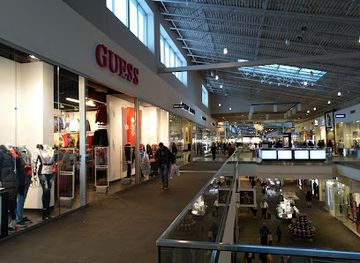
Discover unbeatable deals and a vibrant shopping experience at The Mills at Jersey Gardens, New Jersey's premier outlet mall.
-
Shopping mall
Brookfield Place
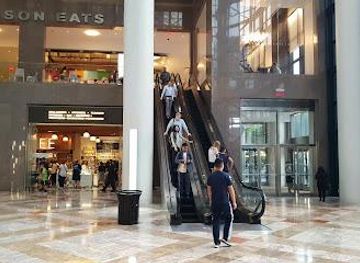
Discover Brookfield Place, a premier shopping and dining destination in Manhattan, featuring luxury brands and stunning waterfront views.
-
Shopping mall
Westfield Garden State Plaza
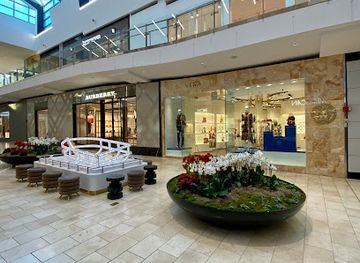
Explore Westfield Garden State Plaza, New Jersey's premier shopping destination with over 270 stores, diverse dining options, and entertainment for everyone.
-
Outlet mall
Jersey Shore Premium Outlets
Discover unbeatable deals on your favorite brands at Jersey Shore Premium Outlets, the ultimate shopping destination in New Jersey.
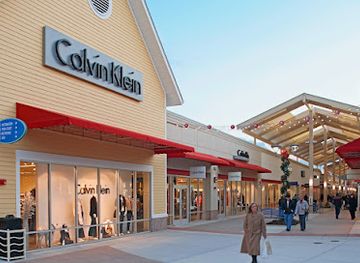
Get your free copy of our complete guide to Gateway Region, delivered straight to you.
Everything on this page, from attractions and restaurants to essentials and local phrases, in one PDF you can read offline, print or share.
Already have an account? Sign in
Your Gateway Region guide is ready.
We'll send it to · Not you? Sign out

Getting your guide ready…
We are putting together a fresh copy of the Gateway Region guide. This can take up to a minute.
This can take a few moments. If your browser asks, choose Allow so the download can start. You'll find the guide in your Downloads folder.
Nothing happened? Download it again
Sorry, the guide is taking longer than usual. Please try again in a minute, or get it by email instead.
Gateway Region essentials
Currency and Payment
Safety
Emergency Situations
Do's and Don'ts
Local Tips
From Eve
Local phrases worth knowing
You don't need to get them perfect. A few words go a long way, and locals appreciate the effort.
Basics
| English | Local | Say it |
|---|---|---|
| Hello | Hey | [Hey] |
| Goodbye | See ya | [See yah] |
| Yes | Yeah | [Yeah] |
| No | Nah | [Nah] |
| Please/You're welcome | No problem | [No proh-blem] |
| Thank you | Thanks | [Thanks] |
| Excuse me/Sorry | Sorry | [Sorry] |
| How are you? | How ya doin'? | [How yah doin'?] |
| Fine. And you? | Good. You? | [Good. You?] |
| Do you speak English? | You speak English? | [You speak English?] |
| I don't understand | I don't get it | [I don't get it] |
Eating & Drinking
| English | Local | Say it |
|---|---|---|
| I'd like to see the menu, please | Can I see the menu? | [Can I see the menu?] |
| I don't eat meat | I’m a vegetarian | [I'm a vege-tarian] |
| Cheers! | Cheers! | [Cheers!] |
| I would like to pay, please | Can I get the check? | [Can I get the check?] |
Emergencies
| English | Local | Say it |
|---|---|---|
| Help! | Help! | [Help!] |
| Go away! | Leave me alone! | [Leave me alone!] |
| Call the Police! | Call the cops! | [Call the cops!] |
| Call a doctor! | Call a doc! | [Call a doc!] |
| I'm lost | I'm turned around | [I'm turned around] |
| I'm ill | I'm not feeling well | [I'm not feeling well] |
Shopping
| English | Local | Say it |
|---|---|---|
| I'd like to buy... | I wanna buy... | [I wanna buy...] |
| I'm just looking | Just browsing | [Just browsing] |
| How much is it? | What's the price? | [What's the price?] |
| That's too expensive | That's way too high | [That's way too high] |
| Can you lower the price? | Can you cut me a deal? | [Can you cut me a deal?] |
Time & Numbers
| English | Local | Say it |
|---|---|---|
| What time is it? | What time is it? | [What time is it?] |
| It's one o'clock | It's one | [It's one] |
| Half past (10) | Half past ten | [Half past ten] |
| Morning | Morning | [Morning] |
| Afternoon | Afternoon | [Afternoon] |
| Evening | Evening | [Evening] |
| Yesterday | Yesterday | [Yesterday] |
| Today | Today | [Today] |
| Tomorrow | Tomorrow | [Tomorrow] |
| 1 | One | [One] |
| 2 | Two | [Two] |
| 3 | Three | [Three] |
| 4 | Four | [Four] |
| 5 | Five | [Five] |
| 6 | Six | [Six] |
| 7 | Seven | [Seven] |
| 8 | Eight | [Eight] |
| 9 | Nine | [Nine] |
| 10 | Ten | [Ten] |
Transport & Directions
| English | Local | Say it |
|---|---|---|
| Where's a/the...? | Where's the...? | [Where's the...?] |
| What's the address? | What's the address? | [What's the address?] |
| Can you show me (on the map)? | Can you point it out? | [Can you point it out?] |
| When's the next (bus)? | When's the next bus? | [When's the next bus?] |
| A ticket (to ....) | A ticket to... | [A ticket to...] |
History of Gateway Region
Lenape Homelands and Early Colonial Settlement
Before European colonisation, the area now known as the Gateway Region was part of the homeland of Lenape peoples, whose communities used the Hudson, Passaic and Hackensack river systems and the surrounding forests for travel, fishing, hunting and agriculture. Dutch traders and settlers established a stronger European presence in the seventeenth century, followed by English control of New Jersey. The region’s waterways and proximity to New York Harbor encouraged early farming, trade and settlement, while place names and surviving archaeological evidence reflect a much older Indigenous history.
Revolutionary New Jersey
The Gateway Region’s strategic position between New York and Philadelphia made it important during the American Revolution. The Hudson crossings, the roads through northern New Jersey and the settlements around Newark and the Passaic Valley were affected by troop movements, raids and competing loyalties. Washington’s army used parts of the region during the difficult campaigns of 1776 and 1777, while local communities experienced military occupation and economic disruption. Several historic houses and landscapes, including sites associated with the Newark area and the western Hudson shore, preserve aspects of this period.
Harnessing the Great Falls of the Passaic
Paterson grew around the Great Falls of the Passaic, where the sharp drop in the river provided power for an ambitious industrial settlement founded in the late eighteenth century. Water was channelled through raceways to operate mills, and the city became associated with textile production, locomotive building and other manufacturing. The falls and the surviving mill structures now form the core of Paterson Great Falls National Historical Park. They illustrate how engineering, capital and waterpower helped move New Jersey from an agricultural economy towards industrialisation.
Canals, Railways and Industrial Expansion
During the nineteenth century, the Morris Canal, railways and improved roads connected the Gateway Region with inland mines, farms, ports and the commercial markets of New York. Newark expanded as a manufacturing and transport centre, while factories and worker neighbourhoods spread through the Passaic Valley and along the Hudson. Rail links also encouraged the growth of commuter suburbs such as Montclair and communities in Bergen and Union counties. Much of the region’s present urban form, including its dense town centres and varied housing stock, dates from this era of industrial and transport development.
Immigration, Manufacturing and Urban Society
From the late nineteenth century into the twentieth, migration from Europe and later from Latin America, the Caribbean, Asia and elsewhere transformed the region’s towns and cities. Newark’s factories, Paterson’s mills, Hudson County’s docks and the Hudson waterfront offered employment, while religious institutions, mutual-aid societies, shops and newspapers helped new communities establish themselves. Labour activism was also significant, particularly in Paterson’s textile industry, where the 1913 silk strike became a major episode in American labour history. These histories remain visible in neighbourhood architecture, festivals, languages and foodways.
Port, Airport and Metropolitan Transformation
The twentieth century brought major changes to the region’s economy and infrastructure. Newark Airport, opened in 1928, became one of the United States’ earliest major commercial airports, while highways, container shipping and the wider Port of New York and New Jersey reshaped employment and waterfront land use. Traditional manufacturing declined, leaving extensive redevelopment challenges in Newark, Paterson, Jersey City and other industrial communities. Since the late twentieth century, parts of the Hudson waterfront have undergone large-scale residential and commercial redevelopment, while historic preservation and cultural institutions have helped retain links to earlier eras.
Gateway Region in Photos
Browse through our photo collection highlighting the charm and character of the destination.
Neighbouring regions of Gateway Region
The closest regions to Gateway Region, if you have time for more than one.
-
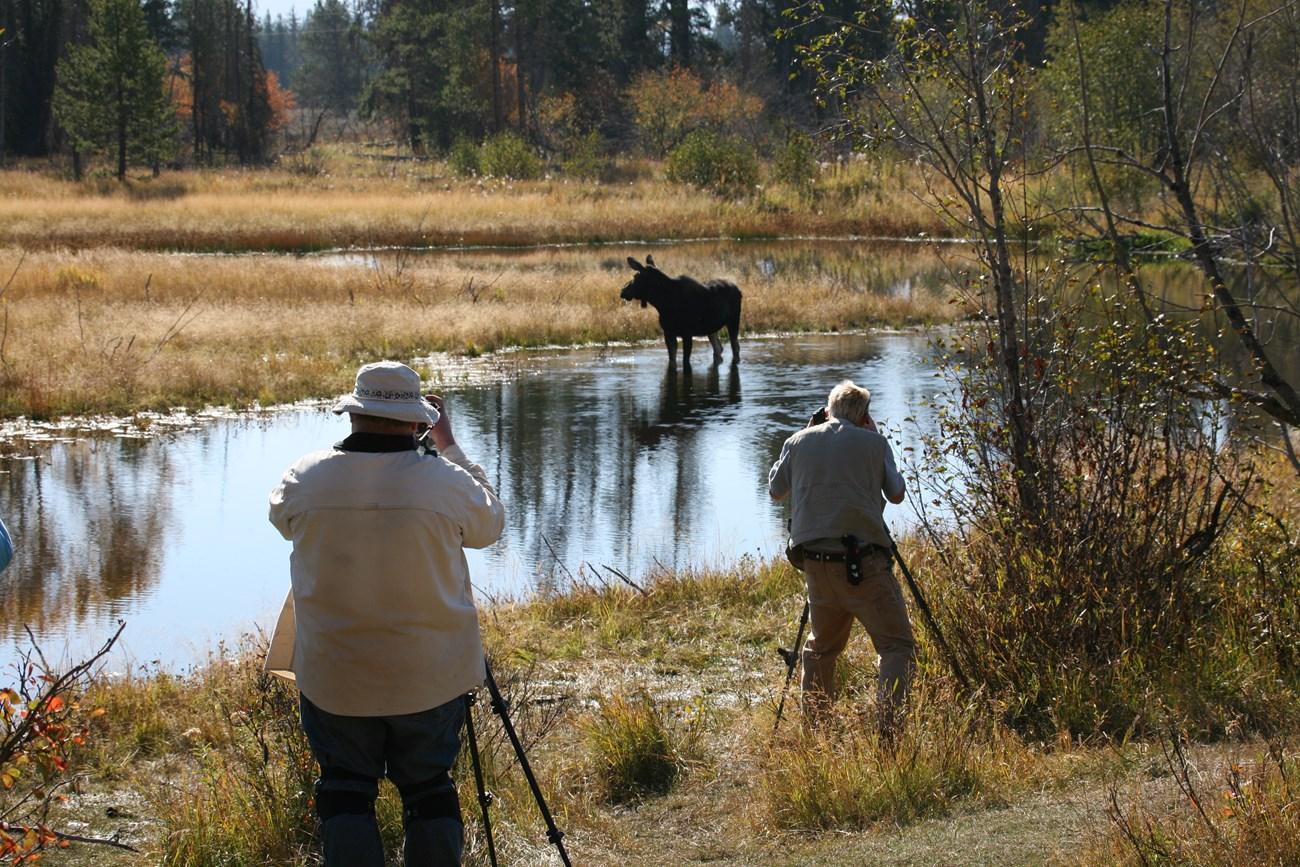 Wachung Mountains
Discover the tranquil Wachung Mountains in New Jersey, where scenic trails, lush forests, and vibrant wildlife create a perfect escape for nature enthusiasts.
-

-

-
-


Swipe for more regions
Explore more
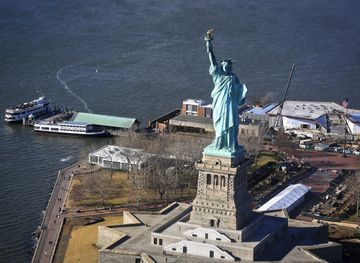
Explore more of New Jersey
Discover New Jersey: From vibrant cities and historic towns to scenic beaches and lush parks, the Garden State offers a rich blend of culture, nature, and adventure.
Explore New Jersey