

Free Hackensack Meadowlands Travel Guide & Mobile App
Explore Hackensack Meadowlands with free travel guides. Discover regional history, expert tips, proposed trips, and audio guides on web or mobile app.


Explore the Hackensack Meadowlands for urban wetlands, birdwatching, river views, major sports venues and easy access from northern New Jersey.
Read more about Hackensack Meadowlands
Getting to and around Hackensack Meadowlands
How to get there
Transportation
Top city travel guides in Hackensack Meadowlands
The cities of Hackensack Meadowlands, and the easiest places to base yourself.
-

-


Swipe for more cities
Best attractions in Hackensack Meadowlands
The Hackensack Meadowlands offers an unusual combination of urban nature, major entertainment and environmental interpretation. Richard W. DeKorte Park in Lyndhurst is the leading public access point for restored marsh, with trails and boardwalks through tidal habitats and views towards the surrounding skyline. The Meadowlands Environment Center adds educational context, making the area suitable for visitors who want to understand how wetlands function beside a major metropolitan region. Birdwatching is one of the strongest attractions, with wading birds, waterfowl and raptors using the remaining marshes and waterways. At the developed end of the spectrum, East Rutherford contains the Meadowlands Sports Complex, including MetLife Stadium and other large event facilities, while American Dream combines retail, indoor recreation and entertainment. Secaucus and the surrounding towns provide hotels, restaurants and transport links rather than a single traditional visitor centre. The attraction landscape is therefore defined by contrast: open water and reed beds lie close to stadiums, turnpikes, warehouses and office districts. Visitors should plan by location and allow for event traffic, since the region's natural sites and commercial venues are connected geographically but not always conveniently on foot.
-
Park
Central Park
Experience the beauty and tranquility of Central Park, New York City's iconic green space and cultural landmark with endless recreational opportunities.
-
Plaza
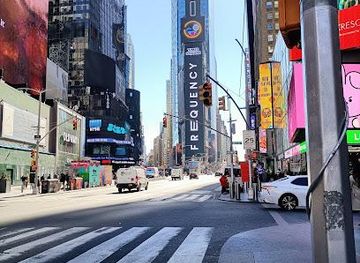
Times Square
Experience the electrifying atmosphere of Times Square, a cultural and entertainment hub in the heart of Manhattan, New York City.
-

Rockefeller Center
Explore Rockefeller Center: A Historic Landmark in New York City with Stunning Views, Shopping, and Year-Round Events.
-
Historical landmark
Empire State Building
Experience breathtaking views and rich history at the Empire State Building, a must-visit landmark in the heart of New York City.


Best landmarks in Hackensack Meadowlands
The defining landmark of the Hackensack Meadowlands is the wetland itself: a broad, low-lying landscape of tidal channels, reed beds and open marsh set against highways, railways and the New York metropolitan skyline. Richard W. DeKorte Park in Lyndhurst provides one of the clearest public views into this ecological landscape and illustrates the region's effort to restore and interpret urban marshland. In East Rutherford, MetLife Stadium is the most recognisable modern structure, a large sports and concert venue within the Meadowlands Sports Complex and a prominent marker on the regional skyline. The Hackensack River and its associated waterways are less monumental but more historically fundamental, having shaped Indigenous use, agriculture, industry and later conservation. The region's transport infrastructure, including major road corridors, rail embankments and interchange landscapes, is also part of its visual identity, though much of it is functional rather than designed as a visitor attraction. Together these places express the Meadowlands' central contrast: a surviving estuarine environment occupying valuable land beside one of the world's largest urban areas.
-
Train depot
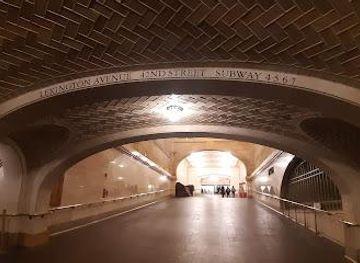
Grand Central Terminal
Explore Grand Central Terminal, a historical landmark in New York City, where stunning architecture meets vibrant dining, shopping, and cultural experiences.
-
Historical landmark
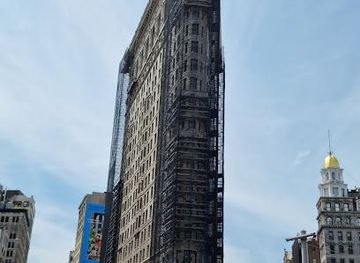
Flatiron Building
Experience the architectural brilliance of the Flatiron Building, a historical landmark symbolizing New York City's innovative spirit and charm.
-
Historical landmark
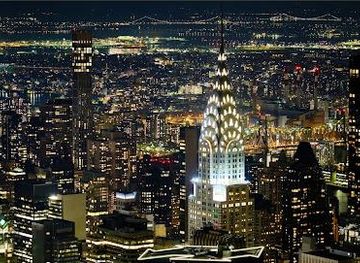
Chrysler Building
Discover the Chrysler Building, an architectural masterpiece in New York City, showcasing stunning Art Deco design and rich historical significance.
-
Tunnel
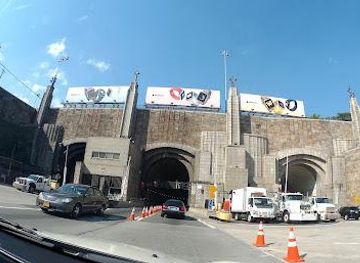
Lincoln Tunnel
Discover the Lincoln Tunnel, an engineering marvel connecting New Jersey and NYC, rich in history and a vital gateway to the Big Apple.
Explore Hackensack Meadowlands on the map
Plan your trip on one map. See where the top cities, national parks and sights are, and book hotels and experiences in a few clicks.
Best hotels in Hackensack Meadowlands
Best restaurants in Hackensack Meadowlands
Dining in the Hackensack Meadowlands reflects northern New Jersey's metropolitan setting rather than a single indigenous cuisine. Restaurants in Secaucus, Rutherford, East Rutherford, Little Ferry and the surrounding municipalities range from casual American dining and pizzerias to diners, steakhouses, cafés and restaurants serving Italian, Latin American, Asian and other international cuisines. New Jersey diner culture is particularly useful for flexible breakfasts, sandwiches and informal meals, while Italian-American bakeries and delis are common in the wider Bergen County area. Around MetLife Stadium and American Dream, food is concentrated in large venue and commercial settings, with choices shaped by event schedules and visitor crowds. Smaller town centres and shopping areas provide a broader everyday selection. Visitors should not expect the marshes themselves to be a rural farm-to-table destination, although nearby markets and local food shops may offer New Jersey produce seasonally. Reservations or additional time are sensible before major events, when restaurants near the sports complex and entertainment venues can become busy.
-
American
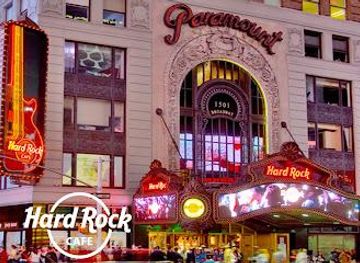
Hard Rock Cafe
Rock out in Times Square with legendary burgers, ribs, and music icons from Elvis to Madonna at this vibrant American diner hub.
-
Dinner theater
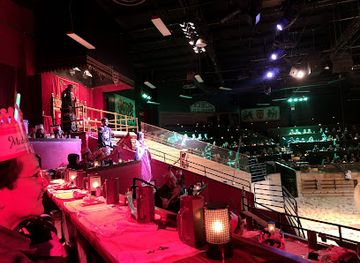
Medieval Times Dinner & Tournament
Join the excitement at Medieval Times Dinner & Tournament – where thrilling jousts meet delicious feasting in a spectacular medieval setting.
-
Market
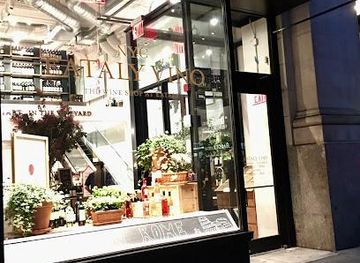
Eataly NYC Flatiron
Immerse in Italy's finest flavors at NYC's bustling Eataly Flatiron—a vibrant food hall blending market stalls, artisan shops, and authentic restaurants amid Manhattan's electric Flatiron energy.
-
Seafood
Chart House
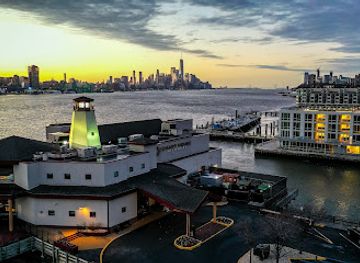
Experience exquisite seafood and steak at Chart House in Weehawken with stunning views of Manhattan's skyline.
Best bars in Hackensack Meadowlands
Evening life in the Hackensack Meadowlands is centred on restaurants, hotel bars, sports venues and event entertainment rather than on a single nightclub district. East Rutherford becomes especially busy when MetLife Stadium hosts a concert or major sporting event, while American Dream adds indoor entertainment and dining that can extend into the evening. Secaucus and Rutherford have a broader collection of casual bars, pubs and restaurants, with hotel lounges serving travellers and business visitors. The surrounding Bergen County communities also support local taverns and live entertainment, but the atmosphere is generally suburban and dispersed rather than urban-club focused. Event venues impose their own entry, alcohol and security rules, so visitors should check arrangements in advance. For a quieter evening, a restaurant or bar in one of the established town centres is usually more practical than expecting nightlife within the wetland parks, which are primarily daytime nature destinations.
-
Beer Garden
Zeppelin Hall Beer Garden
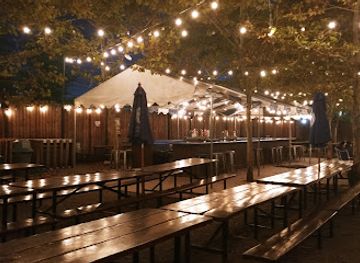
Enjoy craft beers and delicious bites at Zeppelin Hall Beer Garden, a vibrant European-style retreat in Jersey City with stunning waterfront views.
-
American
Surf City
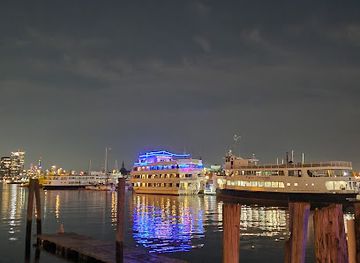
Experience the best of American cuisine at Surf City, where delicious food meets stunning waterfront views in Jersey City.
-
Bar
Barcade
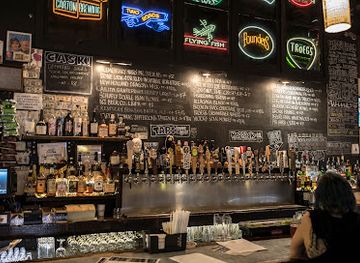
Discover Barcade in Jersey City: where vintage arcade fun meets a vibrant bar scene, perfect for craft beer lovers and gaming enthusiasts.
-
Sports bar
Midland Brew House
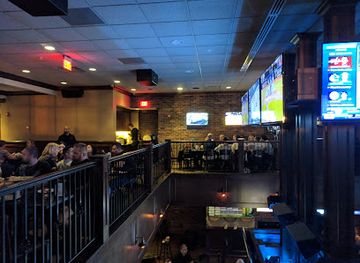
Midland Brew House - A lively sports bar in Saddle Brook, NJ, offering delicious American cuisine and an extensive drink selection.
Best nightclubs in Hackensack Meadowlands
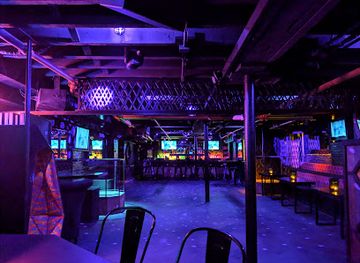
Evening life in the Hackensack Meadowlands is centred on restaurants, hotel bars, sports venues and event entertainment rather than on a single nightclub district. East Rutherford becomes especially busy when MetLife Stadium hosts a concert or major sporting event, while American Dream adds indoor entertainment and dining that can extend into the evening. Secaucus and Rutherford have a broader collection of casual bars, pubs and restaurants, with hotel lounges serving travellers and business visitors. The surrounding Bergen County communities also support local taverns and live entertainment, but the atmosphere is generally suburban and dispersed rather than urban-club focused. Event venues impose their own entry, alcohol and security rules, so visitors should check arrangements in advance. For a quieter evening, a restaurant or bar in one of the established town centres is usually more practical than expecting nightlife within the wetland parks, which are primarily daytime nature destinations.
-
Lounge
46 Lounge
Experience the vibrant nightlife of Totowa at 46 Lounge, where stylish ambiance meets energetic entertainment for an unforgettable night out.
-
Lounge
Six26 - Lounge and Rooftop
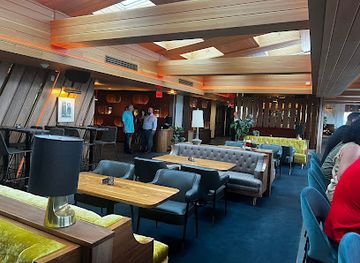
Discover the perfect blend of relaxation and excitement at Six26 Lounge and Rooftop, where stunning skyline views meet a vibrant atmosphere.
-
Cocktail bar
Concourse Club
Explore the vibrant nightlife at Concourse Club in Wood-Ridge, NJ, featuring crafted cocktails, delicious tapas, and a lively atmosphere.
-
Comedy club
Bananas Comedy Club
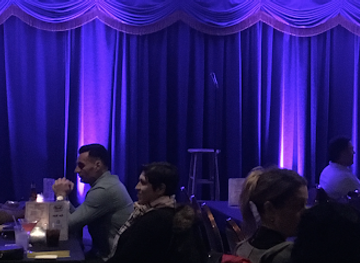
Experience the joy of laughter at Bananas Comedy Club, Rutherford's premier destination for top-notch comedy performances and a vibrant nightlife.

Best shops in Hackensack Meadowlands
Shopping in the Hackensack Meadowlands is dominated by large-scale commercial activity, convenience retail and entertainment-linked spending rather than historic market streets. American Dream in East Rutherford is the region's principal retail and indoor leisure complex, combining shops with attractions and dining; visitors should check current tenant and access arrangements because commercial offerings change. Secaucus has extensive outlet and retail development, while Rutherford and nearby established towns provide smaller high streets, independent food shops, cafés and everyday services. Regional purchases are more likely to include New Jersey food products, bakery goods, deli provisions, sports merchandise, fashion and practical travel items than specialist marsh crafts. Farmers' markets and seasonal community markets may be found in surrounding municipalities, but their schedules vary and should be checked locally. The Meadowlands' best shopping experience depends on purpose: American Dream and Secaucus suit large-scale retail and entertainment, whereas the older town centres offer a more local, low-key atmosphere.
-
Department store
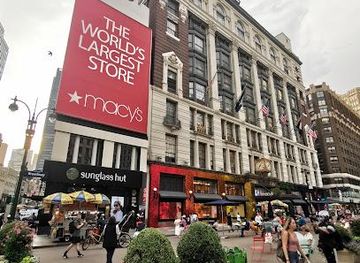
Macy's
Discover the iconic Macy's, a shopping paradise in New York City offering fashion, beauty, and unforgettable experiences in the heart of Manhattan.
-
Market
Chelsea Market
Explore Chelsea Market, New York City's iconic food hall, featuring diverse culinary delights and unique shopping experiences in a historic setting.
-
Shopping mall
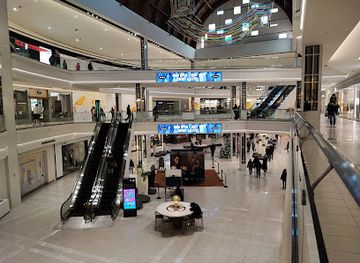
American Dream
Explore American Dream, the ultimate shopping and entertainment destination in East Rutherford, featuring attractions, dining, and unique shopping experiences.
-
Gift shop
Westfield Garden State Plaza
Discover a shopping and entertainment paradise at Westfield Garden State Plaza, where fashion meets delicious dining and fun activities.


Get your free copy of our complete guide to Hackensack Meadowlands, delivered straight to you.
Everything on this page, from attractions and restaurants to essentials and local phrases, in one PDF you can read offline, print or share.
Already have an account? Sign in
Your Hackensack Meadowlands guide is ready.
We'll send it to · Not you? Sign out

Getting your guide ready…
We are putting together a fresh copy of the Hackensack Meadowlands guide. This can take up to a minute.
This can take a few moments. If your browser asks, choose Allow so the download can start. You'll find the guide in your Downloads folder.
Nothing happened? Download it again
Sorry, the guide is taking longer than usual. Please try again in a minute, or get it by email instead.
Hackensack Meadowlands essentials
Currency and Payment
Safety
Emergency Situations
Do's and Don'ts
Local Tips
From Eve
Local phrases worth knowing
You don't need to get them perfect. A few words go a long way, and locals appreciate the effort.
Basics
| English | Local | Say it |
|---|---|---|
| Hello | Hey | [hay] |
| Goodbye | See ya | [see yah] |
| Yes | Yeah | [yeh] |
| No | Nah | [nah] |
| Please/You're welcome | No problem | [no prob] |
| Thank you | Thanks | [thanks] |
| Excuse me/Sorry | Sorry | [sorry] |
| How are you? | How ya doin'? | [how yah doin] |
| Fine. And you? | Good. You? | [good. you?] |
| Do you speak English? | You speakin' English? | [you speakin english?] |
| I don't understand | I ain't gettin' it | [I ain't gettin it] |
Eating & Drinking
| English | Local | Say it |
|---|---|---|
| I'd like to see the menu, please | Can I see the menu? | [can I see the menu?] |
| I don't eat meat | I don't do meat | [I don't do meat] |
| Cheers! | Cheers! | [cheers] |
| I would like to pay, please | Can I get the check? | [can I get the check?] |
Emergencies
| English | Local | Say it |
|---|---|---|
| Help! | Help! | [help] |
| Go away! | Beat it! | [beat it] |
| Call the Police! | Call the cops! | [call the cops] |
| Call a doctor! | Get a doctor! | [get a doctor] |
| I'm lost | I'm turned around | [I'm turned around] |
| I'm ill | I ain't feelin' good | [I ain't feelin good] |
Shopping
| English | Local | Say it |
|---|---|---|
| I'd like to buy... | I wanna buy... | [I wanna buy] |
| I'm just looking | Just browsin' | [just browsin] |
| How much is it? | What’s the price? | [what’s the price?] |
| That's too expensive | That’s a bit pricey | [that’s a bit pricey] |
| Can you lower the price? | Can you drop the price? | [can you drop the price?] |
Time & Numbers
| English | Local | Say it |
|---|---|---|
| What time is it? | What time we got? | [what time we got?] |
| It's one o'clock | It's one | [it's one] |
| Half past (10) | Ten-thirty | [ten-thirty] |
| Morning | Mornin' | [mornin] |
| Afternoon | Afternoon | [afternoon] |
| Evening | Evenin' | [evenin] |
| Yesterday | Yesterday | [yesterday] |
| Today | Today | [today] |
| Tomorrow | Tomorrow | [tomorrow] |
| 1 | One | [one] |
| 2 | Two | [two] |
| 3 | Three | [three] |
| 4 | Four | [four] |
| 5 | Five | [five] |
| 6 | Six | [six] |
| 7 | Seven | [seven] |
| 8 | Eight | [eight] |
| 9 | Nine | [nine] |
| 10 | Ten | [ten] |
Transport & Directions
| English | Local | Say it |
|---|---|---|
| Where's a/the...? | Where's the...? | [where's the?] |
| What's the address? | What’s the address? | [what’s the address?] |
| Can you show me (on the map)? | Can you point it out? | [can you point it out?] |
| When's the next (bus)? | When's the next bus? | [when's the next bus?] |
| A ticket (to ....) | One ticket to... | [one ticket to] |
History of Hackensack Meadowlands
Lenape Wetlands and River Communities
Before European colonisation, the Hackensack Meadowlands formed part of the homeland of Lenape people, whose communities used the rivers, tidal marshes and surrounding uplands for fishing, hunting, gathering and travel. The wetland was not an empty wilderness but a productive landscape understood through seasonal change and waterways. European settlement altered land ownership and access, yet the Hackensack River and its marshes continued to shape movement and economic life. Indigenous history remains an essential part of understanding the region, even though much of the modern Meadowlands has been heavily engineered and developed.
Colonial Settlement and Agricultural Use
European settlement expanded around the Meadowlands from the seventeenth century, particularly on firmer ground at the marshes' edges. Farmers harvested salt hay from the wetlands, using it as animal bedding and fodder, while creeks and the Hackensack River supported local transport. Settlements such as New Barbadoes and later communities in Bergen County developed around the wetland basin. The marshes were economically useful but difficult to build on, so early settlement generally concentrated on higher ground and along established roads and waterways.
Railways, Industry and Metropolitan Growth
During the nineteenth century, railways and industrial expansion connected the Meadowlands more closely to Newark, New York and the wider New Jersey economy. Rail embankments, factories, warehouses and transport corridors occupied land around the marshes, while growing towns developed on their margins. The wetland's position beside major waterways and near New York made it increasingly valuable for infrastructure, but engineering works also interrupted natural drainage and fragmented habitats. This period established the pattern of intense metropolitan development beside low-lying tidal land that still defines the region.
Drainage, Landfilling and Environmental Decline
In the twentieth century, sections of the Meadowlands were drained, filled or used for industrial purposes and waste disposal. Pollution, altered water flows and the conversion of marshland reduced wildlife habitat and damaged the river system. The area's proximity to New York meant that it was frequently treated as development space or a disposal landscape rather than as an ecological asset. Roads, rail lines, power infrastructure and large-scale commercial uses further divided the wetlands, leaving only some areas in a relatively natural or restorable condition.
The Hackensack Meadowlands Development Commission
Growing concern about the loss of the marshes led New Jersey to create a regional planning and regulatory framework in the late 1960s. The Hackensack Meadowlands Development Commission, established in 1969, was intended to coordinate development across municipal boundaries and protect remaining wetlands. Its work helped shift policy away from indiscriminate filling towards managed development, conservation and environmental planning. The agency later became the New Jersey Sports and Exposition Authority, which continues to manage significant public facilities and environmental programmes in the Meadowlands district.
Restoration and the Contemporary Meadowlands
From the late twentieth century onwards, restoration projects, habitat management and environmental education gradually strengthened the Meadowlands' public identity as an urban wetland. DeKorte Park and the Meadowlands Environment Center became important places for interpreting marsh ecology, while conservation initiatives improved habitat for birds and aquatic wildlife. At the same time, the region developed major sports, entertainment and commercial facilities, including the Meadowlands Sports Complex and American Dream. The contemporary Meadowlands therefore represent both environmental recovery and continuing metropolitan development.
Hackensack Meadowlands in Photos
Browse through our photo collection highlighting the charm and character of the destination.
Neighbouring regions of Hackensack Meadowlands
The closest regions to Hackensack Meadowlands, if you have time for more than one.
-

-
-

-
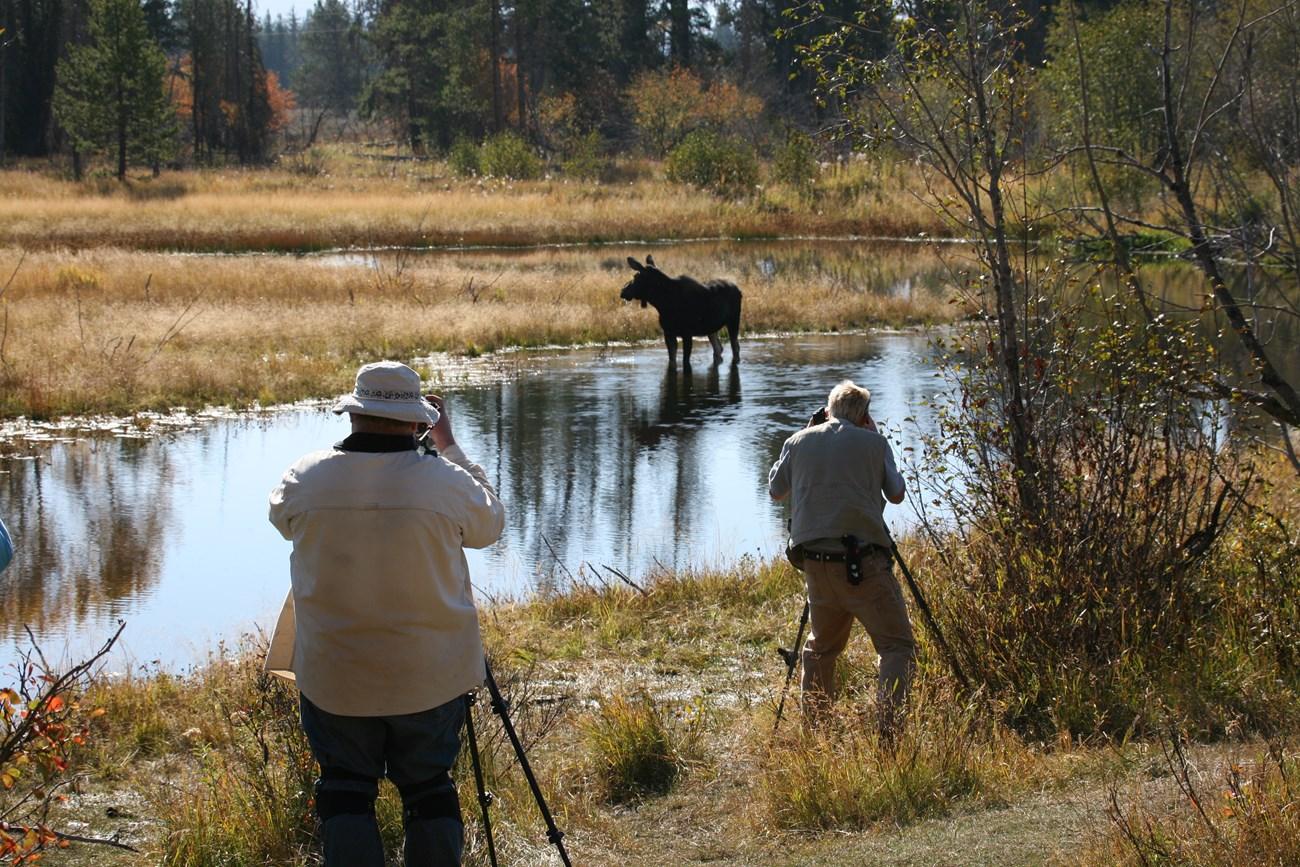 Wachung Mountains
Discover the tranquil Wachung Mountains in New Jersey, where scenic trails, lush forests, and vibrant wildlife create a perfect escape for nature enthusiasts.
Wachung Mountains
Discover the tranquil Wachung Mountains in New Jersey, where scenic trails, lush forests, and vibrant wildlife create a perfect escape for nature enthusiasts.
-


Swipe for more regions
Explore more
Explore more of New Jersey
Discover New Jersey: From vibrant cities and historic towns to scenic beaches and lush parks, the Garden State offers a rich blend of culture, nature, and adventure.
Explore New Jersey