

Free Yonkers Travel Guide & Mobile App
Plan your Yonkers trip with Evendo. Get free guides to top attractions, restaurants, hotels, and bars. Web access or download the mobile app.


Yonkers, New York pairs Hudson River views with industrial history, Untermyer gardens, museums, diverse dining and easy access to New York City.
A River City with Industrial Roots
Yonkers stretches along the eastern bank of the Hudson River just north of New York City, combining metropolitan connections with a more local, varied character. Its waterfront, steep hills and inland valleys reflect a city shaped by geography and industry: the Saw Mill River once powered mills and factories, while the Hudson carried people and goods past the growing settlement. Today, traces of that past remain in historic districts, former industrial sites and the grand Philipse Manor Hall, while newer development has brought restaurants, apartments and public spaces to the riverfront.Read more about Yonkers
Gardens, Museums and Neighbourhood Life
A Northern Gateway to the Hudson Valley
When is the best time to visit Yonkers?
Best: May–June, September · 21–27°C| Month | High (°C) | Rainfall (mm) |
|---|---|---|
| January | 3 | 90 |
| February | 4 | 80 |
| March | 9 | 102 |
| April | 16 | 102 |
| May (best) | 21 | 107 |
| June (best) | 27 | 107 |
| July | 29 | 114 |
| August | 29 | 109 |
| September (best) | 24 | 112 |
| October | 18 | 97 |
| November | 11 | 97 |
| December | 4 | 99 |
Getting to and around Yonkers
How to get there
Transportation
Best attractions in Yonkers
Yonkers offers a varied set of attractions across its riverfront, historic centre and hillside neighbourhoods. The Hudson River Museum combines regional art, Hudson Valley history and a planetarium, making it a useful introduction to the landscape beyond the city. At Untermyer Park and Gardens, formal terraces, classical architectural features and sweeping river views occupy the former grounds of Greystone, a Gilded Age estate. Philipse Manor Hall adds colonial history in the centre of Getty Square, while the nearby Saw Mill River corridor reveals how a once-buried waterway shaped industry and urban renewal. Families and curious adults can explore hands-on science at the Science Barge, a floating environmental education centre on the Hudson, when programmes are operating. Yonkers Raceway and Empire City Casino provide a large-scale entertainment option, while Cross County and Ridge Hill offer shopping, dining and open-air public spaces rather than traditional heritage sightseeing.
-
Park
Palisades Interstate Park
Experience breathtaking views and outdoor adventures at Palisades Interstate Park, a serene escape along the Hudson River in New Jersey.
10 min drive · 3.2 km from city centre
-
Garden
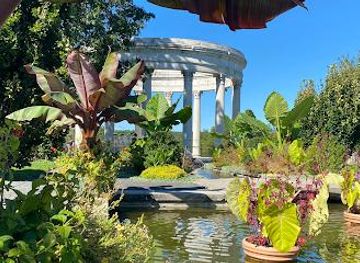
Untermyer Gardens Conservancy
Discover the enchanting beauty of Untermyer Gardens Conservancy in Yonkers, a historic garden oasis perfect for nature lovers and tranquil escapes.
12 min drive · 4.0 km from city centre
-
Tourist attraction
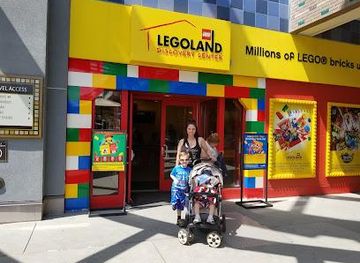
LEGOLAND Discovery Center Westchester
Explore the enchanting LEGOLAND Discovery Center Westchester, an indoor playground where creativity meets adventure for LEGO lovers of all ages.
16 min drive · 5.3 km from city centre
-
Tourist attraction
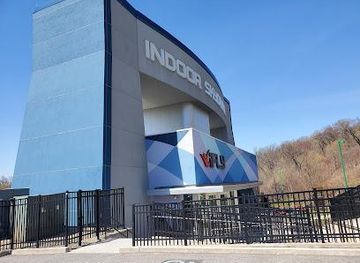
iFLY Indoor Skydiving - Westchester
Discover the exhilarating experience of indoor skydiving at iFLY Westchester—a must-do adventure for thrill-seeking tourists in Yonkers, NY.
15 min drive · 5.1 km from city centre

Best landmarks in Yonkers
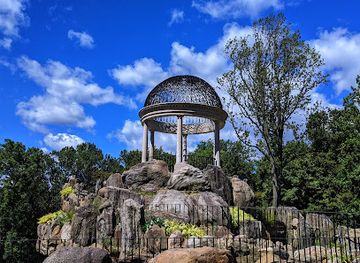
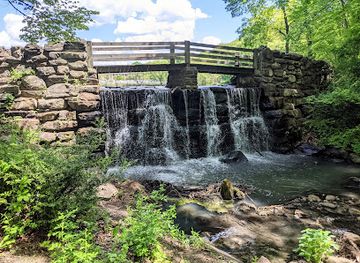
Philipse Manor Hall is Yonkers’ defining colonial landmark, an eighteenth-century mansion connected to the powerful Philipse family, Loyalism during the American Revolution and the history of enslaved labour in the region. Untermyer Park’s Grecian Garden, dramatic stairways and classical details belong to the former Greystone estate and demonstrate the scale of Gilded Age ambition along the Hudson. Yonkers City Hall, built during the city’s period of late nineteenth-century growth, represents the civic confidence of an industrial municipality, while the Hudson River Museum gives the waterfront a modern cultural landmark rooted in regional art and history. The Saw Mill River itself is also a significant urban feature: sections once confined underground have been restored to visibility, recalling the waterpower that supported Yonkers’ mills and factories. Together these sites chart the city’s transition from colonial estate country to industrial city and contemporary riverfront community.
-
Shopping mall
Ridge Hill
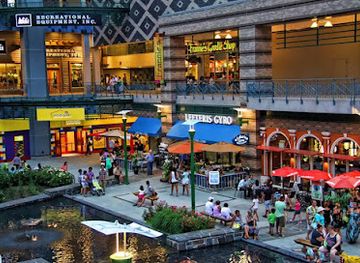
Experience the best shopping, dining, and entertainment at Ridge Hill in Yonkers, NY – a must-visit destination for tourists.
15 min drive · 5.1 km from city centre
-
Garden
Untermyer Gardens Conservancy
Explore the enchanting Untermyer Gardens Conservancy in Yonkers, NY, where history, beauty, and tranquility converge amidst stunning landscapes.
12 min drive · 4.0 km from city centre
-
Park
Tibbetts Brook Park
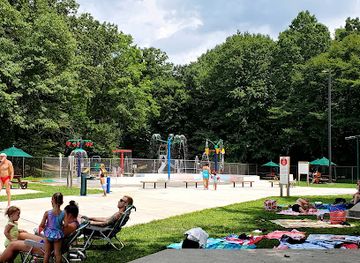
Discover the natural beauty and diverse activities at Tibbetts Brook Park, a perfect getaway for families and nature lovers in Yonkers, NY.
6 min drive · 1.9 km from city centre
-
Park
Sprain Ridge Park
Explore the natural beauty and outdoor adventures at Sprain Ridge Park in Yonkers, a serene escape for nature lovers and families.
23 min drive · 7.5 km from city centre
Explore Yonkers on the map
Plan your Yonkers trip on one map. See where the top attractions, landmarks, restaurants, bars and hotels are, find what's near where you're staying, and book hotels and experiences in a few clicks.
Best hotels in Yonkers
Best restaurants in Yonkers
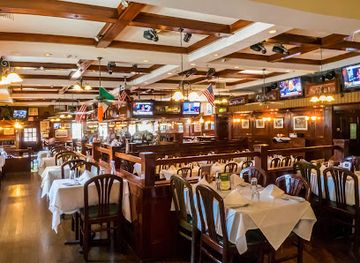
Yonkers’ dining scene reflects the city’s long history of immigration and its position within the New York metropolitan area. Getty Square and Nepperhan Avenue are strong areas for Latin American, Caribbean, West African and South Asian flavours, alongside bakeries, cafés and casual restaurants serving local communities. Italian-American traditions remain visible in family-run establishments and pizzerias, while newer dining rooms and food businesses have added further variety around the waterfront and Ridge Hill. The city is well suited to informal eating, from takeaway dishes and bakery counters to sit-down meals, rather than a narrowly defined regional cuisine. Farmers’ markets and seasonal local food events can provide Hudson Valley produce, although their timing changes. Menus and payment practices vary widely between small businesses, so expectations should be based on the individual establishment rather than on a uniform citywide dining pattern.
-
New American
Yard House
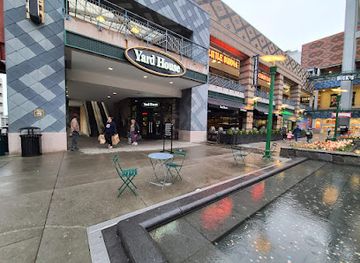
Experience the best of New American cuisine at Yard House in Yonkers, where flavor meets fun in a vibrant gastropub setting.
16 min drive · 5.2 km from city centre
-
Irish pub
Rory Dolan's Restaurant & Bar
Experience authentic Irish cuisine and vibrant nightlife at Rory Dolan's Restaurant & Bar in Yonkers—where every meal is a celebration.
12 min drive · 3.9 km from city centre
-
Breakfast
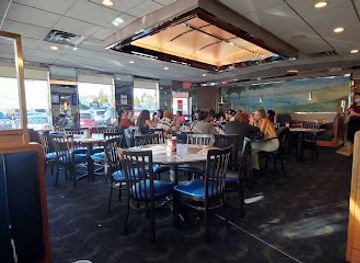
Raceway Diner
Discover the essence of classic American dining at Raceway Diner in Yonkers—where delicious breakfasts meet warm hospitality.
10 min drive · 3.3 km from city centre
-
Mexican
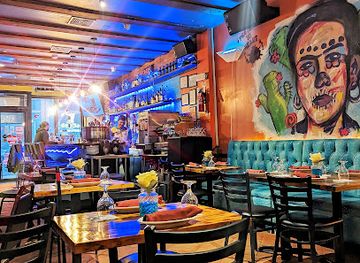
Guapo Mexican and Cuban Cuisine
Experience the vibrant tastes of Mexico and Cuba at Guapo Mexican and Cuban Cuisine in Yonkers—a must-visit destination for food lovers.
5 min walk · 0.4 km from city centre

Best bars in Yonkers
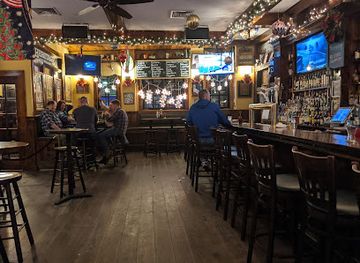
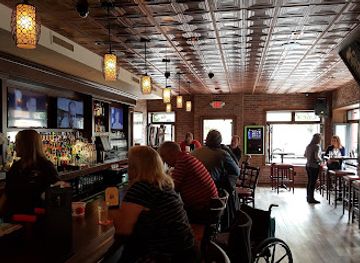
Yonkers’ evening life is more varied and neighbourhood-based than club-centred. Waterfront and downtown restaurants provide places for a relaxed drink or dinner, while bars around Getty Square and Nepperhan Avenue tend to reflect the city’s diverse local communities and often offer music, televised sport or late informal gatherings. Larger entertainment is associated with Empire City Casino at Yonkers Raceway, which has gaming, live events and dining alongside its primary attractions, subject to applicable age and venue rules. Cultural evenings can include programmes at the Hudson River Museum and performances in Westchester venues, though schedules are event-specific. The city has fewer concentrated nightclub streets than Manhattan, and some areas become quiet outside business and event hours, making local transport planning useful after dark.
-
Bar
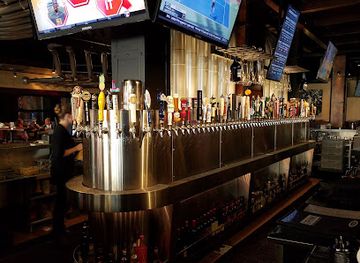
Yard House
Experience vibrant dining at Yard House in Yonkers, where craft beers and New American cuisine come together in a lively atmosphere.
16 min drive · 5.2 km from city centre
-
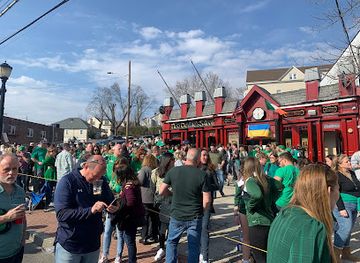
Irish pub
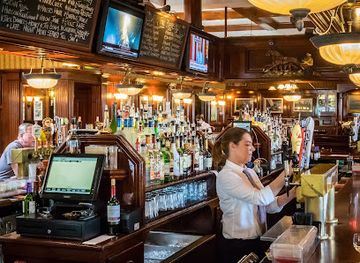
Rory Dolan's Restaurant & Bar
Discover the warmth of Irish culture at Rory Dolan's Restaurant & Bar, where hearty meals and friendly service await you in Yonkers, New York.
12 min drive · 3.9 km from city centre
-
Irish
Heritage Bar & Restaurant
Discover the heartbeat of Irish culture at Heritage Bar & Restaurant, where hearty meals and a spirited atmosphere await you in Yonkers.
12 min drive · 4.2 km from city centre
-
Bar
Francey Brady's
Discover the lively ambiance and delicious cuisine at Francey Brady's, Yonkers' premier bar and restaurant for food and fun.
6 min walk · 0.5 km from city centre
Best nightclubs in Yonkers
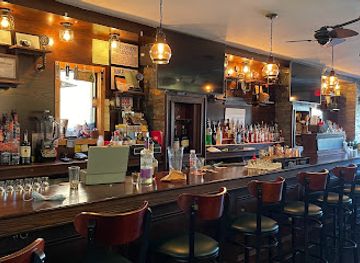
Yonkers’ evening life is more varied and neighbourhood-based than club-centred. Waterfront and downtown restaurants provide places for a relaxed drink or dinner, while bars around Getty Square and Nepperhan Avenue tend to reflect the city’s diverse local communities and often offer music, televised sport or late informal gatherings. Larger entertainment is associated with Empire City Casino at Yonkers Raceway, which has gaming, live events and dining alongside its primary attractions, subject to applicable age and venue rules. Cultural evenings can include programmes at the Hudson River Museum and performances in Westchester venues, though schedules are event-specific. The city has fewer concentrated nightclub streets than Manhattan, and some areas become quiet outside business and event hours, making local transport planning useful after dark.
-
Pub
Ned Devine's Saloon
Experience the vibrant atmosphere of Ned Devine's Saloon, a beloved pub in Yonkers offering delicious food, drinks, and unforgettable nightly entertainment.
12 min drive · 4.1 km from city centre
-
Bar
The Hole In The Wall Bar
Discover the charm of The Hole In The Wall Bar in Yonkers, where great drinks and a friendly atmosphere await.
16 min drive · 5.2 km from city centre
-
Lounge
GO SPORTS BAR & LOUNGE
Join the excitement at GO Sports Bar & Lounge in Yonkers, where sports, drinks, and nightlife create an unforgettable experience.
11 min walk · 0.8 km from city centre
-
Restaurant
La Sensacion Bar & Lounge
Experience the lively atmosphere of La Sensacion Bar & Lounge, a top destination in Yonkers for great food, drinks, and nightlife.
22 min drive · 7.3 km from city centre

Best shops in Yonkers
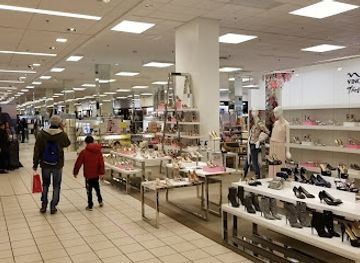
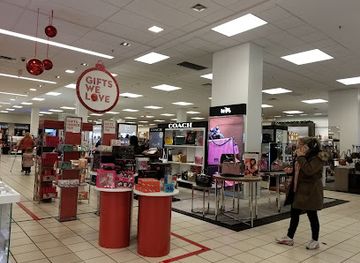
Shopping in Yonkers ranges from multicultural local commerce to large suburban retail complexes. Getty Square is the traditional commercial heart, with independent shops, food businesses, salons and services reflecting the city’s diverse population. Nepperhan Avenue provides further everyday shopping and dining, while Cross County Shopping Center is a major regional destination with mainstream retailers, restaurants and open-air areas. Ridge Hill offers a more recent mixed-use environment combining shops, food outlets, entertainment and public space. Visitors seeking distinctive purchases are more likely to find them in specialist food shops, bakeries and locally owned businesses than in a single signature craft market. Hudson Valley produce and regional food products may appear at seasonal farmers’ markets, but dates and vendors vary. Shopping districts are spread out, so public transport or a car can be useful when combining them.
-
Shopping mall
Cross County Center
Explore Cross County Center in Yonkers for exceptional shopping, diverse dining, and vibrant community events that cater to all ages.
11 min drive · 3.6 km from city centre
-
Department store
Macy's
Explore Macy's in Yonkers for a diverse shopping experience with fashion, beauty, and home essentials all in one place.
11 min drive · 3.6 km from city centre
-
Shopping mall
Ridge Hill
Discover Ridge Hill, Yonkers' premier shopping mall offering a unique blend of shopping, dining, and entertainment in a beautiful outdoor setting.
15 min drive · 5.0 km from city centre
-
Clothing store
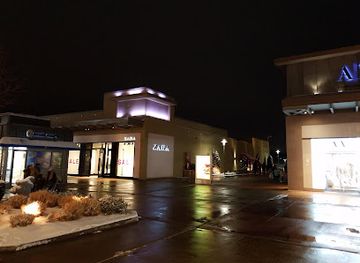
ZARA
Explore contemporary fashion at ZARA in Yonkers – a must-visit clothing store for stylish travelers seeking trendy apparel.
11 min drive · 3.7 km from city centre
Get your free copy of our complete guide to Yonkers, delivered straight to you.
Everything on this page, from attractions and restaurants to essentials and local phrases, in one PDF you can read offline, print or share.
Already have an account? Sign in
Your Yonkers guide is ready.
We'll send it to · Not you? Sign out

Getting your guide ready…
We are putting together a fresh copy of the Yonkers guide. This can take up to a minute.
This can take a few moments. If your browser asks, choose Allow so the download can start. You'll find the guide in your Downloads folder.
Nothing happened? Download it again
Sorry, the guide is taking longer than usual. Please try again in a minute, or get it by email instead.
Yonkers essentials
Currency and Payment
Safety
Emergency Situations
Do's and Don'ts
Local Tips
From Eve
Local phrases worth knowing
You don't need to get them perfect. A few words go a long way, and locals appreciate the effort.
Basics
| English | Local | Say it |
|---|---|---|
| Hello | Hey | [Hey] |
| Goodbye | Later | [Lay-ter] |
| Yes | Yeah | [Yeah] |
| No | Nah | [Nah] |
| Please/You're welcome | Please/No problem | [Please/No prob-lem] |
| Thank you | Thanks | [Thanks] |
| Excuse me/Sorry | ‘Scuse me/Sorry | ['Skews me/Sor-ry] |
| How are you? | How you doin'? | [How you doin'?] |
| Fine. And you? | Good. You? | [Good. You?] |
| Do you speak English? | You speak English? | [You speak En-glish?] |
| I don't understand | I don't get it | [I don't get it] |
Eating & Drinking
| English | Local | Say it |
|---|---|---|
| I'd like to see the menu, please | Can I see the menu, please | [Can I see the menu, please] |
| I don't eat meat | I don't eat meat | [I don't eat meat] |
| Cheers! | Salut! | [Sa-lut!] |
| I would like to pay, please | Check please | [Check please] |
Emergencies
| English | Local | Say it |
|---|---|---|
| Help! | Help! | [Help!] |
| Go away! | Get lost! | [Get lost!] |
| Call the Police! | Call the cops! | [Call the cops!] |
| Call a doctor! | Get a doctor! | [Get a doctor!] |
| I'm lost | I'm lost | [I'm lost] |
| I'm ill | I'm sick | [I'm sick] |
Shopping
| English | Local | Say it |
|---|---|---|
| I'd like to buy... | I wanna buy... | [I wanna buy...] |
| I'm just looking | Just looking | [Just looking] |
| How much is it? | How much? | [How much?] |
| That's too expensive | Too much | [Too much] |
| Can you lower the price? | Can you do better? | [Can you do bet-ter?] |
Time & Numbers
| English | Local | Say it |
|---|---|---|
| What time is it? | What time is it? | [What time is it?] |
| It's one o'clock | It's one | [It's one] |
| Half past (10) | Ten thirty | [Ten thir-ty] |
| Morning | Morning | [Morning] |
| Afternoon | Afternoon | [Afternoon] |
| Evening | Evening | [Evening] |
| Yesterday | Yesterday | [Yesterday] |
| Today | Today | [Today] |
| Tomorrow | Tomorrow | [Tomorrow] |
| 1 | One | [One] |
| 2 | Two | [Two] |
| 3 | Three | [Three] |
| 4 | Four | [Four] |
| 5 | Five | [Five] |
| 6 | Six | [Six] |
| 7 | Seven | [Seven] |
| 8 | Eight | [Eight] |
| 9 | Nine | [Nine] |
| 10 | Ten | [Ten] |
Transport & Directions
| English | Local | Say it |
|---|---|---|
| Where's a/the...? | Where's the...? | [Where's the...?] |
| What's the address? | What's the address? | [What's the address?] |
| Can you show me (on the map)? | Show me on the map | [Show me on the map] |
| When's the next (bus)? | When's the next (bus)? | [When's the next (bus)?] |
| A ticket (to ....) | A ticket to ... | [A ticket to ...] |
History of Yonkers
Lenape Homeland and Hudson Shore
Before European settlement, the lower Hudson Valley was home to Lenape communities whose economies and seasonal movements were closely connected to the river, forests and waterways. The Saw Mill River, known historically as the Nepperhan, ran eastwards through the area before reaching the Hudson. Dutch colonisation altered these established patterns during the seventeenth century, bringing new land claims, farming and trade while creating long-lasting changes in population and land ownership. Yonkers’ later urban form developed on this coastal and riverine geography, although much of the earlier Indigenous landscape was transformed or obscured by private estates, roads and industry.
The Van der Donck Settlement
Adriaen van der Donck, a Dutch lawyer and landowner, acquired a large patroonship in the area in the 1640s. His estate, known as De Jonkheer, is generally associated with the name Yonkers, derived from the Dutch title for a young nobleman. Van der Donck’s settlement and agricultural enterprise formed part of the Dutch colonial network along the Hudson, though his ambitions were disrupted by political tensions and conflict between Dutch authorities and Indigenous peoples. The Dutch presence was absorbed into English rule after the transfer of New Netherland in 1664, beginning a new phase of colonial administration and landholding.
Philipse Manor and Colonial Power
The Philipse family built a powerful estate in the eighteenth century after acquiring extensive lands in the lower Hudson Valley. Philipse Manor Hall in Yonkers, whose surviving structure dates largely from the 1740s, served as the family’s seat and a centre of local authority. The estate depended on agriculture, commerce and enslaved labour, an important part of Yonkers’ colonial history that should not be separated from the building’s architectural significance. During the American Revolution, the Philipse family’s Loyalist position led to the confiscation of its property. Manor Hall later became a civic and governmental building and remains one of the clearest physical links to the city’s colonial past.
Mills, Canals and Early Industry
The Saw Mill River gave Yonkers an early industrial advantage, providing waterpower for mills and workshops before steam and electricity transformed production. In the nineteenth century, the river corridor supported factories connected to textiles, carpets, metalwork and other manufacturing. The Hudson River added a vital transport route, while roads and railways strengthened links with New York City and communities farther north. Industrial expansion brought workers, immigrants and denser neighbourhoods, changing Yonkers from a largely rural and estate-based settlement into a manufacturing town. The buried and daylighted sections of the Saw Mill River still trace this relationship between natural watercourses and urban development.
The City and the Carpet Industry
Yonkers was incorporated as a city in 1872 during a period of rapid population growth and industrial investment. The Alexander Smith and Sons Carpet Company became one of its best-known employers, producing carpets on a large scale and attracting workers from many backgrounds. Otis Elevator also established major manufacturing operations in Yonkers, linking the city to the development of modern vertical transport and urban architecture. These industries helped create working-class districts, civic institutions and a more complex social life, while industrial wealth supported substantial public and private buildings. Their decline in the twentieth century left a legacy of factories, neighbourhood traditions and redevelopment challenges.
Suburban Change and Urban Renewal
During the twentieth century, Yonkers experienced the pressures affecting many older industrial cities near New York City: manufacturing employment contracted, automobile-oriented development expanded and neighbourhoods changed through migration. The Cross County Shopping Center, opened in 1954, represented the post-war shift towards regional retail and car access, while the Hudson waterfront and former industrial areas became subjects of later redevelopment. Public institutions such as the Hudson River Museum and restored historic properties broadened the city’s cultural profile. Contemporary Yonkers remains socially diverse and economically varied, with its identity shaped by both industrial memory and its continuing links to the New York metropolitan region.
Yonkers in Photos
Browse through our photo collection highlighting the charm and character of the destination.
Cities near Yonkers
The closest cities to Yonkers, if you have time for more than one stop.
-

-

-

-

-


Swipe for more cities
Explore more

Explore more of New York
Discover the electrifying energy, iconic landmarks, and diverse cultural experiences of New York City, the ultimate urban playground for travelers from around the world.
Explore New York