

Free Poughkeepsie Travel Guide & Mobile App
Plan your Poughkeepsie trip with Evendo. Get free guides to top attractions, restaurants, hotels, and bars. Web access or download the mobile app.


Discover Poughkeepsie, the Queen City of the Hudson, where history, culture, and nature blend seamlessly to offer an unforgettable experience in the heart of the Hudson Valley.
Read more about Poughkeepsie
When is the best time to visit Poughkeepsie?
Best: June, August–September · 22–27°C| Month | High (°C) | Rainfall (mm) |
|---|---|---|
| January | 3 | 79 |
| February | 4 | 71 |
| March | 9 | 91 |
| April | 15 | 89 |
| May | 21 | 97 |
| June (best) | 26 | 100 |
| July | 28 | 107 |
| August (best) | 27 | 100 |
| September (best) | 22 | 97 |
| October | 16 | 93 |
| November | 10 | 84 |
| December | 4 | 83 |
Getting to and around Poughkeepsie
How to get there
Transportation
Best attractions in Poughkeepsie
Poughkeepsie, New York offers a charming blend of history and natural beauty, making it a must-visit destination for any traveler. Explore the scenic Walkway Over the Hudson, the longest elevated pedestrian bridge in the world, for breathtaking views of the Hudson River and surrounding landscapes. Immerse yourself in the rich history of the area by visiting the Franklin D. Roosevelt Presidential Library and Museum, or take a tour of the Vanderbilt Mansion National Historic Site. For outdoor enthusiasts, the nearby Shawangunk Mountains provide endless opportunities for hiking, rock climbing, and more. With its historic sites, stunning landscapes, and vibrant culture, Poughkeepsie has something for everyone to enjoy.
-
Bridge
Walkway Over the Hudson State Park
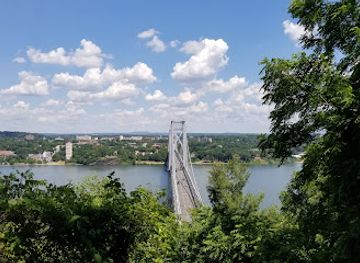
Experience breathtaking views and rich history at the Walkway Over the Hudson State Park, the world's longest elevated pedestrian bridge.
7 min drive · 2.4 km from city centre
-
Tourist attraction
Locust Grove Estate
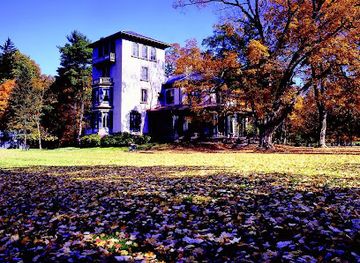
Explore the beauty and history of Locust Grove Estate, an enchanting blend of art, gardens, and nature in the heart of Poughkeepsie, NY.
10 min drive · 3.2 km from city centre
-
Tourist attraction
Victor C. Waryas Park
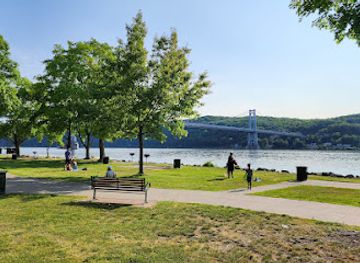
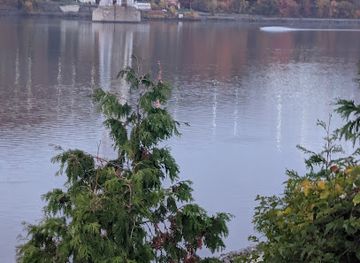
Experience the natural beauty and tranquility of Victor C. Waryas Park, a scenic gem along the Hudson River in Poughkeepsie, NY.
6 min drive · 1.9 km from city centre
-
Tourist attraction
Franny Reese State Park
Experience the breathtaking views and serene trails of Franny Reese State Park, a perfect getaway for nature lovers in the Hudson Valley.
11 min drive · 3.6 km from city centre

Best landmarks in Poughkeepsie
Poughkeepsie offers visitors a rich tapestry of historical landmarks, including the majestic Walkway Over the Hudson, the longest elevated pedestrian bridge in the world, offering breathtaking views of the Hudson River. Explore the Vanderbilt Mansion National Historic Site, a stunning Gilded Age mansion, or step back in time at the Locust Grove Estate, once home to Samuel Morse. Don't miss the chance to visit the historic district of Main Street, lined with charming shops and eateries, or take a stroll through the scenic Vassar College campus, known for its beautiful architecture and gardens. Poughkeepsie truly has something for every history enthusiast and curious traveler.
-
Bridge
Walkway Over the Hudson
Explore the breathtaking Walkway Over the Hudson, an iconic bridge featuring stunning views, rich history, and endless outdoor adventures in New York.
7 min drive · 2.4 km from city centre
-
Fine Dining
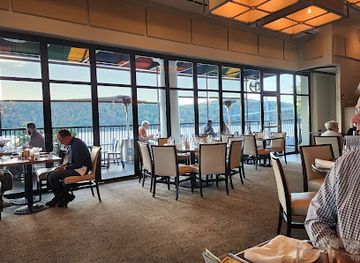
Shadows on the Hudson
Experience the pinnacle of fine dining at Shadows on the Hudson, where exquisite American cuisine meets stunning views of the Hudson River.
5 min drive · 1.7 km from city centre
-
Restaurant
Mill House Brewing Company
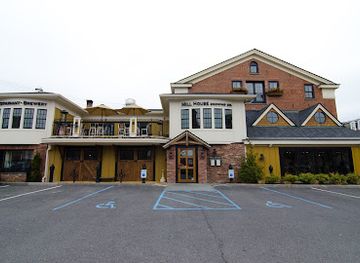
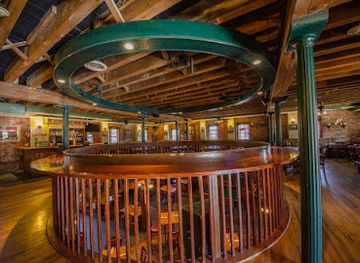
Discover the flavors of Poughkeepsie at Mill House Brewing Company, where craft beers meet exquisite dining in a vibrant atmosphere.
10 min walk · 0.8 km from city centre
-
American
Mahoney's Irish Pub & Steakhouse
Discover the best of American and Irish cuisine at Mahoney's Irish Pub & Steakhouse in Poughkeepsie, NY, where every dish tells a story.
5 min drive · 1.7 km from city centre
Explore Poughkeepsie on the map
Plan your Poughkeepsie trip on one map. See where the top attractions, landmarks, restaurants, bars and hotels are, find what's near where you're staying, and book hotels and experiences in a few clicks.
Best hotels in Poughkeepsie
Best restaurants in Poughkeepsie
Poughkeepsie offers a diverse dining scene that caters to all tastes and preferences. Visitors can enjoy farm-to-table restaurants serving fresh, locally sourced ingredients, as well as cozy cafes and bakeries offering delicious pastries and coffee. For those looking for international flavors, there are ethnic eateries serving authentic dishes from around the world. Whether you're in the mood for upscale dining or a casual meal, Poughkeepsie has something for everyone to enjoy.
-
Breakfast
Palace Diner
Discover the delightful flavors of Palace Diner in Poughkeepsie - where breakfast dreams come true in a cozy atmosphere.
6 min drive · 1.9 km from city centre
-
Fine Dining
Shadows on the Hudson
Experience exquisite fine dining with breathtaking river views at Shadows on the Hudson in Poughkeepsie.
5 min drive · 1.7 km from city centre
-
Restaurant
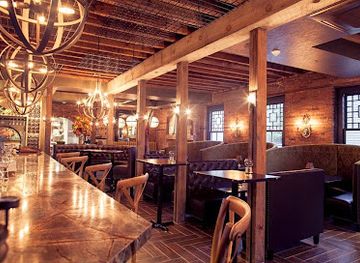
Mill House Brewing Company
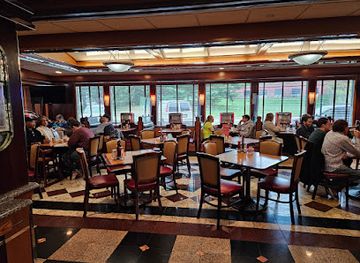
Experience Poughkeepsie's finest dining at Mill House Brewing Company – where innovative cuisine meets handcrafted brews in a cozy setting.
10 min walk · 0.8 km from city centre
-
Italian
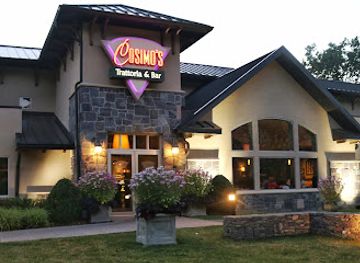
Cosimo's
Savor authentic Italian flavors at Cosimo's in Poughkeepsie - where each dish tells a story of tradition and passion.
6 min drive · 2.1 km from city centre
Best bars in Poughkeepsie
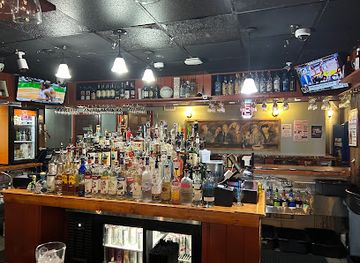
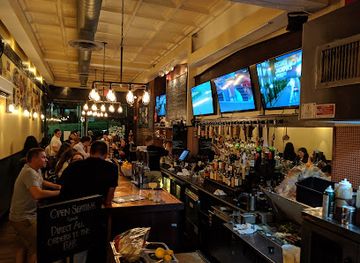
Poughkeepsie's nightlife scene offers a vibrant mix of bars, clubs, and live music venues that cater to a diverse crowd. From cozy speakeasies serving craft cocktails to high-energy dance clubs with top DJs, there is something for everyone to enjoy after dark. Whether you're looking to unwind with a drink in a laid-back atmosphere or dance the night away, Poughkeepsie has it all. Expect friendly locals, great music, and a lively atmosphere that will make your night out in Poughkeepsie unforgettable.
-
Fine Dining
Shadows on the Hudson
Discover culinary artistry at Shadows on the Hudson, where exquisite American cuisine meets stunning river views for an unforgettable dining experience.
5 min drive · 1.7 km from city centre
-
Restaurant
Mill House Brewing Company
Experience the best of craft brewing and seasonal cuisine at Mill House Brewing Company in Poughkeepsie, NY.
10 min walk · 0.8 km from city centre
-
American
Mahoney's Irish Pub & Steakhouse
Experience the vibrant atmosphere and delicious flavors of Mahoney's Irish Pub & Steakhouse, a must-visit dining spot in Poughkeepsie, NY.
5 min drive · 1.7 km from city centre
-
Bar
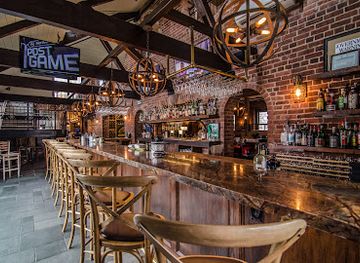
Schatzi's Pub and Bier Garden
Discover Schatzi's Pub and Bier Garden: A lively bar and beer garden in Poughkeepsie offering delicious food, local brews, and a vibrant atmosphere.
13 min walk · 1.1 km from city centre

Best nightclubs in Poughkeepsie
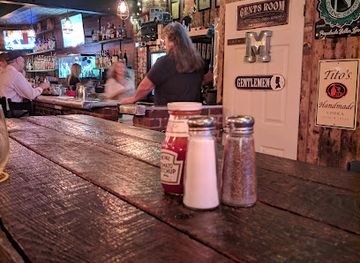
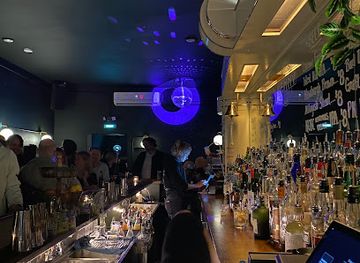
Poughkeepsie's nightlife scene offers a vibrant mix of bars, clubs, and live music venues that cater to a diverse crowd. From cozy speakeasies serving craft cocktails to high-energy dance clubs with top DJs, there is something for everyone to enjoy after dark. Whether you're looking to unwind with a drink in a laid-back atmosphere or dance the night away, Poughkeepsie has it all. Expect friendly locals, great music, and a lively atmosphere that will make your night out in Poughkeepsie unforgettable.
-
Grill
Tavern 23
Discover Tavern 23 in Poughkeepsie, where delicious grill favorites meet a vibrant atmosphere for a memorable dining experience.
5 min drive · 1.6 km from city centre
-
Pub
Jd's Pub & Brew
Discover the lively atmosphere of Jd's Pub & Brew in Poughkeepsie, where craft beers and delicious dishes come together for an unforgettable experience.
7 min drive · 2.3 km from city centre
-
Bar
Goodnight Kenny
Experience the vibrant nightlife at Goodnight Kenny, Poughkeepsie's premier bar known for its lively atmosphere and exceptional drink selection.
7 min walk · 0.5 km from city centre
-
Lounge
HIGH LOUNGE
Discover the sophisticated blend of lounge, bar, and restaurant at High Lounge in Poughkeepsie, NY, perfect for a vibrant night out.
5 min walk · 0.4 km from city centre

Best shops in Poughkeepsie
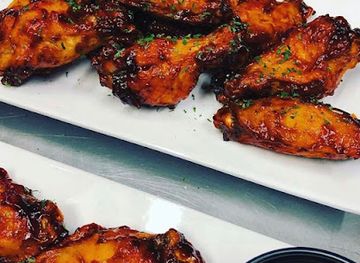
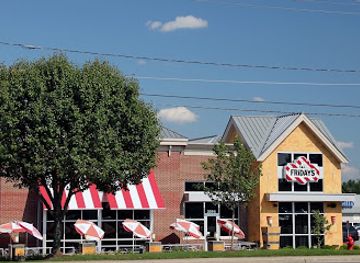
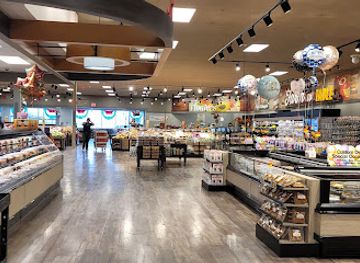
Poughkeepsie offers a unique shopping experience with a mix of charming boutiques, trendy stores, and antique shops. Visitors can explore the historic Main Street area for one-of-a-kind gifts and souvenirs, or head to the Poughkeepsie Galleria for a wide variety of popular brands and retailers. The city also hosts regular farmers markets and craft fairs, providing a glimpse into the local artisan scene. From handmade jewelry to vintage clothing, Poughkeepsie has something for every shopper to discover and enjoy.
-
Shopping mall
Poughkeepsie Plaza
Discover Poughkeepsie Plaza, a vibrant shopping mall with diverse stores, dining options, and entertainment in the heart of New York.
11 min drive · 3.8 km from city centre
-
Department store
Marshalls
Discover unbeatable deals on brand-name clothing and home goods at Marshalls in Poughkeepsie, New York, where style meets affordability.
12 min drive · 3.8 km from city centre
-
Department store
T.J. Maxx & HomeGoods
Explore T.J. Maxx & HomeGoods in Poughkeepsie for unbeatable deals on fashion and home décor, making it a top shopping spot for tourists.
11 min drive · 3.7 km from city centre
-
Shopping mall
Mid-Hudson Plaza
Explore the vibrant Mid-Hudson Plaza in Poughkeepsie, a shopping haven with diverse stores, dining options, and entertainment for all ages.
9 min drive · 3.0 km from city centre


Get your free copy of our complete guide to Poughkeepsie, delivered straight to you.
Everything on this page, from attractions and restaurants to essentials and local phrases, in one PDF you can read offline, print or share.
Already have an account? Sign in
Your Poughkeepsie guide is ready.
We'll send it to · Not you? Sign out

Getting your guide ready…
We are putting together a fresh copy of the Poughkeepsie guide. This can take up to a minute.
This can take a few moments. If your browser asks, choose Allow so the download can start. You'll find the guide in your Downloads folder.
Nothing happened? Download it again
Sorry, the guide is taking longer than usual. Please try again in a minute, or get it by email instead.
Poughkeepsie essentials
Currency and Payment
Safety
Emergency Situations
Do's and Don'ts
Local Tips
From Eve
Local phrases worth knowing
You don't need to get them perfect. A few words go a long way, and locals appreciate the effort.
Basics
| English | Local | Say it |
|---|---|---|
| Hello | Hey | [hey] |
| Goodbye | Later | [lay-ter] |
| Yes | Yeah | [yeh] |
| No | Nah | [nah] |
| Please/You're welcome | Please | [pleez] |
| Thank you | Thanks | [thanks] |
| Excuse me/Sorry | Sorry | [sor-ee] |
| How are you? | How you doin'? | [how yoo doo-in] |
| Fine. And you? | I'm good. You? | [ahym good yoo] |
| Do you speak English? | You speak English? | [yoo speak ing-glish] |
| I don't understand | I don't get it | [ahy doan't get it] |
Eating & Drinking
| English | Local | Say it |
|---|---|---|
| I'd like to see the menu, please | Can I see the menu? | [kan eye see the menu] |
| I don't eat meat | I don't eat meat | [ahy doan't eet meet] |
| Cheers! | Cheers! | [cheers] |
| I would like to pay, please | Check, please | [chek pleez] |
Emergencies
| English | Local | Say it |
|---|---|---|
| Help! | Help! | [help] |
| Go away! | Get lost! | [get lost] |
| Call the Police! | Call the cops! | [call the cops] |
| Call a doctor! | Get a doctor! | [get a doctor] |
| I'm lost | I'm lost | [ahym lost] |
| I'm ill | I'm sick | [ahym sik] |
Shopping
| English | Local | Say it |
|---|---|---|
| I'd like to buy... | I wanna buy... | [ahy wanna buy] |
| I'm just looking | Just browsing | [just bro-zing] |
| How much is it? | How much does it cost? | [how much duz it cost] |
| That's too expensive | That's pricey | [thats pry-see] |
| Can you lower the price? | Can you drop the price? | [kan yoo drop the price] |
Time & Numbers
| English | Local | Say it |
|---|---|---|
| What time is it? | What's the time? | [whats the time] |
| It's one o'clock | It's one | [its one] |
| Half past (10) | Half past ten | [haff past ten] |
| Morning | Morning | [morning] |
| Afternoon | Afternoon | [afternoon] |
| Evening | Evening | [evening] |
| Yesterday | Yesterday | [yester-day] |
| Today | Today | [to-day] |
| Tomorrow | Tomorrow | [tom-or-row] |
| 1 | One | [wun] |
| 2 | Two | [too] |
| 3 | Three | [three] |
| 4 | Four | [four] |
| 5 | Five | [five] |
| 6 | Six | [six] |
| 7 | Seven | [seven] |
| 8 | Eight | [ate] |
| 9 | Nine | [nine] |
| 10 | Ten | [ten] |
Transport & Directions
| English | Local | Say it |
|---|---|---|
| Where's a/the...? | Where is the...? | [where is the] |
| What's the address? | What's the address? | [whats the address] |
| Can you show me (on the map)? | Can you show me (on the map)? | [kan yoo show mee on the map] |
| When's the next (bus)? | When's the next (bus)? | [whens the next bus] |
| A ticket (to ....) | One ticket (to ...) | [wun ticket to] |
History of Poughkeepsie
Settling of Poughkeepsie
Poughkeepsie, located in the heart of the Hudson Valley, was first settled by Dutch colonists in the late 17th century. The name 'Poughkeepsie' is derived from the Wappinger language and means 'the reed-covered lodge by the little-water place.' The area quickly developed due to its strategic location along the Hudson River, which facilitated trade and transport.
Revolutionary War Significance
During the American Revolutionary War, Poughkeepsie served as the temporary capital of New York State. Its location made it a safe haven from British forces. In 1788, the city hosted the New York Ratification Convention for the United States Constitution, where New York ultimately ratified the Constitution, becoming the eleventh state to do so.
The Industrial Era
In the 19th century, Poughkeepsie transformed into an industrial hub. The completion of the Poughkeepsie Railroad Bridge in 1888, now known as Walkway Over the Hudson, was a monumental event, making it the longest bridge in the world at the time. This bridge facilitated the transport of goods and bolstered the local economy. Factories and mills sprung up, and the city became known for its brewing industry.
Vassar College
Founded in 1861 by Matthew Vassar, Vassar College is one of the country's first institutions of higher education for women. The college has played a significant role in the cultural and intellectual life of Poughkeepsie. It became coeducational in 1969 and continues to be a leading liberal arts college, attracting students from around the globe.
Modern Poughkeepsie
Today, Poughkeepsie is a vibrant city that blends historical charm with modern amenities. The Walkway Over the Hudson has been repurposed as a pedestrian walkway, attracting tourists and locals alike. The city's waterfront is a focal point for community events and festivals. Poughkeepsie continues to celebrate its rich history while evolving as a cultural and economic center in the Hudson Valley.
Poughkeepsie in Photos
Browse through our photo collection highlighting the charm and character of the destination.
Cities near Poughkeepsie
The closest cities to Poughkeepsie, if you have time for more than one stop.
-
 Hudson
Discover Hudson, New York, a historic riverside city known for its vibrant arts scene, stunning natural beauty, and delightful culinary experiences.
1 h 22 min drive · 62 km from city centre
Hudson
Discover Hudson, New York, a historic riverside city known for its vibrant arts scene, stunning natural beauty, and delightful culinary experiences.
1 h 22 min drive · 62 km from city centre
-
 White Plains
Discover White Plains, NY: A vibrant blend of history, culture, shopping, and nature just a stone's throw from Manhattan in the heart of Westchester County.
1 h 35 min drive · 75 km from city centre
White Plains
Discover White Plains, NY: A vibrant blend of history, culture, shopping, and nature just a stone's throw from Manhattan in the heart of Westchester County.
1 h 35 min drive · 75 km from city centre
-
 Yonkers
Discover Yonkers, New York – a perfect blend of urban charm, rich history, and stunning natural landscapes along the Hudson River.
1 h 46 min drive · 86 km from city centre
Yonkers
Discover Yonkers, New York – a perfect blend of urban charm, rich history, and stunning natural landscapes along the Hudson River.
1 h 46 min drive · 86 km from city centre
-
 Albany
Discover Albany, New York's capital city, where history, culture, and natural beauty converge for an unforgettable experience.
2 h 7 min drive · 107 km from city centre
Albany
Discover Albany, New York's capital city, where history, culture, and natural beauty converge for an unforgettable experience.
2 h 7 min drive · 107 km from city centre
-
 New York City
Discover the energy and excitement of New York City, where iconic landmarks, diverse neighborhoods, and a rich cultural tapestry await every traveler.
2 h 10 min drive · 110 km from city centre
New York City
Discover the energy and excitement of New York City, where iconic landmarks, diverse neighborhoods, and a rich cultural tapestry await every traveler.
2 h 10 min drive · 110 km from city centre
Swipe for more cities

