

Waitomo Caves Travel Guide - Free Web & App
Your ultimate guide to Waitomo Caves. Discover top landmarks, proposed trips, and local tips. Free on the web or via the Evendo companion app.


Waitomo Caves, New Zealand reveals glowworms, limestone caverns, Māori heritage and underground adventures in a rural North Island landscape.
Karst Landscapes and Living Light
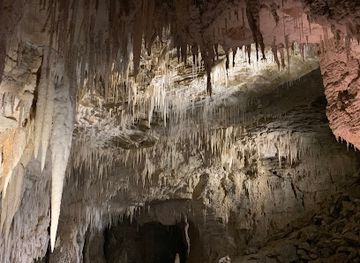
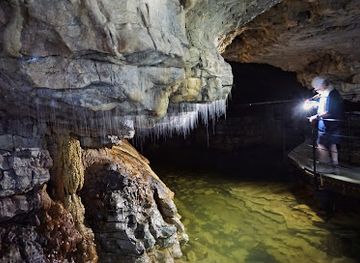
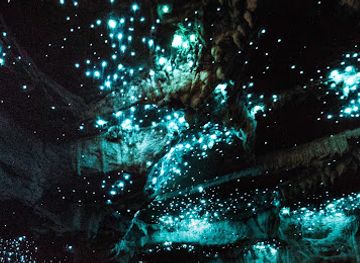
Waitomo Caves lies in the King Country of New Zealand’s North Island, a rural limestone district whose name is closely associated with caverns, sinkholes, underground streams and the soft blue-green light of glowworms. The principal visitor area is centred on the small settlement of Waitomo Caves, south of Hamilton and west of Rotorua, while the wider Waitomo region extends across farmland and karst country with its own network of caves and natural formations. Beneath the surface, water has slowly dissolved the limestone, creating chambers decorated with stalactites and stalagmites, narrow passages and subterranean rivers. The caves are also habitat for Arachnocampa luminosa, the New Zealand glowworm, whose bioluminescent larvae create the star-like effect seen on guided underground boat trips.Read more about Waitomo Caves
Caves, Culture and Country Roads
When is the best time to visit Waitomo Caves?
Best: January–March · 21–22°C| Month | High (°C) | Rainfall (mm) |
|---|---|---|
| January (best) | 22 | 119 |
| February (best) | 22 | 111 |
| March (best) | 21 | 105 |
| April | 20 | 101 |
| May | 18 | 97 |
| June | 15 | 99 |
| July | 14 | 102 |
| August | 15 | 107 |
| September | 17 | 110 |
| October | 19 | 115 |
| November | 21 | 117 |
| December | 22 | 118 |
Getting to and around Waitomo Caves
How to get there
Transportation
Best attractions in Waitomo Caves
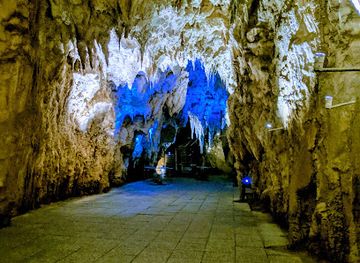
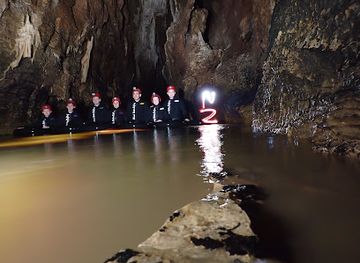
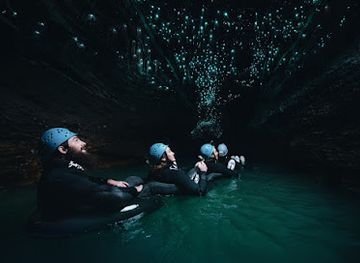
The Waitomo Glowworm Caves are the district’s signature attraction, where a guided journey through limestone chambers leads to an underground boat ride beneath thousands of Arachnocampa luminosa glowworms. Ruakuri Cave provides a contrasting subterranean experience with a dramatic spiral entrance, winding passages and formations viewed on guided tours, while Aranui Cave is valued for its chambers, stalactites and forested setting. Adventure operators in the Waitomo area offer activities such as black-water rafting and specialist caving, combining underground exploration with cold streams and confined passages for suitably prepared participants. Above ground, the wider karst landscape is marked by farmland, limestone outcrops, bush and sinkholes, and roads lead towards features such as the Mangapohue Natural Bridge outside the immediate village area. The small Waitomo Caves settlement functions as the main visitor hub, with interpretation, tour meeting points and basic services close to the principal attractions.
-
Rafting
The Legendary Black Water Rafting Co, Waitomo
Discover the thrill of black water rafting and the magical glowworms in the stunning Waitomo Caves, New Zealand's adventure capital.
-
Tour operator
Ruakuri Cave Tours
Explore the enchanting Ruakuri Cave in Waitomo, where stunning limestone formations meet magical glowworms in a breathtaking underground adventure.
-
Tour operator
Down to Earth - Waitomo Eco Tours
Explore the breathtaking beauty of Waitomo with eco-friendly tours, featuring glowworm caves, hiking adventures, and immersive nature experiences.
-
Tourist attraction
Mangapohue Natural Bridge
Discover the breathtaking Mangapohue Natural Bridge, a stunning natural arch in New Zealand's Waitomo region, perfect for hiking and exploring.


Best landmarks in Waitomo Caves
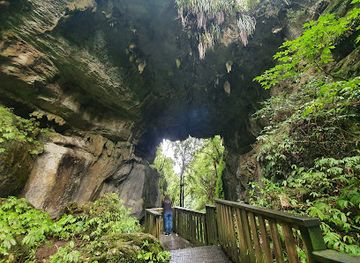
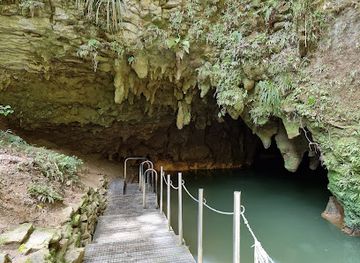
The principal natural landmark is the Waitomo Glowworm Cave, whose limestone chambers and illuminated subterranean river have become closely identified with the district. Ruakuri Cave is distinguished by its unusual entrance and extensive underground route, while Aranui Cave contains notable limestone formations reached through native bush. Above ground, the Waitomo karst is defined by weathered limestone, sinkholes, springs and streams that continue the geological processes visible below the surface. The Mangapohue Natural Bridge, located in the wider Waitomo area rather than at the central cave village, is another recognised limestone feature formed where a cavern roof collapsed and left a natural arch over the Mangapohue Stream. Tane Tinorau’s association with the early exploration of the glowworm cave adds an important cultural and historical dimension to these physical landmarks.
-
Tourist attraction
Waitomo Glowworm Caves
Experience the magic of Waitomo Glowworm Caves, where nature's luminescent wonders light up the underground world of New Zealand.
-
Rafting
The Legendary Black Water Rafting Co, Waitomo
Dive into an unforgettable adventure at The Legendary Black Water Rafting Co. in Waitomo, where thrilling underground rivers await.
-
Tour operator
Ruakuri Cave Tours
Experience the breathtaking beauty of Ruakuri Cave Tours, where glowworms light up the stunning limestone caverns of Waitomo, New Zealand.
-
Tourist attraction
Spellbound Glowworm and Cave Tour
Discover the enchanting Spellbound Glowworm Caves in Waitomo, where nature's magic illuminates the underground world with sparkling glowworms.
Explore Waitomo Caves on the map
Plan your trip on one map. See where the top attractions, landmarks, restaurants and hotels are, and book hotels and experiences in a few clicks.
Best hotels in Waitomo Caves
Best restaurants in Waitomo Caves
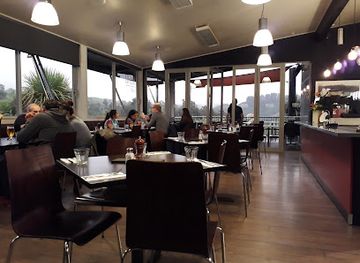
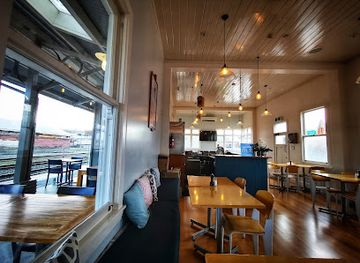
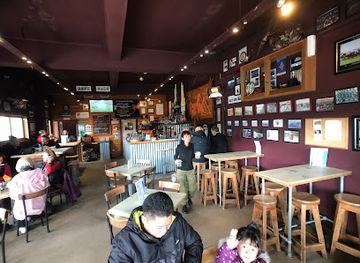
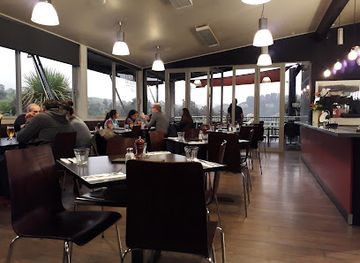
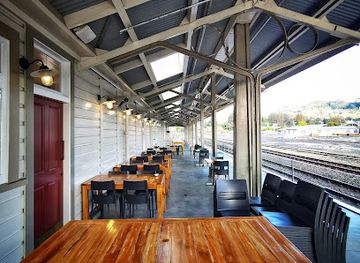
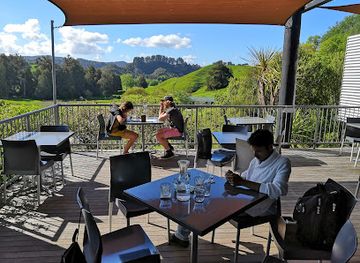
Dining in Waitomo Caves is concentrated around the visitor settlement and accommodation properties rather than spread through a large town. Cafés, casual eateries and hotel or lodge dining provide practical options before or after cave tours, with menus typically shaped by New Zealand produce and familiar rural hospitality rather than a specialised local cuisine. Visitors staying longer can also eat in nearby Otorohanga or Te Kūiti, where the choice of shops, cafés and restaurants is broader. Regional ingredients may include lamb, beef, dairy products, seasonal fruit and vegetables, while New Zealand staples such as meat pies, flat whites and locally produced wine or beer are widely encountered. Because rural opening patterns and seasonal services vary, it is sensible to check where meals are available when planning early tours, late arrivals or full-day adventure activities.
-
 Tourist attraction
Waitomo Glowworm Caves
Explore Waitomo Glowworm Caves: A mesmerizing underground world illuminated by nature's glowworms in New Zealand.
-
Restaurant
HUHU Cafe
Savor delicious cuisine surrounded by breathtaking views at HUHU Cafe in Waitomo – a culinary gem near iconic caves.
-
Restaurant
Stoked Eatery
Experience the best of local flavors at Stoked Eatery in Te Kuiti - where culinary creativity meets New Zealand's rich heritage.
-
Restaurant
The Thirsty Weta Bar & Eatery
Experience delightful cuisine and refreshing drinks at The Thirsty Weta Bar & Eatery in Otorohanga—a must-visit culinary destination.
Best bars in Waitomo Caves
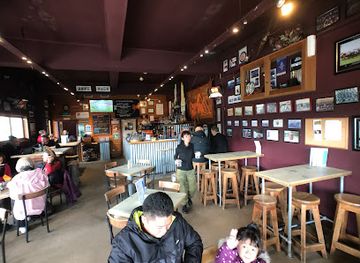
Waitomo Caves is a quiet rural visitor area rather than a nightlife destination, and evening activity generally centres on accommodation lounges, licensed restaurants and traditional pub-style hospitality rather than nightclubs or late entertainment. Some visitors spend the evening discussing the day’s cave or rafting experiences, while clear weather can make the surrounding countryside suitable for quiet stargazing away from larger settlements. The nearest broader choice of pubs and evening venues is found in towns such as Te Kūiti or Otorohanga, outside the immediate cave precinct, although these remain small regional centres rather than nightlife hubs. Evening options may be limited outside peak visitor periods, so travellers should not assume that every dining or drinking venue operates late or that organised performances are available.
-
Rafting
The Legendary Black Water Rafting Co, Waitomo
Discover the enchanting world of Waitomo's underground caves with The Legendary Black Water Rafting Co - a thrilling adventure amidst stunning natural beauty.
-
Restaurant
HUHU Cafe
Discover the flavors of New Zealand at HUHU Cafe, a delightful eatery near Waitomo Caves offering fresh, locally sourced ingredients in a stunning natural setting.
-
Restaurant
Stoked Eatery
Discover Stoked Eatery in Te Kuiti - A culinary hotspot blending local flavors with modern dining in a vibrant atmosphere.
-
Bar
The Thirsty Weta Bar & Eatery
Experience the essence of Otorohanga at The Thirsty Weta Bar & Eatery, where local flavors meet a vibrant atmosphere for all travelers.

Best nightclubs in Waitomo Caves
Waitomo Caves is a quiet rural visitor area rather than a nightlife destination, and evening activity generally centres on accommodation lounges, licensed restaurants and traditional pub-style hospitality rather than nightclubs or late entertainment. Some visitors spend the evening discussing the day’s cave or rafting experiences, while clear weather can make the surrounding countryside suitable for quiet stargazing away from larger settlements. The nearest broader choice of pubs and evening venues is found in towns such as Te Kūiti or Otorohanga, outside the immediate cave precinct, although these remain small regional centres rather than nightlife hubs. Evening options may be limited outside peak visitor periods, so travellers should not assume that every dining or drinking venue operates late or that organised performances are available.
-
Tourist attraction
Waitomo Glowworm Caves
Experience the magical glow of thousands of glowworms in the stunning Waitomo Glowworm Caves, a unique natural wonder in New Zealand.
-
Rafting
The Legendary Black Water Rafting Co, Waitomo
Experience the magic of Waitomo's glowworm caves with an exhilarating black water rafting adventure that unveils nature's wonders.
-
Tour operator
Ruakuri Cave Tours
Discover the magical Ruakuri Cave Tours in Waitomo, New Zealand, where glowworms twinkle and limestone formations astound visitors.
-
Restaurant
HUHU Cafe
Experience the flavors of New Zealand at HUHU Cafe in Waitomo, a perfect retreat for tourists exploring the enchanting caves and lush landscapes.
Best shops in Waitomo Caves
Shopping in Waitomo Caves is modest and focused on visitor essentials, souvenirs and practical outdoor needs rather than a broad retail district. Cave attractions and local accommodation may offer books, artwork, clothing or small gifts connected with glowworms, limestone landscapes and New Zealand travel, while food supplies and everyday items are easier to find in nearby Otorohanga or Te Kūiti. Visitors can look for New Zealand-made crafts, locally produced food and regional artwork, but should distinguish genuine local products from generic souvenirs. Farm shops, galleries and small independent businesses occur across the wider King Country, although they are dispersed and may have seasonal opening patterns. Anyone planning a self-catering stay or an early cave tour should obtain substantial provisions before leaving the larger nearby towns.
-
Tour operator
Down to Earth - Waitomo Eco Tours
Discover the breathtaking landscapes of Waitomo with Down to Earth Eco Tours – an adventure for nature lovers and thrill-seekers alike.
-
Department store
The Warehouse Te Kuiti
Discover a diverse shopping experience at The Warehouse Te Kuiti, your destination for essentials and local treasures in Waikato.
-
Shop
The General Store Waitomo
Discover the enchanting flavors of Waitomo at The General Store, your go-to café and shop for local delights.
-
Gift shop
Shoppington
Explore Shoppington in Te Kuiti for unique gifts, home goods, and local treasures that embody the spirit of New Zealand.

Get your free copy of our complete guide to Waitomo Caves, delivered straight to you.
Everything on this page, from attractions and restaurants to essentials and local phrases, in one PDF you can read offline, print or share.
Already have an account? Sign in
Your Waitomo Caves guide is ready.
We'll send it to · Not you? Sign out

Getting your guide ready…
We are putting together a fresh copy of the Waitomo Caves guide. This can take up to a minute.
This can take a few moments. If your browser asks, choose Allow so the download can start. You'll find the guide in your Downloads folder.
Nothing happened? Download it again
Sorry, the guide is taking longer than usual. Please try again in a minute, or get it by email instead.
Waitomo Caves essentials
Currency and Payment
Safety
Emergency Situations
Do's and Don'ts
Local Tips
From Eve
Local phrases worth knowing
You don't need to get them perfect. A few words go a long way, and locals appreciate the effort.
Basics
| English | Local | Say it |
|---|---|---|
| Hello | Kia ora | [kee-ah oh-rah] |
| Goodbye | Haere rā | [high-deh rah] |
| Yes | Āe | [eye] |
| No | Kāo | [kah-oh] |
| Please/You're welcome | Whakawhetai | [fah-kah-feh-tie] |
| Thank you | Kia ora | [kee-ah oh-rah] |
| Excuse me/Sorry | Whakamā | [fah-kah-mah] |
| How are you? | Kei te pēhea koe? | [key teh pay-ha koh-eh] |
| Fine. And you? | Ka pai. Ā koe? | [kah pie. eye koh-eh] |
| Do you speak English? | Kōrero koe i te reo Pākehā? | [koh-reh-roh koh-eh ee teh reh-oh pah-keh-hah] |
| I don't understand | Kaore au e mohio | [kah-oh-reh oh ee moh-hee-oh] |
Eating & Drinking
| English | Local | Say it |
|---|---|---|
| I'd like to see the menu, please | Me pānui i te menewa, tēnā koe | [meh pah-noo-ee ee teh meh-neh-wah, teh-nah koh-eh] |
| I don't eat meat | Kaore au e kai kau | [kah-oh-reh oh ee kai kow] |
| Cheers! | Tino pai! | [tee-noh pie] |
| I would like to pay, please | Ka hiahia ahau ki te utu, tēnā koe | [kah hee-ah-hee-ah ah-how kee teh oo-too, teh-nah koh-eh] |
Emergencies
| English | Local | Say it |
|---|---|---|
| Help! | Āwhina! | [eye-fee-nah] |
| Go away! | Haere atu! | [high-deh ah-too] |
| Call the Police! | Karanga ki te Pirihimana! | [kah-rah-ngah kee teh pee-ree-hee-mah-nah] |
| Call a doctor! | Karanga ki te tohunga! | [kah-rah-ngah kee teh toe-hoo-ngah] |
| I'm lost | I wareware au | [ee wah-reh-wah-reh oh] |
| I'm ill | Kei te mate au | [key teh mah-teh oh] |
Shopping
| English | Local | Say it |
|---|---|---|
| I'd like to buy... | Ka hiahia ahau ki te hoko... | [kah hee-ah-hee-ah ah-how kee teh hoh-koh] |
| I'm just looking | Kei te titiro ahau | [key teh tee-tee-roh ah-how] |
| How much is it? | E hia te utu? | [eh hee-ah teh oo-too] |
| That's too expensive | He rawa nui te utu | [heh rah-wah noo-ee teh oo-too] |
| Can you lower the price? | Ka taea e koe te whakaiti i te utu? | [kah teh-ah-ah eh koh-eh teh fah-kai-tee ee teh oo-too] |
Time & Numbers
| English | Local | Say it |
|---|---|---|
| What time is it? | He aha te wā? | [heh ah-hah teh wah] |
| It's one o'clock | Kotahi karaka | [koh-tah-hee kah-rah-kah] |
| Half past (10) | Tekau mā rima | [teh-kow mah ree-mah] |
| Morning | Ata | [ah-tah] |
| Afternoon | Ahiahi | [ah-hee-ah-hee] |
| Evening | Pō | [poh] |
| Yesterday | Tērāinei | [teh-rah-ee-neh-ee] |
| Today | Āpōpō | [ah-poh-poh] |
| Tomorrow | Āpōpō | [ah-poh-poh] |
| 1 | Tahi | [tah-hee] |
| 2 | Rua | [roo-ah] |
| 3 | Toru | [toh-roo] |
| 4 | Whā | [fah] |
| 5 | Rima | [ree-mah] |
| 6 | Ono | [oh-noh] |
| 7 | Whitu | [fee-too] |
| 8 | Waru | [wah-roo] |
| 9 | Iwa | [ee-wah] |
| 10 | Tekau | [teh-kow] |
Transport & Directions
| English | Local | Say it |
|---|---|---|
| Where's a/the...? | Kei hea te...? | [key heh-ah teh] |
| What's the address? | He aha te wāhitau? | [heh ah-hah teh wah-hee-tow] |
| Can you show me (on the map)? | Ka taea e koe te whakaatu i ahau (i te mahere)? | [kah teh-ah-ah eh koh-eh teh fah-kah-ah-too ee ah-how ee teh mah-heh-reh] |
| When's the next (bus)? | Ahea te (autobus) e whai mai ana? | [ah-heh-ah teh (ow-toh-boo-s) eh fah-ee mah-ee ah-nah] |
| A ticket (to ....) | He tiki (ki ....) | [heh tee-kee kee] |
History of Waitomo Caves
Limestone Seas and Karst Formation
The foundations of Waitomo’s underground landscape were laid when marine sediments accumulated in the region and later became limestone. Geological uplift brought these rocks above sea level, after which rainwater and groundwater gradually dissolved weaknesses in the limestone. Over long periods, that process produced the caves, shafts, sinkholes and underground waterways characteristic of the Waitomo karst. Stalactites and stalagmites formed as mineral-rich water deposited calcite inside the chambers. The caves therefore represent a continuing relationship between rock, water and climate rather than a single historical event, and their formations remain vulnerable to changes in moisture, physical contact and underground conditions.
Māori Knowledge and Local Connections
Waitomo is a Māori name commonly interpreted as referring to water passing through a hole or passage, an apt description of the district’s subterranean waterways. The caves lie within an area long known and used by Māori communities, whose knowledge of the land and its routes predates European tourism. Local histories are particularly associated with Tane Tinorau, a chief of Ngāti Hauā who helped guide exploration of the principal glowworm cave in the nineteenth century. Māori relationships with the caves remain important to their interpretation, and visitors encounter this heritage alongside the geological story rather than as a separate subject.
European Exploration in the Nineteenth Century
The principal Waitomo Glowworm Cave was explored by local Māori guides and the English surveyor Fred Mace in 1887. Tane Tinorau and Mace entered by following the Waitomo River, reportedly using a flax raft and candlelight before discovering the cave’s illuminated lower chambers. Their exploration brought wider attention to the underground landscape, although local Māori knowledge was indispensable to the journey. The account of the glowworms and the scale of the limestone chambers soon attracted official interest, survey work and visitors. This period marked the beginning of organised tourism in the area while also exposing the need to manage access to a fragile environment.
Tourism, Access and Conservation
Organised visits to the Waitomo caves developed from the late nineteenth century, and the district gradually became one of New Zealand’s best-known underground attractions. Roads and visitor facilities made the caves more accessible, while guided interpretation connected natural history with local Māori stories and the history of exploration. During the twentieth century, tourism expanded beyond the original glowworm visit to include Ruakuri Cave, Aranui Cave and adventure-based caving experiences. Modern management focuses on protecting formations, maintaining suitable cave conditions and limiting disturbance to glowworms. Waitomo’s tourism history is therefore also a history of adapting access to a sensitive karst environment.
Waitomo Caves in Photos
Browse through our photo collection highlighting the charm and character of the destination.
Neighbouring destination travel guides
The closest destinations to Waitomo Caves, if you have time for more than one.
-

-

-

-

-


Swipe for more destinations
Explore more
Explore more of Waikato
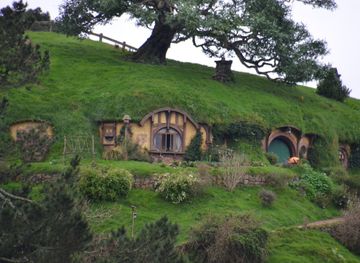
Explore Waikato, New Zealand: A region of enchanting movie sets, vibrant culture, and thrilling outdoor adventures, nestled in the heart of the North Island.
Explore Waikato
Explore more of New Zealand
New Zealand: Discover awe-inspiring landscapes, vibrant Maori culture, and thrilling adventures in a land of breathtaking natural beauty and welcoming locals.
Explore New Zealand