

Free Napier Travel Guide & Mobile App
Plan your Napier trip with Evendo. Get free guides to top attractions, restaurants, hotels, and bars. Web access or download the mobile app.


Napier, New Zealand blends Art Deco architecture, Māori and coastal heritage, Hawke’s Bay wine, galleries and seaside sightseeing on the Pacific edge.
Art Deco by the Pacific
Napier occupies a broad sweep of Hawke’s Bay on New Zealand’s North Island, where the Pacific Ocean, fertile plains and low surrounding hills shape the city’s open, sunlit character. Its central streets are internationally recognised for their concentration of Art Deco architecture, created during the extensive rebuilding that followed the 1931 Hawke’s Bay earthquake and subsequent fires. Geometric façades, streamlined details and Māori motifs give the city centre a distinctive architectural identity, best appreciated on foot along Emerson Street, Hastings Street and Tennyson Street.Read more about Napier
Coastal City, Productive Region
Culture and Hawke’s Bay Flavours
When is the best time to visit Napier?
Best: February–March, December · 24–26°C| Month | High (°C) | Rainfall (mm) |
|---|---|---|
| January | 26 | 64 |
| February (best) | 26 | 59 |
| March (best) | 24 | 62 |
| April | 22 | 55 |
| May | 19 | 50 |
| June | 16 | 49 |
| July | 15 | 52 |
| August | 16 | 53 |
| September | 18 | 57 |
| October | 21 | 60 |
| November | 23 | 62 |
| December (best) | 25 | 65 |
Getting to and around Napier
How to get there
Transportation
Best attractions in Napier
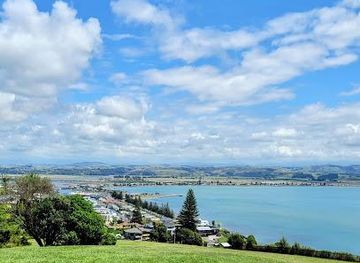
Napier’s principal attractions unfold between its Art Deco centre and the Pacific shore. A walk along Emerson Street, Tennyson Street and Hastings Street reveals carefully preserved 1930s façades, while guided heritage walks add architectural and earthquake context. On Marine Parade, the National Aquarium of New Zealand introduces visitors to native freshwater and marine life, and the promenade continues past gardens, sculptures and the Tom Parker Fountain. MTG Hawke’s Bay Tai Ahuriri combines art, history and regional exhibitions in a central cultural setting. In Ahuriri, former lagoon landscapes meet cafés, harbour views and access towards Westshore’s coast. Bluff Hill provides a memorable outlook over the port and Hawke Bay, especially for understanding the city’s raised shoreline after the 1931 earthquake. Beyond the urban area, Hawke’s Bay’s vineyards, orchards and Cape Kidnappers are regional excursions rather than Napier attractions, best approached with separate transport plans.
-
Aquarium
National Aquarium of New Zealand
Explore the captivating marine world at the National Aquarium of New Zealand, where every visit reveals the beauty and mystery of ocean life.
16 min walk · 1.3 km from city centre
-
Bluff Hill Lookout
Discover the stunning views of Hawke's Bay from Bluff Hill Lookout, a must-see historical landmark in Napier, New Zealand.
-
Tourist information center
Napier isite Visitor Information Centre
Explore Napier's Art Deco charm and Hawke's Bay wonders at the Napier i-SITE Visitor Information Centre.
8 min walk · 0.6 km from city centre
-
Chocolate shop
Silky Oak Chocolates
Discover the sweet art of chocolate-making at Silky Oak Chocolates, where every bite is a piece of New Zealand's culinary delight.
30 min drive · 10 km from city centre



Best landmarks in Napier
Napier’s most distinctive landmarks record the city’s twentieth-century reconstruction. The National Tobacco Company Building in Ahuriri is a notable Art Deco-era commercial structure, while the central streets contain a broad collection of 1930s façades associated with the post-earthquake rebuilding. The Napier Municipal Theatre represents the civic and cultural ambitions of the reconstructed city, and St John’s Cathedral contributes an important religious presence within the central streetscape. On Marine Parade, the Pania of the Reef statue has become a familiar coastal symbol, although its cultural history requires respectful interpretation rather than a purely decorative reading. Bluff Hill is both a natural landmark and a geographical reminder of the relationship between the city, port and former lagoon. Together these places express Napier’s architectural character, Māori and coastal associations, and the lasting physical consequences of the 1931 earthquake.
-
Aquarium
National Aquarium of New Zealand
Explore the captivating marine life and conservation efforts at the National Aquarium of New Zealand, an unmissable attraction in Napier.
16 min walk · 1.3 km from city centre
-
Historical landmark
Bluff Hill Lookout
Explore Bluff Hill Lookout in Napier for stunning views, rich history, and an unforgettable experience of New Zealand's natural beauty.
17 min walk · 1.3 km from city centre
-
Tourist information center
Napier isite Visitor Information Centre
Unveil the best of Napier at the iSite Visitor Information Centre, your essential guide to the city's attractions, culture, and scenic beauty.
8 min walk · 0.6 km from city centre
-
Hotel
Scenic Hotel Te Pania
Experience coastal luxury at Scenic Hotel Te Pania, an elegant hotel in Napier offering stunning views and exceptional services for every traveler.
8 min walk · 0.7 km from city centre


Explore Napier on the map
Plan your Napier trip on one map. See where the top attractions, landmarks, restaurants, bars and hotels are, find what's near where you're staying, and book hotels and experiences in a few clicks.
Best hotels in Napier
Best restaurants in Napier
Napier’s dining scene draws on Hawke’s Bay’s orchards, vineyards, market gardens and coastal setting. Central streets contain cafés, bakeries, wine-focused restaurants and casual eateries in restored Art Deco premises, while Ahuriri’s West Quay area has a strong waterfront dining identity. Menus commonly reflect New Zealand’s access to local lamb, beef, seafood, seasonal fruit and vegetables, with Hawke’s Bay wines a natural accompaniment. Māori food traditions and ingredients form part of the wider regional story, though their availability varies by venue and event. Farmers’ markets and cellar-door visits outside the city offer a closer connection to growers and producers, particularly around Hastings and the surrounding wine districts. The best local eating experiences often combine a relaxed café culture with produce-led cooking rather than a single narrowly defined Napier dish.
-
Restaurant
The Thirsty Whale Bar & Restaurant
Experience exquisite dining at The Thirsty Whale Bar & Restaurant with stunning waterfront views and a menu rich in local flavors.
5 min drive · 1.7 km from city centre
-
Pizza
Vinci's Pizza
Experience the authentic taste of Italy at Vinci's Pizza in Napier South – where every slice is made with love and fresh ingredients.
6 min walk · 0.5 km from city centre
-
New Zealand
Lone Star Napier
Discover the vibrant flavors of New Zealand at Lone Star Napier – where family-friendly dining meets coastal charm.
7 min walk · 0.6 km from city centre
-
Restaurant
The Gintrap Restaurant & Bar
Experience stunning waterfront views and delightful cuisine at The Gintrap Restaurant & Bar in Ahuriri, Napier.
5 min drive · 1.7 km from city centre


Best bars in Napier
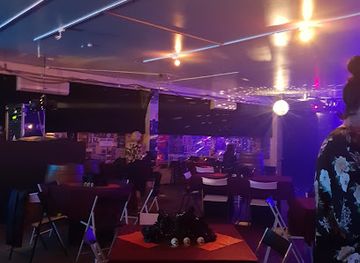
Napier’s evening scene is moderate in scale and concentrated around the central city, with additional restaurants and bars in Ahuriri. Art Deco commercial buildings house pubs, wine bars, cocktail-led venues and relaxed places for an early evening drink, while Hawke’s Bay’s vineyards give local wine a prominent role. Live music, comedy, theatre and community performances provide alternatives to clubbing, with the Municipal Theatre and other central cultural venues contributing to the city’s programme when performances are scheduled. The waterfront is more subdued after dark than the central streets, and nightlife generally feels social and conversational rather than built around large nightclubs. Visitors should check current event information for performances and seasonal activity, as smaller-city entertainment schedules can vary considerably through the week.
-
Restaurant
The Thirsty Whale Bar & Restaurant
Discover local flavors and stunning waterfront views at The Thirsty Whale Bar & Restaurant in Napier, a culinary gem you won't want to miss.
5 min drive · 1.7 km from city centre
-
Bar
The Gintrap Restaurant & Bar
Experience delightful New Zealand cuisine with stunning waterfront views at The Gintrap Restaurant & Bar in Ahuriri, Napier.
5 min drive · 1.7 km from city centre
-
Bar
The Station Bar and Bistro
Discover The Station Bar and Bistro in Napier – a vibrant bar and bistro offering delicious local cuisine and a lively atmosphere perfect for relaxation.
5 min walk · 0.4 km from city centre
-
Pub
The Rose Irish Pub
Discover the essence of Irish hospitality at The Rose Irish Pub in Napier, where live music, delicious food, and a welcoming atmosphere await.
6 min walk · 0.5 km from city centre


Best nightclubs in Napier
Napier’s evening scene is moderate in scale and concentrated around the central city, with additional restaurants and bars in Ahuriri. Art Deco commercial buildings house pubs, wine bars, cocktail-led venues and relaxed places for an early evening drink, while Hawke’s Bay’s vineyards give local wine a prominent role. Live music, comedy, theatre and community performances provide alternatives to clubbing, with the Municipal Theatre and other central cultural venues contributing to the city’s programme when performances are scheduled. The waterfront is more subdued after dark than the central streets, and nightlife generally feels social and conversational rather than built around large nightclubs. Visitors should check current event information for performances and seasonal activity, as smaller-city entertainment schedules can vary considerably through the week.
-
Pub
The Rose Irish Pub
Experience the charm of Ireland at The Rose Irish Pub in Napier, where authentic cuisine, live music, and warm hospitality await.
6 min walk · 0.5 km from city centre
-
Bar
Monica Loves
Discover the lively bar scene at Monica Loves in Napier, where exquisite drinks meet unforgettable live entertainment in a welcoming atmosphere.
6 min walk · 0.4 km from city centre
-
Sports bar
Sideline Sports Bar Napier
Discover the ultimate sports bar experience at Sideline Sports Bar Napier, where live games, great food, and vibrant entertainment come together.
9 min drive · 3.0 km from city centre
-
Concert hall
Cabana Bar
Discover the heartbeat of Napier at Cabana Bar, your go-to concert hall for unforgettable live music experiences in a vibrant and inclusive atmosphere.
6 min walk · 0.4 km from city centre


Best shops in Napier
Shopping in Napier is concentrated in the central Art Deco streets, where independent retailers, galleries, bookshops, boutiques, cafés and specialist food stores occupy heritage façades. Emerson Street and nearby Tennyson Street are useful starting points for browsing, while Ahuriri offers a more localised mix of shops and waterfront businesses. Visitors can look for Hawke’s Bay wine, orchard produce, locally made foods, New Zealand-designed clothing, ceramics, art and craftwork rather than generic souvenirs. Galleries and museum shops often provide more distinctive regional purchases, including work connected with local artists and Māori design, though cultural objects should be bought through reputable sellers with clear provenance. Larger retail requirements are served by modern commercial areas beyond the historic core, but Napier’s most characteristic shopping experience comes from the relationship between small businesses and restored 1930s architecture.
-
Department store
Farmers Napier
Discover a world of shopping at Farmers Napier, where quality meets variety in the heart of New Zealand's vibrant city.
7 min walk · 0.6 km from city centre
-
Department store
The Warehouse Napier
Discover a vast selection of products at The Warehouse Napier, from clothing to home goods, all in one convenient location.
9 min walk · 0.7 km from city centre
-
Clothing store
Postie Napier
Explore Postie Napier for trendy clothing options for the whole family in a vibrant shopping atmosphere.
5 min walk · 0.4 km from city centre
-
Gift shop
Crystal Aura Napier
Explore Crystal Aura Napier, a gift shop brimming with unique, locally crafted treasures that capture the spirit of New Zealand.
5 min walk · 0.4 km from city centre


Get your free copy of our complete guide to Napier, delivered straight to you.
Everything on this page, from attractions and restaurants to essentials and local phrases, in one PDF you can read offline, print or share.
Already have an account? Sign in
Your Napier guide is ready.
We'll send it to · Not you? Sign out

Getting your guide ready…
We are putting together a fresh copy of the Napier guide. This can take up to a minute.
This can take a few moments. If your browser asks, choose Allow so the download can start. You'll find the guide in your Downloads folder.
Nothing happened? Download it again
Sorry, the guide is taking longer than usual. Please try again in a minute, or get it by email instead.
Napier essentials
Currency and Payment
Safety
Emergency Situations
Do's and Don'ts
Local Tips
From Eve
Local phrases worth knowing
You don't need to get them perfect. A few words go a long way, and locals appreciate the effort.
Basics
| English | Local | Say it |
|---|---|---|
| Hello | Kia ora | [kee-ah or-rah] |
| Goodbye | Haere rā | [high-ree rah] |
| Yes | Āe | [eye] |
| No | Kāo | [kao] |
| Please/You're welcome | Tēnā koe | [ten-ah koh-eh] |
| Thank you | Ngā mihi | [nah mee-hee] |
| Excuse me/Sorry | Whakarongo mai | [fah-kah-rong-oh my] |
| How are you? | Kei te pēhea koe? | [keh ee teh pay-ha koh-eh] |
| Fine. And you? | Kei te pai. Ā koe? | [keh ee teh pie. eye koh-eh] |
| Do you speak English? | Kōrerotia koe i te reo Pākehā? | [kor-eh-roe-tee-ah koh-eh ee teh reh-oh pah-keh-ha] |
| I don't understand | Kaore au e whakarongo | [kao-reh ow eh fah-kah-rong-oh] |
Eating & Drinking
| English | Local | Say it |
|---|---|---|
| I'd like to see the menu, please | Me tiro atu au i te pānui, tēnā | [meh tee-raw ah-oo ee teh pan-oo-ee, ten-ah] |
| I don't eat meat | Kaore au e kai mīti | [kao-reh ow eh kai mee-tee] |
| Cheers! | Ūā | [oo-ah] |
| I would like to pay, please | Me utu au, tēnā | [meh oo-too ow, ten-ah] |
Emergencies
| English | Local | Say it |
|---|---|---|
| Help! | Āwhina! | [eye-fee-nah] |
| Go away! | Haere atu! | [high-ree ah-too] |
| Call the Police! | Karanga ki te Pirihimana! | [kah-rung-ah kee teh pee-ree-hee-mah-nah] |
| Call a doctor! | Karanga ki te doctor! | [kah-rung-ah kee teh dohk-tor] |
| I'm lost | I wareware ahau | [ee wah-reh-wah-reh ah-how] |
| I'm ill | E māuiui ana au | [eh mah-wee-wee ah-nah ow] |
Shopping
| English | Local | Say it |
|---|---|---|
| I'd like to buy... | Me hoko au... | [meh hoh-koh ow] |
| I'm just looking | Kei te titiro au | [keh ee teh tee-tee-raw ow] |
| How much is it? | E hia te utu? | [eh hee-ah teh oo-too] |
| That's too expensive | He rawa nui te utu | [heh rah-wah noo-ee teh oo-too] |
| Can you lower the price? | Ka taea e koe te whakaiti i te utu? | [kah teh-ah eh koh-eh teh fah-kai-tee ee teh oo-too] |
Time & Numbers
| English | Local | Say it |
|---|---|---|
| What time is it? | Kei te aha te wā? | [keh ee teh ah-hah teh wah] |
| It's one o'clock | Kotahi karaka | [koh-tah-hee kah-rah-kah] |
| Half past (10) | Tekau ma rima | [teh-kow mah ree-mah] |
| Morning | Atarau | [ah-tah-rah-oo] |
| Afternoon | Ahiahi | [ah-hee-ah-hee] |
| Evening | Pō | [poh] |
| Yesterday | Tūrama | [too-rah-mah] |
| Today | Tēnei rā | [ten-ay rah] |
| Tomorrow | Āpōpō | [ah-poh-poh] |
| 1 | Tahi | [tah-hee] |
| 2 | Rua | [roo-ah] |
| 3 | Toru | [toh-roo] |
| 4 | Whā | [fah] |
| 5 | Rima | [ree-mah] |
| 6 | Ono | [oh-noh] |
| 7 | Whitu | [fee-too] |
| 8 | Waru | [wah-roo] |
| 9 | Iwa | [ee-wah] |
| 10 | Tekau | [teh-kow] |
Transport & Directions
| English | Local | Say it |
|---|---|---|
| Where's a/the...? | Kei hea te...? | [keh heh-ah teh] |
| What's the address? | He aha te wāhi? | [heh ah-ha teh wah-hee] |
| Can you show me (on the map)? | Taea e koe te whakaatu i ahau? | [teh-ah eh koh-eh teh fah-kah-ah-too ee ah-how] |
| When's the next (bus)? | Āhea te (pahi) whakamua? | [eye-heh teh pah-hee fah-kah-moo-ah] |
| A ticket (to ....) | He tiki (ki ....) | [heh tee-kee kee] |
History of Napier
Māori Settlement and Ahuriri
The Napier area lies within the rohe of Ngāti Kahungunu, whose history in Hawke’s Bay includes settlement, cultivation, fishing and trade around the coast, rivers and wetlands. Ahuriri, the lagoon and harbour area beside present-day Napier, was an important landscape long before European urban development. Māori place names preserve connections with the land and waterways, while local traditions record the significance of pā, gardens and coastal resources. European arrival altered these patterns through land acquisition, farming and the growth of port commerce, but Māori history remains central to the region’s identity and is represented in contemporary cultural institutions and public design.
European Settlement and Port Growth
European settlement expanded during the nineteenth century as pastoral farming, coastal shipping and the export of wool and agricultural produce developed around Hawke’s Bay. Napier grew around the harbour and coastal flat, with commercial streets, government buildings, churches and homes forming an increasingly substantial town. The port connected the district with other parts of New Zealand and helped establish Napier as a service and trading centre. Reclamation and engineering gradually reshaped the shoreline and lagoon environment, creating land for urban expansion while intensifying the relationship between the town, its harbour and the productive plains beyond.
A City Shaped by the 1931 Earthquake
On 3 February 1931, the Hawke’s Bay earthquake devastated Napier, Hastings and surrounding districts, causing widespread loss of life and destroying much of Napier’s older building stock. The earthquake also raised parts of the seabed and Ahuriri Lagoon, permanently changing the coastline and creating new land. Fires worsened the destruction in the town centre, while reconstruction required extensive planning, engineering and public effort. The disaster remains one of the defining events in Napier’s history because it transformed both the physical geography and the civic identity of the city.
Art Deco Reconstruction
Napier’s central rebuilding took place during the 1930s, when modern architectural ideas favoured clean lines, restrained ornament and reinforced construction. Art Deco, Spanish Mission and related styles appeared across commercial blocks, civic buildings and private premises, sometimes incorporating Māori motifs to express a local sense of place. The result was not a single uniform architectural scheme but a coherent collection of buildings produced by reconstruction, economic necessity and contemporary taste. Many structures survive in the city centre, making Napier’s post-earthquake streetscape an unusually clear record of interwar architecture in New Zealand.
Agriculture, Orchards and Wine
After reconstruction, Napier continued to prosper as the commercial and transport centre of an agricultural region. Orchards, vineyards, market gardens and pastoral farms shaped Hawke’s Bay’s economy, while the port supported the movement of produce and goods. Viticulture became increasingly important in the later twentieth century, adding an international dimension to the region’s food and wine identity. Napier’s restaurants, markets and visitor economy reflect this productive hinterland, while roads and improved transport links have strengthened connections between the city, coastal settlements and rural communities.
Heritage and Contemporary Identity
From the late twentieth century, conservation efforts helped protect Napier’s surviving Art Deco buildings and turn the rebuilt centre into a major expression of New Zealand’s interwar heritage. The city’s cultural identity now combines earthquake history, Māori heritage, coastal life, public art and the produce of Hawke’s Bay. Institutions such as MTG Hawke’s Bay Tai Ahuriri interpret local art, history and natural heritage, while annual heritage celebrations have brought renewed attention to period dress, architecture and classic vehicles. Contemporary Napier remains a working port city rather than a museum quarter, with heritage buildings used by shops, offices, cafés and civic institutions.
Napier in Photos
Browse through our photo collection highlighting the charm and character of the destination.
Cities near Napier
The closest cities to Napier, if you have time for more than one stop.
-

-

-

-

-


Swipe for more cities
Explore more

Explore more of New Zealand
New Zealand: Discover awe-inspiring landscapes, vibrant Maori culture, and thrilling adventures in a land of breathtaking natural beauty and welcoming locals.
Explore New Zealand