

Free Blenheim Travel Guide & Mobile App
Plan your Blenheim trip with Evendo. Get free guides to top attractions, restaurants, hotels, and bars. Web access or download the mobile app.


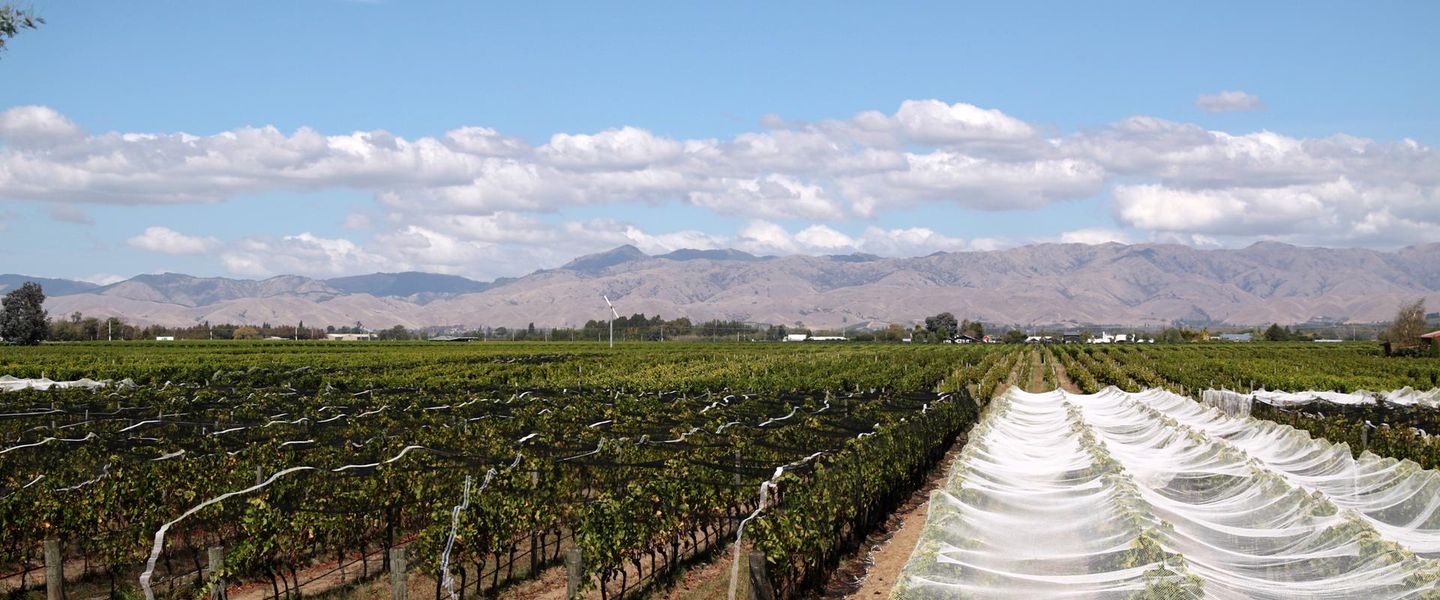


Blenheim, New Zealand, pairs Marlborough wine country with aviation history, sunny Wairau landscapes, garden walks and memorable local food experiences.
A Town Shaped by the Wairau Plains
Blenheim stands at the centre of Marlborough, in the broad Wairau Valley of New Zealand's South Island. Low hills frame a landscape of river flats, vineyards and shelterbelts, while the town itself has a relaxed, spacious character that reflects its agricultural setting. The Wairau River and its tributaries have long influenced life here, providing fertile land but also periodically testing the town with floods and earthquakes. Blenheim is the main service centre for the Marlborough region and a useful base for exploring its vineyards, coast and mountain landscapes.Read more about Blenheim
Wine, Aviation and Regional Culture
From Market Town to Marlborough Gateway
When is the best time to visit Blenheim?
Best: December–January · 24–26°C| Month | High (°C) | Rainfall (mm) |
|---|---|---|
| January (best) | 26 | 50 |
| February | 26 | 50 |
| March (best) | 24 | 50 |
| April | 21 | 60 |
| May | 19 | 70 |
| June | 16 | 80 |
| July | 15 | 80 |
| August | 16 | 80 |
| September | 18 | 70 |
| October | 20 | 60 |
| November | 23 | 50 |
| December (best) | 25 | 50 |
Getting to and around Blenheim
How to get there
Transportation
Best attractions in Blenheim
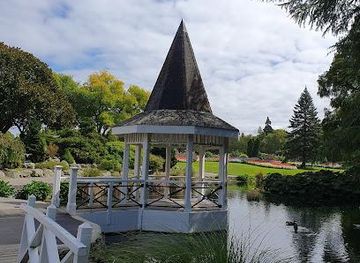
Blenheim's attractions combine regional history, aviation and gardens rather than a dense cluster of urban monuments. At the Omaka Aviation Heritage Centre, highly detailed displays and historic aircraft explore military aviation through large-scale exhibition scenes. Marlborough Museum, in the town's southern area, provides context on Māori settlement, colonial development, agriculture, natural history and the rise of winemaking. In the centre, Seymour Square offers lawns, mature trees and a civic setting suited to a gentle break, while Pollard Park provides landscaped gardens, ponds and walking paths. The surrounding vineyards are a major sightseeing draw, with cellar doors and rural roads spreading through Renwick and the Southern Valleys. Visitors interested in engineering and local landscapes can also follow the Opawa River corridor or explore the wider Wairau plain, where drainage channels, shelterbelts and mountain views reveal the working character of Marlborough.
-
Museum
Omaka Aviation Heritage Centre
Explore the rich history of aviation at the Omaka Aviation Heritage Centre in Blenheim, New Zealand, showcasing incredible aircraft and engaging exhibits.
10 min drive · 3.5 km from city centre
-
Pollard Park
Discover the beauty of Pollard Park in Blenheim, a peaceful park with lush gardens, scenic walking paths, and vibrant flora, perfect for relaxation and exploration.
-
Wine cellar
Rock Ferry Cellar Door
Experience the exquisite flavors of New Zealand wines at Rock Ferry Cellar Door, a serene vineyard escape in Rapaura, perfect for wine lovers and travelers alike.
12 min drive · 3.9 km from city centre
-
Park
Seymour Square
Experience the charm and tranquility of Seymour Square, a beautiful park in Blenheim, New Zealand, perfect for relaxation and local events.
1 min walk · 0.1 km from city centre



Best landmarks in Blenheim
Seymour Square is Blenheim's principal civic landmark, combining planted gardens, open lawns and public buildings at the centre of town. Its layout reflects the ordered character of a planned regional settlement and provides a visual link between administration, commerce and everyday community life. The Marlborough Provincial Government Buildings, associated with the region's nineteenth-century political development, are among the town's notable heritage structures. The clock tower in the central area is another familiar point of orientation within Blenheim's low-rise streetscape. Beyond the centre, the Omaka Aviation Heritage Centre has become a significant contemporary landmark through its aircraft collections and dramatic presentation of twentieth-century military history. Rather than monumental architecture, Blenheim's identity is expressed through civic spaces, heritage buildings, museum institutions and the surrounding engineered landscape of rivers, vineyards and shelterbelts.
-
Museum
Omaka Aviation Heritage Centre
Discover the captivating history of aviation at the Omaka Aviation Heritage Centre in Blenheim, New Zealand, home to vintage aircraft and interactive exhibits.
10 min drive · 3.5 km from city centre
-
Cafe
Raupo Cafe, Restaurant & Traiteur
Discover Raupo Cafe in Blenheim - a local gem offering fresh, delicious meals and a cozy atmosphere perfect for tourists and locals alike.
5 min walk · 0.4 km from city centre
-
Park
Pollard Park
Experience the natural beauty and recreational charm of Pollard Park in Blenheim, a perfect oasis for relaxation and adventure.
11 min walk · 0.9 km from city centre
-
Gastropub
Speight's Ale House
Experience traditional Kiwi flavors and local brews at Speight's Ale House, a premier gastropub in Blenheim, New Zealand.
5 min drive · 1.5 km from city centre


Explore Blenheim on the map
Plan your Blenheim trip on one map. See where the top attractions, landmarks, restaurants, bars and hotels are, find what's near where you're staying, and book hotels and experiences in a few clicks.
Best hotels in Blenheim
Best restaurants in Blenheim
Blenheim's dining scene reflects Marlborough's vineyards, orchards, farms and proximity to the sea. Local menus commonly draw on New Zealand produce, with Marlborough Sauvignon Blanc and other regional wines providing a natural accompaniment to seafood, lamb, beef and seasonal vegetables. Green-lipped mussels and other coastal ingredients connect the town with the Marlborough Sounds, while cafés and bakeries cater to the steady rhythm of a regional service centre. Around the town centre, visitors will find casual cafés, restaurants and bars, while vineyard restaurants and cellar-door tastings extend into the countryside around Renwick and the Southern Valleys. Farmers' markets and local-produce stalls, when operating, offer seasonal fruit, preserves, cheeses and baked goods. The character is generally relaxed and produce-led, combining everyday New Zealand café culture with the more polished food-and-wine style associated with Marlborough's cellar doors.
-
Restaurant
Raupo Cafe, Restaurant & Traiteur
Discover the flavors of New Zealand at Raupo Cafe in Blenheim - where local ingredients meet delicious creativity.
5 min walk · 0.4 km from city centre
-
European
Dodson Street Beer Garden
Discover Dodson Street Beer Garden: A vibrant European-inspired dining destination in Blenheim's beautiful setting.
15 min walk · 1.2 km from city centre
-
Chocolate shop
Makana Confections
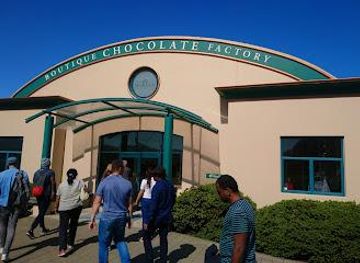
Indulge in Marlborough's premier chocolate factory, where you watch artisans craft macadamia toffee crunch and truffles amid vineyard vistas—a sweet escape in Blenheim's wine heartland.
17 min drive · 5.7 km from city centre
-
Restaurant
Gramado's Restaurant & Bar
Discover the authentic taste of Brazil at Gramado's Restaurant & Bar in Blenheim Central – where every meal is a celebration.
14 min walk · 1.1 km from city centre



Best bars in Blenheim
Blenheim's evening scene is modest and sociable rather than club-focused. Central bars and pubs provide places for local craft beer, Marlborough wine, casual meals and conversation, with activity generally concentrated around the town centre. Wine bars and cellar-door settings offer a quieter way to explore the region's varieties, while some venues host live music or community events. The town's pubs reflect its role as an agricultural and service centre, attracting residents, vineyard workers and visitors without the late-night intensity of New Zealand's larger cities. Evening cultural options may include performances or events at local community and arts venues, depending on the calendar. Outside the centre, vineyard restaurants and lodges can offer a more rural atmosphere, but transport should be arranged in advance because distances between wine-country venues are considerable and drink-driving laws are strictly enforced.
-
Bar
Dodson Street Beer Garden
Discover the vibrant ambiance and European flavors at Dodson Street Beer Garden in Blenheim, a perfect blend of relaxation and culinary delight.
15 min walk · 1.2 km from city centre
-
Restaurant
Gramado's Restaurant & Bar
Experience exquisite dining at Gramado's Restaurant & Bar, a culinary treasure in Blenheim Central offering a delightful blend of flavors.
14 min walk · 1.1 km from city centre
-
Gastropub
Speight's Ale House
Discover the flavors of Blenheim at Speight's Ale House, where local craft beers meet delicious gastropub cuisine.
5 min drive · 1.5 km from city centre
-
Restaurant
Fairweathers
Experience Blenheim's culinary delight at Fairweathers, offering fresh local dishes in a cozy setting.
6 min walk · 0.4 km from city centre


Best nightclubs in Blenheim
Blenheim's evening scene is modest and sociable rather than club-focused. Central bars and pubs provide places for local craft beer, Marlborough wine, casual meals and conversation, with activity generally concentrated around the town centre. Wine bars and cellar-door settings offer a quieter way to explore the region's varieties, while some venues host live music or community events. The town's pubs reflect its role as an agricultural and service centre, attracting residents, vineyard workers and visitors without the late-night intensity of New Zealand's larger cities. Evening cultural options may include performances or events at local community and arts venues, depending on the calendar. Outside the centre, vineyard restaurants and lodges can offer a more rural atmosphere, but transport should be arranged in advance because distances between wine-country venues are considerable and drink-driving laws are strictly enforced.
-
Gastropub
Speight's Ale House
Explore the vibrant Speight's Ale House in Blenheim for a unique blend of local flavors, craft beers, and a cozy atmosphere, perfect for every traveler.
5 min drive · 1.5 km from city centre
-
Bar
The Goodhome Marlborough
Experience the vibrant atmosphere and exquisite flavors at The Goodhome Marlborough, your go-to gastropub in Blenheim Central.
4 min walk · 0.3 km from city centre
-
Bar
The Yard Bar
Experience Blenheim's nightlife at The Yard Bar, where great drinks, delicious food, and live music come together for an unforgettable evening.
4 min walk · 0.3 km from city centre
-
Bar
Scotch Wine Bar & Wine Shop
Discover a haven for wine lovers at Scotch Wine Bar & Wine Shop in Blenheim, offering an exquisite selection of wines and delectable dishes.
4 min walk · 0.3 km from city centre


Best shops in Blenheim
Blenheim's shopping is centred on its compact town centre, where Market Street and adjoining streets contain practical retailers, cafés, small independent businesses and services for the wider Marlborough region. The emphasis is less on luxury shopping than on local produce, wine, gifts and everyday necessities. Specialist wine retailers and cellar doors provide opportunities to explore Marlborough bottles, while food shops and regional-produce outlets may stock olive oil, preserves, honey, fruit products and other New Zealand goods. Seasonal farmers' markets add a more informal dimension, with growers, bakers and makers selling local products when markets are operating. Visitors can also find craft items and souvenirs connected with the region's vineyards, landscapes and aviation heritage. Renwick and surrounding wine-country settlements offer further cellar-door shopping, but they are separate from Blenheim's central retail area and are best reached with planned transport.
-
Department store
Kmart Blenheim
Shop at Kmart Blenheim for affordable fashion, home goods, and more in the heart of New Zealand's wine country.
8 min drive · 2.6 km from city centre
-
Department store
Farmers Blenheim
Discover Farmers Blenheim, the ultimate shopping destination for clothing, toys, and more in the heart of New Zealand's wine country.
2 min walk · 0.2 km from city centre
-
Department store
The Warehouse Blenheim
Discover The Warehouse Blenheim, the ultimate shopping destination for tourists, offering a diverse range of quality products in a friendly atmosphere.
7 min walk · 0.6 km from city centre
-
Shop
The Blue Door
Explore The Blue Door in Blenheim Central for unique artisanal treasures and a taste of local culture during your travels in New Zealand.
1 min walk · 0.1 km from city centre


Get your free copy of our complete guide to Blenheim, delivered straight to you.
Everything on this page, from attractions and restaurants to essentials and local phrases, in one PDF you can read offline, print or share.
Already have an account? Sign in
Your Blenheim guide is ready.
We'll send it to · Not you? Sign out

Getting your guide ready…
We are putting together a fresh copy of the Blenheim guide. This can take up to a minute.
This can take a few moments. If your browser asks, choose Allow so the download can start. You'll find the guide in your Downloads folder.
Nothing happened? Download it again
Sorry, the guide is taking longer than usual. Please try again in a minute, or get it by email instead.
Blenheim essentials
Currency and Payment
Safety
Emergency Situations
Do's and Don'ts
Local Tips
From Eve
Local phrases worth knowing
You don't need to get them perfect. A few words go a long way, and locals appreciate the effort.
Basics
| English | Local | Say it |
|---|---|---|
| Hello | Kia ora | [key-ah oh-rah] |
| Goodbye | Haere rā | [high-ree rah] |
| Yes | Ae | [eye] |
| No | Kāo | [kah-oh] |
| Please/You're welcome | Whakarongo mai | [fuh-kah-rawn-gaw my] |
| Thank you | Kia ora | [key-ah oh-rah] |
| Excuse me/Sorry | Whakakore koe | [fuh-kah-koh-ray koh-eh] |
| How are you? | Kei te pēhea koe? | [kay teh pay-hay-ah koh-eh] |
| Fine. And you? | Kei te pai. Ā koe? | [kay teh pie. ah koh-eh] |
| Do you speak English? | Ka korero koe i te reo Pākehā? | [kah koh-ray-roh koh-eh ee teh ray-oh pah-keh-hah] |
| I don't understand | Kāore au e mōhio | [kah-oh-ray oh e moh-hee-oh] |
Eating & Drinking
| English | Local | Say it |
|---|---|---|
| I'd like to see the menu, please | Me pānui i te menewa, tēnā | [meh pahn-oo-ee ee teh meh-neh-wah, teh-nah] |
| I don't eat meat | Kāore au e kai kau | [kah-oh-ray oh e kai kow] |
| Cheers! | Ārahi! | [ah-rah-hee] |
| I would like to pay, please | Me utu au, tēnā | [meh oo-too oh, teh-nah] |
Emergencies
| English | Local | Say it |
|---|---|---|
| Help! | Āwhina! | [ah-fee-nah] |
| Go away! | Haere atu! | [high-ree ah-too] |
| Call the Police! | Whakapā atu ki te Pirihimana! | [fuh-kah-pah ah-too kee teh pee-ree-hee-mah-nah] |
| Call a doctor! | Whakapā atu ki tētahi tohunga! | [fuh-kah-pah ah-too kee tay-tah-hee toe-hung-ah] |
| I'm lost | I wareware ahau | [ee wah-reh-wah-reh ah-how] |
| I'm ill | Kei te māuiui ahau | [kay teh mah-ooh-ee ah-how] |
Shopping
| English | Local | Say it |
|---|---|---|
| I'd like to buy... | Me hoko au... | [meh haw-kaw oh] |
| I'm just looking | Kei te titiro ahau | [kay teh tee-tee-roh ah-how] |
| How much is it? | E hia te utu? | [eh hee-ah teh oo-too] |
| That's too expensive | He nui te utu | [heh new-ee teh oo-too] |
| Can you lower the price? | Ka taea e koe te whakaiti i te utu? | [kah tie-ah eh koh-eh teh fah-kai-tee ee teh oo-too] |
Time & Numbers
| English | Local | Say it |
|---|---|---|
| What time is it? | He aha te wā? | [heh ah-hah teh wah] |
| It's one o'clock | Kotahi te karaka | [koh-tah-hee teh kah-rah-kah] |
| Half past (10) | Tekau mā rua | [teh-cow mah roo-ah] |
| Morning | Ata | [ah-tah] |
| Afternoon | Ahiahi | [ah-hee-ah-hee] |
| Evening | Pō | [poh] |
| Yesterday | Ināianei | [ee-nah-ee-ah-nay] |
| Today | Tēnei rā | [tay-nay rah] |
| Tomorrow | Āpōpō | [ah-poh-poh] |
| 1 | Tahi | [tah-hee] |
| 2 | Rua | [roo-ah] |
| 3 | Toru | [toh-roo] |
| 4 | Whā | [fah] |
| 5 | Rima | [ree-mah] |
| 6 | Ono | [aw-no] |
| 7 | Whitu | [fee-too] |
| 8 | Waru | [wah-roo] |
| 9 | Iwa | [ee-wah] |
| 10 | Tekau | [teh-cow] |
Transport & Directions
| English | Local | Say it |
|---|---|---|
| Where's a/the...? | Kei hea te...? | [kay hay-ah teh] |
| What's the address? | Kei hea te wāhi? | [kay hay-ah teh wah-hee] |
| Can you show me (on the map)? | Ka taea e koe te whakaatu ki ahau (i runga i te mahere)? | [kah tie-ah eh koh-eh teh fah-kah-ah-too kee ah-how (ee roon-gah ee teh mah-heh-reh)] |
| When's the next (bus)? | Āhea te (waka) nā te mutunga? | [ah-heh-ah teh (wah-kah) nah teh moo-too-ngah] |
| A ticket (to ....) | He tiki (ki ....) | [heh tee-kee (kee)] |
History of Blenheim
Māori Communities of the Wairau
Long before Blenheim was established, the Wairau Valley and its river system supported Māori communities, including Rangitāne and Ngāti Kuia. The fertile plains, wetlands, rivers and nearby coast provided access to food, transport routes and wider networks across Te Waipounamu, the South Island. The Wairau Bar, where the river meets Cloudy Bay, is one of New Zealand's most important archaeological sites, preserving evidence of early Polynesian settlement. Māori knowledge of the landscape remains central to understanding Marlborough's history, even though the later town developed through European surveying, farming and administration.
European Settlement and the Wairau Affray
European settlement expanded in the Wairau during the 1840s, bringing surveyors, farmers and competing claims over land. Tensions culminated in the Wairau Affray of 1843, when a confrontation between a group associated with the New Zealand Company and Māori, including Te Rauparaha and Te Rangihaeata, resulted in deaths on both sides. The event exposed the uncertainty surrounding land transactions and became a significant episode in the early colonial history of the South Island. Subsequent settlement proceeded through changing land arrangements, agriculture and the gradual creation of a permanent colonial town.
The Making of Blenheim
The settlement that developed on the Wairau Plains was first associated with names including Beavertown before becoming Blenheim, a reference to the Battle of Blenheim. Its growth was closely tied to farming, river transport and the administrative needs of the emerging Marlborough province. The flat landscape encouraged the spread of roads, drainage works and agricultural holdings, while the Wairau River remained both an economic asset and a recurring hazard. Public buildings, commercial premises and civic spaces gradually gave the town a recognisable centre, establishing the pattern of a regional market town that continues today.
Earthquake, Flood and Regional Resilience
The 1855 Wairarapa earthquake was strongly felt across the region, while later earthquakes and floods repeatedly reminded residents of the environmental forces shaping the Wairau basin. Blenheim's history includes substantial efforts to manage waterways, improve drainage and protect farmland and streets from flooding. These pressures encouraged practical forms of regional development rather than dense urban expansion. Agriculture remained the economic foundation, with pastoral farming, cropping and horticulture supported by the fertile plain. Civic institutions and museums in the modern town help preserve this story of adaptation to a landscape that is productive but not always predictable.
Marlborough's Wine Transformation
Marlborough's wine industry changed the region's economic and cultural profile from the 1970s onwards. Early commercial plantings demonstrated that the area's sunny climate, cool nights and free-draining soils were particularly well suited to Sauvignon Blanc, and vineyards expanded rapidly across the Wairau and Southern Valleys. The growth of wineries brought new employment, tourism and international recognition, while also reshaping rural landscapes and local food culture. Blenheim became the principal service and visitor centre for this industry. Today, wine is an important part of Marlborough's identity, but it sits alongside older traditions of farming, horticulture and river-plain settlement.
Blenheim in Photos
Browse through our photo collection highlighting the charm and character of the destination.
Cities near Blenheim
The closest cities to Blenheim, if you have time for more than one stop.
-

-
-

-

-


Swipe for more cities
Explore more

Explore more of New Zealand
New Zealand: Discover awe-inspiring landscapes, vibrant Maori culture, and thrilling adventures in a land of breathtaking natural beauty and welcoming locals.
Explore New Zealand