

Palmerston North, New Zealand Travel Guide
Discover Palmerston North: Where urban elegance meets rural charm, offering vibrant arts, lush parks, and dynamic cultural experiences in the heart of New Zealand's Manawatū region.
Palmerston North, nestled in the Manawatū region of New Zealand, is a city that harmoniously blends urban sophistication with a tranquil rural charm. Known for its vibrant arts scene, lush parks, and rich academic culture, this city offers a delightful mix of experiences for every traveler. The city is home to the renowned Te Manawa museum, which combines art, science, and history in one captivating space. For those who love the outdoors, the Victoria Esplanade is a must-visit, featuring beautiful rose gardens, an aviary, and the stunning Manawatū River views. The nearby Manawatū Gorge offers stunning hiking trails and breathtaking vistas for nature enthusiasts. Palmerston North also boasts a lively culinary scene, with a variety of cafes, restaurants, and markets offering local and international cuisine. The city’s youthful energy is palpable, largely thanks to Massey University, which attracts students from around the globe, creating a dynamic and diverse community. Whether you're exploring heritage buildings, attending a theater performance, or simply enjoying the laid-back atmosphere, Palmerston North promises an enriching and memorable experience.

Know before you go
Hi, I'm Eve. Here are a few practical things to know before exploring Palmerston North.
- Visit Te Manawa museum for a comprehensive experience of art, science, and history all under one roof.
- Spend a relaxing afternoon at Victoria Esplanade, enjoying the rose gardens and aviary.
- Take a hike at the Manawatū Gorge to witness spectacular natural landscapes.
- Explore the local food scene with a visit to the Farmers' Market for fresh produce and unique eats.
- Check out events at Massey University for a taste of the local youth culture.
Explore Palmerston North: Things to Do, Places to Eat, Hotels & More
Handpicked recommendations for top attractions, local dining, accommodations, and more

Best attractions in Palmerston North
Top-rated picks
Best Attractions

The Victoria Esplanade
Experience the natural beauty and tranquility of The Victoria Esplanade, a premier park in Palmerston North, perfect for relaxation and family fun.

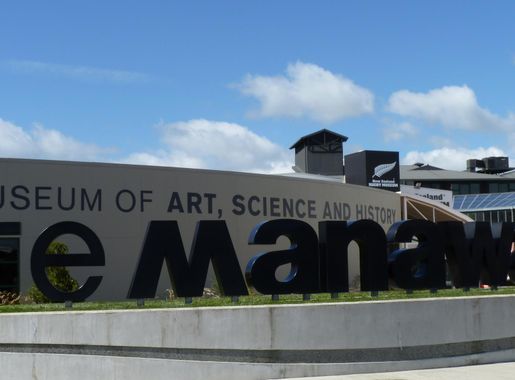
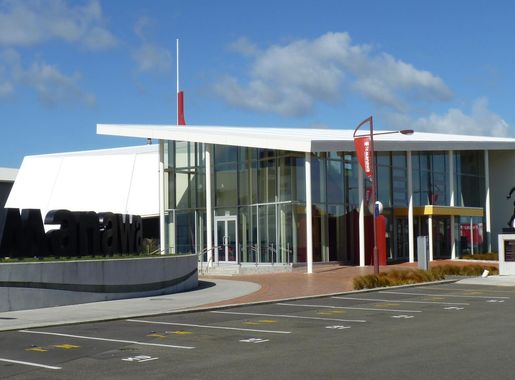
Te Manawa Museum
Explore the rich history, science, and art at Te Manawa Museum, Palmerston North's premier cultural attraction for all ages.

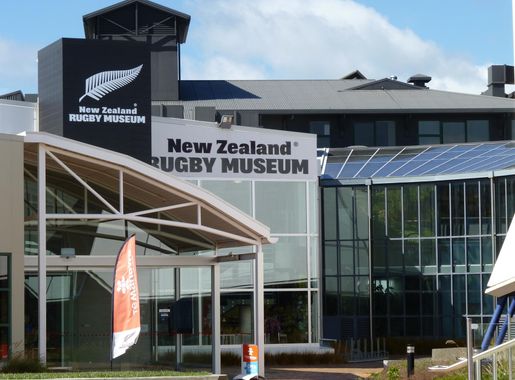
New Zealand Rugby Museum
Explore the rich history of rugby at the New Zealand Rugby Museum in Palmerston North, a must-visit destination for sports enthusiasts and tourists.

Hokowhitu Lagoon
Discover the natural beauty of Hokowhitu Lagoon, a tranquil park perfect for picnics, walks, and wildlife watching in Palmerston North.

Best landmarks in Palmerston North
Top-rated picks
Best Landmarks

The Victoria Esplanade
Discover the natural charm of Victoria Esplanade, a tranquil park in Palmerston North, offering lush gardens, recreational activities, and delightful scenery.

Little Savanna
Experience the finest seafood, steak, and cocktails at Little Savanna, Palmerston North's premier dining destination for culinary enthusiasts.

Brew Union Brewing Co
Discover the vibrant flavors of Brew Union Brewing Co in Palmerston North, where craft beer meets gourmet dining in a cozy brewpub atmosphere.

Speights Ale House
Discover the flavors of New Zealand at Speights Ale House, a vibrant restaurant and bar in Palmerston North Central, perfect for every food lover.

Best restaurants in Palmerston North
Top-rated picks
Best Restaurants

Little Savanna
Discover Little Savanna: A must-visit restaurant in Palmerston North offering exquisite seafood and steak dishes paired with fine wines.

Brew Union Brewing Co
Experience the best of Palmerston North at Brew Union Brewing Co - where delicious food meets exceptional craft beer in a vibrant setting.

Speights Ale House
Discover Speights Ale House in Palmerston North: where delicious Kiwi cuisine meets refreshing brews in a warm and welcoming atmosphere.

Aberdeen on Broadway
Discover exquisite dining at Aberdeen on Broadway - where local flavors meet exceptional service in Palmerston North.

Best bars in Palmerston North
Top-rated picks
Best Bars

Little Savanna
Savor exquisite seafood and steakhouse specialties at Little Savanna, the culinary gem of Palmerston North, complete with a vibrant cocktail bar experience.

Brew Union Brewing Co
Discover the perfect blend of craft beer and delicious wood-fired pizzas at Brew Union Brewing Co, Palmerston North's must-visit brewpub.

Speights Ale House
Discover the charm of Speights Ale House in Palmerston North, where local brews meet delicious cuisine in a warm, inviting atmosphere.

The Cobb Hotel Palmerston North
Discover the delightful blend of grill cuisine and hotel comfort at The Cobb Hotel in Palmerston North, where every meal is an experience.

Best nightclubs in Palmerston North
Top-rated picks
Best Nightclubs

Palmerston North Cosmopolitan Club
Experience the vibrant culture of Palmerston North at the Cosmopolitan Club, where delicious dining meets a lively social atmosphere.

The Albert Sports Bar
Discover the ultimate sports bar experience in Palmerston North, where great food, drinks, and live sports combine for an unforgettable night.

Bubbles Champagne & Winebar
Discover the vibrant atmosphere of Bubbles Champagne & Winebar in Palmerston North, offering exquisite wines and an unforgettable nightlife experience.

CASTLE 789
Experience the lively nightlife at Castle 789, a premier bar in Hokowhitu, Palmerston North, known for its vibrant atmosphere and delicious cocktails.

Best shops in Palmerston North
Top-rated picks
Best Shops

Kmart Palmerston North
Discover unbeatable deals and a wide range of products at Kmart Palmerston North, your ultimate shopping destination in New Zealand.

Spotlight Palmerston North
Discover your creative potential at Spotlight Palmerston North, the ultimate craft store for DIY enthusiasts and home decor lovers in New Zealand.

Farmers Palmerston North
Explore Farmers Palmerston North, your ultimate shopping destination for fashion, beauty, and home goods in the heart of New Zealand.

The Warehouse Palmerston North
Explore The Warehouse Palmerston North - your one-stop-shop for clothing, home goods, toys, and more in the heart of New Zealand.

Explore Palmerston North on the Map
A handpicked selection of must-see spots in Palmerston North, mapped for you.
Palmerston North Essentials
-
Palmerston North is located in the Manawatū-Whanganui region of New Zealand's North Island. The city is well-connected by various modes of transportation. The nearest international airport is Wellington International Airport, approximately 140 kilometers away. From Wellington, you can take a domestic flight to Palmerston North Airport, which is about a 10-minute drive from the city center. Alternatively, you can drive from Wellington to Palmerston North, a journey that typically takes around 2 hours. There are also bus services operated by InterCity and Tranzit that connect Palmerston North with major cities across New Zealand.
-
Getting around Palmerston North is convenient with several transportation options. The city operates a reliable public bus service, with regular routes connecting various parts of the city and surrounding areas. Taxis and ride-sharing services like Uber are also available. If you prefer to explore at your own pace, car rentals are a practical option, with several rental companies operating in the city. For cyclists, Palmerston North has an extensive network of bike paths making it easy to navigate on two wheels.
-
The official currency in New Zealand is the New Zealand Dollar (NZD). Credit cards are widely accepted in Palmerston North, including Visa, MasterCard, and American Express. ATMs are plentiful throughout the city, and most accept international cards. It's advisable to carry some cash for smaller establishments, markets, and rural areas where card payments may not be available. Currency exchange services are available at banks and exchange bureaus in the city.
-
Palmerston North is generally a safe city for tourists. However, like any other place, it's important to take standard precautions. Avoid walking alone late at night in unfamiliar areas and keep an eye on your belongings in crowded places. While the city does not have specific high-crime areas targeting tourists, it's always best to stay vigilant, especially in the central business district and near major transport hubs after dark.
-
In case of an emergency, dial 111 for immediate assistance from police, fire, or medical services. Palmerston North Hospital is the main medical facility in the city, offering emergency services. Pharmacies are available throughout the city for minor health issues and over-the-counter medications. It's advisable to have travel insurance that covers medical emergencies. For non-emergency situations, local police stations are also accessible for assistance.
-
Fashion: Do dress comfortably and casually, as the local style is relaxed. Smart-casual attire is suitable for dining out or attending events. Religion: Do respect local customs and traditions when visiting places of worship. Remove your hat and speak quietly in such places. Public Transport: Do have exact change or a travel card for bus fares. Don't eat or drink on public transport. Greetings: Do greet people with a smile and a friendly 'Kia Ora' (Hello). A handshake is appropriate for formal greetings. Eating & Drinking: Do try local delicacies and New Zealand cuisine. Don't forget to tip in restaurants if you receive good service, although it's not mandatory.
-
To experience Palmerston North like a local, visit the weekly Farmers' Market at The Square, where you can buy fresh produce and local crafts. Engage with locals at the many cafes and eateries around George Street and Broadway Avenue. Don't miss the opportunity to explore the Manawatū River Pathway, a scenic trail perfect for walking or cycling. For a unique experience, check out the Te Manawa Museum of Art, Science and History, which offers insights into the region's cultural and natural history.
When is the best time to visit Palmerston North?
Useful Local Phrases for Palmerston North
You don't need to speak the language perfectly. Even learning a few simple words can make conversations warmer—and locals usually appreciate the effort.
— Eve

Here are the phrases I use most often in Palmerston North. Try a few—you'll be surprised how far they go! 😊
❤️
-
- HelloKia ora
[kee-ah or-ah] - GoodbyeHaere rā
[high-ree rah] - YesĀe
[eye] - NoKāore
[kah-oh-ray] - Please/You're welcomeTēnā koe
[tay-nah koy] - Thank youNgā mihi
[nah mee-hee] - Excuse me/SorryWhakarongo mai
[fah-kah-rong-oh my] - How are you?Kei te pēhea koe?
[key tay pay-hay-ah koy] - Fine. And you?Kei te pai. Ā koe?
[key tay pie. eye koy] - Do you speak English?Kōrerotia koe i te reo Pākehā?
[core-air-oh-tee-ah koy ee tay ree-oh pah-keh-ha] - I don't understandKaore au e mohio
[kah-oh-ray oh eh moh-hee-oh]
- HelloKia ora
-
- I'd like to see the menu, pleaseMe tiro i te menewa, tēnā
[meh tee-roh ee tay men-eh-wah, tay-nah] - I don't eat meatKaore au e kai mīti
[kah-oh-ray oh eh kai mee-tee] - Cheers!Ākene!
[ah-ken-eh] - I would like to pay, pleaseMe utu ahau, tēnā
[meh oo-too ah-how, tay-nah]
- I'd like to see the menu, pleaseMe tiro i te menewa, tēnā
-
- Help!Āwhina!
[ah-fee-nah] - Go away!Haere atu!
[high-ree ah-too] - Call the Police!Karanga atu ki te Pirihimana!
[kah-rung-ah ah-too kee teh pee-ree-hee-mah-nah] - Call a doctor!Karanga atu ki te Rata!
[kah-rung-ah ah-too kee teh rah-tah] - I'm lostKei te ngaro au
[key tay nah-roh oh] - I'm illKei te maku au
[key tay mah-koo oh]
- Help!Āwhina!
-
- I'd like to buy...Me hoko ahau...
[meh hoh-koh ah-how] - I'm just lookingKei te titiro ahau
[key tay tee-tee-roh ah-how] - How much is it?E hia te utu?
[eh hee-ah teh oo-too] - That's too expensiveHe nui rawa te utu
[heh noo-ee rah-wah teh oo-too] - Can you lower the price?Ka taea e koe te whakaiti i te utu?
[kah tie-ah eh koy teh fah-kai-tee ee teh oo-too]
- I'd like to buy...Me hoko ahau...
-
- What time is it?He aha te wā?
[heh ah-hah teh wah] - It's one o'clockKotahi te hāora
[koh-tah-hee teh hah-or-ah] - Half past (10)Tekau mā rima
[teh-kow mah ree-mah] - MorningAta mārie
[ah-tah mah-ree-eh] - AfternoonAhiahi mārie
[ah-hee-ah-hee mah-ree-eh] - EveningPō mārie
[poh mah-ree-eh] - YesterdayInāianei
[ee-nah-ee-ah-nay] - TodayĀianei
[eye-ah-nay] - TomorrowĀpōpō
[eye-poh-poh] - 1Tahi
[tah-hee] - 2Rua
[roo-ah] - 3Toru
[tore-oo] - 4Whā
[fah] - 5Rima
[ree-mah] - 6Ono
[oh-no] - 7Whitu
[fee-too] - 8Waru
[wah-roo] - 9Iwa
[ee-wah] - 10Tekau
[teh-kow]
- What time is it?He aha te wā?
-
- Where's a/the...?Kei hea te...?
[key hay-ah teh] - What's the address?Ko wai te wāhitau?
[koh why teh wah-hee-tow] - Can you show me (on the map)?Taea e koe te whakaatu i ahau (i runga i te mahere)?
[tie-ah eh koy teh fah-kah-ah-too ee ah-how ee roon-gah ee teh mah-heh-ray] - When's the next (bus)?Āhea te (pahi) panuku?
[eye-he-ah teh pah-hee pah-noo-koo] - A ticket (to ....)He tiki (ki ...)
[heh tee-kee kee]
- Where's a/the...?Kei hea te...?
History of Palmerston North
-
Palmerston North, known to the Māori as 'Te Papaioea', was originally settled by the Rangitāne people. The area was largely forested and rich in resources, which sustained the local Māori communities. The first European settlers arrived in the 1860s, and in 1866, the town was officially founded and named after Viscount Palmerston, a former British Prime Minister. The land was purchased from the Rangitāne, and the settlement began to grow steadily.
-
The late 19th century saw significant development in Palmerston North, particularly with the arrival of the Wellington and Manawatu Railway Company’s line in 1886. This railway connection was pivotal, transforming Palmerston North into a central hub for transportation and commerce in the Manawatu region. The establishment of the railway station not only facilitated the movement of goods and people but also attracted businesses and settlers to the area.
-
Palmerston North is home to Massey University, one of New Zealand’s leading educational institutions. Established in 1927 as an agricultural college, Massey University has grown to offer a wide range of academic programs. Its presence has significantly influenced the city’s culture, bringing in a diverse student population and fostering a vibrant academic environment. The university's research contributions, particularly in agriculture and veterinary sciences, have also had a profound impact on local and national industries.
-
The Regent Theatre, an iconic cultural landmark in Palmerston North, opened its doors in 1930. Designed in the Art Deco style, it quickly became a center for the performing arts in the region. Over the decades, the theatre has hosted countless performances, from local productions to international acts. Its preservation and continued use underscore the city’s commitment to cultural heritage and the arts.
-
Linton Military Camp, located near Palmerston North, is one of the largest army bases in New Zealand. Established during World War II, the camp has played a crucial role in the country's military history. It has provided training and support for New Zealand Defense Force personnel and has been a key player in various international peacekeeping missions. The presence of the military camp has also had a significant economic and social impact on the local community.
-
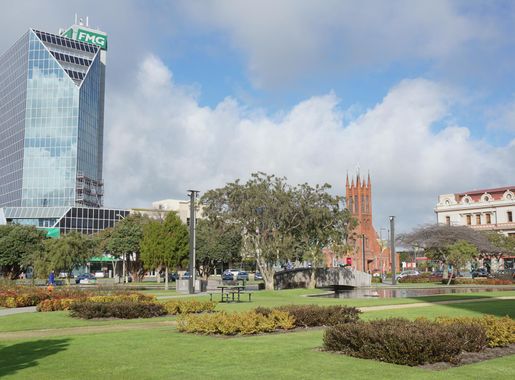
In recent decades, Palmerston North has experienced considerable urban growth and modernization. The development of the public square, Te Marae o Hine, and the enhancement of public amenities have revitalized the city center. The city has also embraced sustainability initiatives, with projects aimed at improving environmental health and promoting green spaces. This transformation reflects Palmerston North’s evolution into a dynamic and forward-thinking urban area.
-
Palmerston North has a rich sporting heritage, with notable contributions to rugby, cricket, and equestrian sports. The city is home to several sports facilities, including the Central Energy Trust Arena, which hosts numerous local and international events. Palmerston North has produced many renowned athletes who have excelled on the national and international stages, further enhancing the city’s reputation in the sporting world.
Cities near Palmerston North
The closest cities to Palmerston North, if you have time for more than one stop.


Your all‑in‑one travel companion app
Explore expert travel guides, compare and book tours, experiences, hotels, and more—all from the palm of your hand. Download now for seamless trip planning wherever your wanderlust takes you.


Palmerston North in Photos
Browse through our photo collection highlighting the charm and character of the destination.





Palmerston North: The Heart of the Manawatū
Palmerston North, nestled in the Manawatū region of New Zealand, is a city that harmoniously blends urban sophistication with a tranquil rural charm. Known for its vibrant arts scene, lush parks, and rich academic culture, this city offers a delightful mix of experiences for every traveler. The city is home to the renowned Te Manawa museum, which combines art, science, and history in one captivating space. For those who love the outdoors, the Victoria Esplanade is a must-visit, featuring beautiful rose gardens, an aviary, and the stunning Manawatū River views. The nearby Manawatū Gorge offers stunning hiking trails and breathtaking vistas for nature enthusiasts. Palmerston North also boasts a lively culinary scene, with a variety of cafes, restaurants, and markets offering local and international cuisine. The city’s youthful energy is palpable, largely thanks to Massey University, which attracts students from around the globe, creating a dynamic and diverse community. Whether you're exploring heritage buildings, attending a theater performance, or simply enjoying the laid-back atmosphere, Palmerston North promises an enriching and memorable experience.
Explore More of New Zealand

Looking beyond Palmerston North? Discover New Zealand for broader travel guides, local hot-spots, and regional highlights.
Explore New Zealand