

Quartier Plateau 2 (Niamey) Travel Guide - Free
Explore Quartier Plateau 2 in Niamey with Evendo's free guide. Find the best shops, historic streets, restaurants, and gems on web or mobile.


Quartier Plateau 2 in Niamey offers a central Nigerien city experience, with civic streets, local markets, museums, mosques and access to the Niger River.
A Central Niamey Setting
Quartier Plateau 2 belongs to the central Plateau area of Niamey, on the south bank of the Niger River. The name is primarily a local administrative and neighbourhood designation rather than a compact tourist quarter with a sharply defined edge. Its character is shaped by proximity to government offices, established commercial streets, religious buildings, schools and the city's principal cultural institutions. Visitors encounter a working part of Niamey where errands, commerce and public administration matter as much as sightseeing.Read more about Quartier Plateau 2
Streets, Buildings and Everyday Life
Culture Near the River
Best landmarks in Quartier Plateau 2
The most important landmarks associated with Plateau 2 are the central streets, civic institutions and religious buildings that express Niamey's role as Niger's capital. Its low-rise compounds, walled premises and broad roads form part of the twentieth-century administrative landscape, while mosques and local commercial buildings provide everyday points of orientation. The Grand Marché and Musée national Boubou Hama are significant central Niamey reference points nearby, but their precise relationship to Plateau 2 should be checked against local definitions of the quartier. The Niger River, south of the central city, is the geographical feature that underpins Niamey's wider identity, although riverfront sites are not necessarily within the neighbourhood. Rather than a preserved monument district, Plateau 2 is marked by the continued coexistence of government, commerce, worship and residence.
-
Hotel
Radisson Blu Hotel & Conference Center, Niamey
Discover unparalleled luxury and hospitality at the Radisson Blu Hotel & Conference Center in Niamey, Niger, where modern comforts meet rich cultural experiences.
7 min drive · 2.4 km from neighbourhood centre

Explore Quartier Plateau 2 on the map
A handpicked selection of must-see spots in Quartier Plateau 2, mapped for you.
Best hotels in Quartier Plateau 2
Best restaurants in Quartier Plateau 2
Dining in and around Plateau 2 reflects Niamey's practical central-city character rather than a concentrated restaurant district. Small eateries, roadside vendors and modest cafés serve familiar Nigerien and West African fare, with dishes and drinks varying according to the establishment and season. Rice, millet-based foods, grilled meat, sauces and beans are common elements of the wider Niamey food scene, while French-influenced café habits are visible near offices and commercial streets. Local markets and food stalls offer a more immediate way to observe everyday shopping and street cuisine, but hygiene, water and food-handling conditions deserve attention. Visitors should ask locally about current restaurants and choose busy, well-maintained places; individual businesses, opening times and menus can change. Meals are often most useful as part of a daytime exploration of the central district rather than as a reason to seek a formal dining quarter.
-
Restaurant
La Cabane
Discover La Cabane in Niamey: A culinary haven blending local flavors with international cuisine in an inviting atmosphere.
11 min walk · 0.9 km from neighbourhood centre
-
Restaurant
Côté Jardin
Discover the culinary charm of Côté Jardin in Niamey, where local flavors meet international cuisine in a serene garden setting.
5 min drive · 1.7 km from neighbourhood centre
-
Italian
The Pillar Restaurant
Experience the rich flavors of Italy at The Pillar Restaurant in Niamey—where every dish tells a story.
6 min drive · 1.9 km from neighbourhood centre
-
Restaurant
ALMINA Restaurant
Discover exquisite flavors at ALMINA Restaurant in Niamey – where local ingredients meet international culinary artistry.
7 min drive · 2.5 km from neighbourhood centre


Best bars in Quartier Plateau 2
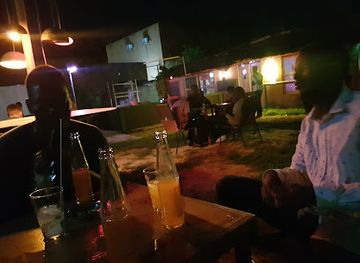
Plateau 2 is not principally known as a dedicated nightlife quarter. After dark, activity is more likely to centre on restaurants, cafés, hotel venues and informal gatherings than on a dense run of clubs. The central location can make established evening venues elsewhere in Niamey accessible by taxi, but the distance and exact neighbourhood should be checked before setting out. Evening movement requires greater attention to transport, lighting, traffic and changing local conditions than a daytime walk, and visitors should use trusted drivers or accommodation-arranged taxis. Alcohol is available in some licensed hospitality venues in Niamey, but expectations should remain modest and respectful around residential streets and religious institutions. The neighbourhood's evening character is therefore urban and functional, with social activity interwoven with ordinary city life rather than a strongly branded club scene.
-
Bar
New York Restaurant and Bar
Discover the vibrant culinary scene of Niamey at New York Restaurant and Bar, where local flavors and international cuisine come together in a lively atmosphere.
7 min drive · 2.5 km from neighbourhood centre
-
Bar
Cap Banga
Experience the best of Niamey's culinary scene at Cap Banga, where local flavors meet vibrant nightlife in a beautiful setting.
6 min drive · 2.0 km from neighbourhood centre
-
Bar
BLAST RESTO-LOUNGE
Discover the heart of Niamey's nightlife at BLAST RESTO-LOUNGE – where live music meets delicious cuisine in a welcoming atmosphere.
9 min walk · 0.7 km from neighbourhood centre


Best nightclubs in Quartier Plateau 2
Plateau 2 is not principally known as a dedicated nightlife quarter. After dark, activity is more likely to centre on restaurants, cafés, hotel venues and informal gatherings than on a dense run of clubs. The central location can make established evening venues elsewhere in Niamey accessible by taxi, but the distance and exact neighbourhood should be checked before setting out. Evening movement requires greater attention to transport, lighting, traffic and changing local conditions than a daytime walk, and visitors should use trusted drivers or accommodation-arranged taxis. Alcohol is available in some licensed hospitality venues in Niamey, but expectations should remain modest and respectful around residential streets and religious institutions. The neighbourhood's evening character is therefore urban and functional, with social activity interwoven with ordinary city life rather than a strongly branded club scene.
-
Bar
Club Mooky
Discover the lively atmosphere and vibrant nightlife at Club Mooky, Niamey's premier bar for music, drinks, and unforgettable experiences.
12 min walk · 1.0 km from neighbourhood centre
-
Club
DIAM'S NIGHT CLUB
Dive into the energetic nightlife of Niamey at DIAM'S NIGHT CLUB, where music, dance, and culture unite for an unforgettable experience.
6 min drive · 2.2 km from neighbourhood centre
-
Bar
L'Escale - Select Bar
Experience the vibrant nightlife at L'Escale - Select Bar in Niamey, where lively atmosphere meets exquisite drinks and fun-filled evenings.
16 min walk · 1.3 km from neighbourhood centre
-
Night club
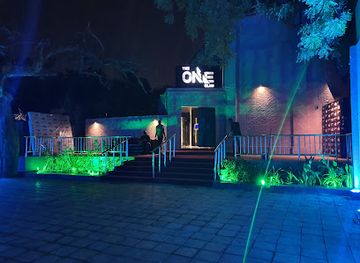
The on1e club
Experience the vibrant nightlife of Niamey at The On1e Club, where music, dance, and unforgettable memories await.
7 min drive · 2.5 km from neighbourhood centre


Best shops in Quartier Plateau 2
Shopping in Plateau 2 is principally practical and local, with small food shops, service businesses, street vendors and informal retail serving residents and workers. The wider central area provides access to the Grand Marché, where visitors can browse clothing, household goods, fabrics, food products and other merchandise, although the market's exact administrative relationship to Plateau 2 should not be assumed. Independent stalls and neighbourhood shops are useful for observing ordinary commerce, but stock, prices and opening patterns change frequently. Visitors should compare prices politely, carry small denominations where possible and ask before photographing sellers or goods. Craft shopping is more strongly associated with specialist market areas and cultural institutions elsewhere in central Niamey than with a single dedicated retail street inside Plateau 2. The district is therefore best understood as a gateway to central commerce rather than a boutique-shopping destination.
-
Clothing store
KENZOLY
Shop at KENZOLY for unique Nigerien fashion and trendy clothing in Niamey, where style meets culture in every garment.
5 min drive · 1.6 km from neighbourhood centre
-
Fashion accessories store
MODE & TENDANCE
Discover exquisite fashion accessories reflecting Niger's vibrant culture at MODE & TENDANCE in Niamey.
7 min drive · 2.5 km from neighbourhood centre
-
 Store
TECHNOLOGIE AVANCÉE
Discover advanced technology and innovative gadgets at Technologie Avancée in Niamey, a tech lover's paradise.
5 min drive · 1.8 km from neighbourhood centre


Quartier Plateau 2 essentials
Getting There
Getting Around
Safety
Emergency Situations
Do's and Don'ts
Local Tips

From Eve
Local phrases worth knowing
You don't need to get them perfect. A few words go a long way, and locals appreciate the effort.
Basics
| English | Local | Say it |
|---|---|---|
| Hello | Sannu | [sahn-nuu] |
| Goodbye | Sai watarana | [sahy wah-tah-rah-nah] |
| Yes | Eh | [ay] |
| No | A'a | [ah-ah] |
| Please/You're welcome | Da so | [dah soh] |
| Thank you | Na gode | [nah goh-deh] |
| Excuse me/Sorry | Samu | [sah-moo] |
| How are you? | Yaya kake? | [yah-yah kah-keh] |
| Fine. And you? | Lafiya. Kana lafiya? | [lah-fee-yah. kah-nah lah-fee-yah] |
| Do you speak English? | Kana magana da Turanci? | [kah-nah mah-gah-nah dah too-rahn-chee] |
| I don't understand | Ban fahimci | [bahn fah-heem-chee] |
Eating & Drinking
| English | Local | Say it |
|---|---|---|
| I'd like to see the menu, please | Ina son ganin menu, don Allah | [ee-nah sohn gah-neen meh-noo, dohn ah-lah] |
| I don't eat meat | Ban jin gori | [bahn jeen goh-ree] |
| Cheers! | Barka da shan ruwa! | [bar-kah dah shahn roo-wah] |
| I would like to pay, please | Ina son yi kudi, don Allah | [ee-nah sohn yee koo-dee, dohn ah-lah] |
Emergencies
| English | Local | Say it |
|---|---|---|
| Help! | Taimaka! | [tahee-mah-kah] |
| Go away! | Huta! | [hoo-tah] |
| Call the Police! | Kira Yan Sanda! | [kee-rah yahn sahn-dah] |
| Call a doctor! | Kira Tabarbare! | [kee-rah tah-bahr-bah-reh] |
| I'm lost | Na kasa | [nah kah-sah] |
| I'm ill | Na yi maganin | [nah yee mah-gah-neen] |
Shopping
| English | Local | Say it |
|---|---|---|
| I'd like to buy... | Ina son sayan... | [ee-nah sohn sah-yahn...] |
| I'm just looking | Ban taba ganin | [bahn tah-bah gah-neen] |
| How much is it? | Yi haɗa mafiya? | [yee hah-dah mah-fee-yah] |
| That's too expensive | Wannan ya fi | [wahn-nahn yah fee] |
| Can you lower the price? | Za ka iya sake ɗaukar mafiya? | [zah kah ee-yah sah-keh dah-oo-kahr mah-fee-yah] |
Time & Numbers
| English | Local | Say it |
|---|---|---|
| What time is it? | Wane lokaci ne? | [wah-neh loh-kah-chee neh] |
| It's one o'clock | An bude | [ahn boo-deh] |
| Half past (10) | Wata da goma (ashirin) | [wah-tah dah go-mah ah-shee-reen] |
| Morning | Yauwa | [yah-oo-wah] |
| Afternoon | Yamma | [yahm-mah] |
| Evening | Yamma | [yahm-mah] |
| Yesterday | Jibi | [jee-bee] |
| Today | Yau | [yah-oo] |
| Tomorrow | Gobe | [goh-beh] |
| 1 | Daya | [dah-yah] |
| 2 | Biyu | [bee-yoo] |
| 3 | Uku | [oo-koo] |
| 4 | Huɗu | [hoo-doo] |
| 5 | Biɗi | [bee-dee] |
| 6 | Shida | [shee-dah] |
| 7 | Bakwai | [bah-kwai] |
| 8 | Takwas | [tah-kwahs] |
| 9 | Tara | [tah-rah] |
| 10 | Goma | [go-mah] |
Transport & Directions
| English | Local | Say it |
|---|---|---|
| Where's a/the...? | Ina... | [ee-nah...] |
| What's the address? | Lokacin lambar? | [loh-kah-cheen lahm-bahr] |
| Can you show me (on the map)? | Za ka nuna mini (a cikin rubutu)? | [zah kah noo-nah mee-nee (ah chee-keen roo-boo-too)] |
| When's the next (bus)? | Wane lokaci ne (motar)? | [wah-neh loh-kah-chee neh (moh-tahr)] |
| A ticket (to ....) | Tikiti (zuwa ....) | [tee-kee-tee (zoo-wah)] |
History of Quartier Plateau 2
From River Settlement to Capital
Niamey's development is closely tied to the Niger River and to older communities established along its banks. The settlement grew in importance during the colonial period, when French administration developed a permanent urban centre on the south bank and connected it to wider regional routes. The Plateau area emerged as part of this administrative city rather than as an ancient walled town. Its elevated central setting, institutional functions and access to commercial routes helped distinguish it from riverside settlements and more peripheral quarters. Plateau 2 should therefore be understood within Niamey's gradual transformation from a riverine settlement into the political centre of modern Niger.
Administrative Niamey Takes Shape
During the twentieth century, Niamey's central districts acquired government offices, schools, religious buildings, commercial premises and planned roads. The Plateau area became associated with the functions expected of a capital: administration, public services, formal commerce and civic institutions. The division into locally recognised quartiers, including Plateau 2, reflects the city's practical expansion and municipal organisation rather than a single architectural style. Low-rise buildings, compound walls and broad roads developed alongside older patterns of pedestrian movement and informal trade. This mixture remains visible in the central city, where official and everyday urban life occupy the same streets.
A Growing National Capital
After Niger's independence in 1960, Niamey expanded as national institutions, schools, businesses and services concentrated in the capital. Central neighbourhoods such as Plateau 2 became part of a larger metropolitan pattern in which established districts were joined by rapidly developing areas beyond the historic core. Improvements to roads and public buildings altered movement through the centre, while population growth increased pressure on housing, drainage, water supply and traffic infrastructure. The neighbourhood's contemporary identity consequently comes less from a single preserved historic ensemble than from its continuing role within Niamey's administrative and commercial heart.
Contemporary Central-City Identity
Today, Plateau 2 forms part of the established central fabric of Niamey, where residential compounds, offices, small businesses and public institutions coexist. Like other central districts, it has been affected by the capital's changing economy, expanding traffic and shifting land values, while remaining connected to the everyday networks of markets, mosques and local services. Its significance is best read through ordinary urban continuity: people travelling to work, trading in central streets, attending religious institutions and using nearby cultural facilities. The neighbourhood is therefore a living part of Niamey's capital-city landscape rather than a preserved historical quarter.
Quartier Plateau 2 in Photos
Browse through our photo collection highlighting the charm and character of the destination.
Neighbourhoods near Quartier Plateau 2
The closest neighbourhoods to Quartier Plateau 2, if you have time for more than one stop.
-
-

-

-

-


Swipe for more neighbourhoods
Explore more

Explore more of Niamey
Niamey, Niger’s riverside capital, combines National Museum treasures, Sahelian markets, Hausa culture, Niger River views and welcoming urban energy.
Explore Niamey