

Kurra Falls Travel Guide - Free Web & App
Your ultimate guide to Kurra Falls. Discover top landmarks, proposed trips, and local tips. Free on the web or via the Evendo companion app.


Kurra Falls in Nigeria combines a rocky Plateau waterfall, early hydropower heritage and rural scenery within reach of Jos in Plateau State.
A Highland Waterfall in Plateau State
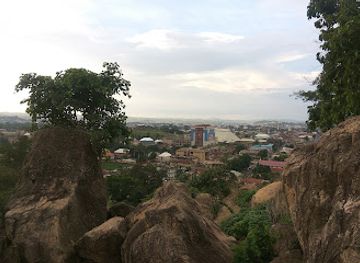
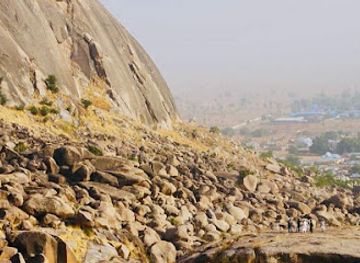
Kurra Falls lies in Nigeria’s Plateau State, within the elevated landscape around Jos and the Riyom area. Rather than a broad, continuously plunging cascade, the name is associated with a rocky stretch of the Little River where water moves through granite outcrops and drops over natural ledges. Rounded boulders, wooded slopes and the cooler conditions of the Jos Plateau give the site a character quite different from Nigeria’s lowland waterways. The surrounding countryside is rural, and the falls are best approached as a landscape attraction rather than as a developed resort with extensive visitor infrastructure.Read more about Kurra Falls
Water, Granite and Engineering Heritage
Visiting the Area
When is the best time to visit Kurra Falls?
Best: December–February · 33–34°C| Month | High (°C) | Rainfall (mm) |
|---|---|---|
| January (best) | 33 | 0 |
| February (best) | 34 | 0 |
| March | 34 | 0 |
| April | 34 | 0 |
| May | 32 | 50 |
| June | 31 | 200 |
| July | 30 | 300 |
| August | 30 | 300 |
| September | 31 | 200 |
| October | 32 | 100 |
| November | 33 | 50 |
| December (best) | 33 | 0 |
Getting to and around Kurra Falls
How to get there
Transportation
Best attractions in Kurra Falls
The central attraction is the rocky river landscape of Kurra Falls, where water moves between granite outcrops and over natural ledges in the elevated Plateau setting. The site’s appeal comes from the combination of river scenery, wooded and agricultural surroundings and the remains or setting of an early hydroelectric project. It is not a large national-park complex with a long catalogue of marked sights, so exploration is generally focused on the falls, the river channel and the wider rural views. Visitors interested in industrial heritage can consider how the watercourse was adapted to generate electricity for the Jos area, while photographers often find interest in the contrast between pale rock, moving water and green seasonal vegetation. Jos provides the region’s principal museums, services and cultural attractions, but these should be treated as nearby gateway experiences rather than attractions within Kurra Falls itself.
-
Tourist attraction
Jos Museum and Zoo
Explore the rich cultural heritage and diverse wildlife at Jos Museum and Zoo, a perfect family-friendly destination in Plateau State, Nigeria.
-
Park
Rekta Park & Garden
Discover the tranquility of Rekta Park & Garden in Jos, Nigeria, a perfect escape for nature lovers and families seeking serenity.
-
Park
Jos City Park
Discover the natural beauty and tranquility of Jos City Park, a serene escape in the heart of Plateau State, perfect for relaxation and family outings.
-
Park
Solomon Lar Amusement Park
Discover fun and excitement at Solomon Lar Amusement Park, a top family-friendly destination in Jos, Nigeria, perfect for thrilling rides and delicious local cuisine.
Best landmarks in Kurra Falls
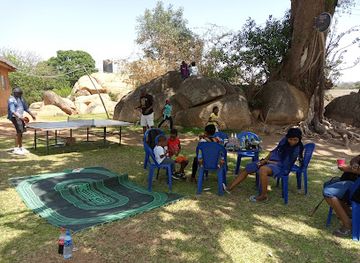
Kurra Falls is both a natural and technological landmark of Plateau State. Its river runs through exposed granite and rocky ledges characteristic of the Jos Plateau, creating the physical setting for the waterfall and giving the site its strongest visual identity. The associated hydroelectric works are significant because Kurra Falls is widely recognised as the location of Nigeria’s first hydroelectric power station, linking the landscape to the early electrification of Jos and the region’s mining-era development. The river, rock formations and power infrastructure should be understood together rather than as isolated monuments. Operational structures may be restricted or unsafe to approach, so the most responsible appreciation of the site is from permitted viewpoints and access areas, with local guidance used to clarify boundaries.
-
Park
Jos Wildlife Park
Explore the breathtaking Jos Wildlife Park, a premier destination for wildlife enthusiasts and nature lovers in Plateau State, Nigeria.
-
Museum
Jos Museum and Zoo
Explore Nigeria's rich heritage and vibrant wildlife at the Jos Museum and Zoo, a captivating destination for culture and nature enthusiasts.
-
Transportation service
Mararaba Jama'a
Experience the vibrant heart of Nigeria at Mararaba Jama'a, your essential transportation gateway to adventure and cultural exploration.
-
Park
Solomon Lar Amusement Park
Experience the excitement and joy of Solomon Lar Amusement Park in Jos, Nigeria, an enchanting destination for family fun and adventure.
Explore Kurra Falls on the map
Plan your trip on one map. See where the top attractions, landmarks, restaurants and hotels are, and book hotels and experiences in a few clicks.
Best hotels in Kurra Falls
Best restaurants in Kurra Falls
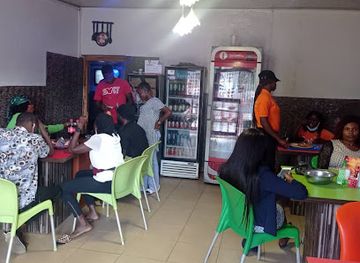
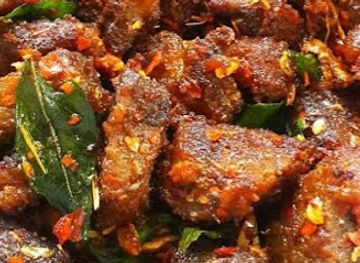
Kurra Falls has limited dining infrastructure, and visitors should not expect a cluster of restaurants at the riverside. The practical approach is to eat in Jos or obtain provisions before travelling, while simple refreshments may sometimes be available through nearby communities without the certainty of a permanent facility. Jos offers a broader range of Nigerian food, including rice dishes, yam, beans, grilled meat and regional soups, alongside everyday cafés and informal eateries. Plateau produce and locally grown vegetables may feature in meals, although availability varies by establishment and season. Visitors using local guides or drivers can ask where residents eat, but should distinguish informal community provisions from established tourist restaurants. Carrying water and a packed meal is sensible for a day visit, with all packaging removed from the falls and surrounding countryside.
-
Restaurant
Madam Calabar Restaurant
Experience authentic Nigerian cuisine at Madam Calabar Restaurant in Jos – where every meal tells a story.
-
Restaurant
Spring Valley Restaurant, Bar & Guest House
Discover culinary delights and vibrant hospitality at Spring Valley Restaurant, Bar & Guest House in Plateau's scenic Bar Jirgi Summa.
-
Restaurant
Barcardi Restaurant and Cafè #barcardijos
Experience the culinary delights at Barcardi Restaurant & Café in Jos - where comfort food meets delightful ambiance.
-
Restaurant
THE SOUP CAFE
Experience authentic Nigerian flavors at The Soup Cafe in Jos – where hearty soups meet warm hospitality.
Best bars in Kurra Falls
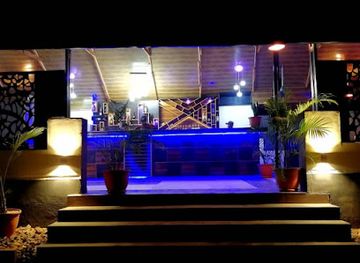
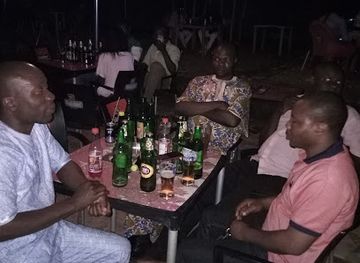
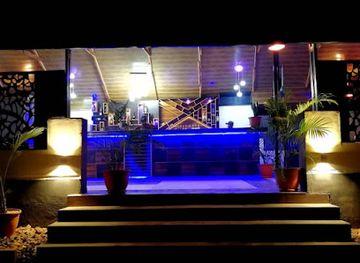
Kurra Falls is not a nightlife destination, and there is no reason to expect bars, nightclubs or evening entertainment at the waterfall itself. After visiting, most travellers return to Jos, where the larger population and hotel sector provide the Plateau’s main choice of restaurants, hotel lounges, informal drinking spots and occasional cultural entertainment. In rural communities near the falls, evening activity is more likely to centre on ordinary local life and small informal venues than on a developed visitor scene. Visitors should avoid travelling unfamiliar rural roads after dark, particularly when weather or road conditions are uncertain, and should arrange their return transport in advance rather than relying on late services.
-
Bar
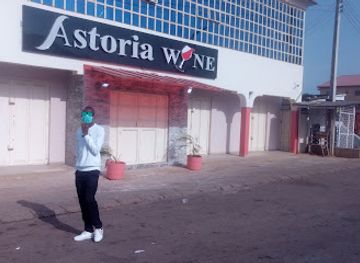
Astoria Lounge
Discover the vibrant nightlife of Jos at Astoria Lounge, where great drinks and a welcoming atmosphere await every visitor.
-
Lounge
Treasure lounge and Grills Jos
Discover the vibrant atmosphere and exquisite flavors at Treasure Lounge and Grills in Jos, where culinary delights meet a relaxing ambiance.
-
Bar
Bush Bar
Bush Bar in Jos: A vibrant oasis of drinks, snacks, and socializing in Plateau State, perfect for unwinding and enjoying local culture.
-
Bar
Vai Su Shi Bar
Experience the lively spirit of Bukuru at Vai Su Shi Bar, where refreshing drinks and a vibrant atmosphere await you.

Best nightclubs in Kurra Falls
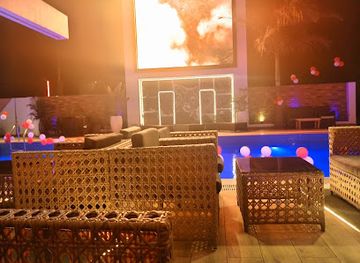
Kurra Falls is not a nightlife destination, and there is no reason to expect bars, nightclubs or evening entertainment at the waterfall itself. After visiting, most travellers return to Jos, where the larger population and hotel sector provide the Plateau’s main choice of restaurants, hotel lounges, informal drinking spots and occasional cultural entertainment. In rural communities near the falls, evening activity is more likely to centre on ordinary local life and small informal venues than on a developed visitor scene. Visitors should avoid travelling unfamiliar rural roads after dark, particularly when weather or road conditions are uncertain, and should arrange their return transport in advance rather than relying on late services.
-
Lounge
Varlaine Lounge
Discover the lively ambiance of Varlaine Lounge in Jos, where relaxation meets vibrant nightlife and local culture.
-
Lounge
Treasure lounge and Grills Jos
Experience the vibrant culinary scene at Treasure Lounge and Grills in Jos, where delicious grilled delights meet lively entertainment.
-
Bar
De Bridge Bar & Club
Discover the vibrant nightlife at De Bridge Bar & Club in Jos, where great drinks and live entertainment create unforgettable experiences.
-
Social club
Plateau Club
Discover the pulse of nightlife at Plateau Club, a vibrant social hub in Jos, Plateau, where fun and culture meet.

Best shops in Kurra Falls
Shopping at Kurra Falls is minimal, with no established retail district or dependable market complex at the attraction. Visitors should purchase cash, food, water, fuel and any outdoor essentials in Jos before making the rural journey. In and around Plateau settlements, small shops and local markets may offer everyday produce and provisions, while the wider Jos area provides more varied opportunities to buy Nigerian food products, clothing, household goods, crafts and locally made items. Availability and trading days can vary, so purchases should not be postponed until reaching the falls. Any souvenirs should be sourced responsibly: do not remove stones, plants or other natural material from the river landscape, and favour legitimate local sellers where craft products are offered.
-
Electric utility company
Kurra Falls
Experience the breathtaking beauty of Kurra Falls, a serene natural paradise in Nigeria's Plateau region, perfect for relaxation and outdoor adventures.
-
Gift shop
Souvenir Stop Shop
Explore unique gifts and local crafts at Souvenir Stop Shop, your ultimate destination for memorable souvenirs.
-
 Furniture store
kofar gayan zaria city kaduna state Nigeria
Explore Kofar Gayan in Zaria City: A vibrant marketplace of culture, history, and exceptional local craftsmanship in Kaduna State, Nigeria.
-
Boutique
Amazing Grace Boutique
Explore Amazing Grace Boutique for a unique shopping experience showcasing local fashion and artisan crafts in Nassarawa State.
Get your free copy of our complete guide to Kurra Falls, delivered straight to you.
Everything on this page, from attractions and restaurants to essentials and local phrases, in one PDF you can read offline, print or share.
Already have an account? Sign in
Your Kurra Falls guide is ready.
We'll send it to · Not you? Sign out

Getting your guide ready…
We are putting together a fresh copy of the Kurra Falls guide. This can take up to a minute.
This can take a few moments. If your browser asks, choose Allow so the download can start. You'll find the guide in your Downloads folder.
Nothing happened? Download it again
Sorry, the guide is taking longer than usual. Please try again in a minute, or get it by email instead.
Kurra Falls essentials
Currency and Payment
Safety
Emergency Situations
Do's and Don'ts
Local Tips
From Eve
Local phrases worth knowing
You don't need to get them perfect. A few words go a long way, and locals appreciate the effort.
Basics
| English | Local | Say it |
|---|---|---|
| Hello | Sannu | [sahn-noo] |
| Goodbye | Ba kashe | [bah kah-shay] |
| Yes | Eh | [eh] |
| No | A'a | [ah-ah] |
| Please/You're welcome | Da so | [dah soh] |
| Thank you | Na gode | [nah goh-deh] |
| Excuse me/Sorry | Samu | [sah-moo] |
| How are you? | Yaya ku ku | [yah-yah koo koo] |
| Fine. And you? | Lafiya. Kuma kuna? | [lah-fee-yah. koo-mah koo-nah] |
| Do you speak English? | Kana da harshe | [kah-nah dah hahr-shay] |
| I don't understand | Ba na fahimci | [bah nah fah-heem-chee] |
Eating & Drinking
| English | Local | Say it |
|---|---|---|
| I'd like to see the menu, please | Ina son ganin menu, da fatan | [ee-nah sohn gah-neen meh-noo, dah fah-tahn] |
| I don't eat meat | Ban ci nama | [bahn chee nah-mah] |
| Cheers! | Aikin rai | [ai-keen rai] |
| I would like to pay, please | Ina son kudi, da fatan | [ee-nah sohn koo-dee, dah fah-tahn] |
Emergencies
| English | Local | Say it |
|---|---|---|
| Help! | Mai kyau! | [my cow] |
| Go away! | Gudu | [goo-doo] |
| Call the Police! | Wani kyan gida! | [wah-nee kyahn gee-dah] |
| Call a doctor! | Wani doctor! | [wah-nee dohk-tohr] |
| I'm lost | Na yi tafiya | [nah yee tah-fee-yah] |
| I'm ill | Na yi lafiya | [nah yee lah-fee-yah] |
Shopping
| English | Local | Say it |
|---|---|---|
| I'd like to buy... | Ina son sayarwa... | [ee-nah sohn sah-yahr-wah...] |
| I'm just looking | Na bincike don gani | [nah been-chee-kay dohn gah-nee] |
| How much is it? | Me ya fi? | [may yah fee?] |
| That's too expensive | Wani abu ne mafi kyau | [wah-nee ah-boo nay mah-fee kyow] |
| Can you lower the price? | Zaka iya sake fama? | [zah-kah ee-yah sah-kay fah-mah?] |
Time & Numbers
| English | Local | Say it |
|---|---|---|
| What time is it? | Wannan lokaci ne? | [wahn-nahn loh-kah-chee nay?] |
| It's one o'clock | Yi o'clock daya | [yee o-clock dah-yah] |
| Half past (10) | Wata biyu da dubu | [wah-tah bee-yoo dah doo-boo] |
| Morning | Safe | [sah-fay] |
| Afternoon | Yamma | [yah-mah] |
| Evening | Yamma/tafi | [yah-mah/tah-fee] |
| Yesterday | Jibi | [jee-bee] |
| Today | Yau | [yah-oo] |
| Tomorrow | Gobe | [goh-beh] |
| 1 | Daya | [dah-yah] |
| 2 | Biya | [bee-yah] |
| 3 | Uku | [oo-koo] |
| 4 | Huɗu | [hoo-doo] |
| 5 | Biɗi | [bee-dee] |
| 6 | Shida | [shee-dah] |
| 7 | Bakwai | [bah-kwai] |
| 8 | Takwas | [tah-kwahs] |
| 9 | Tara | [tah-rah] |
| 10 | Goma | [goh-mah] |
Transport & Directions
| English | Local | Say it |
|---|---|---|
| Where's a/the...? | Ina ne...? | [ee-nah nay?] |
| What's the address? | Yaya adireshin ne? | [yah-yah ah-dee-ray-sheen nay?] |
| Can you show me (on the map)? | Zaka iya nuna min (a cikin jaridu)? | [zah-kah ee-yah noo-nah meen (ah chee-keen jah-ree-doo)?] |
| When's the next (bus)? | Yaya lokaci ne na gaba? | [yah-yah loh-kah-chee nay nah gah-bah?] |
| A ticket (to ....) | Tikiti (zuwa ....) | [tee-kee-tee (zoo-wah ....)] |
History of Kurra Falls
The Plateau Landscape
Kurra Falls belongs to the highland environment of the Jos Plateau, a region shaped by ancient crystalline rocks, upland streams and pronounced seasonal rainfall. The falls are understood through this combination of geology and water: the river follows a rocky course, passing over resistant outcrops rather than cutting through a broad sedimentary plain. Human history at the site is therefore closely linked to the wider Plateau landscape, whose elevation, mineral resources and cooler climate influenced settlement, agriculture, transport and later industrial development.
Communities and Plateau Land Use
The countryside around Kurra Falls has long been part of the inhabited Plateau, where local communities developed farming systems and maintained relationships with streams, hills and rocky land. The surrounding area is associated with the broader cultural landscape of Plateau State rather than with a single urban settlement. As roads, mining activity and administrative centres expanded around Jos, rural places such as Kurra remained connected to regional economic change while retaining a predominantly open, agricultural character.
Early Hydroelectric Development
Kurra Falls became important in Nigeria’s industrial history when the river was harnessed for hydroelectric generation during the colonial period. The Kurra Falls hydroelectric scheme is widely regarded as Nigeria’s first hydroelectric power station, and its development helped supply electricity to Jos and nearby mining operations. The project illustrates how the Plateau’s natural resources were used alongside its mineral wealth, transforming a river landscape into part of the country’s early modern public-utility infrastructure.
From Industrial Site to Visitor Interest
The falls’ later identity has brought together several strands of Plateau heritage: a natural river attraction, an example of early Nigerian engineering and a rural destination near Jos. Tourism interest has remained more modest than at heavily developed Nigerian resorts, and the site’s facilities and access arrangements should not be assumed to be extensive. Its continuing significance lies in the relationship between landscape and technology, while responsible visits should respect local communities, protect the river environment and avoid unauthorised access to operational infrastructure.
Kurra Falls in Photos
Browse through our photo collection highlighting the charm and character of the destination.
Cities in Kurra Falls
The towns and cities of Kurra Falls, and the easiest places to base yourself.

Swipe for more cities
Neighbouring destination travel guides
The closest destinations to Kurra Falls, if you have time for more than one.
-

-
 Kajuru Castle
 in Nigeria offers medieval-style architecture, hilltop views, Kaduna heritage and a distinctive rural escape near Kaduna city for curious visitors.
Kajuru Castle
Kajuru Castle in Nigeria offers medieval-style architecture, hilltop views, Kaduna heritage and a distinctive rural escape near Kaduna city for curious visitors.
-

-

-


Swipe for more destinations
Explore more

Explore more of North Central
Explore North Central Nigeria for Abuja's hills, Jos's plateau landscapes, Lokoja's river confluence, craft traditions and diverse inland foodways.
Explore North Central
Explore more of Nigeria
Discover Nigeria: A Land of Vibrant Cultures, Stunning Landscapes, and Rich History in the Heart of Africa.
Explore Nigeria