

Free Cavalier Travel Guide & Mobile App
Plan your Cavalier trip with Evendo. Get free guides to top attractions, restaurants, hotels, and bars. Web access or download the mobile app.


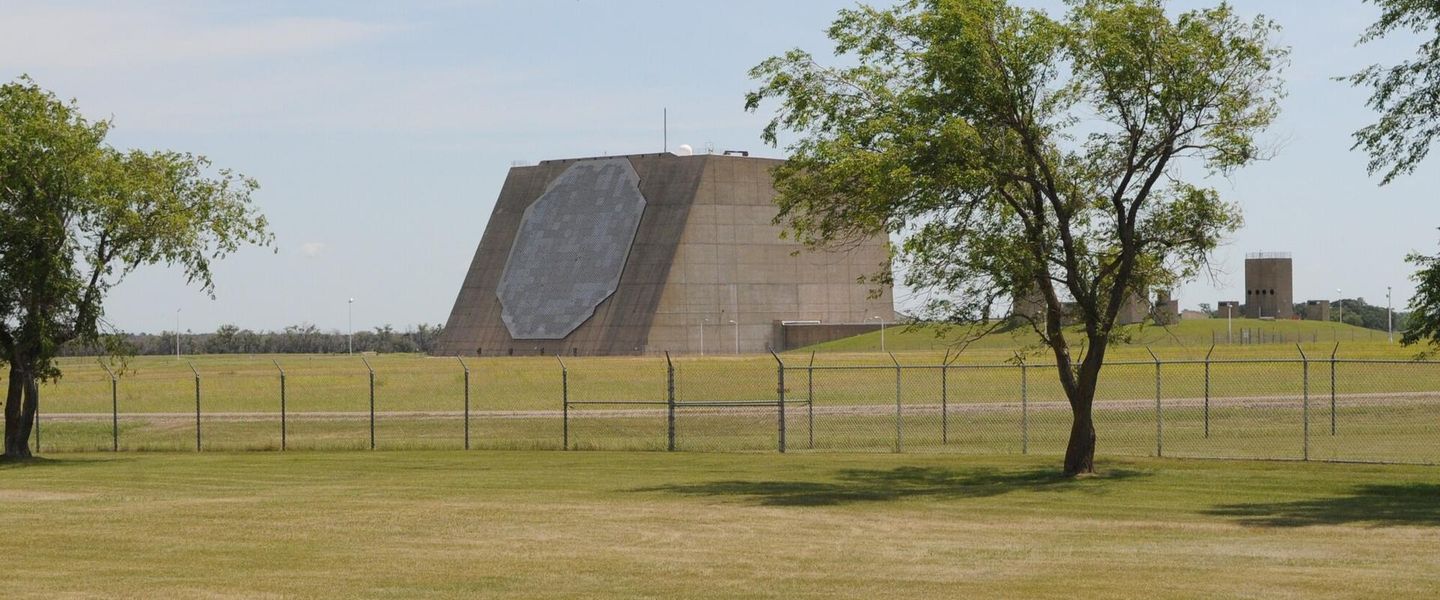


Cavalier, North Dakota, offers Red River Valley history, Icelandic heritage, peaceful parks and easy access to Pembina County’s northern landscapes.
A Small City with a Wide Horizon
Cavalier is a compact community in north-eastern North Dakota, serving as the county seat of Pembina County amid the broad farmland and shelterbelts of the Red River Valley. Its streets have the measured pace of a regional service centre, while the surrounding landscape opens towards the wooded Pembina Hills, the Canadian border and the historic routes that once connected Indigenous communities, fur traders and agricultural settlements. The city is best understood as a base for exploring the northern borderlands rather than as a dense urban destination.Read more about Cavalier
Local History and Heritage
Lakes, Parks and Border Country
When is the best time to visit Cavalier?
Best: July–September · 19–25°C| Month | High (°C) | Rainfall (mm) |
|---|---|---|
| January | -7 | 18 |
| February | -5 | 15 |
| March | 2 | 23 |
| April | 10 | 34 |
| May | 18 | 61 |
| June | 23 | 84 |
| July (best) | 25 | 79 |
| August (best) | 24 | 66 |
| September (best) | 19 | 41 |
| October | 12 | 33 |
| November | 4 | 22 |
| December | -3 | 22 |
Getting to and around Cavalier
How to get there
Transportation
Best attractions in Cavalier
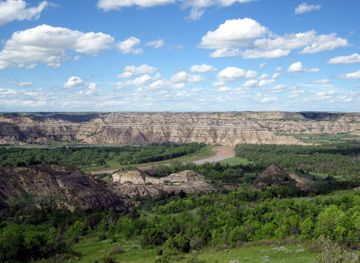
Cavalier’s attractions are modest in scale but closely connected to the surrounding landscape and local history. The Pembina County Historical Museum provides an introduction to settlement, agriculture, domestic life and community development through regional artefacts and displays. A short drive south, Icelandic State Park surrounds Lake Renwick with woodland, prairie, trails, a beach and opportunities for boating, fishing and camping, while its heritage interpretation links the area to Icelandic immigration. Within town, Cavalier’s civic centre, local parks and historic streets offer a quiet glimpse of a county-seat community rather than a conventional sightseeing district. The broader Pembina Hills and Pembina Gorge, reached by car, provide wooded ravines, overlooks and outdoor recreation contrasting with the flat Red River Valley. Nearby border-country communities and historic Pembina add further context for visitors interested in the region’s Indigenous, Métis, trading and agricultural past.
-
Park
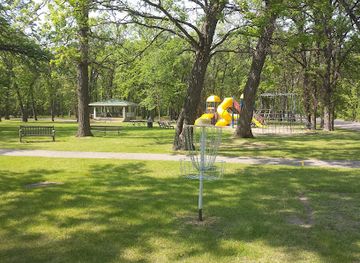
Cavalier City Park
Experience the beauty and tranquility of Cavalier City Park, a delightful outdoor haven in North Dakota perfect for picnics and recreation.
7 min walk · 0.5 km from city centre
-
Tourist attraction
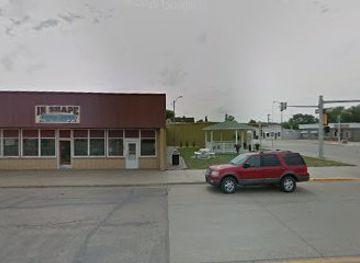
Cavalier wall mural
Experience the Cavalier Wall Mural, a stunning representation of local culture and artistry that brings life to the streets of Cavalier, North Dakota.
1 min walk · 0.1 km from city centre
-
Tourist attraction
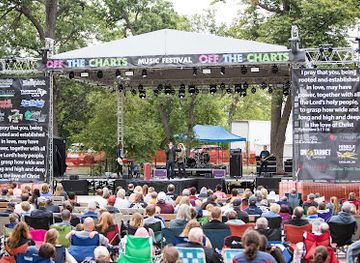
Off The Charts Music Festival
Discover the vibrant Off The Charts Music Festival in Cavalier, North Dakota, where music, food, and community unite for an unforgettable experience.
6 min walk · 0.5 km from city centre
Best landmarks in Cavalier
Cavalier’s landmarks are principally civic, historical and landscape-based. The Pembina County Historical Museum is important because it preserves the material record of a county shaped by Indigenous presence, migration, farming and small-town institutions. The town’s courthouse-related civic centre and surviving religious and commercial buildings express the practical architecture of a North Dakota county seat, even where individual structures are less monumental than landmarks in major cities. Icelandic State Park, beside Lake Renwick, is a cultural landscape as well as a recreational site, interpreting the Icelandic presence in the region through its heritage facilities and setting. In the wider county, the Pembina Gorge and Pembina Hills serve as natural landmarks, their wooded ravines and elevated terrain providing a strong contrast with the level Red River Valley.
-
American
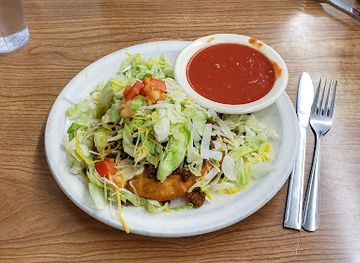
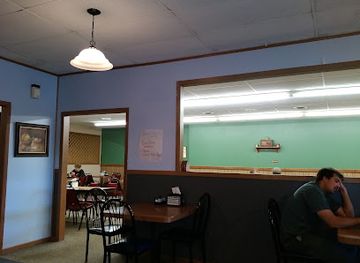
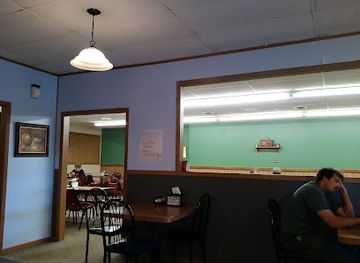
Thompson's Café
Discover the heart of Cavalier at Thompson's Café, where American comfort food meets local charm in a cozy setting.
2 min walk · 0.2 km from city centre
-
Motel
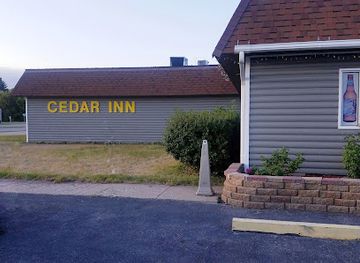
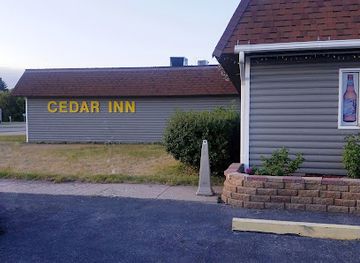
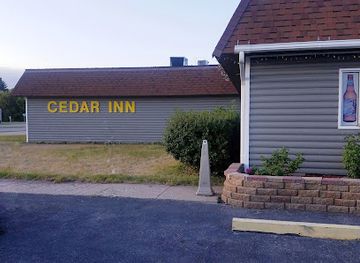
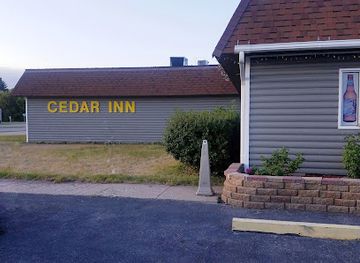
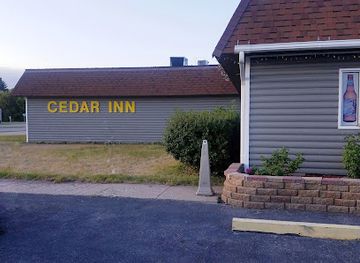
CEDAR INN Motel, Restaurant, Lounge & Bottle Shop
Experience comfort and local charm at Cedar Inn Motel, Restaurant, Lounge & Bottle Shop in Cavalier, North Dakota.
7 min walk · 0.5 km from city centre
-
Coffee shop
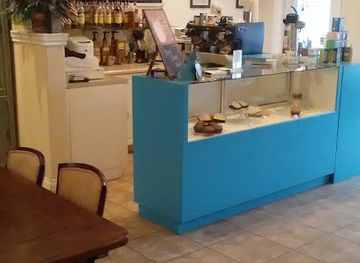
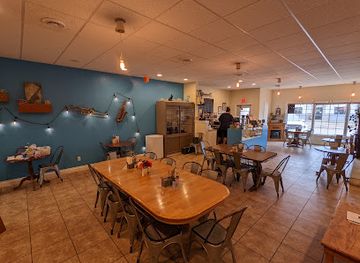
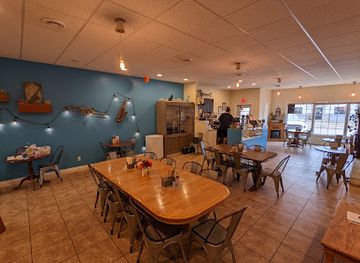
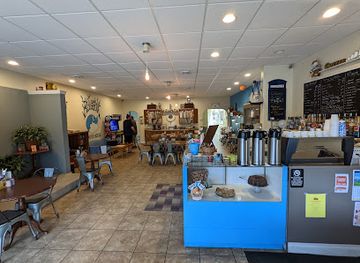
Blue Fox Coffeehouse
Discover Blue Fox Coffeehouse in Cavalier, ND - a cozy haven for coffee lovers offering delightful brews and a taste of local charm.
1 min walk · 0.1 km from city centre
-
Dollar store
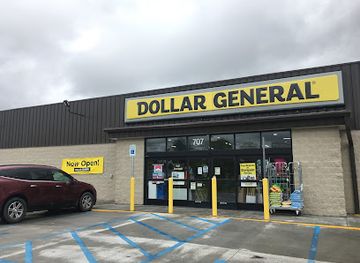
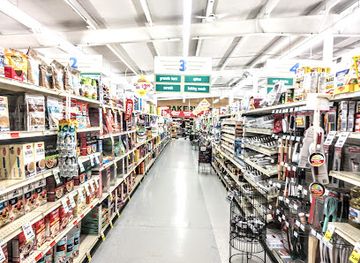
Dollar General
Explore Dollar General in Cavalier, ND: Your affordable shopping hub for essentials, beauty supplies, and more during your travels.
9 min walk · 0.7 km from city centre
Explore Cavalier on the map
Plan your Cavalier trip on one map. See where the top attractions, landmarks, restaurants, bars and hotels are, find what's near where you're staying, and book hotels and experiences in a few clicks.
Best hotels in Cavalier
Best restaurants in Cavalier
Cavalier’s dining scene is shaped by its size and rural setting, with practical local eateries, cafés and bars serving residents, passing motorists and visitors exploring Pembina County rather than a concentration of destination restaurants. Meals tend to reflect familiar North American comfort food, breakfast cooking, sandwiches, burgers and hearty dishes suited to the climate, alongside coffee and baked goods in casual daytime settings. The area’s agricultural character is evident in the importance of locally supplied ingredients and community gatherings, while the region’s Icelandic and Scandinavian connections form part of its cultural background even when they are not presented as a formal restaurant tradition. Visitors staying outside town should plan ahead, since dining choices and opening schedules become more limited in rural areas and may vary by season or day of the week.
-
American
Thompson's Café
Experience delightful American cuisine at Thompson's Café in Cavalier, ND - where every meal feels like home.
2 min walk · 0.2 km from city centre
-
Grocery store
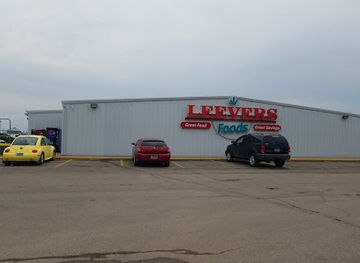
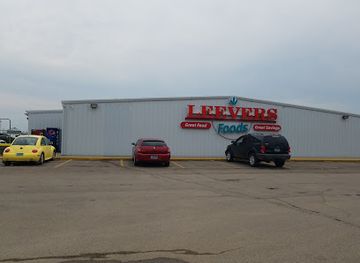
Leevers Foods, Cavalier, ND
Experience the heart of Cavalier at Leevers Foods – your destination for fresh produce and unique local products.
6 min walk · 0.5 km from city centre
-
Restaurant
CEDAR INN Motel, Restaurant, Lounge & Bottle Shop
Discover Cedar Inn: Your ultimate destination for comfort, local cuisine, and warm hospitality in Cavalier, North Dakota.
7 min walk · 0.5 km from city centre
-
Coffee shop
Blue Fox Coffeehouse
Experience warmth and flavor at Blue Fox Coffeehouse - a charming retreat in Cavalier offering exquisite coffee and delightful treats.
1 min walk · 0.1 km from city centre
Best bars in Cavalier
Cavalier has a restrained evening scene suited to a small county-seat community rather than a destination for nightclubs. Local bars and social venues provide places for conversation, televised sport and community interaction, while restaurants and cafés may offer the main evening activity. There is little reason to expect a concentration of cocktail lounges, live-music rooms or late-night clubs, and schedules can be seasonal or locally determined. Visitors seeking organised cultural entertainment may find community events, school performances or seasonal gatherings more relevant than commercial nightlife. The quiet streets and surrounding countryside become especially dark after sunset, so anyone walking or driving beyond the centre should use care and avoid assuming that transport or venues will remain available late.
-
American
Thompson's Café
Discover the culinary delights of Thompson's Café, where American comfort food meets delicious pizzas in a cozy setting.
2 min walk · 0.2 km from city centre
-
Grocery store
Leevers Foods, Cavalier, ND
Explore the best of local flavors at Leevers Foods in Cavalier, ND - your go-to grocery store for fresh produce and regional specialties.
6 min walk · 0.5 km from city centre
-
Motel
CEDAR INN Motel, Restaurant, Lounge & Bottle Shop
Discover Cedar Inn: Your all-in-one motel, restaurant, lounge, and liquor store experience in Cavalier, North Dakota.
7 min walk · 0.5 km from city centre
-
Coffee shop
Blue Fox Coffeehouse
Experience the cozy charm of Blue Fox Coffeehouse in Cavalier, ND, where delicious coffee meets a warm, inviting atmosphere.
1 min walk · 0.1 km from city centre
Best nightclubs in Cavalier
Cavalier has a restrained evening scene suited to a small county-seat community rather than a destination for nightclubs. Local bars and social venues provide places for conversation, televised sport and community interaction, while restaurants and cafés may offer the main evening activity. There is little reason to expect a concentration of cocktail lounges, live-music rooms or late-night clubs, and schedules can be seasonal or locally determined. Visitors seeking organised cultural entertainment may find community events, school performances or seasonal gatherings more relevant than commercial nightlife. The quiet streets and surrounding countryside become especially dark after sunset, so anyone walking or driving beyond the centre should use care and avoid assuming that transport or venues will remain available late.
-
American
Thompson's Café
Experience the heart of American cuisine at Thompson's Café, where delicious pizzas and classic dishes await in a cozy atmosphere.
2 min walk · 0.2 km from city centre
-
Motel
CEDAR INN Motel, Restaurant, Lounge & Bottle Shop
Experience the warmth of Cedar Inn in Cavalier, North Dakota, where comfort meets local flavor in a cozy motel, restaurant, and lounge.
7 min walk · 0.5 km from city centre
-
Coffee shop
Blue Fox Coffeehouse
Experience the warmth of Blue Fox Coffeehouse in Cavalier, ND - a delightful coffee shop with quality brews and a cozy atmosphere.
1 min walk · 0.1 km from city centre
-
Bar
Sammy's Bar
Discover the vibrant atmosphere and friendly service at Sammy's Bar, the heart of Cavalier's nightlife, perfect for drinks and socializing.
1 min walk · 0.1 km from city centre
Best shops in Cavalier
Shopping in Cavalier is local and functional, centred on small-town businesses, everyday services and independent retailers rather than large shopping complexes or a specialised tourist quarter. Visitors may find practical goods, gifts, locally relevant memorabilia and seasonal products in the town centre, while farm stands and community events can provide opportunities to buy regional produce when available. The most meaningful purchases are often connected to north-eastern North Dakota’s agricultural identity, local history and Icelandic heritage rather than mass-produced souvenirs. Larger retail selections are found in bigger regional centres, so travellers should not expect an extensive choice of fashion, antiques or artisan workshops in Cavalier itself. Small businesses may keep limited or changing hours, particularly outside the summer season, making daytime visits the most dependable approach.
-
Grocery store
Leevers Foods, Cavalier, ND
Discover fresh produce and local delicacies at Leevers Foods, a beloved grocery store in Cavalier, ND, perfect for all your culinary needs.
6 min walk · 0.5 km from city centre
-
 Chevrolet dealer
Birchwood Chevrolet
Explore Birchwood Chevrolet: Premier Chevrolet dealer in Cavalier, ND offering new cars, expert repairs, and quality auto parts for every need.
5 min walk · 0.4 km from city centre
-
Motel
CEDAR INN Motel, Restaurant, Lounge & Bottle Shop
Discover Cedar Inn in Cavalier, ND - A cozy motel with a restaurant and lounge, blending comfort with local charm in the heart of North Dakota.
7 min walk · 0.5 km from city centre
-
Coffee shop
Blue Fox Coffeehouse
Experience the cozy atmosphere and exceptional brews at Blue Fox Coffeehouse in Cavalier, North Dakota, a must-visit destination for coffee lovers.
1 min walk · 0.1 km from city centre
Get your free copy of our complete guide to Cavalier, delivered straight to you.
Everything on this page, from attractions and restaurants to essentials and local phrases, in one PDF you can read offline, print or share.
Already have an account? Sign in
Your Cavalier guide is ready.
We'll send it to · Not you? Sign out

Getting your guide ready…
We are putting together a fresh copy of the Cavalier guide. This can take up to a minute.
This can take a few moments. If your browser asks, choose Allow so the download can start. You'll find the guide in your Downloads folder.
Nothing happened? Download it again
Sorry, the guide is taking longer than usual. Please try again in a minute, or get it by email instead.
Cavalier essentials
Currency and Payment
Safety
Emergency Situations
Do's and Don'ts
Local Tips
From Eve
Local phrases worth knowing
You don't need to get them perfect. A few words go a long way, and locals appreciate the effort.
Basics
| English | Local | Say it |
|---|---|---|
| Hello | Howdy | [haw-dee] |
| Goodbye | See ya | [see yah] |
| Yes | Yup | [yuhp] |
| No | Nah | [nuh] |
| Please/You're welcome | Sure thing | [shur thang] |
| Thank you | Thanks | [thaynks] |
| Excuse me/Sorry | Pardon me | [pahr-dun mee] |
| How are you? | Howdy | [haw-dee] |
| Fine. And you? | Jus' fine. You? | [juhs fahyn. yoo?] |
| Do you speak English? | Y'all speak English? | [yawl speek ing-glish?] |
| I don't understand | I ain't catchin' ya | [ahynt kach-in yah] |
Eating & Drinking
| English | Local | Say it |
|---|---|---|
| I'd like to see the menu, please | Lemme see the menu, please | [lem-ee see thee menu pleez] |
| I don't eat meat | I don't eat meat | [ahy dohnt eet meet] |
| Cheers! | Bottoms up! | [bah-tums up] |
| I would like to pay, please | Check, please | [chek pleez] |
Emergencies
| English | Local | Say it |
|---|---|---|
| Help! | Help! | [help] |
| Go away! | Git outta here! | [git out-uh heer] |
| Call the Police! | Call the Sheriff! | [kawl thee shur-iff] |
| Call a doctor! | Call the doc! | [kawl thee dahk] |
| I'm lost | I'm all turned around | [ahym awl turnd uh-round] |
| I'm ill | I'm feelin' poorly | [ahym feel-in poor-lee] |
Shopping
| English | Local | Say it |
|---|---|---|
| I'd like to buy... | I wanna buy... | [ahy wahn-nuh buy] |
| I'm just looking | Jus' lookin' | [juhs look-in] |
| How much is it? | How much fer it? | [how much fohr it] |
| That's too expensive | That's mighty spendy | [thats my-tee spen-dee] |
| Can you lower the price? | Can ya knock the price down? | [kan yuh nok thuh prahys doun] |
Time & Numbers
| English | Local | Say it |
|---|---|---|
| What time is it? | What time is it? | [what tahym iz it] |
| It's one o'clock | It's one o'clock | [its wun uh-klok] |
| Half past (10) | Half past ten | [haf past ten] |
| Morning | Mornin' | [morn-in] |
| Afternoon | Afternoon | [af-ter-noon] |
| Evening | Evenin' | [eev-nin] |
| Yesterday | Yesterday | [yes-tur-day] |
| Today | Today | [toh-day] |
| Tomorrow | Tomorrow | [toh-mor-oh] |
| 1 | One | [wun] |
| 2 | Two | [too] |
| 3 | Three | [three] |
| 4 | Four | [fohr] |
| 5 | Five | [fahyv] |
| 6 | Six | [siks] |
| 7 | Seven | [sev-uhn] |
| 8 | Eight | [ayt] |
| 9 | Nine | [nahyn] |
| 10 | Ten | [ten] |
Transport & Directions
| English | Local | Say it |
|---|---|---|
| Where's a/the...? | Where's the...? | [wheres thee] |
| What's the address? | What's the address? | [whats thee ad-dress] |
| Can you show me (on the map)? | Can ya show me (on the map)? | [kan yuh show mee on thee map] |
| When's the next (bus)? | When's the next (bus)? | [whens thee nekst bus] |
| A ticket (to ....) | A ticket (to ....) | [uh tik-it to] |
History of Cavalier
Indigenous Borderlands and the Pembina Region
Long before Cavalier was established, the Pembina region was home to Indigenous peoples, including Dakota and Anishinaabe communities, whose seasonal movements, trade networks and knowledge of the Red River Valley shaped the landscape. The area also became associated with Métis communities and the cross-border economy of the Red River settlement. Rivers, wooded valleys and prairie routes provided transport corridors and supported hunting, agriculture and exchange. Although the present city is a comparatively recent settlement, its history belongs to this older cultural geography, which extended across what is now the United States–Canada border.
Fur Trade and Early Settlement
Pembina was one of the earliest centres of European activity in the northern plains, with fur trading and missionary networks linking the region to the Red River settlement and wider commercial routes. American and Canadian boundary-making gradually imposed a national framework on an older cross-border world. During the nineteenth century, settlers, traders and farming families established permanent communities in the Pembina district, while Indigenous peoples faced increasing pressure from land policies and settlement. This period created the cultural and economic conditions for the later towns of Pembina County.
The Founding of Cavalier
Cavalier emerged in the late nineteenth century as agricultural settlement expanded through north-eastern North Dakota. The community took its name from Charles Cavileer, a prominent early settler in the Pembina area, though the town’s spelling differs from his surname. Roads, postal connections and regional commerce helped the settlement develop as a service centre for surrounding farms. Its growth reflected the wider transformation of the Red River Valley, where surveying, land sales and transport links converted a lightly settled frontier into an organised agricultural district.
County Seat and Agricultural Community
As Pembina County developed, Cavalier assumed the civic functions expected of a county seat, including public administration, schools, commerce and local services. Its identity became closely tied to the surrounding farms, whose production supported shops, elevators, workshops and professional offices. The town’s modest civic and religious buildings reflect the practical architecture of prairie communities, designed for severe winters and a dispersed population. Over time, improved roads and changing agricultural methods altered local routines, but Cavalier retained its role as a centre for the northern part of the county.
Heritage in the Modern Landscape
Modern Cavalier remains a small regional community, but its history is visible in local institutions, family connections and the landscapes around it. The Pembina County Historical Museum records the material culture of farming, domestic life and civic development, while Icelandic State Park preserves and interprets an important strand of regional immigration history. Nearby valleys, lakes and border communities add depth to the story, showing how Indigenous heritage, migration, agriculture and environmental change continue to shape north-eastern North Dakota’s identity.
Cavalier in Photos
Browse through our photo collection highlighting the charm and character of the destination.
Cities near Cavalier
The closest cities to Cavalier, if you have time for more than one stop.
-

-
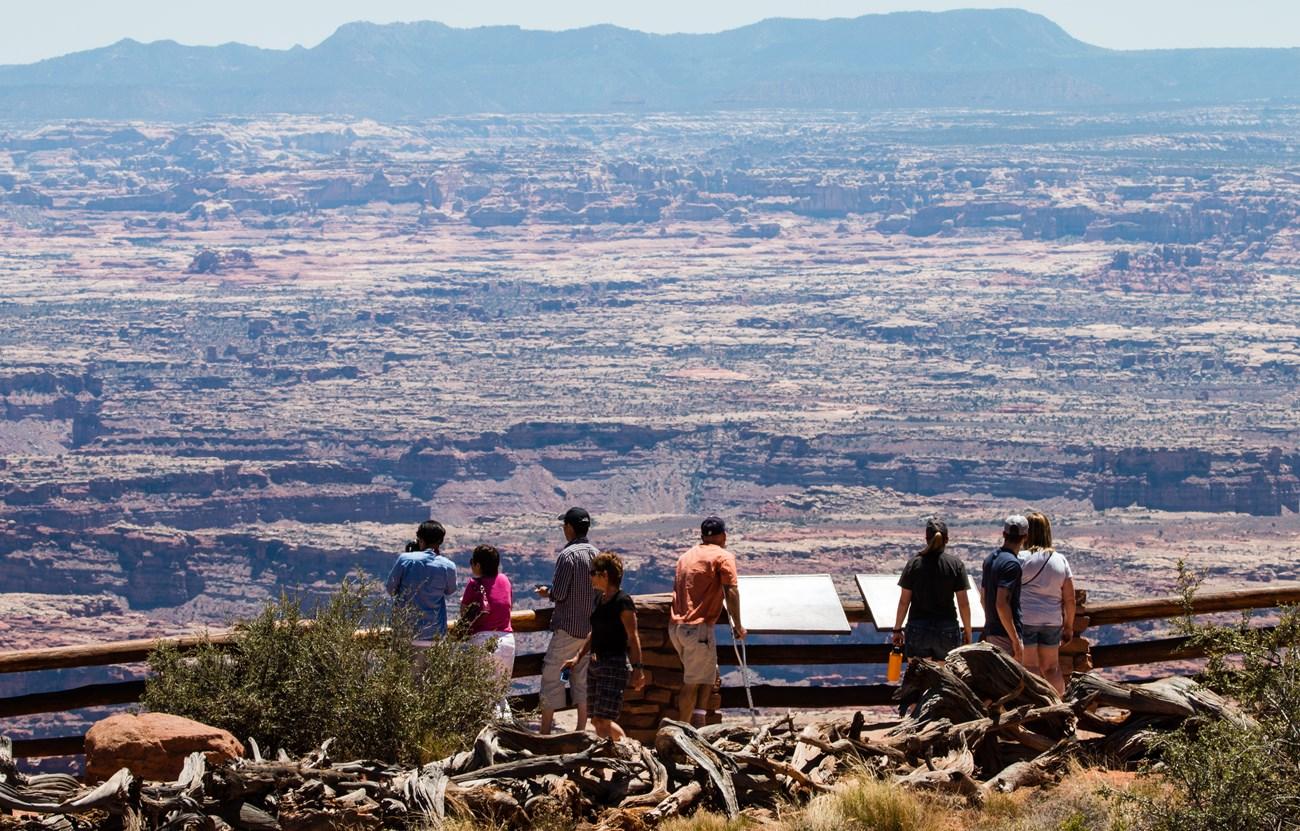 Devils Lake
, North Dakota, combines walleye fishing, prairie scenery, Dakota heritage, Fort Totten history and relaxed small-town sightseeing.
2 h 19 min drive · 119 km from city centre
Devils Lake
Devils Lake, North Dakota, combines walleye fishing, prairie scenery, Dakota heritage, Fort Totten history and relaxed small-town sightseeing.
2 h 19 min drive · 119 km from city centre
-

-

-


Swipe for more cities
Explore more
Explore more of North Dakota
Discover the rugged beauty, rich history, and warm hospitality of North Dakota, the untamed frontier of the United States.
Explore North Dakota