

Free Kagman Travel Guide & Mobile App
Plan your Kagman trip with Evendo. Get free guides to top attractions, restaurants, hotels, and bars. Web access or download the mobile app.


Kagman, Saipan, combines Chamorro heritage, Pacific beaches, wartime history and rugged coastal scenery in the Northern Mariana Islands.
An Eastern Saipan Landscape
Kagman occupies a broad, comparatively quiet area on the eastern side of Saipan, the principal island of the Northern Mariana Islands. Rather than a conventional urban centre, it is a dispersed district of roads, homes, farmland, beaches and forested slopes, with the Pacific Ocean defining its eastern edge. The area feels more rural than Garapan, Saipan’s main visitor centre, and offers a useful perspective on the island beyond its hotels and commercial strips.Read more about Kagman
Ancient Sites and Pacific Horizons
A Base for Exploring Saipan
When is the best time to visit Kagman?
Best: October–December · 31°C| Month | High (°C) | Rainfall (mm) |
|---|---|---|
| January | 30 | 100 |
| February | 30 | 95 |
| March | 30 | 90 |
| April | 30 | 85 |
| May | 31 | 80 |
| June | 31 | 75 |
| July | 31 | 70 |
| August | 31 | 65 |
| September | 31 | 60 |
| October (best) | 31 | 55 |
| November (best) | 31 | 50 |
| December (best) | 31 | 45 |
Getting to and around Kagman
How to get there
Transportation
Best attractions in Kagman
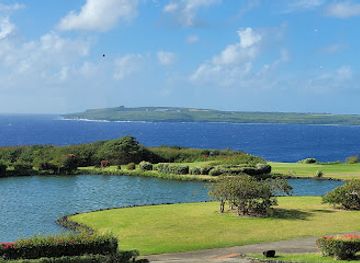
Kagman’s attractions are primarily coastal, archaeological and natural rather than urban. Lau Lau Bay offers a sheltered setting associated with snorkelling and diving, with coral and marine life visible when conditions are suitable. The rugged route towards Forbidden Island leads to one of Saipan’s best-known natural viewpoints, although the walk involves uneven ground, exposure and changing surf. Tank Beach combines a quiet stretch of coast with reminders of the 1944 Battle of Saipan, including wartime remains in the wider area. The Kagman archaeological landscape adds a deeper dimension, linking the peninsula with ancient Chamorro settlement and latte culture. Travellers can also use the district as a starting point for exploring the rest of Saipan, including Mount Tapochau, the highest point on the island, and western-coast memorials and beaches. Because many sites are open-air and lightly developed, weather, footwear, water and transport planning are important parts of the sightseeing experience.
-
 Resort hotel
Saipan World Resort
Discover the serene beauty and vibrant adventures at Saipan World Resort, your ultimate tropical escape in the Northern Mariana Islands.
14 min drive · 4.6 km from city centre
-
Tourist attraction
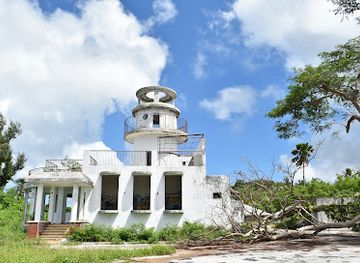
Japanese Lighthouse
Explore the stunning Japanese Lighthouse in Saipan, a historical gem offering breathtaking ocean views and rich maritime heritage.
8 min drive · 2.6 km from city centre
-
Tourist attraction
NMI Museum of History and Culture
Explore the captivating history and vibrant culture of the Northern Mariana Islands at the NMI Museum of History and Culture in Saipan.
6 min drive · 2.1 km from city centre
-
Tourist attraction
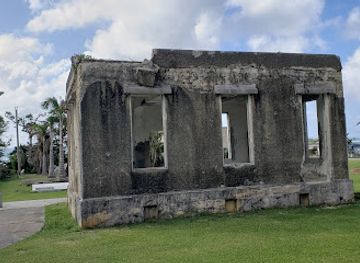
Old Japanese Jail
Discover the Old Japanese Jail in Saipan, a historical landmark offering insights into the island's colonial past and rich cultural heritage.
6 min drive · 2.0 km from city centre
Best landmarks in Kagman
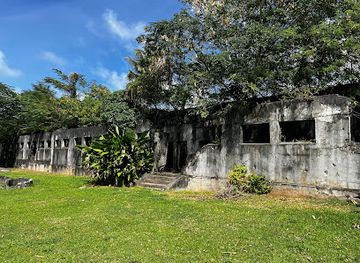
Kagman’s most significant landmarks are tied to ancient settlement and the island’s wartime landscape. Archaeological remains associated with latte culture connect the district to the ancient Chamorro communities that developed distinctive stone architecture across the Marianas. Along the coast and inland roads, surviving Japanese and American military structures, including bunkers and damaged vehicles in parts of Saipan, reflect the island’s role in the 1944 Pacific campaign; individual remains should be treated as historic sites rather than climbed or disturbed. Across the wider island, Mount Tapochau provides a geographical landmark and broad views over Saipan, while memorials and historic sites around the western and northern coasts give the battle’s human consequences a visible setting. The contrast between ancient stonework, tropical limestone terrain and twentieth-century military remains defines Kagman’s historical character.
-
Memorial park
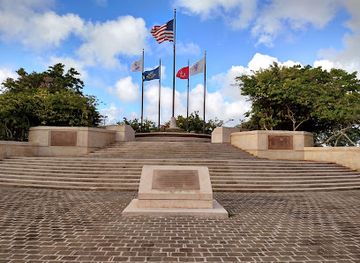
American Memorial Park
Explore American Memorial Park in Saipan, a serene memorial honoring WWII sacrifices amidst stunning natural beauty and recreation opportunities.
10 min drive · 3.4 km from city centre
-
Golf course
LaoLao Bay Golf & Resort
Experience the ultimate golf getaway at LaoLao Bay Golf & Resort in Saipan, where stunning ocean views meet luxury accommodations and exceptional service.
16 min drive · 5.2 km from city centre
-
Cafe
The Shack, Saipan
Experience the vibrant flavors of Saipan at The Shack, a cozy café offering delicious breakfast and lunch, including their famous crepes.
10 min drive · 3.4 km from city centre
-
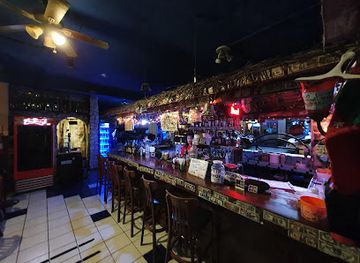
Bar
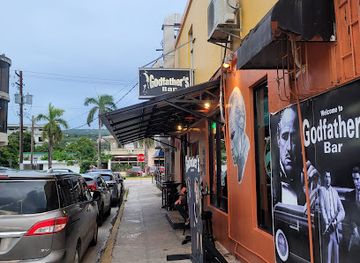
Godfather's Bar
Experience the lively nightlife of Saipan at Godfather's Bar, where delicious drinks and local culture meet in a vibrant setting.
10 min drive · 3.2 km from city centre
Explore Kagman on the map
Plan your Kagman trip on one map. See where the top attractions, landmarks, restaurants, bars and hotels are, find what's near where you're staying, and book hotels and experiences in a few clicks.
Best hotels in Kagman
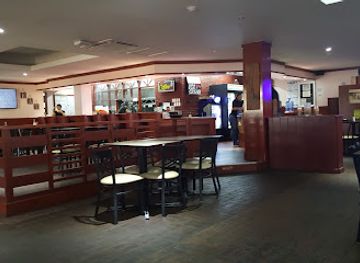
Best restaurants in Kagman
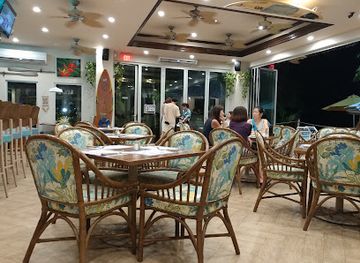
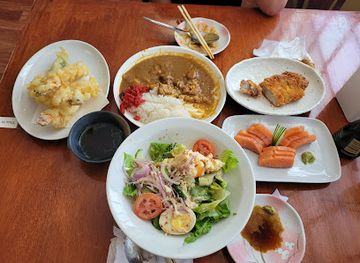
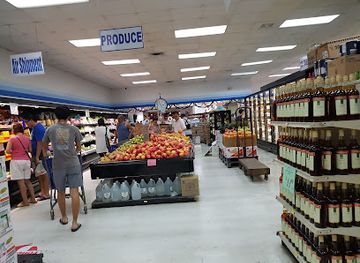
Kagman has a more limited dining scene than Garapan and other western Saipan settlements, so visitors staying in the district often combine local meals with trips across the island. Chamorro cooking is central to the Saipan experience, with dishes such as kelaguen, a citrus-marinated preparation commonly made with chicken, seafood or other protein, red rice, titiyas flatbread and finadene, a sharp chilli-and-soy condiment. Carolinian influences also form part of the island’s wider food culture. Casual eateries, family-run restaurants, cafés and food counters around Saipan provide opportunities to sample these flavours alongside American and East Asian dishes shaped by the Northern Mariana Islands’ history and regional connections. Fresh seafood, grilled foods and practical takeaway meals suit days spent on the coast, while larger supermarkets are useful for picnics and self-catering when exploring Kagman’s less serviced roads.
-
Restaurant
Surf Club Saipan Restaurant
Discover flavorful dishes at Surf Club Saipan Restaurant – where island culture meets culinary excellence in a breathtaking setting.
17 min drive · 5.7 km from city centre
-
Restaurant
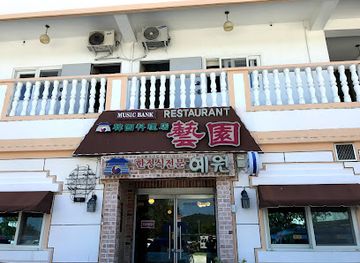
Yewon Restaurant
Experience authentic Northern Mariana Islands cuisine at Yewon Restaurant in Saipan - where every meal is a celebration of local flavors.
9 min drive · 3.2 km from city centre
-
Restaurant
J's Restaurant
Discover the authentic taste of Saipan at J's Restaurant – where local flavors meet international cuisine in an inviting atmosphere.
5 min drive · 1.5 km from city centre
-
Restaurant
Himawari Restaurant
Experience authentic Chamorro and Japanese cuisine at Himawari Restaurant in Saipan - a culinary gem for every traveler.
8 min drive · 2.7 km from city centre
Best bars in Kagman
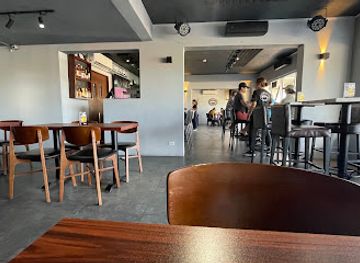
Kagman itself is quiet after dark, with evening life centred more on residential communities and accommodation than on a dedicated bar district. The wider Saipan nightlife scene is concentrated mainly around Garapan, where visitors find hotel bars, casual drinking venues, karaoke and occasional live entertainment rather than a large club circuit. Evenings may also include cultural performances or organised entertainment linked to resorts, although schedules vary. The island’s small scale makes it possible to travel from Kagman to western Saipan for dinner and drinks, but a designated driver or pre-arranged taxi is important because roads can be dark and public transport is limited. Respectful behaviour matters in local communities, and visitors should remember that Saipan’s nightlife is generally more relaxed and compact than that of a major mainland city.
-
Bar
Godfather's Bar
Experience the lively nightlife at Godfather's Bar in Saipan, where great drinks and live music create unforgettable memories.
10 min drive · 3.2 km from city centre
-
Restaurant
Naked Fish Bar & Grill
Experience the vibrant culinary scene of Saipan at Naked Fish Bar & Grill, where fresh seafood meets live music and a welcoming atmosphere.
10 min drive · 3.4 km from city centre
-
Grill
Jonny's Bar & Grill
Experience the lively atmosphere and delicious grilled dishes at Jonny's Bar & Grill in Saipan, a hotspot for tourists and locals alike.
10 min drive · 3.2 km from city centre
-
Grill
True North Bar And Grill
Savor the essence of Saipan at True North Bar And Grill, where local flavors meet a vibrant dining experience.
6 min drive · 2.1 km from city centre


Best nightclubs in Kagman
Kagman itself is quiet after dark, with evening life centred more on residential communities and accommodation than on a dedicated bar district. The wider Saipan nightlife scene is concentrated mainly around Garapan, where visitors find hotel bars, casual drinking venues, karaoke and occasional live entertainment rather than a large club circuit. Evenings may also include cultural performances or organised entertainment linked to resorts, although schedules vary. The island’s small scale makes it possible to travel from Kagman to western Saipan for dinner and drinks, but a designated driver or pre-arranged taxi is important because roads can be dark and public transport is limited. Respectful behaviour matters in local communities, and visitors should remember that Saipan’s nightlife is generally more relaxed and compact than that of a major mainland city.
-
Bar
Godfather's Bar
Experience the vibrant nightlife at Godfather's Bar in Garapan, Saipan - where great drinks and a friendly atmosphere await.
10 min drive · 3.2 km from city centre
-
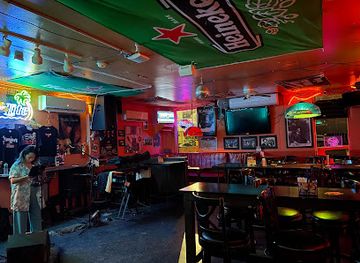
Grill
Jonny's Bar & Grill
Discover the lively atmosphere of Jonny's Bar & Grill in Saipan, where delicious grilled dishes meet vibrant sports entertainment.
10 min drive · 3.2 km from city centre
-
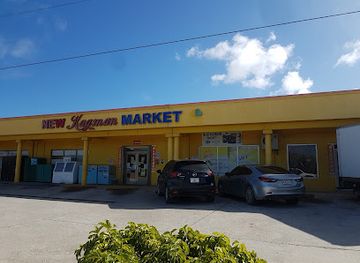
Market
Kagman Market
Explore Kagman Market in Saipan for fresh produce, local delicacies, and a lively cultural experience that showcases the spirit of the Northern Mariana Islands.
14 min drive · 4.5 km from city centre
-
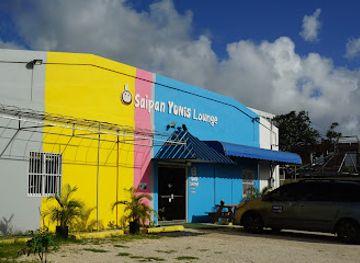
Lounge
Saipan Yunis Lounge 사이판 유니스 라운지
Experience the vibrant atmosphere and local flavors at Saipan Yunis Lounge, a must-visit destination in Garapan, Northern Mariana Islands.
7 min drive · 2.4 km from city centre

Best shops in Kagman
Shopping in Kagman is limited and practical, with the broadest choice of supermarkets, convenience stores, pharmacies and visitor-oriented retail found elsewhere on Saipan, particularly around Garapan and the island’s larger settlements. Visitors looking for local products can seek Chamorro and Carolinian handicrafts, woven items, shell-based souvenirs where legally sourced, locally produced foods and artwork reflecting the islands’ Pacific identity. Markets and small shops vary in their stock, so it is sensible to distinguish genuinely locally made goods from imported souvenirs. Garapan’s commercial area provides more opportunities for gifts, clothing and everyday supplies, while supermarkets across Saipan are useful for beach picnics and self-catering in Kagman. Do not remove archaeological material, coral, shells or historic fragments from beaches or heritage sites, and check applicable rules before taking natural products home.
-
Souvenir store
I Love Saipan
Explore I Love Saipan: The ultimate souvenir store for unique gifts and local crafts that embody the spirit of the Northern Mariana Islands.
9 min drive · 3.0 km from city centre
-
Grocery store
JOETEN HAFA ADAI SHOPPING CENTER
Explore local flavors and essentials at Joeten Hafa Adai Shopping Center in Garapan, a must-visit for cultural immersion and everyday shopping.
9 min drive · 3.0 km from city centre
-
Warehouse store
Joeten Superstore
Experience the best of Saipan at Joeten Superstore, your one-stop destination for local products and everyday essentials.
8 min drive · 2.8 km from city centre
-
Outlet store
I Love Saipan Outlet Store, Middle Road
Explore I Love Saipan Outlet Store for unbeatable deals on clothing, furniture, and home goods in the heart of Saipan.
7 min drive · 2.4 km from city centre
Get your free copy of our complete guide to Kagman, delivered straight to you.
Everything on this page, from attractions and restaurants to essentials and local phrases, in one PDF you can read offline, print or share.
Already have an account? Sign in
Your Kagman guide is ready.
We'll send it to · Not you? Sign out

Getting your guide ready…
We are putting together a fresh copy of the Kagman guide. This can take up to a minute.
This can take a few moments. If your browser asks, choose Allow so the download can start. You'll find the guide in your Downloads folder.
Nothing happened? Download it again
Sorry, the guide is taking longer than usual. Please try again in a minute, or get it by email instead.
Kagman essentials
Currency and Payment
Safety
Emergency Situations
Do's and Don'ts
Local Tips
From Eve
Local phrases worth knowing
You don't need to get them perfect. A few words go a long way, and locals appreciate the effort.
Basics
| English | Local | Say it |
|---|---|---|
| Hello | Håfa Adai | [HA-fa a-DYE] |
| Goodbye | Adios | [a-DYOS] |
| Yes | Hågu | [HA-goo] |
| No | Ti | [TEE] |
| Please/You're welcome | Porfabor | [por-FA-bor] |
| Thank you | Si Yu'us Ma'ase | [see YOO-oos ma-AH-se] |
| Excuse me/Sorry | Dispensa | [dis-PEN-sa] |
| How are you? | Kao fa'nu | [KOW fa-NOO] |
| Fine. And you? | Buenas. Yan yu? | [BWE-nas. yan yoo] |
| Do you speak English? | Kao hu tautau Ingles? | [KOW hoo tau-TAU ing-gles] |
| I don't understand | Ti hu fa'nu | [TEE hoo fa-NOO] |
Eating & Drinking
| English | Local | Say it |
|---|---|---|
| I'd like to see the menu, please | Ha'u humanta i menyu, porfabor | [HA-oo hoo-MAN-ta ee MEN-yoo, por-FA-bor] |
| I don't eat meat | Ti ha'u kumuentos | [TEE HA-oo koo-men-TOS] |
| Cheers! | Biba! | [BEE-ba] |
| I would like to pay, please | Ha'u guma'si, porfabor | [HA-oo goo-MA-see, por-FA-bor] |
Emergencies
| English | Local | Say it |
|---|---|---|
| Help! | Ayuda! | [ah-YOO-da] |
| Go away! | Fumatgue! | [foo-ma-GWE] |
| Call the Police! | Llama i Polisia! | [YAM-ma ee po-lee-SEE-ya] |
| Call a doctor! | Llama i manmaga'lahi! | [YAM-ma ee man-ma-ga-la-HEE] |
| I'm lost | Ti ha'u funda | [TEE HA-oo FOON-da] |
| I'm ill | Ti ha'u maga'lahi | [TEE HA-oo ma-ga-LA-hee] |
Shopping
| English | Local | Say it |
|---|---|---|
| I'd like to buy... | Ha'u humi... | [HA-oo hoo-MEE] |
| I'm just looking | Ha'u dumide | [HA-oo doo-MEE-de] |
| How much is it? | Kao gaige? | [KOW GAI-ge] |
| That's too expensive | Makalodo i presiu | [ma-ka-LO-do ee pre-SEE-oo] |
| Can you lower the price? | Mumu'os i presiu? | [moo-MOO-oos ee pre-SEE-oo] |
Time & Numbers
| English | Local | Say it |
|---|---|---|
| What time is it? | Kao gi ora? | [KOW gee O-ra] |
| It's one o'clock | I ora bente | [ee O-ra BEN-te] |
| Half past (10) | Guma'ok i dies | [goo-MA-ok ee dees] |
| Morning | Maga'na | [ma-ga-NA] |
| Afternoon | Tarde | [TAR-de] |
| Evening | Guefi | [GWE-fee] |
| Yesterday | Kålan manana | [KAH-lan ma-NA-na] |
| Today | Kålanjo | [KAH-lan-jo] |
| Tomorrow | Kålan mafana | [KAH-lan ma-FA-na] |
| 1 | Uno | [OO-no] |
| 2 | Dos | [DOS] |
| 3 | Tres | [TRES] |
| 4 | Kuatro | [KWA-tro] |
| 5 | Singko | [SING-ko] |
| 6 | Sais | [SICE] |
| 7 | Siete | [SYET-te] |
| 8 | Ocho | [OH-cho] |
| 9 | Nwebe | [NWE-be] |
| 10 | Dies | [DEES] |
Transport & Directions
| English | Local | Say it |
|---|---|---|
| Where's a/the...? | Enao i... | [en-NOW ee] |
| What's the address? | Kao gi direksion? | [KOW gee dee-rek-see-YON] |
| Can you show me (on the map)? | Mumu'os i mapanu? | [moo-MOO-oos ee ma-PA-noo] |
| When's the next (bus)? | Kao gi ora i siguiente (bus)? | [KOW gee O-ra ee see-GWEN-teh (bus)] |
| A ticket (to ....) | Un biaje (para ....) | [oon bee-A-heh (PA-ra)] |
History of Kagman
Ancient Chamorro Settlement
The Mariana Islands were settled by Austronesian seafarers more than three thousand years ago, and Saipan developed a distinctive Chamorro society long before European contact. Kagman lies within an area known for archaeological remains associated with this pre-colonial past, including latte architecture: paired stone pillars and capstones that supported important structures. These sites indicate organised communities with deep knowledge of ocean travel, agriculture and island resources. Archaeological evidence from the Kagman area is particularly valuable because it helps place the district within the wider settlement history of Saipan, rather than presenting its coastal landscape as uninhabited wilderness.
Spanish Rule and Chamorro Disruption
Spanish influence reached the Marianas in the sixteenth century, followed by sustained colonial control from the late seventeenth century. Missionisation, disease, forced relocation and resistance severely disrupted Chamorro communities across the islands. Saipan’s population and settlement patterns changed considerably during this period, while Catholic traditions became an enduring part of Chamorro cultural life. Kagman’s archaeological landscape belongs to the earlier history of the island, but the district, like the rest of Saipan, was subsequently shaped by the demographic and social consequences of Spanish rule.
German and Japanese Administration
Spain sold the Northern Mariana Islands to Germany in 1899, and German administration lasted until the First World War, when Japan took control under a League of Nations mandate. Japanese rule brought commercial agriculture, immigration and new infrastructure to Saipan, particularly through the expansion of sugar production. Japanese settlers and workers formed a large part of the island’s population, while Chamorro and Carolinian communities continued to maintain their own cultural identities. The plantation economy and wartime development left traces across Saipan, although Kagman remains more closely associated with rural land and coastal settlement than with the island’s former administrative centre.
Saipan in the Second World War
Saipan became a major Pacific battlefield in 1944, when United States forces invaded the Japanese-held island. Fighting caused extensive destruction and profound civilian suffering, and the battle’s outcome helped bring the Mariana Islands into the strategic range of American bomber forces. Beaches and roads around Saipan, including areas near Kagman, formed part of the wartime landscape of landings, defence positions and movement across the island. Remains such as bunkers, tanks and other fragments are best understood alongside the island’s memorials and museums, which document the experiences of Chamorro, Carolinian, Japanese and American participants.
Commonwealth Life and Cultural Continuity
After the war, Saipan was administered by the United States through the Trust Territory of the Pacific Islands. The Northern Mariana Islands entered into a covenant with the United States in 1975 and became a commonwealth in political union with it in 1978. Saipan subsequently developed as the territory’s administrative and economic centre, with tourism, garment manufacturing and public-sector employment influencing the island’s modern landscape. Kagman has retained a quieter, more open character, while contemporary community life continues to reflect Chamorro and Carolinian heritage, Catholic practice, Pacific family networks and the layered history visible in archaeological and wartime sites.
Kagman in Photos
Browse through our photo collection highlighting the charm and character of the destination.
Cities near Kagman
The closest cities to Kagman, if you have time for more than one stop.
-
-
-

-

-


Swipe for more cities
Explore more

Explore more of Northern Mariana Islands
Uncover the beauty of Northern Mariana Islands, a tropical paradise with stunning beaches, rich history, and diverse cultures, perfect for a serene and adventurous getaway.
Explore Northern Mariana Islands