

Northern Islands, Northern Mariana Islands Travel Guide
Discover the untouched beauty and rich cultural heritage of the Northern Islands in the Northern Mariana Islands, a perfect destination for adventure and relaxation.
The Northern Islands in the Northern Mariana Islands are a collection of volcanic islands that offer unspoiled natural beauty. These islands are less frequented than other tourist destinations, making them perfect for those seeking solitude and adventure. The landscape is dominated by lush forests, pristine beaches, and striking volcanic features. As you explore the Northern Islands, you'll find an array of outdoor activities to enjoy. Snorkeling and diving are popular, thanks to the rich marine life and clear waters. Hiking enthusiasts will appreciate the trails that wind through the islands, offering stunning views of the ocean and surrounding landscapes. The islands are also a haven for bird watchers, with numerous species native to the region. Cultural experiences are abundant as well. The islands are home to ancient Chamorro heritage sites, where you can learn about the history and traditions of the indigenous people. Local guides are often available to provide insights and stories about the islands' past and present. Whether you're looking for adventure, relaxation, or a bit of both, the Northern Islands in the Northern Mariana Islands offer a unique and enriching travel experience.

Know before you go
Hi, I'm Eve. Here are a few practical things to know before exploring Northern Islands.
- Travel light: Many of the islands are remote and may have limited access to amenities.
- Local guides: Hire local guides to gain deeper insights into the islands' history and culture.
- Respect nature: Follow local guidelines to protect the pristine environment and wildlife.
- Pack essentials: Bring necessary items like sunscreen, insect repellent, and comfortable hiking shoes.
- Weather awareness: Check the weather forecast before planning outdoor activities, as conditions can change rapidly.
Top City Travel Guides in Northern Islands
The cities of Northern Islands, and the easiest places to base yourself.


Destinations in Northern Islands
Resorts, valleys and scenic spots worth a trip of their own.


Best restaurants in Northern Islands
Top-rated picks
Best Restaurants

Surf Club Saipan Restaurant
Discover culinary delights at Surf Club Saipan Restaurant, where local flavors meet stunning ocean views in the heart of Northern Mariana Islands.

The Shack, Saipan
Discover delicious meals at The Shack in Saipan - your ultimate destination for breakfast and lunch with a beachside vibe.

J's Restaurant
Discover delicious local and international cuisine at J's Restaurant in Capitol Hill, Saipan – where every meal is a celebration of flavor.

Loco Taco
Discover authentic Mexican cuisine at Loco Taco in Garapan – where every bite takes you on a flavorful journey!

Best bars in Northern Islands
Top-rated picks
Best Bars

Surf Club Saipan Restaurant
Experience the best of Saipan dining at Surf Club Saipan Restaurant, where local flavors meet oceanfront bliss.

The Shack, Saipan
Experience local flavors at The Shack in Saipan, offering delicious crepes, breakfast, and lunch in a cozy beachfront setting.

Godfather's Bar
Discover the vibrant nightlife of Saipan at Godfather's Bar, a lively spot for drinks, live music, and unforgettable experiences.

AB Wild Bill's Bar & Grill
Discover a culinary adventure at AB Wild Bill's Bar & Grill, where diverse flavors meet a lively atmosphere in Saipan.

Best nightclubs in Northern Islands
Top-rated picks
Best Nightclubs

Pacific Islands Club Saipan
Experience the ultimate tropical retreat at Pacific Islands Club Saipan, where adventure meets relaxation in the Northern Mariana Islands.
Aqua Resort Club Saipan
Explore the serene beauty of Aqua Resort Club Saipan, where luxury meets nature in a stunning tropical setting.

Surf Club Saipan Restaurant
Experience the flavors of the Northern Mariana Islands at Surf Club Saipan, where delicious dining meets stunning ocean views.

Godfather's Bar
Experience the vibrant nightlife of Saipan at Godfather's Bar, where great drinks and live music create unforgettable memories.

Best shops in Northern Islands
Top-rated picks
Best Shops

JOETEN HAFA ADAI SHOPPING CENTER
Explore the local flavors and products at Joeten Hafa Adai Shopping Center in Saipan, your gateway to the Northern Mariana Islands' culinary delights.

Joeten Superstore
Discover Joeten Superstore in Saipan: A shopper's paradise with local flavors, essentials, and a delightful variety of goods.

I Love Saipan Outlet Store, Middle Road
Discover unbeatable deals and a delightful shopping experience at I Love Saipan Outlet Store, your go-to destination for clothing, home goods, and more!

Marianas Creations
Discover a unique blend of artistry and refreshment at Marianas Creations, your go-to gift shop and art cafe in Saipan.

Explore Northern Islands on the Map
A handpicked selection of must-see spots in Northern Islands, mapped for you.
Northern Islands Essentials
-
The Northern Islands in the Northern Mariana Islands are primarily accessible via air travel. The primary gateway is Saipan International Airport (SPN), located on the island of Saipan. From Saipan, you can take a domestic flight operated by regional airlines to the Northern Islands. Alternatively, there are occasional ferry services, but these are less reliable and subject to weather conditions.
-
Transportation options within the Northern Islands are limited. The primary mode of transport is by small boats, which are used for inter-island travel. On the islands themselves, walking is often the most practical way to get around due to the small size of many of the islands. In some areas, you can also find bicycles and scooters for rent. Be sure to plan your logistics in advance, as public transportation is not widely available.
-
The official currency is the United States Dollar (USD). Credit cards are accepted in larger establishments, but cash is preferred in smaller shops and remote areas. ATMs are scarce on the Northern Islands, so it's advisable to withdraw sufficient cash in Saipan before traveling. Carry small denominations for easier transactions.
-
The Northern Islands are generally safe for tourists. However, standard precautions should be taken, such as not leaving belongings unattended and avoiding isolated areas at night. Crime rates are low, but it's always wise to stay vigilant. There are no specific high-crime areas targeting tourists, but natural hazards like strong currents and rough terrain can pose risks, so exercise caution.
-
In case of an emergency, dial 911 for immediate assistance. Medical services are limited on the Northern Islands, so it's recommended to have comprehensive travel insurance that covers medical emergencies. For minor health issues, basic medical supplies should be carried with you. The nearest fully-equipped hospital is on Saipan, so consider this when planning your trip.
-
Fashion: Do wear lightweight, breathable clothing suitable for tropical weather. Avoid overly revealing attire, especially in more traditional areas. Religion: Do respect local customs and traditions. Some islands have sacred sites where modest attire is required. Public Transport: Do plan your transport in advance. Don't rely on public transport, as it is virtually non-existent. Greetings: Do greet locals with a friendly 'hello' or a slight nod. Formal greetings are not typically necessary. Eating & Drinking: Do try local dishes and fresh seafood. Don't refuse food or drink if offered by a local, as it can be seen as impolite.
-
To experience the Northern Islands like a local, engage with residents and participate in traditional activities. Visit local markets to purchase fresh produce and handmade crafts. Take the opportunity to learn about the unique history and culture of each island. Don't miss exploring the pristine beaches and enjoying water activities such as snorkeling and diving to fully appreciate the natural beauty of the region.
When is the best time to visit Northern Islands?
Useful Local Phrases for Northern Islands
You don't need to speak the language perfectly. Even learning a few simple words can make conversations warmer—and locals usually appreciate the effort.
— Eve

Here are the phrases I use most often in Northern Islands. Try a few—you'll be surprised how far they go! 😊
❤️
-
- HelloHafa adai
[Hah-fah ah-dai] - GoodbyeAheh
[Ah-heh] - YesBai
[Bye] - NoSike
[See-keh] - Please/You're welcomeSuing
[Soo-ing] - Thank youSi Yu'os Ma'ase
[See Yoo-os Mah-ah-seh] - Excuse me/SorryDispensa
[Dees-pen-sah] - How are you?Mångge siha?
[Mahng-geh see-hah] - Fine. And you?Mañaina. Si yu'?
[Mah-nai-nah. See yoo?] - Do you speak English?Kao na' fanhasso Ingles?
[Kah-oh nah fan-hah-so In-glez] - I don't understandTi usi na' fanhasso
[Tee oo-see nah fan-hah-so]
- HelloHafa adai
-
- I'd like to see the menu, pleaseHu na' guaiya i menu, please
[Hoo nah gwai-yah ee meh-noo, please] - I don't eat meatTi guaiya i karne
[Tee gwai-yah ee kar-neh] - Cheers!Prost!
[Prohst] - I would like to pay, pleaseHu na' guaiya na' pay, please
[Hoo nah gwai-yah nah pay, please]
- I'd like to see the menu, pleaseHu na' guaiya i menu, please
-
- Help!Tulong!
[Too-long] - Go away!Sige, i chålek!
[See-geh, ee chah-lek] - Call the Police!Riku i Policía!
[Ree-koo ee Poh-lee-see-ah] - Call a doctor!Riku un doktu!
[Ree-koo oon dok-too] - I'm lostHu na' chumo' na
[Hoo nah choo-mo nah] - I'm illHu na' malångu
[Hoo nah mah-lah-ngoo]
- Help!Tulong!
-
- I'd like to buy...Hu na' guaiya na' pruta...
[Hoo nah gwai-yah nah proo-tah] - I'm just lookingHu na' mira
[Hoo nah mee-rah] - How much is it?Hu na' guaiya i månnge?
[Hoo nah gwai-yah ee mahn-geh] - That's too expensiveLao siha na' manhålay
[Lah-oh see-hah nah man-hah-lie] - Can you lower the price?Kao na' guaiya i pruta?
[Kah-oh nah gwai-yah ee proo-tah]
- I'd like to buy...Hu na' guaiya na' pruta...
-
- What time is it?Kao månnge i tiempo?
[Kah-oh mahn-geh ee tee-em-poh] - It's one o'clockEsa i uno
[Eh-sah ee oo-no] - Half past (10)Månnge dos na' guatu
[Mahn-geh dos nah gwah-too] - MorningMañåna
[Mah-nah-nah] - AfternoonPangul
[Pahn-gool] - EveningMånnge
[Mahn-geh] - YesterdayHåfa na' ma na'
[Hah-fah nah mah nah] - TodayI na' åto
[Ee nah ah-toh] - TomorrowI na' chumo'
[Ee nah choo-moh] - 1Uno
[Oo-no] - 2Dos
[Dohs] - 3Tres
[Tress] - 4Kåtro
[Kah-troh] - 5Sinko
[Seen-koh] - 6Sais
[Sah-ees] - 7Siete
[See-eh-teh] - 8Ocho
[Oh-cho] - 9Nueve
[Nweh-veh] - 10Diez
[Dyez]
- What time is it?Kao månnge i tiempo?
-
- Where's a/the...?Kao i...?
[Kah-oh ee...?] - What's the address?Kao i adres?
[Kah-oh ee ah-dress?] - Can you show me (on the map)?Kao na' guaiya i mapa?
[Kah-oh nah gwai-yah ee mah-pah?] - When's the next (bus)?Kao månnge i mas i (bus)?
[Kah-oh mahn-geh ee mahs ee (bus)?] - A ticket (to ....)Un tikita (para ...)
[Oon tee-kee-tah (pah-rah ...)]
- Where's a/the...?Kao i...?
History of Northern Islands
-
The Northern Islands of the Northern Mariana Islands were originally settled by the Chamorro people around 1500 BC. These ancient settlers were skilled navigators and fishermen who built latte stone pillars, which served as the foundations for their homes and community structures. The Chamorro culture thrived for centuries, developing a rich tradition of storytelling, dance, and craftsmanship that is still evident in the region today.
-
In the 16th century, the Northern Islands came under Spanish control following the expedition of Ferdinand Magellan in 1521. The Spanish colonization led to significant changes in the local culture, including the introduction of Christianity. The islands were named 'Las Islas de los Ladrones' by the Spaniards, later renamed 'Islas Marianas' in honor of Queen Mariana of Austria. The Spanish influence is still visible in the local architecture and religious practices.
-
Following the Spanish-American War in 1898, Spain sold the Northern Mariana Islands to Germany in 1899. The German administration focused on developing the islands' copra industry, establishing plantations, and building infrastructure. This period brought new economic opportunities and a different administrative style, which left a lasting impact on the islands' development.
-
In 1914, during World War I, Japan took control of the Northern Islands from Germany. The Japanese administration significantly altered the islands' landscape by introducing sugarcane plantations, improving infrastructure, and promoting Japanese culture and education. The Japanese occupation lasted until the end of World War II and left a profound influence on the local culture and economy.
-
The Northern Islands played a crucial role during World War II, particularly during the Battle of Saipan in 1944. This battle was one of the most significant in the Pacific Theater, leading to the eventual defeat of Japanese forces. The aftermath of the war saw the islands come under the administration of the United States as part of the Trust Territory of the Pacific Islands.
-
After World War II, the Northern Mariana Islands became part of the Trust Territory of the Pacific Islands, administered by the United States. In 1975, the residents voted to become a Commonwealth in political union with the U.S., leading to the establishment of the Commonwealth of the Northern Mariana Islands (CNMI) in 1978. This political change brought increased autonomy and economic development, while also preserving local customs and traditions.
-
Today, the Northern Islands of the Northern Mariana Islands are a unique blend of ancient Chamorro traditions and influences from Spanish, German, Japanese, and American administrations. The islands celebrate their diverse heritage through festivals, traditional crafts, and preservation of historical sites. Visitors can explore ancient latte stone sites, World War II relics, and enjoy the vibrant local culture that continues to thrive amidst the natural beauty of the islands.
Neighbouring Regions of Northern Islands
The closest regions to Northern Islands, if you have time for more than one.


Your all‑in‑one travel companion app
Explore expert travel guides, compare and book tours, experiences, hotels, and more—all from the palm of your hand. Download now for seamless trip planning wherever your wanderlust takes you.


Explore More of Northern Mariana Islands

Looking beyond Northern Islands? Discover Northern Mariana Islands for broader travel guides, local hot-spots, and regional highlights.
Explore Northern Mariana IslandsNorthern Islands in Photos
Browse through our photo collection highlighting the charm and character of the destination.


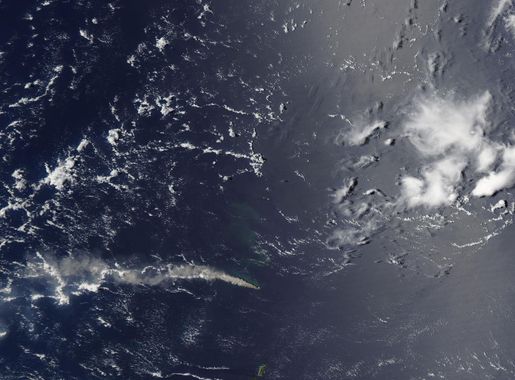
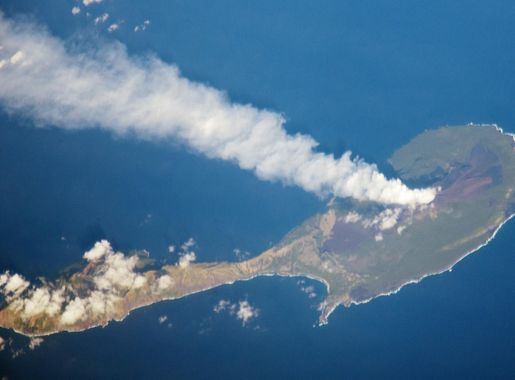


The Northern Islands of the Northern Mariana Islands: Untouched Paradise
The Northern Islands in the Northern Mariana Islands are a collection of volcanic islands that offer unspoiled natural beauty. These islands are less frequented than other tourist destinations, making them perfect for those seeking solitude and adventure. The landscape is dominated by lush forests, pristine beaches, and striking volcanic features. As you explore the Northern Islands, you'll find an array of outdoor activities to enjoy. Snorkeling and diving are popular, thanks to the rich marine life and clear waters. Hiking enthusiasts will appreciate the trails that wind through the islands, offering stunning views of the ocean and surrounding landscapes. The islands are also a haven for bird watchers, with numerous species native to the region. Cultural experiences are abundant as well. The islands are home to ancient Chamorro heritage sites, where you can learn about the history and traditions of the indigenous people. Local guides are often available to provide insights and stories about the islands' past and present. Whether you're looking for adventure, relaxation, or a bit of both, the Northern Islands in the Northern Mariana Islands offer a unique and enriching travel experience.