

Free Rota Travel Guide & Mobile App
Explore Rota with free travel guides. Discover regional history, expert tips, proposed trips, and audio guides on web or mobile app.


Discover Rota, the 'Friendly Island' of the Northern Mariana Islands, where pristine beaches, lush forests, and rich history await your exploration.
Read more about Rota
When is the best time to visit Rota?
Best: January–March · 29–30°C| Month | High (°C) | Rainfall (mm) |
|---|---|---|
| January (best) | 29 | 90 |
| February (best) | 29 | 80 |
| March (best) | 30 | 100 |
| April | 30 | 110 |
| May | 31 | 120 |
| June | 31 | 140 |
| July | 31 | 150 |
| August | 31 | 160 |
| September | 31 | 170 |
| October | 31 | 160 |
| November | 30 | 140 |
| December | 30 | 120 |
Getting to and around Rota
How to get there
Transportation
Best attractions in Rota
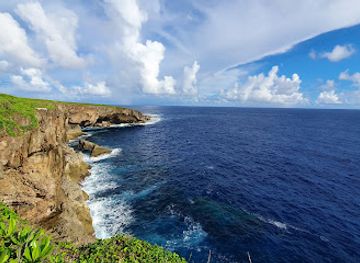
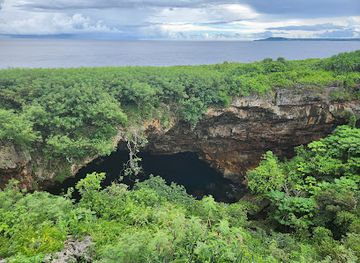
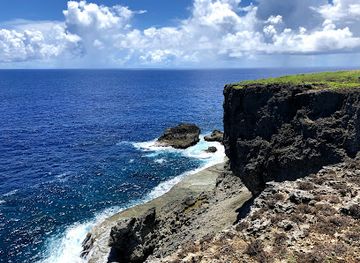
Rota, a hidden gem in the Northern Mariana Islands, offers an enchanting blend of natural beauty and historical intrigue. Visitors can explore the stunning Blue Grotto, an underwater cave with crystal-clear waters perfect for snorkeling and diving. The island's lush jungles lead to the ancient Latte Stone Quarry, where massive stone pillars stand as remnants of the Chamorro's ancestral past. Bird-watching enthusiasts will be thrilled by the diversity of avian species at the Sabana Conservation Area, while history buffs can visit the remnants of World War II at the Japanese Cannon site. For a relaxing day, unwind at the pristine, white-sanded Teteto Beach, where the turquoise waters and serene surroundings provide the perfect escape.
-
Tourist attraction
Banzai Cliff Monument
Discover the breathtaking views and historical significance of Banzai Cliff Monument in Saipan, where nature meets poignant history.
-
Tourist attraction
The Grotto
Explore The Grotto, a stunning marine sanctuary in Saipan, where adventure meets breathtaking natural beauty and vibrant marine life awaits.
-
Memorial park
American Memorial Park
Discover the serene beauty and historical significance of American Memorial Park, a tribute to the heroes of World War II in Saipan's lush landscapes.
-
Historical landmark
Suicide Cliff
Explore Suicide Cliff in Saipan, a breathtaking historical landmark with stunning views and rich stories from the past.
Best landmarks in Rota
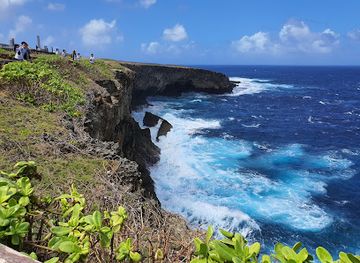
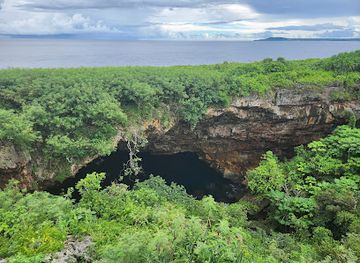
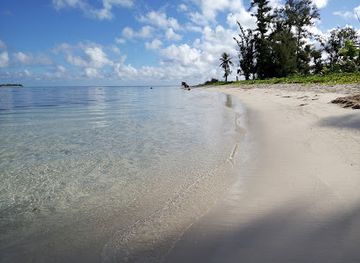
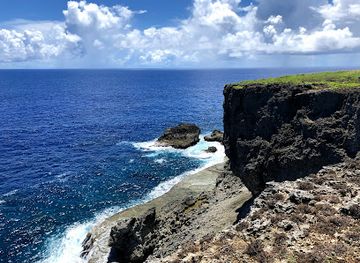
Rota, often referred to as the 'Peaceful Island,' offers a mesmerizing blend of natural beauty and historical intrigue that captivates every visitor. Adventurers can explore the Taga Latte Stone Quarry, home to ancient Chamorro pillars that whisper tales of a bygone era, or dive into the crystal-clear waters of the Blue Hole, a stunning underwater cave perfect for snorkeling and scuba diving. History enthusiasts will find the Japanese-era Shinto Shrine and the remnants of World War II fortifications fascinating, while nature lovers can hike to the serene Bird Sanctuary at Wedding Cake Mountain or relax on the pristine sands of Teteto Beach. Each landmark on this tranquil island invites you to uncover its unique story and experience the untouched charm of the Northern Mariana Islands.
-
Tourist attraction
Banzai Cliff Monument
Discover the profound history and breathtaking views at Banzai Cliff Monument, Saipan’s iconic tribute to resilience and beauty.
-
Tourist attraction
The Grotto
Explore the Grotto in Saipan – a stunning underwater paradise rich in marine life and breathtaking geological features.
-
Memorial park
American Memorial Park
Explore the hallowed grounds of American Memorial Park, a serene destination that commemorates wartime sacrifices amidst breathtaking natural beauty.
-
Historical landmark
Suicide Cliff
Explore the breathtaking views and poignant history at Suicide Cliff, a must-see landmark in Saipan, Northern Mariana Islands.
Explore Rota on the map
Plan your trip on one map. See where the top cities, national parks and sights are, and book hotels and experiences in a few clicks.
Best hotels in Rota
Best restaurants in Rota
Rota's dining scene is a hidden gem that offers a delightful blend of traditional Chamorro cuisine, fresh seafood, and international flavors, all set against the backdrop of this serene island paradise. Visitors can savor local favorites like kelaguen, a tangy dish made with chicken or seafood, and red rice infused with achiote. The island's eateries, ranging from charming beachfront shacks to cozy family-run restaurants, serve up the day's freshest catch, including succulent grilled fish and savory coconut-infused dishes. Don't miss the chance to try the island's unique take on barbecue, where meats are marinated in a tantalizing mix of soy sauce, vinegar, and local spices before being grilled to perfection. With a warm and welcoming atmosphere, Rota's culinary offerings are as unforgettable as its breathtaking landscapes.
-
Restaurant
Surf Club Saipan Restaurant
Discover culinary delights at Surf Club Saipan Restaurant - where ocean views meet delicious flavors on your tropical getaway.
-
Thai
Spicy Thai Noodle Place
Experience authentic Thai cuisine at Spicy Thai Noodle Place in Garapan – where every dish bursts with flavor and warmth.
-
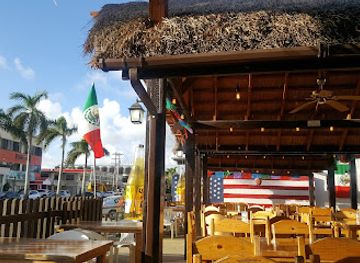
Mexican
Loco Taco
Discover authentic Mexican flavors at Loco Taco in Saipan - where every dish tells a story!
-
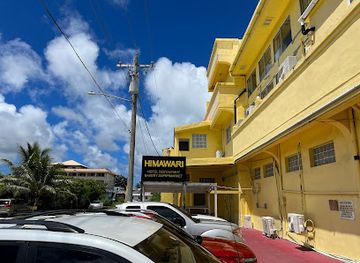
Restaurant
Himawari Restaurant
Discover authentic Japanese cuisine at Himawari Restaurant in Saipan - where every dish tells a story of tradition and flavor.


Best bars in Rota
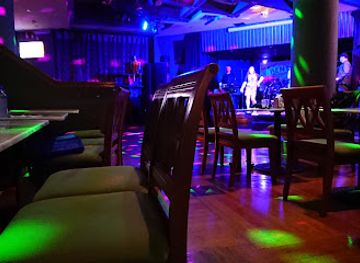
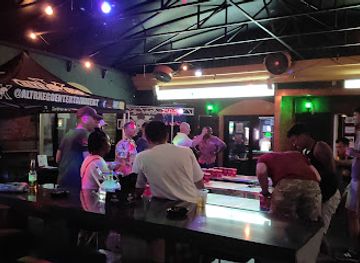
Rota's nightlife scene offers an enchanting blend of laid-back island vibes and cultural richness, perfect for travelers seeking an authentic and memorable experience. As the sun sets, the island's charming bars and local pubs come to life, inviting visitors to enjoy refreshing tropical cocktails while soaking in the warm, breezy ambiance. Many establishments feature live music, often showcasing local talent that plays everything from traditional Chamorro music to contemporary hits, creating a vibrant and lively atmosphere. The friendly locals are always eager to share stories and traditions, making every night an opportunity to connect with the island's unique heritage. Whether you're dancing under the stars at a beachside bar or enjoying a quiet drink with newfound friends, Rota's nightlife is a delightful mix of relaxation and cultural immersion.
-
 Hotel
HotelPacific Islands Club Saipan
Discover the ultimate tropical escape at Pacific Islands Club Saipan, featuring a water park, beachfront relaxation, and family-friendly fun.
-
Resort hotel
Kanoa Resort Saipan
Discover the serene beauty of Kanoa Resort Saipan, where luxury meets nature in the Northern Mariana Islands. A perfect getaway for relaxation and adventure.
-
Bar
Godfather's Bar
Discover the lively ambiance and refreshing drinks at Godfather's Bar in Garapan, a perfect spot for tourists to unwind and socialize in Saipan.
-
Grill
Oleai Beach Bar & Grill
Experience the ultimate beachfront dining at Oleai Beach Bar & Grill in Saipan, where delicious grilled cuisine meets breathtaking ocean views.

Best nightclubs in Rota
Rota's nightlife scene offers an enchanting blend of laid-back island vibes and cultural richness, perfect for travelers seeking an authentic and memorable experience. As the sun sets, the island's charming bars and local pubs come to life, inviting visitors to enjoy refreshing tropical cocktails while soaking in the warm, breezy ambiance. Many establishments feature live music, often showcasing local talent that plays everything from traditional Chamorro music to contemporary hits, creating a vibrant and lively atmosphere. The friendly locals are always eager to share stories and traditions, making every night an opportunity to connect with the island's unique heritage. Whether you're dancing under the stars at a beachside bar or enjoying a quiet drink with newfound friends, Rota's nightlife is a delightful mix of relaxation and cultural immersion.
-
Hotel
Coral Ocean Resort
Discover Coral Ocean Resort in Saipan, a luxurious hotel offering stunning ocean views, golf, and relaxing spa services for an unforgettable tropical getaway.
-
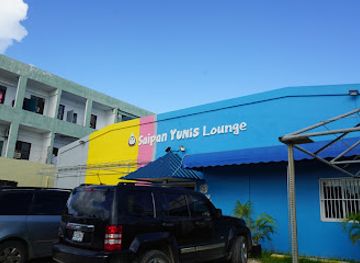
Lounge
Saipan Yunis Lounge 사이판 유니스 라운지
Discover the serene ambiance of Saipan Yunis Lounge, where tropical drinks and warm hospitality await in the heart of Garapan.
-
Bar
Kento's (Hyatt Regency Hotel)
Discover Kento's at Hyatt Regency Hotel, a vibrant bar in Tumon, Guam, offering delightful cocktails and a welcoming atmosphere for all.
-
Bar
Molly's Irish Sports Pub
Discover the lively atmosphere of Molly's Irish Sports Pub in Tumon, Guam, where sports, drinks, and good times come together.
Best shops in Rota
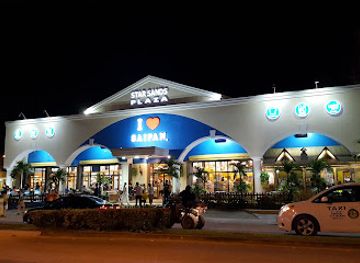
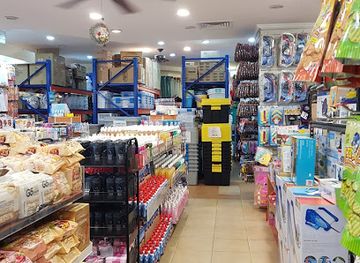
The shopping scene in Rota is a unique blend of traditional and contemporary, offering visitors a charming assortment of local crafts, vibrant markets, and boutique stores. You'll find artisanal handicrafts, intricately woven textiles, and beautifully carved wooden souvenirs that echo the island's rich cultural heritage. The bustling public markets are a sensory delight, where locals sell fresh produce, exotic fruits, and freshly caught seafood, providing an authentic taste of island life. Small, family-run shops dot the streets, offering a curated selection of locally made jewelry, pottery, and traditional garments, ensuring every purchase tells a story of Rota's vibrant community and history.
-
Souvenir store
I Love Saipan
Explore I Love Saipan for unique souvenirs and local clothing that capture the island's vibrant culture and spirit.
-
Outlet store
I Love Saipan Outlet Store, Middle Road
Explore a diverse range of clothing, furniture, and home goods at I Love Saipan Outlet Store, offering unbeatable prices and a vibrant shopping atmosphere.
-
Supermarket
New Sara Market
New Sara Market in Saipan offers a rich selection of local and international groceries, embodying the spirit of the Northern Mariana Islands.
-
Clothing store
670 Rock Steady Shop
Explore the essence of Saipan through unique clothing and accessories at the vibrant 670 Rock Steady Shop.


Get your free copy of our complete guide to Rota, delivered straight to you.
Everything on this page, from attractions and restaurants to essentials and local phrases, in one PDF you can read offline, print or share.
Already have an account? Sign in
Your Rota guide is ready.
We'll send it to · Not you? Sign out

Getting your guide ready…
We are putting together a fresh copy of the Rota guide. This can take up to a minute.
This can take a few moments. If your browser asks, choose Allow so the download can start. You'll find the guide in your Downloads folder.
Nothing happened? Download it again
Sorry, the guide is taking longer than usual. Please try again in a minute, or get it by email instead.
Rota essentials
Currency and Payment
Safety
Emergency Situations
Do's and Don'ts
Local Tips
From Eve
Local phrases worth knowing
You don't need to get them perfect. A few words go a long way, and locals appreciate the effort.
Basics
| English | Local | Say it |
|---|---|---|
| Hello | Hafa adai | [Hafa adai] |
| Goodbye | Siu siu | [Siu siu] |
| Yes | Åhe | [Ah-he] |
| No | Ahe | [Ah-eh] |
| Please/You're welcome | Por favor/Åhe, mås | [Por favor/Ah-he, mahs] |
| Thank you | Si yu'os ma'åse' | [See yoos mah-ah-seh] |
| Excuse me/Sorry | Dispensa/Sorry | [Dispen-sah/Sor-ree] |
| How are you? | Kumusta? | [Koo-moos-tah] |
| Fine. And you? | Maliu. Håfa si yu'? | [Mah-lee-oo. Hah-fah see yoo?] |
| Do you speak English? | Hu guaiya i English? | [Hoo gwah-ya ee English?] |
| I don't understand | Tåya' hu na'ånå' | [Tah-yah hoo nah-ahn-ahn] |
Eating & Drinking
| English | Local | Say it |
|---|---|---|
| I'd like to see the menu, please | Gustó yu' para u fanhasso i menú, por favor | [Goo-sto yoo para oo fan-has-so ee men-oo, por fah-vor] |
| I don't eat meat | Tåya' hu chagi | [Tah-yah hoo cha-gee] |
| Cheers! | Inafa'maolek! | [Ee-na-fa-mao-lek] |
| I would like to pay, please | Gustó yu' para u bay, por favor | [Goo-sto yoo para oo bye, por fah-vor] |
Emergencies
| English | Local | Say it |
|---|---|---|
| Help! | Help! | [Help] |
| Go away! | Mågo! | [Mah-go] |
| Call the Police! | Tåya' i Polisia! | [Tah-yah ee Polisia] |
| Call a doctor! | Tåya' i doktor! | [Tah-yah ee dok-tor] |
| I'm lost | Hu na'ånå' i ma'pos | [Hoo nah-ahn-ahn ee mah-pos] |
| I'm ill | Hu na'ånå' i ma'åkan | [Hoo nah-ahn-ahn ee mah-ah-kan] |
Shopping
| English | Local | Say it |
|---|---|---|
| I'd like to buy... | Gustó yu' para u ma'åse... | [Goo-sto yoo para oo mah-ah-seh] |
| I'm just looking | Hu na'ånå' | [Hoo nah-ahn-ahn] |
| How much is it? | Håfa i presyo? | [Hah-fah ee preh-so] |
| That's too expensive | Kao i presyo siha | [Kah-oh ee preh-so see-hah] |
| Can you lower the price? | Yu' malago' para u ma'åse i presyo? | [Yoo mah-lah-go para oo mah-ah-seh ee preh-so] |
Time & Numbers
| English | Local | Say it |
|---|---|---|
| What time is it? | Håfa tiempo? | [Hah-fah tee-em-poh] |
| It's one o'clock | Ittuy dos | [Ee-ttoo-ee dos] |
| Half past (10) | Medio (10) | [Meh-dee-oh (10)] |
| Morning | Mañana | [Man-yah-nah] |
| Afternoon | Middia | [Mee-dee-ah] |
| Evening | Tåka | [Tah-kah] |
| Yesterday | Mañåtte | [Man-yah-tte] |
| Today | Kåti | [Kah-tee] |
| Tomorrow | Kåti | [Kah-tee] |
| 1 | Uno | [Oo-no] |
| 2 | Dos | [Dos] |
| 3 | Tres | [Tres] |
| 4 | Kuatro | [Koo-ah-tro] |
| 5 | Singko | [Sing-koh] |
| 6 | Sais | [Sais] |
| 7 | Siete | [See-eh-teh] |
| 8 | Ocho | [Oh-cho] |
| 9 | Nueve | [Nwe-ev-eh] |
| 10 | Diyes | [Dee-yes] |
Transport & Directions
| English | Local | Say it |
|---|---|---|
| Where's a/the...? | Dónde i...? | [Dohn-dee ee...?] |
| What's the address? | Håfa i adres? | [Hah-fah ee ah-dres] |
| Can you show me (on the map)? | Yu' malago' para u show i mapa? | [Yoo mah-lah-go para oo show ee mah-pah] |
| When's the next (bus)? | Kándo i sunet (bus)? | [Kahn-do ee soo-net (bus)?] |
| A ticket (to ....) | Un tiket (para i....) | [Oon tee-ket (para ee....)] |
History of Rota
Early Settlements and Chamorro Culture
Rota, known as Luta to the indigenous Chamorro people, has a history that dates back over 3,500 years. The Chamorro civilization flourished with their unique Latte stone structures, which served as the foundations of their homes. These megalithic stones are still visible today, offering a glimpse into the island's ancient past. The Chamorro people practiced intricate weaving, fishing, and farming, establishing a rich cultural tapestry that has endured through the centuries.
Spanish Colonization
In the 16th century, Rota and the rest of the Mariana Islands came under Spanish control. Ferdinand Magellan's expedition arrived in 1521, marking the beginning of European influence. The Spanish established missions and introduced Christianity, which significantly altered the Chamorro way of life. The island became a strategic stopover for Spanish galleons traveling between Mexico and the Philippines, embedding Rota into global maritime routes.
German and Japanese Periods
After Spain's defeat in the Spanish-American War, Rota was sold to Germany in 1899. German administration was relatively brief, as Japan seized control of Rota in 1914 during World War I. Under Japanese rule, Rota saw significant agricultural development, particularly sugar cane production. The island's infrastructure improved, and many Japanese settlers made Rota their home, leaving a lasting impact on the island's demographic and cultural landscape.
World War II and American Administration
World War II brought profound changes to Rota. Although the island was not the site of major battles, it was heavily fortified by the Japanese military. American forces bypassed Rota during their island-hopping campaign, which left the island relatively unscathed compared to others in the region. After Japan's defeat, Rota came under American administration as part of the Trust Territory of the Pacific Islands. The post-war period saw the introduction of modern amenities and infrastructure, transforming life on the island.
Commonwealth of the Northern Mariana Islands
In 1976, the Northern Mariana Islands, including Rota, entered into a political union with the United States, forming the Commonwealth of the Northern Mariana Islands (CNMI). This change provided Rota with greater political stability and economic opportunities. Tourism began to develop as a significant industry, attracting visitors to the island's pristine beaches, historical sites, and vibrant Chamorro culture. Today, Rota balances its cultural heritage with modern development, offering a unique experience for travelers.
Rota in Photos
Browse through our photo collection highlighting the charm and character of the destination.
Neighbouring regions of Rota
The closest regions to Rota, if you have time for more than one.
-

-


Swipe for more regions
Explore more

Explore more of Northern Mariana Islands
Uncover the beauty of Northern Mariana Islands, a tropical paradise with stunning beaches, rich history, and diverse cultures, perfect for a serene and adventurous getaway.
Explore Northern Mariana Islands