

Free Red River Valley Travel Guide & Mobile App
Explore Red River Valley with free travel guides. Discover regional history, expert tips, proposed trips, and audio guides on web or mobile app.


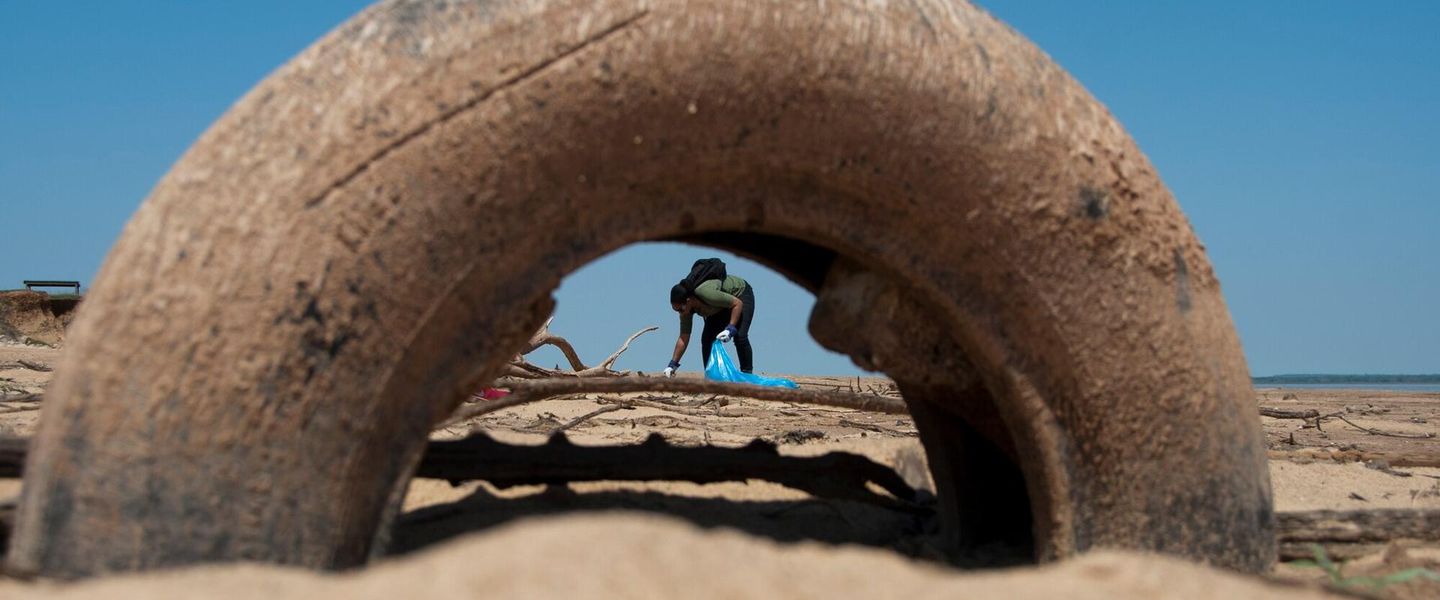


Explore Oklahoma’s Red River Valley for Lake Texoma, Native history, river landscapes, quiet towns, fishing and southern road-trip culture.
Read more about Red River Valley
When is the best time to visit Red River Valley?
Best: April–May, October · 22–27°C| Month | High (°C) | Rainfall (mm) |
|---|---|---|
| January | 11 | 42 |
| February | 13 | 48 |
| March | 17 | 76 |
| April (best) | 22 | 86 |
| May (best) | 27 | 116 |
| June | 32 | 96 |
| July | 35 | 71 |
| August | 34 | 76 |
| September | 30 | 91 |
| October (best) | 24 | 81 |
| November | 16 | 66 |
| December | 11 | 51 |
Getting to and around Red River Valley
How to get there
Transportation
Best attractions in Red River Valley
The Red River Valley’s attractions are spread across a landscape of reservoir shoreline, agricultural lowlands, historic military sites and wooded country. Lake Texoma is the principal recreational draw, offering boating, fishing, swimming, marinas, camping and birdwatching from the Oklahoma shore. Around Durant and Kingston, lake access combines with museums, local cultural institutions and the commercial services of larger towns. Fort Washita State Historic Site, near the former military corridor in Bryan County, introduces the frontier, diplomatic and Civil War history of southern Indian Territory through preserved grounds and interpretation. Farther east, Hugo and Idabel provide access to quieter lakes, parks, wildlife habitats and the changing scenery of southeastern Oklahoma. Outdoor activities are generally the most dependable attraction category, but conditions vary seasonally and public access is not continuous along the river. Visitors interested in Indigenous history should seek out established tribal museums, cultural centres and public programmes, while those travelling through the rural districts will find county museums, historic buildings and community events rather than large-scale attractions. The region rewards a flexible itinerary built around driving, water recreation and historical context.
-
Tourist attraction
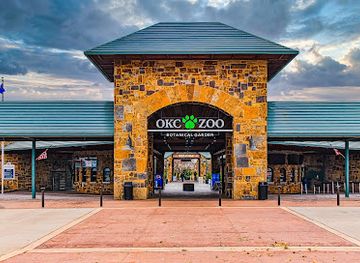
Oklahoma City Zoo
Explore Oklahoma City Zoo - A Family-Friendly Adventure Filled with Wildlife, Beautiful Gardens, and Engaging Exhibits in the Heart of Oklahoma City.
-
Hiking area
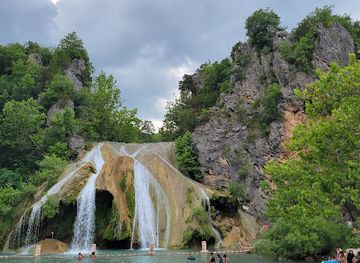
Turner Falls Park
Explore the stunning waterfalls, hiking trails, and swimming areas at Turner Falls Park, a natural wonder in Oklahoma's Arbuckle Mountains.
-
Tourist attraction
Frontier City
Experience the Wild West at Frontier City in Oklahoma City, an amusement park filled with thrilling rides, live entertainment, and family-friendly attractions.
-
Tourist attraction
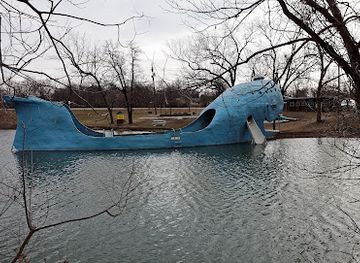
Blue Whale of Catoosa
Explore the quirky Blue Whale of Catoosa, a must-see roadside attraction on Route 66, offering fun and nostalgia for travelers and families.
Best landmarks in Red River Valley
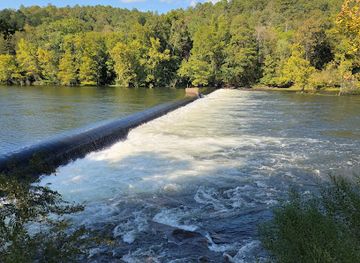
The Red River itself is the region’s defining natural landmark, forming a long border landscape whose channels, sandbars, tributaries and floodplain have influenced settlement and politics for generations. Lake Texoma, created by Denison Dam, is the most recognisable modern structure in the valley and has transformed the river into a major inland-water destination. Fort Washita State Historic Site is the key historic landmark on the Oklahoma side, preserving the setting of an 1842 military post whose story connects federal policy, Native nations, frontier travel and the Civil War. Durant’s civic and commercial core reflects the development of an early twentieth-century market town, while older courthouses, churches and main-street buildings in smaller communities provide more modest reminders of state-building and railway-era commerce. The valley’s eastern approaches become visually associated with wooded hills and the Kiamichi country, although these uplands lie north of the immediate river lowlands. Together, water, military archaeology, town architecture and the broad border horizon give the region a landmark identity distinct from Oklahoma’s prairie and metropolitan centres.
-
Hiking area
Turner Falls Park
Explore Turner Falls Park, a stunning natural paradise in Oklahoma featuring breathtaking waterfalls, hiking trails, and serene swimming basins for outdoor enthusiasts.
-
State park
Beavers Bend State Park and Nature Center
Discover the beauty of Beavers Bend State Park, a serene oasis in Oklahoma, perfect for hiking, fishing, and family outings amidst stunning natural landscapes.
-
Tourist attraction
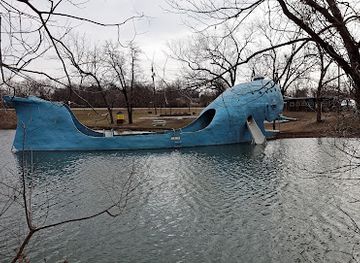
Blue Whale of Catoosa
Discover the whimsical charm of Blue Whale of Catoosa, a quirky landmark and iconic roadside attraction that captures the spirit of Oklahoma.
-
State park
Robbers Cave State Park
Uncover the beauty of nature and history at Robbers Cave State Park, a top-rated destination for outdoor enthusiasts in Oklahoma's stunning Ouachita Mountains.


Explore Red River Valley on the map
Plan your trip on one map. See where the top cities, national parks and sights are, and book hotels and experiences in a few clicks.
Best hotels in Red River Valley
Best restaurants in Red River Valley
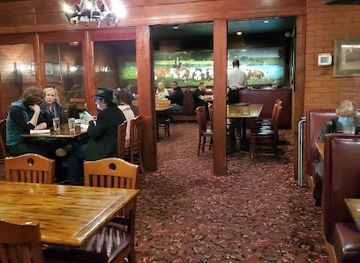
Dining in the Red River Valley reflects southern Oklahoma’s position between the American South, Texas and the wider Great Plains. Barbecue, burgers, fried chicken, catfish, steaks and Mexican-influenced dishes are common in cafés, family restaurants and casual eateries, while lake communities add fish, boat-friendly meals and seasonal concessions. Durant has the broadest choice of full-service restaurants in the Oklahoma portion of the valley, with smaller towns offering diners, cafés, bakeries and locally oriented country cooking. Regional farmers and ranchers contribute beef, poultry, vegetables and preserves, although menus vary considerably by town and season. Choctaw and Chickasaw food traditions are best encountered through reputable cultural programmes, museums and community events rather than assumed to be represented by every local restaurant; frybread and other Indigenous foods may appear in appropriate settings. Texas-style barbecue influences are noticeable near the border, but the valley has no single defining dish. Portions can be generous, service is commonly informal, and tipping for table service follows United States conventions.
-
Steak
Cattlemen's Steakhouse
Experience the rich flavors of Oklahoma at Cattlemen's Steakhouse – where every bite tells a story of tradition and quality.
-
American
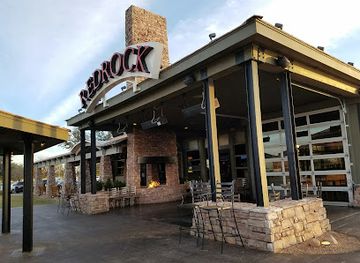
Redrock Canyon Grill
Discover exquisite American cuisine at Redrock Canyon Grill in Oklahoma City - where exceptional steaks meet stunning lake views.
-
American
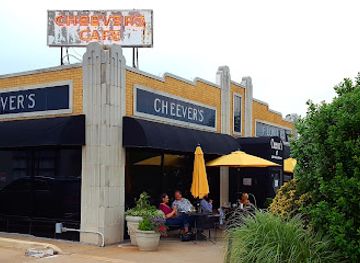
Cheever's Cafe
Discover Cheever's Cafe in Oklahoma City: A charming destination for brunch lovers and American cuisine enthusiasts alike.
-
American
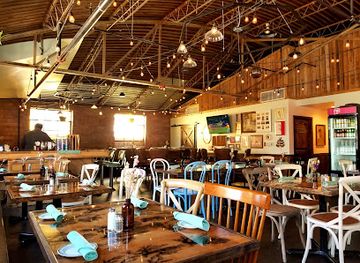
The Press
Discover The Press in Oklahoma City - where innovative American cuisine meets charming breakfast delights for an unforgettable dining experience.
Best bars in Red River Valley
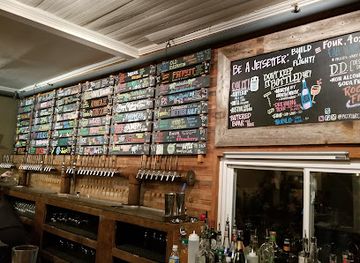
Evening life in the Red River Valley is centred on restaurants, neighbourhood bars, traditional pubs, lounges and casino entertainment rather than a concentrated nightclub district. Durant has the region’s broadest selection of evening venues, including hospitality associated with its larger visitor and gaming economy, while communities around Lake Texoma may have seasonal bars and marina-based social spaces. In smaller towns such as Hugo, Idabel and Madill, evenings are generally quieter, with local bars, diners, live music on selected nights and community gatherings providing the main options. Lakeside nightlife can change markedly between summer weekends and the off-season, so visitors should not assume that every venue operates late or year-round. Alcohol laws, drinking-and-driving rules and age restrictions are enforced under Oklahoma law. Travellers seeking a relaxed evening will find local food, conversation and occasional music more characteristic of the region than a large club scene.
-
Bar
Kickapoo Casino Harrah
Experience the excitement of gaming and fine dining at Kickapoo Casino Harrah, Oklahoma's top destination for entertainment and fun.
-
Bar
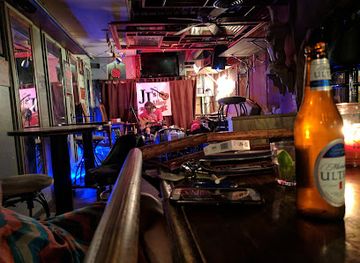
JJ's Alley
Discover the lively atmosphere of JJ's Alley in Bricktown, where delicious pub food meets unforgettable live music for an incredible night out.
-
Bar
The Patriarch Craft Beer House & Lawn
Experience the best of craft beer at The Patriarch Craft Beer House & Lawn in Edmond, Oklahoma – a perfect spot for relaxation and enjoyment.
-
Bar
Coyote Ugly Saloon
Discover the vibrant nightlife at Coyote Ugly Saloon in Bricktown, Oklahoma City, featuring energetic entertainment and signature cocktails.


Best nightclubs in Red River Valley
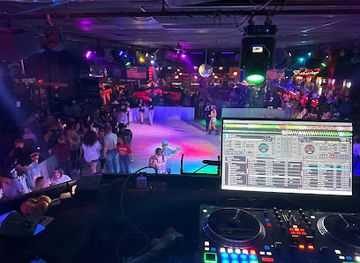
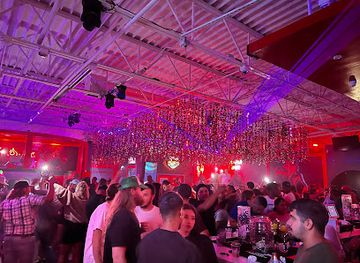
Evening life in the Red River Valley is centred on restaurants, neighbourhood bars, traditional pubs, lounges and casino entertainment rather than a concentrated nightclub district. Durant has the region’s broadest selection of evening venues, including hospitality associated with its larger visitor and gaming economy, while communities around Lake Texoma may have seasonal bars and marina-based social spaces. In smaller towns such as Hugo, Idabel and Madill, evenings are generally quieter, with local bars, diners, live music on selected nights and community gatherings providing the main options. Lakeside nightlife can change markedly between summer weekends and the off-season, so visitors should not assume that every venue operates late or year-round. Alcohol laws, drinking-and-driving rules and age restrictions are enforced under Oklahoma law. Travellers seeking a relaxed evening will find local food, conversation and occasional music more characteristic of the region than a large club scene.
-
Night club
Redneck Dance Hall
Discover the vibrant nightlife of Oklahoma City at Redneck Dance Hall, where country music and dancing come alive in a friendly atmosphere.
-
Night club
One15 Nightclub
Discover the electrifying nightlife at One15 Nightclub in Bricktown, Oklahoma City, where vibrant music and energy come alive every weekend.
-
Lounge
Pretty Please Social Room
Dive into the vibrant nightlife of Bricktown at Pretty Please Social Room, where stylish ambiance meets energetic dancing.
-
Night club
Señor Shots
Experience the vibrant nightlife at Señor Shots in Bricktown, where music, cocktails, and good vibes come together for an unforgettable night.


Best shops in Red River Valley
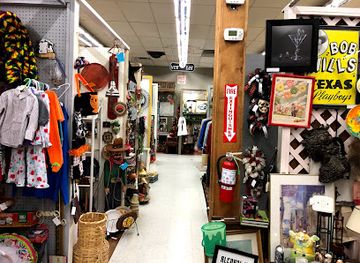
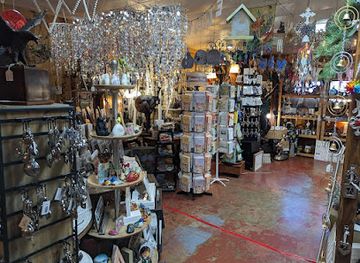
Shopping is practical and locally oriented, with Durant providing the broadest range of everyday retail, groceries, services and regional souvenirs in the Oklahoma section of the valley. Madill, Hugo and Idabel have smaller main streets and independent businesses where visitors may find antiques, western clothing, books, handmade goods and food products from local producers. Lake Texoma communities add bait and tackle outlets, outdoor equipment, casual holiday shopping and marina supplies rather than a large specialist retail scene. Farmers’ markets and seasonal community events can offer preserves, baked goods, vegetables, crafts and artwork, but schedules vary and should be checked locally. Visitors interested in Choctaw or Chickasaw arts should purchase from identified tribal artists, museums or official cultural outlets, where provenance and cultural context are clearer than in generic souvenir shops. Regional food products, barbecue sauces, pecans, pottery, woodwork and Oklahoma-themed gifts make more representative purchases than mass-produced trinkets. The area is not a major designer-shopping destination; its appeal lies in independent retail, practical outdoor goods and locally connected crafts.
-
Department store
Walmart Supercenter
Explore Walmart Supercenter in Durant for an extensive selection of groceries, clothing, and home goods—all under one roof.
-
Antique store
River City Trading Post
Discover unique antiques and handcrafted treasures at River City Trading Post in Jenks, Oklahoma – a must-visit for collectors and treasure hunters.
-
Gift shop
Janet's Treasure Chest
Discover unique souvenirs and local crafts at Janet's Treasure Chest in Hochatown, Oklahoma - a shopper's paradise filled with treasures.
-
Gift shop
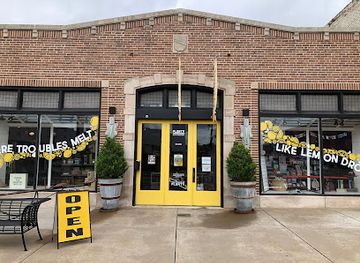
Plenty Mercantile - Gift Shop & Venue
Explore Plenty Mercantile in Oklahoma City for unique gifts and local artisan finds in a charming atmosphere.

Get your free copy of our complete guide to Red River Valley, delivered straight to you.
Everything on this page, from attractions and restaurants to essentials and local phrases, in one PDF you can read offline, print or share.
Already have an account? Sign in
Your Red River Valley guide is ready.
We'll send it to · Not you? Sign out

Getting your guide ready…
We are putting together a fresh copy of the Red River Valley guide. This can take up to a minute.
This can take a few moments. If your browser asks, choose Allow so the download can start. You'll find the guide in your Downloads folder.
Nothing happened? Download it again
Sorry, the guide is taking longer than usual. Please try again in a minute, or get it by email instead.
Red River Valley essentials
Currency and Payment
Safety
Emergency Situations
Do's and Don'ts
Local Tips
From Eve
Local phrases worth knowing
You don't need to get them perfect. A few words go a long way, and locals appreciate the effort.
Basics
| English | Local | Say it |
|---|---|---|
| Hello | Howdy | [hau-dee] |
| Goodbye | See ya later | [see yah lay-ter] |
| Yes | Yep | [yehp] |
| No | Nope | [nohp] |
| Please/You're welcome | Please / No problem | [pleez / no prob-lum] |
| Thank you | Thank ya | [thang yah] |
| Excuse me/Sorry | Excuse me / My bad | [eks-kyoos mee / my bad] |
| How are you? | How ya doin'? | [hau yah doin'?] |
| Fine. And you? | I'm good. And you? | [I'm good. And yah?] |
| Do you speak English? | Do ya speak English? | [doo yah speek ing-glish?] |
| I don't understand | I ain't followin' | [I ain't fall-oh-in'] |
Eating & Drinking
| English | Local | Say it |
|---|---|---|
| I'd like to see the menu, please | Can I see the menu, please? | [kan I see thuh men-yoo, pleez?] |
| I don't eat meat | I don't do meat | [I don't do meet] |
| Cheers! | Cheers! | [cheerz] |
| I would like to pay, please | Can I pay, please? | [kan I pay, pleez?] |
Emergencies
| English | Local | Say it |
|---|---|---|
| Help! | Help! | [help] |
| Go away! | Get outta here! | [get out-ta here!] |
| Call the Police! | Call the cops! | [call thuh cops!] |
| Call a doctor! | Get a doc! | [get a doc!] |
| I'm lost | I'm lost | [I'm lost] |
| I'm ill | I'm feelin' sick | [I'm feel-in' sik] |
Shopping
| English | Local | Say it |
|---|---|---|
| I'd like to buy... | I wanna buy... | [I wanna bye...] |
| I'm just looking | Just lookin' | [just look-in'] |
| How much is it? | How much's this? | [hau muhs this?] |
| That's too expensive | That's a bit pricey | [thats a bit pry-see] |
| Can you lower the price? | Can ya lower the price? | [kan yah low-er thuh pryce?] |
Time & Numbers
| English | Local | Say it |
|---|---|---|
| What time is it? | What time's it? | [what time's it?] |
| It's one o'clock | It's one o'clock | [it's wun oh-clok] |
| Half past (10) | Half past ten | [half past ten] |
| Morning | Mornin' | [morn-in'] |
| Afternoon | Afternoon | [af-ter-noon] |
| Evening | Evenin' | [eve-nin'] |
| Yesterday | Yesterday | [yes-ter-day] |
| Today | Today | [to-day] |
| Tomorrow | Tomorrow | [to-mor-row] |
| 1 | One | [wun] |
| 2 | Two | [too] |
| 3 | Three | [three] |
| 4 | Four | [for] |
| 5 | Five | [five] |
| 6 | Six | [six] |
| 7 | Seven | [sev-en] |
| 8 | Eight | [ate] |
| 9 | Nine | [nine] |
| 10 | Ten | [ten] |
Transport & Directions
| English | Local | Say it |
|---|---|---|
| Where's a/the...? | Where's the...? | [where's thuh...?] |
| What's the address? | What's the address? | [what's thuh ad-dress?] |
| Can you show me (on the map)? | Can ya show me (on the map)? | [kan yah show me (on thuh map)?] |
| When's the next (bus)? | When's the next bus? | [when's thuh next bus?] |
| A ticket (to ....) | A ticket (to ...) | [a ti-ket (to ...)] |
History of Red River Valley
Indigenous Homelands and Red River Trade
Long before the modern Oklahoma–Texas boundary, the southern plains and river corridors were used and shaped by Indigenous peoples, including Wichita, Caddo, Kiowa, Comanche, Choctaw and Chickasaw communities at different periods. The Red River provided water, transport routes and access to fertile bottomlands, while trails connected settlements and trading areas across the southern plains. The region’s present-day cultural geography cannot be separated from the forced removal of southeastern Native nations to Indian Territory during the nineteenth century, after which Choctaw and Chickasaw communities became major landholders and political forces in southern Oklahoma.
The Red River as a Contested Boundary
The Red River became an important political boundary as Spanish, French, American and Texan claims overlapped in the wider region. After Texas joined the United States in 1845, the river’s exact course and the ownership of lands along its north bank remained disputed. The Compromise of 1850 helped settle the boundary question by placing the river between Texas and the United States, although surveying and local interpretation continued to create uncertainty. That history explains why the valley has long functioned as both a meeting place and a dividing line between Oklahoma and Texas.
Fort Washita and the Frontier Army
Established in 1842 in what is now Bryan County, Fort Washita was built by the United States Army to protect Native nations and travellers near the frontier and to monitor tensions between Indigenous peoples, settlers and neighbouring Texas. It later became associated with military movements linked to the Civil War and was abandoned after the conflict. The surviving grounds and reconstructed buildings at Fort Washita State Historic Site provide one of the clearest physical records of the military and diplomatic history of southern Indian Territory.
Indian Territory, Treaties and Tribal Government
During the nineteenth century, much of southern Oklahoma formed part of Indian Territory, where the Choctaw and Chickasaw nations developed governments, schools, courts and economic systems despite continuing pressure from the United States. Allotment and the opening of lands to non-Native settlement weakened communal landholding before Oklahoma statehood in 1907, but tribal institutions and citizenship endured. Today, the Choctaw Nation’s governmental and cultural influence remains particularly important around Durant and across southeastern Oklahoma, giving the Red River region a historical depth beyond its frontier associations.
Railways, Ranching and Market Towns
Railway expansion and the growth of commercial agriculture transformed southern Indian Territory in the late nineteenth and early twentieth centuries. Rail connections encouraged the development of market towns, linked farms and ranches to larger trading centres, and helped move timber, livestock and agricultural products. Durant, Hugo, Idabel and smaller communities grew through this combination of transport access, county administration and local commerce. Their street plans, courthouses, depots and older commercial buildings preserve traces of the period when the valley was integrated into the economic networks of the emerging state of Oklahoma.
The Civilian Conservation Corps and Public Lands
During the 1930s, New Deal programmes brought road building, soil conservation, forestry work and recreation infrastructure to Oklahoma. The Civilian Conservation Corps was especially significant in the state’s parks and wooded southeastern districts, where camps helped develop facilities that later supported public recreation. Although the Red River Valley remains largely rural and privately worked, this period contributed to the expansion of accessible lakeside parks, campgrounds and conservation practices that now shape how visitors experience southern Oklahoma.
Denison Dam and the Creation of Lake Texoma
Completed by the United States Army Corps of Engineers in the 1940s, Denison Dam impounded the Red River to create Lake Texoma, one of the largest reservoirs in the United States. The project reduced downstream flood risk, supported water supply and generated a major recreational landscape spanning Oklahoma and Texas. On the Oklahoma side, marinas, parks, fishing grounds and lakeside communities became part of the regional economy. The reservoir also altered the valley’s physical geography, replacing sections of the former river corridor with a broad body of managed water.
Red River Valley in Photos
Browse through our photo collection highlighting the charm and character of the destination.
Neighbouring regions of Red River Valley
The closest regions to Red River Valley, if you have time for more than one.
-

-

-

-

-


Swipe for more regions
Explore more
Explore more of Oklahoma
Discover Oklahoma: Where the spirit of the Old West meets modern charm, offering a rich mix of history, nature, and vibrant culture in the heart of the United States.
Explore Oklahoma