

Free Cross Timbers Travel Guide & Mobile App
Explore Cross Timbers with free travel guides. Discover regional history, expert tips, proposed trips, and audio guides on web or mobile app.


Explore Cross Timbers Oklahoma for oak woodlands, prairie trails, historic cattle routes, lakes and wide-ranging landscapes between city and country.
Read more about Cross Timbers
Getting to and around Cross Timbers
How to get there
Transportation
Top city travel guides in Cross Timbers
The cities of Cross Timbers, and the easiest places to base yourself.
-

-

-

-
-

-


Swipe for more cities
Destinations in Cross Timbers
Resorts, valleys and scenic spots worth a trip of their own.
-
-

-

-

-
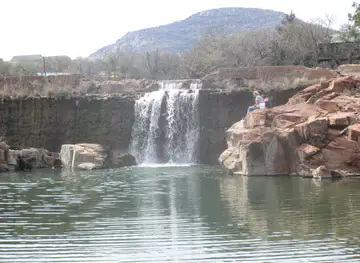
 Roman Nose State Park
 in Oklahoma combines gypsum hills, wooded canyons, spring-fed lakes, CCC heritage, trails, fishing and quiet stays near Watonga.
-


Swipe for more destinations
Best attractions in Cross Timbers
Cross Timbers attractions are dispersed across a landscape of oak woodland, prairie, lakes and growing cities. Near Tulsa, Keystone Ancient Forest preserves old post oaks and blackjack oaks on wooded ridges, while Turkey Mountain Urban Wilderness offers trails and elevated views close to the metropolitan area. Around Oklahoma City, Lake Thunderbird State Park provides boating, fishing, camping and walking routes in a wooded-and-open setting, and Arcadia Lake combines water-based recreation with nearby trails and rural scenery. In the northern and central reaches, historic communities such as Guthrie and Stillwater add museums, civic architecture and cultural venues. Southern sections connect with Chisholm Trail history, ranching stories and open country around towns including Duncan and Purcell. Wildlife watching, hiking, mountain biking, paddling and photography are the principal outdoor pursuits, although summer heat and sudden storms require planning. The most rewarding itineraries do not rely on one flagship attraction: they pair a preserve or lake with a museum, historic main street, Indigenous cultural site or Route 66 remnant, showing how ecology and settlement have developed together.
-
State park
Beavers Bend State Park and Nature Center
Experience the serene beauty and outdoor adventure at Beavers Bend State Park, a perfect retreat in Oklahoma's lush wilderness.
-
National reserve
Chickasaw National Recreation Area
Explore the diverse landscapes and recreational activities at Chickasaw National Recreation Area, a serene nature escape in Oklahoma.
-
Tourist attraction
Blue Whale of Catoosa
Discover the iconic Blue Whale of Catoosa, a whimsical roadside attraction in Oklahoma offering unique photo opportunities and a glimpse into Americana.
-
Tourist attraction
Lake Thunderbird State Park
Explore the natural beauty and recreational activities at Lake Thunderbird State Park in Norman, Oklahoma – a perfect getaway for nature lovers and adventure seekers.


Best landmarks in Cross Timbers
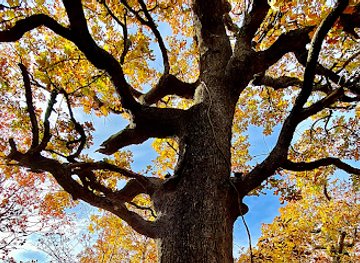
The defining landmark of the Cross Timbers is not a single monument but the oak-grassland formation itself: low, twisted post oaks and blackjack oaks marking ridges and creek valleys across central and eastern Oklahoma. Keystone Ancient Forest near Tulsa is especially important for its old-growth oak woodland and provides a vivid physical expression of the region's ecological history. Historic downtown Guthrie, with its late-nineteenth-century commercial architecture and civic buildings, represents the rapid settlement of central Oklahoma after the Land Run era. Chisholm Trail markers and interpretive sites around southern and central communities recall the cattle routes that crossed Indian Territory, while surviving Route 66 bridges, roadside structures and signs evoke the age of automobile travel. Lake shorelines at Arcadia and Thunderbird are contemporary geographical landmarks, showing how reservoirs became part of the region's recreational landscape. In the cities, oil-era buildings, courthouses and early commercial streets reveal the wealth and infrastructure created by railways, livestock, energy and statehood. Their significance lies in the way they make the relationship between woodland, grassland and human movement visible.
-
National reserve
Chickasaw National Recreation Area
Explore the stunning beauty of Chickasaw National Recreation Area, a natural gem in Oklahoma offering adventure, wildlife, and rich cultural history.
-
State park
Lake Thunderbird State Park
Experience the breathtaking landscapes and recreational activities at Lake Thunderbird State Park, a premier outdoor destination in Oklahoma.
-
State park
Eisenhower State Park
Explore the natural beauty and rich history of Eisenhower State Park in Texas, a perfect destination for outdoor enthusiasts and nature lovers alike.
-
State park
Lake Murray State Park
Explore the scenic wonders of Lake Murray State Park, a premier destination in Oklahoma for outdoor adventures and natural beauty.
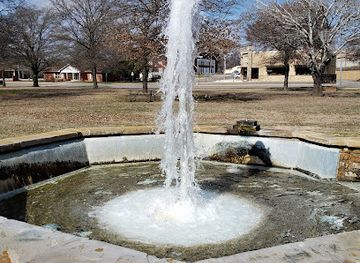


Explore Cross Timbers on the map
Plan your trip on one map. See where the top cities, national parks and sights are, and book hotels and experiences in a few clicks.
Best hotels in Cross Timbers
Best restaurants in Cross Timbers
Dining across the Cross Timbers reflects Oklahoma's wider traditions while varying considerably between metropolitan centres, lake communities and small towns. Oklahoma City and Tulsa offer the broadest choice, including contemporary American cooking, barbecue, Mexican and Indigenous-influenced menus, independent cafés and international food. In smaller communities, diners, family restaurants, barbecue establishments and traditional cafés remain useful stops, often serving hearty breakfasts, burgers and regional comfort food. Beef, pork, beans, corn, wheat and locally grown produce appear frequently, while Oklahoma-style barbecue and chicken-fried steak belong to the broader cuisine of the state rather than exclusively to the Cross Timbers. Rural farmers' markets and seasonal stands may offer peaches, melons, pecans and other produce depending on location and time of year. Lake areas add casual venues suited to boating and fishing communities, though choices can thin outside towns. Tipping follows standard United States practice in table-service restaurants, and reservations are sensible for popular dining rooms in the larger cities.
-
American
Eskimo Joe's
Discover Eskimo Joe's in Stillwater: A vibrant American eatery known for burgers, live music & unique collectibles.
-
Steak
Cattlemen's Steakhouse
Experience the heart of American dining at Cattlemen's Steakhouse in Oklahoma City - where every steak tells a story.
-
Seafood
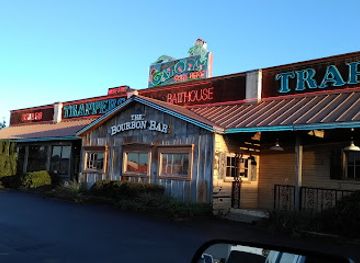
Trapper's Fishcamp & Grill
Discover Trapper's Fishcamp & Grill in Oklahoma City – where fresh seafood meets vibrant atmosphere for an unforgettable dining experience.
-
American
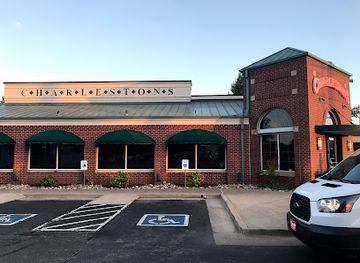
Charleston's Restaurant
Experience American cuisine at its finest at Charleston's Restaurant in Oklahoma City - where delicious meals meet inviting ambiance.


Best bars in Cross Timbers
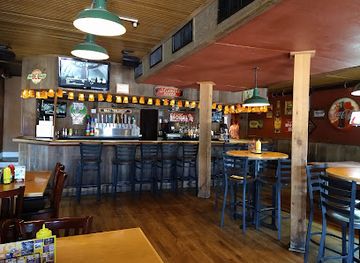
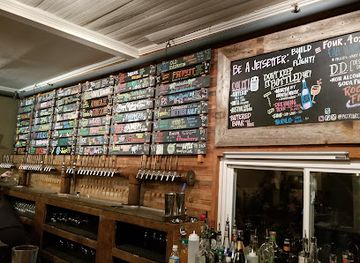
Evening life is concentrated in Oklahoma City, Tulsa, Stillwater and other larger communities rather than spread evenly across the rural Cross Timbers. Those urban centres provide breweries, cocktail bars, live-music rooms, theatres and restaurants, with Stillwater's student population contributing a particularly active bar scene. Historic downtowns and smaller towns generally favour local pubs, taverns, cafés and occasional live music over dedicated nightclubs. Around lakes and recreation areas, evening activity is often relaxed and seasonal, with visitors returning to accommodation after boating, fishing or hiking. Tulsa's established music and arts culture and Oklahoma City's performing-arts venues broaden the choices beyond drinking, while rural districts may have little late-night transport. Check current arrangements locally, arrange a designated driver or taxi in advance when outside a city, and remember that alcohol licensing and opening practices can vary by municipality.
-
American
Eskimo Joe's
Discover the vibrant atmosphere, delicious burgers, and live music at Eskimo Joe's in Stillwater, Oklahoma, a true American dining experience.
-
Bar
The Patriarch Craft Beer House & Lawn
Experience the charm of The Patriarch Craft Beer House & Lawn in Edmond, Oklahoma, where craft beer and a vibrant atmosphere await your visit.
-
Bar
Maggie's Music Box & Gastropub
Discover the lively atmosphere of Maggie's Music Box & Gastropub, where delicious food meets unforgettable live music in Jenks, Oklahoma.
-
Bar
Arnie's Bar
Discover Tulsa's nightlife at Arnie's Bar, where great drinks, a vibrant atmosphere, and friendly faces come together for an unforgettable experience.


Best nightclubs in Cross Timbers
Evening life is concentrated in Oklahoma City, Tulsa, Stillwater and other larger communities rather than spread evenly across the rural Cross Timbers. Those urban centres provide breweries, cocktail bars, live-music rooms, theatres and restaurants, with Stillwater's student population contributing a particularly active bar scene. Historic downtowns and smaller towns generally favour local pubs, taverns, cafés and occasional live music over dedicated nightclubs. Around lakes and recreation areas, evening activity is often relaxed and seasonal, with visitors returning to accommodation after boating, fishing or hiking. Tulsa's established music and arts culture and Oklahoma City's performing-arts venues broaden the choices beyond drinking, while rural districts may have little late-night transport. Check current arrangements locally, arrange a designated driver or taxi in advance when outside a city, and remember that alcohol licensing and opening practices can vary by municipality.
-
Lounge
The Tree Lounge
Discover The Tree Lounge in Oklahoma City, where affordable drinks and a relaxing ambiance create the perfect retreat for tourists.
-
Bar
Alley Club
Discover Alley Club in Oklahoma City: a vibrant bar offering great drinks, live music, and a welcoming atmosphere for all visitors.
-
Night club
One15 Nightclub
Experience Oklahoma City's nightlife at One15 Nightclub, where pulsating music and vibrant energy create unforgettable nights out.
-
Night club
Landing Zone- Dance & Night Club · Bar · Diner
Experience the vibrant nightlife at Landing Zone, Midwest City's premier dance & night club, bar, and diner for an unforgettable evening.


Best shops in Cross Timbers
Shopping in the Cross Timbers ranges from substantial urban districts to independent stores in historic small-town centres. Oklahoma City and Tulsa offer the broadest selection of books, fashion, galleries, design goods, antiques and specialty food, while Stillwater combines university-town retail with local services and independent businesses. Guthrie and other older communities are known for streets of antique shops, art spaces, gifts and heritage-oriented stores, though individual businesses and trading patterns change. Farmers' markets and seasonal produce stands are useful places to look for Oklahoma-grown fruit, vegetables, pecans, honey and baked goods when available. Regional souvenirs may include Western-style leatherwork, Native artists' work, ceramics, prints and Route 66 memorabilia, but buyers should check provenance and purchase Indigenous art from reputable artists or galleries. Rural shopping is generally practical rather than extensive, so stock up on outdoor essentials, water and fuel before visiting remote preserves and lake areas.
-
Gift shop
Craig's Curious Emporium
Discover a magical world of unique gifts, eclectic finds, and enchanting experiences at Craig's Curious Emporium in Oklahoma City.
-
Marina
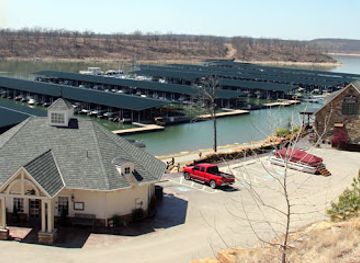
CrossTimbers Marina
Discover CrossTimbers Marina: A serene escape in Oklahoma for boating, fishing, and unforgettable outdoor adventures.
-
Shopping mall
The Boxyard Tulsa
Discover unique shops and delicious eats at The Boxyard Tulsa, a vibrant shopping mall made from repurposed shipping containers in the heart of East Village.
-
Hiking area
Keystone Ancient Forest
Experience the serenity of Keystone Ancient Forest in Sand Springs, Oklahoma, where ancient trees and scenic trails await your exploration.


Get your free copy of our complete guide to Cross Timbers, delivered straight to you.
Everything on this page, from attractions and restaurants to essentials and local phrases, in one PDF you can read offline, print or share.
Already have an account? Sign in
Your Cross Timbers guide is ready.
We'll send it to · Not you? Sign out

Getting your guide ready…
We are putting together a fresh copy of the Cross Timbers guide. This can take up to a minute.
This can take a few moments. If your browser asks, choose Allow so the download can start. You'll find the guide in your Downloads folder.
Nothing happened? Download it again
Sorry, the guide is taking longer than usual. Please try again in a minute, or get it by email instead.
Cross Timbers essentials
Currency and Payment
Safety
Emergency Situations
Do's and Don'ts
Local Tips
From Eve
Local phrases worth knowing
You don't need to get them perfect. A few words go a long way, and locals appreciate the effort.
Basics
| English | Local | Say it |
|---|---|---|
| Hello | Howdy | [How-dee] |
| Goodbye | See ya later | [See ya lay-ter] |
| Yes | Yep | [Yep] |
| No | Nope | [Nope] |
| Please/You’re welcome | Please/You bet | [Pleez/You bet] |
| Thank you | Thanks a bunch | [Thanks a bunch] |
| Excuse me/Sorry | Pardon me/Sorry | [Par-don me/Sor-ree] |
| How are you? | How ya doin’? | [How ya doin'?] |
| Fine. And you? | I’m doin’ good. And you? | [I’m doin' good. And you?] |
| Do you speak English? | You speakin’ English? | [You speakin' English?] |
| I don't understand | I don’t get it | [I don’t get it] |
Eating & Drinking
| English | Local | Say it |
|---|---|---|
| I’d like to see the menu, please | Can I see the menu, please? | [Can I see the menu, pleez?] |
| I don't eat meat | I don’t eat meat | [I don’t eat meat] |
| Cheers! | Cheers! | [Cheers!] |
| I would like to pay, please | I’d like to settle up, please | [I’d like to settle up, pleez] |
Emergencies
| English | Local | Say it |
|---|---|---|
| Help! | Help! | [Help!] |
| Go away! | Leave me be! | [Leave me be!] |
| Call the Police! | Call the cops! | [Call the cops!] |
| Call a doctor! | Get a doctor! | [Get a doctor!] |
| I’m lost | I’m lost | [I’m lost] |
| I’m ill | I’m feelin’ sick | [I’m feelin' sick] |
Shopping
| English | Local | Say it |
|---|---|---|
| I’d like to buy... | I’m lookin’ to buy... | [I’m lookin' to buy...] |
| I’m just looking | I’m just browsin’ | [I’m just browsin'] |
| How much is it? | What’s the price? | [What’s the price?] |
| That’s too expensive | That’s a bit steep | [That’s a bit steep] |
| Can you lower the price? | Can ya knock down the price? | [Can ya knock down the price?] |
Time & Numbers
| English | Local | Say it |
|---|---|---|
| What time is it? | What time ya got? | [What time ya got?] |
| It’s one o’clock | It’s one o’clock | [It’s one o’clock] |
| Half past (10) | Half past ten | [Half past ten] |
| Morning | Mornin’ | [Mornin'] |
| Afternoon | Afternoon | [Afternoon] |
| Evening | Evenin’ | [Evenin'] |
| Yesterday | Yesterday | [Yesterday] |
| Today | Today | [Today] |
| Tomorrow | Tomorrow | [Tomorrow] |
| 1 | One | [One] |
| 2 | Two | [Two] |
| 3 | Three | [Three] |
| 4 | Four | [Four] |
| 5 | Five | [Five] |
| 6 | Six | [Six] |
| 7 | Seven | [Seven] |
| 8 | Eight | [Eight] |
| 9 | Nine | [Nine] |
| 10 | Ten | [Ten] |
Transport & Directions
| English | Local | Say it |
|---|---|---|
| Where's a/the...? | Where’s a...? | [Where’s a...?] |
| What’s the address? | What’s the address? | [What’s the address?] |
| Can you show me (on the map)? | Can ya show me on the map? | [Can ya show me on the map?] |
| When’s the next (bus)? | When’s the next bus? | [When’s the next bus?] |
| A ticket (to ....) | A ticket to.... | [A ticket to....] |
History of Cross Timbers
Indigenous Landscapes Before American Settlement
Long before Oklahoma became a state, the Cross Timbers was used and managed by Indigenous peoples whose livelihoods incorporated prairie, woodland and river environments. Osage, Wichita, Caddo, Kiowa, Comanche and other nations have historical connections with different parts of the wider region, while later federal policy brought additional Native nations into Indian Territory. Hunting, seasonal movement, trade, agriculture and the use of fire all influenced the appearance of the oak-grassland mosaic. Modern visitors should understand the Cross Timbers not as an empty wilderness, but as a lived landscape with continuing Indigenous histories.
The Chisholm Trail and Cattle Movement
During the late nineteenth century, cattle drives moved north from Texas through Indian Territory towards railheads in Kansas. The Chisholm Trail was a broad and changing route rather than a single marked track, and parts of its Oklahoma corridor passed through prairie and oak country associated with the Cross Timbers. The drives connected ranching districts with national markets and helped establish the importance of cattle in Oklahoma's economy and mythology. Communities including Duncan, Purcell and other central and southern Oklahoma towns preserve aspects of this cattle-driving history through museums, markers and local interpretation.
Military Roads and Indian Territory
Federal forts and roads formed another layer of nineteenth-century change. Fort Gibson, Fort Washita and other installations served military and administrative purposes in Indian Territory, although not every fort lies within the ecological Cross Timbers proper. Their wider networks crossed the woodland and prairie belt, influencing trade, migration and relations between Indigenous nations, settlers and the United States government. Treaties, forced removals and the allotment of tribal lands profoundly altered ownership and political authority across the region, with consequences that remain central to Oklahoma history.
Land Runs and the Opening of Oklahoma
The opening of portions of central Oklahoma to non-Indigenous settlement in the late nineteenth century brought rapid town building, farming and transport development. The Land Run of 1889 created Oklahoma City, Guthrie and other settlements, while subsequent openings affected additional districts. Surveyed streets, county courthouses and early commercial buildings still reveal the speed of this transformation. The process also dispossessed Indigenous communities and divided lands that had previously been held under different systems, making the settlement era both a foundational chapter in Oklahoma's growth and a history of profound injustice.
Railways, Oil and the Modern Economy
Railways connected Cross Timbers communities to regional and national markets, encouraging agriculture, livestock production and the growth of service towns. In the early twentieth century, oil and natural gas added a major industrial dimension. The great Oklahoma oil fields were not confined to a single ecological zone, but drilling, refining, pipelines and oil wealth reshaped communities across central and eastern Oklahoma. Historic tanks, pumpjacks, company towns and civic buildings funded during boom periods remain reminders of how geology and transportation redirected the region's economy.
Route 66 and Automobile Travel
The alignment of U.S. Route 66 through Oklahoma brought motor travel, roadside commerce and new forms of tourism to the Cross Timbers belt. Towns and communities along the route developed filling stations, cafés, motels and automotive services, many of which reflected the practical architecture of twentieth-century roadside America. Although the original highway was later replaced by newer routes, surviving bridges, signs, businesses and museums preserve parts of the story. Route 66 also helped turn the oak-and-prairie landscape into a recognisable setting within the national culture of westward road travel.
Conservation of the Oak-Grassland Mosaic
Twentieth- and twenty-first-century conservation efforts have increasingly recognised that the Cross Timbers is an ecological system rather than simply undeveloped woodland. Protected areas such as Keystone Ancient Forest near Tulsa conserve unusually old post oaks and blackjack oaks, while state parks, municipal preserves and lake shorelands protect examples of prairie, forest and wildlife habitat elsewhere. Conservation is complicated by urban growth, invasive plants, altered fire regimes and fragmentation. The continuing work of land managers and private owners is essential to retaining the region's characteristic mixture of open grassland and oak cover.
Cross Timbers in Photos
Browse through our photo collection highlighting the charm and character of the destination.
Neighbouring regions of Cross Timbers
The closest regions to Cross Timbers, if you have time for more than one.
-

-

-

-

-


Swipe for more regions
Explore more
Explore more of Oklahoma
Discover Oklahoma: Where the spirit of the Old West meets modern charm, offering a rich mix of history, nature, and vibrant culture in the heart of the United States.
Explore Oklahoma