

Free Lake and Trail Country Travel Guide & Mobile App
Explore Lake and Trail Country with free travel guides. Discover regional history, expert tips, proposed trips, and audio guides on web or mobile app.


Explore Lake and Trail Country in southeastern Oklahoma for forested lakes, Ouachita Mountain drives, Native heritage and outdoor adventure.
Read more about Lake and Trail Country
When is the best time to visit Lake and Trail Country?
Best: April, September–October · 22–28°C| Month | High (°C) | Rainfall (mm) |
|---|---|---|
| January | 9 | 41 |
| February | 12 | 45 |
| March | 17 | 66 |
| April (best) | 22 | 102 |
| May | 26 | 127 |
| June | 30 | 109 |
| July | 33 | 71 |
| August | 32 | 82 |
| September (best) | 28 | 92 |
| October (best) | 22 | 86 |
| November | 15 | 71 |
| December | 9 | 56 |
Getting to and around Lake and Trail Country
How to get there
Transportation
Top city travel guides in Lake and Trail Country
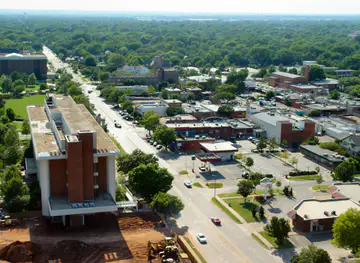
The cities of Lake and Trail Country, and the easiest places to base yourself.
-
-


Swipe for more cities
Destinations in Lake and Trail Country
Resorts, valleys and scenic spots worth a trip of their own.
-

-

-

-


Swipe for more destinations
Best attractions in Lake and Trail Country
Lake and Trail Country’s attractions are built around water, woodland and accessible wilderness rather than dense urban sightseeing. Broken Bow Lake and Beavers Bend State Park form the best-known cluster, offering boating, fishing, paddling, hiking, mountain biking, golf and river activities amid pine forest. Around Idabel, the Forest Heritage Center Museum explains the region’s timber history, while the nearby forests provide opportunities for wildlife watching and quiet walks. Talimena State Park and the Oklahoma section of the Talimena National Scenic Byway lead into the Ouachita Mountains, where overlooks and short trails give access to a more elevated landscape. Robbers Cave State Park near Wilburton combines sandstone formations, wooded trails, lake recreation and equestrian facilities, while McGee Creek State Park offers boating, fishing, camping and access to rugged woodland around its reservoir. Smaller towns, Native cultural institutions, historic places and working landscapes add context between outdoor stops. Activities are seasonal and facilities can be widely separated, so visitors should distinguish between developed recreation areas and remote countryside before planning a day out.
-
 Casino
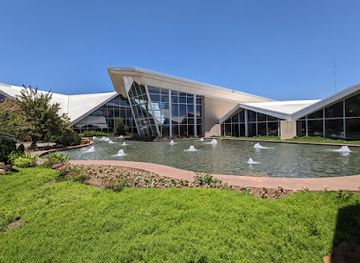
Choctaw Casino & Resort-Durant
Discover the ultimate entertainment hub at Choctaw Casino & Resort-Durant, where gaming, dining, and relaxation converge in Oklahoma.
-
Park
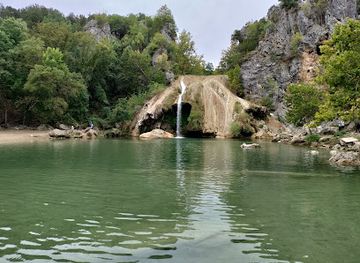
Turner Falls Park
Explore the breathtaking beauty of Turner Falls Park, featuring stunning waterfalls, hiking trails, and serene swimming areas in Oklahoma's picturesque landscape.
-
Heritage museum
National Cowboy & Western Heritage Museum
Explore the vibrant history and culture of the American West at Oklahoma City's National Cowboy & Western Heritage Museum, a treasure trove of art and heritage.
-
Wildlife refuge
Wichita Mountains National Wildlife Refuge
Discover the breathtaking landscapes and diverse wildlife of Wichita Mountains National Wildlife Refuge, a natural paradise in Oklahoma.

Best landmarks in Lake and Trail Country
Broken Bow Lake is Lake and Trail Country’s defining geographical landmark, a broad reservoir enclosed by wooded hills and associated with the Mountain Fork River and Beavers Bend State Park. In the west, the Talimena Scenic Drive follows the crest of the Ouachita Mountains and links a sequence of high overlooks, giving the region one of its most recognisable road landscapes. Robbers Cave and the sandstone ridges of Robbers Cave State Park near Wilburton form another distinctive natural landmark, where rock shelters and forested hills carry both geological and local historical associations. The Mountain Fork River is important not only for recreation but also for the way it threads through the pine country around Broken Bow. At Beavers Bend, the Forest Heritage Center Museum provides a cultural landmark connected to the timber industry and the working history of southeastern Oklahoma. Towns such as Talihina, Idabel and Wilburton offer civic and commercial reminders of rail, farming, mining and Native history, while the wider forested horizon remains the region’s strongest visual signature.
-
Resort hotel
Choctaw Casino & Resort-Durant
Discover the ultimate getaway at Choctaw Casino & Resort-Durant, where gaming, dining, and relaxation converge in a vibrant atmosphere.
-
Heritage museum
National Cowboy & Western Heritage Museum
Explore the rich culture and history of the American West at the National Cowboy & Western Heritage Museum in Oklahoma City, where history comes alive.
-
Wildlife refuge
Wichita Mountains National Wildlife Refuge
Experience the stunning landscapes and diverse wildlife of Wichita Mountains National Wildlife Refuge, a must-visit destination for nature lovers in Oklahoma.
-
State park
Beavers Bend State Park and Nature Center
Discover the scenic beauty and outdoor adventure at Beavers Bend State Park in Oklahoma, a perfect escape for nature lovers and thrill-seekers alike.


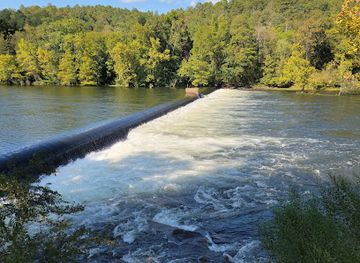
Explore Lake and Trail Country on the map
Plan your trip on one map. See where the top cities, national parks and sights are, and book hotels and experiences in a few clicks.
Best hotels in Lake and Trail Country
Best restaurants in Lake and Trail Country
Dining in Lake and Trail Country reflects rural southeastern Oklahoma, with family restaurants, cafés, barbecue, burgers, catfish, steaks and traditional Southern-influenced cooking more prominent than a single defining regional cuisine. Around Broken Bow and Hochatown, cabins and holiday accommodation have encouraged a broad mix of casual restaurants, cafés, bakeries and places serving groups of visitors, while smaller towns tend to offer locally oriented diners and independent eateries. Trout from the Mountain Fork area is associated with local fishing and restaurant menus, although availability and sourcing vary. Farmers’ markets and roadside sellers may offer seasonal produce, honey, preserves and baked goods, and the wooded southeast is also known for the wider culinary use of pecans, berries and garden produce. The Choctaw Nation’s foodways form part of the region’s living cultural context, but visitors should distinguish contemporary Native food enterprises from generic claims about regional cuisine. In remote areas, plan meals and supplies ahead rather than assuming late-opening dining options.
-
American
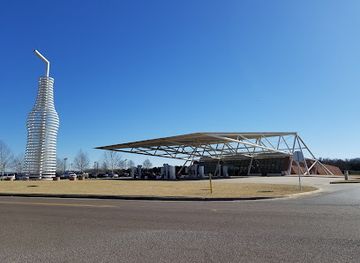
Pops 66
Discover Pops 66: A vibrant roadside gem offering delicious American cuisine and one of the largest soda selections along Route 66.
-
American
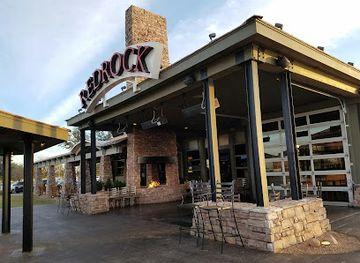
Redrock Canyon Grill
Experience exquisite American cuisine at Redrock Canyon Grill, where every meal is paired with stunning views of Lake Hefner.
-
Seafood
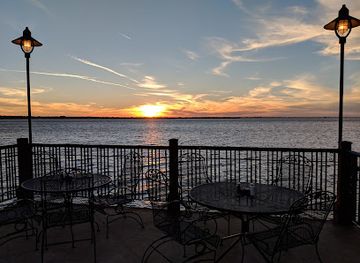
Hefner Grill
Discover fresh seafood delights at Hefner Grill with stunning lake views in Oklahoma City—an unforgettable dining experience awaits.
-
Hamburger
Meers Store and Restaurant
Discover delicious hamburgers in a rustic setting at Meers Store and Restaurant – an iconic dining destination in Oklahoma.

Best bars in Lake and Trail Country
Evening life is concentrated in Broken Bow, Hochatown and the larger towns, with the region’s social scene centred on restaurants, breweries, cabin gatherings, casual bars, live music and traditional pubs rather than a large nightclub circuit. Hochatown’s visitor economy supports the greatest choice of evening venues, although opening arrangements and individual businesses can change. In McAlester, Idabel, Wilburton and other communities, nightlife is more local and usually revolves around restaurants, bars, community events and occasional live performances. Around the lakes, evenings often mean sitting outdoors, stargazing or listening to music at accommodation rather than moving between clubs. Alcohol laws, transport distances and limited taxi availability make drinking and driving particularly unsafe; arrange a sober driver and check venue policies in advance. Seasonal crowds can alter the atmosphere considerably, especially during warm-weather weekends and holiday periods.
-
Barbecue
Smokin' Joe's Rib Ranch
Discover the rich flavors of authentic barbecue at Smokin' Joe's Rib Ranch, where every bite tells a delicious story of southern tradition.
-
Restaurant
Sneaky Tiki Restaurant
Experience the tropical flavors and vibrant atmosphere of Sneaky Tiki Restaurant in Mead, Oklahoma, where every meal is a culinary adventure.
-
Bar
Lake Texoma Lodge and Resort
Discover tranquility and adventure at Lake Texoma Lodge and Resort, your perfect lakeside escape in Oklahoma.
-
Bar
Topper's
Experience the vibrant atmosphere of Topper's Bar in Mead, Oklahoma, where great drinks and friendly faces create unforgettable nights.


Best nightclubs in Lake and Trail Country
Evening life is concentrated in Broken Bow, Hochatown and the larger towns, with the region’s social scene centred on restaurants, breweries, cabin gatherings, casual bars, live music and traditional pubs rather than a large nightclub circuit. Hochatown’s visitor economy supports the greatest choice of evening venues, although opening arrangements and individual businesses can change. In McAlester, Idabel, Wilburton and other communities, nightlife is more local and usually revolves around restaurants, bars, community events and occasional live performances. Around the lakes, evenings often mean sitting outdoors, stargazing or listening to music at accommodation rather than moving between clubs. Alcohol laws, transport distances and limited taxi availability make drinking and driving particularly unsafe; arrange a sober driver and check venue policies in advance. Seasonal crowds can alter the atmosphere considerably, especially during warm-weather weekends and holiday periods.
-
Night club
Redneck Dance Hall
Discover the lively atmosphere of Redneck Dance Hall in Oklahoma City, where country music meets unforgettable nightlife in a vibrant dance hall setting.
-
Live music bar
Brickhouse Saloon
Brickhouse Saloon: Your Go-To Live Music Bar in Shawnee, OK for Unforgettable Nights and Great Drinks.
-
Night club
One15 Nightclub
Experience the electric nightlife at One15 Nightclub in Bricktown, Oklahoma City—where music, drinks, and fun come together for an unforgettable evening.
-
Bar
Katt's Cove
Discover Katt's Cove, your go-to bar in Oklahoma City for live music, karaoke, and dart games in a vibrant atmosphere.


Best shops in Lake and Trail Country
Shopping in Lake and Trail Country is modest in scale and closely connected to local produce, outdoor recreation and regional craft. Broken Bow and Hochatown have the largest concentration of visitor-oriented shops, including outfitters, cabin supplies, souvenirs, artwork, gifts and products made from wood or inspired by the surrounding forests. Idabel, McAlester, Talihina and Wilburton provide more conventional small-town shopping, with independent retailers, cafés, antique or resale shops and practical supplies for road trips and outdoor activities. Farmers’ markets and seasonal roadside stalls may offer pecans, honey, preserves, baked goods and locally grown produce, though schedules vary through the year. Galleries and craft outlets can provide pottery, paintings, woodworking and other work by Oklahoma makers; choose items with clear provenance rather than assuming every Native-themed product is made by a Native artist. Outdoor equipment, fishing supplies and locally produced food are generally more useful regional purchases than generic resort merchandise.
-
Sporting goods store
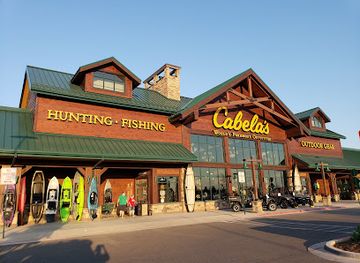
Cabela's
Explore the ultimate outdoor shopping experience at Cabela's in Oklahoma City, offering everything for camping, fishing, hunting, and more.
-
Department store
Walmart Supercenter
Experience the ultimate shopping convenience at Walmart Supercenter in Grove, where affordability meets a diverse range of products.
-
Gift shop
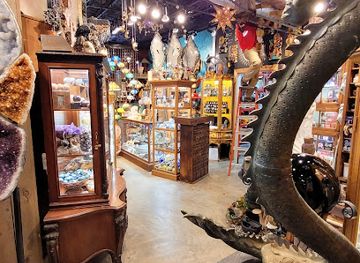
Craig's Curious Emporium
Discover unique gifts and eclectic treasures at Craig's Curious Emporium in Oklahoma City's vibrant Asian District, a must-visit for every tourist.
-
Department store
Walmart
Experience the convenience of shopping at Walmart in Atoka, Oklahoma – your go-to destination for affordable groceries, clothing, and more.


Get your free copy of our complete guide to Lake and Trail Country, delivered straight to you.
Everything on this page, from attractions and restaurants to essentials and local phrases, in one PDF you can read offline, print or share.
Already have an account? Sign in
Your Lake and Trail Country guide is ready.
We'll send it to · Not you? Sign out

Getting your guide ready…
We are putting together a fresh copy of the Lake and Trail Country guide. This can take up to a minute.
This can take a few moments. If your browser asks, choose Allow so the download can start. You'll find the guide in your Downloads folder.
Nothing happened? Download it again
Sorry, the guide is taking longer than usual. Please try again in a minute, or get it by email instead.
Lake and Trail Country essentials
Currency and Payment
Safety
Emergency Situations
Do's and Don'ts
Local Tips
From Eve
Local phrases worth knowing
You don't need to get them perfect. A few words go a long way, and locals appreciate the effort.
Basics
| English | Local | Say it |
|---|---|---|
| Hello | Howdy | [Haud-ee] |
| Goodbye | See ya | [See yah] |
| Yes | Yep | [Yep] |
| No | Nah | [Nah] |
| Please/You're welcome | Please / No problem | [Pleez / No prob] |
| Thank you | Thanks | [Thangs] |
| Excuse me/Sorry | Excuse me / My bad | [Ex-kyoos mee / My bad] |
| How are you? | How ya doin'? | [How ya doin'?] |
| Fine. And you? | I’m good. And you? | [I’m good. An' you?] |
| Do you speak English? | Do ya speak English? | [Do ya speak English?] |
| I don't understand | I don't get it | [I don't get it] |
Eating & Drinking
| English | Local | Say it |
|---|---|---|
| I'd like to see the menu, please | Can I see the menu, please? | [Can I see the menu, pleez?] |
| I don't eat meat | I don't eat meat | [I don't eat meat] |
| Cheers! | Cheers! | [Cheers!] |
| I would like to pay, please | Can I pay now, please? | [Can I pay now, pleez?] |
Emergencies
| English | Local | Say it |
|---|---|---|
| Help! | Help! | [Help!] |
| Go away! | Leave me alone! | [Leave me alone!] |
| Call the Police! | Call the cops! | [Call the cops!] |
| Call a doctor! | Get a doctor! | [Get a doctor!] |
| I'm lost | I'm lost | [I'm lost] |
| I'm ill | I ain't feelin' good | [I ain't feelin' good] |
Shopping
| English | Local | Say it |
|---|---|---|
| I'd like to buy... | I wanna buy... | [I wanna buy...] |
| I'm just looking | Just lookin' | [Just lookin'] |
| How much is it? | What’s the price? | [What’s the price?] |
| That's too expensive | That costs too much | [That costs too much] |
| Can you lower the price? | Can ya drop the price? | [Can ya drop the price?] |
Time & Numbers
| English | Local | Say it |
|---|---|---|
| What time is it? | What time is it? | [What time is it?] |
| It's one o'clock | It's one o'clock | [It's one o'clock] |
| Half past (10) | Half past ten | [Half past ten] |
| Morning | Mornin' | [Mornin'] |
| Afternoon | Afternoon | [Afternoon] |
| Evening | Evenin' | [Evenin'] |
| Yesterday | Yesterday | [Yesterday] |
| Today | Today | [Today] |
| Tomorrow | Tomorrow | [Tomorrow] |
| 1 | One | [One] |
| 2 | Two | [Two] |
| 3 | Three | [Three] |
| 4 | Four | [Four] |
| 5 | Five | [Five] |
| 6 | Six | [Six] |
| 7 | Seven | [Seven] |
| 8 | Eight | [Eight] |
| 9 | Nine | [Nine] |
| 10 | Ten | [Ten] |
Transport & Directions
| English | Local | Say it |
|---|---|---|
| Where's a/the...? | Where's the...? | [Where's the...?] |
| What's the address? | What's the address? | [What's the address?] |
| Can you show me (on the map)? | Can ya show me on the map? | [Can ya show me on the map?] |
| When's the next (bus)? | When's the next bus? | [When's the next bus?] |
| A ticket (to ....) | A ticket to... | [A ticket to...] |
History of Lake and Trail Country
Caddoan and Choctaw Homelands
Southeastern Oklahoma has long been home to Native peoples, including Caddoan-speaking communities and the Choctaw, whose historical homeland extended across parts of present-day Mississippi and Alabama before forced removal. Archaeological evidence in the wider region records earlier settlement, farming and exchange, while surviving Native nations continue to shape local government, land stewardship and cultural life. The Choctaw Nation of Oklahoma is headquartered at Durant, outside the core of Lake and Trail Country, but its communities, institutions and historical presence are central to understanding the southeast.
Removal and the Trail of Tears, 1830s
The forced removal of the Choctaw and other southeastern Native nations to Indian Territory transformed the population and political geography of what became Oklahoma. The journey is remembered as part of the Trail of Tears, although routes varied and conditions were severe. Choctaw communities rebuilt political, educational and economic institutions in Indian Territory, creating foundations of the modern Choctaw Nation. Sites and museums across southeastern Oklahoma interpret this history, which should be approached as a story of dispossession, survival and continuing sovereignty rather than simply as a pioneer-era migration.
The Choctaw Nation in Indian Territory
During the nineteenth century, the Choctaw developed a structured government, schools, farms, churches and commercial networks in Indian Territory. The region’s roads and towns became connected to a wider Native political world, while missionaries, traders and settlers added further layers to the landscape. The Choctaw Nation’s institutions were disrupted by federal policy and Oklahoma statehood, but its government and cultural identity endured. Today, Native languages, education, museums, public services and community events remain important parts of southeastern Oklahoma’s living heritage.
Coal, Railways and the Growth of Towns
Coal mining became a major industry in parts of southeastern Oklahoma during the late nineteenth and early twentieth centuries, particularly around the San Bois Mountains and communities such as Wilburton and McAlester. Railways enabled coal, timber and agricultural products to reach wider markets and encouraged the growth of towns, shops and civic buildings. Mining was difficult and dangerous work, and its legacy includes both local prosperity and environmental change. Former mining districts, museums and surviving transport corridors help explain why some inland communities developed where they did.
Statehood and the Reorganisation of Indian Territory, 1907
Oklahoma statehood in 1907 brought Indian Territory into a new statewide political system, replacing the separate territorial framework under which Native nations had operated. The change affected land ownership, courts, taxation, transport and town development, while Native nations continued to defend their political and cultural rights. Southeastern Oklahoma retained a strong Native identity alongside growing non-Native communities, farming, mining and forestry. The region’s present institutions reflect this layered history rather than a single transition from frontier settlement to modern state.
Timber, Conservation and Reservoir Building
Forest resources became increasingly important in the southeast as logging, sawmilling and related transport supported local employment. The Forest Heritage Center near Beavers Bend interprets this timber history and the skills associated with woodland work. Later, dam construction and public-land management reshaped valleys and rivers into reservoirs and recreation areas. Broken Bow Lake, completed in the 1960s, helped establish the area as a destination for water-based recreation, while state parks and forest reserves preserved parts of the Ouachita landscape for public use.
The Modern Outdoor-Tourism Economy
From the late twentieth century onwards, southeastern Oklahoma increasingly promoted its lakes, forests, scenic roads and state parks to visitors from across the state and neighbouring regions. Cabins, marinas, trail facilities and outdoor businesses grew alongside established communities, particularly around Broken Bow Lake. Tourism has diversified local economies but also brought pressures involving traffic, waste, housing and environmental protection. The contemporary identity of Lake and Trail Country therefore combines recreation with older Native, agricultural, timber and industrial histories.
Lake and Trail Country in Photos
Browse through our photo collection highlighting the charm and character of the destination.
Neighbouring regions of Lake and Trail Country
The closest regions to Lake and Trail Country, if you have time for more than one.
-

-

-

-
-


Swipe for more regions
Explore more
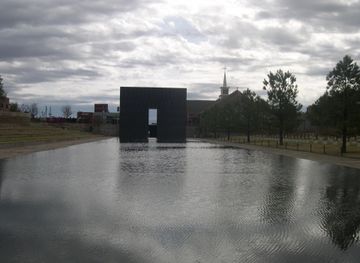
Explore more of Oklahoma
Discover Oklahoma: Where the spirit of the Old West meets modern charm, offering a rich mix of history, nature, and vibrant culture in the heart of the United States.
Explore Oklahoma