

Ruwi (Muscat) Travel Guide - Free
Explore Ruwi in Muscat with Evendo's free guide. Find the best shops, historic streets, restaurants, and gems on web or mobile.


Ruwi, Muscat’s commercial heart, blends Indian Ocean cultures, practical shopping, South Asian dining, transport links and everyday urban life in Oman.
A Working District in Modern Muscat
Ruwi is one of Muscat’s most recognisable commercial districts, a busy urban centre set inland from the old harbour areas of Muttrah and Muscat. Its streets are lined with practical mid-rise buildings, banks, travel agencies, exchange houses, electronics retailers, textile shops, restaurants and office blocks, giving it a distinctly metropolitan character within a city better known for low-rise development and dramatic mountain scenery. Ruwi is not a traditional fort district or resort enclave; its appeal lies in observing the everyday commercial life of the capital.Read more about Ruwi
Street Life and Cultural Exchange
Orientation and Nearby Heritage
Best attractions in Ruwi
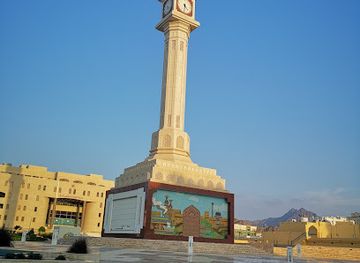
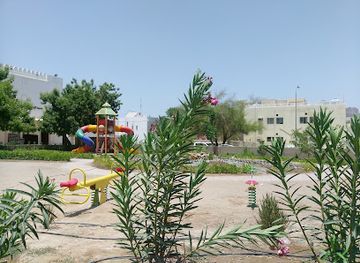
Ruwi’s attractions are primarily urban and observational rather than monumental. The Ruwi Clock Tower is a familiar landmark and a useful meeting point near the district’s commercial centre, while Ruwi Park provides a small landscaped pause among roads, offices and shops. The main pleasure comes from walking through the Ruwi High Street area, where multilingual signs, exchange houses, clothing retailers, electronics shops and South Asian restaurants reveal the district’s role as a commercial crossroads. Ruwi Bus Station is also an instructive piece of everyday Muscat, linking the neighbourhood with the wider capital. Visitors interested in history can use Ruwi as a base for nearby Muttrah and Old Muscat, where the atmosphere changes to waterfront markets, older architecture and museums; these are adjacent or nearby districts, not attractions within Ruwi itself.
-
Tourist attraction
Ruwi Clock Tower
Explore the Ruwi Clock Tower, an emblem of Muscat's history and culture, where tradition meets modernity in a vibrant urban setting.
18 min walk · 1.5 km from neighbourhood centre
-
Tourist attraction
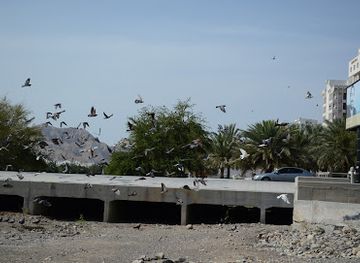
Wadi View Point
Experience the breathtaking views and serene beauty at Wadi View Point, a must-visit attraction in Muscat, Oman, perfect for nature lovers and photographers.
5 min drive · 1.6 km from neighbourhood centre
Best landmarks in Ruwi
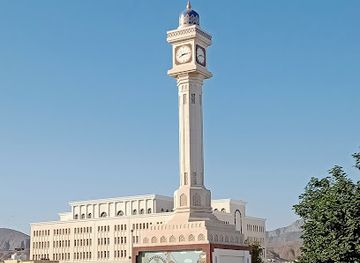
The Ruwi Clock Tower is the district’s most recognisable visual marker, standing as a practical orientation point within an urban landscape of commercial blocks, offices and arterial roads. Ruwi Bus Station is another significant local feature: it represents the neighbourhood’s long-standing function as a transport and service centre rather than a ceremonial square or preserved historic quarter. Ruwi Park adds a modest landscaped element to the built-up area, offering contrast with the surrounding roads and shopfronts. The district’s low- and mid-rise buildings, multilingual commercial signs and specialist retail façades are themselves part of its character, reflecting Muscat’s modern expansion and international commerce. Historic landmarks such as Muttrah Souq, the forts and waterfront buildings of the old harbour lie nearby but should be understood as neighbouring heritage areas rather than as landmarks of Ruwi.
-
Mosque
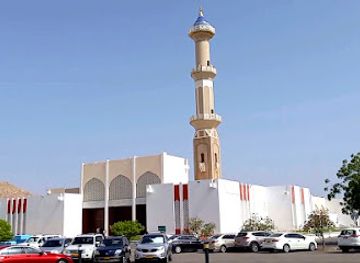
Sultan Qaboos Mosque Ruwi
Discover the breathtaking beauty of Sultan Qaboos Mosque, a cultural gem in Muscat, showcasing exquisite Islamic architecture and serene gardens.
6 min drive · 1.9 km from neighbourhood centre
-
Tourist attraction
Ruwi Clock Tower
Discover the Ruwi Clock Tower, a stunning landmark in Muscat blending rich history and modern beauty, perfect for every tourist's itinerary.
18 min walk · 1.5 km from neighbourhood centre
-
Park
Park
Discover the lush oasis in Muscat, where vibrant gardens and serene walking paths invite you to relax and unwind amidst nature's beauty.
7 min drive · 2.3 km from neighbourhood centre
-
Tourist attraction
Ruwi full view
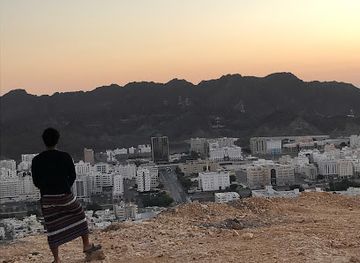
Experience breathtaking views and cultural richness at Ruwi Full View, your gateway to the stunning skyline of Muscat.
7 min drive · 2.3 km from neighbourhood centre
Explore Ruwi on the map
A handpicked selection of must-see spots in Ruwi, mapped for you.
Best hotels in Ruwi
Best restaurants in Ruwi
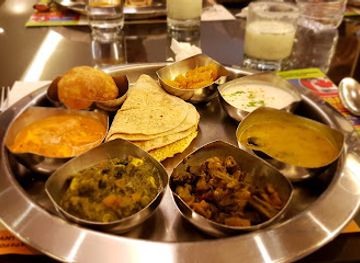
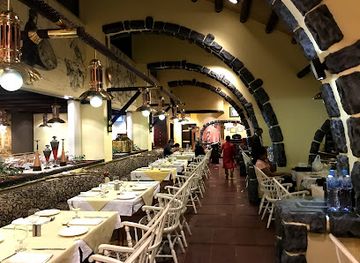
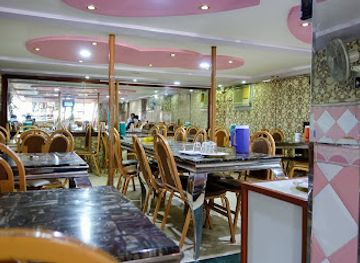
Ruwi has one of Muscat’s most useful concentrations of informal and moderately priced dining, with the strongest choice around its commercial streets and the roads close to the bus station. South Asian restaurants and cafés are particularly prominent, reflecting the neighbourhood’s Indian, Pakistani and Bangladeshi communities, and menus commonly include rice dishes, breads, grilled meats, curries, biryani and tea. Omani and broader Arab cooking is also represented, alongside Filipino, East African and international options in hotels and established restaurants. Small eateries are often designed for quick meals rather than extended sightseeing, while cafeterias serve juices, snacks and strong tea throughout the day. The district’s food culture is closely connected to commerce: shop workers, office employees, drivers and residents create a steady local clientele. Visitors should look for busy, clearly identified premises and ask about ingredients when dietary requirements are important.
-
Vegetarian
Kesar Restaurant & Sweet, CBD
Discover the rich flavors of India at Kesar Restaurant & Sweet in CBD Muscat—your go-to spot for delicious vegetarian cuisine.
6 min drive · 1.9 km from neighbourhood centre
-
Restaurant
Al Hawas Restaurant
Discover the authentic flavors of Oman at Al Hawas Restaurant in Ruwi - where tradition meets taste in every dish.
5 min drive · 1.6 km from neighbourhood centre
-
Indian
Copper Chimney
Experience the best of Indian and Chinese cuisine at Copper Chimney in Muscat – where every dish tells a story.
7 min drive · 2.2 km from neighbourhood centre
-
Pakistani
Al Haikal Restaurant
Discover authentic Pakistani flavors at Al Haikal Restaurant in Muscat – where every meal is a celebration of culture and taste.
6 min drive · 1.9 km from neighbourhood centre
Best bars in Ruwi
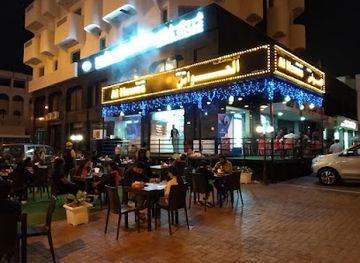
Ruwi is not a major clubbing district and its evening character is shaped more by restaurants, hotel lounges, cafés and late commercial activity than by a concentrated nightlife strip. Licensed alcohol service in Oman is restricted to approved venues, generally within hotels, and any such facilities should be checked directly for current access and rules. Around the main streets, evening activity often consists of diners, shoppers, taxi movements and people meeting after work, while quieter side roads become more residential. Ruwi can suit visitors who prefer an urban base with practical dining and transport rather than a destination built around nightlife. For a broader evening programme, nearby Muttrah offers waterfront restaurants and promenades, while other parts of Muscat contain additional hotel entertainment and cultural venues; these experiences are outside Ruwi and require onward travel.
-
Family-friendly
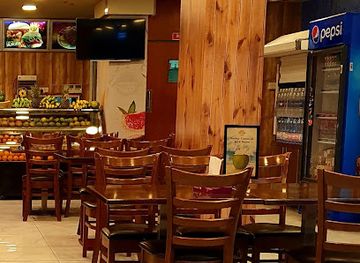
Naana Cafe and Juice Bar مقهى و عصائر نانا
Savor delicious barbecue dishes and refreshing juices at Naana Cafe, a family-friendly culinary haven in Muscat's vibrant CBD area.
6 min drive · 2.0 km from neighbourhood centre
-
Bar
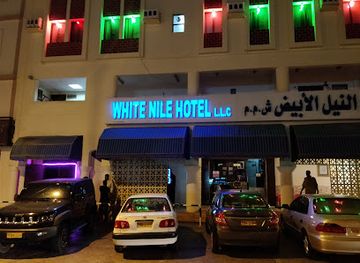
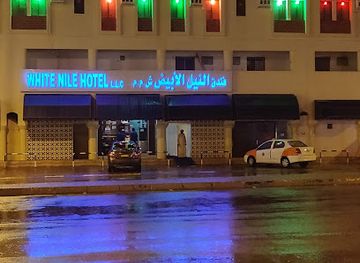
White Nile Hotel فندق النيل الابيض
Discover the lively essence of Muscat at White Nile Hotel, where authentic Omani hospitality meets a vibrant bar experience.
7 min drive · 2.4 km from neighbourhood centre
-
Lounge
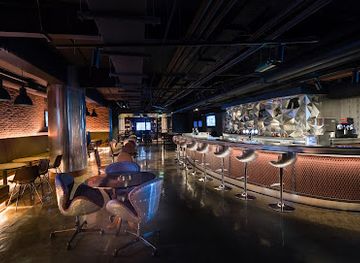
Turbine and Taps
Discover the lively atmosphere and delightful flavors of Turbine and Taps, a premier lounge in Muscat, perfect for unwinding or socializing.
18 min walk · 1.5 km from neighbourhood centre
-
Restaurant
Nirvana
Experience the rich flavors of Oman at Nirvana, a culinary gem in Muscat that blends tradition with modern flair.
5 min drive · 1.8 km from neighbourhood centre
Best nightclubs in Ruwi
Ruwi is not a major clubbing district and its evening character is shaped more by restaurants, hotel lounges, cafés and late commercial activity than by a concentrated nightlife strip. Licensed alcohol service in Oman is restricted to approved venues, generally within hotels, and any such facilities should be checked directly for current access and rules. Around the main streets, evening activity often consists of diners, shoppers, taxi movements and people meeting after work, while quieter side roads become more residential. Ruwi can suit visitors who prefer an urban base with practical dining and transport rather than a destination built around nightlife. For a broader evening programme, nearby Muttrah offers waterfront restaurants and promenades, while other parts of Muscat contain additional hotel entertainment and cultural venues; these experiences are outside Ruwi and require onward travel.
-
Bar
White Nile Hotel فندق النيل الابيض
Discover the lively atmosphere of the White Nile Hotel bar in Muscat, where local culture meets delightful drinks and a warm welcome.
7 min drive · 2.4 km from neighbourhood centre
-
Lounge
Turbine and Taps
Experience the vibrant nightlife at Turbine and Taps, Muscat's chic lounge featuring craft cocktails and a lively atmosphere for unforgettable nights.
18 min walk · 1.5 km from neighbourhood centre
-
Social club
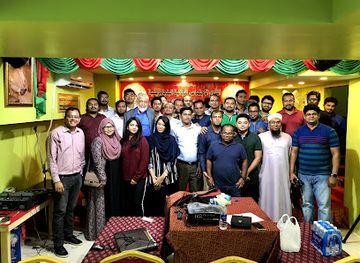
Bangladesh social club oman
Discover the essence of Bangladeshi culture at the Bangladesh Social Club in Muscat, Oman, where community, cuisine, and celebration unite.
5 min drive · 1.6 km from neighbourhood centre
-
Bar
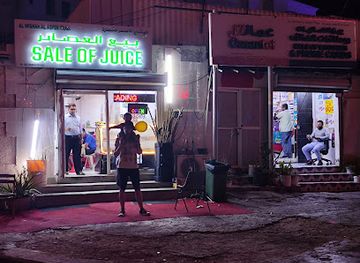
Sale of juce
Experience the vibrant flavors of Muscat at Sale of Juice, a refreshing bar serving up delicious, fresh juices in a lively atmosphere.
5 min drive · 1.7 km from neighbourhood centre
Best shops in Ruwi
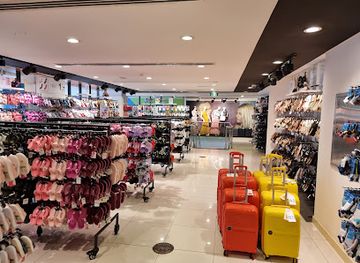
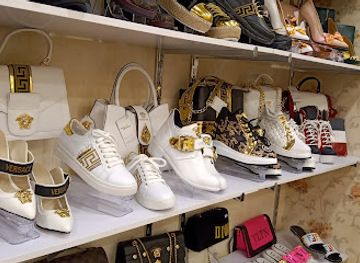
Shopping in Ruwi is practical, varied and closely tied to its role as a long-established commercial centre. The streets around Ruwi High Street contain electronics retailers, mobile-phone businesses, clothing shops, tailors, jewellers, exchange houses, travel agencies, pharmacies and stores serving everyday household needs. South Asian textiles, ready-made clothing, perfumes, luggage and imported food products are especially visible, although the exact selection varies between businesses. The district is more useful for comparing specialist shops and observing local commercial life than for polished luxury retail or a single grand market experience. Visitors should distinguish Ruwi’s dispersed shopfronts from Muttrah Souq, the historic market by the harbour, which is nearby but not in Ruwi. Bargaining may be possible in some independent shops, but it should be approached politely and never assumed to apply to every retailer.
-
Clothing store
R&B ار اند بي - روي
Explore R&B Fashion in Muscat for trendy clothing that blends modern style with local flair, perfect for every fashion-forward traveler.
7 min drive · 2.3 km from neighbourhood centre
-
Moving supply store
Ruwi Movers
Ruwi Movers in Muscat offers top-notch moving supplies, making your relocation smooth and hassle-free with quality products and expert assistance.
7 min drive · 2.4 km from neighbourhood centre
-
Gift shop
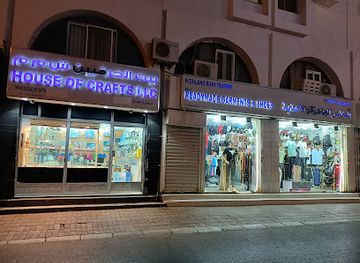
HOUSE OF CRAFTS - UNIQUE GIFTS
Explore the House of Crafts in Muscat for unique, handcrafted gifts and souvenirs that celebrate Oman's rich cultural heritage.
5 min drive · 1.6 km from neighbourhood centre
-
Women's clothing store
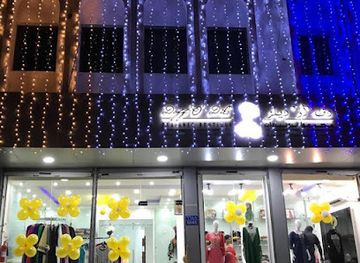
Daff 'O' Dils Designer Boutique
Explore unique women's fashion at Daff 'O' Dils Designer Boutique in Muscat - a haven for tailored dresses and stylish clothing.
6 min drive · 2.0 km from neighbourhood centre

From Eve
Local phrases worth knowing
You don't need to get them perfect. A few words go a long way, and locals appreciate the effort.
Basics
| English | Local | Say it |
|---|---|---|
| Hello | مرحبا | [Marhaba] |
| Goodbye | وداعا | [Wada'an] |
| Yes | نعم | [Na'am] |
| No | لا | [La] |
| Please/You're welcome | من فضلك | [Min fadlik] |
| Thank you | شكرا | [Shukran] |
| Excuse me/Sorry | عذرا | [A'adhara] |
| How are you? | كيف حالك؟ | [Kayf halak?] |
| Fine. And you? | بخير. وأنت؟ | [Bikhayr. Wa'ant?] |
| Do you speak English? | هل تتكلم الإنجليزية؟ | [Hal tatakallam al'injlizia?] |
| I don't understand | أنا لا أفهم | [Ana la afham] |
Eating & Drinking
| English | Local | Say it |
|---|---|---|
| I'd like to see the menu, please | أريد أن أرى القائمة، من فضلك | [Aridu an ara alqaimah, min fadlik] |
| I don't eat meat | أنا لا آكل اللحم | [Ana la akl allahm] |
| Cheers! | في صحتك! | [Fi sahtak!] |
| I would like to pay, please | أريد أن أدفع، من فضلك | [Aridu an adfa', min fadlik] |
Emergencies
| English | Local | Say it |
|---|---|---|
| Help! | النجدة! | [Alnajdah!] |
| Go away! | انصرف! | [Insarif!] |
| Call the Police! | اتصل بالشرطة! | [Itsal bilshurtah!] |
| Call a doctor! | اتصل بطبيب! | [Itsal bitabib!] |
| I'm lost | ضاعت الطريق | [Da'at altariq] |
| I'm ill | أنا مريض | [Ana mareed] |
Shopping
| English | Local | Say it |
|---|---|---|
| I'd like to buy... | أود أن أشتري... | [Awd an ashtari...] |
| I'm just looking | أنا فقط أتفرج | [Ana faqat atfarij] |
| How much is it? | كم سعره؟ | [Kam siroh?] |
| That's too expensive | هذا غالي جدا | [Hatha ghali jiddan] |
| Can you lower the price? | هل يمكنك خفض السعر؟ | [Hal yumkinuk khafd alsir?] |
Time & Numbers
| English | Local | Say it |
|---|---|---|
| What time is it? | كم الوقت؟ | [Kam alwaqt?] |
| It's one o'clock | الساعة الواحدة | [Alsa'ah alwahidah] |
| Half past (10) | النصف بعد (10) | [Alnisf ba'd (10)] |
| Morning | الصباح | [Alsubah] |
| Afternoon | بعد الظهر | [Ba'd alduhur] |
| Evening | المساء | [Almasa'] |
| Yesterday | أمس | [Ams] |
| Today | اليوم | [Alyawm] |
| Tomorrow | غدا | [Ghadan] |
| 1 | واحد | [Wahid] |
| 2 | اثنان | [Ithnan] |
| 3 | ثلاثة | [Thalathah] |
| 4 | أربعة | [Arbahah] |
| 5 | خمسة | [Khamsah] |
| 6 | ستة | [Sittah] |
| 7 | سبعة | [Sab'ah] |
| 8 | ثمانية | [Thamaniah] |
| 9 | تسعة | [Tis'ah] |
| 10 | عشرة | [Asharah] |
Transport & Directions
| English | Local | Say it |
|---|---|---|
| Where's a/the...? | أين هو/هي...؟ | [Ayna huwa/hiya...?] |
| What's the address? | ما هو العنوان؟ | [Ma huwa al'unnwan?] |
| Can you show me (on the map)? | هل يمكنك أن تريني (على الخريطة)؟ | [Hal yumkinuk 'an tureeni (ala alkhareetah)?] |
| When's the next (bus)? | متى القادم (الحافلة)؟ | [Mata alqadim (alhafilah)?] |
| A ticket (to ....) | تذكرة (إلى ....) | [Tazkirah (ila ....)] |
History of Ruwi
Before the Modern Commercial District
Ruwi developed within the wider coastal and mountain setting of Muscat, close to routes linking the historic port areas with inland valleys and settlements. Before the rapid expansion of modern Muscat, this part of the capital was far less built up than it is today. Its later importance was shaped not by a single old monument or fortified settlement, but by its strategic position between established coastal districts, emerging government areas and routes leading into the interior.
The Expansion of Muscat After 1970
The transformation of Ruwi belongs to the wider modernisation of Oman after 1970, when Muscat expanded its roads, public services, commercial facilities and administrative infrastructure. As the capital’s population and economy grew, Ruwi became an important location for offices, banks, shops, transport connections and accommodation. Its practical buildings and broad road corridors reflect this period of planned urban growth, contrasting with the compact lanes and historic structures of nearby Muttrah and Old Muscat.
A Commercial and Expatriate Centre
During the later twentieth century, Ruwi consolidated its role as a commercial centre serving residents, businesses and visitors from across Muscat. Retailers specialising in clothing, electronics, travel, remittances and household goods established a dense economic network, while restaurants and cafés catered to Omanis and expatriate communities from South Asia and elsewhere. This social and commercial diversity gave Ruwi a more cosmopolitan street culture than its formal architecture might suggest, connecting local trade with Oman’s wider maritime and economic relationships.
Ruwi in Contemporary Muscat
Ruwi remains an established urban district as Muscat’s commercial activity has spread towards newer centres such as Al Khuwair, Qurum and Al Ghubrah. Its enduring importance comes from the concentration of everyday services, affordable dining, transport links and long-standing businesses rather than from large-scale visitor attractions. The district illustrates the layered character of modern Muscat: a low-rise capital shaped by rapid development, international commerce and strong planning controls, with older commercial corridors continuing to serve the city alongside newer retail and business areas.
Ruwi in Photos
Browse through our photo collection highlighting the charm and character of the destination.
Neighbourhoods near Ruwi
The closest neighbourhoods to Ruwi, if you have time for more than one stop.
-

-

-

-


Swipe for more neighbourhoods

