

Free Klamath Basin Travel Guide & Mobile App
Explore Klamath Basin with free travel guides. Discover regional history, expert tips, proposed trips, and audio guides on web or mobile app.


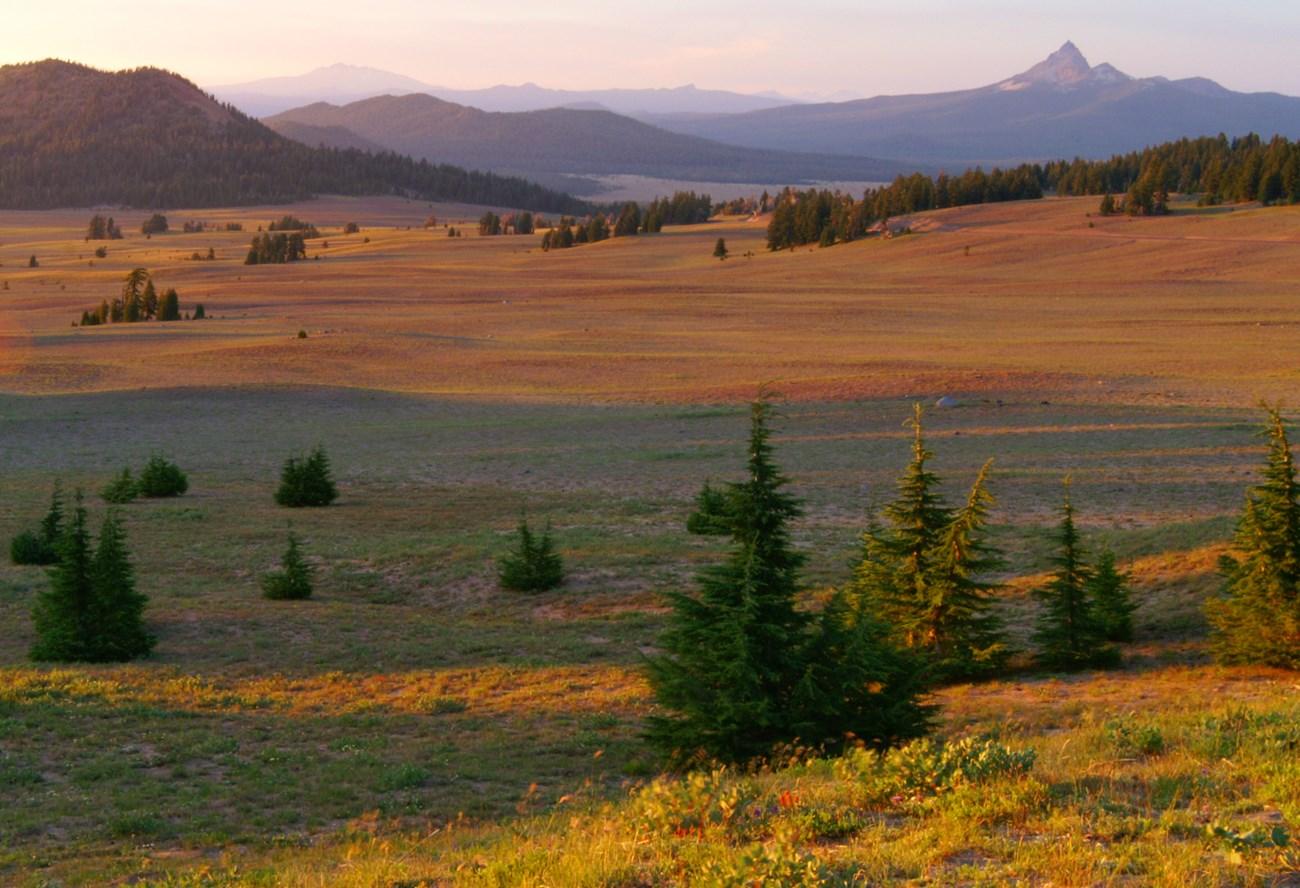


Explore Oregon's Klamath Basin for Upper Klamath Lake, migratory birds, volcanic landscapes, Indigenous history and spacious outdoor recreation.
Read more about Klamath Basin
Getting to and around Klamath Basin
How to get there
Transportation
Top city travel guides in Klamath Basin
The cities of Klamath Basin, and the easiest places to base yourself.
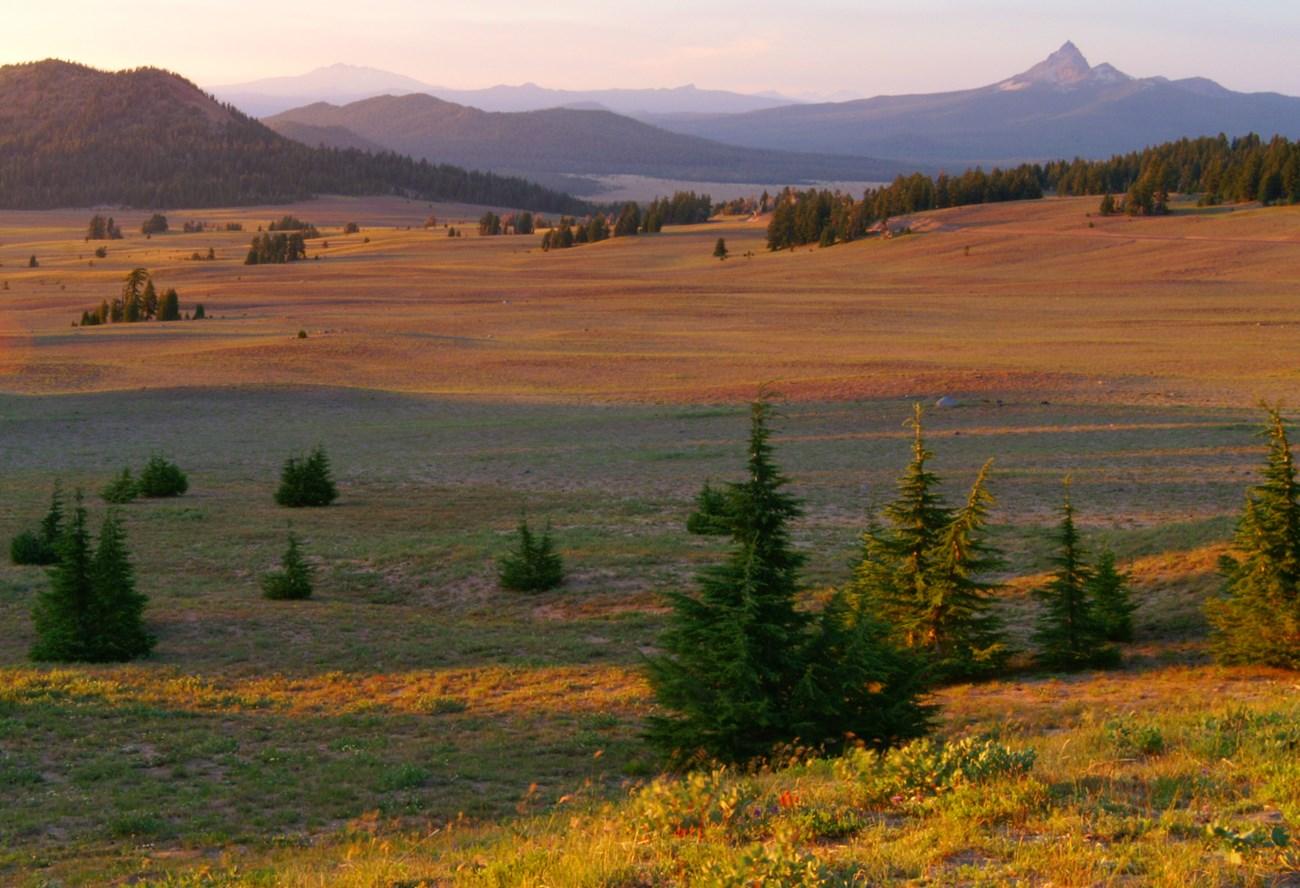
Swipe for more cities
Destinations in Klamath Basin
Resorts, valleys and scenic spots worth a trip of their own.
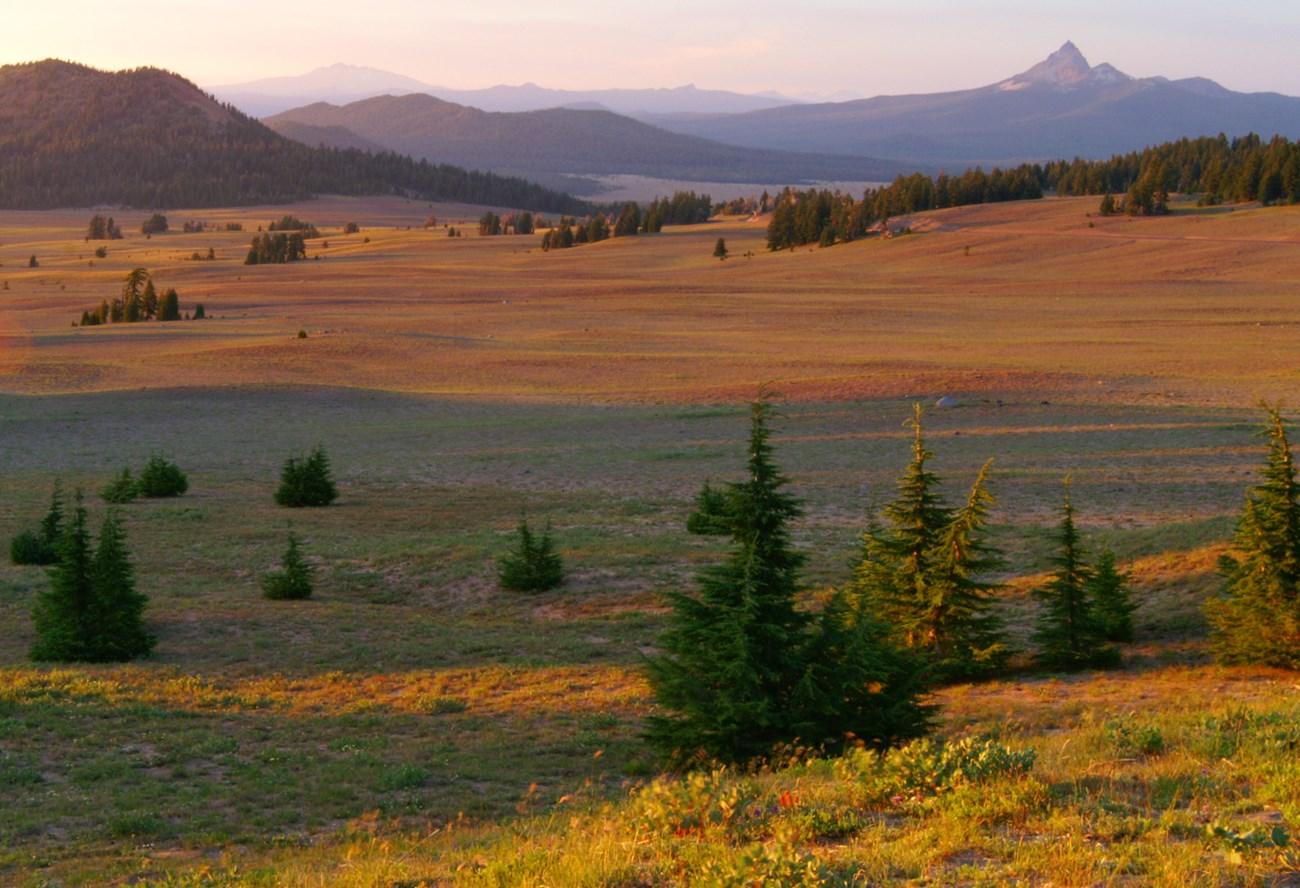
Swipe for more destinations
Best attractions in Klamath Basin
The Klamath Basin's attractions are defined by the meeting of wetlands, working farmland, volcanic terrain and mountain forest. Around Klamath Falls, the Klamath County Museum and Favell Museum provide accessible introductions to regional history, Indigenous cultures, art and natural heritage, while Lake Ewauna and Moore Park offer city-based access to the basin's waterways. The Klamath Wildlife Area and other wetland landscapes are especially important for birdwatching, with seasonal concentrations of waterfowl and other migratory species rewarding patient observation. The OC&E Woods Line State Trail follows a former railway route through rural scenery and is suitable for walking, cycling and selected equestrian use. Further afield, the Williamson and Sprague river country offers fishing, wildlife viewing and open landscapes, while the Cascades provide forest recreation and winter activities. The Oregon basin also works well as a base for carefully planned excursions beyond the region, but California's Tule Lake and Lava Beds National Monument, as well as Crater Lake National Park to the north, are separate destinations rather than local attractions.
-
Federal government office
Klamath Ranger Station
Explore the Klamath Ranger Station in Klamath Falls, Oregon, your gateway to adventure in the stunning Fremont-Winema National Forest.
-
Park
Moore Park
Discover the serene landscapes and recreational opportunities at Moore Park in Klamath Falls, a must-visit destination for nature lovers.
-
State park
Collier Memorial State Park
Experience the breathtaking landscapes and rich history at Collier Memorial State Park, a perfect blend of nature and culture in Oregon.
-
Amusement park
Crater Lake ZipLine
Experience the thrill of zip-lining while surrounded by Oregon's natural beauty at Crater Lake ZipLine, a top destination for adventure seekers.

Best landmarks in Klamath Basin
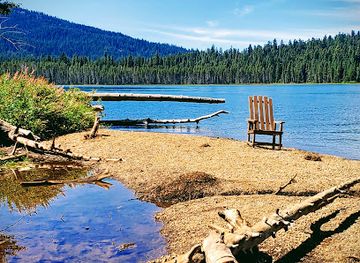
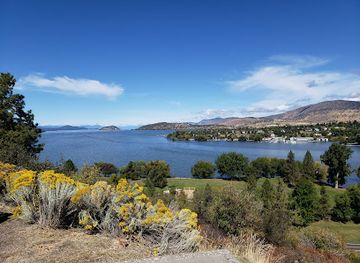
Upper Klamath Lake is the basin's dominant natural landmark, spreading north of Klamath Falls beneath broad Cascade horizons and forming part of a complex system of rivers, marshes and managed wetlands. At its southern end, the Link River and Lake Ewauna mark the transition between the lake and the Klamath River, giving Klamath Falls a distinctive water-based setting. The Klamath County Museum and Favell Museum are important cultural landmarks in the city: one interprets local history and community life, while the other is particularly associated with Indigenous art and the cultures of the western Americas. In the countryside, the long corridor of the OC&E Woods Line State Trail preserves the physical trace of the railway era and provides a visible link between transport history and present-day recreation. The basin's open agricultural fields, wetland margins and forested Cascade slopes are landmarks in a broader geographical sense, expressing the region's ongoing negotiation between water management, wildlife habitat and human settlement.
-
National park
Crater Lake National Park
Explore the stunning beauty of Crater Lake National Park in Oregon, a premier destination for nature lovers and outdoor adventures.
-
Federal government office
Klamath Ranger Station
Discover the Klamath Ranger Station: Your gateway to the breathtaking Fremont-Winema National Forest and endless outdoor adventures in Oregon.
-
 Resort hotel
Lake of the Woods Resort
Experience breathtaking views and outdoor adventures at Lake of the Woods Resort, a serene getaway in Klamath Falls, Oregon.
-
Monument
Lava Beds National Monument
Explore the unique geological formations and rich history of Lava Beds National Monument in California, a must-visit destination for nature lovers and adventurers.
Explore Klamath Basin on the map
Plan your trip on one map. See where the top cities, national parks and sights are, and book hotels and experiences in a few clicks.
Best hotels in Klamath Basin
Best restaurants in Klamath Basin
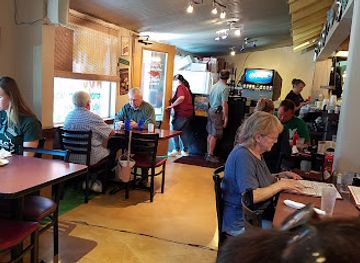
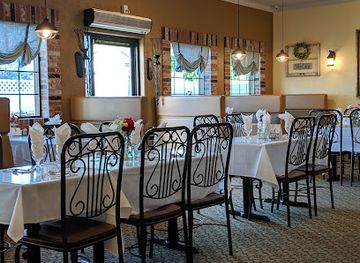
Dining in the Oregon Klamath Basin is practical, regional and closely connected to its agricultural setting. Klamath Falls has the broadest choice of cafés, family restaurants, bakeries, diners and contemporary eateries, while smaller communities tend towards locally oriented cafés, roadside stops and traditional American restaurants. Menus commonly draw on Pacific Northwest produce, beef, potatoes, grains and seasonal vegetables, alongside familiar burgers, sandwiches and comfort food. Trout and other freshwater fish may appear, although availability and provenance vary, and the region should not be reduced to a single signature dish. Farmers' markets and farm stands can provide seasonal fruit, vegetables and locally made products when operating. In rural areas, distances between dining options are considerable, so visitors planning wildlife drives or trail outings should carry provisions and check arrangements in advance. Local cafés and independent restaurants are often the best places to understand the everyday food culture of this high-desert and agricultural landscape.
-
American
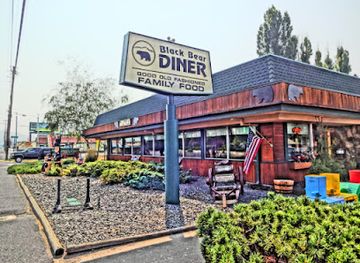
Black Bear Diner Klamath Falls
Experience delightful American comfort food at Black Bear Diner Klamath Falls - a family-friendly restaurant serving breakfast all day!
-
Family-friendly
Waffle Hut & Eatery
Experience delightful breakfasts at Waffle Hut & Eatery in Klamath Falls - where family-friendly dining meets delicious creativity.
-
Restaurant
Nibbley's Cafe
Discover Nibbley's Cafe in Klamath Falls - your go-to spot for delicious breakfasts, satisfying lunches, and tempting desserts.
-
Pizza
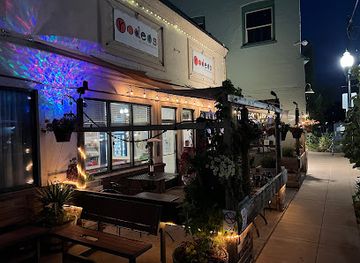
Rodeos Pizza & Saladeria
Discover delicious pizzas and fresh salads at Rodeos Pizza & Saladeria in Klamath Falls – a true culinary delight!
Best bars in Klamath Basin
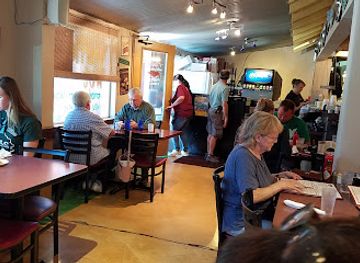
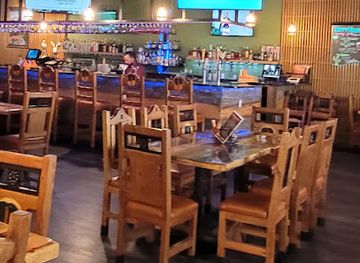
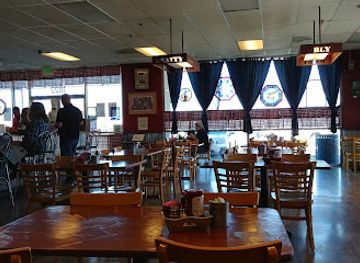
Evening life in the Klamath Basin is concentrated in Klamath Falls rather than spread through the rural landscape. Visitors will find traditional bars, neighbourhood pubs, restaurants serving drinks and occasional live music, with the atmosphere generally more relaxed than that of a large American city. Historic commercial streets and the city centre provide the main setting for an evening out, while smaller communities usually offer only a limited number of taverns or dining establishments. Nightclubs are not the region's defining feature, and opening arrangements can change, so current local information is advisable. Breweries and craft-beverage options may form part of the contemporary scene, but the most characteristic evening experience remains a meal, conversation or local music in a pub-style setting. Anyone driving between communities should plan a sober means of transport, since rural distances and limited late-night services make taxis or rideshares less dependable than in metropolitan areas.
-
Family-friendly
Waffle Hut & Eatery
Discover the charm of Waffle Hut & Eatery, a family-friendly diner in Klamath Falls offering delicious breakfast and lunch options in a cozy setting.
-
Mexican
Mazatlan Grill
Experience authentic Mexican flavors at Mazatlan Grill in Klamath Falls, where vibrant dishes meet warm hospitality for an unforgettable dining adventure.
-
Family-friendly
Starv'n Marv'n Family Restaurant
Experience the heartwarming atmosphere and delicious American breakfast at Starv'n Marv'n Family Restaurant in Klamath Falls, Oregon.
-
Grill
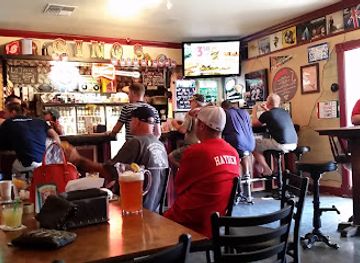
Gino's Cafe & Sports Bar
Experience the best of American cuisine and sports culture at Gino's Cafe & Sports Bar in Klamath Falls—where delicious food and camaraderie meet.
Best nightclubs in Klamath Basin
Evening life in the Klamath Basin is concentrated in Klamath Falls rather than spread through the rural landscape. Visitors will find traditional bars, neighbourhood pubs, restaurants serving drinks and occasional live music, with the atmosphere generally more relaxed than that of a large American city. Historic commercial streets and the city centre provide the main setting for an evening out, while smaller communities usually offer only a limited number of taverns or dining establishments. Nightclubs are not the region's defining feature, and opening arrangements can change, so current local information is advisable. Breweries and craft-beverage options may form part of the contemporary scene, but the most characteristic evening experience remains a meal, conversation or local music in a pub-style setting. Anyone driving between communities should plan a sober means of transport, since rural distances and limited late-night services make taxis or rideshares less dependable than in metropolitan areas.
-
Bar
Basin Martini Bar
Experience the vibrant nightlife at Basin Martini Bar in Klamath Falls with unique cocktails and delicious bites for an unforgettable evening.
-
Grill
Aftershock Sportsbar & Nightclub
Discover Aftershock Sportsbar & Nightclub in Klamath Falls: a vibrant grill and nightlife hub for unforgettable experiences.
-
Bar
NiteOwl
Experience the vibrant nightlife at NiteOwl, Klamath Falls' premier bar celebrating inclusivity with creative cocktails and a lively atmosphere.
-
Night club
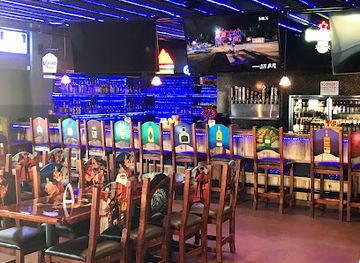
Noa Noa Sports Bar
Experience the lively atmosphere of Noa Noa Sports Bar in Klamath Falls, where delicious Mexican cuisine meets exciting sports entertainment.


Best shops in Klamath Basin
Klamath Falls is the basin's main shopping centre, with everyday retail, supermarkets, outdoor suppliers, independent businesses and services for surrounding rural communities. The city's historic commercial areas offer locally owned shops and occasional galleries, while larger retail clusters provide practical supplies for road trips, camping and winter recreation. Market stalls and farm stands, when operating seasonally, are useful for buying regional produce, baked goods and locally made food rather than generic souvenirs. In smaller communities such as Chiloquin and Merrill, shopping is limited but can reveal the agricultural character of the area through produce, practical goods and community-oriented businesses. Visitors looking for meaningful purchases should consider regional art, Indigenous-made work from reputable sources, books on basin history, local food products and outdoor equipment. Buy cultural items only from legitimate sellers and never remove archaeological material or natural objects from public land.
-
Department store
Walmart Supercenter
Discover the convenience of Walmart Supercenter in Klamath Falls, your go-to destination for groceries, electronics, clothing, and more during your travels.
-
Western apparel store
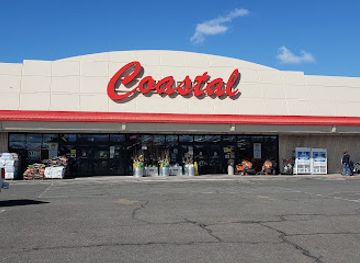
Coastal Farm & Ranch
Explore Coastal Farm & Ranch: Your one-stop shop for Western apparel, pet supplies, and sporting goods in Klamath Falls, Oregon.
-
Clothing store
Ross Dress for Less
Shop smart and stylish at Ross Dress for Less, where fashion meets affordability in Klamath Falls.
-
Discount store
Big Lots
Explore Big Lots in Klamath Falls for unbeatable prices on furniture, home decor, and everyday essentials, perfect for budget-conscious travelers.



Get your free copy of our complete guide to Klamath Basin, delivered straight to you.
Everything on this page, from attractions and restaurants to essentials and local phrases, in one PDF you can read offline, print or share.
Already have an account? Sign in
Your Klamath Basin guide is ready.
We'll send it to · Not you? Sign out

Getting your guide ready…
We are putting together a fresh copy of the Klamath Basin guide. This can take up to a minute.
This can take a few moments. If your browser asks, choose Allow so the download can start. You'll find the guide in your Downloads folder.
Nothing happened? Download it again
Sorry, the guide is taking longer than usual. Please try again in a minute, or get it by email instead.
Klamath Basin essentials
Currency and Payment
Safety
Emergency Situations
Do's and Don'ts
Local Tips
From Eve
Local phrases worth knowing
You don't need to get them perfect. A few words go a long way, and locals appreciate the effort.
Basics
| English | Local | Say it |
|---|---|---|
| Hello | T'áwa | [T'ah-wah] |
| Goodbye | T'áwa q'wa | [T'ah-wah kwah] |
| Yes | Ák'a | [Ah-kah] |
| No | Né | [Nay] |
| Please/You're welcome | T'áwa sa | [T'ah-wah sah] |
| Thank you | M'ílu | [Mee-loo] |
| Excuse me/Sorry | M'ílu k'wa | [Mee-loo kwah] |
| How are you? | K'ába t'áwa? | [K'ah-bah t'ah-wah] |
| Fine. And you? | T'áwa m'ílu. K'ába? | [T'ah-wah mee-loo. K'ah-bah?] |
| Do you speak English? | K'ába t'áwa i'k'wa ínk'wa? | [K'ah-bah t'ah-wah ee-k'wah een-k'wah?] |
| I don't understand | Né m'ílu k'wa | [Nay mee-loo kwah] |
Eating & Drinking
| English | Local | Say it |
|---|---|---|
| I'd like to see the menu, please | Né t'áwa kíni m'ílu, sa | [Nay t'ah-wah kee-nee mee-loo, sah] |
| I don't eat meat | Né m'ílu t'áwa k'ákw'ala | [Nay mee-loo t'ah-wah kahk-wah-lah] |
| Cheers! | K'ába t'áwa! | [K'ah-bah t'ah-wah!] |
| I would like to pay, please | Né t'áwa b'áku, sa | [Nay t'ah-wah bah-koo, sah] |
Emergencies
| English | Local | Say it |
|---|---|---|
| Help! | K'wa! | [Kwah!] |
| Go away! | K'wa t'áwa! | [Kwah t'ah-wah!] |
| Call the Police! | K'wa t'áwa q'wa t'áwa! | [Kwah t'ah-wah kwah t'ah-wah!] |
| Call a doctor! | K'wa t'áwa q'wa k'ákw'ala! | [Kwah t'ah-wah kwah kahk-wah-lah!] |
| I'm lost | Né t'áwa n'áka k'wa | [Nay t'ah-wah nah-kah kwah] |
| I'm ill | Né t'áwa k'ákw'ala | [Nay t'ah-wah kahk-wah-lah] |
Shopping
| English | Local | Say it |
|---|---|---|
| I'd like to buy... | Né t'áwa b'áku... | [Nay t'ah-wah bah-koo...] |
| I'm just looking | Né t'áwa n'áka | [Nay t'ah-wah nah-kah] |
| How much is it? | K'ába t'áwa k'ákw'ala? | [K'ah-bah t'ah-wah kahk-wah-lah?] |
| That's too expensive | T'áwa k'ákw'ala k'wa m'ílu | [T'ah-wah kahk-wah-lah kwah mee-loo] |
| Can you lower the price? | K'ába k'wa t'áwa b'áku? | [K'ah-bah kwah t'ah-wah bah-koo?] |
Time & Numbers
| English | Local | Say it |
|---|---|---|
| What time is it? | K'ába k'wa t'áwa? | [K'ah-bah kwah t'ah-wah?] |
| It's one o'clock | T'áwa k'wa i'k'wa | [T'ah-wah kwah ee-k'wah] |
| Half past (10) | K'ába s'íka (10) | [K'ah-bah see-kah (10)] |
| Morning | M'ílu | [Mee-loo] |
| Afternoon | K'ába m'ílu | [K'ah-bah mee-loo] |
| Evening | K'ába s'íka | [K'ah-bah see-kah] |
| Yesterday | K'ába k'wa k'ákw'ala | [K'ah-bah kwah kahk-wah-lah] |
| Today | Né m'ílu | [Nay mee-loo] |
| Tomorrow | Né t'áwa k'ákw'ala | [Nay t'ah-wah kahk-wah-lah] |
| 1 | Né | [Nay] |
| 2 | K'á | [K'ah] |
| 3 | T'á | [Tah] |
| 4 | N'á | [Nah] |
| 5 | T'áwa | [T'ah-wah] |
| 6 | K'ába | [K'ah-bah] |
| 7 | T'áwa k'á | [T'ah-wah kah] |
| 8 | K'ába t'áwa | [K'ah-bah t'ah-wah] |
| 9 | T'áwa n'á | [T'ah-wah nah] |
| 10 | T'áwa t'á | [T'ah-wah tah] |
Transport & Directions
| English | Local | Say it |
|---|---|---|
| Where's a/the...? | K'ába t'áwa ...? | [K'ah-bah t'ah-wah ...?] |
| What's the address? | K'ába k'wa t'áwa ...? | [K'ah-bah kwah t'ah-wah ...?] |
| Can you show me (on the map)? | K'ába k'wa t'áwa q'wa t'áwa (n'ím)? | [K'ah-bah kwah t'ah-wah kwah t'ah-wah (nee-m)?] |
| When's the next (bus)? | K'ába t'áwa k'ákw'ala (b'úsa)? | [K'ah-bah t'ah-wah kahk-wah-lah (boo-sah)?] |
| A ticket (to ....) | K'ába t'áwa b'áku (k'wa ...) | [K'ah-bah t'ah-wah bah-koo (kwah ...)] |
History of Klamath Basin
Klamath, Modoc and Yahooskin Homelands
The basin has long been home to the Klamath, Modoc and Yahooskin peoples, whose communities developed detailed relationships with the lakes, rivers, marshes and uplands. Fishing, hunting, gathering and seasonal movement shaped life around the waterways, while distinctive basketry and other material traditions expressed both practical knowledge and cultural identity. European-American accounts often reduced these societies to a frontier story, but the region's history is better understood through enduring Indigenous presence and continuing tribal cultural work. Museum collections in Klamath Falls can introduce visitors to this heritage, though they represent only part of a living culture.
Fur Trade and Early American Exploration
During the nineteenth century, fur traders, explorers and missionaries entered the upper Klamath country as the expanding United States established routes through the Pacific Northwest. The basin was distant from major coastal settlements and difficult to cross, but its rivers and mountain passes connected it with the wider interior. Encounters between Indigenous communities and newcomers brought trade as well as disease, pressure on resources and growing disputes over land. These developments formed part of the broader transformation of southern Oregon, rather than a single isolated event centred on Klamath Falls.
The 1864 Treaty and the Klamath Reservation
The Treaty of 1864 created the Klamath Reservation and required the Klamath, Modoc and Yahooskin peoples to cede a large territory while retaining certain rights. The reservation covered a substantial area of south-central Oregon, and its administration profoundly affected Indigenous governance, land use and relations with surrounding settlers. The Modoc War of 1872–73, although fought mainly in northern California, grew from displacement and conflict connected to these wider reservation pressures. The treaty remains an important foundation of tribal rights and regional history.
Settlement, Railways and Klamath Falls
Non-Indigenous settlement expanded in the late nineteenth and early twentieth centuries, with Klamath Falls developing as a commercial centre for farming, timber and transport. Railway construction connected the basin to markets beyond the mountains and encouraged the movement of goods, workers and settlers. Hotels, warehouses, civic buildings and commercial streets reflected this growth. The arrival of transport infrastructure did not simply open an empty landscape: it intensified pressure on Indigenous lands and helped establish the economic patterns that still distinguish the city from the more dispersed agricultural communities around the lakes.
Irrigation and the Reordering of Basin Water
Twentieth-century reclamation projects converted extensive wetlands and lake margins into irrigated farmland, particularly through the Klamath Project. Canals, reservoirs and drainage works supported crops and local economies but also altered river flows, fish habitat and migratory-bird wetlands. The resulting tensions among farmers, tribes, fisheries interests and conservation authorities have made water management one of the basin's defining modern issues. The landscape visitors see today—fields beside marshes, managed waterways and shrinking or expanding wetlands—reflects this long-running transformation rather than a purely natural system.
Timber, Agriculture and Economic Change
Forestry and agriculture became major pillars of the regional economy, with timber mills, ranches, grain production and livestock shaping communities throughout the basin. Klamath Falls served as a supply, processing and administrative centre, while smaller settlements developed strong agricultural identities. Mechanisation, changing timber markets and environmental regulation have altered employment patterns since the late twentieth century. Even where industrial activity has declined, its legacy remains visible in railway corridors, mill-related landscapes, farm infrastructure and the continuing importance of land and water to regional public debate.
Wildlife Conservation and the Contemporary Basin
The Klamath Basin's significance as a migration corridor for waterfowl and other birds encouraged the creation and management of wildlife refuges and wetland areas. Conservation has brought international attention to the region, but it has also intersected with tribal treaty rights, farming needs, drought and competing demands for limited water. Today the basin is both a working landscape and an important ecological system. Visitors encounter this complexity in wildlife-viewing areas, museums and public discussions about river restoration, habitat protection and the future of agriculture.
Klamath Basin in Photos
Browse through our photo collection highlighting the charm and character of the destination.
Neighbouring regions of Klamath Basin
The closest regions to Klamath Basin, if you have time for more than one.
-
 Klamath County
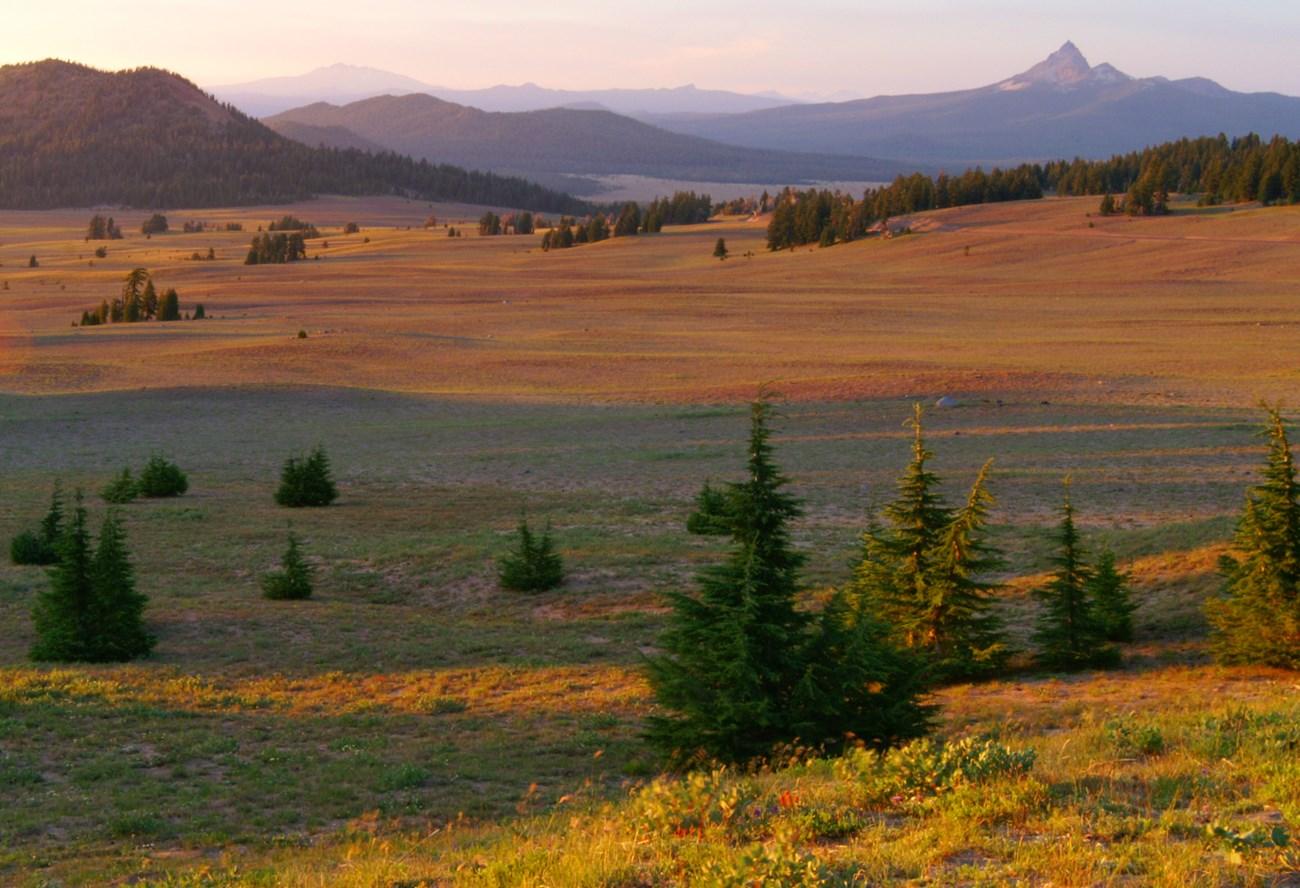
Explore Klamath County for Crater Lake, high-desert wetlands, forest trails, bird-filled waterways and the rural culture of southern Oregon.
Klamath County
Explore Klamath County for Crater Lake, high-desert wetlands, forest trails, bird-filled waterways and the rural culture of southern Oregon.
-

-
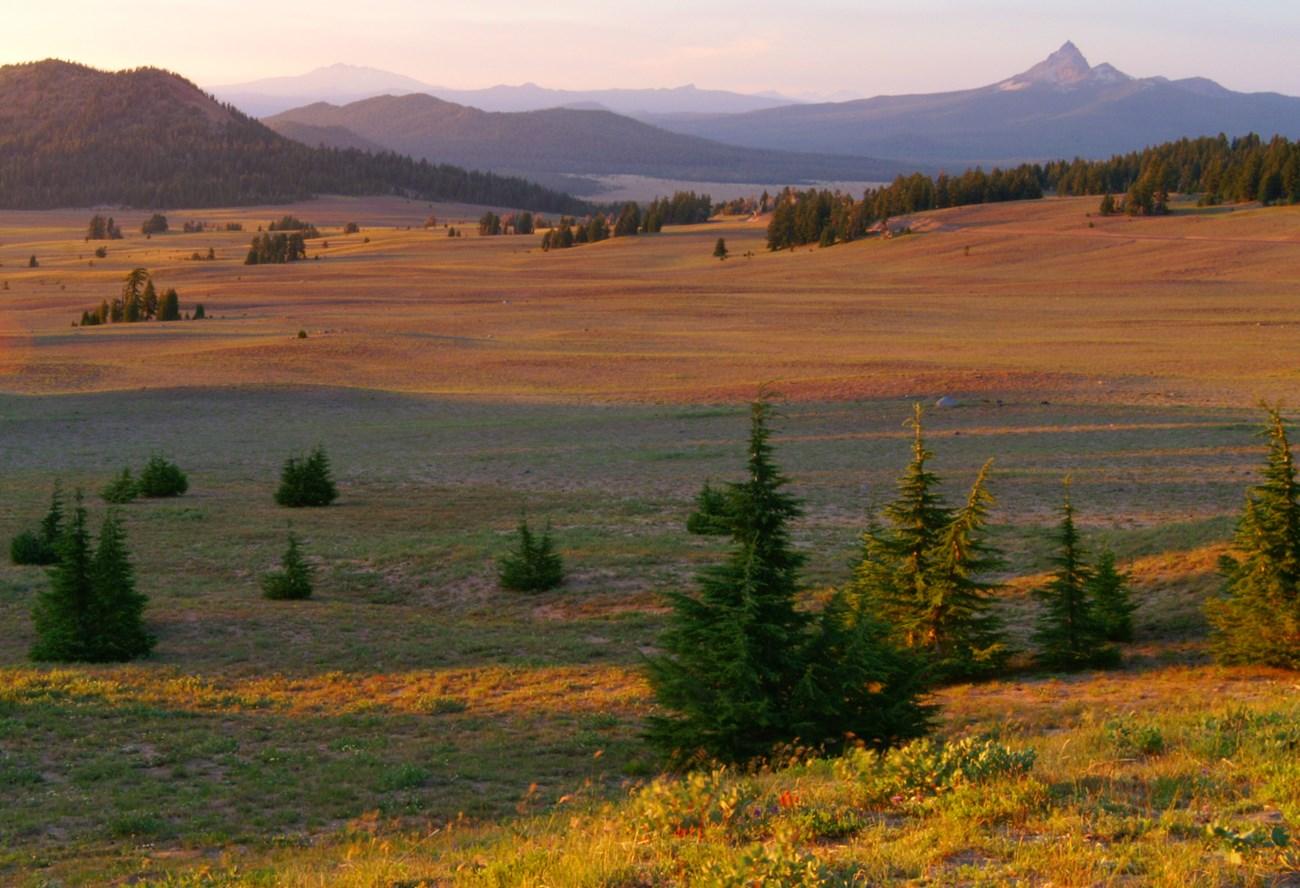 Southern Oregon
 combines Ashland theatre, Rogue Valley wine, Crater Lake, Siskiyou mountains, redwood coast and wide-ranging outdoor adventures.
Southern Oregon
Southern Oregon combines Ashland theatre, Rogue Valley wine, Crater Lake, Siskiyou mountains, redwood coast and wide-ranging outdoor adventures.
-

-
 Rogue Valley
Explore Rogue Valley in southern Oregon for Shakespeare, river adventures, orchards, vineyards, Gold Rush towns and mountain-framed landscapes.
Rogue Valley
Explore Rogue Valley in southern Oregon for Shakespeare, river adventures, orchards, vineyards, Gold Rush towns and mountain-framed landscapes.


Swipe for more regions
Explore more

Explore more of Oregon
Discover Oregon's diverse landscapes, vibrant cities, and rich culture. From stunning coastlines to lush forests, this Pacific Northwest gem offers endless adventures.
Explore Oregon