

Free Klamath County Travel Guide & Mobile App
Explore Klamath County with free travel guides. Discover regional history, expert tips, proposed trips, and audio guides on web or mobile app.


Explore Klamath County for Crater Lake, high-desert wetlands, forest trails, bird-filled waterways and the rural culture of southern Oregon.
Read more about Klamath County
Getting to and around Klamath County
How to get there
Transportation
Top city travel guides in Klamath County
The cities of Klamath County, and the easiest places to base yourself.
Swipe for more cities
Destinations in Klamath County
Resorts, valleys and scenic spots worth a trip of their own.
-
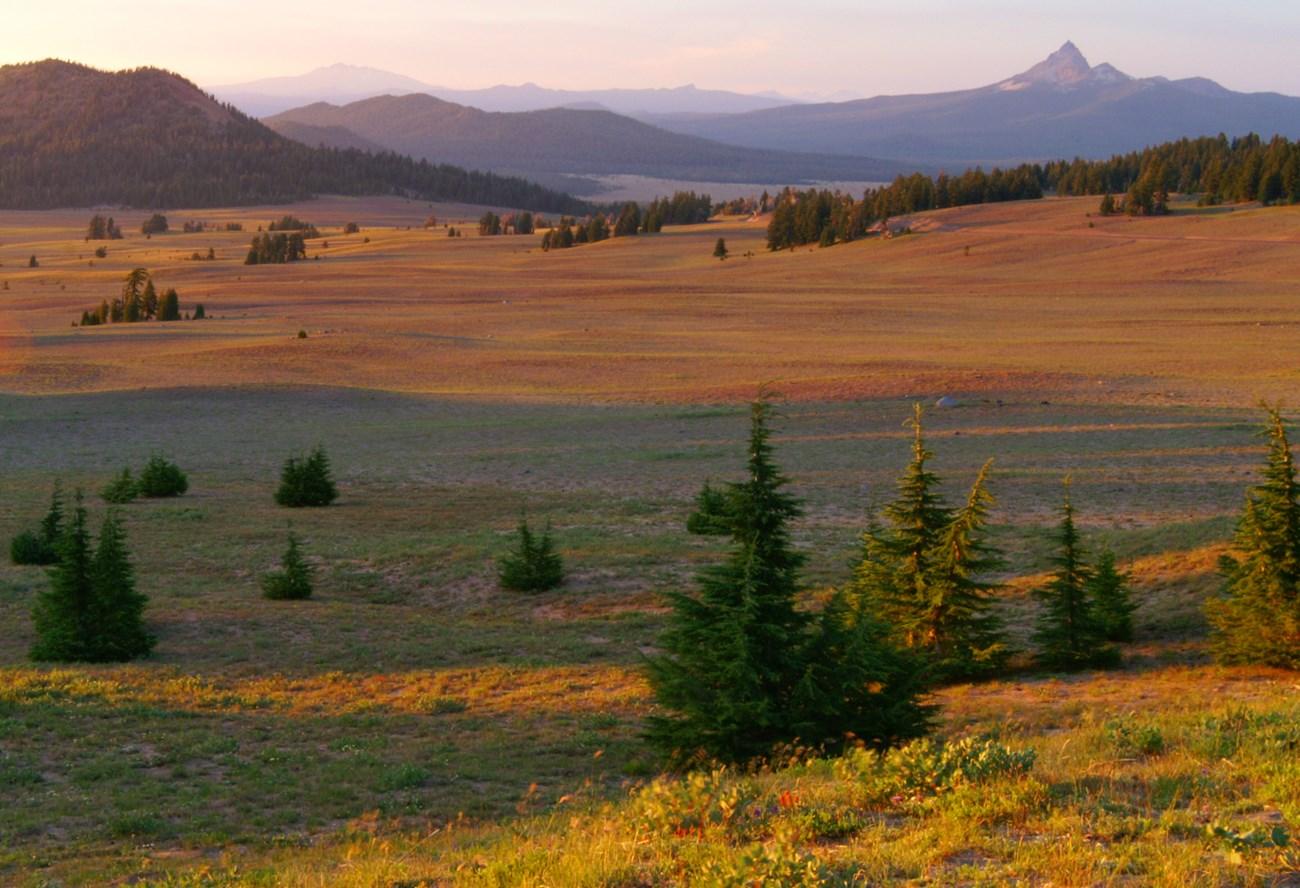 Crater Lake National Park
 in Oregon offers volcanic scenery, Wizard Island views, Rim Drive, winter snow and deep-blue lake landscapes in the Cascades.
-


Swipe for more destinations
Best attractions in Klamath County
Klamath County’s attractions are shaped by volcanic geology, high-elevation forests and the wetlands of the Klamath Basin. Crater Lake National Park is the headline destination, with rim viewpoints, interpretive sites and trails around the caldera, although access varies greatly with snow. Closer to Klamath Falls, Moore Park and the shores of Upper Klamath Lake provide opportunities for walking, boating, fishing and birdwatching. The Klamath Basin Birding Trail links suitable viewing areas through a landscape of marshes, open water and agricultural fields, while the Klamath Marsh National Wildlife Refuge offers a quieter wetland setting north of the city. Museums add cultural depth: the Favell Museum focuses on Native American art and material culture, and the Klamath County Museum explores regional history and natural heritage. Collier Memorial State Park combines forest scenery with a museum of logging and pioneer life. Cyclists and walkers can use sections of the OC&E Woods Line State Trail, a long rail-trail extending through varied rural landscapes. Around Chiloquin and Fort Klamath, visitors can combine Indigenous history, riverside scenery, historic sites and access to forested mountain country.
-
National park
Crater Lake National Park
Discover the breathtaking beauty of Crater Lake National Park, a geological marvel with stunning blue waters and diverse wildlife in Oregon's natural paradise.
-
National forest
Willamette National Forest
Explore the breathtaking beauty of Willamette National Forest, a paradise for outdoor enthusiasts with hiking, camping, and stunning waterfalls.
-
Museum
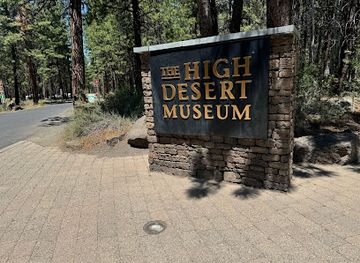
High Desert Museum
Explore the High Desert Museum in Bend, Oregon, where art, history, and nature converge to enrich your travel experience.
-
Park
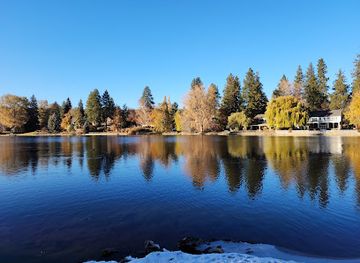
Drake Park
Discover the tranquility of Drake Park in Bend, Oregon, where nature, events, and relaxation come together along the Deschutes River.
Best landmarks in Klamath County
Crater Lake is Klamath County’s defining natural landmark, its intense blue water occupying the caldera formed when Mount Mazama collapsed after a colossal eruption. The lake’s rim, surrounding volcanic peaks and viewpoints provide a legible record of the area’s geological history, though several access points are seasonal. Upper Klamath Lake is another major geographic feature: broad, shallow and surrounded by marshes and mountain horizons, it has shaped settlement, wildlife habitat and recreation around Klamath Falls. In the city, the historic Baldwin Hotel Museum represents the commercial architecture of an earlier Klamath Falls, while the former Fort Klamath area preserves associations with the military occupation and settlement of the basin. The Favell Museum is a significant cultural landmark because of its substantial Native American art collection and its regional setting. The Klamath Marsh and productive wetland complexes north of the city are less monumental in appearance but important as living landscapes for migratory birds. Together, these places express the county’s central themes: volcanic formation, Indigenous presence, water management, settlement and a working high-desert environment.
-
National park
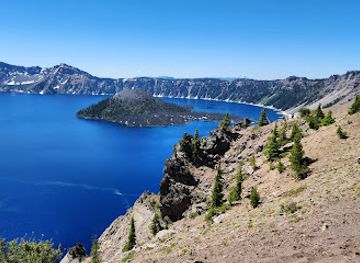
Crater Lake National Park
Explore the breathtaking beauty of Crater Lake National Park, Oregon's stunning natural wonder with azure waters and majestic landscapes.
-
National forest
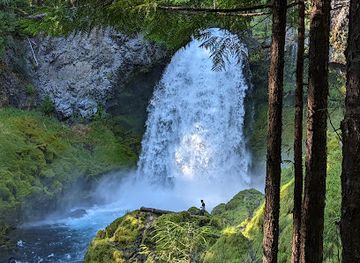
Willamette National Forest
Explore the breathtaking landscapes and diverse wildlife of Willamette National Forest, Oregon's outdoor paradise.
-
Federal government office
Klamath Ranger Station
Discover the stunning outdoors of Oregon at Klamath Ranger Station, your essential guide to adventure in Fremont-Winema National Forest.
-
Monument
Lava Beds National Monument
Discover the geological marvels and rich history of Lava Beds National Monument, a unique destination for nature lovers and adventure seekers.
Explore Klamath County on the map
Plan your trip on one map. See where the top cities, national parks and sights are, and book hotels and experiences in a few clicks.
Best hotels in Klamath County
Best restaurants in Klamath County
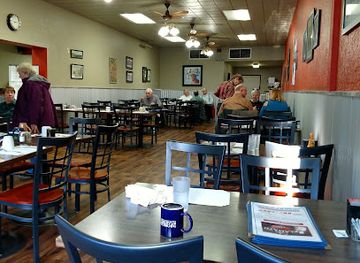
Dining in Klamath County reflects the needs and produce of a high-desert, agricultural region rather than a single formal cuisine. Klamath Falls has the broadest choice, with independent cafés, family restaurants, Mexican-influenced cooking, diners, breweries and places serving contemporary American food. Menus may feature locally sourced beef, trout, potatoes and seasonal vegetables, while rural towns tend towards practical breakfasts, sandwiches, burgers and hearty evening meals. Farm stands and seasonal markets can provide produce from the basin, although availability changes through the year. Around the lakes and rivers, fish and outdoor cooking traditions have a natural place, but visitors should distinguish locally caught food from generic seafood offerings. Historic inns, cafés and pubs in smaller communities are useful for understanding the region’s everyday dining culture, while provisions bought in Klamath Falls are sensible before travelling to remote trailheads or park areas. Tipping practices follow those of the wider United States, with gratuity normally expected for table service.
-
American
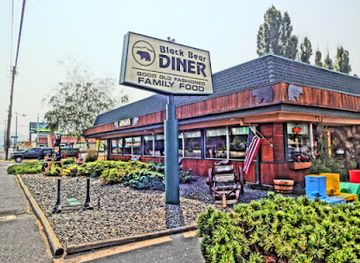
Black Bear Diner Klamath Falls
Experience the warmth of family dining at Black Bear Diner Klamath Falls – where hearty meals meet friendly service in a cozy atmosphere.
-
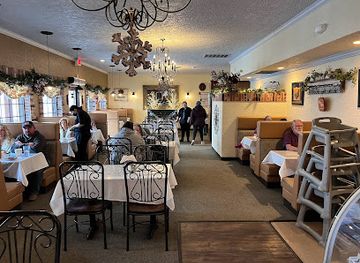
Family-friendly
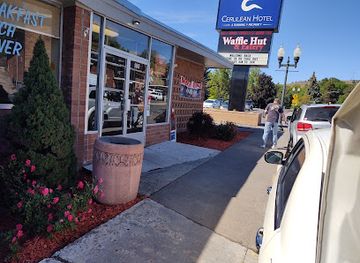
Waffle Hut & Eatery
Experience delightful dining at Waffle Hut & Eatery in Klamath Falls – where delicious waffles meet family-friendly vibes.
-
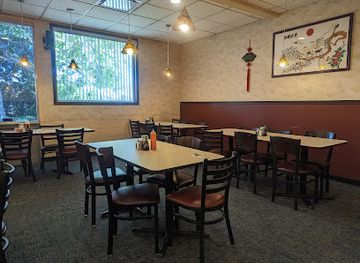
Chinese
King Wah
Discover King Wah in Klamath Falls: A culinary haven blending Chinese and American cuisine with generous portions in a friendly atmosphere.
-
Restaurant
Nibbley's Cafe
Experience delightful breakfasts and homemade desserts at Nibbley's Cafe in Klamath Falls – your go-to spot for comfort food!
Best bars in Klamath County
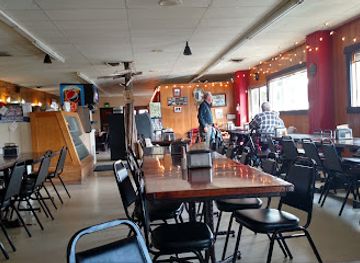
Nightlife in Klamath County is concentrated in Klamath Falls and is generally low-key rather than club-oriented. The city offers traditional pubs, bars, breweries, casual restaurants and occasional live music, while smaller communities such as Chiloquin and Merrill tend to centre their evening social life on local bars, taverns, community events and early-closing eateries. Visitors should not expect a large late-night entertainment district or dense concentration of nightclubs. The county’s outdoor and rural character means that evenings often involve dining, conversation, music, stargazing or returning early from a day on the lake or in the mountains. Seasonal festivals and performances may broaden the choice at particular times, but schedules change and should be checked locally. Alcohol service and driving rules are enforced as elsewhere in Oregon, making a planned journey home especially important when staying outside the main city.
-
Mexican
Mazatlan Grill
Discover the authentic flavors of Mexico at Mazatlan Grill, a vibrant dining experience in Klamath Falls, Oregon.
-
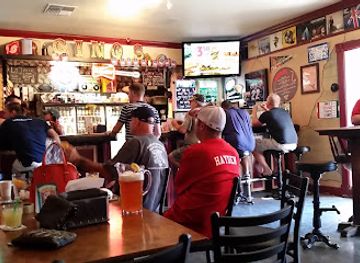
Grill
Gino's Cafe & Sports Bar
Discover Gino's Cafe & Sports Bar in Klamath Falls - where delicious American meals meet a lively sports bar atmosphere for an unforgettable dining experience.
-
Breakfast
The Klamath Grill
Discover delicious breakfast delights at The Klamath Grill, a cozy eatery in Klamath Falls, where every meal is a delightful experience.
-
Pizza
Mia & Pia's Pizzeria & Brewhouse
Discover delicious gourmet pizzas and local brews at Mia & Pia's Pizzeria & Brewhouse in Klamath Falls, a delightful culinary experience awaits.
Best nightclubs in Klamath County
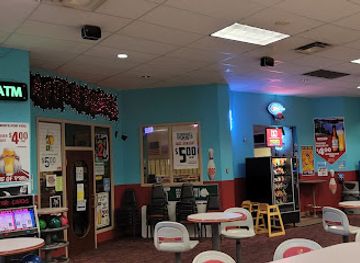
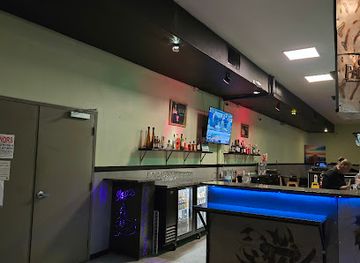
Nightlife in Klamath County is concentrated in Klamath Falls and is generally low-key rather than club-oriented. The city offers traditional pubs, bars, breweries, casual restaurants and occasional live music, while smaller communities such as Chiloquin and Merrill tend to centre their evening social life on local bars, taverns, community events and early-closing eateries. Visitors should not expect a large late-night entertainment district or dense concentration of nightclubs. The county’s outdoor and rural character means that evenings often involve dining, conversation, music, stargazing or returning early from a day on the lake or in the mountains. Seasonal festivals and performances may broaden the choice at particular times, but schedules change and should be checked locally. Alcohol service and driving rules are enforced as elsewhere in Oregon, making a planned journey home especially important when staying outside the main city.
-
Grill
Aftershock Sportsbar & Nightclub
Discover the vibrant nightlife at Aftershock Sportsbar & Nightclub in Klamath Falls, where great food and entertainment come together.
-
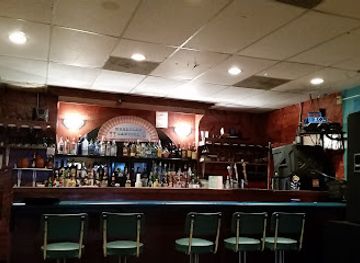
Bar
NiteOwl
Experience the lively atmosphere of NiteOwl, Klamath Falls' favorite gay bar, offering vibrant decor, fantastic drinks, and unforgettable nights.
-
Night club
Noa Noa Sports Bar
Dive into the lively atmosphere at Noa Noa Sports Bar - Klamath Falls' go-to destination for Mexican cuisine and thrilling sports action.
-
Night club
Why Not Live Entertainment
Discover the vibrant nightlife of Klamath Falls at Why Not Live Entertainment, where live music and dancing create an unforgettable experience.


Best shops in Klamath County
-
National park
Crater Lake National Park
Explore the breathtaking beauty of Crater Lake National Park, where stunning blue waters meet rugged cliffs in Oregon's iconic landscape.
-
Hotel
Crater Lake Lodge
Discover the serene beauty and historic charm of Crater Lake Lodge, your gateway to Oregon's stunning natural wonders.
-
Clothing store
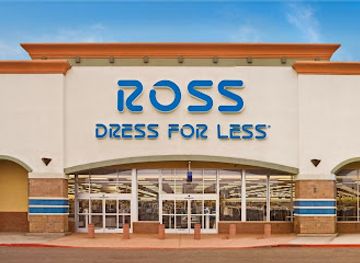
Ross Dress for Less
Shop stylishly and affordably at Ross Dress for Less, Klamath Falls' go-to destination for budget-friendly fashion and home goods.
-
 Resort hotel
Crater Lake Resort
Experience nature's beauty at Crater Lake Resort, the perfect escape for adventure seekers and families near Oregon's iconic Crater Lake National Park.


Get your free copy of our complete guide to Klamath County, delivered straight to you.
Everything on this page, from attractions and restaurants to essentials and local phrases, in one PDF you can read offline, print or share.
Already have an account? Sign in
Your Klamath County guide is ready.
We'll send it to · Not you? Sign out

Getting your guide ready…
We are putting together a fresh copy of the Klamath County guide. This can take up to a minute.
This can take a few moments. If your browser asks, choose Allow so the download can start. You'll find the guide in your Downloads folder.
Nothing happened? Download it again
Sorry, the guide is taking longer than usual. Please try again in a minute, or get it by email instead.
Klamath County essentials
Currency and Payment
Safety
Emergency Situations
Do's and Don'ts
Local Tips
From Eve
Local phrases worth knowing
You don't need to get them perfect. A few words go a long way, and locals appreciate the effort.
Basics
| English | Local | Say it |
|---|---|---|
| Hello | Hi | [hai] |
| Goodbye | See ya | [si ya] |
| Yes | Yep | [yep] |
| No | Nah | [nah] |
| Please/You're welcome | Sure thing | [shur thing] |
| Thank you | Thanks | [thanks] |
| Excuse me/Sorry | Sorry 'bout that | [sorree 'bout that] |
| How are you? | How's it going? | [how's it going?] |
| Fine. And you? | Good. You? | [good. you?] |
| Do you speak English? | You speak English? | [you speak english?] |
| I don't understand | I don’t get it | [I don't get it] |
Eating & Drinking
| English | Local | Say it |
|---|---|---|
| I'd like to see the menu, please | Can I see the menu? | [can I see the menu?] |
| I don't eat meat | I'm a vegetarian | [I'm a vegetarian] |
| Cheers! | Cheers! | [cheers!] |
| I would like to pay, please | Can I get the check? | [can I get the check?] |
Emergencies
| English | Local | Say it |
|---|---|---|
| Help! | Help! | [help!] |
| Go away! | Leave me alone! | [leave me alone!] |
| Call the Police! | Call the cops! | [call the cops!] |
| Call a doctor! | Get a doctor! | [get a doctor!] |
| I'm lost | I'm turned around | [I'm turned around] |
| I'm ill | I'm not feeling well | [I'm not feeling well] |
Shopping
| English | Local | Say it |
|---|---|---|
| I'd like to buy... | I want to buy... | [I want to buy...] |
| I'm just looking | Just browsing | [just browsing] |
| How much is it? | What's the price? | [what's the price?] |
| That's too expensive | That's pricey | [that's pricey] |
| Can you lower the price? | Can you make it cheaper? | [can you make it cheaper?] |
Time & Numbers
| English | Local | Say it |
|---|---|---|
| What time is it? | What time? | [what time?] |
| It's one o'clock | It's one | [it's one] |
| Half past (10) | Half past ten | [half past ten] |
| Morning | Morning | [morning] |
| Afternoon | Afternoon | [afternoon] |
| Evening | Evening | [evening] |
| Yesterday | Yesterday | [yesterday] |
| Today | Today | [today] |
| Tomorrow | Tomorrow | [tomorrow] |
| 1 | One | [one] |
| 2 | Two | [two] |
| 3 | Three | [three] |
| 4 | Four | [four] |
| 5 | Five | [five] |
| 6 | Six | [six] |
| 7 | Seven | [seven] |
| 8 | Eight | [eight] |
| 9 | Nine | [nine] |
| 10 | Ten | [ten] |
Transport & Directions
| English | Local | Say it |
|---|---|---|
| Where's a/the...? | Where's the...? | [where's the...?] |
| What's the address? | What's the address? | [what's the address?] |
| Can you show me (on the map)? | Can you point it out? | [can you point it out?] |
| When's the next (bus)? | When's the next bus? | [when's the next bus?] |
| A ticket (to ....) | A ticket to... | [a ticket to...] |
History of Klamath County
Klamath, Modoc and Yahooskin Homelands
The lands around the Upper Klamath Basin and its river systems are the ancestral homelands of the Klamath, Modoc and Yahooskin peoples. Communities developed detailed knowledge of marshes, lakes, forests and seasonal food sources, including fish, waterfowl, roots and other plants. In the nineteenth century, growing pressure from settlers and the United States government led to conflict, displacement and the creation of the Klamath Reservation. The Klamath Tribes remain an important contemporary presence in the county, and Indigenous history is essential to understanding the region’s landscapes and institutions.
Exploration, Fur Trade and Fort Klamath
Euro-American exploration increased during the nineteenth century as fur traders, military expeditions and emigrant routes entered south-central Oregon. Fort Klamath was established by the United States Army in 1863 near the northern basin to maintain a military presence during a period of conflict and forced change. The post closed in the late nineteenth century, but the Fort Klamath area retains associations with military history, settlement and the transformation of travel across the region. The former fort site and nearby museums help interpret this period.
The Modoc War and Federal Removal
Conflict between the Modoc people and the United States government culminated in the Modoc War of 1872–73. Although much of the fighting took place in the lava formations of present-day northern California, the conflict was closely connected with the Klamath Reservation and the forced relocation of Modoc people from their homeland. The aftermath included trials, executions and further disruption of Indigenous communities. Its legacy extends across the regional border and remains a significant, difficult part of south-central Oregon history.
Railways, Timber and the Growth of Klamath Falls
Rail connections in the late nineteenth and early twentieth centuries helped turn Klamath Falls into a commercial centre for a wide rural hinterland. Railways moved timber, agricultural goods and passengers, while sawmills and related businesses expanded as forests were logged. The city’s development reflected the wider pattern of western American settlement: transport infrastructure encouraged migration, town building and commercial agriculture, while also intensifying pressure on Indigenous lands and natural resources. Historic buildings and railway associations remain visible in the county seat.
Reclamation and Agricultural Transformation
Federal irrigation and water-management projects during the twentieth century reshaped the Klamath Basin. Wetlands and shallow lakes were drained or altered to create farmland, regulate water supplies and support settlement. These changes produced important agricultural communities around Klamath Falls, Merrill, Malin and other basin towns, but they also reduced habitat and generated continuing disputes over water allocation among farmers, tribes, fishing interests and wildlife managers. The modern landscape of fields, canals, refuges and managed wetlands is therefore both an agricultural achievement and a record of environmental transformation.
Crater Lake National Park
Crater Lake became a national park in 1902, giving federal protection to the deep volcanic caldera created by the collapse of Mount Mazama after a major eruption thousands of years ago. The park encouraged scientific study, tourism and the construction of roads and viewpoints around the rim. Much of the lake and its most familiar viewpoints lie in Klamath County, although the park crosses county boundaries. Its designation helped establish conservation and scenic tourism as enduring parts of the region’s economy.
Conservation, Water Conflict and a Changing Economy
In recent decades, Klamath County has faced the intertwined pressures of water scarcity, habitat protection, wildfire, forest management and changing rural economies. Debates over the Klamath Basin’s rivers, wetlands and agricultural water became nationally visible, particularly during severe droughts. Alongside farming and timber, tourism, birdwatching, outdoor recreation, education and public-sector employment have become important economic strands. The county’s present character reflects this transition: it remains a working landscape while increasingly being visited for its volcanic scenery, wildlife and open spaces.
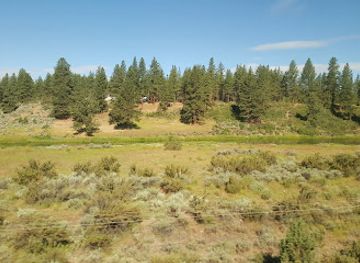
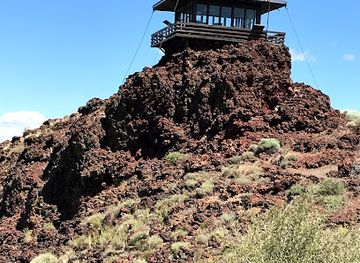
Klamath County in Photos
Browse through our photo collection highlighting the charm and character of the destination.
Neighbouring regions of Klamath County
The closest regions to Klamath County, if you have time for more than one.
-
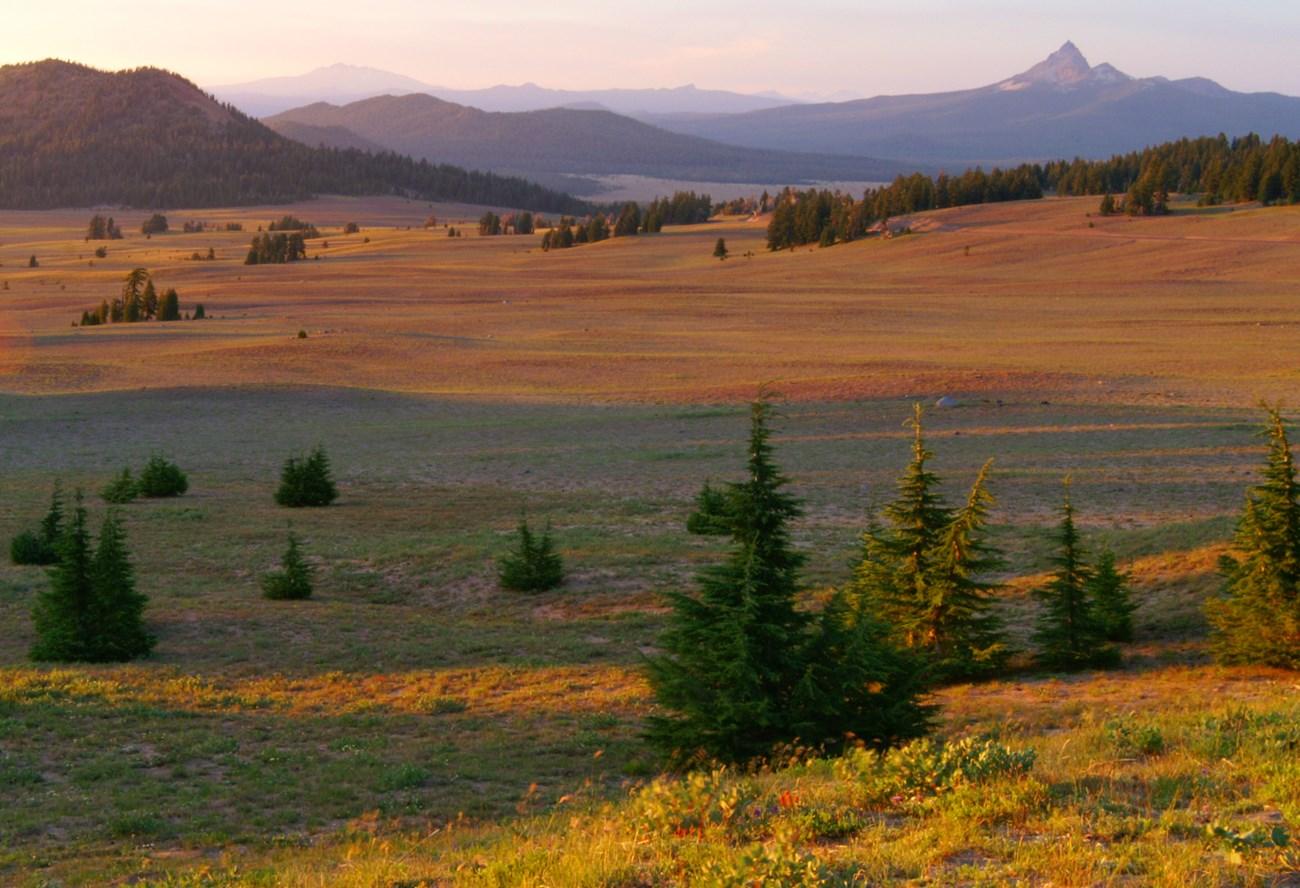 Klamath Basin
Explore Oregon's Klamath Basin for Upper Klamath Lake, migratory birds, volcanic landscapes, Indigenous history and spacious outdoor recreation.
-

-
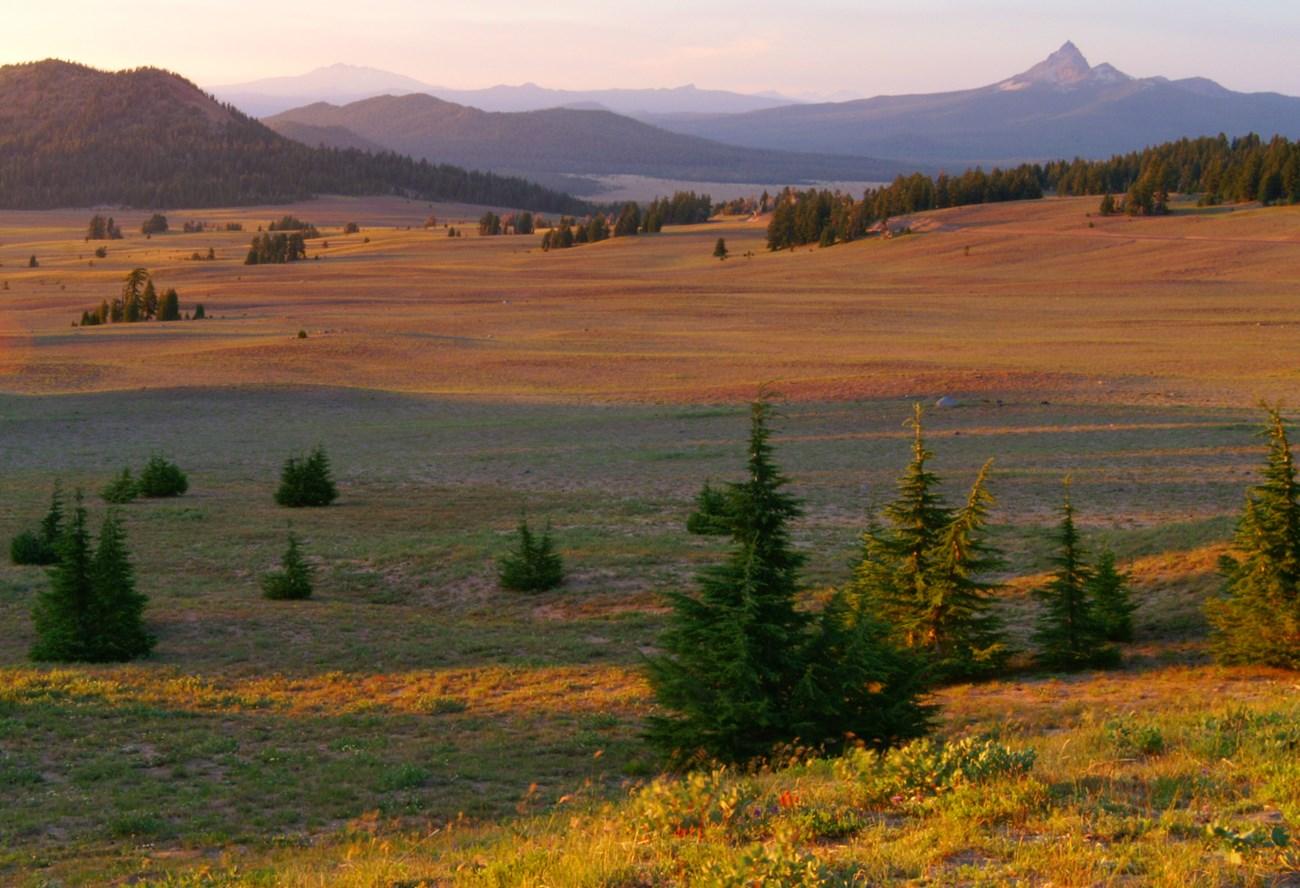 Southern Oregon
 combines Ashland theatre, Rogue Valley wine, Crater Lake, Siskiyou mountains, redwood coast and wide-ranging outdoor adventures.
-

-


Swipe for more regions
Explore more

Explore more of Oregon
Discover Oregon's diverse landscapes, vibrant cities, and rich culture. From stunning coastlines to lush forests, this Pacific Northwest gem offers endless adventures.
Explore Oregon