

Free Klamath Falls Travel Guide & Mobile App
Plan your Klamath Falls trip with Evendo. Get free guides to top attractions, restaurants, hotels, and bars. Web access or download the mobile app.


Klamath Falls blends high-desert scenery, Native heritage, wildlife refuges, outdoor adventure and small-city culture in southern Oregon, near Crater Lake.
A Basin City Shaped by Water
Klamath Falls stands in south-central Oregon at the southern end of Upper Klamath Lake, where the Cascade Range gives way to a broad, high-desert basin. The city grew around Link River and the route between the Pacific Northwest and northern California, while its modern identity has been shaped by irrigation, timber, agriculture and the wetlands that surround it. Although the natural falls that gave the city its name are no longer a prominent feature, water remains central to the landscape, from the river corridor through Moore Park to the marshes and open fields beyond town.Read more about Klamath Falls
Heritage and Local Culture
Outdoor Horizons
When is the best time to visit Klamath Falls?
Best: June, August–September · 25–29°C| Month | High (°C) | Rainfall (mm) |
|---|---|---|
| January | 5 | 48 |
| February | 8 | 38 |
| March | 11 | 31 |
| April | 16 | 25 |
| May | 21 | 24 |
| June (best) | 26 | 12 |
| July | 31 | 6 |
| August (best) | 29 | 9 |
| September (best) | 25 | 19 |
| October | 17 | 29 |
| November | 10 | 46 |
| December | 6 | 48 |
Getting to and around Klamath Falls
How to get there
Transportation
Best attractions in Klamath Falls
Klamath Falls' attractions range from museums and civic heritage to open spaces shaped by the basin's water and wildlife. The Favell Museum presents Native American art and artefacts from across North America, with particular relevance to the Indigenous cultures of the Pacific Northwest. At the Klamath County Museum, natural-history displays and local collections explain the area's peoples, landscapes and changing economy. The Baldwin Hotel Museum offers a more intimate encounter with early twentieth-century town life inside a preserved historic building. Moore Park provides woodland paths, recreational facilities and views towards Upper Klamath Lake, while the Link River Trail follows the water through a landscape of riverbanks and open ground. Beyond the urban edge, the Klamath Basin's national wildlife refuges attract birdwatchers and photographers, though many are spread across rural roads rather than clustered in the city. Crater Lake National Park is a major regional excursion, not a Klamath Falls attraction itself.
-
Tourist attraction
Klamath Ranger Station
Discover the beauty of Fremont-Winema National Forest at Klamath Ranger Station, your gateway to adventure and nature in Klamath Falls, Oregon.
9 min drive · 3.1 km from city centre
-
Tourist attraction
Moore Park
Explore the scenic wonders of Moore Park, Klamath Falls - a perfect blend of nature, recreation, and tranquility.
8 min drive · 2.6 km from city centre
-
Tourist attraction
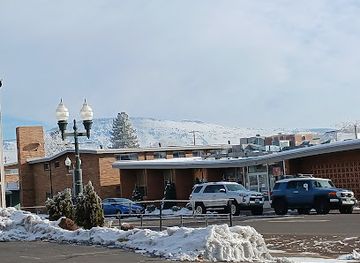
Veterans Memorial Park
Explore the serene beauty and historical significance of Veterans Memorial Park, a must-visit destination in Klamath Falls, Oregon.
9 min walk · 0.8 km from city centre
-
Tourist attraction
Eulalona Park
Discover the serene beauty of Eulalona Park in Klamath Falls, Oregon—where nature, adventure, and tranquility meet.
5 min drive · 1.6 km from city centre
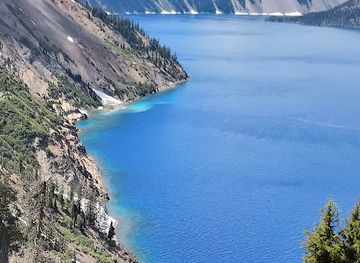
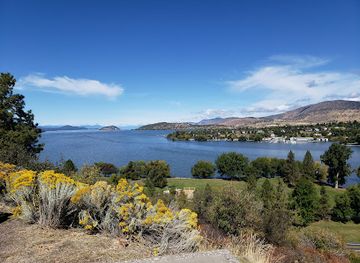
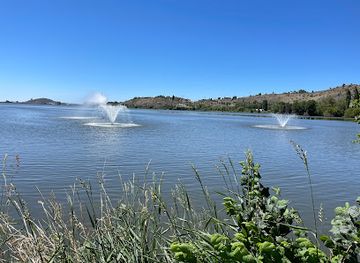
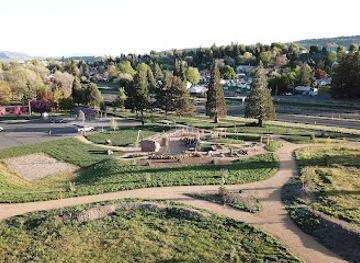
Best landmarks in Klamath Falls
The Baldwin Hotel Museum is one of Klamath Falls' most recognisable historic buildings, preserving a 1905 hotel associated with the town's early commercial era. Downtown's surviving early twentieth-century façades and civic buildings reflect the period when rail connections, timber and regional trade expanded the settlement. Link River is a geographical landmark as well as a waterway, joining Upper Klamath Lake to the basin below and helping explain the city's original location and name. The Favell Museum has cultural significance through its extensive Native American collections, while nearby Moore Park demonstrates how public recreation has been integrated with the lake and river landscape. The Klamath County Museum adds an institutional landmark devoted to regional history and natural heritage. Together these places represent Indigenous continuity, transport and commerce, water management, and the city's development as a southern Oregon centre.
-
Federal government office
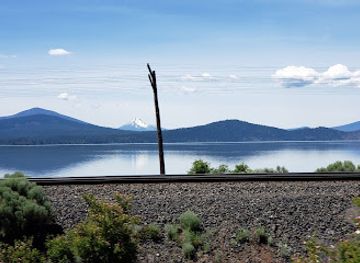
Klamath Ranger Station
Experience the Klamath Ranger Station, your gateway to the stunning Fremont-Winema National Forest and unforgettable outdoor adventures in Oregon.
9 min drive · 3.1 km from city centre
-
Family-friendly
Waffle Hut & Eatery
Discover the heart of breakfast at Waffle Hut & Eatery, where delicious waffles and family-friendly service meet in Klamath Falls.
7 min walk · 0.6 km from city centre
-
Park
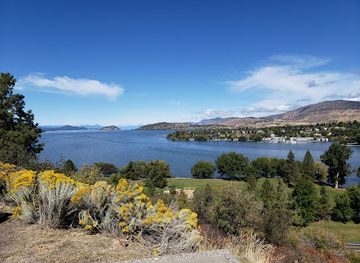
Moore Park
Discover Moore Park in Klamath Falls - a serene park perfect for picnics, outdoor activities, and breathtaking views of Klamath Lake.
8 min drive · 2.6 km from city centre
-
Fast Food
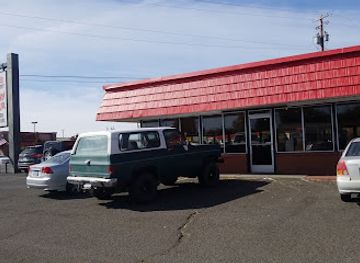
David's Brawny Burger
Experience mouthwatering burgers and friendly service at David's Brawny Burger, a must-visit fast-food gem in Klamath Falls, Oregon.
6 min drive · 1.9 km from city centre
Explore Klamath Falls on the map
Plan your Klamath Falls trip on one map. See where the top attractions, landmarks, restaurants, bars and hotels are, find what's near where you're staying, and book hotels and experiences in a few clicks.
Best hotels in Klamath Falls
Best restaurants in Klamath Falls
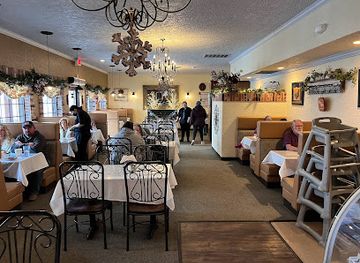
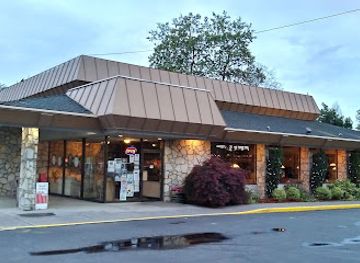
Klamath Falls dining reflects the produce, ranching and outdoor culture of south-central Oregon, with American comfort food, steaks, burgers, sandwiches and hearty breakfasts appearing alongside newer cafés and globally influenced menus. Restaurants and coffee shops are concentrated around downtown and the main commercial corridors, while breweries and casual establishments contribute to the city's social life. Regional ingredients may include locally grown vegetables, potatoes, grains and freshwater or game products, although menus change with the season and individual businesses. The city's food scene is more practical and community-oriented than destination-gastronomy driven, making local cafés, bakeries and independently operated restaurants useful places to observe everyday life. Visitors travelling through the basin should expect fewer choices once they leave the city, particularly around wildlife areas and smaller settlements, so meal planning matters on longer excursions.
-
American
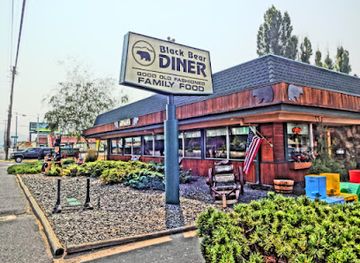
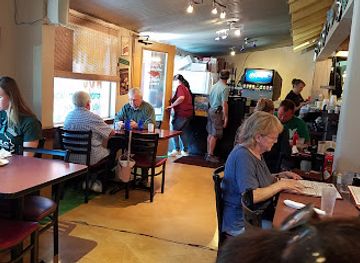
Black Bear Diner Klamath Falls
Experience hearty American comfort food at Black Bear Diner Klamath Falls - perfect for breakfast or any meal with family-friendly service.
15 min drive · 5.1 km from city centre
-
Family-friendly
Waffle Hut & Eatery
Discover delightful breakfasts at Waffle Hut & Eatery in Klamath Falls—where families gather for unique flavors and warm hospitality.
7 min walk · 0.6 km from city centre
-
Chinese
King Wah
Experience the best of Chinese and American cuisine at King Wah in Klamath Falls – where flavor meets hospitality.
8 min drive · 2.7 km from city centre
-
Restaurant
Nibbley's Cafe
Experience the taste of comfort food at Nibbley's Cafe in Klamath Falls - your go-to spot for breakfast, lunch, and delectable desserts.
9 min drive · 2.9 km from city centre
Best bars in Klamath Falls
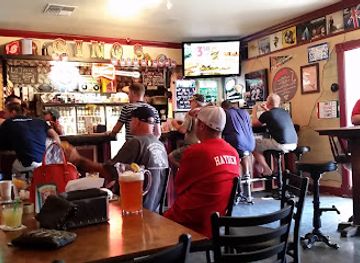
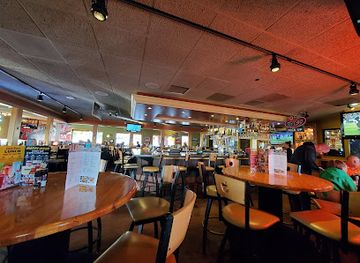
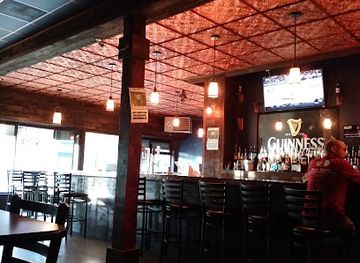
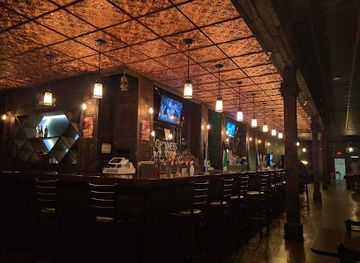
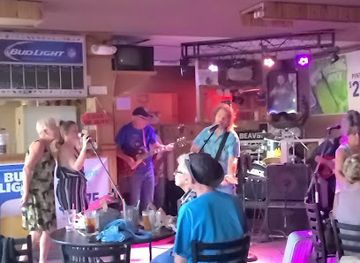
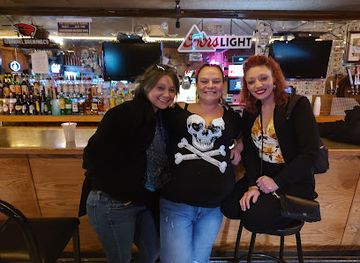
Klamath Falls has a modest evening scene centred on downtown bars, breweries, restaurants and community venues rather than a large nightclub district. Local nightlife tends towards relaxed socialising, craft beer, live music and televised sport, with some cultural programming and performances adding variety on selected evenings. Downtown is the most walkable area for combining food and drinks, although distances and late-night transport options become less convenient beyond the centre. The atmosphere is shaped by the city's role as a regional service hub: evenings can be sociable and locally focused without the intensity of a major tourist city. Check current programming directly, since live entertainment, seasonal events and venue schedules can change, and arrange transport in advance if staying outside the central area.
-
Grill
Gino's Cafe & Sports Bar
Experience delicious American cuisine and vibrant sports culture at Gino's Cafe & Sports Bar in Klamath Falls, the perfect spot for food lovers and sports fans.
12 min walk · 0.9 km from city centre
-
Restaurant
Applebee's Grill + Bar
Savor the flavors of America at Applebee's Grill + Bar, where delicious food meets a warm, inviting atmosphere in Klamath Falls.
9 min drive · 2.9 km from city centre
-
Bar
The Pikey
Experience the best of Klamath Falls nightlife at The Pikey, where Irish charm meets local craft brews in a vibrant bar setting.
1 min walk · 0.1 km from city centre
-
American
Red Rooster Grill and Pub
Discover the best of American cuisine at Red Rooster Grill and Pub, a cozy dining haven in Klamath Falls, Oregon.
11 min drive · 3.7 km from city centre
Best nightclubs in Klamath Falls
Klamath Falls has a modest evening scene centred on downtown bars, breweries, restaurants and community venues rather than a large nightclub district. Local nightlife tends towards relaxed socialising, craft beer, live music and televised sport, with some cultural programming and performances adding variety on selected evenings. Downtown is the most walkable area for combining food and drinks, although distances and late-night transport options become less convenient beyond the centre. The atmosphere is shaped by the city's role as a regional service hub: evenings can be sociable and locally focused without the intensity of a major tourist city. Check current programming directly, since live entertainment, seasonal events and venue schedules can change, and arrange transport in advance if staying outside the central area.
-
Bar
The Pikey
Discover The Pikey: A lively bar and bistro in Klamath Falls, offering craft beers, gourmet food, and live music in a vibrant setting.
1 min walk · 0.1 km from city centre
-
Bar
Chicken-N-Cheers II
Experience the best of Klamath Falls at Chicken-N-Cheers II, where delicious chicken dishes meet a vibrant nightlife atmosphere.
18 min drive · 6.1 km from city centre
-
Grill
Aftershock Sportsbar & Nightclub
Experience the vibrant nightlife at Aftershock Sportsbar & Nightclub in Klamath Falls, where delicious grill food meets exciting entertainment.
13 min drive · 4.3 km from city centre
-
Bar
Playhouse Tavern
Discover Playhouse Tavern in Klamath Falls: A lively bar with a great atmosphere, affordable drinks, and engaging entertainment for all.
17 min drive · 5.5 km from city centre
Best shops in Klamath Falls
Shopping in Klamath Falls is concentrated around downtown, Main Street and the larger commercial corridors, combining practical regional retail with independent businesses, cafés, galleries and seasonal community markets. Downtown storefronts and older commercial blocks provide the most characterful setting for browsing, while modern shopping areas serve everyday needs and outdoor pursuits. Potentially distinctive purchases include regional books, Native American art from reputable sources, locally produced food, outdoor equipment and crafts connected with the high-desert landscape, although stock varies between retailers. The best way to approach Indigenous art is to buy through established galleries or recognised cultural institutions and to ask about provenance rather than treating all manufactured souvenirs as authentic. A farmers' market may operate seasonally, but dates and vendors change, so confirm arrangements locally before planning a visit around it.
-
Clothing store
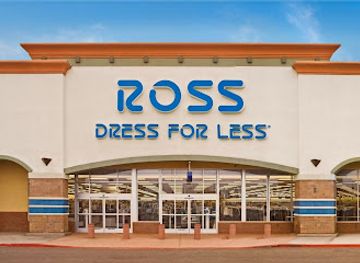
Ross Dress for Less
Shop stylishly and affordably at Ross Dress for Less, Klamath Falls' go-to destination for budget-friendly fashion and home goods.
9 min drive · 2.9 km from city centre
-
Shopping mall
Town & Country Shopping Center
Discover a shopper's paradise at the Town & Country Shopping Center in Klamath Falls, offering diverse shops and tasty dining options.
12 min drive · 3.9 km from city centre
-
Craft store
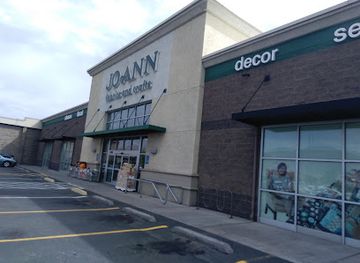
JOANN Fabric and Crafts
Discover your creative spirit at JOANN Fabric and Crafts in Klamath Falls, offering a vast selection of fabrics, art supplies, and crafting materials for all enthusiasts.
9 min drive · 2.8 km from city centre
-
Antique store
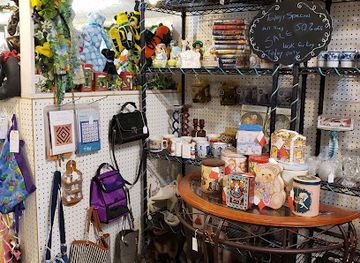
Keepers Corner LLC - Antique, Craft and Collectible Mall
Explore Keepers Corner LLC in Klamath Falls, where unique antiques and handcrafted treasures await every visitor looking for a piece of history.
12 min walk · 1.0 km from city centre
Get your free copy of our complete guide to Klamath Falls, delivered straight to you.
Everything on this page, from attractions and restaurants to essentials and local phrases, in one PDF you can read offline, print or share.
Already have an account? Sign in
Your Klamath Falls guide is ready.
We'll send it to · Not you? Sign out

Getting your guide ready…
We are putting together a fresh copy of the Klamath Falls guide. This can take up to a minute.
This can take a few moments. If your browser asks, choose Allow so the download can start. You'll find the guide in your Downloads folder.
Nothing happened? Download it again
Sorry, the guide is taking longer than usual. Please try again in a minute, or get it by email instead.
Klamath Falls essentials
Currency and Payment
Safety
Emergency Situations
Do's and Don'ts
Local Tips
From Eve
Local phrases worth knowing
You don't need to get them perfect. A few words go a long way, and locals appreciate the effort.
Basics
| English | Local | Say it |
|---|---|---|
| Hello | Howdy | [haw-dee] |
| Goodbye | See ya | [see yah] |
| Yes | Yep | [yep] |
| No | Nah | [nah] |
| Please/You're welcome | Please/You're welcome | [pleez/yur welcome] |
| Thank you | Thanks | [thanks] |
| Excuse me/Sorry | Pardon me | [par-dun me] |
| How are you? | Howdy | [haw-dee] |
| Fine. And you? | Good. You? | [good. yoo?] |
| Do you speak English? | Ya speak English? | [yah speak ing-glish?] |
| I don't understand | I ain't catchin' on | [eye-ant ketch-in awn] |
Eating & Drinking
| English | Local | Say it |
|---|---|---|
| I'd like to see the menu, please | I'd like to see the menu, please | [eye'd like tuh see the men-yoo, pleez] |
| I don't eat meat | I don't eat meat | [eye don't eet meet] |
| Cheers! | Cheers! | [cheers] |
| I would like to pay, please | I would like to pay, please | [eye wood like tuh pay, pleez] |
Emergencies
| English | Local | Say it |
|---|---|---|
| Help! | Help! | [help!] |
| Go away! | Git! | [git!] |
| Call the Police! | Call the Po-lice! | [call the po-leece!] |
| Call a doctor! | Call a doc! | [call a doc!] |
| I'm lost | I'm lost | [eye'm lost] |
| I'm ill | I'm sick | [eye'm sick] |
Shopping
| English | Local | Say it |
|---|---|---|
| I'd like to buy... | I'd like ta buy... | [eye'd like tuh buy...] |
| I'm just looking | I'm just lookin' | [eye'm just look-in'] |
| How much is it? | How much is it? | [how much is it?] |
| That's too expensive | That's too spendy | [that's too spend-ee] |
| Can you lower the price? | Can ya drop the price? | [can yah drop the price?] |
Time & Numbers
| English | Local | Say it |
|---|---|---|
| What time is it? | What time is it? | [what time is it?] |
| It's one o'clock | It's one o'clock | [it's one o'clock] |
| Half past (10) | Half past ten | [half past ten] |
| Morning | Mornin' | [morn-in'] |
| Afternoon | Afternoon | [after-noon] |
| Evening | Evenin' | [even-in'] |
| Yesterday | Yesterdee | [yester-dee] |
| Today | Today | [today] |
| Tomorrow | Tomorrow | [tomor-row] |
| 1 | One | [wun] |
| 2 | Two | [too] |
| 3 | Three | [three] |
| 4 | Four | [four] |
| 5 | Five | [five] |
| 6 | Six | [six] |
| 7 | Seven | [seven] |
| 8 | Eight | [ate] |
| 9 | Nine | [nine] |
| 10 | Ten | [ten] |
Transport & Directions
| English | Local | Say it |
|---|---|---|
| Where's a/the...? | Where's the...? | [where's the...?] |
| What's the address? | What's the address? | [what's the address?] |
| Can you show me (on the map)? | Can ya show me (on the map)? | [can yah show me (on the map)?] |
| When's the next (bus)? | When's the next (bus)? | [when's the next (bus)?] |
| A ticket (to ....) | A ticket (to ....) | [a ticket (to ....)] |
History of Klamath Falls
Indigenous Homelands of the Basin
The Klamath Basin has long been home to the Klamath Tribes, comprising the Klamath, Modoc and Yahooskin peoples. Their communities developed extensive knowledge of the region's lakes, rivers, marshes, forests and seasonal food sources. European-American settlement later transformed these landscapes, but Indigenous history remains central to the area's identity and is represented through collections and interpretation at the Favell Museum and the Klamath County Museum. The Treaty of 1864 established a reservation for the Klamath Tribes after negotiations with the United States, while Modoc resistance and the Modoc War of 1872–73 form a separate, turbulent chapter in the history of the wider basin.
Linkville and Early Settlement
The settlement that became Klamath Falls developed beside Link River and was initially known as Linkville. The river connected Upper Klamath Lake with the lower basin, making the location useful for transport, trade and access to timber and agricultural land. American settlement expanded during the nineteenth century, bringing stores, administrative functions and pressure on Indigenous territories. The community was incorporated as a city in 1885, and the name changed from Linkville to Klamath Falls in 1893, reflecting the growing importance of the natural feature associated with the town, even though later water management altered the visible falls.
Railways, Timber and Urban Growth
Rail connections in the early twentieth century linked Klamath Falls more closely with northern California, the Pacific Northwest and national markets. The arrival of the railroad encouraged population growth and helped move timber, agricultural goods and manufactured supplies through the region. Logging became a major economic force, supported by the extensive forests of the Cascades, while downtown commercial buildings and civic institutions took shape around the expanding community. The Baldwin Hotel, built in 1905, survives as a reminder of this era of travel and commerce. The city developed as a regional service centre rather than as an exclusively resource-based camp.
The Klamath Project and Irrigated Agriculture
Beginning in the early twentieth century, the federal Klamath Project altered the basin through dams, canals, drainage works and irrigation infrastructure. The programme converted and regulated extensive wetlands, opening land for agriculture while also reshaping habitat used by migratory birds. Water management became fundamental to local farming and employment, but it also created enduring conflicts between agricultural interests, tribal rights, fishing communities and conservation organisations. The tensions became particularly acute during drought and water shortages in the twenty-first century. Modern Klamath Falls therefore sits within a landscape whose farms, reservoirs and wildlife refuges are products of both natural geography and contested engineering.
A Contemporary Regional Centre
Klamath Falls developed through the twentieth century as the commercial, educational and administrative centre of the basin. Timber remained important, although changes in the forestry industry reduced its dominance, while tourism, healthcare, education, agriculture and outdoor recreation assumed greater roles. Oregon Institute of Technology contributes a strong technical and educational presence, and the city continues to serve communities across a wide rural area. Today, museums, waterways and public parks provide access to the region's past, while the surrounding wetlands and forests keep questions of land, water and conservation at the centre of local life.
Klamath Falls in Photos
Browse through our photo collection highlighting the charm and character of the destination.
Cities near Klamath Falls
The closest cities to Klamath Falls, if you have time for more than one stop.
-

-

-

-


Swipe for more cities
Explore more

Explore more of Oregon
Discover Oregon's diverse landscapes, vibrant cities, and rich culture. From stunning coastlines to lush forests, this Pacific Northwest gem offers endless adventures.
Explore Oregon