

Free Tillamook County Travel Guide & Mobile App
Explore Tillamook County with free travel guides. Discover regional history, expert tips, proposed trips, and audio guides on web or mobile app.


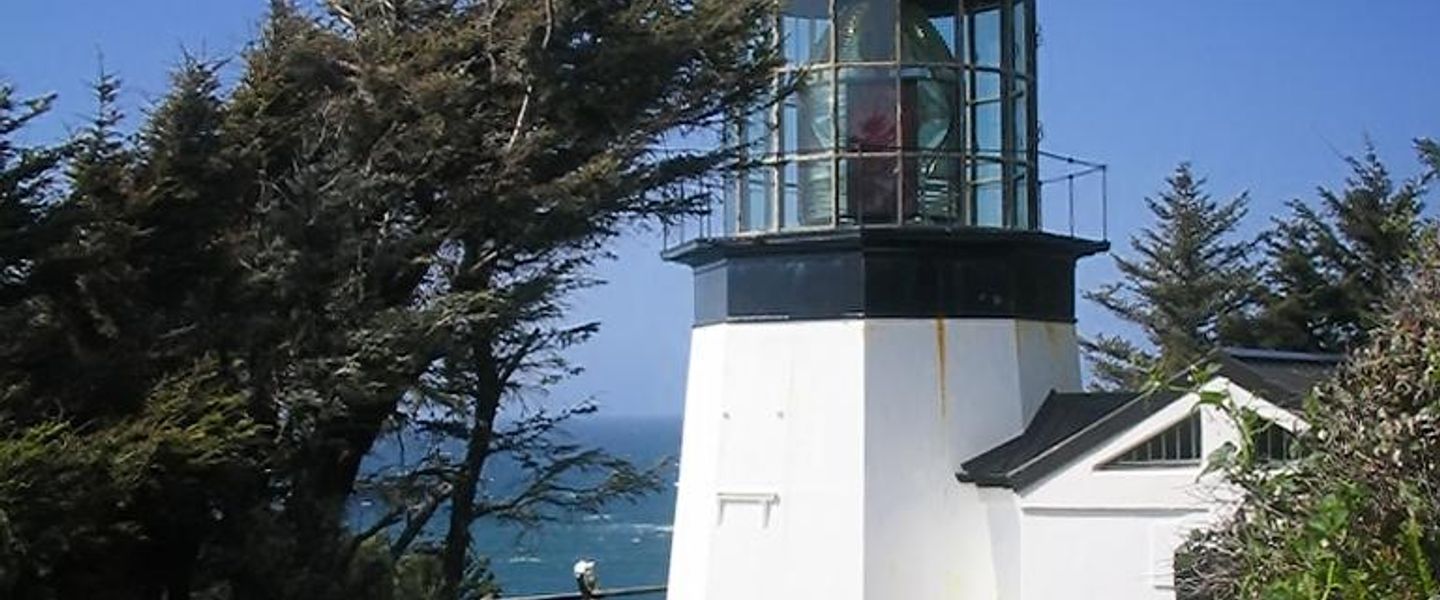


Tillamook County pairs Oregon coast beaches and forested capes with working bays, dairy heritage, seafood, lighthouses and outdoor adventures.
Read more about Tillamook County
Getting to and around Tillamook County
How to get there
Transportation
Best attractions in Tillamook County
Tillamook County's attractions combine working landscapes with rugged coastal scenery. The Tillamook Creamery introduces visitors to the county's dairy cooperative and cheese-making tradition, while the Tillamook County Pioneer Museum provides broader local context. At the coast, the Three Capes Scenic Loop links forest, beaches, viewpoints and headlands, including Cape Meares, Cape Lookout and Cape Kiwanda. Cape Meares State Scenic Viewpoint is known for its lighthouse and old-growth coastal setting, while the beaches at Oceanside, Rockaway Beach and Pacific City offer walking, surfing and wildlife watching. The Tillamook Air Museum occupies a surviving wartime blimp hangar, and the Oregon Coast Scenic Railroad offers excursion travel through the county's historic coastal corridor. Bays and estuaries provide opportunities for birdwatching, kayaking and shellfish-focused experiences where conditions and regulations permit. Inland, the Tillamook State Forest and river valleys support hiking, fishing and scenic drives, with the heavily restored forest landscape telling an important story of fire and recovery.
-
Historical landmark
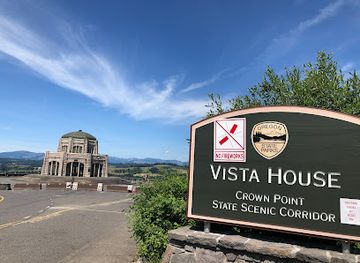
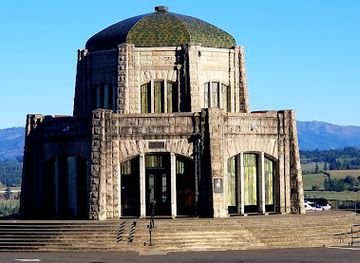
Vista House at Crown Point
Discover the breathtaking views and rich history at the Vista House, a must-see historical landmark in the Columbia River Gorge.
Best landmarks in Tillamook County
Cape Kiwanda is one of Tillamook County's most recognisable natural landmarks, rising above Pacific City with a large sandstone dune and broad views across the surf and offshore Haystack Rock. Cape Meares combines headland scenery with a historic lighthouse dating from the late nineteenth century, while Cape Lookout projects into the Pacific and forms a memorable focus of the Three Capes landscape. Tillamook Bay and its surrounding wetlands are defining geographical features, linking the county seat and coastal communities with fishing, shellfish and bird habitats. Inland, the surviving wooden blimp hangar at the Tillamook Air Museum is an extraordinary wartime structure and a reminder of the county's military history. The Tillamook County Courthouse in Tillamook and historic civic buildings in coastal settlements add a more human scale, while the forests of the Coast Range provide the backdrop that connects the county's beaches, farms, rivers and working towns.
-
Historical landmark
Vista House at Crown Point
Discover the breathtaking views and rich history of Vista House at Crown Point, a must-visit landmark in the stunning Columbia River Gorge.
-
History museum
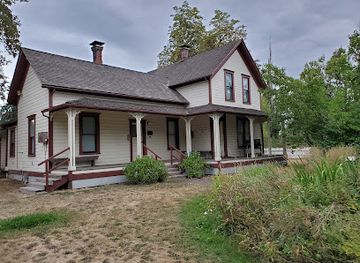
Philip Foster Farm Historic Site on the Barlow Road/Oregon Trail
Explore the Philip Foster Farm Historic Site, a captivating journey through the Oregon Trail's history with reenactments and unique gifts.
-
Historical landmark
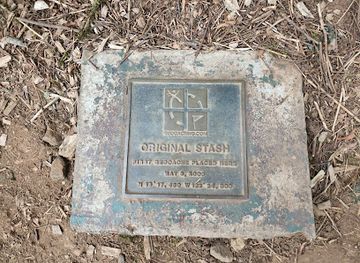
Original Geocache plaque
Explore the Original Geocache Plaque in Estacada, Oregon, and embrace the adventure of treasure hunting amidst stunning natural beauty.
Explore Tillamook County on the map
Plan your trip on one map. See where the top cities, national parks and sights are, and book hotels and experiences in a few clicks.
Best hotels in Tillamook County
Best restaurants in Tillamook County
Dining in Tillamook County is closely tied to its farms, bays and fishing communities. Cheese made by the Tillamook cooperative is the most recognisable local food association, but coastal menus also draw on crab, oysters, clams, salmon and other Pacific seafood, subject to season and regulation. Dairy products, berries, vegetables and baked goods appear in farm shops, cafés and farmers' markets, while small towns support diners, bakeries, seafood counters, brewpubs and traditional pubs. Pacific City and other coastal settlements offer restaurants oriented towards beach visitors, whereas Tillamook and the inland valleys provide a stronger connection to agricultural production. Oregon craft beer and locally produced wines from elsewhere in the state are widely available, but the county's most distinctive tastes come from its own dairy farms, shellfish beds and maritime communities. Check current opening arrangements outside the main visitor season, when some rural and coastal businesses operate more limited hours.
-
Barbecue
Wood Ranch
Experience authentic American barbecue at Wood Ranch in Camarillo - a family-friendly restaurant serving delicious smoked meats and craft beers.

Best bars in Tillamook County
Evening life in Tillamook County is generally low-key and community based rather than centred on large nightclubs. Traditional pubs, taverns, brewpubs and restaurant bars provide the main social venues in Tillamook, Pacific City and the coastal towns, with local beer, live music and occasional community events shaping the atmosphere. Pacific City has a stronger visitor-oriented evening scene in summer, while Garibaldi, Rockaway Beach, Manzanita and smaller settlements tend to favour informal pubs, cafés and early dinners over late-night entertainment. In rural areas, venues may close earlier and seasonal schedules vary, so visitors should check locally rather than assume city-style nightlife. The county's dark skies, beach walks and quiet accommodation are often more characteristic of an evening here than a busy club district.
-
Grill
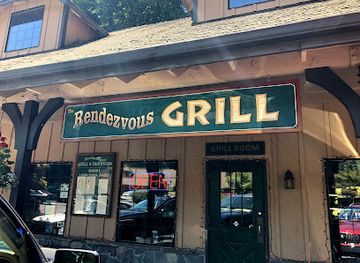
Rendezvous Grill
Experience the best of Oregon's culinary scene at Rendezvous Grill, where flavor meets creativity in a cozy, inviting atmosphere.
Get your free copy of our complete guide to Tillamook County, delivered straight to you.
Everything on this page, from attractions and restaurants to essentials and local phrases, in one PDF you can read offline, print or share.
Already have an account? Sign in
Your Tillamook County guide is ready.
We'll send it to · Not you? Sign out

Getting your guide ready…
We are putting together a fresh copy of the Tillamook County guide. This can take up to a minute.
This can take a few moments. If your browser asks, choose Allow so the download can start. You'll find the guide in your Downloads folder.
Nothing happened? Download it again
Sorry, the guide is taking longer than usual. Please try again in a minute, or get it by email instead.
Tillamook County essentials
Currency and Payment
Safety
Emergency Situations
Do's and Don'ts
Local Tips
From Eve
Local phrases worth knowing
You don't need to get them perfect. A few words go a long way, and locals appreciate the effort.
Basics
| English | Local | Say it |
|---|---|---|
| Hello | Hey there | [Hay thair] |
| Goodbye | See ya later | [See yah lay-tur] |
| Yes | Yep | [Yep] |
| No | Nah | [Nah] |
| Please/You're welcome | Sure thing | [Shur thing] |
| Thank you | Thanks a bunch | [Thangs a bunch] |
| Excuse me/Sorry | Pardon me | [Pardon mee] |
| How are you? | How's it going? | [How's it goin?] |
| Fine. And you? | Doing good, you? | [Doing good, you?] |
| Do you speak English? | You speakin' English? | [You speakin' English?] |
| I don't understand | I ain't following | [I ain't followin'] |
Eating & Drinking
| English | Local | Say it |
|---|---|---|
| I'd like to see the menu, please | Can I check out the menu? | [Can I check out the menu?] |
| I don't eat meat | I'm not into meat | [I'm not into meat] |
| Cheers! | Cheers! | [Cheers!] |
| I would like to pay, please | Can I settle up? | [Can I settle up?] |
Emergencies
| English | Local | Say it |
|---|---|---|
| Help! | Help! | [Help!] |
| Go away! | Leave me be! | [Leave me bee!] |
| Call the Police! | Call the cops! | [Call the cops!] |
| Call a doctor! | Get a doctor! | [Get a doctor!] |
| I'm lost | I'm turned around | [I'm turned around] |
| I'm ill | I'm not feeling well | [I'm not feeling well] |
Shopping
| English | Local | Say it |
|---|---|---|
| I'd like to buy... | I'm looking to buy... | [I'm looking to buy...] |
| I'm just looking | Just browsing | [Just browsing] |
| How much is it? | What's the price? | [What's the price?] |
| That's too expensive | That's way too pricey | [That's way too pricey] |
| Can you lower the price? | Can you bring down the price? | [Can you bring down the price?] |
Time & Numbers
| English | Local | Say it |
|---|---|---|
| What time is it? | What time ya got? | [What time ya got?] |
| It's one o'clock | It's one | [It's one] |
| Half past (10) | Half past ten | [Half past ten] |
| Morning | Morning | [Morning] |
| Afternoon | Afternoon | [Afternoon] |
| Evening | Evening | [Evening] |
| Yesterday | Yesterday | [Yesterday] |
| Today | Today | [Today] |
| Tomorrow | Tomorrow | [Tomorrow] |
| 1 | One | [One] |
| 2 | Two | [Two] |
| 3 | Three | [Three] |
| 4 | Four | [Four] |
| 5 | Five | [Five] |
| 6 | Six | [Six] |
| 7 | Seven | [Seven] |
| 8 | Eight | [Eight] |
| 9 | Nine | [Nine] |
| 10 | Ten | [Ten] |
Transport & Directions
| English | Local | Say it |
|---|---|---|
| Where's a/the...? | Where's the nearest...? | [Where's the nearest...?] |
| What's the address? | What's the address? | [What's the address?] |
| Can you show me (on the map)? | Can you point it out on the map? | [Can you point it out on the map?] |
| When's the next (bus)? | When's the next bus? | [When's the next bus?] |
| A ticket (to ....) | One ticket to... please | [One ticket to... please] |
History of Tillamook County
Tillamook Peoples and Indigenous Coast Salish Heritage
Before Euro-American settlement, the coast, bays and river valleys of present-day Tillamook County were home to the Tillamook people, a Coast Salish community whose language and traditions were related to those of neighbouring peoples on the northern Oregon coast and southwest Washington. Villages, fishing places, shellfish beds and travel routes connected the ocean with the interior valleys. Epidemics, displacement and colonial pressure severely reduced the population during the nineteenth century, but Tillamook heritage remains part of the region's living history and identity.
Maritime Contact and Early Settlement
Maritime traders, explorers and later American settlers entered the coastal bays during the late eighteenth and nineteenth centuries. The bar at the mouth of Tillamook Bay made navigation difficult, but sheltered waters supported fishing, shipping and small settlements. Tillamook County was created by the Oregon Territorial Legislature in 1853. Early non-Indigenous settlement developed around farming, timber, fishing and coastal trade, with rivers and rough wagon roads providing the principal links between isolated communities.
Dairy Farming and the Tillamook Cooperative
The moist coastal climate and grassland valleys proved well suited to dairy farming, which became one of Tillamook County's defining industries. In 1909, local dairy farmers formed the Tillamook County Creamery Association to improve processing, marketing and quality control. Cooperative cheese production helped give the county a national reputation and created a durable link between working farms and the visitor economy. The modern Tillamook Creamery continues to interpret this agricultural history, although the county's farms remain more varied than its best-known cheese brand suggests.
Logging, Railways and the Tillamook Burn
Timber shaped the county's inland valleys and coastal ports from the late nineteenth century, bringing mills, logging camps, rail connections and company settlements. The Tillamook Burn began with a major forest fire in 1933 and was followed by further fires in 1939 and 1945, destroying extensive areas of Coast Range forest. Subsequent public reforestation, erosion control and watershed work became one of Oregon's most significant landscape-recovery efforts. The regenerated forests and recreation areas seen today reflect both the scale of the catastrophe and the long restoration process.
Tillamook Naval Air Station and the Wartime Coast
During the Second World War, the United States Navy established Tillamook Naval Air Station near the county seat for blimp operations and coastal patrol. Its enormous wooden blimp hangars were among the largest timber structures ever built, designed to house airships used for surveillance and convoy protection. Most of the base disappeared after the war, but one hangar survives and now forms the centrepiece of the Tillamook Air Museum. The site illustrates the county's wartime importance as well as its unusual industrial architecture.
Modern Coastal Economy and Conservation
After the Second World War, mechanisation, changes in timber production and the decline of some coastal industries altered employment patterns across Tillamook County. Dairy farming, fishing, shellfish cultivation and forestry remained important, while tourism grew around beaches, scenic drives, lighthouses and outdoor recreation. Conservation also became increasingly influential, protecting estuaries, offshore rocks, forest habitats and headlands. Today the county balances working landscapes with visitors seeking coastal access, and many communities continue to manage the pressures of seasonal accommodation and environmental protection.
Tillamook County in Photos
Browse through our photo collection highlighting the charm and character of the destination.
Neighbouring regions of Tillamook County
The closest regions to Tillamook County, if you have time for more than one.
-

-

-

-

-


Swipe for more regions
Explore more

Explore more of Oregon
Discover Oregon's diverse landscapes, vibrant cities, and rich culture. From stunning coastlines to lush forests, this Pacific Northwest gem offers endless adventures.
Explore Oregon