

Free Tualatin Valley Travel Guide & Mobile App
Explore Tualatin Valley with free travel guides. Discover regional history, expert tips, proposed trips, and audio guides on web or mobile app.


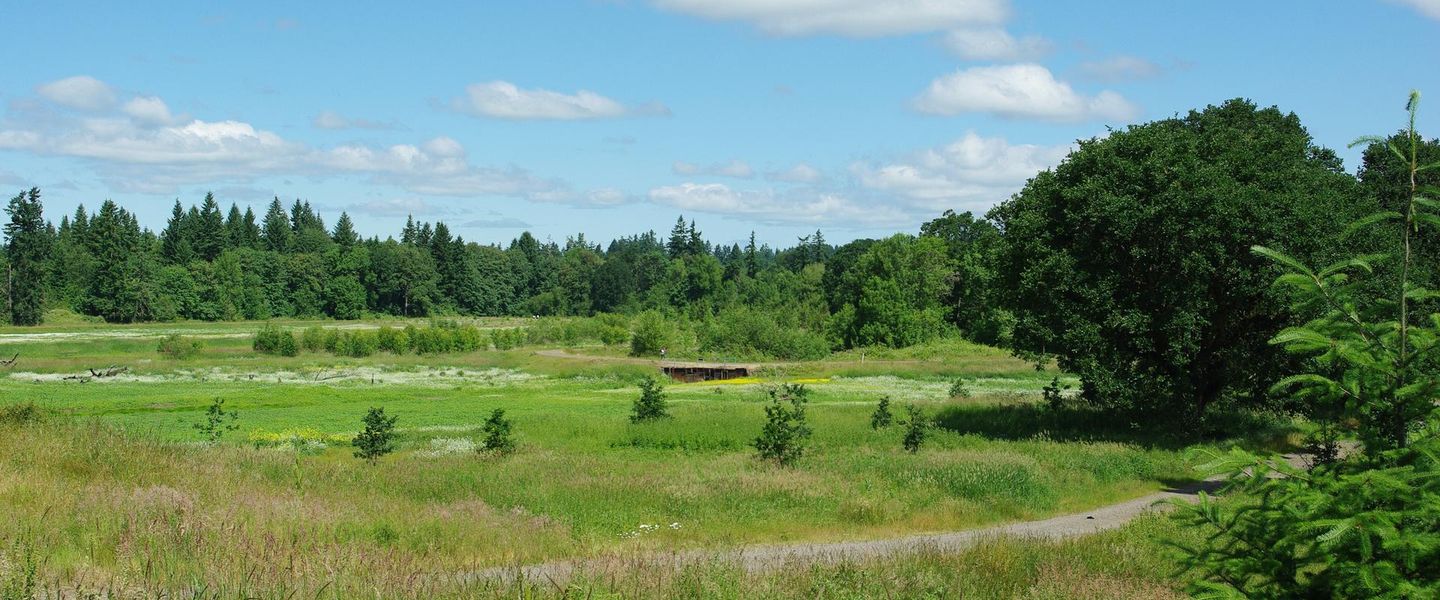


Explore Tualatin Valley near Portland for Oregon wine, farm country, wetlands, technology, diverse dining and easy trails through the Willamette Valley.
Read more about Tualatin Valley
Getting to and around Tualatin Valley
How to get there
Transportation
Best landmarks in Tualatin Valley
The Tualatin River is the region's defining natural landmark, winding through a broad valley whose wetlands and agricultural lowlands explain much of the area's settlement history. The Tualatin River National Wildlife Refuge gives this landscape a protected ecological focus near Sherwood, while Cooper Mountain marks the transition from suburban streets to wooded and open uplands around Beaverton. In Hillsboro, the Washington County Courthouse and surrounding civic centre express the town's long role as a county administrative capital, while the historic campus of Pacific University gives Forest Grove one of the valley's clearest architectural and institutional identities. Rural churches, farmhouses and older commercial buildings around Forest Grove, Cornelius and Hillsboro provide a less monumental but important record of nineteenth-century settlement. The region's contemporary landmarks are also significant: Intel's large Hillsboro technology campuses and Nike's headquarters in Beaverton represent the economic transformation commonly associated with Oregon's Silicon Forest. These places are generally working campuses rather than conventional sightseeing attractions, but they help explain why Tualatin Valley looks and functions differently from a purely rural section of the Willamette Valley.
-
Historical landmark
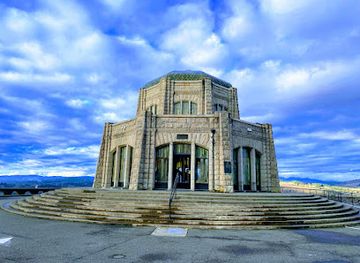
Vista House at Crown Point
Experience the breathtaking views and rich history at Vista House, a stunning landmark in the heart of the Columbia River Gorge.
-
History museum
Philip Foster Farm Historic Site on the Barlow Road/Oregon Trail
Discover Oregon's pioneer spirit at Philip Foster Farm Historic Site, a historical landmark along the Oregon Trail offering immersive experiences and unique souvenirs.
Explore Tualatin Valley on the map
Plan your trip on one map. See where the top cities, national parks and sights are, and book hotels and experiences in a few clicks.
Best hotels in Tualatin Valley
Get your free copy of our complete guide to Tualatin Valley, delivered straight to you.
Everything on this page, from attractions and restaurants to essentials and local phrases, in one PDF you can read offline, print or share.
Already have an account? Sign in
Your Tualatin Valley guide is ready.
We'll send it to · Not you? Sign out

Getting your guide ready…
We are putting together a fresh copy of the Tualatin Valley guide. This can take up to a minute.
This can take a few moments. If your browser asks, choose Allow so the download can start. You'll find the guide in your Downloads folder.
Nothing happened? Download it again
Sorry, the guide is taking longer than usual. Please try again in a minute, or get it by email instead.
Tualatin Valley essentials
Currency and Payment
Safety
Emergency Situations
Do's and Don'ts
Local Tips
From Eve
Local phrases worth knowing
You don't need to get them perfect. A few words go a long way, and locals appreciate the effort.
Basics
| English | Local | Say it |
|---|---|---|
| Hello | Hi | [hai] |
| Goodbye | See you later | [si yu leɪtər] |
| Yes | Yeah | [jɛ] |
| No | Nope | [noʊp] |
| Please/You're welcome | Sure thing | [ʃʊr θɪŋ] |
| Thank you | Thanks | [θæŋks] |
| Excuse me/Sorry | Sorry about that | [sɔrɪ əˈbaʊt ðæt] |
| How are you? | How's it going? | [haʊz ɪt ˈɡoʊɪŋ] |
| Fine. And you? | Good. You? | [ɡʊd. ju?] |
| Do you speak English? | Do you speak English? | [du ju spiːk ˈɪŋɡlɪʃ] |
| I don't understand | I don't get it | [aɪ doʊnt ɡɛt ɪt] |
Eating & Drinking
| English | Local | Say it |
|---|---|---|
| I'd like to see the menu, please | Can I see the menu? | [kæn aɪ si ðə ˈmɛnju] |
| I don't eat meat | I'm vegetarian | [aɪm ˌvɛdʒəˈtɛriən] |
| Cheers! | Cheers! | [tʃɪrz] |
| I would like to pay, please | Can I get the check? | [kæn aɪ ɡɛt ðə tʃɛk] |
Emergencies
| English | Local | Say it |
|---|---|---|
| Help! | Help! | [hɛlp] |
| Go away! | Leave me alone! | [liːv mi əˈloʊn] |
| Call the Police! | Call the cops! | [kɔl ðə kɑps] |
| Call a doctor! | Get a doctor! | [ɡɛt ə ˈdɑktər] |
| I'm lost | I'm turned around | [aɪm tɜrnd əˈraʊnd] |
| I'm ill | I'm not feeling well | [aɪm nɑt ˈfiːlɪŋ wɛl] |
Shopping
| English | Local | Say it |
|---|---|---|
| I'd like to buy... | I want to buy... | [aɪ wɑnt tu baɪ] |
| I'm just looking | Just browsing | [dʒʌst ˈbraʊzɪŋ] |
| How much is it? | What's the price? | [wɑts ðə praɪs] |
| That's too expensive | That's a bit pricey | [ðæts ə bɪt ˈpraɪsi] |
| Can you lower the price? | Can you do any better? | [kæn ju du ˈɛni ˈbɛtər] |
Time & Numbers
| English | Local | Say it |
|---|---|---|
| What time is it? | What time is it? | [wɑt taɪm ɪz ɪt] |
| It's one o'clock | It's one o'clock | [ɪts wʌn əˈklɑk] |
| Half past (10) | Half past ten | [hæf pæst tɛn] |
| Morning | Morning | [ˈmɔrnɪŋ] |
| Afternoon | Afternoon | [ˌɑftərˈnun] |
| Evening | Evening | [ˈiːvnɪŋ] |
| Yesterday | Yesterday | [ˈjɛstərdeɪ] |
| Today | Today | [təˈdeɪ] |
| Tomorrow | Tomorrow | [təˈmɔroʊ] |
| 1 | One | [wʌn] |
| 2 | Two | [tu] |
| 3 | Three | [θri] |
| 4 | Four | [fɔr] |
| 5 | Five | [faɪv] |
| 6 | Six | [sɪks] |
| 7 | Seven | [ˈsɛvən] |
| 8 | Eight | [eɪt] |
| 9 | Nine | [naɪn] |
| 10 | Ten | [tɛn] |
Transport & Directions
| English | Local | Say it |
|---|---|---|
| Where's a/the...? | Where's the...? | [wɛrz ðə...?] |
| What's the address? | What's the address? | [wɑts ði ˈædrɛs] |
| Can you show me (on the map)? | Can you point it out? | [kæn ju pɔɪnt ɪt aʊt] |
| When's the next (bus)? | When's the next bus? | [wɛnɪz ðə nɛkst bʌs] |
| A ticket (to ...) | A ticket to ... | [ə ˈtɪkɪt tu ...] |
History of Tualatin Valley
Atfalati and the Tualatin Plains
The Tualatin Valley was the homeland of the Atfalati, a band of the Kalapuya people whose seasonal movements, plant knowledge and management of the valley's wetlands and grasslands shaped the landscape long before American settlement. The name Tualatin is associated with the river and the wider valley. Epidemics, displacement and pressure from incoming settlers severely reduced Indigenous communities during the nineteenth century. In 1855, Atfalati people were among those affected by treaties that led to removal to the Grand Ronde reservation, while their continuing cultural presence remains an essential part of the region's history.
Euro-American Settlement in the 1840s and 1850s
After the Oregon Trail era, settlers claimed land across the fertile plains under the Donation Land Law and related settlement processes. Farms, mills, roads and small trading centres grew around the Tualatin River basin, often replacing or enclosing Indigenous-managed landscapes. Hillsboro, founded as Columbia in 1842 and later renamed, became an important county centre. Beaverton developed around transport routes and agricultural trade, while Forest Grove grew as an educational and religious settlement. Many present-day roads and town patterns follow this early agricultural geography.
Pacific University and Forest Grove's Educational Legacy
Forest Grove became an important centre for education when Tualatin Academy was established in 1849; it later developed into Pacific University. The institution helped connect the small agricultural community with wider intellectual, religious and civic networks in the developing Oregon Territory. Its campus and associated historic buildings remain among the clearest reminders that the valley's history is not solely agricultural or commercial. Forest Grove's identity continues to be influenced by the university, even as the surrounding region has become increasingly integrated into the Portland metropolitan area.
Railways and Agricultural Markets
Rail connections in the late nineteenth and early twentieth centuries strengthened Hillsboro, Beaverton, Forest Grove and neighbouring communities by making it easier to move farm produce, timber and passengers. The Oregon and California Railroad reached the area in the 1870s, while later electric railway development improved links with Portland and towns to the west. Roads and railways helped establish the valley as a productive agricultural hinterland, supporting dairying, orchards, berries, nurseries and grain production. The surviving town centres and transport corridors reflect this commercial transformation.
Agriculture, Nurseries and the Rural-Urban Transition
For much of the twentieth century, Tualatin Valley was known for farms, plant nurseries, orchards, dairies and market gardening. Post-war population growth gradually converted parts of the valley floor into housing, schools, retail centres and industrial districts, particularly around Beaverton, Tigard, Hillsboro and Tualatin. Agriculture did not disappear, however: nurseries, vineyards, specialty crops and protected open land remain significant. The modern landscape is therefore a negotiated boundary between metropolitan expansion and productive countryside.
The Rise of Oregon's Silicon Forest
From the second half of the twentieth century, technology and electronics manufacturing became major forces in Washington County. Intel established substantial operations in Hillsboro, helping attract suppliers, engineers and related businesses to the region. The wider cluster became known as Oregon's Silicon Forest, linking Tualatin Valley to the state's high-technology economy. This development changed employment patterns and accelerated population growth, while its campuses and research facilities added a new layer to a landscape previously identified mainly with farms and nurseries.
Corporate Headquarters and Metropolitan Growth
Beaverton became internationally associated with Nike after the company established its world headquarters there, while other businesses expanded along the region's highway and light-rail corridors. Retail centres, apartment districts and office campuses grew alongside established communities, bringing greater cultural and culinary diversity. Hillsboro became a major employment centre and administrative hub, while new development around Tualatin, Tigard and Sherwood reshaped the eastern and southern valley. Contemporary Tualatin Valley is consequently both an agricultural region and a highly connected part of the Portland metropolitan economy.
Tualatin Valley in Photos
Browse through our photo collection highlighting the charm and character of the destination.
Neighbouring regions of Tualatin Valley
The closest regions to Tualatin Valley, if you have time for more than one.
-

-

-

-
-


Swipe for more regions
Explore more

Explore more of Oregon
Discover Oregon's diverse landscapes, vibrant cities, and rich culture. From stunning coastlines to lush forests, this Pacific Northwest gem offers endless adventures.
Explore Oregon