

Murree Road (Rawalpindi) Travel Guide - Free
Explore Murree Road in Rawalpindi with Evendo's free guide. Find the best shops, historic streets, restaurants, and gems on web or mobile.


Murree Road, Rawalpindi connects Saddar, Liaquat Bagh and busy markets with metrobus access, local food, civic history and routes towards Islamabad and Murree.
A Corridor Through Rawalpindi
Murree Road is less a conventional neighbourhood than a long, intensely used urban corridor linking several recognisable parts of Rawalpindi. Beginning around Saddar and running north-east through Mareer Hassan, Liaquat Bagh, Committee Chowk, Waris Khan, Chandni Chowk and the Sixth Road area, it carries traffic, commerce and public transport through the city before reaching the Islamabad direction at Faizabad. Its name recalls the historic route towards the hill station of Murree, although the road itself is now firmly part of Rawalpindi’s dense metropolitan landscape.Read more about Murree Road
Markets, Monuments and Everyday Movement
A Practical Base for Exploring
Best attractions in Murree Road
Murree Road’s attractions are primarily urban and historical rather than purpose-built for sightseeing. Liaquat Bagh is the defining stop: its grounds and name connect the road with Pakistan’s political history, while the surrounding streets provide a close view of Rawalpindi’s civic life. Saddar, at the southern end, offers a useful introduction to the city’s cantonment-era commercial landscape, with established shopping streets and older buildings in the wider area. Further along, the succession of Committee Chowk, Waris Khan, Chandni Chowk and Sixth Road shows how the original route has become a dense metropolitan corridor. The Metrobus itself provides an efficient way to observe these changing sections, from the busy central city to the more commercial and residential stretches approaching Faizabad. Visitors should treat the experience as an exploration of everyday Rawalpindi rather than expect a conventional concentration of museums or monuments.
-
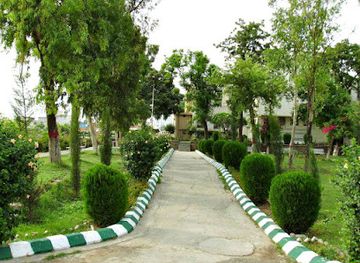
Park
Pseudo Murree
Explore Pseudo Murree, a picturesque park in Rawalpindi offering lush landscapes and peaceful retreats amidst the city's hustle and bustle.
8 min walk · 0.7 km from neighbourhood centre
-
Tourist attraction
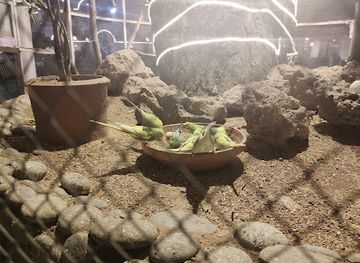
GOM Aviary
Experience the beauty and diversity of exotic birds at GOM Aviary, a must-visit tourist attraction in Rawalpindi, Pakistan, perfect for nature lovers.
6 min drive · 1.9 km from neighbourhood centre
-
Tourist attraction
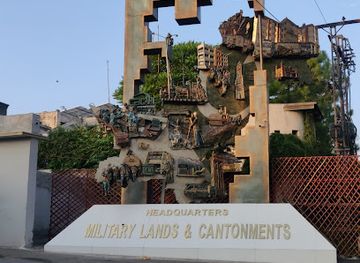
Pakistan largest map sculpture
Discover Pakistan's geography at the largest map sculpture in Rawalpindi, a stunning tourist attraction blending art and education.
14 min walk · 1.1 km from neighbourhood centre
Best landmarks in Murree Road
Liaquat Bagh is Murree Road’s principal landmark, both as a public park and as a site embedded in Pakistan’s political memory. Formerly Company Bagh, it was renamed for Liaquat Ali Khan and is associated with his assassination in 1951; Benazir Bhutto’s assassination near the park in 2007 added another layer of national significance. The Metrobus stations and dedicated corridor are more recent infrastructure landmarks, marking the road’s role in connecting Rawalpindi with Islamabad. At the southern end, Saddar represents the wider cantonment-era urban landscape, although its most notable buildings are spread through surrounding streets rather than concentrated on Murree Road itself. Committee Chowk and the successive major junctions are functional landmarks of local orientation, showing how the historic route has been absorbed into Rawalpindi’s modern street network.
-
Amusement park
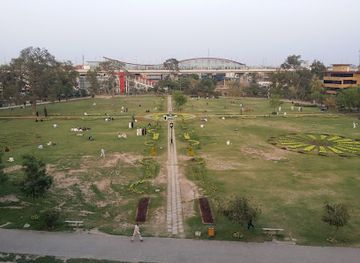
Liaquat Bagh Park
Explore Liaquat Bagh Park, a lush green oasis in Rawalpindi, where history meets tranquility and outdoor fun awaits every visitor.
3 min walk · 0.2 km from neighbourhood centre
-
Historical landmark
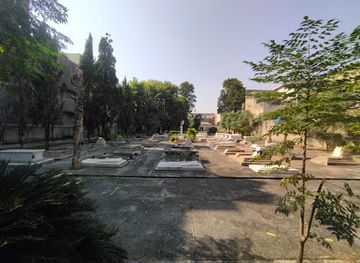
Zoroastrian Cemetery(1898)
Discover the Zoroastrian Cemetery, a historical landmark in Rawalpindi that showcases the rich cultural heritage and ancient traditions of the Zoroastrian community.
7 min drive · 2.4 km from neighbourhood centre
-
Historical landmark
Rawalpindi Landmark
Explore the Rawalpindi Landmark, a historical treasure that embodies the cultural heritage of Pakistan and offers an immersive experience for all visitors.
3 min walk · 0.3 km from neighbourhood centre
-
 Historical landmark
Unity Monument
Explore the Unity Monument in Rawalpindi, a historical landmark symbolizing Pakistan's resilience and cultural heritage amidst stunning natural beauty.
12 min walk · 1.0 km from neighbourhood centre
Explore Murree Road on the map
A handpicked selection of must-see spots in Murree Road, mapped for you.
Best hotels in Murree Road
Best restaurants in Murree Road
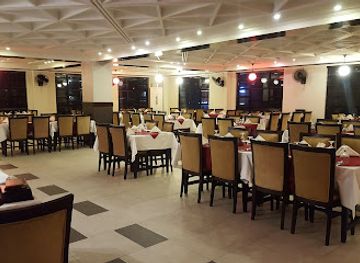
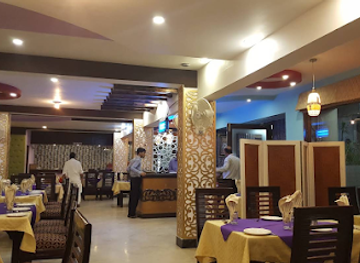
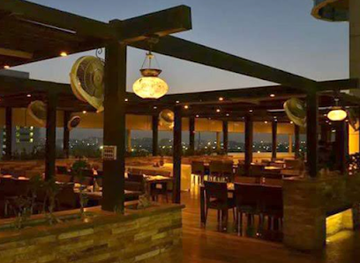
Dining along Murree Road reflects Rawalpindi’s practical, high-volume urban character, with cafés, tea shops, bakeries, fast-food counters and Pakistani restaurants distributed through Saddar, the central junctions and the commercial stretches around Satellite Town and Sixth Road. The most characteristic choices are everyday rather than formal: paratha and egg breakfasts, karahi and grilled meats, biryani, nihari, kebabs, samosas, jalebi and cups of doodh patti or chai. Saddar has a longer-established retail and eating culture, while the side streets near the later sections offer neighbourhood restaurants serving families, office workers and students. Individual premises change frequently, so street-level inspection is more reliable than depending on a fixed list. Visitors should expect busy dining rooms, takeaway counters and strong tea culture rather than a single defined culinary quarter, with halal food widely available throughout the corridor.
-
Restaurant
Lasania Restaurant
Experience authentic Pakistani flavors at Lasania Restaurant in Rawalpindi - a haven for food lovers seeking delicious meals in an inviting atmosphere.
13 min walk · 1.0 km from neighbourhood centre
-
Restaurant
Bagh-e-zaitoon Restaurant
Experience authentic Pakistani flavors at Bagh-e-zaitoon Restaurant in Rawalpindi - where tradition meets taste.
11 min walk · 0.9 km from neighbourhood centre
-
Pakistani
Karachi Restaurant
Experience authentic Pakistani cuisine at Karachi Restaurant in Rawalpindi - a true taste of local flavors awaits you!
8 min drive · 2.5 km from neighbourhood centre
-
Restaurant
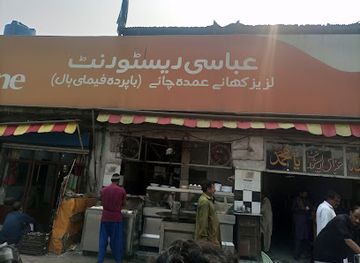
Abbasi Restaurant
Experience authentic Pakistani cuisine at Abbasi Restaurant in Rawalpindi - where every dish tells a story of tradition and flavor.
7 min drive · 2.3 km from neighbourhood centre
Best bars in Murree Road
Murree Road is not a conventional nightlife district, and Pakistan’s alcohol laws and social customs mean that visitors should not expect a bar-and-nightclub scene of the type found in many international cities. Evening activity is instead centred on restaurants, tea shops, bakeries, family cafés and the continuing movement around Metrobus stations and commercial junctions. Saddar and the areas around Satellite Town and Sixth Road remain active after working hours, with people shopping, eating and meeting over tea, while stretches between the major centres become quieter and more traffic-focused. Entertainment is generally informal and locally oriented rather than organised around clubs or live-music venues. Visitors should dress modestly, respect the family-oriented character of many establishments and check locally for any permitted cultural performance or event rather than assuming that a venue operates as a late-night bar.
-
Restaurant
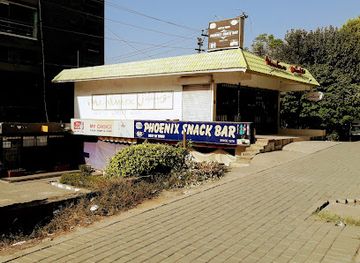
Phoenix Snack Bar
Discover the vibrant flavors of Rawalpindi at Phoenix Snack Bar, famous for its delectable club sandwiches and warm hospitality.
12 min walk · 1.0 km from neighbourhood centre
Best nightclubs in Murree Road
Murree Road is not a conventional nightlife district, and Pakistan’s alcohol laws and social customs mean that visitors should not expect a bar-and-nightclub scene of the type found in many international cities. Evening activity is instead centred on restaurants, tea shops, bakeries, family cafés and the continuing movement around Metrobus stations and commercial junctions. Saddar and the areas around Satellite Town and Sixth Road remain active after working hours, with people shopping, eating and meeting over tea, while stretches between the major centres become quieter and more traffic-focused. Entertainment is generally informal and locally oriented rather than organised around clubs or live-music venues. Visitors should dress modestly, respect the family-oriented character of many establishments and check locally for any permitted cultural performance or event rather than assuming that a venue operates as a late-night bar.
-
Night club
MS Video & CD Centre
Discover Rawalpindi's vibrant nightlife at MS Video & CD Centre, where music, culture, and unforgettable experiences await.
18 min walk · 1.5 km from neighbourhood centre
-
Night club
Anda tikki cart
Discover Rawalpindi's vibrant nightlife at Anda Tikki Cart, where delicious street food meets electrifying music for an unforgettable experience.
19 min walk · 1.5 km from neighbourhood centre
Best shops in Murree Road
Shopping on Murree Road is broad, practical and intensely local rather than focused on a single specialist market. Saddar provides the strongest concentration of established retail, with clothing, shoes, mobile phones, electronics, jewellers, pharmacies and everyday services spread through the road and its adjoining streets. Farther north, the commercial areas around Committee Chowk, Chandni Chowk and Sixth Road are shaped by small retailers, workshops, food businesses and services for nearby residents, students and office workers. Satellite Town’s side streets add cafés, boutiques and neighbourhood shopping, although the area is connected to rather than identical with the Murree Road frontage. Bargaining may be appropriate in some independent shops, while fixed-price chain and specialist retailers will be clearer about costs. The corridor’s appeal lies in its dense mixture of useful shops and informal commerce, not in luxury retail or a curated design district.
-
Bridal shop
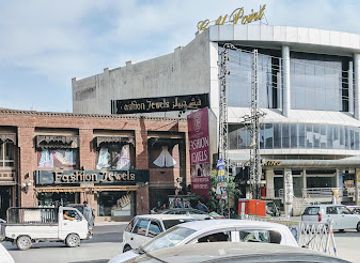
Fashion ka Ghar
Explore Fashion ka Ghar in Rawalpindi for stunning bridal wear and women's clothing that blends tradition with modern flair.
7 min drive · 2.2 km from neighbourhood centre
Murree Road essentials
Getting There
Getting Around
Safety
Emergency Situations
Do's and Don'ts
Local Tips

From Eve
Local phrases worth knowing
You don't need to get them perfect. A few words go a long way, and locals appreciate the effort.
Basics
| English | Local | Say it |
|---|---|---|
| Hello | سلام | [salaam] |
| Goodbye | خدا حافظ | [khuda hafiz] |
| Yes | جی ہاں | [jee haan] |
| No | نہیں | [nahin] |
| Please/You're welcome | براہ کرم | [baraah karam] |
| Thank you | شکریہ | [shukriya] |
| Excuse me/Sorry | معذرت | [maazrat] |
| How are you? | آپ کیسے ہیں؟ | [aap kaise hain?] |
| Fine. And you? | ٹھیک ہوں۔ آپ سنے؟ | [theek hoon. aap?] |
| Do you speak English? | کیا آپ انگریزی بولتے ہیں؟ | [kya aap angrezi boltay hain?] |
| I don't understand | مجھے سمجھ نہیں آیا | [mujhe samajh nahi aya] |
Eating & Drinking
| English | Local | Say it |
|---|---|---|
| I'd like to see the menu, please | براہ کرم مینو دیکھنا چاہتا ہوں | [baraah karam menu dekhna chahta hoon] |
| I don't eat meat | میں گوشت نہیں کھاتا | [main gosht nahi khaata] |
| Cheers! | چیئرز! | [cheers!] |
| I would like to pay, please | براہ کرم ادائیگی کرنا چاہتا ہوں | [baraah karam adaigi karna chahta hoon] |
Emergencies
| English | Local | Say it |
|---|---|---|
| Help! | مدد! | [madad!] |
| Go away! | دور ہو جاؤ! | [door ho jao!] |
| Call the Police! | پولیس کو بلاؤ! | [police ko bulao!] |
| Call a doctor! | ڈاکٹر کو بلاؤ! | [doctor ko bulao!] |
| I'm lost | میں گم ہو گیا ہوں | [main gum ho gaya hoon] |
| I'm ill | میں بیمار ہوں | [main bimaar hoon] |
Shopping
| English | Local | Say it |
|---|---|---|
| I'd like to buy... | میں خریدنا چاہتا ہوں... | [main khareedna chahta hoon...] |
| I'm just looking | میں صرف دیکھ رہا ہوں | [main sirf dekh raha hoon] |
| How much is it? | یہ کتنا ہے؟ | [yeh kitna hai?] |
| That's too expensive | یہ بہت مہنگا ہے | [yeh bohat mehnga hai] |
| Can you lower the price? | کیا آپ قیمت کم کر سکتے ہیں؟ | [kya aap qeemat kam kar sakte hain?] |
Time & Numbers
| English | Local | Say it |
|---|---|---|
| What time is it? | کتنا بجا ہے؟ | [kitna baja hai?] |
| It's one o'clock | ایک بجے ہیں | [aik bajay hain] |
| Half past (10) | دس بج کر پندرہ منٹ گزرے ہیں | [das baj kar pandra mint guzray hain] |
| Morning | صبح | [subah] |
| Afternoon | دوپہر | [dopehar] |
| Evening | شام | [shaam] |
| Yesterday | کل | [kal] |
| Today | آج | [aaj] |
| Tomorrow | کل | [kal] |
| 1 | ایک | [aik] |
| 2 | دو | [doo] |
| 3 | تین | [teen] |
| 4 | چار | [char] |
| 5 | پانچ | [paanch] |
| 6 | چھے | [chhay] |
| 7 | سات | [saat] |
| 8 | آٹھ | [aath] |
| 9 | نو | [no] |
| 10 | دس | [das] |
Transport & Directions
| English | Local | Say it |
|---|---|---|
| Where's a/the...? | کہاں ہے... | [kahan hai...] |
| What's the address? | پتہ کیا ہے؟ | [pata kya hai?] |
| Can you show me (on the map)? | کیا آپ مجھے دکھا سکتے ہیں؟ | [kya aap mujhe dikhwa sakte hain?] |
| When's the next (bus)? | اگلی بس کب ہے؟ | [agli bus kab hai?] |
| A ticket (to ....) | ایک ٹکٹ (سے...) | [aik ticket (se...)] |
History of Murree Road
A Route Towards the Hills
Murree Road developed as the principal urban approach from Rawalpindi towards Murree, the hill station established during the British colonial period in the nineteenth century. Its importance came from movement: it connected the cantonment and commercial city with the road leading into the Margalla and Murree hills. As Rawalpindi expanded beyond its older core, the route became an urban spine rather than a rural road. The name has therefore remained a geographical reminder of the corridor’s outward connection to Murree, even as adjoining land was progressively built over.
Expansion Beyond Saddar
Rawalpindi’s growth during the late colonial period and after the creation of Pakistan added residential, institutional and commercial districts along and beside Murree Road. Areas including Mareer Hassan, Liaquat Bagh and the later Satellite Town extensions became linked by the road’s traffic network. What had been a route between distinct settlements increasingly became a continuous built-up passage, with markets, schools, hospitals, offices and transport interchanges replacing open land. The corridor’s changing streetscape reflects Rawalpindi’s role as both a historic garrison city and a fast-growing regional centre.
Liaquat Bagh and Public Memory
Liaquat Bagh, beside Murree Road, is one of the corridor’s most significant historical spaces. Formerly known as Company Bagh, it was renamed in memory of Liaquat Ali Khan, Pakistan’s first prime minister, who was assassinated there in 1951. The park later became associated with major political gatherings and remains part of the country’s public memory. Benazir Bhutto was assassinated near Liaquat Bagh in 2007, further cementing the site’s national political significance. For visitors, the park is an important reminder that Murree Road is also a route through Pakistan’s modern political history.
A Metropolitan Transport Spine
The twenty-first century brought new pressure and new infrastructure to Murree Road as Rawalpindi and Islamabad became increasingly interdependent. The Rawalpindi-Islamabad Metrobus project introduced a dedicated rapid-transit corridor linking the two cities, with stations serving major points along Murree Road and the route towards Faizabad. This reshaped movement through the central sections, concentrating pedestrian activity around stations while formalising a connection that had previously depended heavily on road traffic. Today the corridor illustrates Rawalpindi’s continuing transformation from a historic city of separate quarters into part of a closely connected twin-city region.
Murree Road in Photos
Browse through our photo collection highlighting the charm and character of the destination.
Neighbourhoods near Murree Road
The closest neighbourhoods to Murree Road, if you have time for more than one stop.
-

-
-


Swipe for more neighbourhoods
Explore more

Explore more of Rawalpindi
Rawalpindi blends Mughal-era streets, colonial landmarks, lively bazaars and Punjabi flavours, with easy access to Islamabad, Taxila and the Potohar Plateau.
Explore Rawalpindi