

The Mall (Rawalpindi) Travel Guide - Free
Explore The Mall in Rawalpindi with Evendo's free guide. Find the best shops, historic streets, restaurants, and gems on web or mobile.


The Mall in Rawalpindi reveals colonial avenues, St Paul’s Church, cantonment history, local shopping and easy access to Saddar’s heritage sights.
An Avenue Shaped by the Cantonment
The Mall is one of Rawalpindi’s most recognisable historic avenues, running through the city’s cantonment area and linking the formal atmosphere of colonial-era Rawalpindi with the dense commercial life of Saddar nearby. Its broad road, mature trees, institutional buildings and military associations give it a different character from the closely packed bazaars and transport corridors elsewhere in the city. The name echoes the ‘malls’ established in British cantonment towns across South Asia: landscaped avenues designed for movement, administration and public display.Read more about The Mall
Architecture and Everyday Life
A Base for Exploring Rawalpindi
Explore The Mall on the map
A handpicked selection of must-see spots in The Mall, mapped for you.
Best hotels in The Mall
The Mall essentials
Getting There
Getting Around
Safety
Emergency Situations
Do's and Don'ts
Local Tips

From Eve
Local phrases worth knowing
You don't need to get them perfect. A few words go a long way, and locals appreciate the effort.
Basics
| English | Local | Say it |
|---|---|---|
| Hello | سلام | [salaam] |
| Goodbye | خدا حافظ | [khuda hafiz] |
| Yes | ہاں | [haan] |
| No | نہیں | [nahin] |
| Please/You're welcome | براہ کرم | [baraah karam] |
| Thank you | شکریہ | [shukriya] |
| Excuse me/Sorry | معاف کریں | [maaf karein] |
| How are you? | آپ کیسے ہیں؟ | [aap kaise hain?] |
| Fine. And you? | ٹھیک ہوں، آپ؟ | [theek hoon, aap?] |
| Do you speak English? | کیا آپ انگریزی بولتے ہیں؟ | [kya aap angrezi boltay hain?] |
| I don't understand | مجھے سمجھ نہیں آیا | [mujhe samajh nahi aaya] |
Eating & Drinking
| English | Local | Say it |
|---|---|---|
| I'd like to see the menu, please | براہ کرم مینو دیکھنا چاہتا ہوں | [baraah karam menu dekhna chahta hoon] |
| I don't eat meat | میں گوشت نہیں کھاتا | [mein gosht nahi khata] |
| Cheers! | صحت | [sehat] |
| I would like to pay, please | براہ کرم ادا کرنا چاہتا ہوں | [baraah karam ada karna chahta hoon] |
Emergencies
| English | Local | Say it |
|---|---|---|
| Help! | مدد! | [madad!] |
| Go away! | چلے جاؤ! | [chale jao!] |
| Call the Police! | پولیس کو بلاؤ! | [police ko bulao!] |
| Call a doctor! | ڈاکٹر کو بلاؤ! | [doctor ko bulao!] |
| I'm lost | میں گم ہوگیا ہوں | [mein gum hogaya hoon] |
| I'm ill | میں بیمار ہوں | [mein beemar hoon] |
Shopping
| English | Local | Say it |
|---|---|---|
| I'd like to buy... | میں خریدنا چاہتا ہوں... | [mein khareedna chahta hoon...] |
| I'm just looking | میں بس دیکھنا ہوں | [mein bas dekhna hoon] |
| How much is it? | یہ کتنے کا ہے؟ | [yeh kitne ka hai?] |
| That's too expensive | یہ بہت مہنگا ہے | [yeh bohat mehnga hai] |
| Can you lower the price? | کیا آپ قیمت کم کر سکتے ہیں؟ | [kya aap keemat kam kar sakte hain?] |
Time & Numbers
| English | Local | Say it |
|---|---|---|
| What time is it? | وقت کیا ہوا ہے؟ | [waqt kya hua hai?] |
| It's one o'clock | ایک بجے ہیں | [aik bajay hain] |
| Half past (10) | دس بجے نصف ہو چکے ہیں | [das bajay nisf ho chuke hain] |
| Morning | صبح | [subah] |
| Afternoon | دوپہر | [dopehar] |
| Evening | شام | [shaam] |
| Yesterday | گذشتہ کل | [guzishta kal] |
| Today | آج | [aaj] |
| Tomorrow | کل | [kal] |
| 1 | ایک | [aik] |
| 2 | دو | [do] |
| 3 | تین | [teen] |
| 4 | چار | [chaar] |
| 5 | پانچ | [paanch] |
| 6 | چھے | [chhe] |
| 7 | سات | [saat] |
| 8 | آٹھ | [aath] |
| 9 | نو | [no] |
| 10 | دس | [das] |
Transport & Directions
| English | Local | Say it |
|---|---|---|
| Where's a/the...? | کہاں ہے... | [kahan hai...] |
| What's the address? | پتہ کیا ہے؟ | [pata kya hai?] |
| Can you show me (on the map)? | کیا آپ مجھے دکھا سکتے ہیں؟ | [kya aap mujhe dikha sakte hain?] |
| When's the next (bus)? | اگلا کب ہے؟ | [agla kab hai?] |
| A ticket (to ....) | ایک ٹکٹ (سے .... تک) | [aik ticket (se .... tak)] |
History of The Mall
The Cantonment Takes Shape
Rawalpindi became an important British military station after the annexation of Punjab in 1849, when its strategic position on routes towards the north-west increased its military value. The cantonment developed separately from the older city, with planned roads, compounds, parade grounds and institutional buildings rather than the dense lanes associated with Rawalpindi’s historic bazaars. The Mall emerged within this planned landscape as a principal avenue for administration, movement and public display. Its name belongs to the wider South Asian cantonment tradition in which a ‘mall’ was a formal, often tree-lined road connected with military and civic life.
Churches, Offices and Civic Buildings
During the later nineteenth and early twentieth centuries, The Mall and its surrounding cantonment acquired the buildings that still give the avenue much of its historical character. St Paul’s Church represents the presence of Christian institutions serving the colonial military and civilian community, while postal, hotel and administrative facilities reflected Rawalpindi’s growing importance as a garrison and communications centre. The avenue was not simply residential: it connected official functions, accommodation and public movement within a carefully regulated cantonment environment. Several military properties have remained inaccessible to the general public, making the surviving public-facing buildings especially important for understanding the area’s urban past.
From Colonial Road to Pakistani City Street
The political changes of 1947 transformed the social and administrative setting of Rawalpindi’s cantonment, as colonial institutions were incorporated into Pakistan’s new civic and military order. The Mall retained its importance as a formal avenue, but its everyday surroundings became more closely integrated with the expanding city, particularly through the commercial growth of Saddar and improved links with central Rawalpindi. Hotels, offices, shops and transport activity gradually gave the road a more mixed urban role. Today, its colonial planning and surviving religious and civic buildings coexist with the practical pressures of a busy modern city.
The Mall in Photos
Browse through our photo collection highlighting the charm and character of the destination.
Neighbourhoods near The Mall
The closest neighbourhoods to The Mall, if you have time for more than one stop.
-

-
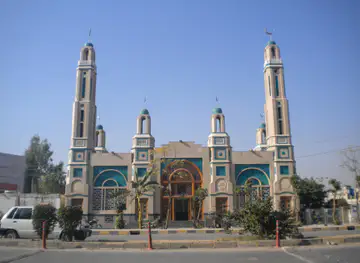
-
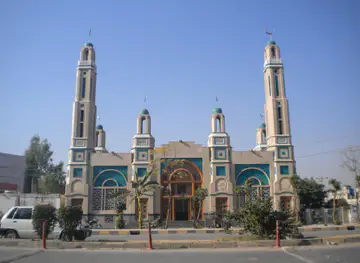


Swipe for more neighbourhoods
Explore more

Explore more of Rawalpindi
Rawalpindi blends Mughal-era streets, colonial landmarks, lively bazaars and Punjabi flavours, with easy access to Islamabad, Taxila and the Potohar Plateau.
Explore Rawalpindi