

Free Encarnacion Travel Guide & Mobile App
Plan your Encarnacion trip with Evendo. Get free guides to top attractions, restaurants, hotels, and bars. Web access or download the mobile app.


Encarnación on Paraguay’s Paraná River combines Jesuit heritage, San José beach, riverside promenades, summer culture and lively border-city character.
A Paraná River City
Encarnación lies on Paraguay’s southern frontier, facing Posadas in Argentina across the Paraná River. As the capital of Itapúa Department, it has a distinctly regional character: broad riverfront promenades, sandy beaches, modern public spaces and a busy commercial centre shaped by cross-border exchange. The Costanera de la República follows the water through the city, while Playa San José provides a popular urban shoreline for swimming, sunbathing and summer gatherings when conditions permit.Read more about Encarnacion
History, Faith and Memory
Festivals and Everyday Life
When is the best time to visit Encarnacion?
Best: June–August · 26–27°C| Month | High (°C) | Rainfall (mm) |
|---|---|---|
| January | 36 | 127 |
| February | 35 | 125 |
| March | 35 | 119 |
| April | 33 | 98 |
| May | 29 | 68 |
| June (best) | 26 | 46 |
| July (best) | 26 | 45 |
| August (best) | 27 | 47 |
| September | 29 | 71 |
| October | 32 | 102 |
| November | 35 | 114 |
| December | 36 | 125 |
Getting to and around Encarnacion
How to get there
Transportation
Best attractions in Encarnacion
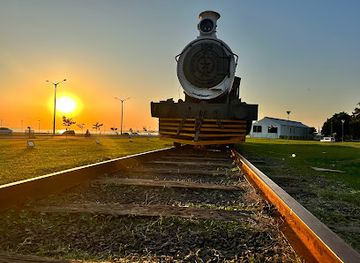
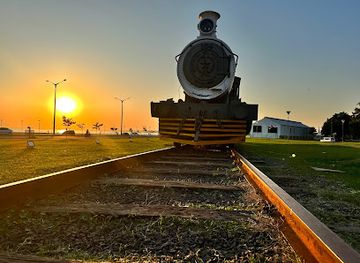
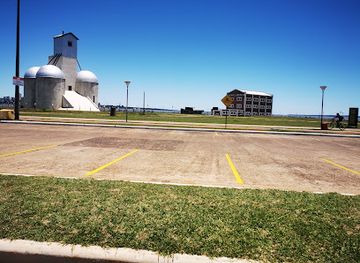
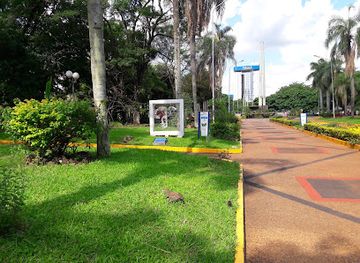
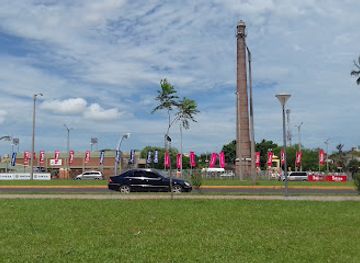
Encarnación's principal sightseeing area is the Costanera de la República, a broad riverside route with landscaped spaces, viewpoints and access to Playa San José, the city's best-known urban beach. The former railway station provides a glimpse of the infrastructure that helped establish Encarnación as a commercial centre, while nearby Plaza de Armas offers a more traditional civic setting. The Sambódromo is central to the city's identity during Carnaval, when parades transform the venue with music, dance and elaborate costumes. Mboi Ka'e beach and other riverside recreational areas extend the city's relationship with the Paraná, subject to local conditions and seasonal use. Cultural institutions and local museums add context to Itapúa's history, while Encarnación also serves as the practical base for excursions to the Jesuit missions of Santísima Trinidad del Paraná and Jesús de Tavarangue, both outside the city.
-
Tourist attraction
Playa San Jose
Experience the beauty and vibrant atmosphere of Playa San Jose, a premier public beach in Encarnacion, Paraguay, perfect for relaxation and fun.
10 min walk · 0.8 km from city centre
-
Tourist attraction
República del Paraguay Park
Discover the tranquility of República del Paraguay Park in Posadas, Argentina, where nature and culture blend in a beautiful urban oasis.
11 min drive · 3.5 km from city centre
-
City park
Costanera de Encarnación
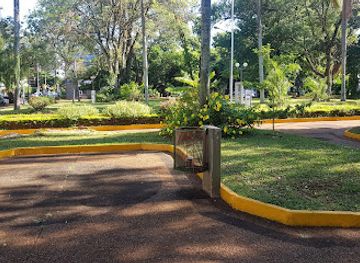
Explore the enchanting Costanera de Encarnación, a scenic riverside park offering lush greenery, recreational activities, and stunning sunset views.
9 min walk · 0.8 km from city centre
-
Tourist attraction
Plaza de Armas
Explore the vibrant Plaza de Armas in Encarnación, a perfect blend of culture, history, and leisure in the heart of Paraguay.
5 min walk · 0.4 km from city centre
Best landmarks in Encarnacion
The Costanera de la República is Encarnación's defining modern landmark, representing the extensive remaking of the Paraná waterfront after the Yacyretá project and providing a civic landscape of promenades, beaches and open public space. The former railway station recalls the early twentieth-century expansion of trade and transport in southern Paraguay. Plaza de Armas remains an important urban reference point, framed by civic activity and mature public landscaping, while the Sambódromo embodies the city's contemporary cultural identity through the annual Carnaval. Religious landmarks and local civic buildings add to the central streetscape, though Encarnación's deepest historical associations extend beyond the city to the Jesuit mission ruins of Santísima Trinidad del Paraná and Jesús de Tavarangue. Those sites, outside Encarnación, are among the defining architectural legacies of the wider Itapúa region.
-
Beach pavillion
Playa San Jose
Experience the beauty and vibrancy of Playa San Jose, a prime beach pavilion in Encarnación, Paraguay, perfect for relaxation and cultural exploration.
10 min walk · 0.8 km from city centre
-
City park
Costanera de Encarnación
Experience the scenic beauty and vibrant atmosphere at Costanera de Encarnación, the perfect place for relaxation and recreation along the Paraná River.
9 min walk · 0.8 km from city centre
-
City park
Plaza de Armas
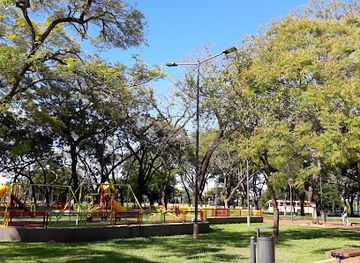
Explore the vibrant Plaza de Armas in Encarnación, a city park rich in culture, history, and family-friendly fun amidst lush greenery.
5 min walk · 0.4 km from city centre
-
Civic center
Civic Center Sambadrome
Discover the vibrant cultural heart of Encarnación at the Civic Center Sambadrome, a hub for art, music, and community events.
16 min walk · 1.2 km from city centre
Explore Encarnacion on the map
Plan your Encarnacion trip on one map. See where the top attractions, landmarks, restaurants, bars and hotels are, find what's near where you're staying, and book hotels and experiences in a few clicks.
Best hotels in Encarnacion
Best restaurants in Encarnacion
Encarnación's food culture reflects Paraguay's Guaraní heritage, agricultural hinterland and proximity to Argentina and Brazil. Traditional Paraguayan staples include sopa paraguaya, a savoury corn-and-cheese bread; chipa, the baked starch-and-cheese snack found throughout the country; mbejú; and chipa guasu, a soft corn dish often served with grilled meats. River fish and freshwater ingredients appear on menus alongside beef, empanadas and regional dishes shaped by cross-border tastes. The centre and Costanera contain restaurants, cafés and casual food outlets, while food stalls become especially sociable around beaches and major events. Visitors may also encounter tereré, the cold herbal infusion integral to Paraguayan daily life, although it is generally shared socially rather than ordered like a standard café drink. Dining ranges from family-run eateries to contemporary establishments serving international and regional cuisine.
-
Japanese
Hiroshima
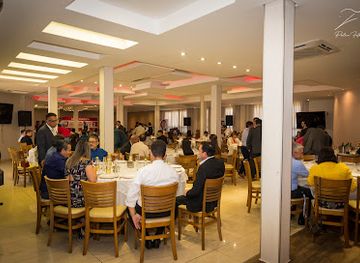
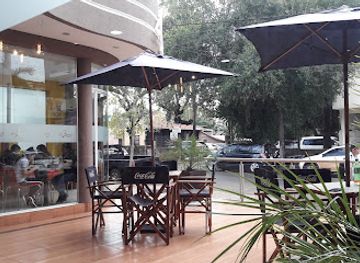
Experience authentic Japanese flavors at Hiroshima in Encarnación - a must-visit for sushi lovers and seafood enthusiasts.
10 min walk · 0.8 km from city centre
-
Restaurant
Piccola Italia Encarnacion, Paraguay
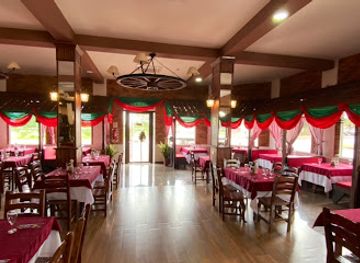
Experience authentic Italian cuisine at Piccola Italia in Encarnacion – where flavors meet tradition in every dish.
18 min walk · 1.4 km from city centre
-
Restaurant
Restaurant Doña Susana
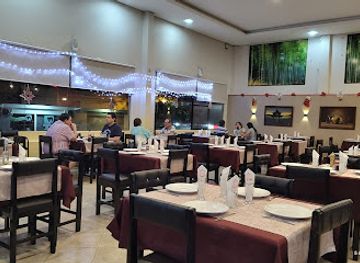
Experience authentic Paraguayan cuisine at Restaurant Doña Susana in Encarnación – where every meal is a delightful journey through local flavors.
11 min walk · 0.9 km from city centre
-
Restaurant
Tio Miguel Buffet, Encarnación
Experience authentic Paraguayan cuisine at Tio Miguel Buffet in Encarnación – a delightful buffet offering diverse flavors at affordable prices.
12 min walk · 0.9 km from city centre
Best bars in Encarnacion
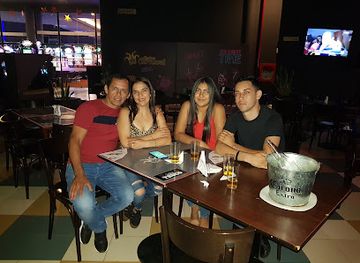
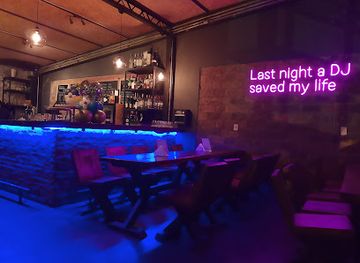
Evenings in Encarnación tend to centre on the Costanera, Playa San José and the central commercial streets, where cafés, casual bars and restaurants provide places to meet after sunset. The atmosphere becomes more animated during summer and around Carnaval, when music, outdoor gatherings and festival events bring large crowds to the waterfront and Sambódromo. Nightlife is generally more relaxed and seasonal than in Paraguay's capital, with a mixture of neighbourhood bars, venues playing Latin music and occasional live performances rather than a dense club district. The city's border position brings Argentine and Brazilian influences to its evening culture, but visitors should not assume every venue operates late or offers the same programme throughout the year. Cultural events and public performances can be as significant as conventional nightlife.
-
Bar
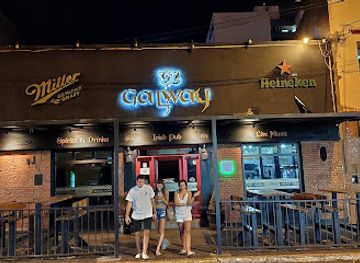
Galway Irish Pub
Discover the authentic Irish experience at Galway Irish Pub, where great drinks, live music, and friendly faces await you in Encarnación.
10 min walk · 0.8 km from city centre
-
Pub
Bleu Bar Club
Discover the rhythm of Encarnación at Bleu Bar Club, where vibrant nightlife meets friendly atmosphere and unforgettable memories.
10 min walk · 0.8 km from city centre
-
Bar
Honorio Bar
Experience the vibrant nightlife and local flavors at Honorio Bar in Encarnación, where great drinks and lively ambiance await.
12 min walk · 1.0 km from city centre
-
Bar
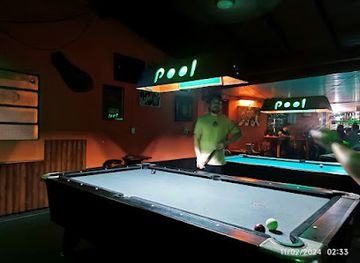
LA RAMBLA PUB POOL
Discover La Rambla Pub Pool, a vibrant bar in Encarnación, Paraguay, known for its lively atmosphere, pool tables, and delicious drinks.
15 min walk · 1.2 km from city centre
Best nightclubs in Encarnacion
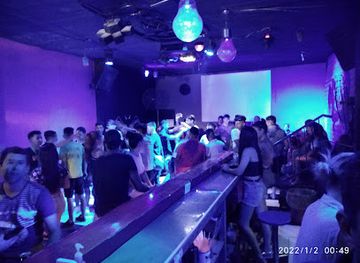
Evenings in Encarnación tend to centre on the Costanera, Playa San José and the central commercial streets, where cafés, casual bars and restaurants provide places to meet after sunset. The atmosphere becomes more animated during summer and around Carnaval, when music, outdoor gatherings and festival events bring large crowds to the waterfront and Sambódromo. Nightlife is generally more relaxed and seasonal than in Paraguay's capital, with a mixture of neighbourhood bars, venues playing Latin music and occasional live performances rather than a dense club district. The city's border position brings Argentine and Brazilian influences to its evening culture, but visitors should not assume every venue operates late or offers the same programme throughout the year. Cultural events and public performances can be as significant as conventional nightlife.
-
Disco club
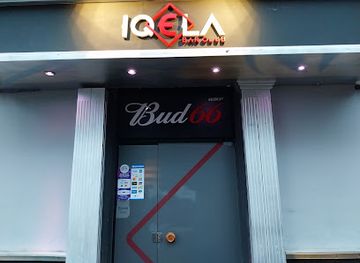
IQELA BAR CLUB
Immerse yourself in the vibrant nightlife of Encarnación at IQELA Bar Club, where the music and dance never stop!
7 min walk · 0.6 km from city centre
-
Disco club
Angel's and Demon's
Unleash your inner party spirit at Angel's and Demon's, Encarnación's top disco club for an unforgettable nightlife experience.
12 min walk · 1.0 km from city centre
-
Night club
“El Quincho Abud”
Experience the electrifying nightlife of Encarnación at El Quincho Abud, where music, dance, and vibrant energy await every visitor.
5 min walk · 0.4 km from city centre
-
 Night club
BODEGA X
Dive into the vibrant nightlife of Encarnación at BODEGA X, where music, dance, and unforgettable moments await.
7 min walk · 0.5 km from city centre
Best shops in Encarnacion
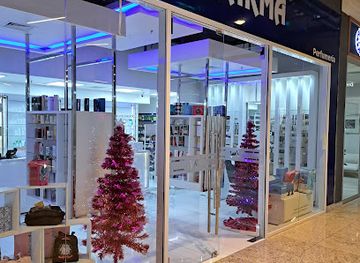
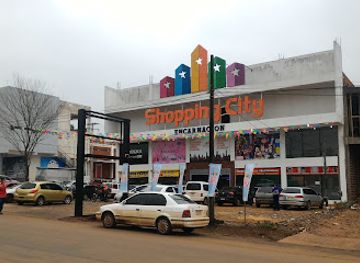
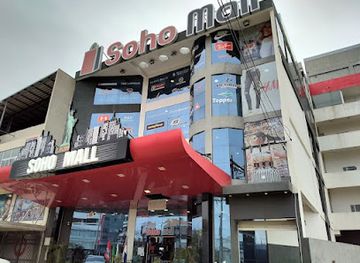
Shopping in Encarnación ranges from ordinary Paraguayan retail to the cross-border commerce associated with its position opposite Posadas. The central commercial streets and areas leading towards the international bridge contain clothing shops, electronics retailers, supermarkets, pharmacies and small independent businesses, while modern shopping centres provide a more concentrated retail setting. Local purchases may include tereré accessories, woven goods, leather products, Paraguayan foodstuffs and regional sweets, although quality and provenance vary between sellers. The Costanera and beach areas have seasonal stalls selling snacks, crafts and souvenirs, especially during summer and public events. Border shopping can involve changing regulations and customs limits, so travellers should distinguish personal purchases from goods that require declaration. For a more culturally grounded souvenir, look for products made by Paraguayan artisans rather than mass-produced items marketed as local.
-
Shopping mall
Shopping Costanera
Discover the vibrant shopping, dining, and entertainment experience at Costanera Shopping Mall in Encarnación, Paraguay.
5 min drive · 1.6 km from city centre
-
Gift shop
Shopping City
Explore Shopping City in Encarnacion, Paraguay, where unique gifts, family fun, and vibrant shopping experiences await every visitor.
9 min drive · 3.0 km from city centre
-
Shopping mall
SOHO MALL
Discover a vibrant shopping experience at SOHO Mall in Encarnacion, where local culture meets modern retail therapy in a lively atmosphere.
9 min drive · 3.0 km from city centre
-
Sporting goods store
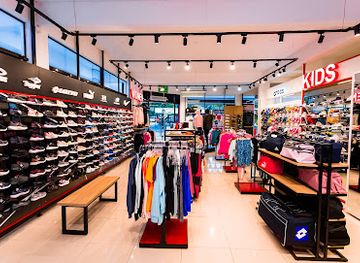
estilo sport shop
Discover a wide range of quality sporting goods at Estilo Sport Shop in Encarnación, where athletic passion meets expert advice.
7 min walk · 0.5 km from city centre
Get your free copy of our complete guide to Encarnacion, delivered straight to you.
Everything on this page, from attractions and restaurants to essentials and local phrases, in one PDF you can read offline, print or share.
Already have an account? Sign in
Your Encarnacion guide is ready.
We'll send it to · Not you? Sign out

Getting your guide ready…
We are putting together a fresh copy of the Encarnacion guide. This can take up to a minute.
This can take a few moments. If your browser asks, choose Allow so the download can start. You'll find the guide in your Downloads folder.
Nothing happened? Download it again
Sorry, the guide is taking longer than usual. Please try again in a minute, or get it by email instead.
Encarnacion essentials
Currency and Payment
Safety
Emergency Situations
Do's and Don'ts
Local Tips
From Eve
Local phrases worth knowing
You don't need to get them perfect. A few words go a long way, and locals appreciate the effort.
Basics
| English | Local | Say it |
|---|---|---|
| Hello | Hola | [OH-lah] |
| Goodbye | Adios | [ah-DYOHSS] |
| Yes | Sí | [SEE] |
| No | No | [NOH] |
| Please/You're welcome | Por favor/De nada | [pohr fah-BOHR/deh NAH-dah] |
| Thank you | Gracias | [GRAH-syahs] |
| Excuse me/Sorry | Perdón/Disculpe | [pehr-DOHN/dees-KOOL-peh] |
| How are you? | ¿Cómo estás? | [KOH-moh ehs-TAHS] |
| Fine. And you? | Bien. ¿Y tú? | [BYEHN. ee too] |
| Do you speak English? | ¿Hablas inglés? | [AH-blahs een-GLEHS] |
| I don't understand | No entiendo | [NOH ehn-TYEHN-doh] |
Eating & Drinking
| English | Local | Say it |
|---|---|---|
| I'd like to see the menu, please | Me gustaría ver el menú, por favor | [meh goos-tah-REE-ah behr ehl meh-NOO, pohr fah-BOHR] |
| I don't eat meat | No como carne | [NOH KOH-moh KAHR-neh] |
| Cheers! | Salud! | [sah-LOOD] |
| I would like to pay, please | Me gustaría pagar, por favor | [meh goos-tah-REE-ah pah-GAHR, pohr fah-BOHR] |
Emergencies
| English | Local | Say it |
|---|---|---|
| Help! | ¡Ayuda! | [ah-YOO-dah] |
| Go away! | ¡Vete! | [VEH-teh] |
| Call the Police! | ¡Llama a la policía! | [YAH-mah ah lah poh-LEE-see-ah] |
| Call a doctor! | ¡Llama a un médico! | [YAH-mah ah oon MAY-dee-koh] |
| I'm lost | Estoy perdido/a | [eh-STOY pehr-DEE-doh/dah] |
| I'm ill | Estoy enfermo/a | [eh-STOY ehn-FEHR-moh/dah] |
Shopping
| English | Local | Say it |
|---|---|---|
| I'd like to buy... | Me gustaría comprar... | [meh goos-tah-REE-ah kohm-PRAR] |
| I'm just looking | Solo estoy mirando | [SOH-loh ehs-TOY meer-AHN-doh] |
| How much is it? | ¿Cuánto cuesta? | [KWAHN-toh KWEHS-tah] |
| That's too expensive | Eso es muy caro | [EH-soh ehs moo-ee KAH-roh] |
| Can you lower the price? | ¿Puedes rebajar el precio? | [PWEH-dehs reh-bah-HAHR ehl PREH-see-oh] |
Time & Numbers
| English | Local | Say it |
|---|---|---|
| What time is it? | ¿Qué hora es? | [keh OR-ah ehs] |
| It's one o'clock | Es la una en punto | [ehs lah OO-nah ehn POON-toh] |
| Half past (10) | Y media (10) | [ee MEH-dee-ah (DEE-ehss)] |
| Morning | Mañana | [mah-NYAH-nah] |
| Afternoon | Tarde | [TAHR-deh] |
| Evening | Noche | [NOH-cheh] |
| Yesterday | Ayer | [ah-YEHR] |
| Today | Hoy | [HOY] |
| Tomorrow | Mañana | [mah-NYAH-nah] |
| 1 | Uno | [OO-noh] |
| 2 | Dos | [DOHS] |
| 3 | Tres | [TREHS] |
| 4 | Cuatro | [KWAH-troh] |
| 5 | Cinco | [SEEN-koh] |
| 6 | Seis | [SAYSS] |
| 7 | Siete | [SYEH-teh] |
| 8 | Ocho | [OH-choh] |
| 9 | Nueve | [NWEH-veh] |
| 10 | Diez | [DYESS] |
Transport & Directions
| English | Local | Say it |
|---|---|---|
| Where's a/the...? | ¿Dónde está...? | [DOHN-deh ehs-TAH] |
| What's the address? | ¿Cuál es la dirección? | [KWAHL ehs lah dee-rehk-SYOHN] |
| Can you show me (on the map)? | ¿Puedes mostrarme (en el mapa)? | [PWEH-dehs mohs-TRAHR-meh (ehn ehl MAH-pah)] |
| When's the next (bus)? | ¿Cuándo es el próximo (autobús)? | [KWAHN-doh ehs ehl PROK-see-moh (ow-toh-BOOS)] |
| A ticket (to ....) | Un boleto (a ...) | [oon boh-LEH-toh (ah ...)] |
History of Encarnacion
The Jesuit Settlement of Itapúa
Encarnación traces its origins to Itapúa, a Jesuit mission founded in 1615 by Roque González de Santa Cruz on the Paraná River. The settlement formed part of the network of reductions established among Guaraní communities by Jesuit missionaries in what is now southern Paraguay and neighbouring regions. These communities combined Christian teaching with agriculture, craft production, music and organised communal life, although their history must also be understood within the unequal colonial relationships of the period. The original settlement was later moved to the Paraná's northern bank, where the urban nucleus of present-day Encarnación developed. Its early location established the city's enduring connection with the river and with the mission landscape of Itapúa.
After the Jesuit Expulsion
The expulsion of the Jesuits from Spanish territories in 1767 brought a major political and social change to the mission settlements. Administration passed to other colonial authorities, and the reduction system gradually lost the organisation that had supported its communal institutions and economic activities. Itapúa's importance declined in comparison with its earlier mission period, while the surrounding region continued to experience movement among Guaraní communities, colonial settlers and traders. The settlement's river position nevertheless remained significant, linking the area with routes along the Paraná. Encarnación's later identity was shaped less by the survival of a single intact mission town than by the gradual development of a new civic and commercial centre near the former reduction.
A Border City Takes Shape
During the nineteenth century, Encarnación became increasingly connected to the political and commercial life of independent Paraguay. Its position opposite Posadas made the Paraná both a boundary and a route for trade, migration and communication. The city grew through the arrival of settlers and merchants from different parts of Paraguay and from abroad, giving Itapúa a more diverse social character than its mission-era origins alone suggest. The War of the Triple Alliance devastated Paraguay and affected the country's demographic and economic development, including the southern frontier. In the decades that followed, Encarnación consolidated its role as an administrative centre and river port, while agriculture and regional commerce became central to the economy of Itapúa.
Railways, Commerce and Urban Growth
The arrival of railway connections in the early twentieth century strengthened Encarnación's links with Paraguay's interior and with the Argentine border. Rail transport supported the movement of agricultural products, passengers and imported goods, while the city expanded beyond its older core. The historic railway station remains a reminder of this period of infrastructure-led growth, even though the railway no longer plays the same role in everyday travel. Encarnación also developed a civic culture expressed through public squares, schools, churches, commercial streets and community associations. Its location at the meeting point of river, rail and road routes helped establish the city as the principal urban centre of southern Paraguay.
Yacyretá and the Remade Waterfront
The Yacyretá hydroelectric project, developed jointly by Paraguay and Argentina on the Paraná River, transformed Encarnación's shoreline and surrounding settlements. The creation of the reservoir required the relocation of residents and altered areas of the old riverfront, while new roads, public spaces and flood-protection works changed the city's physical relationship with the water. Many of the most visible modern promenades and recreational areas date from this broad process of urban redevelopment. The transformation brought improved public spaces but also involved the disruption of established communities and landscapes. Contemporary Encarnación, with its Costanera, beaches and landscaped waterfront, is therefore partly a product of a major twentieth- and early twenty-first-century engineering and resettlement project.
Encarnacion in Photos
Browse through our photo collection highlighting the charm and character of the destination.
Cities near Encarnacion
The closest cities to Encarnacion, if you have time for more than one stop.
-

-

-

-

-


Swipe for more cities
Explore more

Explore more of Paraguay
Discover Paraguay: A blend of history, culture, and natural beauty in the heart of South America. Visit Asunción, explore Jesuit ruins, and experience the local cuisine.
Explore Paraguay