

Free Hernandarias Travel Guide & Mobile App
Plan your Hernandarias trip with Evendo. Get free guides to top attractions, restaurants, hotels, and bars. Web access or download the mobile app.


Hernandarias, Paraguay, pairs Itaipu Dam and Guarani heritage with riverfront scenery, museums and practical access to Ciudad del Este in Alto Paraná.
River Country and Hydroelectric Ambition
Hernandarias lies in Paraguay’s Alto Paraná department, north of Ciudad del Este, beside the Paraná River and the broad reservoir created by the Itaipu hydroelectric project. Its identity is shaped by two very different landscapes: humid subtropical woodland and water on one side, and one of the world’s largest engineering enterprises on the other. The city is part of the eastern Paraguayan region, where red earth, dense vegetation, Portuguese- and Spanish-speaking border influences, and Guarani cultural traditions are woven into everyday life.Read more about Hernandarias
Heritage in a Smaller City
Exploring Hernandarias
When is the best time to visit Hernandarias?
Best: June–August · 28–30°C| Month | High (°C) | Rainfall (mm) |
|---|---|---|
| January | 34 | 161 |
| February | 33 | 150 |
| March | 32 | 129 |
| April | 31 | 73 |
| May | 29 | 33 |
| June (best) | 28 | 15 |
| July (best) | 29 | 16 |
| August (best) | 30 | 24 |
| September | 32 | 53 |
| October | 32 | 101 |
| November | 34 | 132 |
| December | 34 | 152 |
Getting to and around Hernandarias
How to get there
Transportation
Best attractions in Hernandarias
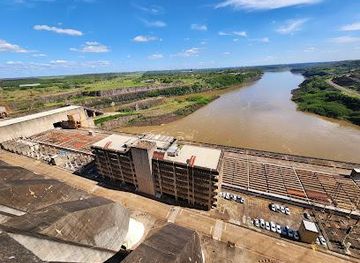
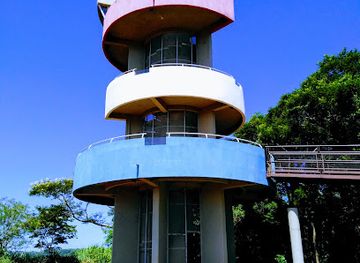
Hernandarias’s principal attraction is the Paraguayan side of the Itaipu hydroelectric complex, where visitor facilities interpret the dam, its enormous scale and the transformation of the Paraná River. The Itaipu Visitor Centre and associated viewpoints provide a structured introduction to the project, while the Museo de la Tierra Guaraní places the area’s indigenous cultures, archaeology and biodiversity within a much longer history. The city’s riverfront and reservoir landscapes offer a contrasting experience, with open water, subtropical vegetation and spaces suited to a quiet walk or scenic pause. Environmental interpretation around the Itaipu area adds detail about the Atlantic Forest ecosystem and the consequences of creating the reservoir. Hernandarias itself is best explored at an unhurried pace, combining these sites with local streets, small eateries and views towards the water rather than expecting a dense cluster of conventional sightseeing attractions.
-
Tourist attraction
Hito Tres Fronteras (Argentina)
Explore the cultural and natural beauty at Hito Tres Fronteras, where Argentina, Brazil, and Paraguay meet in a breathtaking panorama.
50 min drive · 30 km from city centre
-
Tourist attraction
Marco das Três Fronteiras (Brasil)
Experience the breathtaking beauty and cultural richness at Marco das Três Fronteiras, where Brazil, Argentina, and Paraguay meet in stunning harmony.
50 min drive · 30 km from city centre
-
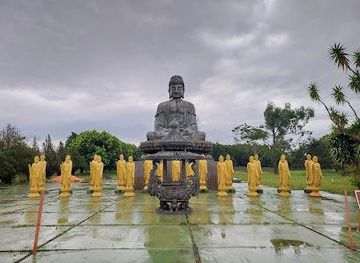
Buddhist temple
Templo Budista Chen Tien
Explore the serene beauty of Templo Budista Chen Tien in Foz do Iguaçu, a spiritual haven blending architecture, culture, and tranquility.
39 min drive · 19 km from city centre
-
Tourist attraction
Turismo Itaipu Brasil
Experience the breathtaking engineering of Itaipu, a marvel of renewable energy set against the stunning backdrop of Foz do Iguaçu's natural beauty.
39 min drive · 19 km from city centre


Best landmarks in Hernandarias
The Itaipu Dam is Hernandarias’s defining modern landmark, a vast concrete and hydroelectric structure whose scale expresses the technological and political importance of the Paraguay–Brazil partnership. Its significance extends beyond engineering: the reservoir changed the Paraná landscape and remains central to the region’s economy and identity. The Museo de la Tierra Guaraní is a cultural landmark, preserving and interpreting indigenous heritage, archaeological material and the natural history of Alto Paraná rather than commemorating a single building or political event. The Itaipu visitor facilities and surrounding viewpoints form a related civic and educational landscape. Within the city, streets, public buildings and riverside spaces are less monumental, but together they reflect the planned growth and changing identity of a former frontier settlement transformed by the hydroelectric project.
-
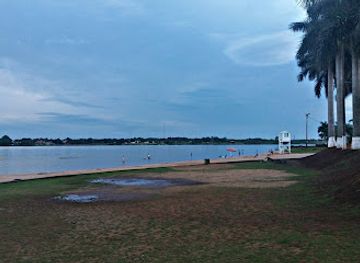
Park
Costanera Hernandarias
Discover the beauty of nature at Costanera Hernandarias, a serene park in Paraguay perfect for relaxation and outdoor activities.
32 min drive · 12 km from city centre
-
Protected area
Tatí Yupí Refuge
Discover the breathtaking landscapes and diverse ecosystems at Tatí Yupí Refuge in Hernandarias, Paraguay, a must-visit for nature lovers and adventure seekers.
31 min drive · 11 km from city centre
-
Museum
Itaipu Tierra Guaraní Museum
Explore the vibrant culture and history of the Guaraní people at the Itaipu Tierra Guaraní Museum, a unique destination near the Itaipu Dam.
35 min drive · 15 km from city centre
-
Hotel
Bisinii Hotel Boutique
Discover the charm of Hernandarias at Bisinii Hotel Boutique, where luxury meets local culture in a serene setting.
38 min drive · 18 km from city centre
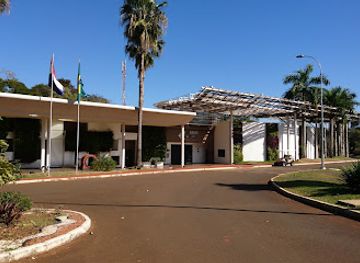
Explore Hernandarias on the map
Plan your Hernandarias trip on one map. See where the top attractions, landmarks, restaurants, bars and hotels are, find what's near where you're staying, and book hotels and experiences in a few clicks.
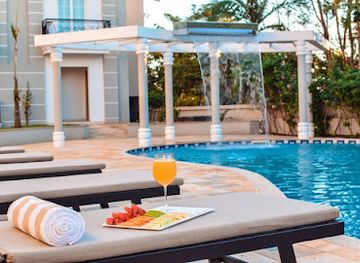
Best hotels in Hernandarias
Best restaurants in Hernandarias
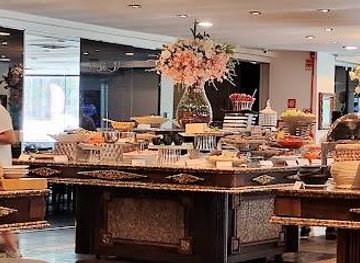
Hernandarias’s dining scene is shaped by everyday Paraguayan cooking and the cross-border influences of Alto Paraná rather than by a large concentration of destination restaurants. Traditional meals commonly feature grilled beef, mandioca, chipa, sopa paraguaya, mbejú and vori vori, while river-region and Brazilian influences broaden the choice in casual eateries. Tereré, the cold infusion of yerba mate served communally, is part of the area’s social rhythm, particularly in warm weather. Small restaurants and cafés around the urban centre provide practical meals, and visitors may also find informal food stalls and bakeries serving savoury snacks for the road. Ciudad del Este offers a wider selection of international and Brazilian-influenced dining, but Hernandarias is better suited to experiencing ordinary local flavours, generous portions and relaxed mealtimes than to seeking an elaborate gastronomic circuit.
-
Barbecue
Rafain Churrascaria Show
Savor endless Brazilian meats and 200+ global dishes while witnessing a Guinness-record Latin American dance spectacle with 45 performers in Foz do Iguaçu's premier dinner show.
48 min drive · 28 km from city centre
-
Restaurant
Araujo's Plaza
Experience authentic Paraguayan cuisine at Araujo's Plaza - where flavor meets culture in Hernandarias.
31 min drive · 11 km from city centre
-
Restaurant
EIN Steak & Chopp
Experience the finest steaks and welcoming ambiance at EIN Steak & Chopp in Hernandarias – a must-visit for every food lover.
32 min drive · 12 km from city centre
-
Restaurant
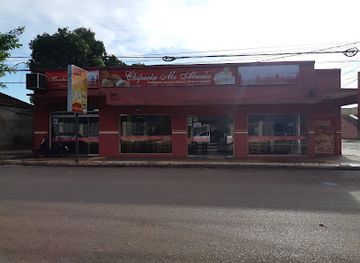
Chiperia Mi Abuela
Experience the heart of Paraguayan cuisine at Chiperia Mi Abuela in Hernandarias – home to delicious chipa and warm hospitality.
32 min drive · 12 km from city centre
Best bars in Hernandarias
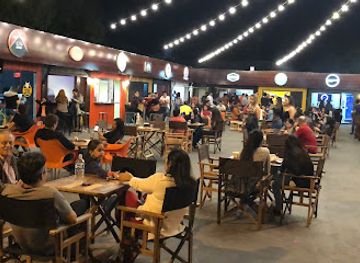
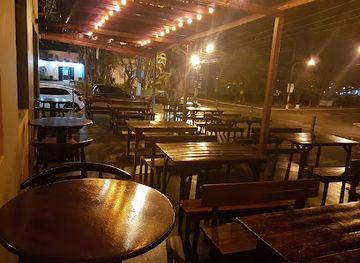
Evenings in Hernandarias tend to be low-key, centred on family restaurants, informal bars, cafés and social gatherings rather than a concentrated nightclub district. Local venues may serve beer, mixed drinks and tereré, with conversation and televised sport often more prominent than elaborate cocktail culture. Music from Paraguay and neighbouring Brazil forms part of the border-region atmosphere, while occasional cultural or community events provide alternatives to drinking-focused nightlife. Visitors seeking a broader choice of late-night bars, clubs and live entertainment generally look towards Ciudad del Este, where commercial activity creates a larger evening scene. In either city, use arranged transport after dark, especially when travelling between dispersed neighbourhoods or returning from venues outside the central areas.
-
Irish pub
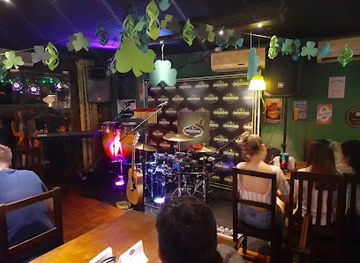
KEGS Irish Pub & Grill
Discover the charm of Ireland at KEGS Irish Pub & Grill, offering authentic cuisine and a lively atmosphere in Hernandarias.
33 min drive · 13 km from city centre
-
Bar
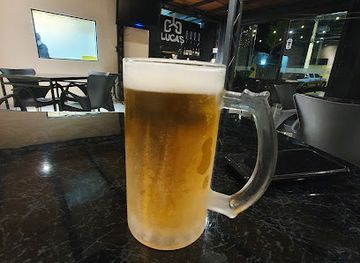
Lucas’s Lounge Bar
Experience the vibrant atmosphere and local flavors at Lucas’s Lounge Bar in Hernandarias, the perfect spot for relaxation and enjoyment.
32 min drive · 12 km from city centre
-
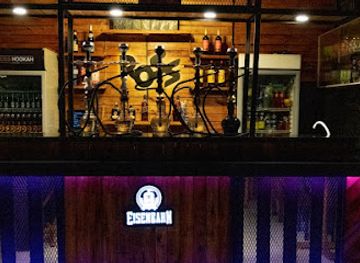
Gastropub
Ross Lounge
Discover the lively atmosphere of Ross Lounge - a premier gastropub and night club in Hernandarias, Paraguay, offering great food and music.
33 min drive · 13 km from city centre
-
 Bar
BarÁgora - Bar & Lounge
Discover the vibrant nightlife at Ágora - Bar & Lounge in Hernandarias, where delicious drinks and a lively atmosphere await every visitor.
33 min drive · 13 km from city centre
Best nightclubs in Hernandarias
Evenings in Hernandarias tend to be low-key, centred on family restaurants, informal bars, cafés and social gatherings rather than a concentrated nightclub district. Local venues may serve beer, mixed drinks and tereré, with conversation and televised sport often more prominent than elaborate cocktail culture. Music from Paraguay and neighbouring Brazil forms part of the border-region atmosphere, while occasional cultural or community events provide alternatives to drinking-focused nightlife. Visitors seeking a broader choice of late-night bars, clubs and live entertainment generally look towards Ciudad del Este, where commercial activity creates a larger evening scene. In either city, use arranged transport after dark, especially when travelling between dispersed neighbourhoods or returning from venues outside the central areas.
-
Bar
Lucas’s Lounge Bar
Discover the lively atmosphere and vibrant nightlife at Lucas’s Lounge Bar in Hernandarias, Paraguay – a must-visit spot for tourists seeking fun and relaxation.
32 min drive · 12 km from city centre
-
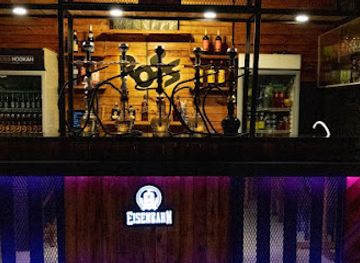
Night club
Ross Lounge
Experience the vibrant nightlife of Hernandarias at Ross Lounge, where delicious food meets electrifying music in an unforgettable atmosphere.
33 min drive · 13 km from city centre
-
Bar
Ágora - Bar & Lounge
Experience the vibrant nightlife of Hernandarias at Ágora - Bar & Lounge, where great drinks and live music create unforgettable memories.
33 min drive · 13 km from city centre
-
Lounge
Estilo Eventos Salón de Fiestas
Experience the vibrant nightlife of Hernandarias at Estilo Eventos Salón de Fiestas, where memorable gatherings come to life in a lively atmosphere.
33 min drive · 13 km from city centre
Best shops in Hernandarias
Shopping in Hernandarias is primarily local and practical, with small retailers, supermarkets, neighbourhood businesses and informal sellers serving residents rather than a major concentration of tourist boutiques. Visitors may find Paraguayan food products, chipa, yerba mate, tereré accessories and everyday crafts, although selection varies by shop and season. The city’s position within Alto Paraná also makes it easy to reach the much larger commercial scene of Ciudad del Este, known for dense shopping areas and cross-border trade, but prices, authenticity and warranty arrangements require careful comparison. For culturally meaningful purchases, choose goods whose origin and materials are clear and avoid archaeological objects, protected wildlife products or unverified historical artefacts. Local markets and small food businesses offer a more direct view of ordinary commerce than imported electronics and large-scale border retail.
-
Shopping mall
Shopping Paris
Discover Shopping Paris in Ciudad del Este: Your ultimate shopping destination for fashion, electronics, and local treasures.
42 min drive · 22 km from city centre
-
Shopping mall
Shopping del Este
Discover the ultimate shopping experience at Shopping del Este in Ciudad del Este, Paraguay, where local culture meets international brands.
42 min drive · 22 km from city centre
-
Market
Feirinha Puerto Iguazú
Explore the vibrant Feirinha Puerto Iguazú, a market filled with local flavors, artisanal crafts, and the spirit of Argentina.
51 min drive · 31 km from city centre
-
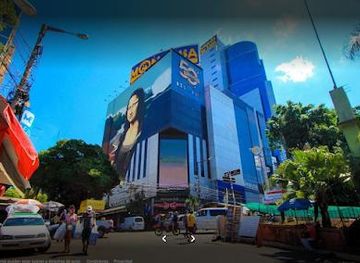
Shopping mall
Monalisa Paraguay
Explore Monalisa Paraguay, the ultimate shopping destination in Ciudad del Este, offering a diverse range of products and delightful dining experiences.
41 min drive · 21 km from city centre


Get your free copy of our complete guide to Hernandarias, delivered straight to you.
Everything on this page, from attractions and restaurants to essentials and local phrases, in one PDF you can read offline, print or share.
Already have an account? Sign in
Your Hernandarias guide is ready.
We'll send it to · Not you? Sign out

Getting your guide ready…
We are putting together a fresh copy of the Hernandarias guide. This can take up to a minute.
This can take a few moments. If your browser asks, choose Allow so the download can start. You'll find the guide in your Downloads folder.
Nothing happened? Download it again
Sorry, the guide is taking longer than usual. Please try again in a minute, or get it by email instead.
Hernandarias essentials
Currency and Payment
Safety
Emergency Situations
Do's and Don'ts
Local Tips
From Eve
Local phrases worth knowing
You don't need to get them perfect. A few words go a long way, and locals appreciate the effort.
Basics
| English | Local | Say it |
|---|---|---|
| Hello | ¡Hola! | [oh-lah] |
| Goodbye | ¡Adiós! | [ah-dee-ohs] |
| Yes | Sí | [see] |
| No | No | [noh] |
| Please/You're welcome | Por favor/De nada | [por fah-vor/de nah-dah] |
| Thank you | Gracias | [grah-see-ahs] |
| Excuse me/Sorry | Disculpe/Perdón | [dees-cool-peh/pehr-dohn] |
| How are you? | ¿Cómo estás? | [koh-moh ehs-tahs] |
| Fine. And you? | Bien. ¿Y tú? | [byehn. ee too] |
| Do you speak English? | ¿Hablas inglés? | [ah-blahs een-glehs] |
| I don't understand | No entiendo | [noh ehn-tee-ehn-doh] |
Eating & Drinking
| English | Local | Say it |
|---|---|---|
| I'd like to see the menu, please | Me gustaría ver el menú, por favor | [meh goo-stah-ree-ah vehr ehl meh-noo, por fah-vor] |
| I don't eat meat | No como carne | [noh koh-moh kahr-neh] |
| Cheers! | ¡Salud! | [sah-lood] |
| I would like to pay, please | Quisiera pagar, por favor | [kee-see-eh-rah pah-gahr, por fah-vor] |
Emergencies
| English | Local | Say it |
|---|---|---|
| Help! | ¡Ayuda! | [ah-yoo-dah] |
| Go away! | ¡Vete! | [veh-teh] |
| Call the Police! | ¡Llama a la Policía! | [yah-mah ah lah poh-lee-see-ah] |
| Call a doctor! | ¡Llama a un médico! | [yah-mah ah oon meh-dee-koh] |
| I'm lost | Estoy perdido | [ehs-toy pehr-dee-doh] |
| I'm ill | Estoy enfermo | [ehs-toy ehn-fehr-moh] |
Shopping
| English | Local | Say it |
|---|---|---|
| I'd like to buy... | Me gustaría comprar... | [meh goo-stah-ree-ah kohm-prahr...] |
| I'm just looking | Solo estoy mirando | [soh-loh ehs-toy mee-rahn-doh] |
| How much is it? | ¿Cuánto cuesta? | [kwan-toh kwehs-tah] |
| That's too expensive | Esto es demasiado caro | [ehs-toh ehs deh-mah-syah-doh kah-roh] |
| Can you lower the price? | ¿Puede bajar el precio? | [pweh-deh bah-hahr ehl pree-syoh] |
Time & Numbers
| English | Local | Say it |
|---|---|---|
| What time is it? | ¿Qué hora es? | [keh oh-rah ehs] |
| It's one o'clock | Es la una en punto | [ehs lah oo-nah ehn poon-toh] |
| Half past (10) | Las diez y media | [lahs d'yehs ee meh-dee-ah] |
| Morning | Mañana | [mah-nyah-nah] |
| Afternoon | Tarde | [tahr-deh] |
| Evening | Noche | [noh-cheh] |
| Yesterday | Ayer | [ah-yehr] |
| Today | Hoy | [oy] |
| Tomorrow | Mañana | [mah-nyah-nah] |
| 1 | Uno | [oo-noh] |
| 2 | Dos | [dohs] |
| 3 | Tres | [trehs] |
| 4 | Cuatro | [kwah-troh] |
| 5 | Cinco | [seen-koh] |
| 6 | Seis | [says] |
| 7 | Siete | [syeh-teh] |
| 8 | Ocho | [oh-choh] |
| 9 | Nueve | [nweh-veh] |
| 10 | Diez | [dyehs] |
Transport & Directions
| English | Local | Say it |
|---|---|---|
| Where's a/the...? | ¿Dónde está el/la...? | [dohn-deh ehs-tah ehl/lah] |
| What's the address? | ¿Cuál es la dirección? | [kwal ehs lah dee-rehk-syohn] |
| Can you show me (on the map)? | ¿Puedes mostrarme (en el mapa)? | [pweh-dehs mohs-trar-meh (ehn ehl mah-pah)] |
| When's the next (bus)? | ¿Cuándo es el próximo (autobús)? | [kwan-doh ehs ehl proh-see-moh (ow-toh-boos)] |
| A ticket (to ....) | Un boleto (a ...) | [oon boh-leh-toh (ah ...)] |
History of Hernandarias
Indigenous Alto Paraná
Long before the modern municipality appeared, the forests and waterways of eastern Paraguay were inhabited and travelled by Guarani-speaking peoples. The Paraná River served as a route of movement, exchange and subsistence, while the surrounding woodland supported hunting, gathering and agriculture. Archaeological and cultural material from the wider region is presented at the Museo de la Tierra Guaraní, helping place Hernandarias within a much older human landscape. This indigenous inheritance remains visible not only in museum collections but also in Guarani language, place names, food traditions and social customs that continue across Alto Paraná.
From Tacurú Pucú to Municipality
The settlement that developed at the site of modern Hernandarias was known as Tacurú Pucú, a name associated with the distinctive soil and terrain of the area. It grew as Paraguay’s eastern frontier was gradually incorporated into national systems of administration, transport and commerce. The town’s formal foundation is generally dated to 1896, although its early development was modest and closely connected with forests, agriculture and river communications. The later name Hernandarias commemorates Hernando Arias de Saavedra, the seventeenth-century governor of the Río de la Plata region, linking the modern city to an important figure in the colonial history of the southern cone.
Frontier Settlement and Forest Economy
For much of the twentieth century, Alto Paraná remained more sparsely settled than Paraguay’s central districts. Timber extraction, yerba mate, agriculture and small-scale commerce shaped the economy, while roads and river routes connected isolated communities with emerging regional centres. Hernandarias gradually acquired greater importance as settlement expanded eastwards and the area around Ciudad del Este became a principal frontier zone. This period brought migration from other parts of Paraguay and neighbouring countries, producing the multilingual and culturally mixed character now associated with the department.
Itaipu Transforms the Region
The construction of the Itaipu hydroelectric project, developed jointly by Paraguay and Brazil from the 1970s, transformed Hernandarias and the surrounding Paraná corridor. The dam and its reservoir changed the river landscape, required major infrastructure and attracted workers, engineers and new investment. Hernandarias became closely associated with Itaipu’s Paraguayan facilities, while Ciudad del Este expanded as a commercial and border city. The project brought electricity and economic development on a vast scale, but it also altered ecosystems and displaced communities in the reservoir area, making its history both technological and social.
A Contemporary Riverside City
Since Itaipu’s completion and the consolidation of the eastern border economy, Hernandarias has developed as a service, residential and visitor centre within Alto Paraná. Its museums, environmental facilities and views towards the reservoir present the city through both cultural and technological narratives. Contemporary Hernandarias remains less dominated by international commerce than Ciudad del Este, with daily life shaped by local neighbourhoods, agriculture, education and movement across the wider metropolitan area. The result is a city whose modern identity rests on the meeting of Guarani heritage, frontier migration, hydroelectric infrastructure and subtropical landscapes.
Hernandarias in Photos
Browse through our photo collection highlighting the charm and character of the destination.
Cities near Hernandarias
The closest cities to Hernandarias, if you have time for more than one stop.
-

-

-

-

-


Swipe for more cities
Explore more

Explore more of Paraguay
Discover Paraguay: A blend of history, culture, and natural beauty in the heart of South America. Visit Asunción, explore Jesuit ruins, and experience the local cuisine.
Explore Paraguay