

San Isidro (Lima) Travel Guide - Free
Explore San Isidro in Lima with Evendo's free guide. Find the best shops, historic streets, restaurants, and gems on web or mobile.


San Isidro Lima pairs Huaca Huallamarca, El Olivar’s olive groves, leafy avenues, fine dining and contemporary culture for curious visitors to Peru’s capital.
Olive Groves and Pre-Hispanic Heritage
\n\nSan Isidro occupies a central position in Lima, between the historic core and the modern districts of Miraflores and Surco, yet its atmosphere is noticeably greener and more spacious than much of the capital. Its defining landscape is El Olivar, a historic grove of olive trees arranged around paths, lawns and small civic spaces. Nearby, Huaca Huallamarca rises as a carefully preserved adobe pyramid, linking the contemporary district with Lima’s much older ceremonial landscapes.\n\nA Residential and Business District
\n\nThe neighbourhood developed from former agricultural estates into an affluent residential and commercial district during the twentieth century. Quiet streets lined with mature trees sit close to office towers, embassies, refined restaurants and the retail corridors of Avenida Conquistadores, Calle Miguel Dasso and Camino Real. The contrast is central to San Isidro’s character: modern finance and design share space with substantial houses, public gardens and traces of rural Lima.\n\nCulture, Food and Everyday Lima
\n\nVisitors can move from the sculpture and museum spaces around El Olivar to cafés, galleries and restaurants serving Peruvian and international cuisine. Avenida Javier Prado and the Via Expresa provide major urban connections, while the neighbourhood’s quieter interior streets are best explored on foot during daylight. San Isidro is polished but not museum-like; commuters, schoolchildren, office workers and residents give its parks and commercial streets an everyday rhythm. Its appeal lies in this combination of archaeological depth, cultivated greenery, contemporary culture and easy access to some of Lima’s most established dining and business areas.Best attractions in San Isidro
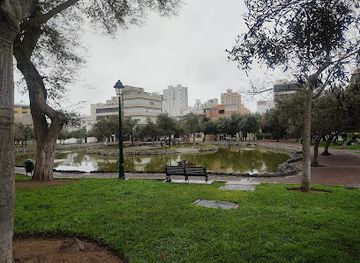
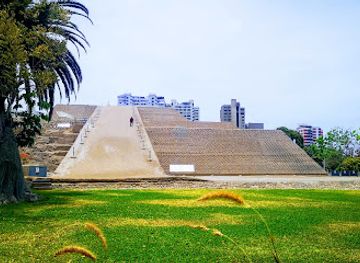
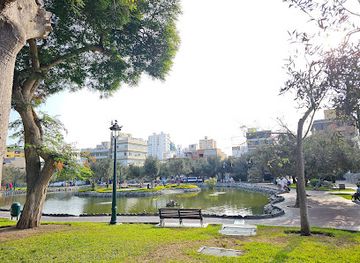
San Isidro’s principal attractions are concentrated around its historic green spaces and archaeological sites. El Olivar is the district’s signature destination, with mature olive trees, winding paths, lawns, fountains and cultural facilities set within the remains of a former colonial estate. Huaca Huallamarca, an adobe pyramid near the northern part of the neighbourhood, offers a compact introduction to Lima’s pre-Hispanic heritage through its preserved structures and archaeological displays. The Museo Marina Núñez del Prado, located in the El Olivar area, presents work by the Bolivian sculptor and adds an artistic dimension to the park. Elsewhere, the streets around Conquistadores, Miguel Dasso and Camino Real combine cafés, galleries, restaurants and contemporary urban architecture, while Parque El Olivar provides a slower counterpoint to the traffic and office activity of Javier Prado.
-
Park
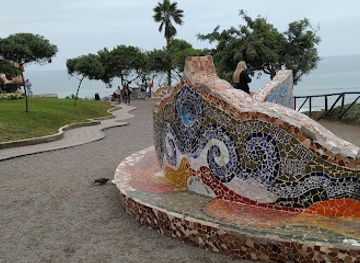
Love's Park
Explore Love's Park in Miraflores, a romantic oasis featuring stunning ocean views, vibrant gardens, and cultural events that celebrate love and art.
9 min drive · 3.1 km from neighbourhood centre
-
Tourist attraction
Huaca Pucllana Site Museum
Explore the ancient wonders of Huaca Pucllana, a pre-Columbian archaeological site in Miraflores, offering a glimpse into Peru's rich cultural heritage.
17 min walk · 1.3 km from neighbourhood centre
-
Tourist attraction
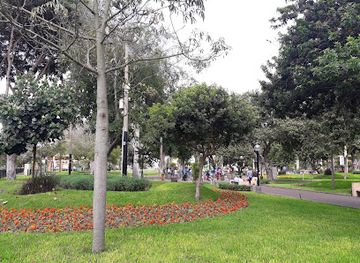
Parque Benemérita Guardia Civil
Explore the serene landscapes of Parque Benemérita Guardia Civil, a picturesque park in San Isidro perfect for relaxation, picnics, and nature walks.
8 min drive · 2.7 km from neighbourhood centre
-
Park
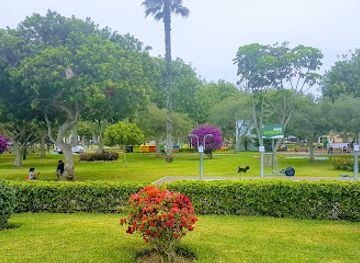
El Olivar de San Isidro Park
Explore the serene El Olivar de San Isidro Park in Lima, a lush retreat with historical significance and beautiful olive trees.
4 min walk · 0.3 km from neighbourhood centre
Best landmarks in San Isidro
Huaca Huallamarca is San Isidro’s most important archaeological landmark: its stepped adobe mass records the ceremonial and funerary use of the Lima valley before the modern city existed. El Olivar is equally central to the district’s identity, preserving a historic olive grove whose trees and paths recall the agricultural estates that once occupied this part of the capital. Around the grove, municipal buildings, cultural venues and mature avenues express the twentieth-century formation of San Isidro as a planned residential district. The neighbourhood’s later office towers and commercial complexes along Javier Prado, Camino Real and República de Colombia are not historic monuments in the same sense, but they mark its transformation into a major business centre. Together, the huaca, olive landscape and modern skyline make San Isidro’s urban history unusually legible within a single district.
-
Park
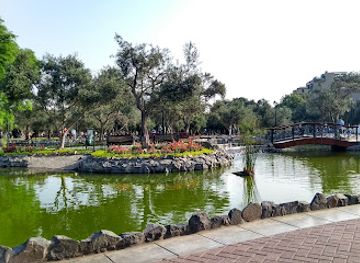
El Olivar de San Isidro Park
Explore the tranquility of El Olivar de San Isidro Park, a serene oasis in Lima filled with ancient olive trees and lush landscapes.
4 min walk · 0.3 km from neighbourhood centre
-
Archaeological museum
Huaca Huallamarca
Explore Huaca Huallamarca, an archaeological gem in San Isidro, where ancient history meets modern Lima's vibrant culture.
8 min walk · 0.7 km from neighbourhood centre
-
City park
Bosque El Olivar
Explore the lush serenity of Bosque El Olivar, a beautiful city park in San Isidro, offering nature, tranquility, and cultural experiences.
2 min walk · 0.2 km from neighbourhood centre
-
Museum
Marina Núñez Del Prado Museum
Explore the captivating sculptures and rich cultural heritage at the Marina Núñez Del Prado Museum in San Isidro, Lima, Peru.
3 min walk · 0.2 km from neighbourhood centre

Explore San Isidro on the map
A handpicked selection of must-see spots in San Isidro, mapped for you.
Best hotels in San Isidro
Best restaurants in San Isidro
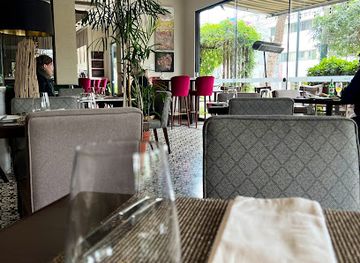
San Isidro is one of Lima’s established dining districts, with a broad range extending from polished Peruvian restaurants and cevicherías to cafés, bakeries, hotel dining rooms and international kitchens. The commercial streets around Conquistadores, Miguel Dasso, Camino Real and Basadre contain much of the visible restaurant activity, while quieter side streets include venues attached to offices, residences and cultural spaces. Menus commonly draw on Peru’s coastal seafood, Andean ingredients and Amazonian flavours, alongside Japanese-Peruvian nikkei and Chinese-Peruvian chifa influences that are part of Lima’s wider culinary culture. The district’s dining scene tends towards table service and considered presentation rather than market-style eating, although cafés and casual lunch spots provide more informal options. Weekday business demand shapes parts of the scene, while El Olivar offers a greener setting for coffee and relaxed meals.
-
Restaurant
Osaka Pardo y Aliaga
Experience the exquisite fusion of Japanese and Peruvian cuisines at Osaka Pardo y Aliaga in San Isidro, Lima's premier dining destination.
11 min walk · 0.9 km from neighbourhood centre
-
Steak
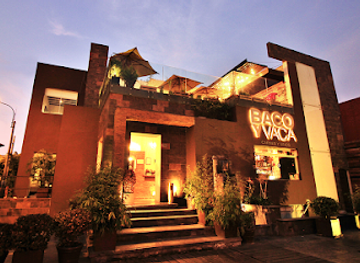
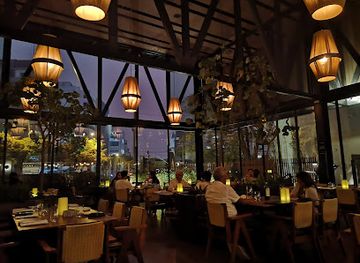
Baco y Vaca
Experience the art of steak at Baco y Vaca in San Isidro - where flavor meets elegance in every dish.
13 min walk · 1.0 km from neighbourhood centre
-
Restaurant
Amoramar
Experience the fusion of local flavors and global cuisine at Amoramar in San Isidro—where every meal becomes a cherished memory.
11 min walk · 0.9 km from neighbourhood centre
-
Restaurant
Saya Restaurante
Experience the best of Peruvian cuisine at Saya Restaurante in Lima - where traditional flavors meet modern dining.
7 min walk · 0.5 km from neighbourhood centre
Best bars in San Isidro
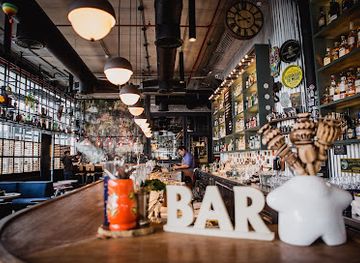
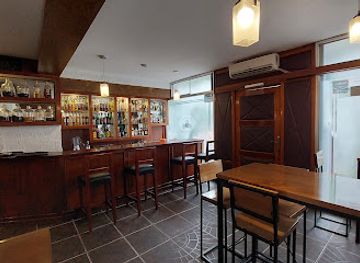
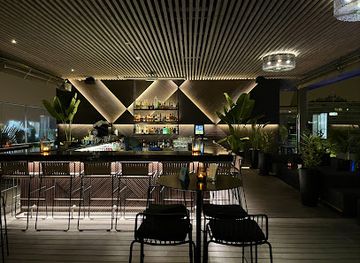
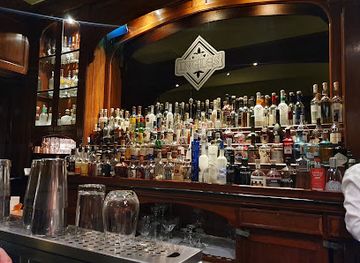
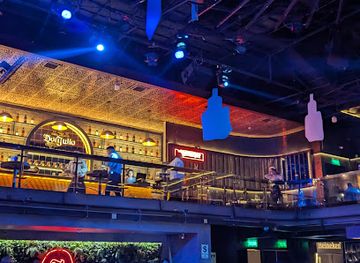
San Isidro’s evening scene is more refined and restaurant-led than club-focused, with wine bars, cocktail lounges, hotel bars and late dining concentrated around Conquistadores, Miguel Dasso, Camino Real and the business district. Some venues cater to after-work gatherings during the week, while the streets around El Olivar are generally quieter and more residential after dark. The neighbourhood is also associated with a range of hotel-based entertainment and internationally oriented bars, though opening patterns and individual offerings change frequently. Visitors seeking large nightclubs will find a more concentrated scene elsewhere in Lima, whereas San Isidro suits an evening built around food, conversation, cocktails or live cultural programming. Taxis and ride-hailing services are sensible for returning after midnight, particularly when crossing the district’s wide, traffic-heavy avenues.
-
Gastropub
Carnaval
Experience a fusion of flavors at Carnaval Gastropub, where creative cocktails and gourmet dishes meet a lively atmosphere in San Isidro.
11 min walk · 0.9 km from neighbourhood centre
-
Grill
La Calesa
Discover La Calesa in San Isidro, where exceptional grilled dishes and a vibrant bar scene await tourists and locals alike.
7 min walk · 0.5 km from neighbourhood centre
-
Bar
Celeste Solar Bar
Experience the vibrant nightlife at Celeste Solar Bar in San Isidro, Lima, where exquisite cocktails and stunning views come together for a celestial evening.
6 min walk · 0.5 km from neighbourhood centre
-
Bar
Bar Inglés
Experience the elegance of Bar Inglés in San Isidro, where exquisite cocktails and a refined atmosphere await every visitor.
5 min drive · 1.5 km from neighbourhood centre
Best nightclubs in San Isidro
San Isidro’s evening scene is more refined and restaurant-led than club-focused, with wine bars, cocktail lounges, hotel bars and late dining concentrated around Conquistadores, Miguel Dasso, Camino Real and the business district. Some venues cater to after-work gatherings during the week, while the streets around El Olivar are generally quieter and more residential after dark. The neighbourhood is also associated with a range of hotel-based entertainment and internationally oriented bars, though opening patterns and individual offerings change frequently. Visitors seeking large nightclubs will find a more concentrated scene elsewhere in Lima, whereas San Isidro suits an evening built around food, conversation, cocktails or live cultural programming. Taxis and ride-hailing services are sensible for returning after midnight, particularly when crossing the district’s wide, traffic-heavy avenues.
-
Karaoke bar
Disco Black & Withe
Discover Lima's nightlife at Disco Black & White, a vibrant karaoke bar and disco club where music and fun come alive!
18 min walk · 1.5 km from neighbourhood centre
-
Night club
Kimbara Vip
Experience the vibrant nightlife at Kimbara Vip, Lince's premier night club and concert hall, where unforgettable music and dancing await.
15 min walk · 1.2 km from neighbourhood centre
-
Night club
Qiu Club
Explore the vibrant nightlife of Lima at Qiu Club, a lively night club that promises unforgettable experiences and pulsating rhythms.
5 min drive · 1.5 km from neighbourhood centre
-
Disco club
EROS DISCO CLUB
Discover the electrifying nightlife at EROS DISCO CLUB in La Victoria, where vibrant music and dancing await every night.
7 min drive · 2.4 km from neighbourhood centre


Best shops in San Isidro
Shopping in San Isidro is centred on established commercial corridors rather than a traditional bazaar. Avenida Conquistadores and Calle Miguel Dasso are known for boutiques, design-led shops, galleries, cafés and specialist businesses, while Camino Real and nearby commercial complexes provide a more conventional mix of retail, services and dining. The district is a useful place to browse Peruvian fashion, jewellery, homeware and contemporary design, although the selection is generally more curated and upscale than market-oriented. Small galleries and independent stores around the leafy central areas create a stronger sense of local character than the larger retail buildings, while visitors seeking produce, handicrafts or bargain shopping should look beyond San Isidro to Lima’s dedicated markets. El Olivar’s cultural venues and surrounding streets add browsing opportunities without turning the park itself into a retail zone.
-
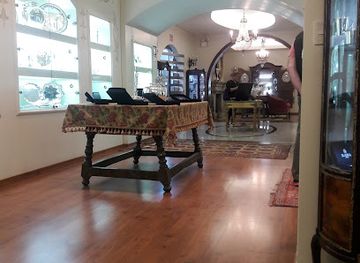
Jewelry store
ILARIA Boutique Dos de Mayo (San Isidro)
Explore ILARIA Boutique Dos de Mayo: A Luxurious Jewelry Store Infused with Peruvian Artistry in San Isidro.
12 min walk · 0.9 km from neighbourhood centre
-
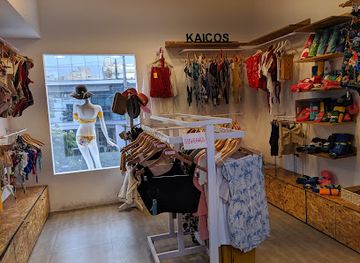
Clothing store
Vernacula Concept Store
Explore the vibrant local fashion scene at Vernacula Concept Store in San Isidro, where unique Peruvian designs await every fashion enthusiast.
5 min walk · 0.4 km from neighbourhood centre
-
Women's clothing store
RM Store
Discover the latest trends at RM Store, a stylish women's clothing haven in San Isidro, Peru, offering quality and elegance in every piece.
3 min walk · 0.2 km from neighbourhood centre
-
 Bridal shop
Womanity Boutique
Discover Womanity Boutique in San Isidro for exquisite bridal wear, stunning accessories, and a personalized shopping experience that celebrates every woman's style.
3 min walk · 0.2 km from neighbourhood centre

San Isidro essentials
Getting There
Getting Around
Safety
Emergency Situations
Do's and Don'ts
Local Tips
History of San Isidro
Huallamarca Before Colonial Lima
The area’s oldest major landmark is Huaca Huallamarca, an adobe ceremonial and funerary complex associated with successive pre-Hispanic occupations. Archaeological evidence shows that the site was used and reshaped over long periods before the arrival of the Spanish, reflecting the layered cultures that occupied the fertile valleys around Lima. Its presence is important because San Isidro’s modern streets and office buildings stand within a landscape that was already socially and ritually significant centuries before the present capital developed.
The Colonial Olive Estate
During the colonial period, the countryside around present-day San Isidro became a zone of estates, orchards and cultivated land outside Lima’s dense central core. El Olivar preserves the memory of this agricultural landscape. Olive cultivation became particularly associated with the grove, whose trees are commonly linked to plantings introduced during the early colonial era. The estate’s survival gives the modern district an unusual physical connection with Lima’s rural past, even though the surrounding land has since been extensively urbanised.
From Hacienda to Municipality
For much of the nineteenth and early twentieth centuries, the area remained connected to large properties and agricultural estates rather than functioning as a fully urban district. San Isidro was established as an independent district in 1931, when Lima was expanding beyond its historic centre and former countryside was being subdivided for new housing. El Olivar became the centrepiece of the emerging municipality, helping preserve a substantial green landscape as roads, villas and public institutions spread across the former estate lands.
Twentieth-Century Urban Expansion
After its creation, San Isidro developed into one of Lima’s principal residential districts, with detached houses, apartment buildings, diplomatic residences and carefully planned avenues replacing much of the surrounding agricultural land. Later decades brought office towers and commercial development along major corridors such as Javier Prado, República de Colombia and Camino Real. The district’s contemporary identity therefore reflects an ongoing negotiation between conservation and intensification: archaeological sites and El Olivar remain prominent, while business, hospitality and high-density construction have transformed the wider urban setting.
San Isidro in Photos
Browse through our photo collection highlighting the charm and character of the destination.
Neighbourhoods near San Isidro
The closest neighbourhoods to San Isidro, if you have time for more than one stop.
-
-

-

-


Swipe for more neighbourhoods
Explore more

Explore more of Lima
Lima, Peru’s Pacific capital, pairs colonial architecture and coastal cliffs with acclaimed cuisine, museums, markets and lively neighbourhoods for sightseeing.
Explore Lima