

Miraflores (Lima) Travel Guide - Free
Explore Miraflores in Lima with Evendo's free guide. Find the best shops, historic streets, restaurants, and gems on web or mobile.


Miraflores, Lima combines Pacific cliff walks, Huaca Pucllana, Peruvian dining, design shops, lively parks and celebrated sunsets in a walkable coastal district.
Clifftops and Coastal Light
Miraflores occupies one of Lima’s most accessible stretches of Pacific coastline, where orderly avenues and leafy residential streets meet the dramatic cliffs of the Costa Verde. The district is not a seaside resort in the conventional sense: much of its shoreline lies far below the clifftop, reached by steep paths and roads, while the celebrated Malecón offers broad promenades, gardens, cycle routes and uninterrupted views across the ocean. At Parque del Amor, a mosaic-lined terrace dedicated to love and poetry, the city’s relationship with the Pacific becomes especially theatrical at sunset.Read more about Miraflores
Archaeology Among the Avenues
Food, Design and Evening Life
Best attractions in Miraflores
Miraflores’s attractions range from the monumental to the pleasantly ordinary. Huaca Pucllana is the district’s defining archaeological experience, with adobe platforms, excavated plazas and interpretive displays set among modern buildings. Along the cliffs, the Malecón de Miraflores links landscaped parks, ocean viewpoints, sculptures and walking and cycling paths; Parque del Amor, with its curved mosaic wall and seated lovers’ sculpture, is the best-known stop. Larcomar occupies a dramatic terrace above the Pacific and combines shopping, restaurants and entertainment with coastal outlooks. Inland, Parque Kennedy is a lively public square surrounded by cafés, municipal cultural venues and everyday street activity, while nearby streets lead to galleries, craft shops and small museums such as Museo Amano, known for its pre-Columbian textile collection. The district’s appeal lies in moving between these varied settings rather than following a single monumental route.
-
Tourist attraction
Maria Reiche Park
Discover the beauty and tranquility of Maria Reiche Park in Miraflores, a perfect blend of nature, art, and the rich history of Peru.
8 min walk · 0.6 km from neighbourhood centre
-
Tourist attraction
Parque Antonio Raimondi
Experience the beauty and tranquility of Parque Antonio Raimondi in Miraflores, a perfect retreat for nature lovers and urban explorers alike.
11 min walk · 0.9 km from neighbourhood centre
-
Tourist attraction
Parque Alfredo Salazar
Experience the tranquil beauty of Parque Alfredo Salazar, a lush urban park in Miraflores, offering stunning ocean views and recreational activities.
6 min drive · 2.1 km from neighbourhood centre
-
Tourist attraction
Marine Lighthouse
Experience breathtaking views and serene beauty at the Marine Lighthouse in Miraflores, the perfect destination for tourists exploring Lima's coastline.
9 min walk · 0.8 km from neighbourhood centre


Best landmarks in Miraflores
Huaca Pucllana is Miraflores’s most important historic landmark: its carefully arranged adobe-brick platforms and ceremonial spaces preserve the physical scale of a pre-Columbian centre within the modern city. The district’s second defining feature is the Malecón, a chain of clifftop parks and promenades that articulates Miraflores’s relationship with the Pacific rather than marking a single building. Parque del Amor is distinguished by its mosaic surfaces and large sculpture celebrating lovers, while the nearby Faro de la Marina serves as a recognisable coastal marker. Avenida José Larco leads to Larcomar, whose architecture is integrated into the cliff rather than standing as a conventional inland shopping centre. Around Parque Kennedy, municipal buildings, older residences and later commercial façades illustrate the district’s transition from suburban settlement to a dense urban centre.
-
Park
Kennedy Park
Explore Kennedy Park in Miraflores, a lively green space filled with culture, art, and the beauty of Lima's urban life.
18 min walk · 1.5 km from neighbourhood centre
-
Park
Love's Park
Discover tranquility and romance at Love's Park in Miraflores, where stunning ocean views and vibrant gardens create a perfect escape.
16 min walk · 1.3 km from neighbourhood centre
-
Park
7th of June Park
Explore the lush landscapes and vibrant culture of 7th of June Park in Miraflores, a peaceful haven in the heart of Lima, Peru.
5 min drive · 1.5 km from neighbourhood centre
-
Park
Maria Reiche Park
Explore the lush beauty and cultural significance of Maria Reiche Park in Miraflores, a must-visit oasis for every traveler in Lima.
8 min walk · 0.6 km from neighbourhood centre


Explore Miraflores on the map
A handpicked selection of must-see spots in Miraflores, mapped for you.
Best hotels in Miraflores
Best restaurants in Miraflores
Miraflores is one of Lima’s broadest dining districts, combining polished contemporary restaurants with informal cevicherías, anticucho stands, bakeries, coffee shops and international cafés. The area around Avenida La Mar is especially associated with seafood and modern Peruvian cooking, while Avenida José Larco and the streets around Parque Kennedy offer everything from casual lunches to established dining rooms. Larcomar adds restaurants with elevated Pacific views, though its atmosphere is more commercial than the neighbourhood’s independent streets. Visitors can encounter the country’s coastal ingredients, Andean and Amazonian influences, Japanese-Peruvian nikkei cooking and Chinese-Peruvian chifa traditions without leaving the district. Dining patterns range from long lunches and ceviche earlier in the day to late dinners and dessert cafés, while local markets and traditional eateries provide a less formal contrast to Miraflores’s better-known restaurant scene.
-
Restaurant
Panchita - Miraflores
Discover the rich flavors of Peru at Panchita in Miraflores - where tradition meets contemporary dining excellence.
16 min walk · 1.3 km from neighbourhood centre
-
Peruvian
Maido
Discover the essence of Peruvian cuisine at Maido in Miraflores, where tradition meets innovation in every exquisite dish.
5 min drive · 1.6 km from neighbourhood centre
-
Swiss
La Tiendecita Blanca
Experience authentic Swiss cuisine at La Tiendecita Blanca in Miraflores—where tradition meets modern elegance in every dish.
5 min drive · 1.6 km from neighbourhood centre
-
Restaurant
ALFRESCO
Experience authentic Peruvian cuisine at Alfresco in Miraflores - where flavors meet culture.
5 min drive · 1.6 km from neighbourhood centre


Best bars in Miraflores
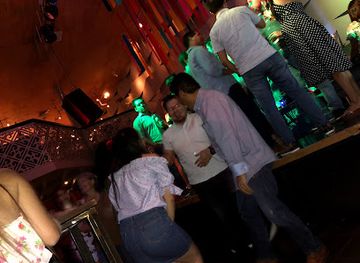
Miraflores has one of Lima’s most developed evening scenes, although it varies considerably by street. Around Parque Kennedy and Avenida José Larco, visitors find cocktail bars, Irish-style pubs, casual drinking venues and restaurants that remain active into the evening, while the area historically known as Calle de las Pizzas is associated with concentrated nightlife and late socialising. Larcomar provides bars, restaurants, cinema and entertainment in a more managed setting above the Pacific. The district also has venues offering live music, stand-up and cultural programming, but the character is generally mixed rather than centred on one dominant club culture. Noise can rise around the busiest entertainment streets, whereas the residential avenues become noticeably quieter. For a calmer evening, choose a restaurant or bar near the Malecón and leave the cliff edge before visibility deteriorates.
-
Irish pub
Molly's Irish Bar & Restaurant
Discover Molly's Irish Bar & Restaurant in Miraflores; a lively Irish pub offering delicious food, great drinks, and vibrant live music.
17 min walk · 1.3 km from neighbourhood centre
-
Gastropub
Eden Bar Lima
Discover the vibrant flavors and energetic atmosphere of Eden Bar Lima, a top gastropub in the heart of Miraflores, perfect for food lovers.
16 min walk · 1.3 km from neighbourhood centre
-
Bar
La Cachina Bar
Experience the vibrant nightlife at La Cachina Bar in Miraflores, where cocktails and camaraderie meet in a lively atmosphere.
5 min drive · 1.6 km from neighbourhood centre
-
Bar
Houlihan's
Discover the vibrant atmosphere of Houlihan's in Miraflores, an Irish pub and sports bar offering great food and drinks in a lively setting.
16 min walk · 1.2 km from neighbourhood centre


Best nightclubs in Miraflores
Miraflores has one of Lima’s most developed evening scenes, although it varies considerably by street. Around Parque Kennedy and Avenida José Larco, visitors find cocktail bars, Irish-style pubs, casual drinking venues and restaurants that remain active into the evening, while the area historically known as Calle de las Pizzas is associated with concentrated nightlife and late socialising. Larcomar provides bars, restaurants, cinema and entertainment in a more managed setting above the Pacific. The district also has venues offering live music, stand-up and cultural programming, but the character is generally mixed rather than centred on one dominant club culture. Noise can rise around the busiest entertainment streets, whereas the residential avenues become noticeably quieter. For a calmer evening, choose a restaurant or bar near the Malecón and leave the cliff edge before visibility deteriorates.
-
Disco club
Bizarro
Experience the vibrant nightlife of Miraflores at Bizarro, a top disco club and bar known for its energetic atmosphere and signature cocktails.
15 min walk · 1.2 km from neighbourhood centre
-
Dinner theater
Jazz Zone
Experience the rhythm of live jazz and exquisite dining at Jazz Zone, the premier dinner theater in Miraflores, Peru.
6 min drive · 1.9 km from neighbourhood centre
-
Gay night club
ValeTodo DownTown
Discover the heartbeat of Lima's nightlife at ValeTodo DownTown, an inclusive gay nightclub where music, dance, and community come alive.
5 min drive · 1.5 km from neighbourhood centre
-
Disco club
Nebula
Discover the electrifying nightlife at Nebula, the ultimate disco club in Miraflores, where vibrant beats and an energetic crowd await.
5 min drive · 1.6 km from neighbourhood centre


Best shops in Miraflores
Shopping in Miraflores is concentrated along Avenida José Larco, the streets around Parque Kennedy and the cliff-top complex of Larcomar. Larco and its side streets combine department stores, pharmacies, fashion retailers, cafés, galleries and shops selling Peruvian crafts, textiles, jewellery and souvenirs, while Larcomar offers a more polished mix of national and international brands in a striking coastal setting. For distinctive gifts, look for alpaca goods, woven products, ceramics and contemporary design rather than assuming every shop represents traditional craft. The district also contains specialist boutiques, bookshops and small independent retailers, though it is not primarily a market neighbourhood. Visitors wanting a more local retail experience can browse municipal food and produce outlets away from the principal tourist avenues, while Parque Kennedy’s surrounding streets provide a useful contrast between everyday commerce and souvenir-oriented shopping.
-
Gift shop
Manna Concept Store
Discover the charm of Manna Concept Store in Miraflores, where unique gifts and stylish clothing reflect the essence of Peruvian creativity.
14 min walk · 1.1 km from neighbourhood centre
-
Dress store
BO'HEM
Explore the vibrant fashion scene at BO'HEM in Miraflores, where unique dresses and local flair come together for a perfect shopping experience.
5 min drive · 1.7 km from neighbourhood centre
-
Clothing store
La Casa De La Alpaca Boutique - Cafe
Discover the exquisite blend of fashion and flavor at La Casa De La Alpaca Boutique - Cafe in Miraflores, where alpaca clothing meets delightful Peruvian cuisine.
6 min drive · 1.9 km from neighbourhood centre
-
Gift shop
Perú Gift & Craft
Explore the heart of Peruvian craftsmanship at Perú Gift & Craft in Miraflores, where unique gifts and artisan treasures await.
6 min drive · 1.9 km from neighbourhood centre


Miraflores essentials
Getting There
Getting Around
Safety
Emergency Situations
Do's and Don'ts
Local Tips

From Eve
Local phrases worth knowing
You don't need to get them perfect. A few words go a long way, and locals appreciate the effort.
Basics
| English | Local | Say it |
|---|---|---|
| Hello | Hola | [oh-lah] |
| Goodbye | Adiós | [ah-dee-ohs] |
| Yes | Sí | [see] |
| No | No | [noh] |
| Please/You're welcome | Por favor/De nada | [por fah-vor/deh nah-dah] |
| Thank you | Gracias | [grah-see-ahs] |
| Excuse me/Sorry | Disculpe/Perdón | [dees-kool-peh/pehr-dohn] |
| How are you? | ¿Cómo estás? | [koh-moh ehs-tahs] |
| Fine. And you? | Bien. ¿Y tú? | [byehn. ee too] |
| Do you speak English? | ¿Hablas inglés? | [ah-blahs een-glehs] |
| I don't understand | No entiendo | [noh ehn-tyen-doh] |
Eating & Drinking
| English | Local | Say it |
|---|---|---|
| I'd like to see the menu, please | Me gustaría ver el menú, por favor | [meh goo-stah-ree-ah behr ehl meh-noo, por fah-vor] |
| I don't eat meat | No como carne | [noh koh-moh kahr-neh] |
| Cheers! | ¡Salud! | [sah-lood] |
| I would like to pay, please | Me gustaría pagar, por favor | [meh goo-stah-ree-ah pah-gahr, por fah-vor] |
Emergencies
| English | Local | Say it |
|---|---|---|
| Help! | ¡Ayuda! | [ah-yoo-dah] |
| Go away! | ¡Vete! | [veh-teh] |
| Call the Police! | ¡Llame a la policía! | [yah-meh ah lah poh-lee-see-ah] |
| Call a doctor! | ¡Llame a un médico! | [yah-meh ah oon meh-dee-koh] |
| I'm lost | Estoy perdido | [ehs-toy pehr-dee-doh] |
| I'm ill | Estoy enfermo | [ehs-toy ehn-fehr-moh] |
Shopping
| English | Local | Say it |
|---|---|---|
| I'd like to buy... | Me gustaría comprar... | [meh goo-stah-ree-ah kohm-prahr...] |
| I'm just looking | Solo estoy mirando | [soh-loh ehs-toy mee-rahn-doh] |
| How much is it? | ¿Cuánto cuesta? | [kwan-toh kweh-stah] |
| That's too expensive | Eso es muy caro | [eh-soh ehs moo-ee kah-roh] |
| Can you lower the price? | ¿Puede bajar el precio? | [pweh-deh bah-hahr ehl pree-syoh] |
Time & Numbers
| English | Local | Say it |
|---|---|---|
| What time is it? | ¿Qué hora es? | [keh oh-rah ehs] |
| It's one o'clock | Es la una | [ehs lah oo-nah] |
| Half past (10) | Y media (10) | [ee meh-dee-ah (diez)] |
| Morning | Mañana | [mah-nyah-nah] |
| Afternoon | Tarde | [tahr-deh] |
| Evening | Noche | [noh-cheh] |
| Yesterday | Ayer | [ah-yehr] |
| Today | Hoy | [oy] |
| Tomorrow | Mañana | [mah-nyah-nah] |
| 1 | Uno | [oo-noh] |
| 2 | Dos | [dohs] |
| 3 | Tres | [trehs] |
| 4 | Cuatro | [kwah-troh] |
| 5 | Cinco | [seen-koh] |
| 6 | Seis | [says] |
| 7 | Siete | [syeh-teh] |
| 8 | Ocho | [oh-choh] |
| 9 | Nueve | [nweh-veh] |
| 10 | Diez | [dyehs] |
Transport & Directions
| English | Local | Say it |
|---|---|---|
| Where's a/the...? | ¿Dónde está...? | [dohn-deh ehs-tah] |
| What's the address? | ¿Cuál es la dirección? | [kwal ehs lah dee-rehk-syon] |
| Can you show me (on the map)? | ¿Puedes mostrarme (en el mapa)? | [pweh-dehs mohs-trar-meh (ehn ehl mah-pah)] |
| When's the next (bus)? | ¿Cuándo es el próximo (autobús)? | [kwan-doh ehs ehl proh-ksee-moh (ow-toh-boos)] |
| A ticket (to ....) | Un boleto (a ...) | [oon boh-leh-toh (ah ...)] |
History of Miraflores
Pre-Columbian Ceremonial Landscape
The most important surviving evidence of Miraflores’s early history is Huaca Pucllana, an adobe ceremonial and administrative complex associated principally with the Lima culture, which developed on Peru’s central coast during the first millennium CE. Its pyramidal platforms, plazas and long dividing walls were constructed using the region’s distinctive vertical adobe-brick technique. The site remained significant after the Lima period, when later coastal societies, including the Ichma, used parts of the complex. Its survival amid modern construction demonstrates that the area was an organised cultural landscape long before Lima’s colonial foundation and provides Miraflores with a local history extending far beyond its nineteenth-century urban identity.
The Colonial Estate of Miraflores
During the colonial and early republican periods, the area that became Miraflores lay beyond Lima’s historic centre among agricultural estates, gardens and country residences. The name is generally linked to the former hacienda and settlement known as San Miguel de Miraflores, although the district’s later identity developed through changing land ownership and urban administration rather than a single founding event. Its position south of central Lima made it a rural retreat and route towards the coastal settlements of Barranco and Chorrillos. In the nineteenth century, improved roads and transport connections gradually reduced that separation, encouraging permanent residences and more regular movement between Miraflores and the capital.
War of the Pacific and Reconstruction
Miraflores was directly affected by the War of the Pacific during the Battle of Miraflores on 15 January 1881, when Peruvian and Chilean forces fought on the southern approaches to Lima. The battle caused destruction in the district and formed part of the occupation of the capital during the conflict. The area’s later rebuilding was therefore not simply an extension of suburban growth; it also involved the re-establishment of homes, roads and civic life after wartime damage. Memorial references and the district’s name preserve this connection to one of the most consequential episodes in Peru’s nineteenth-century history.
A Coastal Suburb Becomes Urban Lima
During the twentieth century, Miraflores changed from a low-density suburb of villas and gardens into a densely built coastal district as Lima expanded southwards. New avenues, apartment buildings, hotels, commercial premises and public parks reshaped the area, while the clifftop was progressively developed as the Malecón and connected to the wider Costa Verde road system. The district retained traces of its earlier residential character in older houses and landscaped streets, even as tourism, restaurants, retail and offices became increasingly important. Since the late twentieth century, the protection and interpretation of Huaca Pucllana, together with investment around the waterfront and Larcomar, have reinforced Miraflores’s role as both a residential district and an international gateway to contemporary Lima.
Miraflores in Photos
Browse through our photo collection highlighting the charm and character of the destination.
Neighbourhoods near Miraflores
The closest neighbourhoods to Miraflores, if you have time for more than one stop.
-

-
-

-


Swipe for more neighbourhoods
Explore more

Explore more of Lima
Lima, Peru’s Pacific capital, pairs colonial architecture and coastal cliffs with acclaimed cuisine, museums, markets and lively neighbourhoods for sightseeing.
Explore Lima