
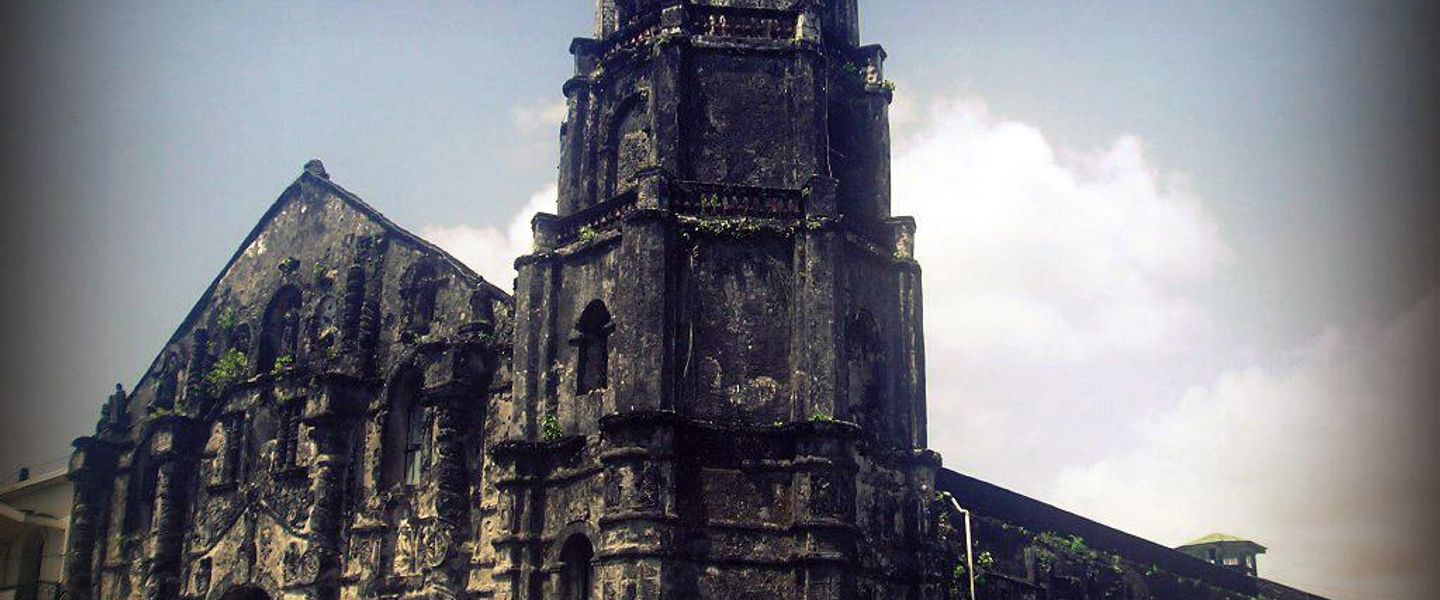
Old Albay District, Legazpi Travel Guide
Explore the Old Albay District in Legazpi, where history meets natural beauty, offering a captivating experience with its colonial charm, scenic views, and local flavors.
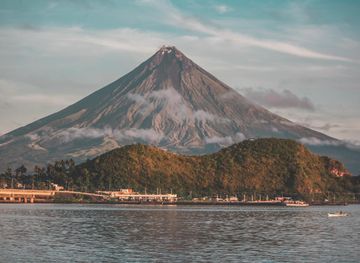
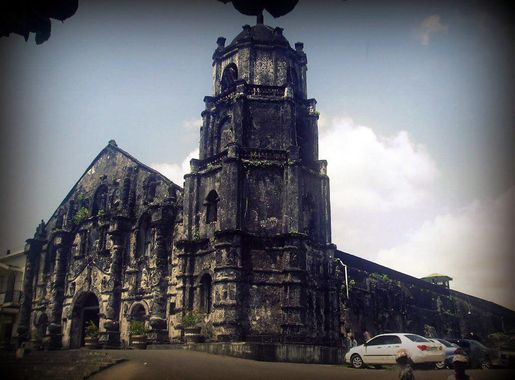
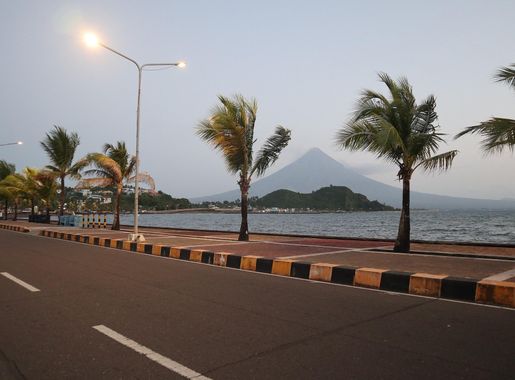
Nestled in the heart of Legazpi City, the Old Albay District stands as a testament to the rich cultural and historical heritage of the Bicol Region. This area, with its well-preserved colonial architecture and scenic landscapes, offers a unique blend of history, culture, and natural beauty that is sure to captivate any visitor. The district is home to the iconic Albay Cathedral, a stunning example of Spanish-era architecture that has stood the test of time. Nearby, the Bicol Heritage Park offers a glimpse into the region's storied past with its collection of historical artifacts and exhibits. The picturesque streets are lined with ancestral houses, giving tourists a sense of stepping back in time. For nature enthusiasts, the Old Albay District provides breathtaking views of the majestic Mayon Volcano, known for its perfect cone shape. The nearby Legazpi Boulevard offers a scenic promenade where you can enjoy a leisurely stroll while soaking in the panoramic views of the Albay Gulf and the volcano. The district's vibrant markets and local eateries also offer a taste of authentic Bicolano cuisine, making it a must-visit for food lovers.

Know before you go
Hi, I'm Eve. Here are a few practical things to know before exploring Old Albay District.
- Visit early in the morning or late afternoon to avoid the midday heat, especially when exploring outdoor attractions.
- Wear comfortable walking shoes as the district is best explored on foot to fully appreciate its historic streets and sites.
- Try the local delicacies such as 'Bicol Express' and 'Laing' at the neighborhood eateries for an authentic culinary experience.
- Bring a camera or smartphone to capture the stunning views of Mayon Volcano and the colonial architecture.
- Check out local festivals and events, such as the Ibalong Festival, to experience the vibrant culture of the region.
Explore Old Albay District: Things to Do, Places to Eat, Hotels & More
Handpicked recommendations for top attractions, local dining, accommodations, and more

Best attractions in Old Albay District
Top-rated picks
Best Attractions

St. Gregory the Great Cathedral (Catedral de San Gregorio Magno)
Discover the breathtaking St. Gregory the Great Cathedral in Legazpi City, a stunning blend of history, spirituality, and architectural beauty in the heart of Albay.
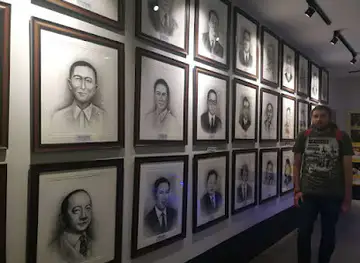
Museo de Legazpi
Explore the cultural treasures of Legazpi City at Museo de Legazpi, where history comes alive through engaging exhibits and local artifacts.

Puro Boulevard Legazpi City Albay Philippines
Experience the beauty of Puro Boulevard in Legazpi City, where stunning views and rich culture create an unforgettable travel experience.

Best landmarks in Old Albay District
Top-rated picks
Best Landmarks

Peñaranda Park
Discover the tranquility of Peñaranda Park, a green haven in Legazpi City, perfect for relaxation and family fun amidst nature's beauty.

St. Gregory the Great Cathedral (Catedral de San Gregorio Magno)
Explore the stunning St. Gregory the Great Cathedral in Legazpi City, a blend of spiritual serenity and architectural splendor in the Philippines.

Albay Astrodome
Experience the vibrant culture of Legazpi City at the Albay Astrodome, the premier venue for sports, concerts, and community events in Albay.

Sleeping Lion / Kapuntukan Hill
Experience the breathtaking views and serene atmosphere of Sleeping Lion at Kapuntukan Hill, a must-visit park in Legazpi City, Albay.

Best restaurants in Old Albay District
Top-rated picks
Best Restaurants

BIGGS Old Albay (OLA)
Discover BIGGS Old Albay: A cherished breakfast spot in Legazpi City serving delightful dishes that celebrate local flavors.
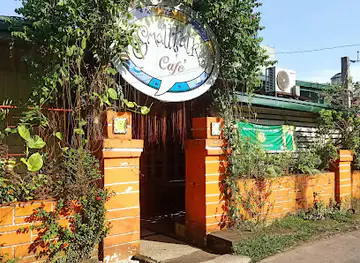
Small Talk Café
Discover culinary treasures at Small Talk Café in Legazpi City, where Filipino flavors meet Asian fusion delights in a cozy setting.

Uncle Ton's
Experience authentic Italian cuisine at Uncle Ton's in Legazpi City - where every dish tells a story.

Breakfast Republik
Experience a vibrant breakfast scene at Breakfast Republik in Legazpi City, where delicious dishes meet warm hospitality.

Best bars in Old Albay District
Top-rated picks
Best Bars

Bar 101
Experience the vibrant nightlife at Bar 101, Legazpi City's premier pub for cocktails, live music, and a lively atmosphere.

21st Amendment
Discover the lively spirit of Legazpi City at the 21st Amendment Bar, where innovative cocktails meet a vibrant atmosphere and local culture.
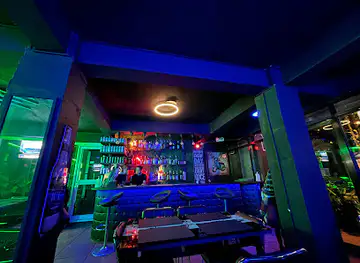
Subway Resto Bar
Experience the flavor and comfort of Subway Resto Bar, a top grill destination in Legazpi City, perfect for food lovers and social gatherings.

District 2 Restobar
Discover the lively nightlife and local flavors at District 2 Restobar in Legazpi City, where good times and great drinks await you.

Best nightclubs in Old Albay District
Top-rated picks
Best Nightclubs

Bar 101
Discover the vibrant nightlife at Bar 101 in Legazpi City, a must-visit pub offering great drinks, live music, and a lively atmosphere.

SM City Legazpi Prestige Lounge
Discover luxury and comfort at SM City Legazpi Prestige Lounge, the perfect retreat for travelers seeking relaxation in the heart of Legazpi.

District 2 Restobar
Discover the lively nightlife at District 2 Restobar in Legazpi City, where delicious drinks and great ambiance await every visitor.

CHICOS BAR & CAFE
Chicos Bar & Cafe: A taste of local flavors and a spot to unwind in the heart of Legazpi City.

Best shops in Old Albay District
Top-rated picks
Best Shops

Totie Shoppe
Explore unique clothing and local fashion treasures at Totie Shoppe, a charming store in Legazpi’s Old Albay District.

Ryza shoppe plant and pots store
Explore Ryza Shoppe in Legazpi City for a stunning collection of plants and pots that will elevate your space with natural beauty.

A's Emporium
Discover A's Emporium in Legazpi City for local crafts, unique souvenirs, and a true taste of Albay's vibrant culture.

Albay
Explore Albay's stunning landscapes, rich culture, and delectable cuisine in the heart of the Philippines, where adventure awaits every traveler.

Explore Old Albay District on the Map
A handpicked selection of must-see spots in Old Albay District, mapped for you.
Old Albay District Essentials
-
Old Albay District is easily accessible from various neighborhoods in Legazpi. If you're coming from the Legazpi Airport, you can take a taxi or a tricycle, which typically costs around 100-150 PHP. From the city center, jeepneys and tricycles are available and provide an inexpensive option, with fares ranging from 10 to 20 PHP. For longer distances, consider renting a motorcycle or using ride-hailing apps like Grab for convenience.
-
Old Albay District is best explored on foot, given its compact size and pedestrian-friendly streets. However, for longer distances, you can use local jeepneys, tricycles, or taxis. Bicycle rentals are also available, which can be a fun way to explore the area. Be aware that traffic can be congested at times, so plan accordingly.
-
Old Albay District is generally safe for tourists, but standard precautions should be observed. Avoid poorly lit areas at night and keep an eye on your belongings in crowded places. Petty crimes, such as pickpocketing, can occur, especially near tourist attractions. Areas like the public market can be bustling, so remain vigilant. It’s advisable to ask locals for guidance on which areas to avoid after dark.
-
In case of emergency, dial 911 for police assistance or medical emergencies. The local hospital, Bicol Regional Teaching and Training Hospital, can be found in Legazpi City. It's advisable to have travel insurance that covers medical emergencies. For minor health issues, local pharmacies are available for over-the-counter medications.
-
Fashion: Do dress modestly, especially when visiting churches or historical sites. Avoid wearing revealing clothing. Religion: Do respect local customs, especially during religious events. Public Transport: Do offer your seat to elderly passengers and be courteous. Don’t eat or drink on public transport. Greetings: Do greet locals with a smile and a handshake. Eating & Drinking: Do try local dishes, and if offered food, graciously accept it. Don’t waste food or show disinterest in local cuisine, as it may be seen as disrespectful.
-
To experience Old Albay District like a local, visit the bustling public market for fresh produce and local delicacies. Engage in conversations with vendors; they often share insights about the region's history and culture. Don't miss the chance to try local snacks such as ‘pinangat’ and ‘bicol express’. Additionally, consider visiting during local festivals for a vibrant cultural experience. Explore the heritage sites and enjoy the stunning views of Mayon Volcano from various vantage points in the district.
Useful Local Phrases for Old Albay District
You don't need to speak the language perfectly. Even learning a few simple words can make conversations warmer—and locals usually appreciate the effort.
— Eve

Here are the phrases I use most often in Old Albay District. Try a few—you'll be surprised how far they go! 😊
❤️
-
- HelloKamusta
[kah-moos-tah] - GoodbyeSalamat po
[sa-la-maht poh] - YesOo
[oh-oh] - NoHindi
[hin-dee] - Please/You're welcomeMangyaring
[man-gyah-ring] - Thank youSalamat
[sa-la-maht] - Excuse me/SorryPaumanhin
[pow-man-heen] - How are you?Kamusta ka?
[kah-moos-tah kah?] - Fine. And you?Mabuti. Ikaw?
[mah-boo-tee. ee-kahw?] - Do you speak English?Nagsasalita ka ba ng Ingles?
[nag-sa-sah-lee-tah kah bah ng een-glehs?] - I don't understandHindi ko maintindihan
[hin-dee koh main-tin-dee-han]
- HelloKamusta
-
- I'd like to see the menu, pleaseGusto ko sanang makita ang menu, pakiusap
[goo-stoh koh sah-nahng mah-kee-tah ahng meh-noo, pah-kee-oo-sahp] - I don't eat meatHindi ako kumakain ng karne
[hin-dee ah-koh koo-mah-kah-een ng kahr-neh] - Cheers!Tagay!
[tah-gahy] - I would like to pay, pleaseGusto ko sanang magbayad, pakiusap
[goo-stoh koh sah-nahng mahg-bah-yahd, pah-kee-oo-sahp]
- I'd like to see the menu, pleaseGusto ko sanang makita ang menu, pakiusap
-
- Help!Tulong!
[too-long] - Go away!Lumayo ka!
[loo-mah-yoh kah] - Call the Police!Tumawag ka ng pulis!
[too-mah-wahg kah ng poo-lees] - Call a doctor!Tawag ka ng doktor!
[tah-wahg kah ng dohk-tohr] - I'm lostNawawala ako
[nah-wah-wah-lah ah-koh] - I'm illMasama ang pakiramdam ko
[mah-sah-mah ahng pah-kee-rahm-dahm koh]
- Help!Tulong!
-
- I'd like to buy...Gusto ko bumili ng...
[goo-stoh koh boo-mee-lee ng...] - I'm just lookingNaglalakad lang ako
[nag-la-la-kahd lahng ah-koh] - How much is it?Magkano ito?
[mahg-kah-noh ee-toh?] - That's too expensiveMasyadong mahal
[mah-syah-dohng mah-hahl] - Can you lower the price?Pwede bang ibaba ang presyo?
[pweh-deh bahng ee-bah-bah ahng preh-syoh?]
- I'd like to buy...Gusto ko bumili ng...
-
- What time is it?Anong oras na?
[ah-nohng oh-rahss nah] - It's one o'clockAlas uno na
[ah-lahss oo-noh nah] - Half past (10)Alas-dyes
[ah-lahss-dyes] - MorningUmaga
[oo-mah-gah] - AfternoonHapon
[hah-pohn] - EveningGabi
[gah-bee] - YesterdayKahapon
[kah-hah-pon] - TodayNgayon
[ngah-yohn] - TomorrowBukas
[boo-kahss] - 1Isa
[ee-sah] - 2Dalawa
[dah-lah-wah] - 3Tatlo
[taht-loh] - 4Apat
[ah-paht] - 5Lima
[lee-mah] - 6Anim
[ah-neem] - 7Pito
[pee-toh] - 8Walo
[wah-loh] - 9Siyam
[see-yahm] - 10Sampu
[sahm-poo]
- What time is it?Anong oras na?
-
- Where's a/the...?Nasaan ang...?
[nah-sah-ahn ahng] - What's the address?Ano ang address?
[ah-noh ahng ah-drehs] - Can you show me (on the map)?Pwede mo ba akong ipakita (sa mapa)?
[pweh-deh moh bah ah-kohng ee-pah-kee-tah sah mah-pah] - When's the next (bus)?Kailan ang susunod na (bus)?
[kah-ee-lahn ahng soo-soo-nood nah (boos)] - A ticket (to ....)Isang tiket (papuntang...)
[ee-sahng tee-keht (pah-poon-tahng)]
- Where's a/the...?Nasaan ang...?
History of Old Albay District
-
The Old Albay District's history is deeply intertwined with the Spanish colonization of the Philippines in the late 16th century. Established in 1573, Legazpi became the capital of the Bicol region, with Old Albay serving as a significant administrative and commercial center. The Spanish introduced Catholicism, which shaped the cultural landscape, leading to the construction of churches and public buildings that showcased Baroque and Neoclassical architecture.
-
During the late 19th century, Old Albay played a vital role in the Philippine Revolution against Spanish rule. Local leaders, influenced by the revolutionary ideals of national identity and independence, rallied support from the community. The area became a hub for revolutionary activities, which were crucial in the eventual declaration of Philippine independence in 1898.
-
The American colonization of the Philippines brought significant changes to Old Albay in the early 20th century. The establishment of new infrastructure, such as roads and schools, modernized the district. The Americans also introduced public health initiatives and agricultural reforms that transformed the socioeconomic landscape of the region, influencing local culture and lifestyle.
-
Old Albay was not spared from the devastation of World War II. The area witnessed significant military activity, and many structures were damaged or destroyed. After the war, the reconstruction of Old Albay was marked by a resurgence of local culture, with efforts to restore historic buildings and promote heritage tourism, helping to preserve its rich history.
-
In contemporary times, Old Albay has become known for its vibrant cultural festivals, such as the Ibalong Festival, which celebrates local folklore and history. This festival, along with other community events, reflects the strong cultural identity of the residents and highlights the area’s rich traditions, arts, and crafts, fostering a sense of pride and continuity among the local population.
Neighbourhoods near Old Albay District
The closest neighbourhoods to Old Albay District, if you have time for more than one stop.


Your all‑in‑one travel companion app
Explore expert travel guides, compare and book tours, experiences, hotels, and more—all from the palm of your hand. Download now for seamless trip planning wherever your wanderlust takes you.


Explore More of Legazpi

Looking beyond Old Albay District? Discover Legazpi for broader travel guides, local hot-spots, and regional highlights.
Explore LegazpiOld Albay District in Photos
Browse through our photo collection highlighting the charm and character of the destination.




Historic Charm and Scenic Wonders in Old Albay District, Legazpi
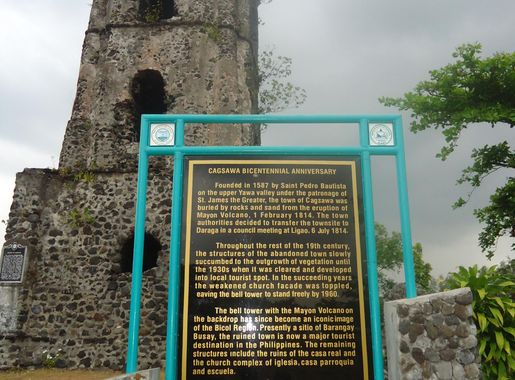
Nestled in the heart of Legazpi City, the Old Albay District stands as a testament to the rich cultural and historical heritage of the Bicol Region. This area, with its well-preserved colonial architecture and scenic landscapes, offers a unique blend of history, culture, and natural beauty that is sure to captivate any visitor. The district is home to the iconic Albay Cathedral, a stunning example of Spanish-era architecture that has stood the test of time. Nearby, the Bicol Heritage Park offers a glimpse into the region's storied past with its collection of historical artifacts and exhibits. The picturesque streets are lined with ancestral houses, giving tourists a sense of stepping back in time. For nature enthusiasts, the Old Albay District provides breathtaking views of the majestic Mayon Volcano, known for its perfect cone shape. The nearby Legazpi Boulevard offers a scenic promenade where you can enjoy a leisurely stroll while soaking in the panoramic views of the Albay Gulf and the volcano. The district's vibrant markets and local eateries also offer a taste of authentic Bicolano cuisine, making it a must-visit for food lovers.