

Japanese Tunnel Travel Guide
Free Guide: Discover the historical significance of the Japanese Tunnel in Legazpi City, a fascinating glimpse into WWII history amidst stunning natural beauty.


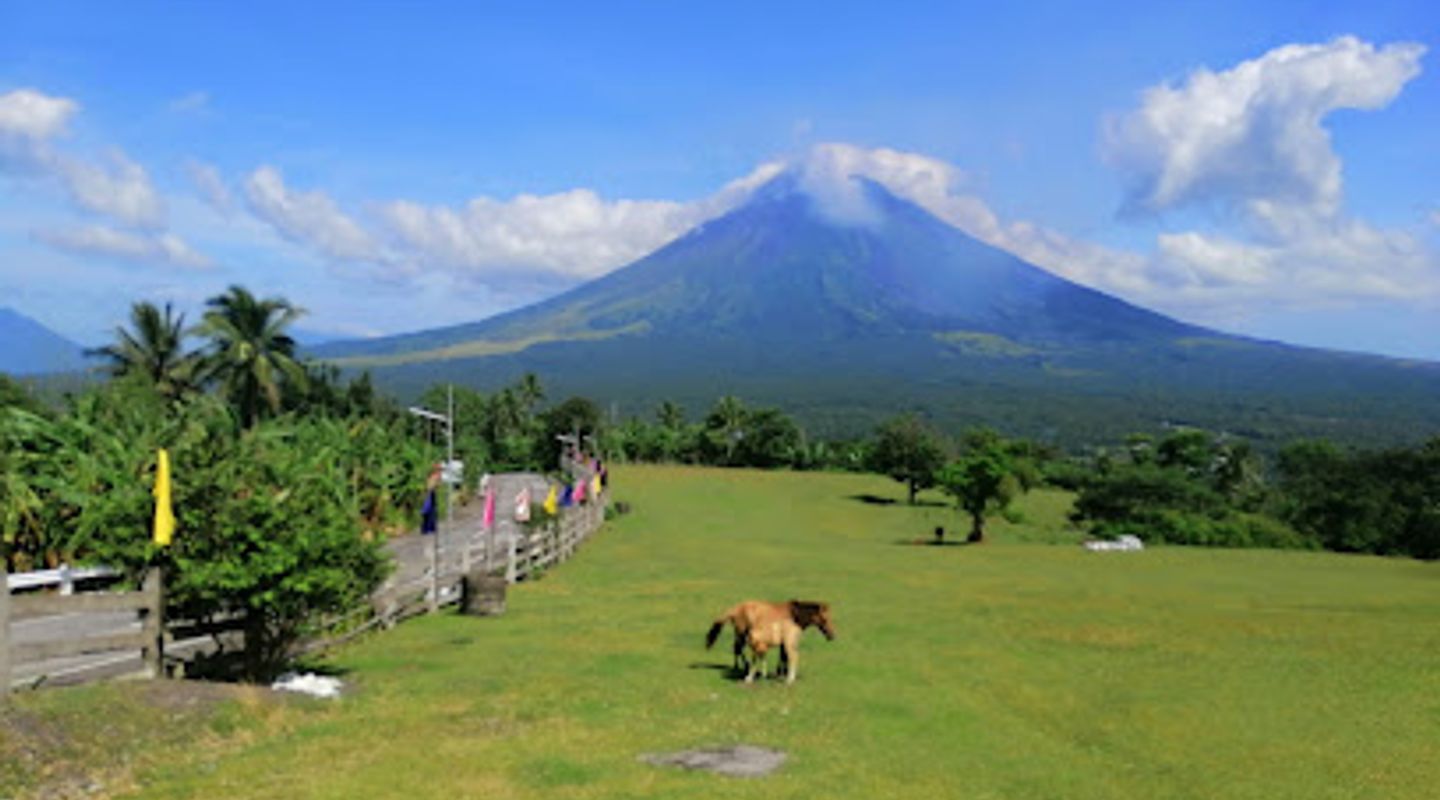
A brief summary of Japanese Tunnel
Discover the historical significance of the Japanese Tunnel in Legazpi City, a fascinating glimpse into WWII history amidst stunning natural beauty.
The Japanese Tunnel in Legazpi City is a captivating historical site that offers visitors a glimpse into the past. This underground marvel, carved during World War II, is not only a testament to the ingenuity of its builders but also a significant relic that tells the story of the local resistance during the war. As you venture through its winding passages, imagine the strategic importance it held and the events that transpired within its walls. Perfect for history buffs and curious travelers alike, this attraction invites you to step back in time and experience the resilience of the Filipino spirit.
Opening hours
- Every dayOpen 24 hours
Opening hours as listed on the venue’s Google Business Profile. Hours can change for services and special events, so check with the venue before you go.
- Address
- 5MC7+4M5, Legazpi City, Albay
Getting there
Car
Public Transportation
Walking
Discover more about Japanese Tunnel
Overview
The Japanese Tunnel is an intriguing tourist attraction located in Legazpi City, Albay, that takes visitors on a journey through a significant piece of World War II history. Originally constructed by Japanese soldiers, this extensive network of tunnels served various military purposes during the war. As you explore the dimly lit passages, you'll be enveloped in a sense of mystery and adventure, allowing you to reflect on the historical events that unfolded in this very locale. The tunnels are not just a reminder of the past; they also provide a unique opportunity for educational exploration, making it a must-visit for history enthusiasts.Visitors can expect to navigate through narrow corridors and discover various chambers, each offering insights into the era’s military strategies and the lives of those who sought refuge within. Photography is highly encouraged, as the atmospheric lighting and ancient walls create the perfect backdrop for unforgettable memories. Guided tours are available, enhancing the experience with stories and anecdotes that bring the tunnel's history to life.In addition to the historical significance, the Japanese Tunnel is set against the backdrop of Legazpi City's stunning natural beauty, with views of the iconic Mayon Volcano nearby. This combination of history and scenery makes it an ideal stop for tourists looking to immerse themselves in the culture and heritage of the Philippines. Ensure you wear comfortable shoes, as the terrain can be a bit uneven. Whether you're a local or a tourist, the Japanese Tunnel promises a captivating experience that highlights the resilience and resourcefulness of its builders.
Evendo Review Centre
 Google
Guest reviews
Explore Japanese Tunnel on the map
A handpicked selection of must-see spots near Japanese Tunnel, mapped for you.
Get your free copy of our complete guide to Japanese Tunnel, delivered straight to you.
Everything on this page, from opening hours and how to get there to Eve’s tips and the best time to go, in one PDF you can read offline, print or share.
Already have an account? Sign in
Your Japanese Tunnel guide is ready.
We'll send it to · Not you? Sign out

Getting your guide ready…
We are putting together a fresh copy of the Japanese Tunnel guide. This can take up to a minute.
This can take a few moments. If your browser asks, choose Allow so the download can start. You'll find the guide in your Downloads folder.
Nothing happened? Download it again
Sorry, the guide is taking longer than usual. Please try again in a minute, or get it by email instead.
Other nearby places you may find interesting
The closest places of the same kind, if this one is not quite what you had in mind.
-
-
-
-
-


Swipe for more places
More to explore near Japanese Tunnel

 Best experiences near Japanese Tunnel
 Best hotels near Japanese Tunnel
 Best landmarks near Japanese Tunnel
 Best attractions near Japanese Tunnel
 Best shops near Japanese Tunnel
 Best restaurants near Japanese Tunnel
 Best bars near Japanese Tunnel
Do you manage this location?
Take control to get all the benefits, like improved information, better appearance, and stronger visibility across AI-powered discovery.
Explore more
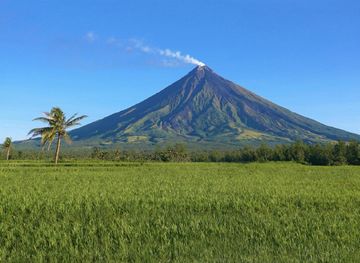
Explore more of Mt. Mayon
Explore the majestic Mt. Mayon in the Philippines, famous for its perfect cone shape, rich history, and thrilling outdoor activities.
Explore Mt. Mayon
Explore more of Philippines
Discover the Philippines: A tropical paradise of islands, rich history, and warm hospitality, perfect for adventurers and relaxation seekers alike.
Explore Philippines
