

Gorzów Wielkopolski Travel Guide - Free Web & App
Your ultimate guide to Gorzów Wielkopolski. Discover top landmarks, proposed trips, and local tips. Free on the web or via the Evendo companion app.


Gorzów Wielkopolski in Poland blends Warta riverside walks, Gothic heritage, museums, parks, jazz and easy access to the wider Lubusz region and forests.
A City Shaped by the Warta
Gorzów Wielkopolski stands in western Poland on the banks of the Warta, where the river broadens into a landscape of meadows, wetlands and wooded countryside. It is the largest city of Lubusz Voivodeship and an important regional centre, although its historic core remains compact enough to explore on foot. The city’s origins lie in the medieval settlement of Landsberg an der Warthe, founded in 1257 by the Margraves of Brandenburg. Today, Polish and German layers of history remain visible in its street plan, churches, surviving fragments of fortifications and industrial heritage.Read more about Gorzów Wielkopolski
Historic Streets and Green Spaces
Culture on the River
When is the best time to visit Gorzów Wielkopolski?
Best: June–August · 23–25°C| Month | High (°C) | Rainfall (mm) |
|---|---|---|
| January | 2 | 32 |
| February | 3 | 28 |
| March | 5 | 31 |
| April | 12 | 36 |
| May | 19 | 48 |
| June (best) | 23 | 73 |
| July (best) | 25 | 75 |
| August (best) | 25 | 69 |
| September | 19 | 54 |
| October | 13 | 40 |
| November | 7 | 37 |
| December | 4 | 34 |
Getting to and around Gorzów Wielkopolski
How to get there
Transportation
Best attractions in Gorzów Wielkopolski
Gorzów’s principal attractions are concentrated around its historic centre and the Warta riverfront. The Cathedral of the Immaculate Conception, commonly known as Gorzów Cathedral, is the city’s most prominent landmark, while the old streets reveal fragments of the medieval town and later civic architecture. Across the river, Spichlerz, a historic granary operated as part of the Lubuskie Museum, presents collections connected with regional history and culture. The embankments offer open views and pleasant walking, and the Rose Park adds formal planting and a distinctive green setting close to the centre. Other urban attractions include the Municipal Cultural Centre, the Philharmonic and the Słowianka recreation complex. Beyond the city, the wider Lubusz landscape introduces forests, lakes and small settlements rather than a dense chain of formal sights, making Gorzów a useful starting point for broader regional exploration.
-
Tourist attraction
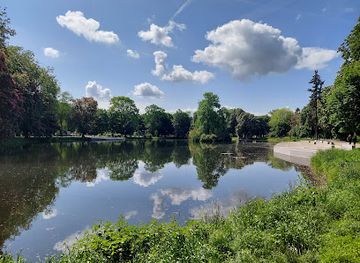
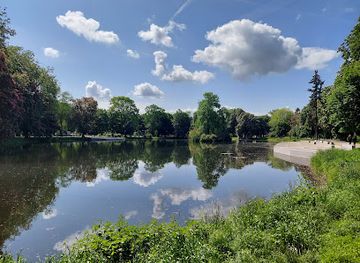
Park Wiosny Ludów
Explore the lush landscapes and tranquil beauty of Park Wiosny Ludów, a serene escape in Gorzów Wielkopolski, perfect for relaxation and outdoor activities.
-
Tourist attraction
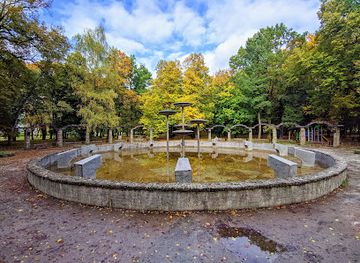
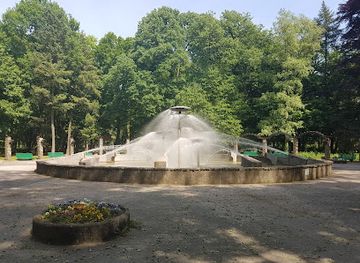
Park Kopernika
Explore the natural beauty and cultural vibrancy of Park Kopernika in Gorzów Wielkopolski, a perfect retreat for relaxation and recreation.
-
Tourist attraction
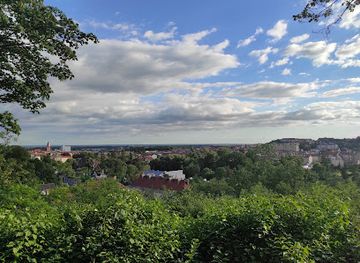
Park Górczyński
Explore the lush beauty of Park Górzyński in Gorzów Wielkopolski, where nature meets tranquility in a picturesque setting.
-
Tourist attraction
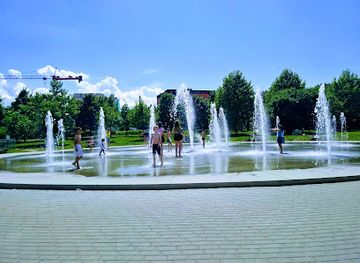
Park Siemiradzkiego
Explore the scenic beauty and vibrant culture of Park Siemiradzkiego, a serene escape in Gorzów Wielkopolski, Poland, perfect for relaxation and family outings.
Best landmarks in Gorzów Wielkopolski
The Cathedral of the Immaculate Conception is Gorzów’s defining architectural landmark, rising above the central streets and embodying the city’s medieval foundations and long ecclesiastical history. Spichlerz, the former granary beside the Warta, represents the river’s historic importance to storage, trade and the movement of agricultural goods; today it forms part of the Lubuskie Museum. Surviving fragments of the medieval defensive system recall the enclosed town of Landsberg, while later civic and commercial buildings trace its expansion beyond the old limits. The Warta itself is the city’s principal natural landmark, shaping views, recreation and the character of the riverfront. Parks, including the Rose Park, add a cultivated green dimension to the urban landscape, while the forests and waterways of the wider Lubusz region form the setting beyond the city.
-
Park
Park Wiosny Ludów
Experience the beauty and tranquility of Park Wiosny Ludów in Gorzów Wielkopolski, a perfect escape for nature lovers and families alike.
-
Park
Park Kopernika
Explore the tranquil beauty and vibrant atmosphere of Park Kopernika, a must-visit oasis in Gorzów Wielkopolski.
-
Restaurant
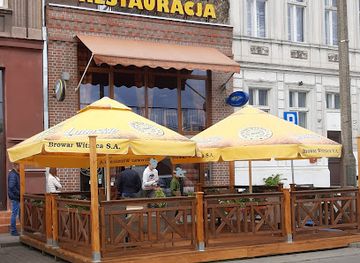
Futerał
Experience authentic Polish cuisine at Futerał, a delightful restaurant in Gorzów Wielkopolski, known for its cozy atmosphere and exquisite dishes.
-
Hotel
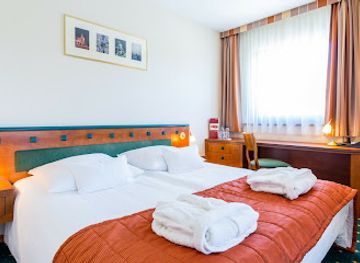
Qubus Hotel Gorzów Wielkopolski
Experience luxury and hospitality in Gorzów Wielkopolski at Qubus Hotel, featuring modern amenities, fine dining, and proximity to cultural attractions.
Explore Gorzów Wielkopolski on the map
Plan your trip on one map. See where the top attractions, landmarks, restaurants and hotels are, and book hotels and experiences in a few clicks.
Best hotels in Gorzów Wielkopolski
Best restaurants in Gorzów Wielkopolski
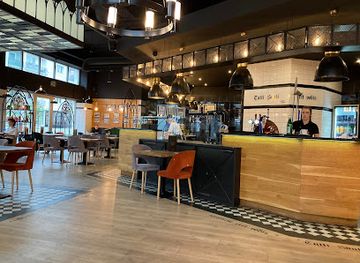
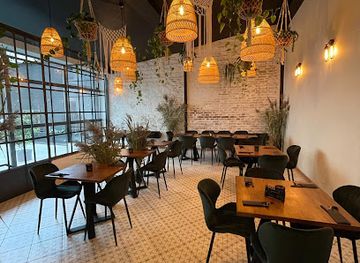
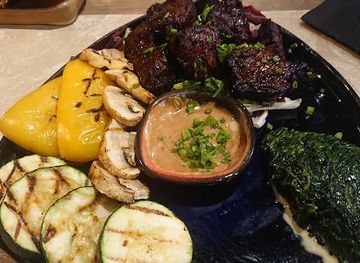
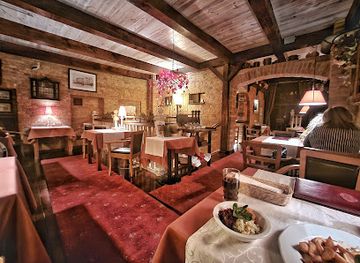
Dining in Gorzów Wielkopolski combines everyday Polish cooking with cafés, bakeries and contemporary restaurants serving the city’s local population and visitors. Menus commonly draw on familiar regional traditions such as soups, pierogi, dumplings, pork and poultry dishes, seasonal vegetables and cakes, while the city’s western location also reflects culinary influences from neighbouring parts of Poland and the wider border region. Restaurants and cafés are concentrated in and around the centre, with further options in commercial districts and near major roads. Visitors heading into the surrounding countryside should expect a smaller choice of places to eat and plan around the settlements they pass through. Local food shops and markets can be useful for picnic supplies, particularly when exploring the Warta landscape, forests or lakes beyond the built-up area.
-
Italian
Tutti Santi
Experience authentic Italian cuisine at Tutti Santi in Gorzów Wielkopolski, where every dish tells a story of tradition and flavor.
-
Restaurant
Tajka
Experience authentic Thai flavors at Tajka - Gorzów Wielkopolski's premier destination for delicious Thai cuisine.
-
Sushi
Madara Restauracja Japońska
Experience authentic Japanese flavors at Madara Restauracja Japońska in Gorzów Wielkopolski - where tradition meets taste.
-
Restaurant
Futerał
Discover Futerał in Gorzów Wielkopolski: where authentic Polish cuisine meets warm hospitality.
Best bars in Gorzów Wielkopolski
Gorzów has a modest but genuine evening scene centred on cafés, bars, cultural venues and traditional pubs rather than a large club district. The historic centre is the main area for meeting friends over drinks or a late meal, while the city’s cultural calendar may include concerts, performances and seasonal public events. Jazz has a particularly visible place in local cultural life through Jazz Club Pod Filarami, an established venue associated with live music. The Philharmonic and other arts organisations add a more formal dimension to evenings when programmes are scheduled. Outside the centre, nightlife becomes quieter and more residential, and visitors should not expect the extensive late-night entertainment found in Poland’s largest cities.
-
Cocktail bar
Eight Billiards Bar
Experience the vibrant nightlife at Eight Billiards Bar in Gorzów Wielkopolski, where cocktails, pool, and darts create unforgettable moments.
-
Restaurant
Czart Pub&Restaurant
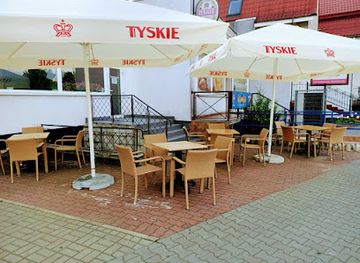
Discover the flavors of Poland at Czart Pub & Restaurant, a cozy spot in Gorzów Wielkopolski for delicious food and drinks.
-
Bar
Kula Hula Bar & Shisha
Discover the vibrant atmosphere of Kula Hula Bar & Shisha in Gorzów Wielkopolski, where drinks and fun collide for an unforgettable night out.
-
Bar
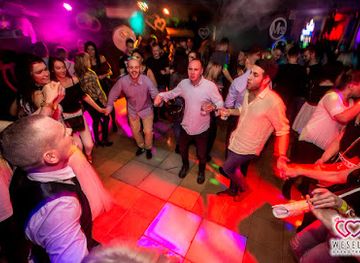
Pub Wesele Gorzów Wielkopolski
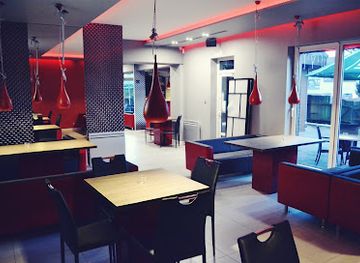
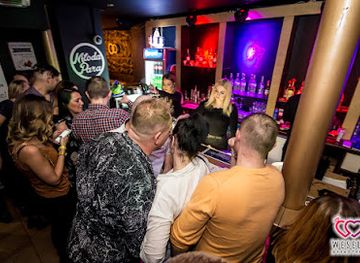
Discover the energetic nightlife of Gorzów Wielkopolski at Pub Wesele, a perfect blend of bar and disco club for unforgettable evenings.

Best nightclubs in Gorzów Wielkopolski
Gorzów has a modest but genuine evening scene centred on cafés, bars, cultural venues and traditional pubs rather than a large club district. The historic centre is the main area for meeting friends over drinks or a late meal, while the city’s cultural calendar may include concerts, performances and seasonal public events. Jazz has a particularly visible place in local cultural life through Jazz Club Pod Filarami, an established venue associated with live music. The Philharmonic and other arts organisations add a more formal dimension to evenings when programmes are scheduled. Outside the centre, nightlife becomes quieter and more residential, and visitors should not expect the extensive late-night entertainment found in Poland’s largest cities.
-
Restaurant
Czart Pub&Restaurant
Experience the vibrant blend of pub culture and exquisite dining at Czart Pub & Restaurant in Gorzów Wielkopolski, where every visit is a feast for the senses.
-
Disco club
Klub studio
Discover the vibrant nightlife at Klub Studio, Gorzów Wielkopolski's premier disco club, where music and energy come alive.
-
Disco club
Pub Wesele Gorzów Wielkopolski
Discover the energetic nightlife at Pub Wesele in Gorzów Wielkopolski, where dancing, drinks, and good vibes await you.
-
Pub
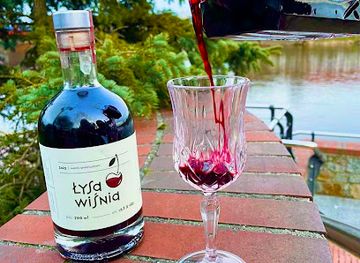
Łysa Wiśnia
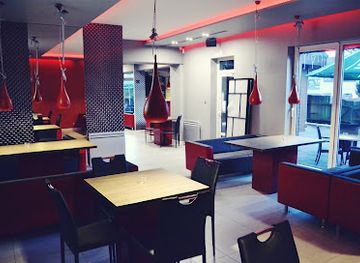
Discover Łysa Wiśnia in Gorzów Wielkopolski: a premier pub and cocktail bar offering a delightful ambiance and exquisite drinks for every visitor.

Best shops in Gorzów Wielkopolski
Shopping in Gorzów is primarily practical and local, with central streets, shopping centres, supermarkets, specialist shops and independent cafés providing the main choice. Visitors looking for regional products can explore food shops, bakeries and occasional markets for Polish confectionery, preserves, smoked products and other everyday specialities, although selection and market schedules vary. The city’s cultural institutions and galleries may offer locally made art, books or craft items, while outdoor and sports retailers are useful for excursions into the surrounding forests and lake country. The historic centre is suitable for browsing smaller businesses, but Gorzów is not a specialist craft destination with a large permanent artisan quarter. In villages and smaller settlements beyond the city, retail options are limited, so supplies are best arranged before heading into the countryside.
-
Shopping mall
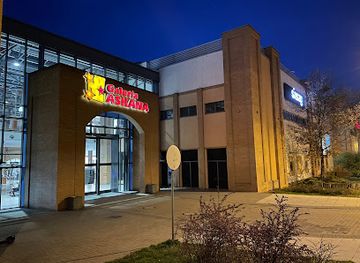
Galeria Askana
Discover retail magic at Galeria Askana, Gorzów Wielkopolski's top shopping mall with diverse shops, dining, and entertainment options.
-
Shopping mall
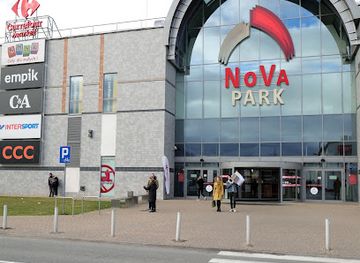
NoVa Park
Explore NoVa Park, the premier shopping mall in Gorzów Wielkopolski, featuring a mix of retail, dining, and entertainment for all ages.
-
Clothing store
H&M
Discover affordable fashion for the whole family at H&M in Gorzów Wielkopolski, where trendy styles meet an eco-conscious ethos.
-
Shopping mall
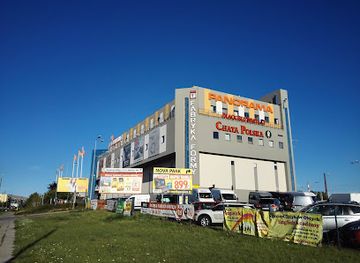
Panorama Shopping Centre
Discover the Panorama Shopping Centre: Gorzów Wielkopolski's premier shopping destination with diverse stores and delightful dining options.
Get your free copy of our complete guide to Gorzów Wielkopolski, delivered straight to you.
Everything on this page, from attractions and restaurants to essentials and local phrases, in one PDF you can read offline, print or share.
Already have an account? Sign in
Your Gorzów Wielkopolski guide is ready.
We'll send it to · Not you? Sign out

Getting your guide ready…
We are putting together a fresh copy of the Gorzów Wielkopolski guide. This can take up to a minute.
This can take a few moments. If your browser asks, choose Allow so the download can start. You'll find the guide in your Downloads folder.
Nothing happened? Download it again
Sorry, the guide is taking longer than usual. Please try again in a minute, or get it by email instead.
Gorzów Wielkopolski essentials
Currency and Payment
Safety
Emergency Situations
Do's and Don'ts
Local Tips
From Eve
Local phrases worth knowing
You don't need to get them perfect. A few words go a long way, and locals appreciate the effort.
Basics
| English | Local | Say it |
|---|---|---|
| Hello | Cześć | [Cheh-shch] |
| Goodbye | Do widzenia | [Doh veed-zen-ya] |
| Yes | Tak | [Tahk] |
| No | Nie | [Nyeh] |
| Please/You're welcome | Proszę | [Proh-sheh] |
| Thank you | Dziękuję | [Jenkoo-yeh] |
| Excuse me/Sorry | Przepraszam | [Pzheh-prah-sham] |
| How are you? | Jak się masz? | [Yak sh-eh mahsh] |
| Fine. And you? | Dobrze. A ty? | [Doh-bzheh. Ah tih] |
| Do you speak English? | Czy mówisz po angielsku? | [Chi moo-veesh poh ahn-gyell-skoo] |
| I don't understand | Nie rozumiem | [Nyeh roh-zoo-myem] |
Eating & Drinking
| English | Local | Say it |
|---|---|---|
| I'd like to see the menu, please | Chciałbym zobaczyć menu, proszę | [H-chyahw-bym zoh-bah-chich meh-noo, proh-sheh] |
| I don't eat meat | Nie jem mięsa | [Nyeh yem myeh-sah] |
| Cheers! | Na zdrowie! | [Nah zdroh-vee-eh] |
| I would like to pay, please | Chciałbym zapłacić, proszę | [H-chyahw-bym zah-plah-chich, proh-sheh] |
Emergencies
| English | Local | Say it |
|---|---|---|
| Help! | Pomocy! | [Poh-moh-tsi] |
| Go away! | Odjedź! | [O-dyeh-dz] |
| Call the Police! | Wezwij policję! | [Veh-zvee poh-leet-syeh] |
| Call a doctor! | Wezwij lekarza! | [Veh-zvee leh-kah-zah] |
| I'm lost | Zgubiłem się | [Zgoo-byem syeh] |
| I'm ill | Jestem chory | [Yes-tem hoh-ri] |
Shopping
| English | Local | Say it |
|---|---|---|
| I'd like to buy... | Chciałbym kupić... | [H-chyahw-bym koo-peech] |
| I'm just looking | Tylko się rozglądam | [Tih-koh sh-eh rohz-gwah-dahm] |
| How much is it? | Ile to kosztuje? | [Ee-leh toh kohs-tu-yeh] |
| That's too expensive | To za drogie | [Toh zah droh-gyeh] |
| Can you lower the price? | Czy możesz obniżyć cenę? | [Chi moo-zhesh ohb-nee-zhich tseh-neh] |
Time & Numbers
| English | Local | Say it |
|---|---|---|
| What time is it? | Która jest godzina? | [Ktoo-rah yest goh-dzee-nah] |
| It's one o'clock | Jest pierwsza | [Yest pyer-vshah] |
| Half past (10) | Pół do (10) | [Poo dw (d'yeh-syat)] |
| Morning | Rano | [Rah-no] |
| Afternoon | Popołudnie | [Poh-poo-wood-nyeh] |
| Evening | Wieczór | [V'yeh-choor] |
| Yesterday | Wczoraj | [V-choh-rye] |
| Today | Dzisiaj | [Jee-syahy] |
| Tomorrow | Jutro | [Yoo-tro] |
| 1 | Jeden | [Yeh-den] |
| 2 | Dwa | [Dvah] |
| 3 | Trzy | [Tshih] |
| 4 | Cztery | [Ch-teh-ri] |
| 5 | Pięć | [Pyehnch] |
| 6 | Sześć | [Sheshch] |
| 7 | Siedem | [Syeh-dem] |
| 8 | Osiem | [Oh-shem] |
| 9 | Dziewięć | [Jee-vee-nyehch] |
| 10 | Dziesięć | [Jee-shyehch] |
Transport & Directions
| English | Local | Say it |
|---|---|---|
| Where's a/the...? | Gdzie jest... | [Gdzyeh yest] |
| What's the address? | Jaki jest adres? | [Yah-kee yest ah-dres] |
| Can you show me (on the map)? | Czy możesz mi pokazać (na mapie)? | [Chi moo-zhesh mee poh-kah-zahch (nah mah-pee-eh)] |
| When's the next (bus)? | Kiedy jest następny (autobus)? | [Kyeh-dih yest nah-stehp-nih (ow-toh-boo-s)] |
| A ticket (to ....) | Bilet (do ....) | [Bee-let (doh ....)] |
History of Gorzów Wielkopolski
Medieval Foundation beside the Warta
Gorzów began as Landsberg, a town founded in 1257 by the Margraves of Brandenburg on the left bank of the Warta. Its position near river crossings and established routes helped it develop as a fortified settlement and regional market centre. The medieval town was laid out around a central market area, with defensive walls and religious foundations forming the principal elements of civic life. The cathedral, originally established as a parish church in the thirteenth century, remains the most visible survivor of this early urban development. The town’s location also placed it within the changing political landscape of the eastern Brandenburg frontier.
Brandenburg and Prussian Landsberg
For centuries Landsberg belonged to Brandenburg and later to the Prussian state, developing as an administrative, commercial and craft centre. Its economy benefited from the Warta and from connections between Brandenburg, Pomerania and the Polish lands farther east. The town’s churches, merchant buildings and fortifications were repeatedly altered as it grew beyond its medieval limits. During the early modern period and the nineteenth century, urban expansion gradually changed the relationship between the old town and the surrounding countryside. German remained the principal language of public life until the profound political changes that followed the Second World War.
Industrial Expansion in the Nineteenth Century
The nineteenth century brought faster growth, improved transport and new manufacturing activity. Rail connections strengthened Landsberg’s position within regional trade, while mills, workshops and larger industrial enterprises joined the older commercial economy. The Warta continued to influence movement and employment, and the town expanded beyond its medieval walls. The historic granary, now known as Spichlerz, reflects the importance of storing and handling agricultural goods in a river-oriented economy. This period also left a legacy of civic buildings, industrial structures and urban districts that sit alongside the older ecclesiastical and defensive remains.
War, Border Change and Resettlement
The final months of the Second World War brought destruction and upheaval to Landsberg. In 1945 the town became part of Poland under the post-war territorial settlement and was renamed Gorzów Wielkopolski. Much of the German population left or was expelled, while Polish settlers, including people displaced from territories formerly belonging to Poland, established a new post-war community. The city was rebuilt and reorganised within the Polish state, and its public identity changed accordingly. The surviving historic centre therefore represents both medieval urban continuity and the dramatic demographic and political transformation of the twentieth century.
Modern Regional and Cultural Centre
After 1945 Gorzów expanded as an industrial, administrative and educational centre of western Poland. It became the seat of the Lubusz Voivodeship’s provincial institutions shared with Zielona Góra, and its cultural life developed through museums, theatres, music organisations and public festivals. Conservation of historic buildings and riverfront spaces has accompanied new housing, roads and leisure facilities. Today the city’s heritage is interpreted through places such as the Lubuskie Museum and the cathedral, while its parks, cultural venues and position beside the Warta connect the modern urban community with the region’s older landscape and trading history.
Gorzów Wielkopolski in Photos
Browse through our photo collection highlighting the charm and character of the destination.
Neighbouring destination travel guides
The closest destinations to Gorzów Wielkopolski, if you have time for more than one.
-

-
-

-

-


Swipe for more destinations
Explore more

Explore more of Lubusz Land
Discover Lubusz Land, Poland's hidden gem, where nature, history, and culture converge to create an unforgettable travel experience.
Explore Lubusz Land
Explore more of Poland
Discover Poland's rich history, vibrant cities, and scenic landscapes, from the medieval streets of Kraków to the serene beauty of the Tatra Mountains and Masurian Lakes.
Explore Poland