

Lubusz Land, Poland Travel Guide
Discover Lubusz Land, Poland's hidden gem, where nature, history, and culture converge to create an unforgettable travel experience.
Nestled in western Poland, Lubusz Land is a region brimming with natural beauty, rich history, and a vibrant cultural scene. This area is a haven for nature lovers, with sprawling forests, serene lakes, and the majestic Oder River. The lush green landscapes provide a perfect backdrop for outdoor activities such as hiking, cycling, and bird-watching. The region's national parks and nature reserves, like the Warta Mouth National Park, offer a tranquil escape for those looking to reconnect with nature. The towns and cities in Lubusz Land, including Zielona Góra and Gorzów Wielkopolski, blend old-world charm with modern amenities. Zielona Góra, known as the wine capital of Poland, hosts the annual Wine Festival, where visitors can taste delicious local wines and participate in vibrant festivities. The region's historical landmarks, such as the Lubusz Castle and the St. Hedwig Cathedral, provide fascinating insights into Poland's past and architectural heritage. Cultural enthusiasts will find plenty to explore, from local museums and art galleries to lively music and theater scenes. The region's culinary offerings are equally enticing, with traditional Polish dishes prepared using fresh, locally sourced ingredients. Whether you're sampling pierogi, savoring smoked fish, or enjoying a glass of Zielona Góra wine, Lubusz Land promises a memorable gastronomic experience.

Know before you go
Hi, I'm Eve. Here are a few practical things to know before exploring Lubusz Land.
- Visit in autumn to enjoy the Wine Festival in Zielona Góra.
- Bring binoculars for bird-watching at the Warta Mouth National Park.
- Rent a bike to explore the picturesque trails and scenic routes.
- Try traditional Polish dishes at local restaurants for an authentic culinary experience.
- Check the local calendar for cultural events and festivals during your visit.
Top City Travel Guides in Lubusz Land
The cities of Lubusz Land, and the easiest places to base yourself.

Destinations in Lubusz Land
Resorts, valleys and scenic spots worth a trip of their own.


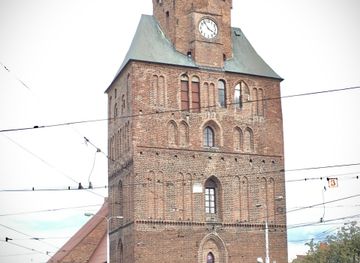
Explore Lubusz Land: Things to Do, Places to Eat, Hotels & More
Handpicked recommendations for top attractions, local dining, accommodations, and more

Top Attractions & Sightseeing in Lubusz Land
Top-rated picks
Best Attractions

Majaland Kownaty
Experience the joy of family-friendly adventures at Majaland Kownaty, Poland's enchanting theme park for children and thrill-seekers.
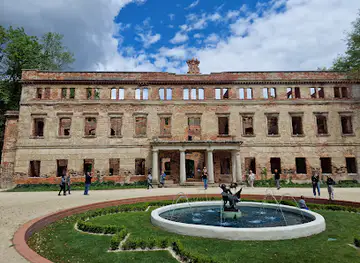
Zatonie Palace
Discover the historical allure and serene beauty of Zatonie Palace, a charming landmark in Zielona Góra, Poland, perfect for history enthusiasts and nature lovers alike.

Park Dinozaurów
Explore the wonders of the prehistoric world at Park Dinozaurów, a thrilling dinosaur-themed amusement park and museum in Nowiny Wielkie.

Lubuskie Military Museum
Unearth the compelling narratives of Polish military history at the Lubuskie Military Museum in Drzonów, showcasing artifacts and vehicles from pivotal eras.

Best landmarks in Lubusz Land
Top-rated picks
Best Landmarks

Międzyrzecki Rejon Umocniony - Muzeum Fortyfikacji i Nietoperzy
Explore the Międzyrzecki Rejon Umocniony, a unique blend of history and nature where fortifications meet fascinating bat ecosystems.

Brama Polska w Łagowie
Experience the enchanting Polish Gate in Łagów, a captivating castle that weaves together history, beauty, and serene landscapes.

Baszta Krzaków
Explore Baszta Krzaków, a historic gem in Ośno Lubuskie, where rich heritage meets stunning architecture in a picturesque setting.

Krzywy Las
Discover the enchanting Krzywy Las, Poland's Crooked Forest, where nature creates a whimsical spectacle of uniquely bent pine trees.

Best restaurants in Lubusz Land
Top-rated picks
Best Restaurants

Whiskey in the Jar
Discover Whiskey in the Jar: Poznań's premier steakhouse serving delectable dishes and exquisite drinks amidst a vibrant atmosphere.

Restauracja Vis A Vis Koziołków
Experience the rich flavors of Poland at Restauracja Vis A Vis Koziołków in Poznań – where tradition meets modern culinary excellence.

Karczma Stary Młyn
Discover authentic Polish cuisine at Karczma Stary Młyn in Upałty – where tradition meets taste in a charming setting.

Manufaktura Pizzy
Experience authentic Italian flavors at Manufaktura Pizzy – where every pizza tells a story of tradition and taste.

Best bars in Lubusz Land
Top-rated picks
Best Bars

Majaland Kownaty
Experience the thrill and magic at Majaland Kownaty, Poland's enchanting amusement park for families and children.

Międzyrzecki Rejon Umocniony - Muzeum Fortyfikacji i Nietoperzy
Discover the fascinating history of Poland at Międzyrzecki Rejon Umocniony - a unique blend of military fortifications and bat conservation.

Hotel Kormoran Resort & SPA
Discover the perfect blend of luxury and leisure at Hotel Kormoran Resort & SPA in Sulęcin, Poland, featuring exceptional amenities for relaxation and entertainment.

X-Demon
Discover the vibrant nightlife of Zielona Góra at X-Demon, a lively nightclub and cocktail bar perfect for an unforgettable evening.

Best nightclubs in Lubusz Land
Top-rated picks
Best Nightclubs

X-Demon
Unleash your nightlife spirit at X-Demon, Zielona Góra's top night club and cocktail bar, where vibrant music and creative cocktails await.

Prywatka Zielona Góra
Experience the lively fusion of dining and nightlife at Prywatka Zielona Góra, where delicious meals meet vibrant disco nights.

Awokado Dance Club
Discover Choszczno's vibrant nightlife at Awokado Dance Club, where music and dance come alive in an electrifying atmosphere.

Club 69
Experience the pulse of Kostrzyn nad Odrą at Club 69, where live music and vibrant nightlife come together for an unforgettable evening.

Best shops in Lubusz Land
Top-rated picks
Best Shops

Posnania
Discover Posnania: A premier shopping mall in Poznań with diverse shops, dining, and entertainment for everyone.

Avenida Poznań
Discover Avenida Poznań, a vibrant shopping destination where groceries, fashion, and fun converge in the heart of Poznań.

Polenmarkt Slubice
Experience the vibrant atmosphere of Polenmarkt Słubice, where diverse shops and local culture come together in a shopper's paradise.

Cuprum Arena
Discover the vibrant shopping haven of Cuprum Arena in Lubin, where shopping meets entertainment and dining for an unforgettable experience.

Explore Lubusz Land on the Map
A handpicked selection of must-see spots in Lubusz Land, mapped for you.
Lubusz Land Essentials
-
Lubusz Land is located in western Poland, near the German border. The main cities in this region are Zielona Góra and Gorzów Wielkopolski. The nearest international airports are Berlin Brandenburg Airport (BER) in Germany, Poznań-Ławica Airport (POZ), and Wrocław-Copernicus Airport (WRO). From these airports, you can reach Lubusz Land by train, bus, or car. Direct trains run from Berlin to Gorzów Wielkopolski and Zielona Góra. Buses and car rentals are also available at these airports for convenient travel.
-
Lubusz Land is well-connected by a network of trains and buses. The regional trains operated by Polregio and PKP Intercity connect major towns and cities. Buses are available for local and regional travel, operated by various companies including PKS. Taxis are readily available in urban areas, and ride-sharing apps like Uber and Bolt operate in the larger cities. For a more flexible travel experience, consider renting a car. Roads are generally well-maintained, and driving offers the freedom to explore the scenic countryside.
-
The official currency in Poland is the Polish Zloty (PLN). Credit cards are widely accepted in hotels, restaurants, and shops, especially in urban areas. However, it is advisable to carry some cash, particularly when visiting smaller towns and rural areas. ATMs are readily available in cities and towns, and currency exchange services can be found at airports, banks, and exchange offices.
-
Lubusz Land is generally a safe destination for tourists. However, like any other place, it is wise to take standard precautions. Avoid walking alone at night in unfamiliar areas and keep an eye on your belongings in crowded places. While there are no specific high-crime areas targeting tourists, staying vigilant and aware of your surroundings is always advisable.
-
In case of an emergency, dial 112 for immediate assistance. This number connects you to emergency services, including police, fire, and medical help. Major hospitals and medical facilities are available in cities like Zielona Góra and Gorzów Wielkopolski. It is recommended to have travel insurance that covers medical emergencies. Pharmacies are available in most towns where you can purchase over-the-counter medications.
-
Fashion: Do dress comfortably for walking and exploring, but avoid overly casual attire when dining in upscale restaurants or visiting religious sites. Religion: Do respect local customs and traditions. When visiting churches, dress modestly and cover your head if required. Public Transport: Do be respectful and offer your seat to elderly passengers. Don’t eat or drink on public transport. Greetings: Do greet people with a handshake. A friendly ‘Dzień dobry’ (Good day) is appreciated. Eating & Drinking: Do try local delicacies and enjoy traditional Polish hospitality. Don’t refuse food or drink offerings as it may be considered impolite.
-
To experience Lubusz Land like a local, visit the vibrant local markets where you can buy fresh produce and traditional Polish goods. Engage with locals, who are often friendly and willing to share stories about the region’s history and culture. Don’t miss visiting the vineyards around Zielona Góra, known for its wine production. For a unique experience, explore the many lakes and forests that offer opportunities for hiking, biking, and water sports. Visiting during the Lubuskie Lato Filmowe (Lubusz Summer Film Festival) in Łagów can provide a wonderful cultural experience.
When is the best time to visit Lubusz Land?
Useful Local Phrases for Lubusz Land
You don't need to speak the language perfectly. Even learning a few simple words can make conversations warmer—and locals usually appreciate the effort.
— Eve

Here are the phrases I use most often in Lubusz Land. Try a few—you'll be surprised how far they go! 😊
❤️
-
- HelloCześć
[cheh-shch] - GoodbyeDo widzenia
[doh veed-zen-yah] - YesTak
[tahk] - NoNie
[nyeh] - Please/You're welcomeProszę
[proh-sheh] - Thank youDziękuję
[jen-koo-yeh] - Excuse me/SorryPrzepraszam
[psheh-prah-shahm] - How are you?Jak się masz?
[yack shay mahsh] - Fine. And you?Dobrze. A ty?
[doh-bzheh. ah tih?] - Do you speak English?Czy mówisz po angielsku?
[chih moo-veesh poh ahn-gel-skoo?] - I don't understandNie rozumiem
[nyeh roh-zoo-myem]
- HelloCześć
-
- I'd like to see the menu, pleaseChciałbym zobaczyć menu, proszę
[kh-chow-bim zo-bah-chih men-oo, proh-sheh] - I don't eat meatNie jem mięsa
[nyeh yem myen-sah] - Cheers!Na zdrowie!
[nah zdroh-vyeh!] - I would like to pay, pleaseChciałbym zapłacić, proszę
[kh-chow-bim zah-plah-chih, proh-sheh]
- I'd like to see the menu, pleaseChciałbym zobaczyć menu, proszę
-
- Help!Pomocy!
[poh-moh-tsih!] - Go away!Idź stąd!
[eedj stohnd!] - Call the Police!Zadzwoń na policję!
[zahdz-voyn nah poh-leet-syeh!] - Call a doctor!Zadzwoń po lekarza!
[zahdz-voyn poh leh-kah-rzah!] - I'm lostZgubiłem się
[zgoo-bee-wem shay] - I'm illJestem chory
[yes-tem kho-ree]
- Help!Pomocy!
-
- I'd like to buy...Chciałbym kupić...
[kh-chow-bim koo-peech...] - I'm just lookingTylko się rozglądam
[til-koh shay roh-zglah-dahm] - How much is it?Ile to kosztuje?
[ee-leh toh kosh-too-yeh?] - That's too expensiveTo za drogo
[toh zah droh-goh] - Can you lower the price?Czy możesz obniżyć cenę?
[chih moh-zhehsh ob-nee-zhih tseh-neh?]
- I'd like to buy...Chciałbym kupić...
-
- What time is it?Która godzina?
[ktoo-rah goh-jee-nah?] - It's one o'clockJest pierwsza
[yesst pyer-vshah] - Half past (10)Wpół do (11)
[vpoo-doh (yeden-naście)] - MorningPoranek
[poh-rah-nek] - AfternoonPopołudnie
[poh-poh-ood-nyeh] - EveningWieczór
[vyeh-choor] - YesterdayWczoraj
[fcho-ry] - TodayDziś
[dji-sh] - TomorrowJutro
[yoo-troh] - 11
[1] - 22
[2] - 33
[3] - 44
[4] - 55
[5] - 66
[6] - 77
[7] - 88
[8] - 99
[9] - 1010
[10]
- What time is it?Która godzina?
-
- Where's a/the...?Gdzie jest ...?
[gdjeh yest ...?] - What's the address?Jaki jest adres?
[yah-kee yest ah-dres?] - Can you show me (on the map)?Możesz mi pokazać (na mapie)?
[moh-zhehsh mee poh-kah-zahch (nah mah-pyeh)?] - When's the next (bus)?Kiedy jest następny (autobus)?
[kyed-y yest nah-stemp-ny (ow-to-boos)?] - A ticket (to ....)Bilet (do ...)
[bee-let (doh ...)]
- Where's a/the...?Gdzie jest ...?
History of Lubusz Land
-
Lubusz Land, known as Ziemia Lubuska in Polish, was originally inhabited by various Slavic tribes during the early medieval period. The region's location by the Oder River made it a strategic settlement area, fostering trade and agricultural development. Archaeological evidence points to the presence of fortified settlements and early forms of communal living.
-
During the 12th century, Lubusz Land saw the construction of significant defensive structures, such as the castles in Lubusz (now Lebus, Germany) and Gorzów Wielkopolski. These castles were built to protect the land from external threats and to serve as administrative centers. The remnants of these castles still stand today, offering a glimpse into the medieval fortification techniques.
-
In the 10th century, Lubusz Land came under the influence of the Piast dynasty, the first historical ruling dynasty of Poland. The region played a crucial role in the Christianization of Poland. The establishment of the Bishopric of Lubusz in 1124 under the aegis of Bolesław III Wrymouth marked a pivotal moment in the spread of Christianity in the region.
-
Throughout the Middle Ages, Lubusz Land was a contested territory between Poland, the Holy Roman Empire, and the Margraviate of Brandenburg. The region's fertile lands and strategic position along the Oder River made it a valuable prize. Various treaties and conflicts, such as the Treaty of Lubusz in 1257, shifted control of the region multiple times.
-
In the 14th century, Lubusz Land became part of the Margraviate of Brandenburg. This period saw significant German settlement and cultural influence, which is still evident in the region's architecture and place names. The integration into Brandenburg also meant that Lubusz Land played a role in the broader political and military affairs of the Holy Roman Empire.
-
The 19th and 20th centuries brought industrialization to Lubusz Land. The region developed economically through the establishment of railways, factories, and improvements in agriculture. After World War II, the borders shifted, and Lubusz Land was reincorporated into Poland. This period also saw a significant population shift, with German inhabitants being replaced by Polish settlers.
-
Today, Lubusz Land is a vibrant region that celebrates a rich tapestry of Polish and German heritage. Festivals, museums, and historical sites such as the Międzyrzecki Fortified Region and the Palace in Żagań offer visitors a deep dive into the area's multifaceted past. The beautiful natural landscapes, including lakes, forests, and the Oder River, make it a popular destination for both history enthusiasts and nature lovers.
Neighbouring Regions of Lubusz Land
The closest regions to Lubusz Land, if you have time for more than one.


Your all‑in‑one travel companion app
Explore expert travel guides, compare and book tours, experiences, hotels, and more—all from the palm of your hand. Download now for seamless trip planning wherever your wanderlust takes you.


Explore More of Poland

Looking beyond Lubusz Land? Discover Poland for broader travel guides, local hot-spots, and regional highlights.
Explore PolandLubusz Land in Photos
Browse through our photo collection highlighting the charm and character of the destination.

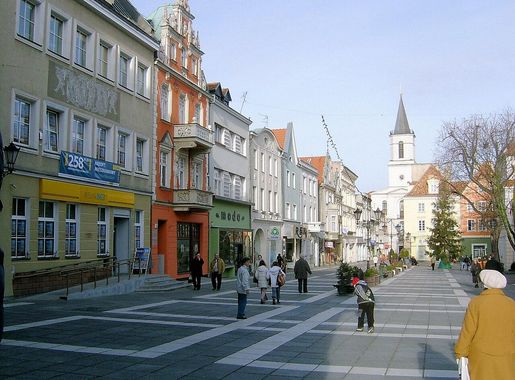


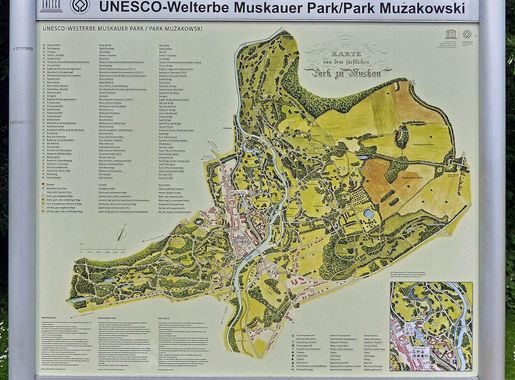


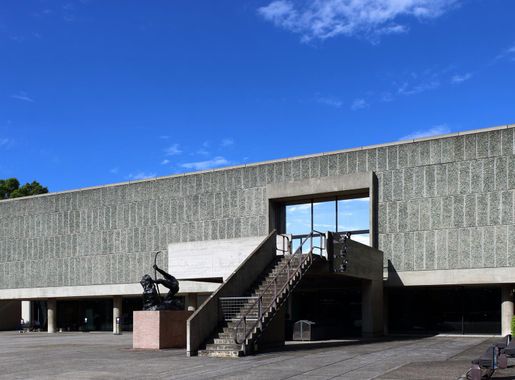

Explore the Enchanting Lubusz Land: Poland's Hidden Gem
Nestled in western Poland, Lubusz Land is a region brimming with natural beauty, rich history, and a vibrant cultural scene. This area is a haven for nature lovers, with sprawling forests, serene lakes, and the majestic Oder River. The lush green landscapes provide a perfect backdrop for outdoor activities such as hiking, cycling, and bird-watching. The region's national parks and nature reserves, like the Warta Mouth National Park, offer a tranquil escape for those looking to reconnect with nature. The towns and cities in Lubusz Land, including Zielona Góra and Gorzów Wielkopolski, blend old-world charm with modern amenities. Zielona Góra, known as the wine capital of Poland, hosts the annual Wine Festival, where visitors can taste delicious local wines and participate in vibrant festivities. The region's historical landmarks, such as the Lubusz Castle and the St. Hedwig Cathedral, provide fascinating insights into Poland's past and architectural heritage. Cultural enthusiasts will find plenty to explore, from local museums and art galleries to lively music and theater scenes. The region's culinary offerings are equally enticing, with traditional Polish dishes prepared using fresh, locally sourced ingredients. Whether you're sampling pierogi, savoring smoked fish, or enjoying a glass of Zielona Góra wine, Lubusz Land promises a memorable gastronomic experience.