Planet Cork, Porto Travel Guide
Free Guide: Discover the fascinating world of cork at Planet Cork, a unique museum in Vila Nova de Gaia showcasing its ecological and cultural significance.


A brief summary of Planet Cork
Discover the fascinating world of cork at Planet Cork, a unique museum in Vila Nova de Gaia showcasing its ecological and cultural significance.
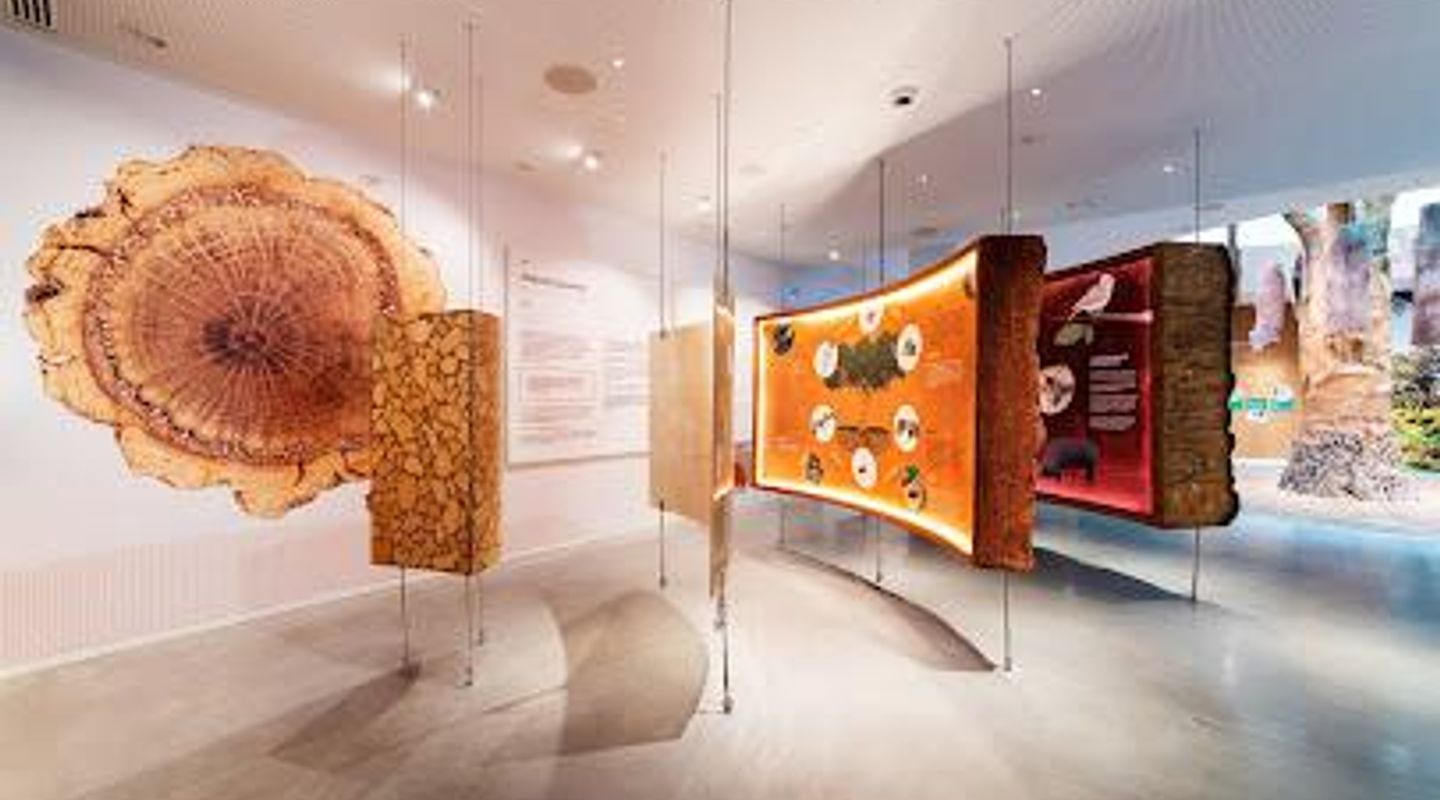
Planet Cork in Vila Nova de Gaia is a captivating museum dedicated to the world of cork, offering visitors an immersive journey into this unique industry. Explore interactive exhibits, learn about the ecological significance of cork, and discover its various uses in art and industry, making it a must-visit for tourists seeking a unique cultural experience.
Opening hours
- Every day10 am–7 pm
Opening hours as listed on the venue’s Google Business Profile. Hours can change for services and special events, so check with the venue before you go.
- Address
- Rua do Choupelo 39, 4400-088 Vila Nova de Gaia
- Phone
- Website
Getting there
Metro
Bus
Walking
Tram
Discover more about Planet Cork
Overview
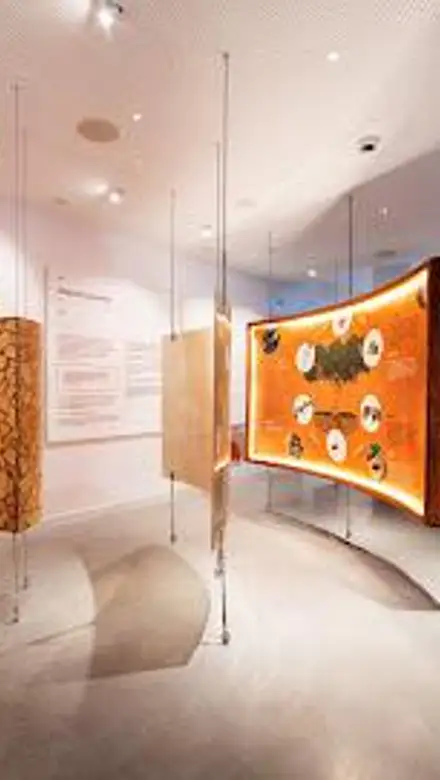
Nestled in Vila Nova de Gaia, Planet Cork is a remarkable museum that brings the fascinating world of cork to life. This innovative attraction delves deep into the history, ecology, and economic importance of cork production, which is integral to Portugal's cultural heritage. Visitors are invited to explore interactive exhibits that showcase the versatility of cork, from sustainable practices in harvesting to its uses in various industries, including construction and fashion. The museum’s engaging displays are designed to educate and inspire, making it suitable for all ages. As you wander through the museum, you will encounter hands-on activities and informative panels that highlight the sustainable nature of cork oak forests and their role in supporting biodiversity. The experience is enhanced by multimedia presentations that illustrate the cork manufacturing process, allowing you to appreciate the craftsmanship involved in creating cork products. Additionally, the museum often features temporary exhibitions and workshops, providing visitors with an opportunity to engage further with the material. Planet Cork is not just a museum; it is a celebration of an essential natural resource that connects the past with contemporary art and design. Whether you're a history buff, an environmental enthusiast, or just looking for a unique attraction during your travels, Planet Cork offers a delightful and educational experience that is sure to leave a lasting impression.
Evendo Review Centre
 Google
Guest reviews
Explore Planet Cork on the map
A handpicked selection of must-see spots near Planet Cork, mapped for you.
Get your free copy of our complete guide to Planet Cork, delivered straight to you.
Everything on this page, from opening hours and how to get there to Eve’s tips and the best time to go, in one PDF you can read offline, print or share.
Already have an account? Sign in
Your Planet Cork guide is ready.
We'll send it to · Not you? Sign out

Getting your guide ready…
We are putting together a fresh copy of the Planet Cork guide. This can take up to a minute.
This can take a few moments. If your browser asks, choose Allow so the download can start. You'll find the guide in your Downloads folder.
Nothing happened? Download it again
Sorry, the guide is taking longer than usual. Please try again in a minute, or get it by email instead.
Other nearby places you may find interesting
The closest places of the same kind, if this one is not quite what you had in mind.
-
-
-
-

-


Swipe for more places
More to explore near Planet Cork

 Best experiences near Planet Cork
 Best hotels near Planet Cork
 Best landmarks near Planet Cork
 Best attractions near Planet Cork
 Best shops near Planet Cork
 Best restaurants near Planet Cork
 Best bars near Planet Cork
Do you manage this location?
Take control to get all the benefits, like improved information, better appearance, and stronger visibility across AI-powered discovery.
Explore more

Explore more of Porto
Explore Porto: Portugal's vibrant city along the Douro River, famous for its Port wine, historic architecture, and delectable cuisine.
Explore Porto
Explore more of Portugal
Discover Portugal: A blend of historic charm, stunning coastlines, and delightful cuisine awaits in this captivating European gem.
Explore Portugal