

Sighisoara Area Travel Guide - Free Web & App
Your ultimate guide to Sighisoara Area. Discover top landmarks, proposed trips, and local tips. Free on the web or via the Evendo companion app.


Discover Sighisoara, a medieval jewel in the heart of Romania, where history, culture, and legendary tales come to life amidst stunning landscapes and charming villages.
Read more about Sighisoara Area
When is the best time to visit Sighisoara Area?
Best: June–August · 24–26°C| Month | High (°C) | Rainfall (mm) |
|---|---|---|
| January | 3 | 23 |
| February | 4 | 21 |
| March | 9 | 25 |
| April | 17 | 35 |
| May | 22 | 48 |
| June (best) | 24 | 56 |
| July (best) | 26 | 66 |
| August (best) | 25 | 61 |
| September | 21 | 51 |
| October | 14 | 41 |
| November | 7 | 31 |
| December | 4 | 26 |
Getting to and around Sighisoara Area
How to get there
Transportation
Best attractions in Sighisoara Area
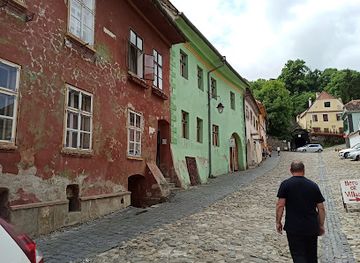
Sighisoara Area in Romania offers visitors a captivating mix of medieval charm, stunning architecture, and rich history. Explore the iconic Clock Tower, climb the covered staircase for panoramic views, visit the birthplace of Vlad the Impaler at the Citadel, and wander through the colorful cobblestone streets lined with artisan shops and cozy cafes. Don't miss the Church on the Hill with its unique cemetery and the hauntingly beautiful Saxon cemetery. With its fairy-tale ambiance and vibrant culture, Sighisoara Area is a must-visit destination for history buffs and adventure seekers alike.
-
Tourist attraction
MYstical transylvania
Explore MYstical Transylvania, where art, history, and local cuisine come together in the heart of Sighișoara.
-
Tourist attraction
Casa Breslelor
Discover the rich heritage of Romanian craftsmanship at Casa Breslelor, a captivating museum in the heart of Sighișoara, showcasing the artistry of local artisans.
-
Tourist attraction
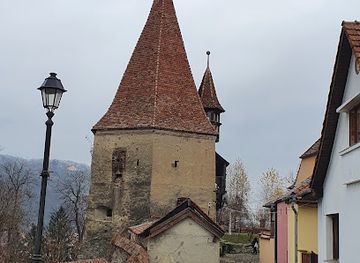
The Tinsmiths' Tower
Explore The Tinsmiths' Tower in Sighișoara, a historical landmark with breathtaking views and a rich medieval heritage.
-
Tourist attraction
Casa lui Vlad Dracul
Discover the legendary Casa lui Vlad Dracul, steeped in history and folklore, in the UNESCO-listed town of Sighișoara, Romania.
Best landmarks in Sighisoara Area
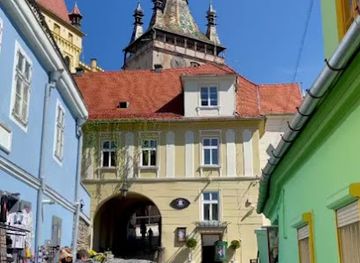
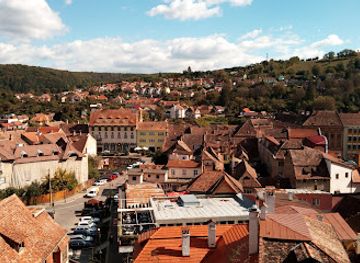
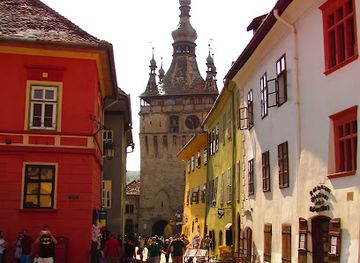
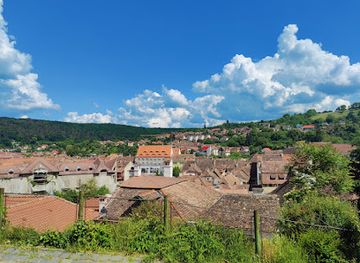
Sighisoara Area in Romania offers visitors a captivating mix of medieval charm and historical significance. The area is best known for its well-preserved citadel, a UNESCO World Heritage Site, where visitors can wander through cobblestone streets lined with colorful buildings and fortified towers. The Clock Tower, Vlad Dracul's House, and the Church on the Hill are just a few of the must-see landmarks that showcase the rich history of the region. In addition to its historical attractions, Sighisoara Area also boasts stunning natural beauty, with rolling hills, lush forests, and picturesque landscapes waiting to be explored.
-
Historical landmark
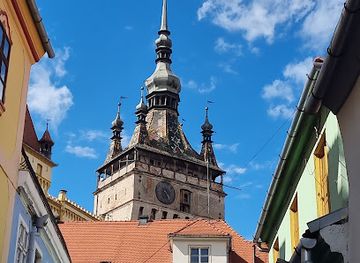
The Clock Tower
Discover the majestic Clock Tower in Sighișoara, a historical landmark that unveils the charm and history of Romania's medieval heritage.
-
Fortress
Sighișoara Citadel
Explore the enchanting Sighișoara Citadel, a UNESCO World Heritage site rich in history, stunning architecture, and vibrant local culture.
-
Tourist attraction
The Covered Stairway
Discover the historic Covered Stairway in Sighișoara, a stunning blend of architecture and history in Romania's medieval heart.
-
Hotel
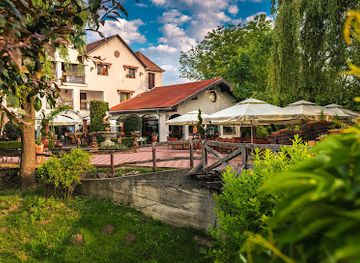
Domeniul Dracula Daneș
Discover the magic of Domeniul Dracula Daneș – a unique blend of adventure, nature, and organic dining in the heart of Sighișoara.
Explore Sighisoara Area on the map
Plan your trip on one map. See where the top attractions, landmarks, restaurants and hotels are, and book hotels and experiences in a few clicks.
Best hotels in Sighisoara Area
Best restaurants in Sighisoara Area
The dining scene in Sighisoara Area is a delightful mix of traditional Romanian cuisine and international flavors, offering visitors a diverse culinary experience. From charming local eateries serving hearty stews and grilled meats to cozy cafes serving up freshly baked pastries and aromatic coffee, there is something to satisfy every palate. Don't miss the chance to sample the famous Transylvanian dishes such as sarmale and mamaliga, as well as the local wines and craft beers. Whether you are looking for a casual meal or a fine dining experience, Sighisoara Area has plenty of options to tempt your taste buds.
-
Restaurant
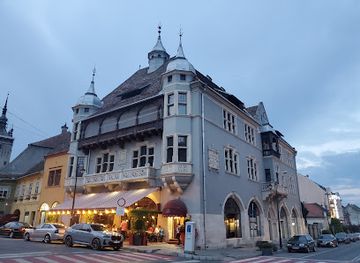
Restaurant La Perla
Experience authentic Romanian cuisine at Restaurant La Perla in Sighișoara—where tradition meets flavor in a cozy setting.
-
Restaurant
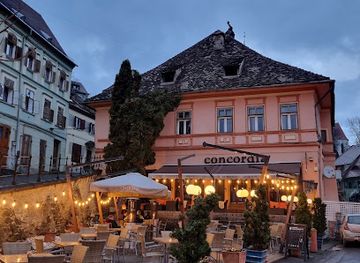
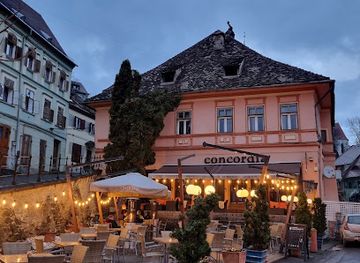
Concordia
Experience exquisite dining at Concordia in Sighișoara, where local flavors meet stunning views from our observation deck.
-
Restaurant
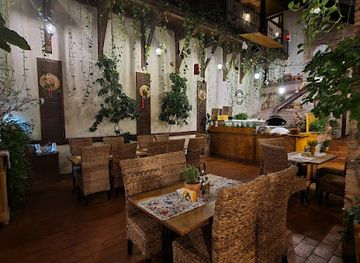
Martini
Experience authentic Romanian flavors at Martini in Sighișoara – where every dish tells a story.
-
Restaurant
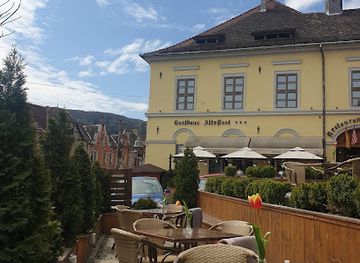
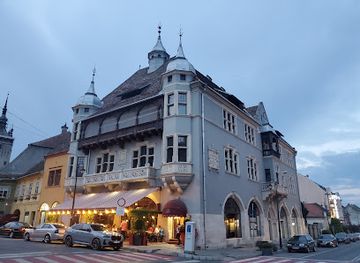
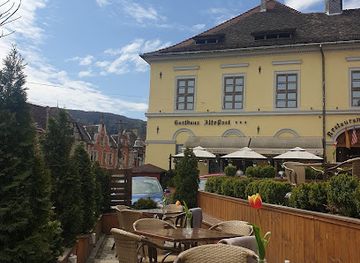
Gasthaus Altepost
Experience authentic Romanian cuisine with stunning views at Gasthaus Altepost in Sighișoara's historic heart.
Best bars in Sighisoara Area
The nightlife scene in Sighisoara Area offers a unique blend of traditional Romanian charm and modern entertainment options. Visitors can enjoy cozy wine bars serving local wines, lively pubs with live music, and trendy nightclubs for those looking to dance the night away. The historic setting of Sighisoara adds an extra layer of magic to the nightlife experience, with many bars and clubs located in centuries-old buildings. Whether you're looking for a relaxed evening sipping wine or a wild night out on the town, Sighisoara Area has something to offer for every taste.
-
Restaurant
Restaurant La Perla
Experience authentic Romanian cuisine and a warm atmosphere at Restaurant La Perla in Sighișoara, a culinary delight for every traveler.
-
Restaurant
Concordia
Discover Concordia, a culinary haven in Sighișoara offering exquisite Romanian and international dishes with stunning views.
-
Restaurant
Martini
Experience the flavors of Romania at Martini, where traditional dishes meet modern culinary excellence in the heart of Sighișoara.
-
Restaurant
Gasthaus Altepost
Discover Gasthaus Altepost in Sighișoara – a family restaurant with fine wines, stunning views, and a taste of Romanian culinary tradition.
Best nightclubs in Sighisoara Area
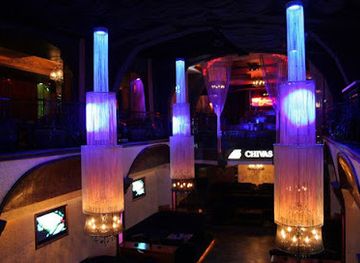
The nightlife scene in Sighisoara Area offers a unique blend of traditional Romanian charm and modern entertainment options. Visitors can enjoy cozy wine bars serving local wines, lively pubs with live music, and trendy nightclubs for those looking to dance the night away. The historic setting of Sighisoara adds an extra layer of magic to the nightlife experience, with many bars and clubs located in centuries-old buildings. Whether you're looking for a relaxed evening sipping wine or a wild night out on the town, Sighisoara Area has something to offer for every taste.
-
Lounge
Vintage Lounge
Experience the charm of Vintage Lounge in Sighișoara, where vintage decor meets modern dining in a cozy atmosphere.
-
Pub
Voynich Cafe & Pub
Discover the vibrant flavors and lively atmosphere at Voynich Cafe & Pub in Sighișoara, your go-to spot for cocktails and local cuisine.
-
Club
Aristocrat Society Club
Discover the vibrant nightlife of Sighișoara at Aristocrat Society Club, where great music and a lively atmosphere await you.
-
Bar
ReFresh
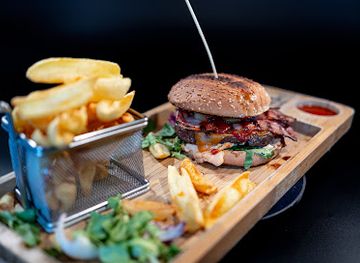
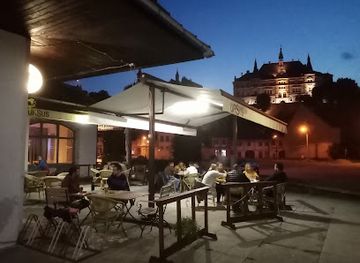
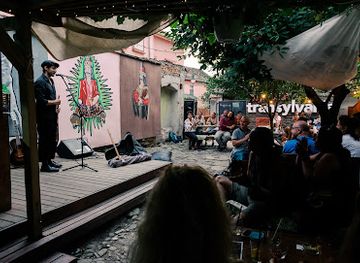
Experience the vibrant flavors of Sighișoara at ReFresh, where delicious falafels and live music create unforgettable memories.
Best shops in Sighisoara Area
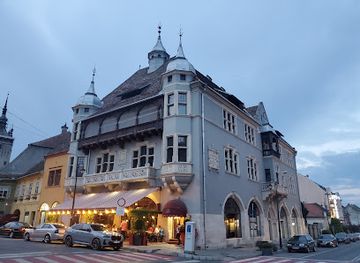
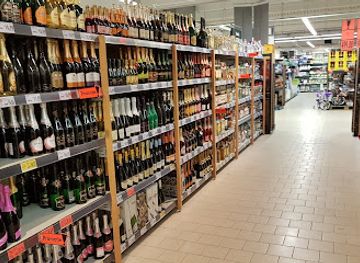
The shopping scene in Sighisoara Area is a delightful mix of traditional and modern offerings, catering to all tastes. Visitors can explore charming local markets filled with handmade crafts, unique souvenirs, and delicious local delicacies. From intricate wood carvings to beautiful handwoven textiles, there is something for everyone to take home as a special reminder of their trip. For those looking for more contemporary shopping experiences, there are also trendy boutiques, art galleries, and antique stores to browse through. Whether you're a history buff or just looking for a unique shopping experience, the Sighisoara Area has something special in store for you.
-
Restaurant
Restaurant La Perla
Experience authentic Romanian and Italian cuisine at Restaurant La Perla, a culinary gem in the heart of Sighișoara, perfect for food lovers.
-
Supermarket
Kaufland
Explore the flavors of Romania at Kaufland Supermarket, Sighișoara's premier destination for fresh produce and local delicacies.
-
Supermarket
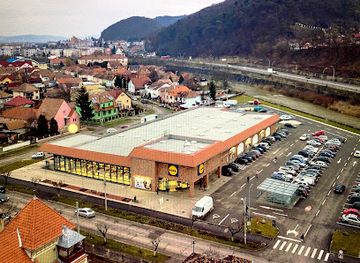
Lidl
Discover affordable quality at Lidl Sighișoara, your one-stop destination for fresh food, bakery delights, and local specialties.
-
Gas station
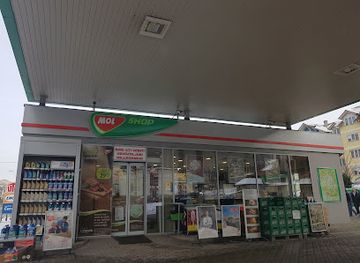
MOL
Discover convenience at MOL Gas Station in Sighișoara, where travelers fuel up and refresh in a clean, friendly environment.
Get your free copy of our complete guide to Sighisoara Area, delivered straight to you.
Everything on this page, from attractions and restaurants to essentials and local phrases, in one PDF you can read offline, print or share.
Already have an account? Sign in
Your Sighisoara Area guide is ready.
We'll send it to · Not you? Sign out

Getting your guide ready…
We are putting together a fresh copy of the Sighisoara Area guide. This can take up to a minute.
This can take a few moments. If your browser asks, choose Allow so the download can start. You'll find the guide in your Downloads folder.
Nothing happened? Download it again
Sorry, the guide is taking longer than usual. Please try again in a minute, or get it by email instead.
Sighisoara Area essentials
Currency and Payment
Safety
Emergency Situations
Do's and Don'ts
Local Tips
From Eve
Local phrases worth knowing
You don't need to get them perfect. A few words go a long way, and locals appreciate the effort.
Basics
| English | Local | Say it |
|---|---|---|
| Hello | Salut | [sah-loot] |
| Goodbye | La revedere | [lah reh-veh-deh-reh] |
| Yes | Da | [dah] |
| No | Nu | [noo] |
| Please/You're welcome | Te rog | [teh rohg] |
| Thank you | Multumesc | [mool-too-mesk] |
| Excuse me/Sorry | Scuza-ma | [skoo-zah mah] |
| How are you? | Ce faci? | [cheh fahch] |
| Fine. And you? | Bine. Si tu? | [bee-neh. see too] |
| Do you speak English? | Vorbesti engleza? | [vor-behs-tee eng-leh-zah] |
| I don't understand | Nu inteleg | [noo een-teh-leg] |
Eating & Drinking
| English | Local | Say it |
|---|---|---|
| I'd like to see the menu, please | As dori sa vad meniul, te rog | [ahs doh-ree sah vahd meh-nyool, teh rohg] |
| I don't eat meat | Nu mananc carne | [noo mahn-ahnk kahr-neh] |
| Cheers! | Noroc! | [noh-rohk] |
| I would like to pay, please | As dori sa platesc, te rog | [ahs doh-ree sah plah-tesk, teh rohg] |
Emergencies
| English | Local | Say it |
|---|---|---|
| Help! | Ajutor! | [ah-yoo-tohr] |
| Go away! | Du-te! | [doo-teh] |
| Call the Police! | Sunati politia! | [soo-nah-tee po-leet-yah] |
| Call a doctor! | Sunati un doctor! | [soo-nah-tee oon dohk-tohr] |
| I'm lost | M-am pierdut | [mahm pye-ehr-dooot] |
| I'm ill | Sunt bolnav | [soont bohl-nahv] |
Shopping
| English | Local | Say it |
|---|---|---|
| I'd like to buy... | As dori sa cumpar... | [ahs doh-ree sah koom-par] |
| I'm just looking | Ma uit doar | [mah ooh-eet doh-ahr] |
| How much is it? | Cat costa? | [kaht kohs-tah] |
| That's too expensive | Este prea scump | [ehs-teh preh-ah skoomp] |
| Can you lower the price? | Poti sa scazi pretul? | [poh-tee sah skah-zee preh-tool] |
Time & Numbers
| English | Local | Say it |
|---|---|---|
| What time is it? | Cate este ora? | [kahteh ehs-teh oh-rah] |
| It's one o'clock | Este ora unu | [ehs-teh oh-rah oo-noo] |
| Half past (10) | Zece si jumatate | [zeh-cheh see zjah-mah-tah-teh] |
| Morning | Dimineata | [dee-mee-neh-ah-tah] |
| Afternoon | Dupa-amiaza | [doo-pah ah-mee-ah-zah] |
| Evening | Seara | [seh-ah-rah] |
| Yesterday | Ieri | [yeh-ree] |
| Today | Azi | [ah-zee] |
| Tomorrow | Maine | [mah-ee-neh] |
| 1 | Unu | [oo-noo] |
| 2 | Doi | [doy] |
| 3 | Trei | [tray] |
| 4 | Patru | [paht-roo] |
| 5 | Cinci | [cheen-chee] |
| 6 | Sase | [sah-sheh] |
| 7 | Sapte | [sahp-teh] |
| 8 | Opt | [ohpt] |
| 9 | Noua | [noo-wah] |
| 10 | Zece | [zeh-cheh] |
Transport & Directions
| English | Local | Say it |
|---|---|---|
| Where's a/the...? | Unde este unul/una...? | [oon-deh ehs-teh oon-ool/ooh-nah] |
| What's the address? | Care este adresa? | [kah-reh ehs-teh ah-dreh-sah] |
| Can you show me (on the map)? | Poti sa ma arati (pe harta)? | [poh-tee sah mah ah-rah-tee (peh hahr-tah)] |
| When's the next (bus)? | Cand vine urmatorul (autobuz)? | [kahnd vee-neh oor-mah-tohr-ool (ow-toh-booz)] |
| A ticket (to ....) | Un bilet (catre ....) | [oon bee-let (kaht-reh)] |
History of Sighisoara Area
Founding of Sighisoara
Sighisoara, known in German as Schäßburg and in Hungarian as Segesvár, was founded in the 12th century by Saxon settlers invited by King Géza II of Hungary. The settlers were brought in to defend the frontier and to develop the area economically. This medieval town is one of the few fortified towns in Europe that is still inhabited.
The Birthplace of Vlad the Impaler
Sighisoara is famously known as the birthplace of Vlad the Impaler, also known as Vlad Dracula, who was born here in 1431. Vlad the Impaler is a historical figure who inspired Bram Stoker's fictional character, Count Dracula. His birthplace is now a museum and restaurant, attracting numerous tourists interested in his legend.
Medieval Fortifications
Sighisoara's fortifications, built in the 14th century, include a series of towers and walls constructed to protect the town from invaders. Notable among these is the Clock Tower, which stands as a symbol of the town. Originally built in the 14th century and later modified in the 16th century, this tower served as the main gate of the city and the town hall for centuries.
The Sighisoara Citadel
The Sighisoara Citadel is a well-preserved medieval fortified city, part of the UNESCO World Heritage list. The citadel includes nine towers, cobbled streets, and burgher houses, reflecting the architectural style of the period. It stands as one of Romania's best-preserved medieval towns and is a significant cultural and historical site.
The Role in the Transylvanian Principality
During the 16th and 17th centuries, Sighisoara played a significant role in the Transylvanian Principality. It was a center of commerce and craftsmanship, contributing to the region's economic development. Many guilds were established here, and the town became known for its skilled artisans and merchants.
The Battle of Sighisoara
In 1849, during the Hungarian Revolution of 1848, the Battle of Sighisoara took place. This battle was part of the larger conflict between Hungarian revolutionaries and the Habsburg Empire. Although the Habsburg forces, supported by Russia, eventually suppressed the revolution, the battle remains a significant historical event.
Cultural Heritage and Festivals
Sighisoara is renowned for its cultural heritage and vibrant festivals. The most famous is the annual Sighisoara Medieval Festival, held in July. This event celebrates the town's medieval history with reenactments, music, dance, and traditional crafts. It attracts visitors from all over the world, eager to experience the historical ambiance.
Sighisoara Area in Photos
Browse through our photo collection highlighting the charm and character of the destination.
Cities in Sighisoara Area
The towns and cities of Sighisoara Area, and the easiest places to base yourself.

Swipe for more cities
Neighbouring destination travel guides
The closest destinations to Sighisoara Area, if you have time for more than one.
-

-

-

-


Swipe for more destinations
Explore more

Explore more of Mureș
Discover Mureș: A captivating mix of history, culture, and natural beauty in Romania's scenic heart.
Explore Mureș
Explore more of Romania
Discover Romania's blend of mystical castles, enchanting landscapes, and vibrant culture. Experience the rich history and natural beauty that make Romania a unique travel destination.
Explore Romania