

Free Mureș Travel Guide & Mobile App
Explore Mureș with free travel guides. Discover regional history, expert tips, proposed trips, and audio guides on web or mobile app.


Explore Mureș County for Sighișoara’s medieval citadel, Târgu Mureș culture, Sovata’s salt lake and the wooded hills of Transylvania.
Read more about Mureș
When is the best time to visit Mureș?
Best: June–August · 24–27°C| Month | High (°C) | Rainfall (mm) |
|---|---|---|
| January | 2 | 25 |
| February | 5 | 25 |
| March | 9 | 30 |
| April | 15 | 40 |
| May | 20 | 50 |
| June (best) | 24 | 60 |
| July (best) | 27 | 65 |
| August (best) | 26 | 60 |
| September | 21 | 45 |
| October | 15 | 35 |
| November | 8 | 30 |
| December | 3 | 30 |
Getting to and around Mureș
How to get there
Transportation
Top city travel guides in Mureș
The cities of Mureș, and the easiest places to base yourself.
-

-


Swipe for more cities
Destinations in Mureș
Resorts, valleys and scenic spots worth a trip of their own.

Swipe for more destinations
Best attractions in Mureș
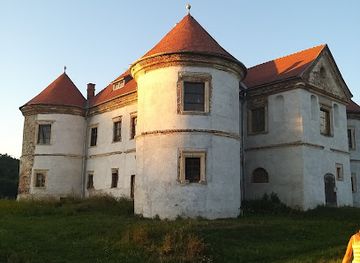
Mureș County’s attractions range from medieval urban heritage to salt landscapes, forested hills and living village traditions. Sighișoara’s UNESCO-listed citadel is the most internationally recognised site, with defensive towers, guild history, historic houses and the Church on the Hill. Târgu Mureș offers the Palace of Culture, the medieval citadel and museums that explain the county’s layered Romanian and Hungarian cultural history. Around Sovata, Bear Lake and the surrounding woodland provide opportunities for walking and spa-oriented visits, while Praid introduces the region’s long relationship with salt extraction. Historic estates such as Teleki Castle at Gornești add an aristocratic and architectural dimension, and fortified churches in villages including Saschiz preserve the defensive character of Transylvanian religious buildings. Reghin and the Gurghiu area are useful for exploring rural scenery, forestry traditions and the transition from town to mountain. The best experiences often come from combining major monuments with unhurried drives through the plateau villages, where churches, orchards, farmyards and small local museums reveal the county’s everyday heritage.
-
Zoo
Zoo Tîrgu Mureș - Marosvásárhelyi Állatkert
Explore the diverse wildlife of Zoo Târgu Mureș, a top-rated tourist attraction in Romania, offering an unforgettable experience for all visitors.
-
Fortress
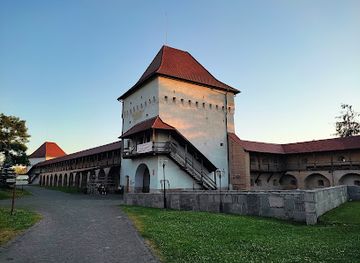
Medieval Fortress of Târgu Mureș
Explore the Medieval Fortress of Târgu Mureș, a historical landmark steeped in rich heritage, offering stunning architecture and captivating views.
-
Historical landmark
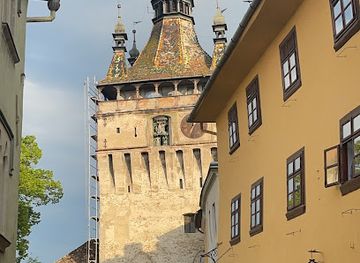
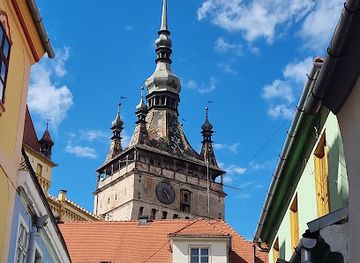
The Clock Tower
Explore The Clock Tower in Sighișoara, a historical landmark that offers stunning views and a glimpse into Romania's medieval past.
-
Park
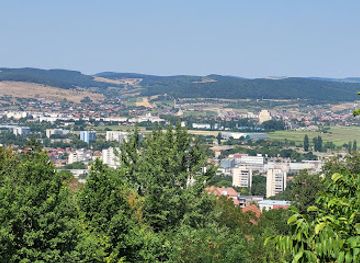
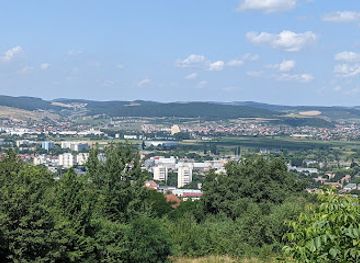
Platoul Cornești - Somostető
Explore Platoul Cornești, a beautiful park in Târgu Mureș, offering lush landscapes, playgrounds, and stunning views for a perfect family day out.

Best landmarks in Mureș
Sighișoara’s hilltop citadel is Mureș County’s defining landmark, recognised by its defensive walls, clock tower, guild towers and tightly packed medieval houses. The Clock Tower is the most prominent visual marker, while the covered staircase leading towards the Church on the Hill illustrates the steep historic structure of the town. In Târgu Mureș, the Palace of Culture is an important civic monument of the early twentieth century, distinguished by its Hungarian Secession architecture, decorative interiors and stained glass. The city’s medieval citadel adds an older military layer, with walls and bastions integrated into the modern centre. Bear Lake at Sovata is the county’s best-known natural landmark: its salt-water setting and unusual thermal properties have shaped the resort’s identity. In the countryside, fortified churches such as the one at Saschiz mark the defensive religious architecture of Saxon Transylvania, while Teleki Castle at Gornești represents the county’s aristocratic estate tradition and the cultural ambitions of its historic landowning families.
-
Zoo
Zoo Tîrgu Mureș - Marosvásárhelyi Állatkert
Experience the beauty of wildlife at Zoo Târgu Mureș, a top tourist attraction in Romania showcasing diverse species and enriching educational experiences.
-
Fortress
Medieval Fortress Târgu Mureș
Discover the rich history and stunning architecture of Târgu Mureș's Medieval Fortress, a key historical landmark in Romania.
-
Historical landmark
The Clock Tower
Explore the historic Clock Tower of Sighișoara, a mesmerizing landmark offering rich history, stunning views, and a taste of medieval charm.
-
Park
Platoul Cornești - Somostető
Experience the lush landscapes and family-friendly activities at Platoul Cornești - Somostető in Târgu Mureș, a perfect escape into nature's embrace.
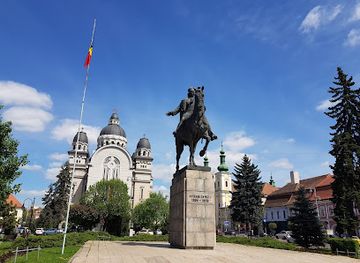
Explore Mureș on the map
Plan your trip on one map. See where the top cities, national parks and sights are, and book hotels and experiences in a few clicks.
Best hotels in Mureș
Best restaurants in Mureș
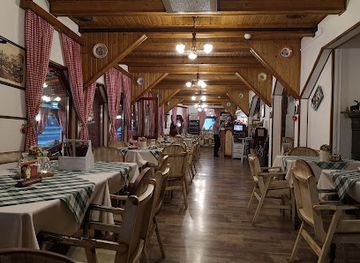
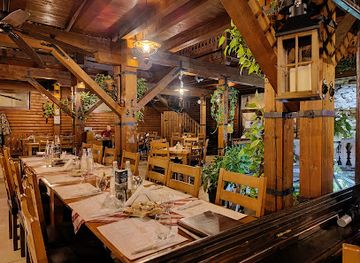
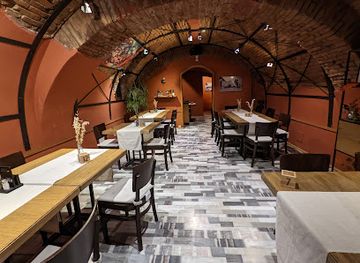
Dining in Mureș reflects the meeting of Romanian, Hungarian and Transylvanian Saxon traditions rather than a single narrowly defined cuisine. Târgu Mureș and Sighișoara offer the widest range, from contemporary restaurants and cafés to traditional establishments serving soups, grilled meats, stuffed cabbage, stews and seasonal vegetables. Hungarian-influenced dishes such as goulash, paprika-seasoned preparations, savoury pastries and sweet cakes are common in parts of the county, while Romanian cooking contributes polenta, sour soups, cheeses, smoked products and home-style pork dishes. Around Sovata and Praid, guesthouses and restaurants often emphasise hearty regional food suited to visitors spending time outdoors or at the spas. Markets and bakeries are good places to find fresh bread, dairy products, cakes and locally made preserves. Fruit brandies and plum-based spirits occur in rural areas, but they are local products rather than a requirement of dining culture; ask about ingredients and strength before accepting a tasting.
-
Hungarian
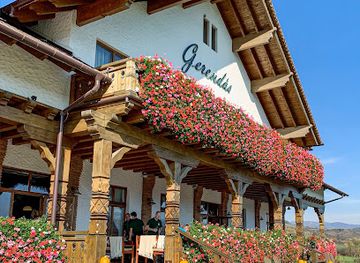
Gerendás Panzió
Discover authentic Hungarian cuisine at Gerendás Panzió in Ghindari—where every meal is a taste of tradition and warmth.
-
Restaurant
Restaurant Pensiune Lyra | mâncare tradițională, preparate bbq, livrare mures, restaurant mures
Savor the essence of Romanian and Hungarian cuisine at Restaurant Pensiune Lyra with delicious BBQ dishes in a cozy setting.
-
Restaurant
Laci Csárda
Savor authentic Romanian cuisine at Laci Csárda in Târgu Mureș, where tradition meets flavor in every dish.
-
Restaurant
Taverna Diavolului
Experience authentic Romanian cuisine in Târgu Mureș at Taverna Diavolului - where tradition meets taste.
Best bars in Mureș
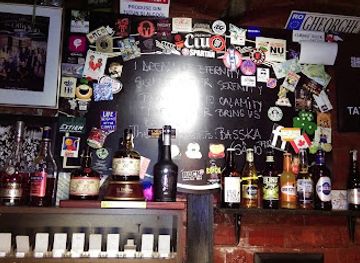
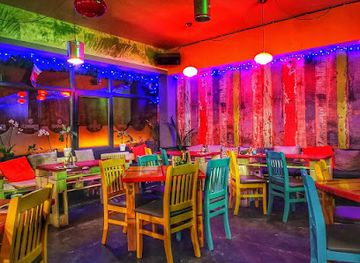
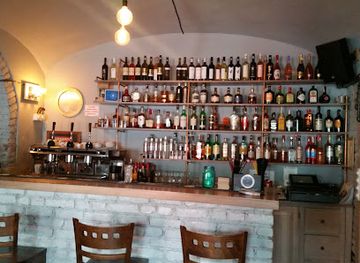
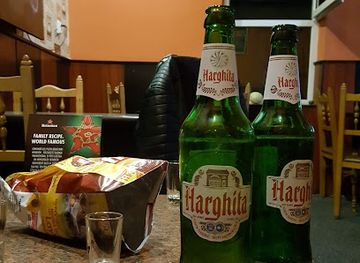
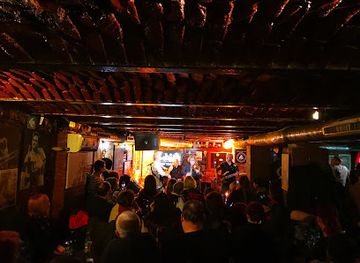
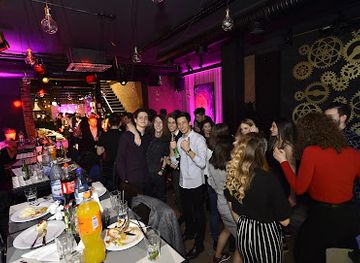
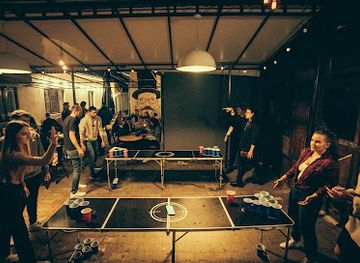
Evening life in Mureș is concentrated in Târgu Mureș and Sighișoara, with a smaller, seasonal presence in Sovata and other resort towns. Târgu Mureș has the broadest choice of cafés, pubs, wine bars, restaurants and live-music settings, supported by its student population and cultural institutions. In Sighișoara, the historic centre provides atmospheric cafés, hotel bars and traditional-style venues, although the nightlife is generally quieter and more visitor-oriented than that of a major Romanian city. Sovata’s evenings tend to centre on restaurant terraces, hotel facilities and relaxed spa-town socialising, particularly in summer. Across the county, pubs and cafés are more important than large nightclubs, and some venues close earlier outside the main tourist season. Cultural programmes, concerts and theatre can offer a more locally rooted evening than drinking venues alone, so check current listings in the main towns.
-
Pub
The Office - Clubul Presei
Discover the lively atmosphere and local flavors at The Office - Clubul Presei, a premier pub in Târgu Mureș, perfect for a night out.
-
Pub
The Corner Pub
Experience Târgu Mureș's vibrant nightlife and local flavors at The Corner Pub, the perfect spot for tourists to unwind and socialize.
-
Pub
The BackStage
Experience the vibrant nightlife of Târgu Mureș at The BackStage, where local flavors meet lively entertainment in a cozy pub setting.
-
Bar
Roby Bar
Discover the charm of Roby Bar in Târgu Mureș, where locals and tourists enjoy a delightful selection of drinks in a cozy atmosphere.
Best nightclubs in Mureș
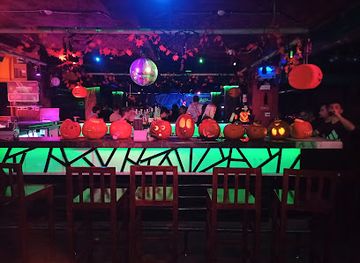
Evening life in Mureș is concentrated in Târgu Mureș and Sighișoara, with a smaller, seasonal presence in Sovata and other resort towns. Târgu Mureș has the broadest choice of cafés, pubs, wine bars, restaurants and live-music settings, supported by its student population and cultural institutions. In Sighișoara, the historic centre provides atmospheric cafés, hotel bars and traditional-style venues, although the nightlife is generally quieter and more visitor-oriented than that of a major Romanian city. Sovata’s evenings tend to centre on restaurant terraces, hotel facilities and relaxed spa-town socialising, particularly in summer. Across the county, pubs and cafés are more important than large nightclubs, and some venues close earlier outside the main tourist season. Cultural programmes, concerts and theatre can offer a more locally rooted evening than drinking venues alone, so check current listings in the main towns.
-
Disco club
Jazz&Blues Club
Discover Târgu Mureș's vibrant Jazz & Blues Club, where soulful music and a lively atmosphere unite for unforgettable nights.
-
Pub
The Office - Clubul Presei
Experience the vibrant nightlife of Târgu Mureș at The Office - Clubul Presei, a must-visit pub with local drinks, good vibes, and late-night ambiance.
-
Night club
Zambara Bistro & Lounge
Zambara Bistro & Lounge: A vibrant nightlife haven in Târgu Mureș, blending exceptional cuisine with high-energy entertainment.
-
Pub
The BackStage
Explore the vibrant atmosphere at The BackStage pub in Târgu Mureș, where local culture, delicious drinks, and live music come together for an unforgettable night.
Best shops in Mureș
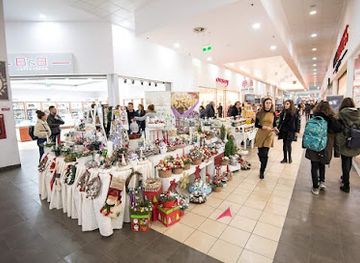
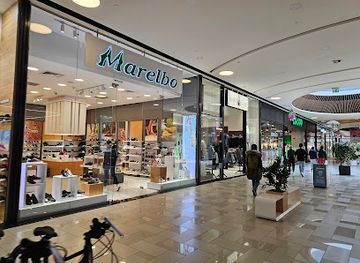
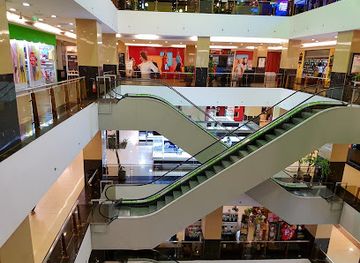
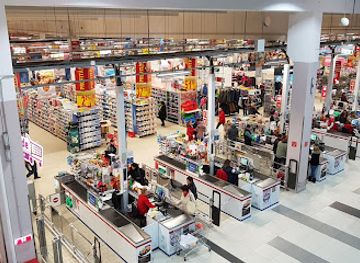
Shopping in Mureș is strongest in the county’s market towns rather than in a single regional retail district. Târgu Mureș has the broadest selection of high-street shops, supermarkets, independent retailers, bookshops and cafés, while Sighișoara’s historic centre focuses on small galleries, craft outlets, antiques, decorations and visitor-oriented souvenirs. Local markets are useful for seasonal fruit, vegetables, honey, cheeses, preserves and baked goods, although their selection and operating days vary. In Sovata and Praid, shops commonly feature salt-related products, postcards, regional foods and practical spa items. Visitors looking for meaningful souvenirs should consider Transylvanian ceramics, woven goods, carved wooden objects, local honey or packaged food products, checking provenance where handmade claims are made. Reghin and the smaller towns have a more everyday shopping character, with traditional bakeries and produce stalls offering a closer view of local consumption than polished tourist retail.
-
Shopping mall
PlazaM
Discover the ultimate shopping experience at PlazaM, Târgu Mureș's premier shopping mall with diverse stores, dining, and entertainment options.
-
Shopping mall
Shopping City Târgu Mureș
Experience the vibrant shopping culture and diverse dining options at Shopping City Târgu Mureș, the top destination for retail and leisure.
-
Shopping mall
Mureș Mall
Discover a diverse selection of shops and dining at Mureș Mall, a premier shopping destination in Târgu Mureș, Romania.
-
Hypermarket
ATAC
Explore Târgu Mureș like a local at ATAC Hypermarket – your gateway to authentic Romanian products and essentials.
Get your free copy of our complete guide to Mureș, delivered straight to you.
Everything on this page, from attractions and restaurants to essentials and local phrases, in one PDF you can read offline, print or share.
Already have an account? Sign in
Your Mureș guide is ready.
We'll send it to · Not you? Sign out

Getting your guide ready…
We are putting together a fresh copy of the Mureș guide. This can take up to a minute.
This can take a few moments. If your browser asks, choose Allow so the download can start. You'll find the guide in your Downloads folder.
Nothing happened? Download it again
Sorry, the guide is taking longer than usual. Please try again in a minute, or get it by email instead.
Mureș essentials
Currency and Payment
Safety
Emergency Situations
Do's and Don'ts
Local Tips
From Eve
Local phrases worth knowing
You don't need to get them perfect. A few words go a long way, and locals appreciate the effort.
Basics
| English | Local | Say it |
|---|---|---|
| Hello | Bună | [Boo-nuh] |
| Goodbye | La revedere | [Lah reh-veh-deh-reh] |
| Yes | Da | [Dah] |
| No | Nu | [Noo] |
| Please/You’re welcome | Te rog/ Cu plăcere | [Teh rohg/ Koo pluh-cheh-reh] |
| Thank you | Mulțumesc | [Mool-tsoo-mesk] |
| Excuse me/Sorry | Scuză-mă/Îmi pare rău | [Skoo-zah-muh/ Uhm pah-reh roh] |
| How are you? | Ce mai faci? | [Cheh mai fahch?] |
| Fine. And you? | Bine. Și tu? | [Bee-neh. Shee too?] |
| Do you speak English? | Vorbești engleză? | [Vor-besht eng-leh-zuh?] |
| I don't understand | Nu înțeleg | [Noo uhn-tseh-leg] |
Eating & Drinking
| English | Local | Say it |
|---|---|---|
| I’d like to see the menu, please | Aș dori să văd meniul, te rog | [Ash doh-ree sah vehd meh-nyool, teh rohg] |
| I don’t eat meat | Nu mănânc carne | [Noo muh-nuh-nk kar-neh] |
| Cheers! | Noroc! | [No-rohk] |
| I would like to pay, please | Aș dori să plătesc, te rog | [Ash doh-ree sah plah-tehsk, teh rohg] |
Emergencies
| English | Local | Say it |
|---|---|---|
| Help! | Ajutor! | [Ah-zhoo-tor] |
| Go away! | Du-te! | [Doo-teh] |
| Call the Police! | Sună Poliția! | [Soo-nah Poh-lee-tsee-ah] |
| Call a doctor! | Sună un doctor! | [Soo-nah oon dok-tor] |
| I’m lost | M-am pierdut | [Mahm pyehr-doot] |
| I’m ill | Sunt bolnav | [Soont bol-nahv] |
Shopping
| English | Local | Say it |
|---|---|---|
| I’d like to buy... | Aș dori să cumpăr... | [Ash doh-ree sah koom-pair...] |
| I’m just looking | Mă uit doar | [Muh uit dor] |
| How much is it? | Cât costă? | [Koot koh-stah?] |
| That’s too expensive | E prea scump | [Eh pree-ah skoomp] |
| Can you lower the price? | Poti să scazi prețul? | [Poh-tee sah skahz preh-tsool?] |
Time & Numbers
| English | Local | Say it |
|---|---|---|
| What time is it? | Ce oră este? | [Cheh oh-ruh yeh-steh?] |
| It’s one o’clock | Este o oră | [Yes-teh o oh-ruh] |
| Half past (10) | Jumătate după (10) | [Joo-mah-tah-teh doo-pah (10)] |
| Morning | Dimineață | [Dee-mee-nya-tsah] |
| Afternoon | După-amiază | [Doo-pah ah-mee-ah-zah] |
| Evening | Seară | [Sah-rah] |
| Yesterday | Ieri | [Yair] |
| Today | Astăzi | [Ahs-tuhz] |
| Tomorrow | Mâine | [Mih-neh] |
| 1 | 1 | [1] |
| 2 | 2 | [2] |
| 3 | 3 | [3] |
| 4 | 4 | [4] |
| 5 | 5 | [5] |
| 6 | 6 | [6] |
| 7 | 7 | [7] |
| 8 | 8 | [8] |
| 9 | 9 | [9] |
| 10 | 10 | [10] |
Transport & Directions
| English | Local | Say it |
|---|---|---|
| Where's a/the...? | Unde e un/ o...? | [Oon-deh eh oon/ oh...?] |
| What’s the address? | Care este adresa? | [Kah-reh yeh-steh ah-dreh-sah?] |
| Can you show me (on the map)? | Îmi poți arăta (pe hartă)? | [Uhm pohts ah-rah-tah (peh hahr-tah)?] |
| When’s the next (bus)? | Când vine următorul (autobuz)? | [Kund vee-neh oor-mah-tor-ool (ow-toh-booz)?] |
| A ticket (to ....) | Un bilet (la ....) | [Oon bee-let (lah ....)] |
History of Mureș
Prehistoric settlement and the Dacian-Roman frontier
The Mureș valley and surrounding Transylvanian plateaux have supported human settlement since prehistoric times, benefiting from water, fertile soils, forests and routes across the interior of the Carpathian Basin. Communities associated with the Dacians occupied the wider region before the Roman conquest, while Roman power shaped parts of central Transylvania after Dacia became a province in the early second century. The county does not contain the best-known Roman centres of western Transylvania, but its valleys and transport corridors formed part of the broader landscape through which people, goods and military influence moved.
Medieval colonisation and the growth of Sighișoara
From the twelfth century, the Hungarian Crown encouraged Saxon settlers to establish towns and villages in Transylvania. Sighișoara, known historically as Schäßburg and Segesvár, developed as a fortified Saxon urban centre on a strategic hill above the Târnava Mare valley. Its craft guilds, defensive towers and merchants contributed to a network of Transylvanian towns whose economic importance rested on trade and skilled production. The surviving citadel, churches and burgher houses reflect this medieval urban culture, although the town’s history also includes centuries of interaction among Romanian, Hungarian, Saxon and other communities.
Estates, churches and early modern Transylvania
After the medieval period, Mureș became part of the changing political world of the Principality of Transylvania and later the Habsburg lands. Noble families, including the Teleki family, established estates, libraries and residences in the county, while villages and market towns adapted to shifting political and religious conditions. Reformation-era changes influenced the region’s churches, particularly among German-speaking and Hungarian communities. Fortified churches and manor houses were not merely architectural statements: they served as places of worship, centres of local administration and, at times, refuges during periods of conflict.
Târgu Mureș as a cultural and administrative centre
Târgu Mureș expanded in importance during the eighteenth and nineteenth centuries as a market, educational and administrative centre. Its population and institutions reflected the multi-ethnic character of Transylvania, with Romanian and Hungarian cultural life developing alongside Jewish and other communities. The city’s early twentieth-century Palace of Culture expresses the prosperity and civic ambition of the period through its elaborate interiors, stained glass and Hungarian Secession style. The growth of schools, theatres, printing and public institutions gave Târgu Mureș a cultural influence extending well beyond the Mureș valley.
1848 and the transformation of political identity
The revolutionary year 1848 brought major political and social tensions to Transylvania. Demands for constitutional reform, national recognition and the end of feudal obligations affected Romanian and Hungarian communities in different ways, and the wider region experienced conflict during the revolutionary period. Although Mureș was not defined by one single event, the county’s towns and villages were drawn into the competing projects that later shaped modern Romanian and Hungarian political identities. The period remains important for understanding the layered national, linguistic and social history visible in central Transylvania.
Industrialisation, railways and twentieth-century change
Railway connections and modern administration altered the relationship between Mureș’s towns and villages during the late nineteenth and twentieth centuries. Târgu Mureș, Reghin and other centres developed manufacturing, food processing, timber-related activity and services, while salt extraction around Praid and spa development at Sovata became increasingly important. After the Second World War, state socialism brought further industrial growth, urban expansion and collectivisation in the countryside. The period also changed the appearance of towns through apartment construction and infrastructure projects, leaving a twentieth-century layer alongside older medieval and Austro-Hungarian buildings.
Post-1989 heritage and regional renewal
The fall of communism in 1989 brought economic restructuring, private enterprise and renewed attention to historic conservation. Sighișoara’s citadel gained international prominence through UNESCO recognition, while Târgu Mureș and the spa towns developed new cultural, hospitality and wellness economies. At the same time, rural communities have faced population loss and changing agricultural patterns. Contemporary Mureș is therefore shaped by both preservation and adaptation: medieval streets, fortified churches and traditional foods remain central to the visitor experience, while modern cultural institutions and cross-border connections continue to redefine the county.
Mureș in Photos
Browse through our photo collection highlighting the charm and character of the destination.
Neighbouring regions of Mureș
The closest regions to Mureș, if you have time for more than one.
-

-

-

-

-


Swipe for more regions
Explore more

Explore more of Romania
Discover Romania's blend of mystical castles, enchanting landscapes, and vibrant culture. Experience the rich history and natural beauty that make Romania a unique travel destination.
Explore Romania