
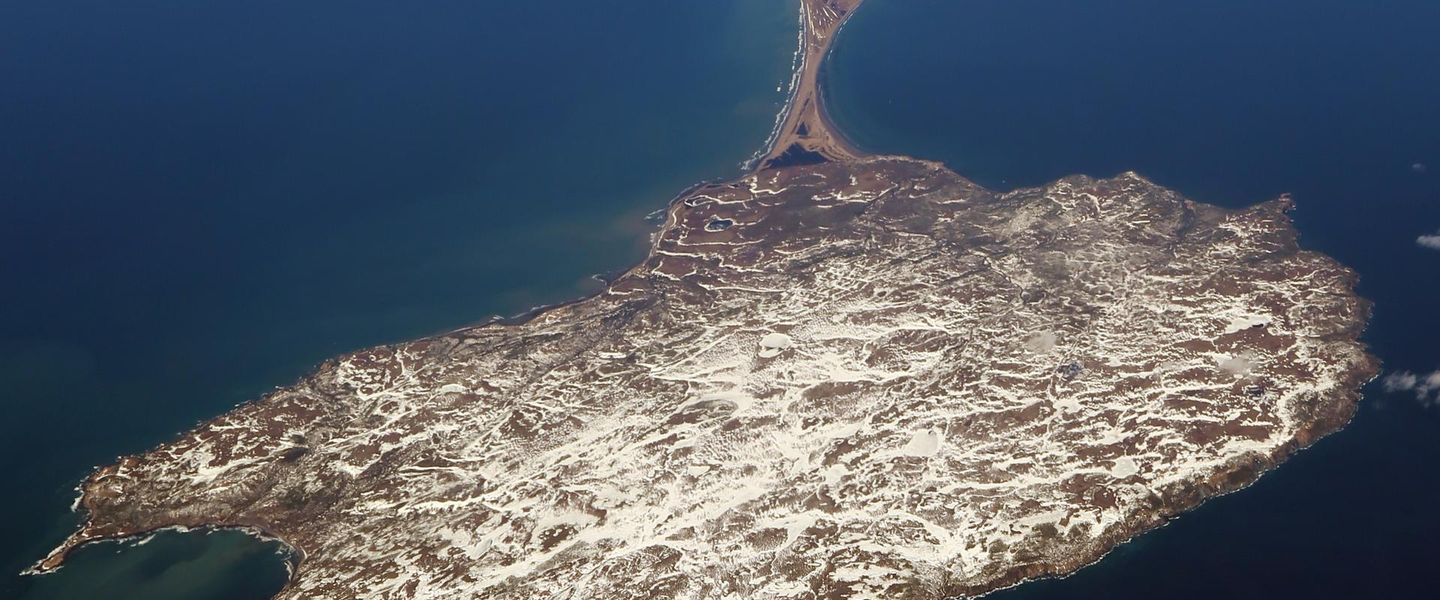
Langlade Island, Saint Pierre and Miquelon Travel Guide
Discover Langlade Island in Saint Pierre and Miquelon: A Tranquil Haven with Pristine Beaches, Lush Forests, Rich History, and Abundant Wildlife.
Langlade Island, part of the Saint Pierre and Miquelon archipelago, is a serene and unspoiled destination perfect for nature lovers and adventurers. This small island offers an escape from the hustle and bustle of city life, with its pristine beaches, lush forests, and abundant wildlife. Visitors can explore the island's beautiful landscapes by hiking the numerous trails that wind through its forests and along its coastlines. The island is also home to several unique species of birds, making it a paradise for birdwatchers. The clear waters surrounding Langlade offer excellent opportunities for fishing and kayaking. History enthusiasts will appreciate the island's rich past, with remnants of old settlements and historical sites scattered throughout. The island's charm lies in its tranquility and the warm hospitality of its residents, making it a perfect retreat for those looking to relax and unwind.

Know before you go
Hi, I'm Eve. Here are a few practical things to know before exploring Langlade Island.
- Pack layers as the weather can change quickly.
- Bring binoculars for birdwatching.
- Local guides offer insightful tours on the island's history.
- Try the local seafood, it's fresh and delicious.
- Plan your visit during the summer for the best weather.
Top City Travel Guides in Langlade Island
The cities of Langlade Island, and the easiest places to base yourself.

Explore Langlade Island: Things to Do, Places to Eat, Hotels & More
Handpicked recommendations for top attractions, local dining, accommodations, and more

Top Attractions & Sightseeing in Langlade Island
Top-rated picks
Best Attractions

Ark Museum
Explore the rich culture and history of St. Pierre & Miquelon at the Ark Museum, a national treasure showcasing unique artifacts and stories.

Heritage Museum
Uncover the vibrant history and culture of Saint-Pierre at the Heritage Museum, a must-see destination for every traveler.

Cathedral of Saint Pierre at Saint Pierre et Miquelon
Discover the architectural elegance and spiritual serenity of the Cathedral of Saint Pierre in stunning Saint Pierre et Miquelon.

Nature Interpretation Center
Explore the captivating beauty and biodiversity of St. Pierre & Miquelon's Nature Interpretation Center, where education meets adventure.

Best landmarks in Langlade Island
Top-rated picks
Best Landmarks

Langlade Island
Experience the serene landscapes and rich biodiversity of Langlade Island, a hidden paradise in St Pierre and Miquelon perfect for nature lovers and adventurers.

Camping Area - The 3 Trees
Discover the peace of Camping Area - The 3 Trees in St. Pierre and Miquelon, where nature meets tranquility for an unforgettable camping experience.

Régie des transports maritimes
Discover the maritime beauty of St. Pierre & Miquelon with Régie des Transports Maritimes, your gateway to scenic ferry adventures.

Pointe Plate
Discover the untouched beauty and rich cultural heritage of Pointe Plate, a stunning peninsula in St Pierre and Miquelon, perfect for nature and history lovers.

Best restaurants in Langlade Island
Top-rated picks
Best Restaurants

Le Feu de Braise
Experience the best of local flavors at Le Feu de Braise, Saint-Pierre's beloved pizza restaurant offering delicious dishes in a warm atmosphere.

Les P'tits Graviers
Discover the authentic taste of Saint-Pierre at Les P'tits Graviers – where local flavors meet warm hospitality.

Bar Le Rustique
Experience the warmth of Bar Le Rustique in Saint-Pierre: where great drinks meet charming ambiance.

Le Select
Discover Le Select: A culinary gem in Saint-Pierre offering exquisite local flavors and an unforgettable dining atmosphere.

Best bars in Langlade Island
Top-rated picks
Best Bars

Le Feu de Braise
Experience the authentic taste of St. Pierre & Miquelon at Le Feu de Braise, where delicious pizzas and warm hospitality await every visitor.

Les P'tits Graviers
Experience the rich flavors of St. Pierre & Miquelon at Les P'tits Graviers, where fresh ingredients meet culinary excellence in a cozy setting.
Hotel Robert
Experience comfort and charm at Hotel Robert, your perfect base for exploring the beauty of Saint-Pierre and Miquelon.

Bar Le Rustique
Discover the vibrant nightlife of Saint-Pierre at Bar Le Rustique, where great drinks and friendly faces await in a cozy setting.

Best nightclubs in Langlade Island
Top-rated picks
Best Nightclubs

Bar Le Rustique
Discover Bar Le Rustique in Saint-Pierre, an inviting bar offering a delightful selection of drinks and a taste of local culture amidst a cozy atmosphere.

Langlade Island
Experience the unspoiled beauty of Langlade Island, where adventure meets tranquility in the heart of St Pierre and Miquelon.

Chez Txetxo
Discover the vibrant atmosphere of Chez Txetxo, a charming bar in St. Pierre offering a unique taste of local culture and delicious drinks.

Le Baratin
Discover the vibrant local culture at Le Baratin, a charming bar in Saint-Pierre offering delightful drinks and a friendly atmosphere.

Best shops in Langlade Island
Top-rated picks
Best Shops

Centre de Rénovation Marcel Dagort S.A.R.L.
Explore the Centre de Rénovation Marcel Dagort in Saint-Pierre Et Miquelon for a diverse selection of quality hardware and home improvement solutions.

Chez Julien Butcher and Grocery Store
Discover the authentic tastes of St. Pierre & Miquelon at Chez Julien Butcher and Grocery Store, where local quality meets culinary passion.

Chez Clochet
Explore the delightful Chez Clochet in Saint-Pierre, St. Pierre & Miquelon - your go-to general store for local treasures and souvenirs.

Chez L'tournel
Explore the flavors of St. Pierre at Chez L'tournel, your local grocery store for fresh produce and unique culinary delights.

Explore Langlade Island on the Map
A handpicked selection of must-see spots in Langlade Island, mapped for you.
Langlade Island Essentials
-
Langlade Island is part of the Saint Pierre and Miquelon archipelago, located off the coast of Newfoundland, Canada. The most common way to reach Langlade is by taking a ferry from Saint Pierre Island, which itself can be accessed via flights from Canada (notably from St. John's, Newfoundland) and France. Ferry schedules can vary, so it is advisable to check in advance and book your tickets early.
-
Langlade Island is relatively small, and many attractions can be explored on foot or by bicycle. There are no public transportation systems on the island, but car rentals are available for those wishing to explore at their own pace. Taxis are not common, so arranging transportation in advance is recommended. Walking and cycling are great ways to take in the island's natural beauty.
-
The official currency is the Euro (EUR). Credit cards are accepted in most hotels, restaurants, and shops, but it is advisable to carry some cash for smaller establishments and local markets. ATMs are available in Saint Pierre, but it is recommended to withdraw sufficient cash before heading to Langlade Island.
-
Langlade Island is generally safe for tourists. There are no specific areas with high crime rates targeting tourists, but it is always advisable to stay vigilant and be aware of your surroundings. Keep an eye on personal belongings, especially in crowded places and during ferry transfers. Avoid isolated areas at night.
-
In case of emergency, dial 17 for police assistance, 18 for fire emergencies, and 15 for medical emergencies. The nearest medical facilities and police stations are located on Saint Pierre Island, so it is important to have travel insurance that covers medical emergencies. For minor health issues, there are pharmacies on Saint Pierre Island where you can purchase over-the-counter medications.
-
Fashion: Do dress in layers, as the weather can be unpredictable. Comfortable walking shoes are essential. Avoid overly casual clothing in more formal settings. Religion: Do respect local customs and traditions. While there are no significant religious restrictions, it is always good to be mindful of local practices. Public Transport: Do plan your transportation in advance, as options are limited. Don't expect regular public transport services. Greetings: Do greet people with a friendly 'Bonjour.' A handshake is a common greeting. Eating & Drinking: Do try local specialties, particularly seafood. Don't refuse hospitality, as it may be considered impolite.
-
To experience Langlade Island like a local, consider visiting during local festivals and events, which offer an authentic glimpse into the island's culture and traditions. The island is known for its stunning natural landscapes, so take time to explore the hiking trails and enjoy bird watching. Engage with locals, as they are often friendly and willing to share insights about the island's history and culture.
When is the best time to visit Langlade Island?
Useful Local Phrases for Langlade Island
You don't need to speak the language perfectly. Even learning a few simple words can make conversations warmer—and locals usually appreciate the effort.
— Eve

Here are the phrases I use most often in Langlade Island. Try a few—you'll be surprised how far they go! 😊
❤️
-
- HelloBonjour
[bawn-zhoor] - GoodbyeAu revoir
[oh ruh-vwahr] - YesOui
[wee] - NoNon
[noh] - Please/You're welcomeS'il vous plaît
[seel voo pleh] - Thank youMerci
[mehr-see] - Excuse me/SorryExcusez-moi
[ehk-skew-zay mwah] - How are you?Comment ça va?
[koh-mahn sah vah] - Fine. And you?Bien. Et vous?
[byehn. eh voo] - Do you speak English?Parlez-vous anglais?
[par-lay voo ahn-glay] - I don't understandJe ne comprends pas
[zhuh nuh kohm-prahnd pah]
- HelloBonjour
-
- I'd like to see the menu, pleaseJe voudrais voir le menu, s'il vous plaît
[zhuh voo-dray vwar luh meh-nu, seel voo pleh] - I don't eat meatJe ne mange pas de viande
[zhuh nuh mahnzh pah duh vyahnd] - Cheers!Santé!
[sahn-tay] - I would like to pay, pleaseJe voudrais payer, s'il vous plaît
[zhuh voo-dray pay-ay, seel voo pleh]
- I'd like to see the menu, pleaseJe voudrais voir le menu, s'il vous plaît
-
- Help!Au secours!
[oh suh-koor] - Go away!Allez-vous-en!
[ah-lay voo-zahn] - Call the Police!Appelez la police!
[ah-peh-lay lah poh-lees] - Call a doctor!Appelez un médecin!
[ah-peh-lay uhn meh-deh-sahn] - I'm lostJe suis perdu
[zhuh swee pair-doo] - I'm illJe suis malade
[zhuh swee mah-lahd]
- Help!Au secours!
-
- I'd like to buy...Je voudrais acheter...
[zhuh voo-dray ah-sheh-tay] - I'm just lookingJe regarde juste
[zhuh ruh-gard zhoost] - How much is it?C'est combien?
[say kohm-byen] - That's too expensiveC'est trop cher
[say troh shair] - Can you lower the price?Pouvez-vous baisser le prix?
[poo-vay voo beh-say luh pree]
- I'd like to buy...Je voudrais acheter...
-
- What time is it?Quelle heure est-il?
[kel uhr eh-teel] - It's one o'clockIl est une heure
[eel eh ewn uhr] - Half past (10)Dix heures et demie
[deez uhr eh duh-mee] - MorningMatin
[mah-tan] - AfternoonAprès-midi
[ah-preh mee-dee] - EveningSoir
[swahr] - YesterdayHier
[ee-ehr] - TodayAujourd'hui
[oh-zhoor dwee] - TomorrowDemain
[duh-mahn] - 1Un
[uhn] - 2Deux
[duh] - 3Trois
[trwah] - 4Quatre
[katr] - 5Cinq
[sank] - 6Six
[sees] - 7Sept
[set] - 8Huit
[weet] - 9Neuf
[nuhf] - 10Dix
[deez]
- What time is it?Quelle heure est-il?
-
- Where's a/the...?Où est un/une...?
[oo eh uhn/eewn] - What's the address?Quelle est l'adresse?
[kel eh l'ah-dress] - Can you show me (on the map)?Pouvez-vous me montrer (sur la carte)?
[poo-vay voo muh mohn-tray (sewr lah kart)] - When's the next (bus)?Quand est le prochain (bus)?
[kahn eh luh pro-shen (boos)] - A ticket (to ....)Un billet (pour ....)
[uhn bee-yay (poor ....)]
- Where's a/the...?Où est un/une...?
History of Langlade Island
-
Langlade Island, part of Saint Pierre and Miquelon, was initially discovered by European explorers in the early 16th century. The island was frequented by Basque, Breton, and Norman fishermen who were attracted by the rich cod fishing grounds. However, it wasn't until the 17th century that permanent settlements began to form, largely due to the French colonial expansion in North America.
-
Throughout the 18th century, Langlade Island was a focal point in the struggle between the French and British for control over North America. The Treaty of Utrecht in 1713 resulted in the island being handed over to the British, but it was later returned to France as part of the Treaty of Paris in 1763. These conflicts significantly impacted the local population and infrastructure.
-
The 19th century marked the golden age of cod fishing for Langlade Island. The island's economy thrived as fishermen from France and other parts of Europe flocked to its waters. This period saw the development of numerous fishing stations and the establishment of a vibrant maritime culture that continues to influence the island today.
-
During the American Prohibition (1920-1933), Langlade Island played a significant role in the smuggling of alcohol to the United States. The island's remote location and proximity to the U.S. made it an ideal transit point for rum-runners. This era brought a surge of economic activity and notoriety to the island, although it was also marked by increased law enforcement and occasional clashes.
-
In the mid-20th century, Saint Pierre and Miquelon, including Langlade Island, were integrated more closely into the administrative framework of modern France. This period saw improvements in infrastructure, communication, and public services. The island's unique blend of French and North American culture began to attract tourists, adding a new dimension to its economy.
-
Today, Langlade Island is celebrated for its rich cultural heritage and natural beauty. Efforts have been made to preserve the island's historical sites, traditional architecture, and maritime culture. The island hosts various cultural events and festivals that reflect its diverse history, drawing visitors who are eager to experience its unique charm.
Neighbouring Regions of Langlade Island
The closest regions to Langlade Island, if you have time for more than one.
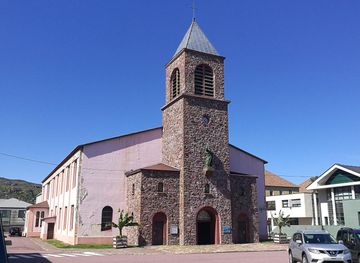


Your all‑in‑one travel companion app
Explore expert travel guides, compare and book tours, experiences, hotels, and more—all from the palm of your hand. Download now for seamless trip planning wherever your wanderlust takes you.


Explore More of Saint Pierre and Miquelon
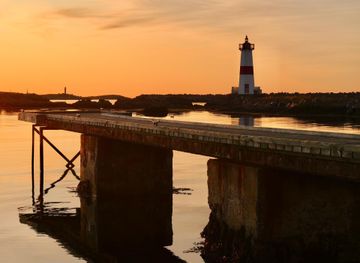
Looking beyond Langlade Island? Discover Saint Pierre and Miquelon for broader travel guides, local hot-spots, and regional highlights.
Explore Saint Pierre and MiquelonLanglade Island in Photos
Browse through our photo collection highlighting the charm and character of the destination.


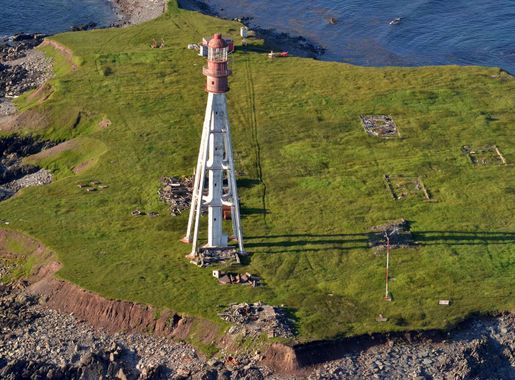


Langlade Island: A Hidden Gem in Saint Pierre and Miquelon
Langlade Island, part of the Saint Pierre and Miquelon archipelago, is a serene and unspoiled destination perfect for nature lovers and adventurers. This small island offers an escape from the hustle and bustle of city life, with its pristine beaches, lush forests, and abundant wildlife. Visitors can explore the island's beautiful landscapes by hiking the numerous trails that wind through its forests and along its coastlines. The island is also home to several unique species of birds, making it a paradise for birdwatchers. The clear waters surrounding Langlade offer excellent opportunities for fishing and kayaking. History enthusiasts will appreciate the island's rich past, with remnants of old settlements and historical sites scattered throughout. The island's charm lies in its tranquility and the warm hospitality of its residents, making it a perfect retreat for those looking to relax and unwind.