
Saint Pierre Island, Saint Pierre and Miquelon Travel Guide
Discover Saint Pierre Island, a charming blend of French culture and North American beauty, offering rich history, scenic trails, and delectable cuisine.
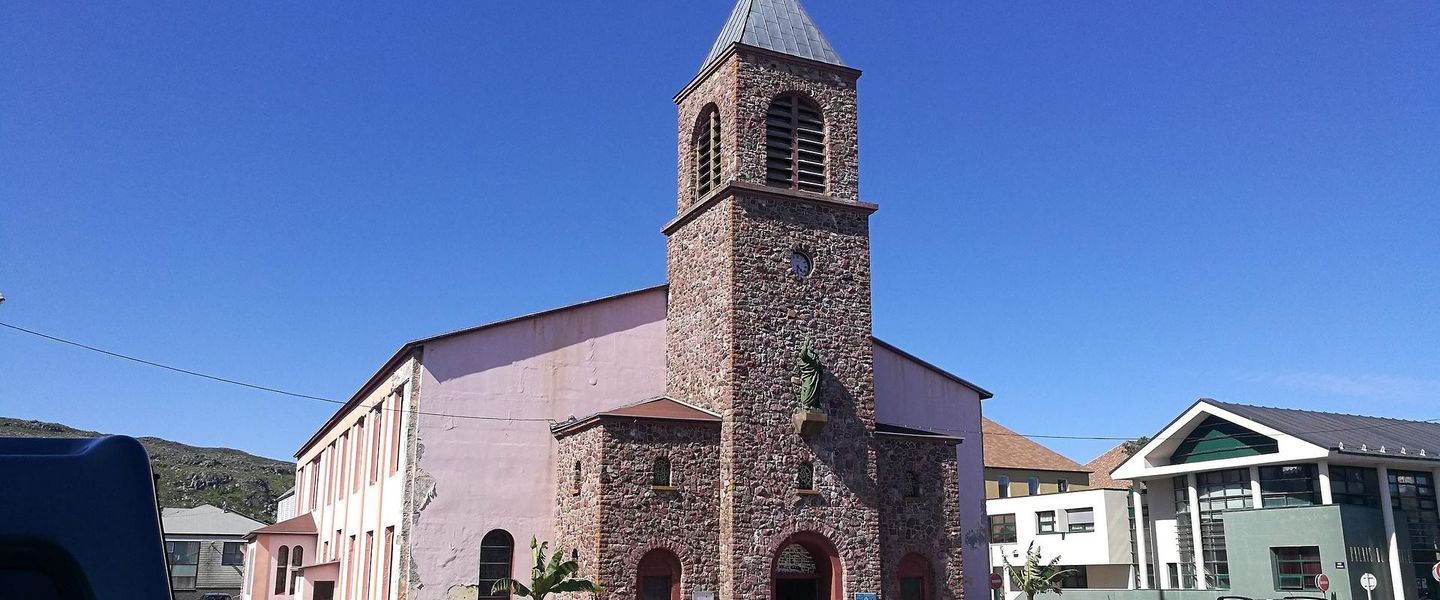
Saint Pierre Island, part of the Saint Pierre and Miquelon archipelago, is a unique destination where French culture meets North American charm. Located just off the coast of Newfoundland, Canada, this small island offers a fascinating blend of history, culture, and natural beauty. The island’s picturesque harbor, lined with colorful houses and quaint boats, is a sight to behold. Visitors can stroll through the charming streets, dotted with French cafes, bakeries, and boutiques, making it feel like a slice of France in the Atlantic. The island is steeped in history, with several museums and historical sites that tell the story of its past, from the days of early European settlers to its role in the Prohibition era. The Musée de l'Arche and the Heritage Museum offer deep insights into the island’s rich cultural heritage. For nature lovers, the island’s rugged coastline and scenic trails provide ample opportunities for hiking, bird-watching, and photography. The nearby Île aux Marins, accessible by boat, is a must-visit for its abandoned village and stunning views. Foodies will be delighted by the local cuisine, which combines French culinary traditions with fresh seafood from the surrounding waters. From savory crepes to mouth-watering seafood dishes, the island's restaurants offer a culinary journey that is both delightful and unique. Whether you’re exploring its historic sites, enjoying its natural beauty, or savoring its culinary delights, Saint Pierre Island promises an unforgettable experience.

Know before you go
Hi, I'm Eve. Here are a few practical things to know before exploring Saint Pierre Island.
- Bring Euros as the local currency is Euro, and many places may not accept credit cards.
- Dress in layers, as the weather can be unpredictable with frequent changes.
- Visit in summer to enjoy the best weather and vibrant local festivals.
- Book ferry tickets in advance, especially during peak tourist season.
- Try the local seafood dishes, which are a highlight of the island's cuisine.
Top City Travel Guides in Saint Pierre Island
The cities of Saint Pierre Island, and the easiest places to base yourself.


Destinations in Saint Pierre Island
Resorts, valleys and scenic spots worth a trip of their own.


Explore Saint Pierre Island: Things to Do, Places to Eat, Hotels & More
Handpicked recommendations for top attractions, local dining, accommodations, and more

Top Attractions & Sightseeing in Saint Pierre Island
Top-rated picks
Best Attractions

Ark Museum
Explore the Ark Museum in Saint-Pierre to uncover the rich history and vibrant culture of St. Pierre & Miquelon through engaging exhibits and artifacts.

Heritage Museum
Explore the rich history and culture of Saint-Pierre at the Heritage Museum, where fascinating exhibits bring the islands' past to life.

La Pointe aux canons et le phare
Experience the breathtaking beauty and historical significance of La Pointe aux Canons and its iconic lighthouse in Saint-Pierre & Miquelon.

Hike of the Ponds
Discover the Hike of the Ponds, a serene hiking area in Saint-Pierre, St. Pierre & Miquelon, where nature's beauty meets tranquility and adventure.

Best landmarks in Saint Pierre Island
Top-rated picks
Best Landmarks

Le Feu de Braise
Discover the authentic flavors of Saint-Pierre at Le Feu de Braise, where exceptional pizza meets a warm, inviting atmosphere.

Les P'tits Graviers
Experience the authentic flavors of St. Pierre & Miquelon at Les P'tits Graviers, where local ingredients meet culinary creativity in a cozy atmosphere.
Hotel Robert
Experience the perfect blend of comfort and local charm at Hotel Robert in Saint-Pierre, St. Pierre & Miquelon, your ideal base for island exploration.

Le Select
Discover the tastes of Saint-Pierre at Le Select, a beloved restaurant offering local flavors in a cozy atmosphere.

Best restaurants in Saint Pierre Island
Top-rated picks
Best Restaurants

Le Feu de Braise
Experience exquisite pizzas at Le Feu de Braise in Saint-Pierre - where local flavors meet cozy dining!

Les P'tits Graviers
Experience authentic St. Pierre cuisine at Les P'tits Graviers, where local flavors meet culinary creativity in a charming setting.
Hotel Robert
Discover warmth and comfort at Hotel Robert in Saint-Pierre – your perfect base for exploring St. Pierre & Miquelon's enchanting landscapes.

Bar Le Rustique
Experience the warmth and charm of Bar Le Rustique in Saint-Pierre – your perfect retreat for drinks and local culture.

Best bars in Saint Pierre Island
Top-rated picks
Best Bars

Le Feu de Braise
Experience the culinary delight of Le Feu de Braise, a pizza paradise in Saint-Pierre, offering a delightful atmosphere and unforgettable flavors.

Les P'tits Graviers
Experience the authentic taste of St. Pierre & Miquelon at Les P'tits Graviers, where local flavors and culinary tradition meet in a charming setting.
Hotel Robert
Experience the charm of Saint-Pierre at Hotel Robert, your perfect base for exploring the stunning St. Pierre & Miquelon archipelago.

Bar Le Rustique
Discover the vibrant atmosphere and delightful drinks at Bar Le Rustique, the perfect spot for relaxation and socializing in Saint-Pierre.

Best nightclubs in Saint Pierre Island
Top-rated picks
Best Nightclubs

Bar Le Rustique
Experience the vibrant atmosphere and delightful drinks at Bar Le Rustique, the perfect bar in Saint-Pierre for relaxation and socializing.

Complexe Hôtelier Les Terrasses du Port
Discover luxury and relaxation at Complexe Hôtelier Les Terrasses du Port, your gateway to the charming beauty of St. Pierre & Miquelon.

Nuits Saint-Pierre, Hôtel Unique
Discover the unique charm of Nuits Saint-Pierre, Hôtel Unique, your ideal retreat in the heart of St. Pierre & Miquelon.

Chez Txetxo
Experience the vibrant atmosphere and unique drinks at Chez Txetxo, a must-visit bar in the heart of Saint-Pierre, St. Pierre & Miquelon.

Best shops in Saint Pierre Island
Top-rated picks
Best Shops

Centre de Rénovation Marcel Dagort S.A.R.L.
Explore the Centre de Rénovation Marcel Dagort in Saint-Pierre Et Miquelon for all your hardware needs and local DIY inspiration.

Nuits Saint-Pierre, Hôtel Unique
Experience the comfort and charm of Nuits Saint-Pierre, Hôtel Unique in the picturesque Saint-Pierre, your gateway to the beauty of St. Pierre & Miquelon.

Chez Julien Butcher and Grocery Store
Discover local flavors at Chez Julien Butcher and Grocery Store in St. Pierre, offering a wide variety of fresh and quality products.

Graves Bakery and Pastry
Discover the delightful flavors of Graves Bakery, the charming bakery in Saint-Pierre offering exquisite pastries and local culinary treasures.

Explore Saint Pierre Island on the Map
A handpicked selection of must-see spots in Saint Pierre Island, mapped for you.
Saint Pierre Island Essentials
-
Saint Pierre Island is accessible via air and sea. The main point of entry is the Saint Pierre Airport (FSP), which has regular flights from Halifax (Canada) and seasonal flights from other Canadian cities. Alternatively, a passenger ferry operates from Fortune, Newfoundland, which takes about 55 minutes to reach Saint Pierre. Make sure to check the schedules in advance as they can vary seasonally.
-
Saint Pierre Island is small and can be easily explored on foot. For longer distances, taxis are available and can be hailed on the street or booked in advance. Car rentals are also an option, though availability may be limited. Bicycles can be rented for a more leisurely way to explore the island. There is no public bus system on the island.
-
The official currency is the Euro (EUR). Credit cards are widely accepted in hotels, restaurants, and larger shops, but it is advisable to carry some cash for smaller purchases and in more remote areas. ATMs are available in Saint Pierre, but note that they may have limited operating hours.
-
Saint Pierre Island is generally safe for tourists with low crime rates. However, it is always good to take standard precautions such as not leaving valuables unattended and being cautious in unfamiliar areas at night. There are no specific neighborhoods known for targeting tourists.
-
In case of emergency, dial 17 for police, 18 for fire, and 15 for medical emergencies. The island has a hospital, Centre Hospitalier François Dunan, which can handle most medical issues. It is advisable to have travel insurance that covers medical emergencies.
-
Fashion: Do dress in layers as the weather can be unpredictable. Avoid overly casual clothing in nicer restaurants. Religion: Do respect local customs and traditions; most residents are Roman Catholic. Public Transport: Do use taxis and rental cars as there is no public transport system. Greetings: Do greet people with a simple 'Bonjour' and a handshake. Eating & Drinking: Do try local delicacies such as seafood and French pastries. Don't tip excessively; a small gratuity is usually sufficient.
-
To experience Saint Pierre Island like a local, visit the local markets and shops to buy fresh produce and artisanal goods. Engage with locals, who are friendly and often willing to share stories about the island's history and culture. Don't miss the opportunity to visit the L'Arche Museum and the Ile aux Marins, a small island offering a glimpse into the traditional way of life. For a unique experience, try to catch a local event or festival, which are often vibrant and full of local charm.
When is the best time to visit Saint Pierre Island?
Useful Local Phrases for Saint Pierre Island
You don't need to speak the language perfectly. Even learning a few simple words can make conversations warmer—and locals usually appreciate the effort.
— Eve

Here are the phrases I use most often in Saint Pierre Island. Try a few—you'll be surprised how far they go! 😊
❤️
-
- HelloBonjour
[bɔ̃ʒuʁ] - GoodbyeAu revoir
[o ʁəvwaʁ] - YesOui
[wi] - NoNon
[nɔ̃] - Please/You're welcomeS'il vous plaît
[sil vu ple] - Thank youMerci
[mɛʁsi] - Excuse me/SorryExcusez-moi
[ɛkskyze mwa] - How are you?Comment ça va?
[kɔmɑ̃ sa va] - Fine. And you?Bien. Et vous?
[bjɛ̃ e vu] - Do you speak English?Parlez-vous anglais?
[paʁle vu ɑ̃ɡlɛ] - I don't understandJe ne comprends pas
[ʒə nə kɔ̃pʁɑ̃ pa]
- HelloBonjour
-
- I'd like to see the menu, pleaseJe voudrais voir le menu, s'il vous plaît
[ʒə vudʁɛ vwaʁ lə məny, sil vu ple] - I don't eat meatJe ne mange pas de viande
[ʒə nə mɑ̃ʒ pa də vjɑ̃d] - Cheers!Santé!
[sɑ̃te] - I would like to pay, pleaseJe voudrais payer, s'il vous plaît
[ʒə vudʁɛ peje, sil vu ple]
- I'd like to see the menu, pleaseJe voudrais voir le menu, s'il vous plaît
-
- Help!Au secours!
[o səkuʁ] - Go away!Allez-vous-en!
[ale vu zɑ̃] - Call the Police!Appelez la police!
[aple la pɔlis] - Call a doctor!Appelez un médecin!
[aple ɛ̃ mɛdɛsɛ̃] - I'm lostJe suis perdu
[ʒə sɥi pɛʁdy] - I'm illJe suis malade
[ʒə sɥi malad]
- Help!Au secours!
-
- I'd like to buy...Je voudrais acheter...
[ʒə vudʁɛ aʃte] - I'm just lookingJe regarde juste
[ʒə ʁəɡaʁd ʒyst] - How much is it?C'est combien?
[sɛ kɔ̃bjɛ̃] - That's too expensiveC'est trop cher
[sɛ tʁo ʃɛʁ] - Can you lower the price?Pouvez-vous baisser le prix?
[puve vu bɛse lə pʁi]
- I'd like to buy...Je voudrais acheter...
-
- What time is it?Quelle heure est-il?
[kɛl œʁ ɛ t il] - It's one o'clockIl est une heure
[il ɛ yn œʁ] - Half past (10)Dix heures et demie
[dis œʁ e dəmi] - MorningMatin
[matɛ̃] - AfternoonAprès-midi
[apʁɛ midi] - EveningSoir
[swaʁ] - YesterdayHier
[jɛʁ] - TodayAujourd'hui
[oʒuʁdɥi] - TomorrowDemain
[dəmɛ̃] - 1Un
[œ̃] - 2Deux
[dø] - 3Trois
[tʁwa] - 4Quatre
[kɑtʁ] - 5Cinq
[sɛ̃k] - 6Six
[sis] - 7Sept
[sɛt] - 8Huit
[ɥit] - 9Neuf
[nœf] - 10Dix
[dis]
- What time is it?Quelle heure est-il?
-
- Where's a/the...?Où est un/le...?
[u ɛ ɛ̃ lə] - What's the address?Quelle est l'adresse?
[kɛl ɛ lə dʁɛs] - Can you show me (on the map)?Pouvez-vous me montrer (sur la carte)?
[puve vu mə mɔ̃tʁe syʁ la kaʁt] - When's the next (bus)?Quand est le prochain (bus)?
[kɑ̃ ɛ lə pʁɔʃɛ̃] - A ticket (to ....)Un billet (pour....)
[œ̃ bijɛ (puʁ)]
- Where's a/the...?Où est un/le...?
History of Saint Pierre Island
-
Saint Pierre Island was first discovered by European explorers in the early 16th century. The island was initially sighted by the Portuguese explorer João Álvares Fagundes in 1520, and later it became a frequent stop for Basque fishermen who were drawn to the rich fishing grounds in the surrounding waters.
-
In 1604, French explorer Pierre de Monts claimed Saint Pierre and Miquelon for France. The islands became a French possession, and by the late 17th century, they were established as important fishing outposts. French settlers began to arrive, and the islands' economy flourished based on the cod fishing industry.
-
Throughout the 18th century, control of Saint Pierre and Miquelon shifted between the French and the British multiple times. The islands were captured by the British during the War of the Austrian Succession in 1745, and again during the Seven Years' War in 1763. It was not until the Treaty of Paris in 1814 that the islands were permanently returned to France.
-
During the Prohibition era in the United States (1920-1933), Saint Pierre Island experienced economic prosperity as a hub for alcohol smuggling. The island's proximity to the North American mainland made it an ideal location for bootleggers to store and transport illegal liquor to the United States, significantly boosting the local economy.
-
During World War II, Saint Pierre and Miquelon played a strategic role due to their geographical location. The islands were under the control of Vichy France until December 1941, when Free French forces led by Admiral Émile Muselier seized control. The islands then served as a base for the Free French Naval Forces for the remainder of the war.
-
In the post-war period, Saint Pierre Island developed its infrastructure and modernized its economy. The fishing industry remains a cornerstone, but tourism has also grown in importance. The island's French heritage, unique culture, and scenic beauty attract visitors from around the world. Today, Saint Pierre Island is a blend of historical charm and modern amenities, offering a distinctive experience to travelers.
Neighbouring Regions of Saint Pierre Island
The closest regions to Saint Pierre Island, if you have time for more than one.

Your all‑in‑one travel companion app
Explore expert travel guides, compare and book tours, experiences, hotels, and more—all from the palm of your hand. Download now for seamless trip planning wherever your wanderlust takes you.


Explore More of Saint Pierre and Miquelon
Looking beyond Saint Pierre Island? Discover Saint Pierre and Miquelon for broader travel guides, local hot-spots, and regional highlights.
Explore Saint Pierre and MiquelonSaint Pierre Island in Photos
Browse through our photo collection highlighting the charm and character of the destination.
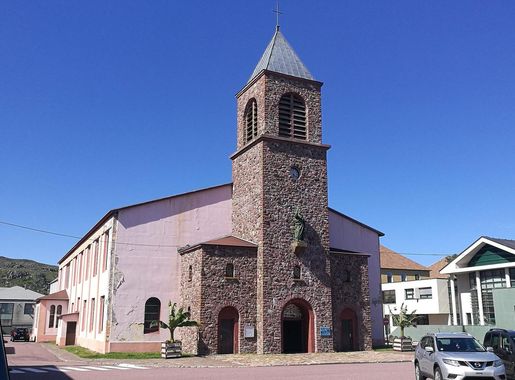
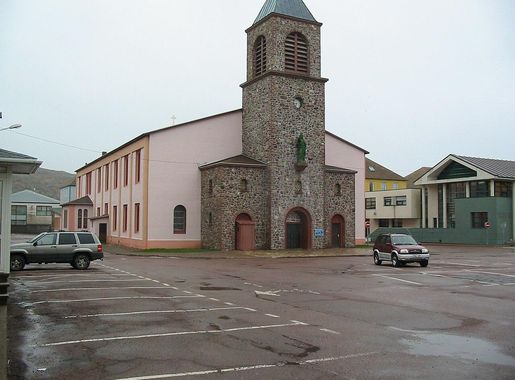


Saint Pierre Island: A French Gem in North America
Saint Pierre Island, part of the Saint Pierre and Miquelon archipelago, is a unique destination where French culture meets North American charm. Located just off the coast of Newfoundland, Canada, this small island offers a fascinating blend of history, culture, and natural beauty. The island’s picturesque harbor, lined with colorful houses and quaint boats, is a sight to behold. Visitors can stroll through the charming streets, dotted with French cafes, bakeries, and boutiques, making it feel like a slice of France in the Atlantic. The island is steeped in history, with several museums and historical sites that tell the story of its past, from the days of early European settlers to its role in the Prohibition era. The Musée de l'Arche and the Heritage Museum offer deep insights into the island’s rich cultural heritage. For nature lovers, the island’s rugged coastline and scenic trails provide ample opportunities for hiking, bird-watching, and photography. The nearby Île aux Marins, accessible by boat, is a must-visit for its abandoned village and stunning views. Foodies will be delighted by the local cuisine, which combines French culinary traditions with fresh seafood from the surrounding waters. From savory crepes to mouth-watering seafood dishes, the island's restaurants offer a culinary journey that is both delightful and unique. Whether you’re exploring its historic sites, enjoying its natural beauty, or savoring its culinary delights, Saint Pierre Island promises an unforgettable experience.