

Free Miquelon Island Travel Guide & Mobile App
Explore Miquelon Island with free travel guides. Discover regional history, expert tips, proposed trips, and audio guides on web or mobile app.


Explore Miquelon Island for French island culture, cod-fishing heritage, lagoons, dunes, wildlife and quiet North Atlantic landscapes.
Read more about Miquelon Island
When is the best time to visit Miquelon Island?
Best: June–August · 15–19°C| Month | High (°C) | Rainfall (mm) |
|---|---|---|
| January | 1 | 85 |
| February | 1 | 75 |
| March | 2 | 80 |
| April | 5 | 85 |
| May | 10 | 90 |
| June (best) | 15 | 85 |
| July (best) | 18 | 90 |
| August (best) | 19 | 95 |
| September | 16 | 95 |
| October | 11 | 100 |
| November | 6 | 90 |
| December | 2 | 85 |
Getting to and around Miquelon Island
How to get there
Transportation
Top city travel guides in Miquelon Island
The cities of Miquelon Island, and the easiest places to base yourself.
-

-


Swipe for more cities
Destinations in Miquelon Island
Resorts, valleys and scenic spots worth a trip of their own.

Swipe for more destinations
Best attractions in Miquelon Island
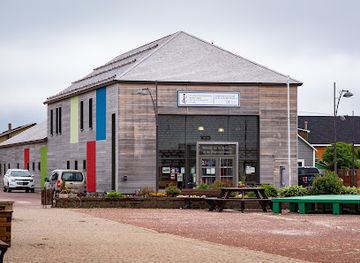
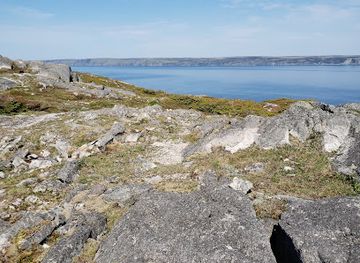
Miquelon Island’s attractions are principally natural, maritime and community-based. In Miquelon village, the local museum offers an introduction to settlement, fishing and the territory’s changing relationship with France and North America, while the church and cemetery help explain the continuity of island life. Beyond the village, the Grand Barachois is the major natural draw: its lagoon, sand barriers and marshy margins provide habitat for shorebirds and other wildlife and are best appreciated slowly, with binoculars and weatherproof clothing. Beaches, dunes, peatlands and open headlands create opportunities for walking, landscape photography and birdwatching rather than intensive adventure tourism. The connected Langlade peninsula offers a more dispersed landscape, with quieter roads, rural properties and broad coastal viewpoints. Boat or air connections linking Miquelon with Saint-Pierre can also form part of a wider archipelago itinerary, but they should be planned separately from activities on the island. Because facilities are limited and conditions can change quickly, the quality of a visit depends on preparation, local guidance and allowing time for unplanned pauses.
-
Park
Fortune Head Ecological Reserve
Explore the breathtaking landscapes and rich biodiversity of Fortune Head Ecological Reserve in Newfoundland, a hidden gem for nature lovers.
-
Island
Saint Pierre Island
Explore the breathtaking landscapes and rich culture of Saint Pierre Island in St Pierre and Miquelon, where French elegance meets unspoiled nature.
-
Tourist information center
Nature Interpretation Center
Explore the Nature Interpretation Center in St. Pierre & Miquelon, your gateway to understanding the region's unique ecosystems and wildlife.
-
Island
Ile aux Marins
Explore the serene beauty and rich history of Île aux Marins, a hidden gem in St Pierre and Miquelon, offering breathtaking landscapes and cultural experiences.
Best landmarks in Miquelon Island
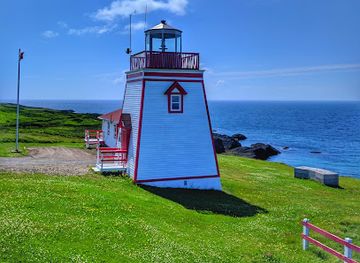
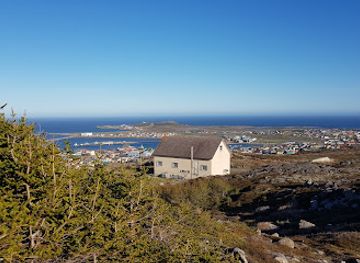
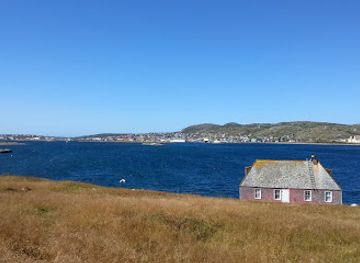
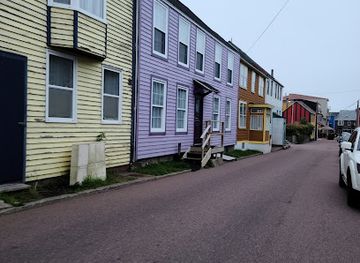
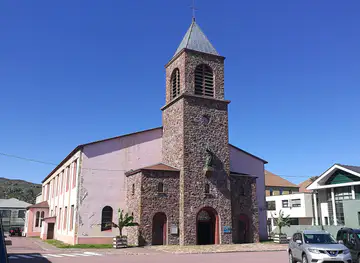
The most recognisable built landmark on Miquelon is the church of Notre-Dame des Ardilliers in Miquelon village, whose presence reflects the importance of Catholic institutions in the island’s settled history. The cemetery nearby is also significant, preserving names and family links associated with the long maritime life of the community. The village itself, with its low buildings and relationship to the bay, is a cultural landmark rather than a monumental historic quarter. In the natural landscape, the Grand Barachois stands out as the island’s defining geographical feature: a broad lagoon separated from the sea by coastal sands and associated with important bird habitat. The narrow isthmus joining northern Miquelon to Langlade is another memorable physical landmark, demonstrating the power of sediment and shifting shorelines. Langlade’s open headlands, beaches and sparsely settled roads complete the visual identity of the connected landmass. These places are valued less for grand architecture than for the way they express the island’s maritime history, exposed geography and continuing relationship with the Atlantic.
-
Restaurant
Le Feu de Braise
Savor the essence of gourmet pizza at Le Feu de Braise in Saint-Pierre, where every bite is a delicious journey into culinary delight.
-
Restaurant
Les P'tits Graviers
Experience the culinary treasures of Saint-Pierre at Les P'tits Graviers, where local flavors and warm hospitality create unforgettable dining moments.
-
Lodge
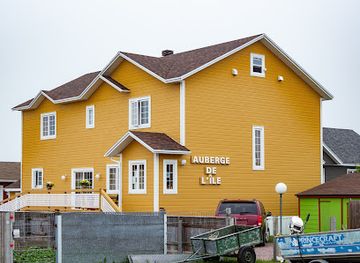
Island Inn
Experience the serene beauty of Miquelon-Langlade at Island Inn, a charming lodge perfect for relaxation and adventure in stunning natural surroundings.
-
Hotel
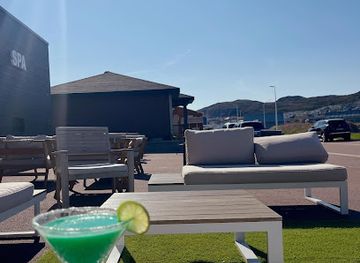
Complexe Hôtelier Les Terrasses du Port
Discover the perfect blend of luxury and wellness at Complexe Hôtelier Les Terrasses du Port in St. Pierre & Miquelon, your tranquil retreat by the sea.
Explore Miquelon Island on the map
Plan your trip on one map. See where the top cities, national parks and sights are, and book hotels and experiences in a few clicks.
Best hotels in Miquelon Island
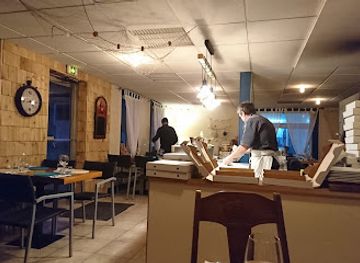
Best restaurants in Miquelon Island
Dining on Miquelon Island reflects its small population, supply constraints and North Atlantic setting. Fish and seafood are the natural focus, with cod and other locally available catches appearing according to season, weather and landing conditions. Simple French cooking, bread, pastries, crêpes and café culture sit alongside dishes shaped by the practical traditions of a remote fishing community. Miquelon village has the territory’s main concentration of accommodation, cafés and places to eat, while options away from the settlement are much more limited. Menus may change when boats or aircraft are delayed, and visitors should not assume that every service operates daily outside the busier summer period. Local and imported products can coexist: the island’s French identity is visible in food habits, while the surrounding waters and northern climate give meals a distinctly Atlantic context. Booking ahead is sensible for evening dining, and self-catering visitors should buy supplies when shops are open rather than relying on late or spontaneous purchases.
-
Restaurant
Le Feu de Braise
Discover the taste of St. Pierre & Miquelon at Le Feu de Braise – where every pizza tells a story.
-
Restaurant
Les P'tits Graviers
Experience the authentic flavors of St. Pierre & Miquelon at Les P'tits Graviers, where local ingredients meet culinary artistry.
-
Bar
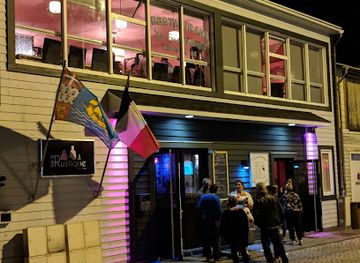
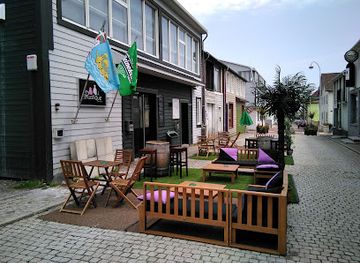
Bar Le Rustique
Discover the charm of Bar Le Rustique in Saint-Pierre – where great drinks meet warm hospitality.
-
Restaurant
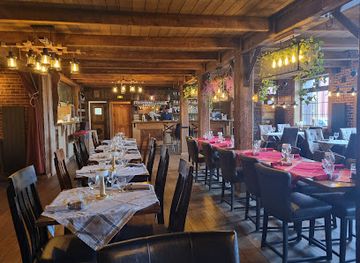
Le Select
Experience the essence of St. Pierre & Miquelon at Le Select - A gastronomic gem offering local flavors in a charming atmosphere.
Best bars in Miquelon Island
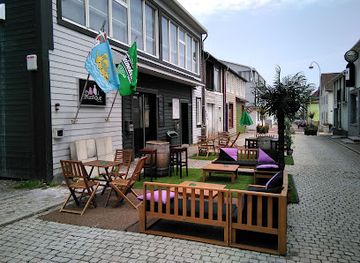
Miquelon Island does not have a large nightclub scene. Evening life centres on small cafés, restaurants, community gatherings and the social atmosphere of local establishments in or near Miquelon village. Visitors are more likely to find a quiet drink, conversation and occasional music than late-night entertainment or a row of dedicated bars. French wine, beer and spirits may be available, but alcohol is not necessary to engage with island culture. Outside the village, darkness, distance and limited transport make evenings especially subdued, while wind and weather can restrict plans. Check local opening arrangements rather than expecting mainland-style hours, particularly outside summer. For many travellers, the most distinctive evening experience is simply the changing light over the bay, lagoon or open coast, provided the weather and access conditions are suitable.
-
Restaurant
Le Feu de Braise
Experience the delightful blend of pizza and French cuisine at Le Feu de Braise in Saint-Pierre, a culinary oasis for every traveler.
-
Restaurant
Les P'tits Graviers
Experience the authentic flavors of St. Pierre & Miquelon at Les P'tits Graviers, a charming restaurant known for its exquisite local cuisine.
-
 Hotel
HotelHotel Robert
Experience the charm of Saint-Pierre at Hotel Robert, your ideal retreat for comfort and local culture.
-
Bar
Bar Le Rustique
Experience the warmth and charm of Bar Le Rustique in Saint-Pierre, the perfect place to unwind with great drinks and friendly company.

Best nightclubs in Miquelon Island
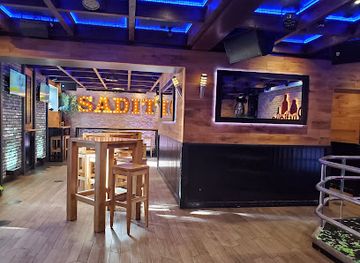
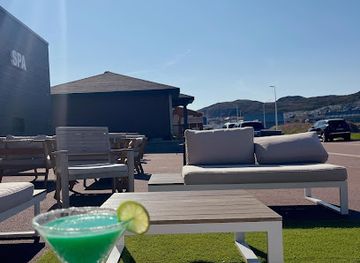
Miquelon Island does not have a large nightclub scene. Evening life centres on small cafés, restaurants, community gatherings and the social atmosphere of local establishments in or near Miquelon village. Visitors are more likely to find a quiet drink, conversation and occasional music than late-night entertainment or a row of dedicated bars. French wine, beer and spirits may be available, but alcohol is not necessary to engage with island culture. Outside the village, darkness, distance and limited transport make evenings especially subdued, while wind and weather can restrict plans. Check local opening arrangements rather than expecting mainland-style hours, particularly outside summer. For many travellers, the most distinctive evening experience is simply the changing light over the bay, lagoon or open coast, provided the weather and access conditions are suitable.
-
Bar
Bar Le Rustique
Experience the charm of Saint-Pierre at Bar Le Rustique, where local culture meets delightful refreshments in a cozy bar atmosphere.
-
Hotel
Complexe Hôtelier Les Terrasses du Port
Discover the serene luxury of Complexe Hôtelier Les Terrasses du Port, where wellness meets breathtaking views in Saint-Pierre.
-
Restaurant
Café de la gare
Discover the flavors of Saint-Pierre at Café de la Gare, where local cuisine meets charming atmosphere.
-
Bar
Chez Txetxo
Discover the charm of Chez Txetxo, a must-visit bar in St. Pierre, offering local drinks and a vibrant atmosphere for travelers.

Best shops in Miquelon Island
Shopping on Miquelon Island is small-scale and practical rather than centred on large retail areas. Miquelon village contains the main opportunities for everyday supplies, locally relevant gifts and products connected with the territory’s maritime identity. Visitors may find postcards, books, craft items, food products and souvenirs reflecting Saint Pierre and Miquelon, although stocks and opening arrangements can vary with deliveries and the season. The most meaningful purchases are often modest: locally themed artwork, handmade goods, regional food products or material connected with fishing and island history. Do not expect extensive designer shopping, antiques districts or a broad choice of specialist retailers. Buy essentials early when travelling to Langlade or spending time outside the village, as services become more dispersed. Markets and small community sales may be seasonal or occasional rather than fixed daily institutions, so ask locally for current arrangements instead of relying on a permanent timetable.
-
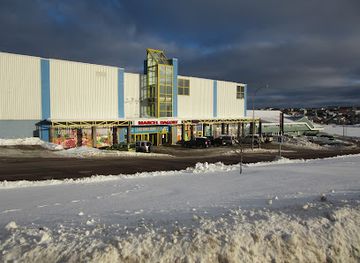
Hardware store
Centre de Rénovation Marcel Dagort S.A.R.L.
Explore Centre de Rénovation Marcel Dagort, a leading hardware store in Saint-Pierre Et Miquelon, offering tools and supplies for all your home improvement needs.
-
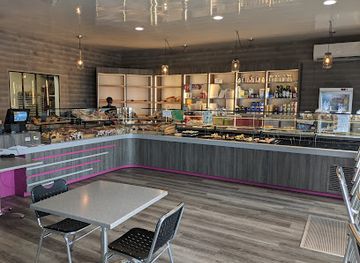
Bakery
Graves Bakery and Pastry
Discover the delightful flavors of Graves Bakery and Pastry in Saint-Pierre, where every bite offers a taste of French culinary artistry and local charm.
-
General store
Chez Clochet
Experience the authentic charm of Saint-Pierre at Chez Clochet, your go-to general store for local goods and artisanal delights.
-
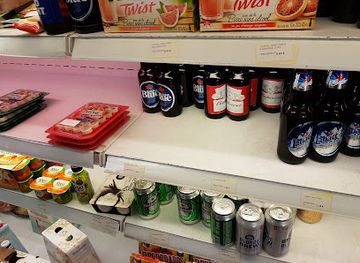
Grocery store
Chez L'tournel
Discover the essence of St. Pierre & Miquelon at Chez L'tournel, your local grocery store for unique island flavors and essentials.

Get your free copy of our complete guide to Miquelon Island, delivered straight to you.
Everything on this page, from attractions and restaurants to essentials and local phrases, in one PDF you can read offline, print or share.
Already have an account? Sign in
Your Miquelon Island guide is ready.
We'll send it to · Not you? Sign out

Getting your guide ready…
We are putting together a fresh copy of the Miquelon Island guide. This can take up to a minute.
This can take a few moments. If your browser asks, choose Allow so the download can start. You'll find the guide in your Downloads folder.
Nothing happened? Download it again
Sorry, the guide is taking longer than usual. Please try again in a minute, or get it by email instead.
Miquelon Island essentials
Currency and Payment
Safety
Emergency Situations
Do's and Don'ts
Local Tips
From Eve
Local phrases worth knowing
You don't need to get them perfect. A few words go a long way, and locals appreciate the effort.
Basics
| English | Local | Say it |
|---|---|---|
| Hello | Bonjour | [bohn-zhoor] |
| Goodbye | Au revoir | [oh ruh-vwahr] |
| Yes | Oui | [wee] |
| No | Non | [noh] |
| Please/You're welcome | S'il vous plaît | [seel voo pleh] |
| Thank you | Merci | [mehr-see] |
| Excuse me/Sorry | Excusez-moi | [ehk-skew-zay mwah] |
| How are you? | Comment ça va? | [koh-mohn sah vah] |
| Fine. And you? | Bien. Et vous? | [byehn. eh voo] |
| Do you speak English? | Parlez-vous anglais? | [par-lay voo ahn-glay] |
| I don't understand | Je ne comprends pas | [zhuh nuh kom-prahn pah] |
Eating & Drinking
| English | Local | Say it |
|---|---|---|
| I'd like to see the menu, please | Je voudrais voir le menu, s'il vous plaît | [zhuh voo-dray vwah leuh meh-nu, seel voo pleh] |
| I don't eat meat | Je ne mange pas de viande | [zhuh nuh mahnj pah duh vyahnd] |
| Cheers! | Santé! | [sahn-tay] |
| I would like to pay, please | Je voudrais payer, s'il vous plaît | [zhuh voo-dray pay-ay, seel voo pleh] |
Emergencies
| English | Local | Say it |
|---|---|---|
| Help! | Au secours! | [oh suh-coor] |
| Go away! | Allez-vous-en! | [ah-lay voo-zahn] |
| Call the Police! | Appelez la police! | [ah-peh-lay lah poh-lees] |
| Call a doctor! | Appelez un médecin! | [ah-peh-lay uhn meh-deh-sahn] |
| I'm lost | Je suis perdu | [zhuh swee pair-doo] |
| I'm ill | Je suis malade | [zhuh swee mah-lahd] |
Shopping
| English | Local | Say it |
|---|---|---|
| I'd like to buy... | Je voudrais acheter... | [zhuh voo-dray ah-sheh-tay] |
| I'm just looking | Je regarde juste | [zhuh reh-gard zhoost] |
| How much is it? | C'est combien? | [say kohm-byen] |
| That's too expensive | C'est trop cher | [say troh shair] |
| Can you lower the price? | Pouvez-vous baisser le prix? | [poo-vay voo beh-say leuh pree] |
Time & Numbers
| English | Local | Say it |
|---|---|---|
| What time is it? | Quelle heure est-il? | [kel uhr eh teel] |
| It's one o'clock | Il est une heure | [eel eh ewn uhr] |
| Half past (10) | Dix heures et demie | [dees uhr eh duh-mee] |
| Morning | Matin | [mah-tahn] |
| Afternoon | Après-midi | [ah-preh mee-dee] |
| Evening | Soir | [swahr] |
| Yesterday | Hier | [ee-air] |
| Today | Aujourd'hui | [oh-zhoor dwee] |
| Tomorrow | Demain | [duh-mahn] |
| 1 | Un | [uhn] |
| 2 | Deux | [duh] |
| 3 | Trois | [trwah] |
| 4 | Quatre | [katr] |
| 5 | Cinq | [sank] |
| 6 | Six | [sees] |
| 7 | Sept | [seht] |
| 8 | Huit | [weet] |
| 9 | Neuf | [nuhf] |
| 10 | Dix | [dees] |
Transport & Directions
| English | Local | Say it |
|---|---|---|
| Where's a/the...? | Où est un/une...? | [oo eh uhn/ewn] |
| What's the address? | Quelle est l'adresse? | [kel eh lah-dress] |
| Can you show me (on the map)? | Pouvez-vous me montrer (sur la carte)? | [poo-vay voo muh mohn-tray (sur lah kart)] |
| When's the next (bus)? | Quand est le prochain (bus)? | [kahn eh luh proh-shen (boos)] |
| A ticket (to ....) | Un billet (pour....) | [uhn bee-yay (poor....)] |
History of Miquelon Island
Indigenous and Early Atlantic Connections
Before permanent European settlement, the islands formed part of the wider maritime world used by Indigenous peoples of the northeast coast of North America, including Mi’kmaq communities. European fishermen later entered the surrounding waters because of the extraordinary cod grounds of the Grand Banks. The islands’ value was initially strategic and seasonal: they offered shelter, drying and salting places, and access to one of the North Atlantic’s most productive fisheries.
French and British Rivalry in the Eighteenth Century
Miquelon and the neighbouring islands changed hands repeatedly during the imperial conflicts between France and Britain. Their position near Newfoundland made them important to French fishing interests, but also vulnerable whenever war reached the North Atlantic. Settlers were displaced during periods of conflict and returned when political conditions allowed. This instability helped create a population whose history was closely tied to both French maritime policy and the neighbouring Newfoundland coast.
A Permanent Fishing Community
By the nineteenth century, Miquelon had developed a settled community supported chiefly by cod fishing and related maritime work. Fish were processed for export, while boats, coastal routes and seasonal labour shaped everyday life. The village’s church, cemetery and domestic buildings preserve elements of this period, although later rebuilding and modern services have altered the settlement. Fishing remained more than an industry: it structured local identity, family life and the island’s relationship with the sea.
The Miquelon-Langlade Landmass Takes Shape
Miquelon and Langlade were historically understood as separate islands, but coastal sediments gradually formed a narrow isthmus between them. The connection altered movement, drainage and the appearance of the local coastline, while leaving the two areas with noticeably different characters. Northern Miquelon became the location of the main settlement and services; Langlade retained a more dispersed rural pattern. The isthmus and surrounding sandbars remain dynamic features rather than fixed, engineered infrastructure.
Cod, Conservation and Economic Change
The twentieth century brought major changes to the North Atlantic fishing economy. Industrial fishing, international disputes and declining cod stocks weakened the traditional pattern on which Miquelon had depended. The community adapted through public services, small-scale maritime activity, tourism and links with Saint-Pierre and Newfoundland. Today, the island’s lagoons, dunes and coastal habitats are valued not only as scenery but also as part of a more conservation-conscious approach to the territory’s future.
Contemporary French Overseas Identity
Saint Pierre and Miquelon remains a French overseas collectivity, and Miquelon reflects that status through the euro, French administration, French schooling and European-style public institutions. At the same time, its geography places it firmly within the North American Atlantic environment. Contemporary island life therefore combines French cultural and administrative traditions with local knowledge shaped by fishing, severe weather, limited transport and close relationships with neighbouring Newfoundland and Saint-Pierre.
Miquelon Island in Photos
Browse through our photo collection highlighting the charm and character of the destination.
Neighbouring regions of Miquelon Island
The closest regions to Miquelon Island, if you have time for more than one.
-

-
-


Swipe for more regions
Explore more
Explore more of Saint Pierre and Miquelon
Discover Saint Pierre and Miquelon, a French archipelago in North America, where European charm meets natural beauty and rich maritime history.
Explore Saint Pierre and Miquelon