

Al Soudah Park Travel Guide - Free Web & App
Your ultimate guide to Al Soudah Park. Discover top landmarks, proposed trips, and local tips. Free on the web or via the Evendo companion app.


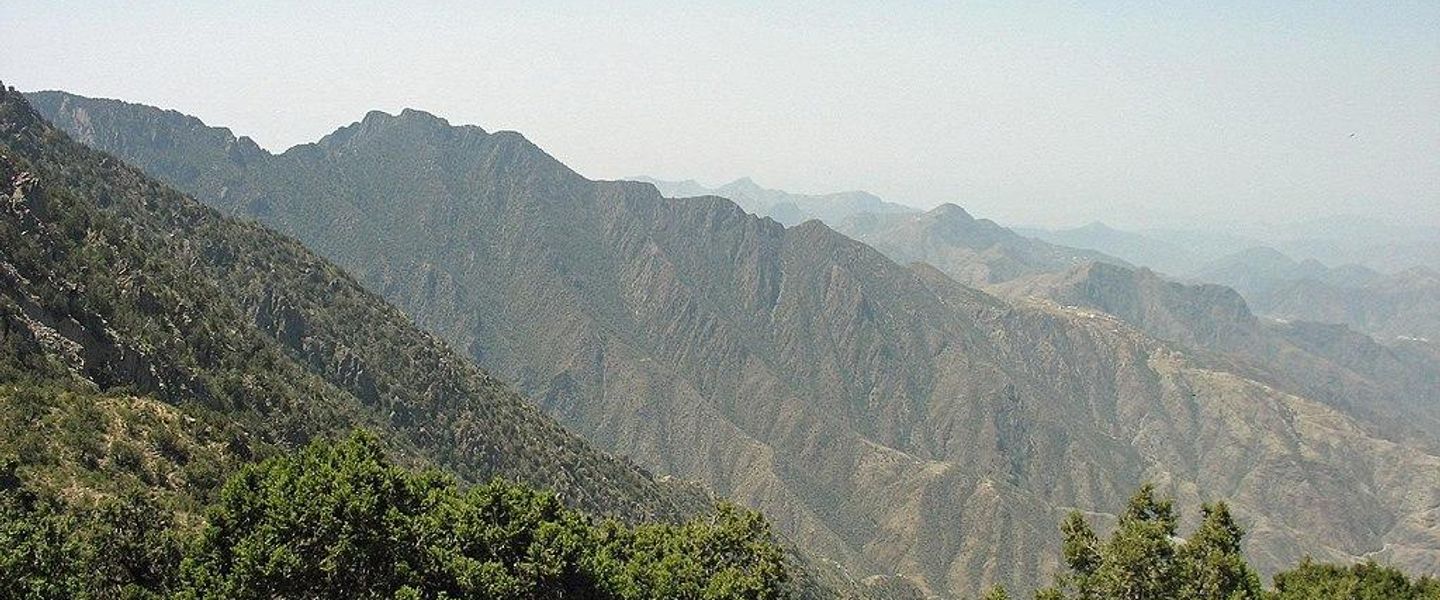


Al Soudah Park in Saudi Arabia combines cool mountain air, juniper-clad slopes, wide Asir views, hiking, wildlife and easy access from Abha.
Mountain Environment
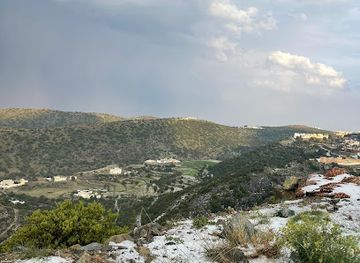
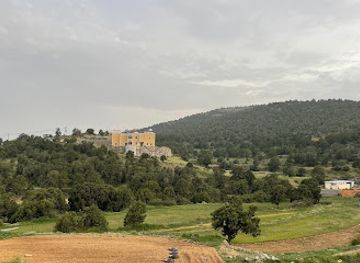
Al Soudah Park lies in the highlands west of Abha in Saudi Arabia’s Asir Region, where the landscape rises sharply above the surrounding valleys. The park is associated with Jabal Soudah, one of the highest mountain areas in the kingdom, and is defined by steep slopes, cooler temperatures, deep viewpoints and forests of juniper. During the summer, its elevation makes it a valued retreat from the heat of the lowlands, while cloud, mist and occasional rain can give the slopes an entirely different character from the arid landscapes commonly associated with Saudi Arabia.Read more about Al Soudah Park
Views, Vegetation and Wildlife
Access and Highland Culture
When is the best time to visit Al Soudah Park?
Best: February–March, December · 22–30°C| Month | High (°C) | Rainfall (mm) |
|---|---|---|
| January | 20 | 0 |
| February (best) | 23 | 0 |
| March (best) | 30 | 0 |
| April | 38 | 0 |
| May | 44 | 0 |
| June | 49 | 0 |
| July | 51 | 0 |
| August | 50 | 0 |
| September | 46 | 0 |
| October | 39 | 0 |
| November | 30 | 0 |
| December (best) | 22 | 0 |
Getting to and around Al Soudah Park
How to get there
Transportation
Best attractions in Al Soudah Park
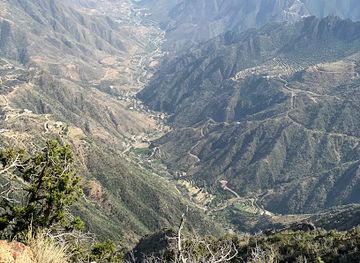
The principal attraction at Al Soudah Park is the mountain landscape itself: high ridges, juniper woodland, steep escarpments and open viewpoints across the Asir highlands towards the valleys and the Tihamah plain. Jabal Soudah and the surrounding uplands provide the setting for scenic drives, photography and short walks, while shifting cloud and seasonal rain can transform the views within hours. The park is also a useful starting point for understanding the wider Abha area, whose attractions include traditional Asiri villages, mountain terraces and cultural sites outside the park boundary. Visitors may encounter birds and, in the broader highlands, hamadryas baboons, although wildlife sightings are unpredictable. The landscape is more important here than a dense collection of built attractions, and facilities can be dispersed along roads rather than arranged around a single visitor centre or formal trail network.
-
Hiking area
عقبة القرون
Discover the breathtaking hiking trails of Al Souda, a natural wonder in Abha, where adventure meets stunning landscapes and serene beauty.
-
Tourist attraction
Al Sahab Viewpoint
Discover the breathtaking Al Sahab Viewpoint in Al Soudah, where stunning panoramas and serene nature await every visitor.
-
Tourist attraction
Al soudah
Explore Al Soudah: A breathtaking tourist attraction in Saudi Arabia, where stunning landscapes and rich biodiversity await your discovery.
-
Tourist attraction
استراحة الكامدي
Experience tranquility and natural beauty at استراحة الكامدي in Abha, a perfect escape for tourists seeking relaxation and cultural charm.
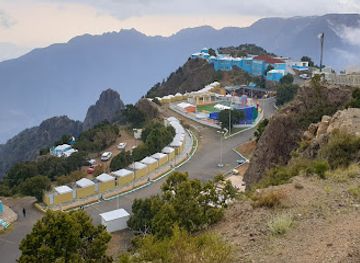
Explore Al Soudah Park on the map
Plan your trip on one map. See where the top attractions, landmarks, restaurants and hotels are, and book hotels and experiences in a few clicks.
Best hotels in Al Soudah Park
Best bars in Al Soudah Park
Al Soudah Park has no established nightlife district and Saudi Arabia does not have a conventional alcohol-based bar or nightclub scene. Evenings in the mountain area are generally quiet, with visitors returning to accommodation, sharing meals or spending time outdoors where conditions and local rules allow. Abha provides a wider choice of cafés, hotel lounges and family-oriented evening venues, but entertainment remains centred on dining, conversation and seasonal cultural programming rather than club culture. Events and temporary attractions can change, so visitors should check current local information instead of assuming that a particular performance or venue will be operating. The highland environment itself is often the evening experience, although mist, cold temperatures and limited lighting make remote walks unsuitable without proper care.
-
Restaurant
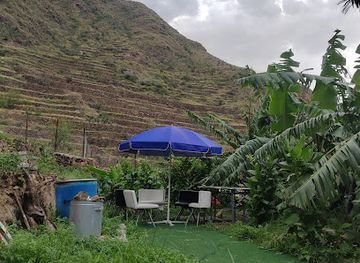
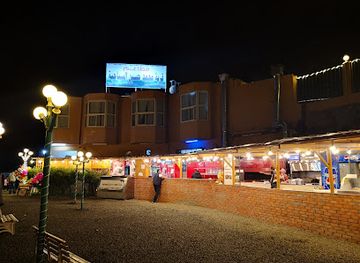
Mohammed Hussein tourist village
Experience authentic Saudi flavors in the scenic Mohammed Hussein Tourist Village, a culinary gem in the heart of Al Soudah, Abha.
-
Restaurant
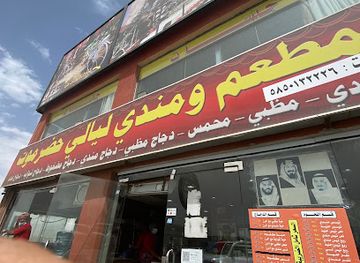
مطعم ليالي حضرموت
Experience authentic Yemeni cuisine at مطعم ليالي حضرموت in Al Soudah, Abha, where every dish is a journey through rich flavors and traditions.
-
Restaurant
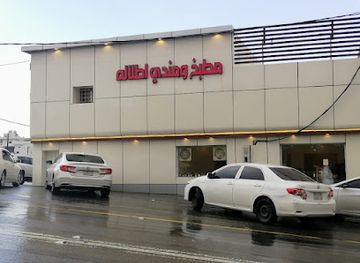
مطبخ ومندي اطلاله
Experience authentic Saudi flavors and stunning views at مطبخ ومندي اطلاله, a culinary treasure in Al Soudah, Abha.
-
Fast Food
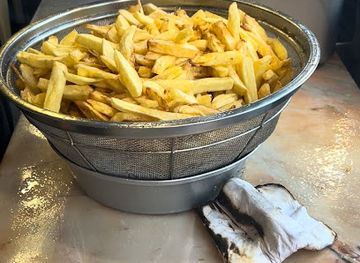
بوفية البطاطس الجيزاني
Explore the flavors of Al Soudah at بوفية البطاطس الجيزاني, a fast food paradise for potato lovers with a unique local twist.
Best shops in Al Soudah Park
Shopping inside Al Soudah Park is limited, with no extensive retail centre or recognised shopping street. Visitors are more likely to find supplies, cafés and everyday purchases in Abha or in settlements along the approach roads. The wider Asir Region is associated with honey, dates, coffee, spices, woven goods, handicrafts and locally made food products, although availability varies between shops and seasonal markets. Abha is the most practical place to look for regional produce, traditional items and outdoor essentials before travelling into the mountains. Visitors should distinguish between genuinely locally produced goods and generic souvenirs, and should not assume that a market or craft stall operates year-round. Buying directly from established local producers can offer a more meaningful connection with the agricultural and craft traditions of the highlands.
-
Supermarket
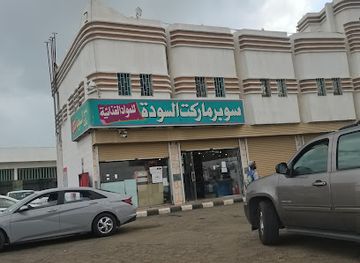
سوبر ماركت السودة
Discover the heart of Al Soudah at سوبر ماركت السودة, your go-to supermarket for local flavors and essentials.
-
Natural goods store
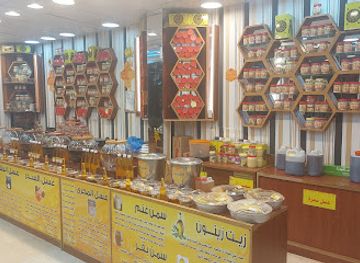
مناحل السودة
Explore the exquisite natural goods store of مناحل السودة in Abha, where organic products meet the stunning landscapes of Al Soudah.
-
Grocery store
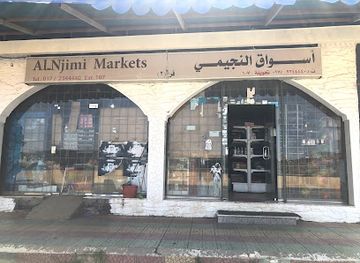
أسواق النجيمي
Immerse yourself in the rich flavors and vibrant culture at أسواق النجيمي, the heart of Al Soudah's grocery shopping experience.
-
Shopping mall
محل سهم الجنوب (2) لبيع وتأجير لوازم الرحلات وتعبئة الغاز
Discover outdoor essentials and gas refills at محل سهم الجنوب, your adventure partner in scenic Al Soudah, Abha.
Get your free copy of our complete guide to Al Soudah Park, delivered straight to you.
Everything on this page, from attractions and restaurants to essentials and local phrases, in one PDF you can read offline, print or share.
Already have an account? Sign in
Your Al Soudah Park guide is ready.
We'll send it to · Not you? Sign out

Getting your guide ready…
We are putting together a fresh copy of the Al Soudah Park guide. This can take up to a minute.
This can take a few moments. If your browser asks, choose Allow so the download can start. You'll find the guide in your Downloads folder.
Nothing happened? Download it again
Sorry, the guide is taking longer than usual. Please try again in a minute, or get it by email instead.
Al Soudah Park essentials
Currency and Payment
Safety
Emergency Situations
Do's and Don'ts
Local Tips
From Eve
Local phrases worth knowing
You don't need to get them perfect. A few words go a long way, and locals appreciate the effort.
Basics
| English | Local | Say it |
|---|---|---|
| Hello | مرحبا | [Marhaba] |
| Goodbye | وداعا | [Wadaa'an] |
| Yes | نعم | [Naam] |
| No | لا | [La] |
| Please/You're welcome | من فضلك | [Min fadlik] |
| Thank you | شكرا لك | [Shukran lak] |
| Excuse me/Sorry | عذرا | [Aathirana] |
| How are you? | كيف حالك؟ | [Kayf halak?] |
| Fine. And you? | بخير. وأنت؟ | [Bikhair. Wa anta?] |
| Do you speak English? | هل تتحدث الإنجليزية؟ | [Hal tatahadath al'injlizia?] |
| I don't understand | لا أفهم | [La afham] |
Eating & Drinking
| English | Local | Say it |
|---|---|---|
| I'd like to see the menu, please | أريد أن أرى القائمة، من فضلك | [Uriidu an ara alqaimah, min fadlik] |
| I don't eat meat | أنا لا آكل اللحم | [Ana la aakul allahm] |
| Cheers! | في صحتك! | [Fi sahtak!] |
| I would like to pay, please | أريد أن أدفع، من فضلك | [Uriidu an adfa', min fadlik] |
Emergencies
| English | Local | Say it |
|---|---|---|
| Help! | النجدة! | [Alnajdah!] |
| Go away! | انصرف! | [Ansarf!] |
| Call the Police! | اتصل بالشرطة! | [Itsal bialshurta!] |
| Call a doctor! | اتصل بطبيب! | [Itsal bialtabib!] |
| I'm lost | لقد ضللت الطريق | [Laqad dillat altariq] |
| I'm ill | أنا مريض | [Ana mareed] |
Shopping
| English | Local | Say it |
|---|---|---|
| I'd like to buy... | أريد أن أشتري... | [Uriidu an ashtari...] |
| I'm just looking | أنا فقط أتفرج | [Ana faqat atfarij] |
| How much is it? | بكم هذا؟ | [Bikam hatha?] |
| That's too expensive | هذا غالي جدا | [Hatha ghali jiddan] |
| Can you lower the price? | هل يمكنك تخفيض السعر؟ | [Hal yumkinuk takhfid alsiar?] |
Time & Numbers
| English | Local | Say it |
|---|---|---|
| What time is it? | كم الساعة؟ | [Kam alssaa?] |
| It's one o'clock | الساعة الواحدة | [Alssaa alwahidah] |
| Half past (10) | العاشرة والنصف | [Al'ashirah walnisf] |
| Morning | صباح | [Sabah] |
| Afternoon | عصر | [Asr] |
| Evening | مساء | [Masa] |
| Yesterday | أمس | [Ams] |
| Today | اليوم | [Alyawm] |
| Tomorrow | غدا | [Ghadan] |
| 1 | واحد | [Wahid] |
| 2 | اثنان | [Ithnan] |
| 3 | ثلاثة | [Thalathah] |
| 4 | أربعة | [Arbah] |
| 5 | خمسة | [Khamsah] |
| 6 | ستة | [Sittah] |
| 7 | سبعة | [Sabah] |
| 8 | ثمانية | [Thamaniyah] |
| 9 | تسعة | [Tis'ah] |
| 10 | عشرة | [Asharah] |
Transport & Directions
| English | Local | Say it |
|---|---|---|
| Where's a/the...? | أين؟ | [Ayna?] |
| What's the address? | ما هو العنوان؟ | [Ma huwa al'iunwan?] |
| Can you show me (on the map)? | هل يمكنك أن تريني (على الخريطة)؟ | [Hal yumkinuk 'an tureeni (ala alkhareetah)?] |
| When's the next (bus)? | متى يأتي (الحافلة) القادمة؟ | [Mata yaati (alhafilah) alqadimah?] |
| A ticket (to ....) | تذكرة (إلى ....) | [Tazkirah (ila ....)] |
History of Al Soudah Park
A High Mountain Landscape
Al Soudah’s history begins with the long geological formation of the Asir escarpment, a mountainous zone where the Arabian Shield rises steeply and the land falls towards the Tihamah coastal plain. Erosion, seasonal rainfall and differences in rock have shaped the ridges, ravines and high plateaux visible around the park. These physical conditions also created a cooler, wetter environment than much of western and central Saudi Arabia, allowing juniper woodland and other upland vegetation to survive. The mountain setting is therefore not simply a scenic backdrop: it has influenced settlement, agriculture, movement and the distinctive environmental character of the area.
Asiri Communities and Mountain Land Use
The wider Asir highlands have long been inhabited by communities that adapted to steep terrain, limited level land and seasonal rainfall. Traditional livelihoods included terrace cultivation, animal husbandry and the use of mountain paths linking villages and valleys. Although Al Soudah itself is primarily a natural landscape, it forms part of this broader cultural region, where stone construction, compact settlements and carefully managed agricultural terraces reflect practical responses to the mountains. Local identity is also expressed through Asiri food, dress, architecture and oral traditions, many of which are best encountered in settlements around Abha and elsewhere in the region rather than within the park.
From Remote Highlands to Recreation Area
Improved roads and the growth of Abha as a regional centre gradually made the high mountains more accessible for leisure, scenic driving and summer recreation. Al Soudah became associated with panoramic viewpoints, cooler air and the experience of juniper-covered slopes, drawing visitors from other parts of Saudi Arabia. Tourism development has remained closely tied to the natural setting, with access and facilities concentrated along roads and selected visitor areas rather than distributed throughout the mountain terrain. The area’s modern identity consequently combines regional recreation with growing awareness of the need to protect fragile upland vegetation and manage visitor pressure.
Landscape Protection and Future Change
The environmental value of Al Soudah is increasingly considered alongside plans for major tourism and conservation development in the surrounding highlands. Juniper forests grow slowly and can be vulnerable to drought, erosion, fire and disturbance, while mountain roads and visitor use require careful management. The future of the area is therefore connected to how infrastructure, recreation and habitat protection are balanced. Visitors encounter a landscape shaped by both natural processes and centuries of human adaptation, while the precise facilities and access arrangements may change as regional development proceeds.
Al Soudah Park in Photos
Browse through our photo collection highlighting the charm and character of the destination.
Neighbouring destination travel guides
The closest destinations to Al Soudah Park, if you have time for more than one.
-

-
-

-

-


Swipe for more destinations
Explore more

Explore more of Jazan
Discover Jazan: Saudi Arabia's coastal paradise with pristine beaches, lush mountains, and rich cultural heritage waiting to be explored.
Explore Jazan
Explore more of Saudi Arabia
Discover the rich heritage, stunning landscapes, and warm hospitality of Saudi Arabia, where ancient traditions meet modern wonders in a truly unique travel experience.
Explore Saudi Arabia