

Dahlak Archipelago, Eritrea Travel Guide
Discover the pristine beauty and rich history of the Dahlak Archipelago in Eritrea – a hidden gem in the Red Sea, perfect for diving, snorkeling, and cultural exploration.
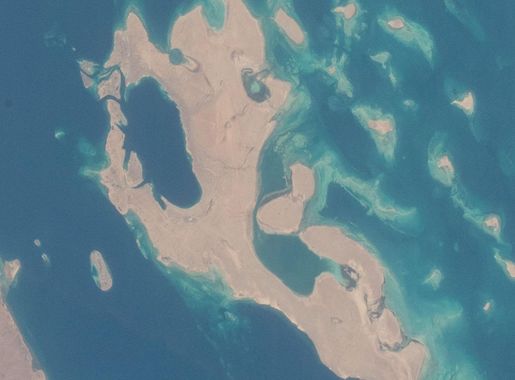
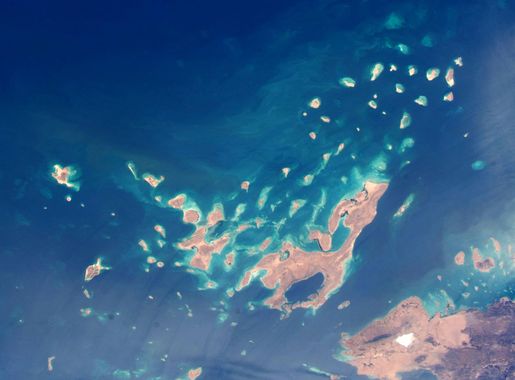
The Dahlak Archipelago, located in the Red Sea off the coast of Eritrea, is a breathtaking paradise of more than 200 islands. Known for its crystal-clear waters, vibrant marine life, and pristine beaches, this archipelago offers an untouched haven for nature lovers and adventure seekers alike. Snorkelers and divers will be enchanted by the rich underwater world, teeming with colorful coral reefs, exotic fish, and even shipwrecks. The warm waters of the Red Sea provide excellent visibility, making it a perfect spot for underwater photography and exploration. The islands themselves are equally stunning, with white sandy beaches and lush vegetation providing a serene backdrop for relaxation. For those interested in history, the Dahlak Archipelago has a fascinating past. The islands have been inhabited for thousands of years, and visitors can explore ancient ruins and learn about the region's history from local guides. The islands are also home to a small number of traditional fishing communities, where you can experience the local culture and hospitality firsthand. Whether you're seeking adventure, relaxation, or a glimpse into Eritrea's rich history, the Dahlak Archipelago offers a unique and unforgettable travel experience.

Know before you go
Hi, I'm Eve. Here are a few practical things to know before exploring Dahlak Archipelago.
- Bring your own snorkeling and diving gear, as equipment rental options are limited on the islands.
- Visit between October and March for the best weather and sea conditions.
- Arrange guided tours in advance to ensure you can explore the lesser-known islands and historical sites.
- Carry sufficient cash, as there are no ATMs or banks on the islands.
- Respect local customs and traditions, particularly in the fishing villages.
- Stay hydrated and use sun protection, as the sun can be intense.
Explore Dahlak Archipelago: Things to Do, Places to Eat, Hotels & More
Handpicked recommendations for top attractions, local dining, accommodations, and more

Best attractions in Dahlak Archipelago


Best landmarks in Dahlak Archipelago
Top-rated picks
Best Landmarks

Dahlak Marine National Park
Explore the mesmerizing Dahlak Marine National Park in Eritrea, a sanctuary of breathtaking marine life and stunning natural beauty.

Nora
Discover the enchanting beauty and rich history of Nora, a captivating island paradise in Eritrea, perfect for adventure seekers and relaxation enthusiasts alike.
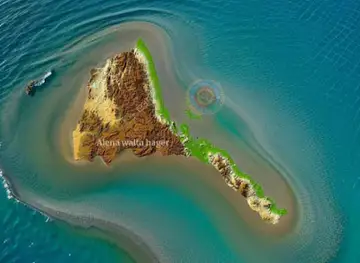
Nora Resorts
Discover the tranquility of Nora Resorts in Eritrea, where modern comfort meets breathtaking nature for the perfect travel experience.

Dahlak Kebir
Experience the breathtaking beauty and rich culture of Dahlak Kebir, a hidden island gem in Eritrea's Dahlak archipelago, perfect for adventure and relaxation.


Best nightclubs in Dahlak Archipelago
Top-rated picks
Best Nightclubs

Dahlak Marine National Park
Explore the breathtaking marine biodiversity and pristine islands of Dahlak Marine National Park, a hidden treasure in Eritrea's Red Sea.

Adonai’s bar
Discover Adonai’s Bar in Dhu Bellu, Eritrea - a vibrant spot for locals and tourists to unwind with refreshing drinks and lively ambiance.

Best shops in Dahlak Archipelago
Top-rated picks
Best Shops

Dahlak Marine National Park
Experience the serene beauty and vibrant marine life of Dahlak Marine National Park, a hidden gem in Eritrea's coastal paradise.

Nora Resorts
Experience the serene beauty of Nora Resorts in Eritrea, where relaxation meets comfort in a tranquil lodge setting.

Dahlak Kebir
Explore the enchanting Dahlak Kebir, an island paradise with breathtaking beaches, rich culture, and vibrant marine life in Eritrea.

Dahlak Archipelago
Explore the pristine beauty of Dahlak Archipelago, a hidden gem in Eritrea’s Red Sea, offering adventure, culture, and stunning marine life.

Explore Dahlak Archipelago on the Map
A handpicked selection of must-see spots in Dahlak Archipelago, mapped for you.
Dahlak Archipelago Essentials
-
The Dahlak Archipelago is located in the Red Sea, off the coast of Eritrea. The nearest international airport is Asmara International Airport in the capital city, Asmara. From Asmara, you can take a domestic flight to Massawa, the closest port city to the archipelago. Alternatively, you can travel by road from Asmara to Massawa, which takes about 2-3 hours. From Massawa, boats and ferries are available to transport you to the various islands of the Dahlak Archipelago.
-
Within the archipelago, transportation is primarily by boat. Local fishermen and tour operators offer services between the islands. It's advisable to arrange transportation in advance, especially during peak tourist seasons. Some islands have basic roads and tracks, so hiring a local guide with a 4x4 vehicle can be an option for inland travel. However, most of the exploration will be done on foot once you reach the islands.
-
The official currency in Eritrea is the Eritrean Nakfa (ERN). Credit cards are not widely accepted, so it is essential to carry sufficient cash for your trip. ATMs are available in Asmara and Massawa, but they may not be reliable. It's recommended to withdraw cash in Asmara before heading to the archipelago. Exchange services are available in major cities, but not on the islands.
-
The Dahlak Archipelago is generally safe for tourists. However, it is always wise to take standard precautions. Keep your belongings secure and avoid displaying valuables. There are no specific high-crime areas targeting tourists, but staying vigilant is advisable. Be cautious when swimming or snorkeling, as currents can be strong. Always inform someone of your plans when venturing out to explore the islands.
-
In case of emergency, contact the local authorities or your tour operator immediately. There are limited medical facilities on the islands, so for serious medical emergencies, evacuation to Massawa or Asmara may be necessary. It's highly recommended to have comprehensive travel insurance that covers medical evacuations. The local emergency number is 113 for police, and 114 for medical emergencies.
-
Fashion: Do dress modestly, especially in villages and religious sites. Lightweight, breathable clothing is recommended due to the hot climate. Religion: Do respect local customs and traditions. Avoid public displays of affection. Public Transport: Do be respectful and patient, as transport schedules can be unpredictable. Greetings: Do greet people with a friendly 'Salam' or 'Hello.' A handshake is appreciated but not always necessary. Eating & Drinking: Do try local seafood and traditional dishes. Don't refuse food or drink offered by locals, as it is considered impolite.
-
To experience the Dahlak Archipelago like a local, engage with the island communities and participate in their daily activities. Visiting local markets will give you a taste of local life and cuisine. Always ask for permission before photographing people. Take the opportunity to learn about the rich marine life and the history of the islands from local guides. Don't miss out on snorkeling or diving to explore the pristine coral reefs and abundant marine life.
When is the best time to visit Dahlak Archipelago?
Useful Local Phrases for Dahlak Archipelago
You don't need to speak the language perfectly. Even learning a few simple words can make conversations warmer—and locals usually appreciate the effort.
— Eve

Here are the phrases I use most often in Dahlak Archipelago. Try a few—you'll be surprised how far they go! 😊
❤️
-
- Helloሰላም
[selam] - Goodbyeዓይን
[ayn] - Yesእወ
[ew] - Noእምላ
[emla] - Please/You're welcomeእንበለካ
[enbeleka] - Thank youእንተነሓሽ
[entenaHasha] - Excuse me/Sorryየንብላ
[yenbela] - How are you?ኣንስትዮ?
[anestyo?] - Fine. And you?ኣንስትዮ። ኣንስቡ?
[anestyo. anesbu?] - Do you speak English?እንተ እንግሊዝኛ ነን?
[ente englizna nen?] - I don't understandእንተዝምርይሞ ናበይ
[entezimriyom nabiya]
- Helloሰላም
-
- I'd like to see the menu, pleaseምስለኒ ስንቊን እዩ
[mselni sinqin eyu] - I don't eat meatስከየኒ ምሕረት እንተ ምብርጽ
[skeyni mherit ente mbirts] - Cheers!ስነገር!
[sengar!] - I would like to pay, pleaseስልእን እዩ
[sleni eyu]
- I'd like to see the menu, pleaseምስለኒ ስንቊን እዩ
-
- Help!ኣይንሕስፍን!
[aynhisfen!] - Go away!መምርሓ!
[mamrha!] - Call the Police!ክትሕሙ ሰብኣ!
[ktihmu seba!] - Call a doctor!ክትሕሙ ተለል!
[ktihmu telle!] - I'm lostክቡር ነይሩ
[kbur nayru] - I'm illክትእን ክምኮን
[kten kmkon]
- Help!ኣይንሕስፍን!
-
- I'd like to buy...ስናቕሩኒ...
[snakhruni...] - I'm just lookingስንግሕለኒ
[sengheleni] - How much is it?ብኽብረት እዩ?
[bkebret eyu?] - That's too expensiveስነይረኒ ንሓሰይ
[sneyrini nhasay] - Can you lower the price?ስአንስን ብክትሰ ክረክብካ?
[sansni bktse krekbka?]
- I'd like to buy...ስናቕሩኒ...
-
- What time is it?ቁርእ ከይሕ?
[kurey kih?] - It's one o'clockኣንስት ሓደ ከም
[anest had km] - Half past (10)ኣድናቕ ቀረኒ (10)
[adnak kreni (10)] - Morningጥራይ
[tsrai] - Afternoonወጻኢ
[wesai] - Eveningርሑስ
[rhus] - Yesterdayሎሚ
[lomi] - Todayማሕሙዝ
[mahmuz] - Tomorrowሰንቲለ
[sentiLe] - 1ኣካንዲ
[akendi] - 2ርኽእተ
[rkhete] - 3ራብዕ
[rabE] - 4ባሕር
[bahre] - 5ምስማዕ
[msmaE] - 6ምስምቕ
[msmk] - 7ምስስም
[mssm] - 8ምስልዕ
[msle] - 9ምስዑር
[msur] - 10ሰሓሕ
[sehah]
- What time is it?ቁርእ ከይሕ?
-
- Where's a/the...?ዝብል ሕብረተ...?
[zibl hberet...?] - What's the address?እንግሊዝኛ ብሕብረት ነን?
[englizna bhaberet nen?] - Can you show me (on the map)?መንሕሯን ክትሓምሰ?
[mnhhan kthamse?] - When's the next (bus)?ኣብዚ ላዕሊ ኣብዚ ክትሕሕም?
[abzi laeli abzi kthihhm?] - A ticket (to ....)ትክክል (እዩ ....)
[tkkhl (eyu ....)]
- Where's a/the...?ዝብል ሕብረተ...?
History of Dahlak Archipelago
-
The Dahlak Archipelago has a rich history as a significant trade hub during the ancient and medieval periods. Its strategic location in the Red Sea made it a pivotal point for trade between Africa, the Arabian Peninsula, and the Indian subcontinent. Archaeological findings suggest that the islands were inhabited as early as the 3rd century BC, serving as a center for the exchange of goods such as spices, textiles, and precious metals.
-
During the height of the Aksumite Empire, which flourished from the 1st to the 7th century AD, the Dahlak Archipelago played a crucial role in the empire’s maritime activities. The islands were key to the Aksumites' naval dominance in the Red Sea and facilitated trade relations with the Byzantine Empire and other distant territories. The presence of Aksumite coins and inscriptions on the islands further attests to their significance during this period.
-
In the 8th century, the spread of Islam reached the Dahlak Archipelago, transforming the cultural and religious landscape of the islands. The archipelago became an important center for Islamic learning and trade. The ruling elite of Dahlak adopted Islam, and the islands became known for their production of high-quality pearls, which were highly sought after in various Islamic markets. The remains of ancient mosques and Islamic tombstones reflect this period of Islamic influence.
-
In the 16th century, both the Ottoman Empire and the Portuguese showed interest in the Dahlak Archipelago due to its strategic location. The Ottomans established a presence on the islands, incorporating them into their Red Sea territories. Concurrently, the Portuguese sought to control the Red Sea trade routes and made attempts to exert influence over the archipelago. These competing interests marked a period of geopolitical significance for the islands.
-
The late 19th and early 20th centuries saw the Dahlak Archipelago come under Italian colonial rule, as part of Italian Eritrea. The Italians utilized the islands for their strategic maritime advantages and established a penal colony on Dahlak Kebir, the largest island in the archipelago. Infrastructure from this colonial period can still be seen today, including remnants of buildings and roads.
-
After Eritrea gained independence from Ethiopia in 1993, the Dahlak Archipelago became part of the newly sovereign state. The islands have since been recognized for their unique biodiversity and cultural heritage. Efforts have been made to preserve the natural environment and promote sustainable tourism, highlighting the archipelago’s rich history and its importance to Eritrea’s cultural identity.
Neighbouring destination travel guides
Browse our curated selection of top destinations, scenic points, and must-visit spots in the area.


Your all‑in‑one travel companion app
Explore expert travel guides, compare and book tours, experiences, hotels, and more—all from the palm of your hand. Download now for seamless trip planning wherever your wanderlust takes you.


Explore More of Eastern Eritrea
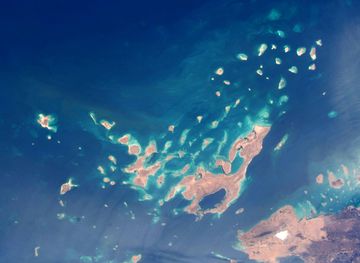
Looking beyond Dahlak Archipelago? Discover Eastern Eritrea for broader travel guides, local hot-spots, and regional highlights.
Explore Eastern EritreaExplore More of Eritrea

Looking beyond Dahlak Archipelago? Discover Eritrea for broader travel guides, local hot-spots, and regional highlights.
Explore EritreaDahlak Archipelago in Photos
Browse through our photo collection highlighting the charm and character of the destination.






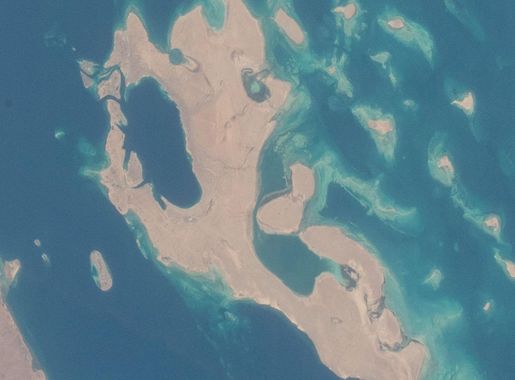

Dahlak Archipelago: Eritrea's Hidden Paradise
The Dahlak Archipelago, located in the Red Sea off the coast of Eritrea, is a breathtaking paradise of more than 200 islands. Known for its crystal-clear waters, vibrant marine life, and pristine beaches, this archipelago offers an untouched haven for nature lovers and adventure seekers alike. Snorkelers and divers will be enchanted by the rich underwater world, teeming with colorful coral reefs, exotic fish, and even shipwrecks. The warm waters of the Red Sea provide excellent visibility, making it a perfect spot for underwater photography and exploration. The islands themselves are equally stunning, with white sandy beaches and lush vegetation providing a serene backdrop for relaxation. For those interested in history, the Dahlak Archipelago has a fascinating past. The islands have been inhabited for thousands of years, and visitors can explore ancient ruins and learn about the region's history from local guides. The islands are also home to a small number of traditional fishing communities, where you can experience the local culture and hospitality firsthand. Whether you're seeking adventure, relaxation, or a glimpse into Eritrea's rich history, the Dahlak Archipelago offers a unique and unforgettable travel experience.