

Savamala (Belgrade) Travel Guide - Free
Explore Savamala in Belgrade with Evendo's free guide. Find the best shops, historic streets, restaurants, and gems on web or mobile.


Savamala in Belgrade blends riverfront walks, historic warehouses, creative venues, lively cafés and the layered story of Serbia’s capital beside the Sava.
Between the City and the Sava
Savamala occupies the low-lying ground where central Belgrade descends towards the Sava, stretching broadly between the riverfront, Brankov Bridge and the area around Savski Trg. Its position has always shaped its identity: this was a district of warehouses, customs buildings, railway traffic and waterborne trade rather than a purely residential quarter. Today, visitors encounter a place where nineteenth- and early twentieth-century structures stand beside contemporary bars, cultural venues, infrastructure projects and broad riverside promenades.Read more about Savamala
Architecture and Urban Layers
Culture, Food and the Riverfront
Best attractions in Savamala
Savamala’s attractions are concentrated along a compact route from Savski Trg towards the Sava. The Belgrade Cooperative on Karađorđeva Street is the district’s principal architectural visit, with an ornate exterior and a richly decorated interior that reflect the ambitions of early twentieth-century Belgrade. Nearby, KC Grad occupies a former industrial building and presents cultural programming that has helped define Savamala’s contemporary identity. The riverside route leads to Beton Hala, where adapted former storage structures now contain restaurants and provide a starting point for walks along the Sava. Savski Trg and the former railway-station area add a broad urban perspective, while the changing waterfront offers a direct view of how Belgrade is being rebuilt. Visitors should expect a mixture of heritage, infrastructure and redevelopment rather than a neatly preserved historic quarter.
-
 National museum
National Museum of Serbia
Explore the National Museum of Serbia in Belgrade, home to a vast collection of art and history from prehistoric to modern times.
8 min walk · 0.6 km from neighbourhood centre
-
Art museum
Museum of contemporary art
Explore the dynamic world of modern art at Belgrade's Museum of Contemporary Art, featuring a rich collection and engaging exhibitions.
5 min drive · 1.7 km from neighbourhood centre
-
Sculpture
The Victor
Explore The Victor, a magnificent sculpture in Belgrade, symbolizing freedom and resilience, offering stunning views and rich history.
5 min drive · 1.7 km from neighbourhood centre
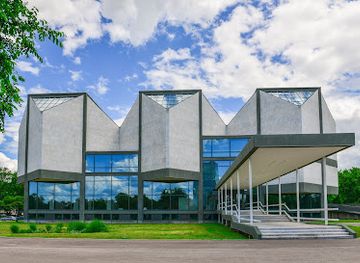

Best landmarks in Savamala
The Belgrade Cooperative is Savamala’s defining landmark, a monumental 1907–08 building whose ornate façade and interior decoration convey the confidence of Serbia’s early modern commercial institutions. Karađorđeva Street itself is significant because its line follows the historic relationship between the city, warehouses, customs activity and the Sava. The former railway-station area around Savski Trg represents another important layer of the neighbourhood’s development, recalling the role of rail transport in connecting Belgrade with the wider country, even though the old station no longer handles regular passenger traffic. Beton Hala has a different kind of significance: its adapted industrial structures preserve a visible connection with riverside storage and trade while serving present-day leisure uses. Together these places make Savamala’s identity legible through architecture, transport and the river.
-
Fortress
Belgrade Fortress
Explore Belgrade Fortress: A Historical Marvel Overlooking the Confluence of the Sava and Danube Rivers, Offering Breathtaking Views and Cultural Richness.
5 min drive · 1.7 km from neighbourhood centre
-
Orthodox church
The Temple of Saint Sava
Explore the grandeur of the Temple of Saint Sava in Belgrade, a stunning testament to Serbian Orthodox architecture and culture.
5 min drive · 1.6 km from neighbourhood centre
-
Memorial
Monument to Stefan Nemanja
Discover the Monument to Stefan Nemanja in Belgrade, a powerful tribute to Serbia's heritage and a must-see historical landmark for every traveler.
5 min walk · 0.4 km from neighbourhood centre
-
City park
Sava promenada
Experience the beauty of Sava Promenada, a serene park in Belgrade perfect for leisurely strolls, picnics, and vibrant local culture.
11 min walk · 0.9 km from neighbourhood centre


Explore Savamala on the map
A handpicked selection of must-see spots in Savamala, mapped for you.
Best hotels in Savamala
Best restaurants in Savamala
Savamala’s dining scene is closely tied to its riverfront setting and former warehouse architecture. Beton Hala is the best-known concentration of restaurants, occupying converted industrial premises beside the Sava and offering a choice of contemporary dining styles. Around Karađorđeva Street and the streets leading towards the river, cafés and smaller venues sit among older commercial buildings, while the area around Savski Trg provides further everyday options. The neighbourhood is not defined by one single cuisine; its food culture reflects Belgrade’s broader mixture of Balkan cooking, Serbian specialities, modern European menus and café habits. Riverside terraces are especially associated with leisurely meals, whereas the historic upper streets feel more connected to local movement and nightlife. Because Savamala’s commercial landscape changes alongside redevelopment, visitors should check current opening information rather than assume that a venue remains in the same location.
-
Serbian
Manufaktura Restaurant Belgrade
Experience authentic Serbian cuisine at Manufaktura Restaurant in Belgrade – where tradition meets taste.
13 min walk · 1.0 km from neighbourhood centre
-
Restaurant
Mama Restaurant Belgrade
Experience the vibrant flavors of Serbia at Mama Restaurant Belgrade - where tradition meets innovation in every dish.
13 min walk · 1.1 km from neighbourhood centre
-
Serbian
Zavičaj
Discover authentic Serbian flavors at Zavičaj in Belgrade - where tradition meets taste in every dish.
3 min walk · 0.2 km from neighbourhood centre
-
Bistro
Savanova
Discover Savanova in Belgrade: A delightful bistro serving local flavors with a modern twist amidst a cozy atmosphere.
10 min walk · 0.8 km from neighbourhood centre


Best bars in Savamala
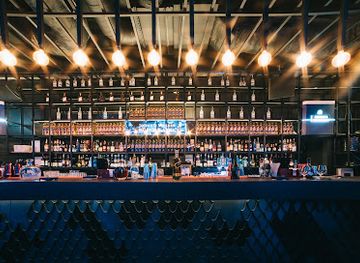
Savamala became one of Belgrade’s most recognisable evening districts through its combination of converted warehouses, cultural spaces, bars and riverside restaurants. KC Grad is associated with concerts, exhibitions and events that bridge nightlife and independent culture, while Beton Hala provides a more polished restaurant-and-bar setting beside the water. Other venues around Karađorđeva Street and the lower streets may host DJ nights, live music or late gatherings, but the local scene changes more quickly than the historic buildings suggest. The atmosphere is busiest around programmed events and at weekends, with quieter stretches appearing between the main venues. Nightlife is therefore varied rather than uniform: some evenings centre on cultural programming, others on dining and drinks, and the wider riverfront may feel more like a promenade than a club district.
-
Pub
Funk & Soul Pub
Discover Belgrade's vibrant nightlife at Funk & Soul Pub, where great drinks and lively music create unforgettable experiences.
12 min walk · 0.9 km from neighbourhood centre
-
Pub
Old London Pub
Discover Belgrade's vibrant nightlife at Old London Pub, where Belgian beers and local culture blend seamlessly for an unforgettable experience.
3 min walk · 0.2 km from neighbourhood centre
-
Pub
Bridge Pub
Experience the vibrant atmosphere and authentic Serbian cuisine at Bridge Pub in Belgrade, the perfect spot for food and drink lovers.
6 min walk · 0.5 km from neighbourhood centre
-
Pub
Rob Roy 1884
Experience the vibrant atmosphere and extensive drink selection at Rob Roy 1884, a must-visit pub in Belgrade for every traveler.
5 min walk · 0.4 km from neighbourhood centre


Best nightclubs in Savamala
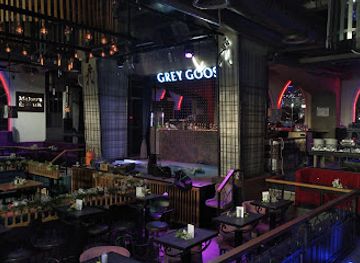
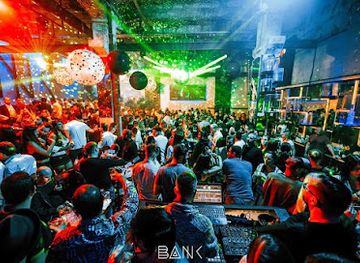
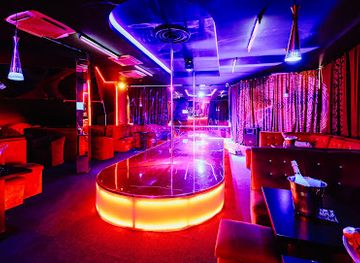
Savamala became one of Belgrade’s most recognisable evening districts through its combination of converted warehouses, cultural spaces, bars and riverside restaurants. KC Grad is associated with concerts, exhibitions and events that bridge nightlife and independent culture, while Beton Hala provides a more polished restaurant-and-bar setting beside the water. Other venues around Karađorđeva Street and the lower streets may host DJ nights, live music or late gatherings, but the local scene changes more quickly than the historic buildings suggest. The atmosphere is busiest around programmed events and at weekends, with quieter stretches appearing between the main venues. Nightlife is therefore varied rather than uniform: some evenings centre on cultural programming, others on dining and drinks, and the wider riverfront may feel more like a promenade than a club district.
-
Night club
Gotik
Discover the vibrant nightlife of Belgrade at Gotik, a premier night club blending electrifying music, stylish ambiance, and unforgettable experiences.
15 min walk · 1.2 km from neighbourhood centre
-
Night club
The BANK Club
Discover the pulse of Belgrade's nightlife at The BANK Club, where electrifying music and vibrant culture create unforgettable nights.
10 min walk · 0.8 km from neighbourhood centre
-
Night club
Hype
Discover Hype, Belgrade's iconic night club, where electrifying music and a vibrant atmosphere create unforgettable nightlife experiences.
10 min walk · 0.8 km from neighbourhood centre
-
Night club
Dark Angels Gentlemen’s Club
Discover the exhilarating nightlife of Belgrade at Dark Angels Gentlemen's Club, a premier venue for entertainment and excitement.
1 min walk · 0.1 km from neighbourhood centre
Best shops in Savamala
Savamala is not primarily a shopping district, and its retail character is more limited and specialised than that of central pedestrian streets elsewhere in Belgrade. Visitors will find cafés, restaurants, small service businesses and creative outlets around Karađorđeva Street and the streets leading towards the river, but the neighbourhood is better suited to browsing its architecture and cultural spaces than to a dedicated shopping expedition. The former warehouse setting and independent cultural scene have periodically supported design-oriented, art-related and event-based retail, although individual businesses and programmes can change. Savski Trg and the surrounding transport corridors provide everyday shops and services, while larger mainstream retail areas lie beyond the neighbourhood. For a more traditional market experience, visitors should travel elsewhere in Belgrade rather than expect Savamala to function as a permanent bazaar or specialist shopping quarter.
-
General store
Vintage Beograd
Explore the unique charm of Vintage Beograd, a vintage store in the heart of Belgrade offering eclectic treasures and nostalgic finds.
6 min walk · 0.4 km from neighbourhood centre
-
Clothing store
Šmizla Vintage & Design Store
Explore Šmizla Vintage & Design Store in Belgrade for unique vintage clothing and design pieces that capture the essence of the city.
14 min walk · 1.1 km from neighbourhood centre
-
Gift shop
Makadam Concept Store
Discover the charm of Belgrade at Makadam Concept Store, where shopping meets relaxation in a beautifully curated environment.
12 min walk · 0.9 km from neighbourhood centre
-
Gift shop
Rakia & co
Explore Rakia & Co in Belgrade for unique gifts, authentic Serbian rakia, and handcrafted souvenirs that reflect local culture.
2 min walk · 0.1 km from neighbourhood centre


Savamala essentials
Getting There
Getting Around
Safety
Emergency Situations
Do's and Don'ts
Local Tips

From Eve
Local phrases worth knowing
You don't need to get them perfect. A few words go a long way, and locals appreciate the effort.
Basics
| English | Local | Say it |
|---|---|---|
| Hello | Здраво | [Zdravo] |
| Goodbye | Довиђења | [Doviđenja] |
| Yes | Да | [Da] |
| No | Не | [Ne] |
| Please/You're welcome | Молим/Нема на чему | [Molim/Nema na čemu] |
| Thank you | Хвала | [Hvala] |
| Excuse me/Sorry | Извините | [Izvinite] |
| How are you? | Како си? | [Kako si?] |
| Fine. And you? | Добро. А ти? | [Dobro. A ti?] |
| Do you speak English? | Да ли говорите енглески? | [Da li govorite engleski?] |
| I don't understand | Не разумем | [Ne razumem] |
Eating & Drinking
| English | Local | Say it |
|---|---|---|
| I'd like to see the menu, please | Желео/желела бих да видим мени, молим | [Želeo/želela bih da vidim meni, molim] |
| I don't eat meat | Не једем месо | [Ne jedem meso] |
| Cheers! | Живели! | [Živeli!] |
| I would like to pay, please | Желео/желела бих да платим, молим | [Želeo/želela bih da platim, molim] |
Emergencies
| English | Local | Say it |
|---|---|---|
| Help! | Упомоћ! | [Upomoć!] |
| Go away! | Иди одавде! | [Idi odavde!] |
| Call the Police! | Позвате полицију! | [Pozvate policiju!] |
| Call a doctor! | Позвате лекара! | [Pozvate lekara!] |
| I'm lost | Изгубио/изгубила сам се | [Izgubio/izgubila sam se] |
| I'm ill | Болестан/болестна сам | [Bolestan/bolestna sam] |
Shopping
| English | Local | Say it |
|---|---|---|
| I'd like to buy... | Желео/желела бих да купим... | [Želeo/želela bih da kupim...] |
| I'm just looking | Само гледам | [Samo gledam] |
| How much is it? | Колико кошта? | [Koliko košta?] |
| That's too expensive | То је превише скупо | [To je previše skupo] |
| Can you lower the price? | Можете ли спустити цену? | [Možete li spustiti cenu?] |
Time & Numbers
| English | Local | Say it |
|---|---|---|
| What time is it? | Колико је сати? | [Koliko je sati?] |
| It's one o'clock | Један сат је | [Jedan sat je] |
| Half past (10) | Пола (10) | [Pola (10)] |
| Morning | Јутро | [Jutro] |
| Afternoon | Поподне | [Popodne] |
| Evening | Вече | [Veče] |
| Yesterday | Јуче | [Juče] |
| Today | Данас | [Danas] |
| Tomorrow | Сутра | [Sutra] |
| 1 | Један | [Jedan] |
| 2 | Два | [Dva] |
| 3 | Три | [Tri] |
| 4 | Четири | [Četiri] |
| 5 | Пет | [Pet] |
| 6 | Шест | [Šest] |
| 7 | Седам | [Sedam] |
| 8 | Осам | [Osam] |
| 9 | Девет | [Devet] |
| 10 | Десет | [Deset] |
Transport & Directions
| English | Local | Say it |
|---|---|---|
| Where's a/the...? | Где је...? | [Gde je...?] |
| What's the address? | Каква је адреса? | [Kakva je adresa?] |
| Can you show me (on the map)? | Можете ли ми показати (на мапи)? | [Možete li mi pokazati (na mapi)?] |
| When's the next (bus)? | Кад је следећи (аутобус)? | [Kad je sledeći (autobus)?] |
| A ticket (to ....) | Једну карту (за ...) | [Jednu kartu (za ...)] |
History of Savamala
A Sava-Side Settlement
The name Savamala combines Sava with mahala, a term used for a local quarter or settlement. The area developed outside the older fortified core as Belgrade expanded towards the Sava, particularly after the gradual establishment of greater Serbian autonomy in the nineteenth century. Its low position beside the river made it useful for trade and transport but also exposed it to flooding and difficult ground conditions. Under Prince Miloš Obrenović, the area became increasingly connected to the developing town through roads, river commerce and new urban planning, giving Savamala a practical, working character distinct from the older slopes above it.
Trade, Customs and the Railway
During the nineteenth century, Savamala became one of Belgrade’s principal commercial and transport districts. Warehouses, inns, workshops and customs-related facilities gathered around Karađorđeva Street and the river approaches, serving goods arriving by boat and moving inland. The opening of Belgrade’s railway connection in 1884 strengthened this role and brought the station area into the neighbourhood’s daily life. Railway sidings, freight traffic and passenger movement tied Savamala to Serbia’s wider economic networks, while the district’s buildings reflected its mixture of commerce, administration and working-class activity.
The Belgrade Cooperative Era
Savamala’s most distinguished architectural period came in the late nineteenth and early twentieth centuries, when commercial growth encouraged substantial new buildings. The Belgrade Cooperative was completed in 1907–08 as a financial and trading institution, and its richly decorated interior and prominent position on Karađorđeva Street expressed the ambitions of a modernising Serbian capital. The surrounding district retained a more utilitarian appearance, with storage buildings and transport infrastructure close by. This contrast between monumental façades and working riverside functions remains one of Savamala’s defining historical characteristics.
Decline and Cultural Reawakening
After the Second World War, changes in transport, industry and the organisation of trade reduced Savamala’s earlier commercial importance. Parts of the neighbourhood deteriorated, and the former railway landscape became progressively less central to Belgrade’s passenger transport after the main station ceased operating in 2018. From the late 2000s and especially during the 2010s, artists, cultural organisers and nightlife entrepreneurs began using vacant or neglected spaces, helping establish Savamala as a centre for independent events and creative activity. This revival was accompanied by debate over displacement, property pressure and the changing relationship between cultural initiatives and redevelopment.
Waterfront Redevelopment
The Belgrade Waterfront project brought large-scale redevelopment to land beside and around the historic railway district from the mid-2010s onwards. New towers, promenades, roads and commercial spaces altered Savamala’s visual relationship with the Sava and replaced or transformed parts of its former industrial setting. The project has improved access to some riverfront areas while provoking continuing discussion about planning, heritage, public space and the treatment of existing neighbourhood fabric. Contemporary Savamala therefore contains several overlapping phases: the old trading quarter around Karađorđeva, the creative venues that emerged in its neglected buildings, and the rapidly changing urban landscape along the river.
Savamala in Photos
Browse through our photo collection highlighting the charm and character of the destination.
Neighbourhoods near Savamala
The closest neighbourhoods to Savamala, if you have time for more than one stop.
-

-

-

-


Swipe for more neighbourhoods
Explore more

Explore more of Belgrade
Belgrade blends Sava and Danube views, fortress history, lively kafanas, riverfront nightlife and inventive culture in Serbia’s welcoming capital.
Explore Belgrade