

Zemun (Belgrade) Travel Guide - Free
Explore Zemun in Belgrade with Evendo's free guide. Find the best shops, historic streets, restaurants, and gems on web or mobile.


Zemun in Belgrade blends Habsburg streets, Gardoš Tower, Danube quays, seafood restaurants and relaxed riverside culture for curious visitors exploring Serbia.
A Distinctive Riverside Town
Zemun occupies Belgrade’s north-western edge, where the Danube curves past a historic town of steep lanes, low-rise façades and broad riverside promenades. Although incorporated into Belgrade in the twentieth century, it retains a strong local identity shaped by its long position between Central Europe and the Balkans. The neighbourhood rises from the river at Zemunski kej towards Gardoš, a hill crowned by the Millennium Tower, while Glavna ulica forms the principal spine through the old centre.Read more about Zemun
Streets, Hills and Architecture
Life Along the Danube
Best attractions in Zemun
Zemun’s attractions are concentrated within a walkable historic area descending from Gardoš to the Danube. The Millennium Tower, commonly called Gardoš Tower, provides the neighbourhood’s defining viewpoint and sits among narrow hilltop lanes with views over the river and surrounding city. Below it, Glavna ulica and Gospodska ulica offer a sequence of older façades, cafés and small shops, while Magistratski trg and Veliki trg reveal the former town’s civic scale. Nikolajevska Church is one of the area’s important historic religious buildings, and Zemun Market presents a more contemporary, everyday attraction through its food stalls and local trade. Along Zemunski kej, the experience shifts towards open water, walking, cycling, fishing and riverside dining. The appeal is the changing rhythm between steep old streets, intimate squares and a broad Danube horizon.
-
City park
Kalemegdan
Experience the historic charm of Kalemegdan, a fortress and park where nature meets culture in the heart of Belgrade.
14 min drive · 4.7 km from neighbourhood centre
-
Park
Zemun City Park
Discover tranquility in Zemun City Park, a picturesque escape in Belgrade blending nature, history, and recreation for all types of travelers.
10 min walk · 0.8 km from neighbourhood centre
-
Historical landmark
Tower Gardos, Zemun
Explore the beauty and history of Tower Gardos, a stunning landmark in Zemun, Belgrade, offering breathtaking views and local charm.
9 min walk · 0.7 km from neighbourhood centre
-
Amusement park
Beogradski Luna park
Experience thrilling rides and family fun at Beogradski Luna Park, Belgrade's premier amusement park along the scenic Danube River.
6 min drive · 1.9 km from neighbourhood centre


Best landmarks in Zemun
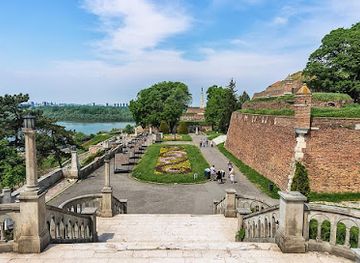
The Millennium Tower on Gardoš is Zemun’s most recognisable landmark, an 1896 tower built during celebrations of the millennium of Hungarian settlement and now inseparable from the hill’s identity. Its elevated position reflects the strategic importance of the former frontier town as well as offering a visual marker from the Danube. Nikolajevska Church, one of the historic churches in the old centre, contributes to the neighbourhood’s religious and architectural heritage, while the streets around Glavna ulica preserve the scale of the nineteenth-century town. Magistratski trg and Veliki trg retain the memory of civic administration and public life, and the quay expresses Zemun’s continuing relationship with the river. Together these places show how military geography, trade, worship and municipal life shaped a town later absorbed into Belgrade without losing its distinctive physical character.
-
Park
Zemun City Park
Discover the beauty and tranquility of Zemun City Park in Belgrade, a perfect blend of nature and history for every traveler.
10 min walk · 0.8 km from neighbourhood centre
-
Historical landmark
Tower Gardos, Zemun
Explore Tower Gardos, a historic gem in Zemun, offering stunning river views and a glimpse into Serbia's rich cultural heritage.
9 min walk · 0.7 km from neighbourhood centre
-
Park
Земунски парк Кеј
Discover the tranquility of Zemun Park, a green haven in Belgrade perfect for relaxation, picnics, and scenic walks amidst nature's beauty.
15 min walk · 1.2 km from neighbourhood centre
-
Tourist attraction
Zemunski Kej na Dunavu
Experience the tranquil beauty of Zemunski Kej na Dunavu in Belgrade, where scenic views, local wildlife, and vibrant culture await.
16 min walk · 1.3 km from neighbourhood centre


Explore Zemun on the map
A handpicked selection of must-see spots in Zemun, mapped for you.
Best hotels in Zemun
Best restaurants in Zemun
Eating in Zemun is closely tied to the Danube and to the neighbourhood’s long commercial history. The quay is lined with restaurants and floating venues where fish, river views and leisurely meals are prominent, although the character ranges from casual outings to more formal dining. In the old centre, cafés, bakeries and smaller restaurants occupy Glavna ulica, Gospodska and nearby streets, providing places to pause between walks. The market is useful for observing everyday food shopping and the seasonal produce that feeds local kitchens, while traditional Serbian dishes appear alongside broader Balkan and Central European influences. Visitors should expect a mixture of established local dining, contemporary cafés and practical neighbourhood eateries rather than a single defined cuisine. Restaurant offerings and operating arrangements change, so the pleasantest way to navigate the scene is to explore the streets and quay according to the moment.
-
Restaurant
Balkan Express
Experience authentic Balkan flavors at Balkan Express in Zemun, Belgrade - where tradition meets taste.
9 min walk · 0.7 km from neighbourhood centre
-
Restaurant
Restaurant Venice
Discover exquisite seafood and Mediterranean cuisine at Restaurant Venice along Belgrade's scenic Danube River.
14 min walk · 1.1 km from neighbourhood centre
-
Restaurant
Restaurant Gardos
Discover authentic Serbian flavors at Restaurant Gardos in Zemun—an exquisite blend of tradition and modern dining.
9 min walk · 0.7 km from neighbourhood centre
-
Serbian
Restoran “Matijaš”, Zemun
Savor traditional Serbian cuisine at Restoran Matijaš in Zemun – where every dish tells a story.
11 min walk · 0.9 km from neighbourhood centre


Best bars in Zemun
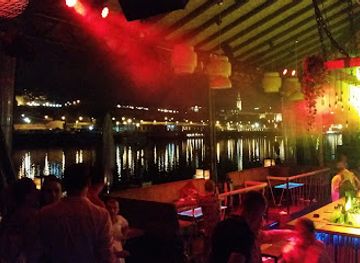
Zemun’s evening life is generally more relaxed than the club districts of central Belgrade, with much of its social energy concentrated in cafés, bars, restaurants and floating venues along the Danube. The quay is suited to long conversations and riverside drinks, while the old centre around Glavna ulica and Gospodska has a more intimate café-and-bar atmosphere among historic façades. Some river venues combine food, music and late-evening socialising, but the neighbourhood is not defined by a dense concentration of nightclubs. Gardoš and the older residential lanes become quieter after dark, making them better suited to an evening walk than noisy gatherings. Visitors should check the character and current programme of individual venues locally, particularly where live music or seasonal riverfront operation is involved, and should be considerate of residents close to the historic centre.
-
Pub
Cirkus Pab
Experience the lively charm of Cirkus Pab, a vibrant pub and live music venue in Zemun, Belgrade, where unforgettable nights await every visitor.
11 min walk · 0.9 km from neighbourhood centre
-
Pub
Gardoš Pub
Experience Belgrade's vibrant nightlife at Gardoš Pub, where great food, drinks, and atmosphere come together in Zemun.
9 min walk · 0.8 km from neighbourhood centre
-
Bar
Jarbol
Experience the vibrant spirit of Zemun at Jarbol, a popular bar and café serving exquisite beverages and local charm.
17 min walk · 1.3 km from neighbourhood centre
-
Bar
Crveni Rak
Experience the vibrant nightlife of Zemun at Crveni Rak, a lively bar offering delicious drinks and an inviting atmosphere perfect for socializing.
14 min walk · 1.1 km from neighbourhood centre


Best nightclubs in Zemun
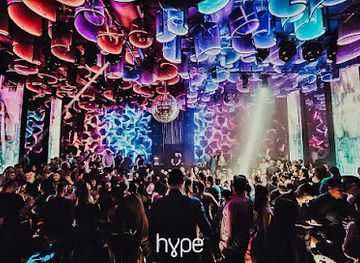
Zemun’s evening life is generally more relaxed than the club districts of central Belgrade, with much of its social energy concentrated in cafés, bars, restaurants and floating venues along the Danube. The quay is suited to long conversations and riverside drinks, while the old centre around Glavna ulica and Gospodska has a more intimate café-and-bar atmosphere among historic façades. Some river venues combine food, music and late-evening socialising, but the neighbourhood is not defined by a dense concentration of nightclubs. Gardoš and the older residential lanes become quieter after dark, making them better suited to an evening walk than noisy gatherings. Visitors should check the character and current programme of individual venues locally, particularly where live music or seasonal riverfront operation is involved, and should be considerate of residents close to the historic centre.
-
Night club
Shake'n'Shake
Discover the vibrant nightlife of Belgrade at Shake'n'Shake, where delicious Mexican cuisine meets an energetic atmosphere and creative cocktails.
13 min drive · 4.2 km from neighbourhood centre
-
Night club
Hype
Experience the electrifying nightlife of Belgrade at Hype, one of the city's top night clubs, where music, dancing, and vibrant energy come together.
16 min drive · 5.3 km from neighbourhood centre
-
Night club
Kafana Pukni Zoro
Experience the vibrant energy of Kafana Pukni Zoro, a premier night club in Belgrade, where unforgettable nights filled with music and dance await.
14 min walk · 1.2 km from neighbourhood centre
-
Night club
Klub 20/44
Dance the night away at Klub 20/44, Belgrade's premier night club, where electronic beats and a vibrant atmosphere come together.
14 min drive · 4.7 km from neighbourhood centre


Best shops in Zemun
Shopping in Zemun is more local and spontaneous than concentrated around a major retail centre. Zemun Market is the principal everyday stop, with stalls associated with fresh produce and routine household shopping rather than a curated souvenir market. Around Glavna ulica, Gospodska and adjoining streets, small retailers, bakeries, cafés and practical neighbourhood businesses occupy the older townscape, while the central streets offer the most convenient browsing between sights. The area is not known for a large specialist design or luxury-shopping district, but its appeal lies in the combination of independent storefronts, food shopping and historic urban surroundings. Visitors looking for gifts may find Serbian food products or small items in local shops, although stock varies. The best shopping experience comes from treating the market and old centre as part of daily Zemun rather than expecting a dedicated tourist retail quarter.
-
Shopping mall
UŠĆE Shopping Center
Experience the ultimate shopping and dining destination at UŠĆE Shopping Center, Belgrade's vibrant hub of retail and entertainment.
13 min drive · 4.3 km from neighbourhood centre
-
Shopping mall
Forum Park Zemun
Discover the ultimate shopping experience at Forum Park Zemun, where retail therapy meets entertainment and dining in Belgrade.
15 min drive · 5.0 km from neighbourhood centre
-
Shopping mall
BN BOS TRŽNI CENTAR
Experience shopping like never before at BN BOS TRŽNI CENTAR, a premier shopping destination in Belgrade with diverse stores and lively dining options.
10 min drive · 3.3 km from neighbourhood centre
-
Department store
RKB Zemun
Discover unique finds and local treasures at RKB Zemun, Belgrade's vibrant department store offering a diverse shopping experience.
11 min walk · 0.9 km from neighbourhood centre


Zemun essentials
Getting There
Getting Around
Safety
Emergency Situations
Do's and Don'ts
Local Tips

From Eve
Local phrases worth knowing
You don't need to get them perfect. A few words go a long way, and locals appreciate the effort.
Basics
| English | Local | Say it |
|---|---|---|
| Hello | Zdravo | [Zdra-vo] |
| Goodbye | Doviđenja | [Do-vi-đen-ja] |
| Yes | Da | [Da] |
| No | Ne | [Ne] |
| Please/You're welcome | Molim te | [Mo-lim te] |
| Thank you | Hvala | [Hva-la] |
| Excuse me/Sorry | Izvinite | [Iz-vi-ni-te] |
| How are you? | Kako si? | [Ka-ko si] |
| Fine. And you? | Dobro. A ti? | [Do-bro. A ti] |
| Do you speak English? | Da li govorite engleski? | [Da li go-vo-ri-te en-gle-ski] |
| I don't understand | Ne razumem | [Ne ra-zu-mem] |
Eating & Drinking
| English | Local | Say it |
|---|---|---|
| I'd like to see the menu, please | Molim vas, mogu li videti meni? | [Mo-lim vas, mo-gu li vi-de-ti me-ni] |
| I don't eat meat | Ne jedem meso | [Ne je-dem me-so] |
| Cheers! | Živeli! | [Ži-ve-li] |
| I would like to pay, please | Hteo bih da platim, molim | [Hte-o bih da pla-tim, mo-lim] |
Emergencies
| English | Local | Say it |
|---|---|---|
| Help! | Pomoć! | [Po-moć] |
| Go away! | Idi odavde! | [I-di o-da-vde] |
| Call the Police! | Pozovite policiju! | [Po-zo-vi-te po-li-ci-ju] |
| Call a doctor! | Pozovite doktora! | [Po-zo-vi-te dok-to-ra] |
| I'm lost | Izgubio sam se | [Iz-gu-bi-o sam se] |
| I'm ill | Bolestan sam | [Bo-le-stan sam] |
Shopping
| English | Local | Say it |
|---|---|---|
| I'd like to buy... | Hteo bih da kupim... | [Hte-o bih da ku-pim] |
| I'm just looking | Samo gledam | [Sa-mo gle-dam] |
| How much is it? | Koliko košta? | [Ko-li-ko kos-ta] |
| That's too expensive | To je previše skupo | [To je pre-vi-še sku-po] |
| Can you lower the price? | Možete li spustiti cenu? | [Mo-že-te li spu-sti-ti ce-nu] |
Time & Numbers
| English | Local | Say it |
|---|---|---|
| What time is it? | Koliko je sati? | [Ko-li-ko je sa-ti] |
| It's one o'clock | Jedan je sat | [Je-dan je sa-t] |
| Half past (10) | Pola (deset) | [Po-la (de-set)] |
| Morning | Jutro | [Ju-tro] |
| Afternoon | Popodne | [Po-po-dne] |
| Evening | Veče | [Ve-če] |
| Yesterday | Juče | [Ju-če] |
| Today | Danas | [Da-nas] |
| Tomorrow | Sutra | [Su-tra] |
| 1 | Jedan | [Je-dan] |
| 2 | Dva | [Dva] |
| 3 | Tri | [Tri] |
| 4 | Četiri | [Če-ti-ri] |
| 5 | Pet | [Pet] |
| 6 | Šest | [Šest] |
| 7 | Sedam | [Se-dam] |
| 8 | Osam | [O-sam] |
| 9 | Devet | [De-vet] |
| 10 | Deset | [De-set] |
Transport & Directions
| English | Local | Say it |
|---|---|---|
| Where's a/the...? | Gde je... | [Gde je] |
| What's the address? | Koja je adresa? | [Ko-ja je a-dre-sa] |
| Can you show me (on the map)? | Možete li mi pokazati (na mapi)? | [Mo-že-te li mi po-ka-za-ti (na ma-pi)] |
| When's the next (bus)? | Kada je sledeći (autobus)? | [Ka-da je sle-de-ći (au-to-bus)] |
| A ticket (to ....) | Jednu kartu (do ...) | [Je-dnu kar-tu (do)] |
History of Zemun
Taurunum and the River Frontier
Zemun’s earliest recorded identity is associated with Taurunum, a settlement linked to the Roman frontier system at the confluence of the Danube and Sava. Its position made the area strategically valuable for controlling river traffic and movement along the northern approaches to Belgrade. Fortifications and settlements changed repeatedly through late antiquity and the medieval period, while the Danube remained the constant geographical influence. The modern neighbourhood’s historic importance therefore began not with tourism or urban expansion, but with its role as a crossing point, river port and defended settlement on a shifting political boundary.
Under Habsburg Rule
After the Habsburg conquest of the area in 1717, Zemun developed as a fortified town and commercial settlement within the Habsburg military frontier. Its location opposite Belgrade, then under Ottoman rule, gave it an unusually international and strategic character. Merchants, soldiers, craftsmen and river workers shaped a town whose street plan and architecture still distinguish it from much of Belgrade. The old centre, including the area around today’s Glavna ulica and former market squares, grew through this period as administration, trade and military life became closely connected.
The Nineteenth-Century Town
During the nineteenth century, Zemun expanded as a Danube trading centre and acquired much of the built character visible today. Houses, churches, commercial premises and civic buildings filled the slopes below Gardoš, while the river supported freight, passenger movement and workshops. The town’s position on the frontier encouraged contact between Central European and Balkan cultures, expressed in its urban forms and religious institutions. The Millennium Tower, erected on Gardoš in 1896 during celebrations connected with the millennium of Hungarian settlement, became the neighbourhood’s most recognisable elevated landmark.
From Separate Town to Belgrade District
Zemun remained distinct from Belgrade until the political and administrative changes of the twentieth century brought the two urban areas into closer association; it was incorporated into Belgrade in 1934. The new relationship connected the former frontier town to the capital’s expanding transport, industrial and residential systems, but did not erase its local character. After the Second World War, development extended beyond the old centre, while the historic streets and riverfront retained their importance. Contemporary Zemun balances municipal integration with a strong sense of place rooted in its older townscape.
Zemun in Photos
Browse through our photo collection highlighting the charm and character of the destination.
Neighbourhoods near Zemun
The closest neighbourhoods to Zemun, if you have time for more than one stop.
-

-

-

-


Swipe for more neighbourhoods
Explore more

Explore more of Belgrade
Belgrade blends Sava and Danube views, fortress history, lively kafanas, riverfront nightlife and inventive culture in Serbia’s welcoming capital.
Explore Belgrade