

Free Pančevo Travel Guide & Mobile App
Plan your Pančevo trip with Evendo. Get free guides to top attractions, restaurants, hotels, and bars. Web access or download the mobile app.


Pančevo, Serbia, combines Tamiš riverside walks, Austro-Hungarian heritage, museums, churches, industrial history and easy access to Belgrade.
A River City Near Belgrade
Pančevo lies in southern Banat, where the Tamiš reaches the Danube, roughly 20 kilometres north-east of Belgrade. Its position gives the city a character distinct from the Serbian capital: streets are calmer, the historic centre is compact, and the riverbanks open into broad skies, reed-fringed channels and lowland landscapes. Pančevo is easy to visit as a day trip from Belgrade, but its industrial history, Austro-Hungarian architecture and café culture reward a slower stay.Read more about Pančevo
Historic Streets and Cultural Life
Industrial Heritage and Open Landscapes
When is the best time to visit Pančevo?
Best: May, August–September · 23–28°C| Month | High (°C) | Rainfall (mm) |
|---|---|---|
| January | 5 | 40 |
| February | 6 | 37 |
| March | 10 | 38 |
| April | 18 | 37 |
| May (best) | 23 | 51 |
| June | 27 | 75 |
| July | 28 | 70 |
| August (best) | 28 | 68 |
| September (best) | 23 | 55 |
| October | 18 | 47 |
| November | 12 | 45 |
| December | 7 | 39 |
Getting to and around Pančevo
How to get there
Transportation
Best attractions in Pančevo
Pančevo's principal attractions are concentrated within a walkable central area. The National Museum introduces the archaeology, art and social history of southern Banat, while the surrounding streets reveal nineteenth-century civic architecture and the city's multi-ethnic past. The Church of the Assumption of the Blessed Virgin Mary and the Church of the Transfiguration provide contrasting examples of the religious heritage that shaped the town's public life. The former Vajfert Brewery is an important reminder of Pančevo's brewing and industrial traditions, even where access to historic industrial premises is limited. Along the Tamiš, the quay offers an open riverside setting for walking and watching local life, while the National Garden provides extensive greenery away from the centre. Visitors interested in prehistoric history can make a separate excursion to Starčevo, associated with the Neolithic Starčevo culture, rather than treating it as an attraction within Pančevo itself.
-
Orthodox church
The Temple of Saint Sava
Discover the grandeur of the Temple of Saint Sava, an architectural wonder and spiritual haven in the heart of Belgrade, Serbia.
36 min drive · 16 km from city centre
-
Zoo
Belgrade Zoo
Discover the enchanting Belgrade Zoo in Kalemegdan Park, home to over 2,000 animals and a perfect spot for families and wildlife enthusiasts.
36 min drive · 16 km from city centre
-
Park
Tasmajdan | Sportsko rekreativni centar | Park
Explore Tasmajdan Park, a lush recreational oasis in Belgrade, where nature meets culture in the heart of the city.
35 min drive · 15 km from city centre
-
Stadium
Rajko Mitic Stadium
Discover the heart of Serbian football culture at Rajko Mitic Stadium, home of Red Star Belgrade, where passion and history come alive.
37 min drive · 17 km from city centre


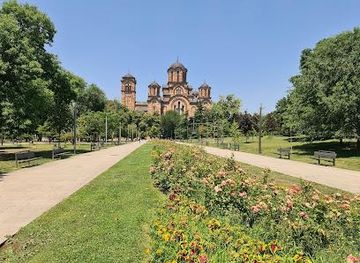

Best landmarks in Pančevo
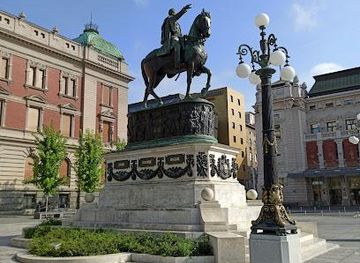
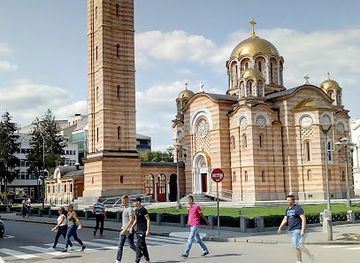
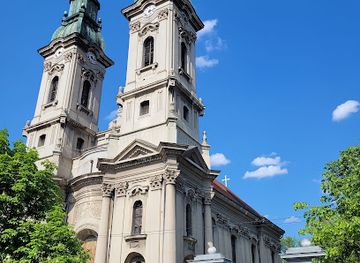
Pančevo's landmarks express its development as a Habsburg border town, a multi-ethnic commercial centre and a modern industrial city. The Church of the Assumption of the Blessed Virgin Mary, a Roman Catholic church associated with the historic German community, stands alongside the Serbian Orthodox Church of the Transfiguration, illustrating the religious diversity built into the city's past. The Church of Saint Charles Borromeo is another important Roman Catholic presence in the urban landscape. The former Vajfert Brewery represents the nineteenth-century growth of manufacturing and brewing, while the National Museum occupies a significant historic building connected with civic and cultural life. Historic streets around the central square, older civic premises and the Tamiš quay complete the city's architectural story, linking river commerce, imperial administration and everyday urban life without the monumental scale of a capital.
-
Historical landmark
Republic Square
Experience the vibrant heart of Belgrade at Republic Square, a historical landmark blending culture, art, and local life.
35 min drive · 15 km from city centre
-
Park
People's Garden
Discover the tranquil beauty of People's Garden in Pančevo, a perfect urban retreat for nature lovers and families alike.
18 min walk · 1.4 km from city centre
-
Orthodox church
The Orthodox Church of the Dormition of the Holy Virgin.
Discover the architectural beauty and serene atmosphere of the Orthodox Church of the Dormition of the Holy Virgin in Pančevo, a cultural landmark steeped in history.
3 min walk · 0.2 km from city centre
-
State parliament
House of the National Assembly of the Republic of Serbia
Discover the architectural beauty and historical significance of the House of the National Assembly of the Republic of Serbia in the heart of Belgrade.
35 min drive · 15 km from city centre

Explore Pančevo on the map
Plan your Pančevo trip on one map. See where the top attractions, landmarks, restaurants, bars and hotels are, find what's near where you're staying, and book hotels and experiences in a few clicks.
Best hotels in Pančevo
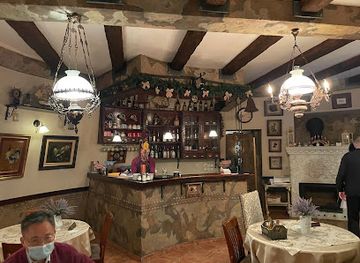
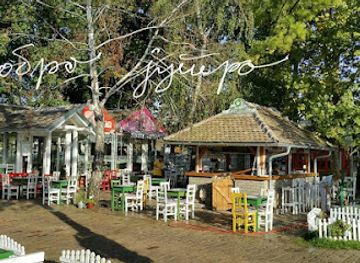
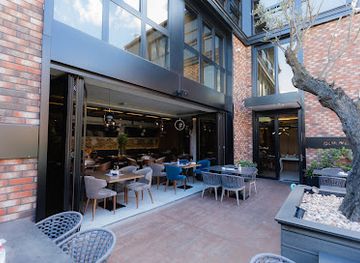
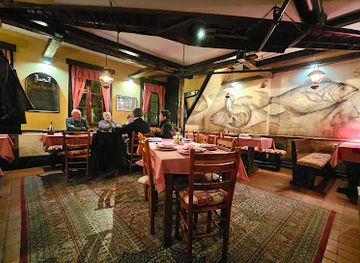
Best restaurants in Pančevo
Pančevo's dining culture reflects the food traditions of Vojvodina and the wider Serbian plain, with menus commonly shaped by grilled meats, hearty stews, seasonal vegetables, freshwater fish and baked dishes. Traditional restaurants and informal eateries serve specialities such as čorba, sarma, prebranac, ćevapi and various forms of roasted or grilled meat, while bakeries provide burek and other savoury pastries for a quick meal. Alongside Serbian cooking, the Banat's Central European and multi-ethnic history can be sensed in pastry traditions, preserved foods and home-style recipes. Cafés are important social spaces, particularly in and around the centre and near the Tamiš, where coffee may occupy a leisurely part of the day. Markets and food shops offer seasonal fruit, vegetables, dairy products and local pantry staples, although Pančevo's appeal lies more in everyday regional cooking than in a highly formalised restaurant scene.
-
Restaurant
Windmill
Experience authentic Serbian cuisine at The Windmill in Pančevo - where tradition meets flavor in a charming setting.
5 min walk · 0.4 km from city centre
-
Restaurant
Dvorište
Discover the rich flavors of Serbia at Dvorište - where tradition meets modern dining in Pančevo.
18 min walk · 1.4 km from city centre
-
Restaurant
Borneo
Experience exquisite dining and warm hospitality at Borneo in Pancevo – where culinary delights meet comfortable accommodations.
2 min walk · 0.2 km from city centre
-
Restaurant
Шајка
Experience authentic Serbian cuisine at Šajka in Pančevo—where every dish celebrates local flavors in a welcoming atmosphere.
8 min walk · 0.7 km from city centre
Best bars in Pančevo
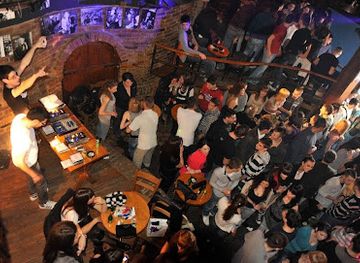
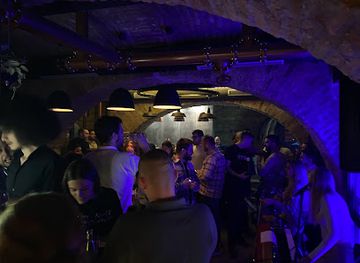
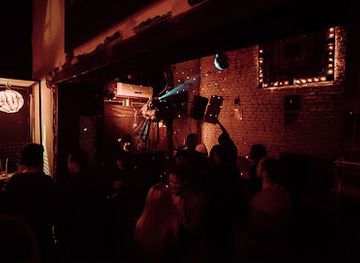
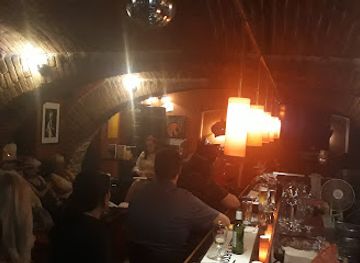
Pančevo's evening life is centred more on cafés, bars, restaurants and informal socialising than on a large club circuit. The central streets and the Tamiš riverside attract local residents for coffee, beer, wine and conversation, with activity varying according to the day and season. Some venues offer live music or late-evening entertainment, while cultural programmes and performances provide alternatives to drinking-led nightlife when scheduled. The city has a more relaxed rhythm than Belgrade, and its nightlife should be understood as local and modest rather than as a major regional party destination. Visitors should check current details locally, since venues and programmes change, and should use taxis or well-lit routes when returning to accommodation after the centre becomes quieter.
-
Bar
SoulFood
Discover the vibrant flavors of local cuisine at SoulFood, a lively bar in Pančevo offering delicious soul food and a warm atmosphere.
5 min drive · 1.6 km from city centre
-
Bar
Хедонист
Discover the vibrant dining experience at Хедонист in Pančevo, where culinary delights meet lively entertainment and a welcoming atmosphere.
2 min walk · 0.1 km from city centre
-
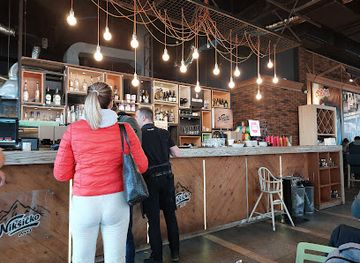
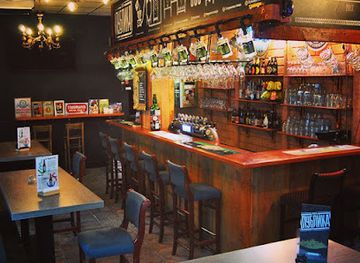
Brewpub
Public Pub
Discover the vibrant atmosphere and exceptional craft beers at Public Pub, a must-visit brewpub in the heart of Pančevo, Serbia.
2 min walk · 0.2 km from city centre
-
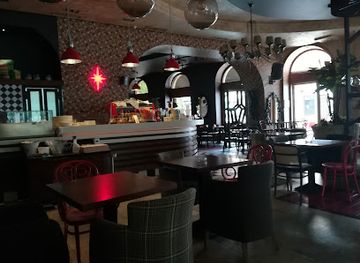
Bar
Štab Pogon
Discover Štab Pogon: A vibrant bar and nightclub in Pančevo, offering an unforgettable nightlife experience with cocktails, dancing, and live music.
2 min walk · 0.1 km from city centre
Best nightclubs in Pančevo
Pančevo's evening life is centred more on cafés, bars, restaurants and informal socialising than on a large club circuit. The central streets and the Tamiš riverside attract local residents for coffee, beer, wine and conversation, with activity varying according to the day and season. Some venues offer live music or late-evening entertainment, while cultural programmes and performances provide alternatives to drinking-led nightlife when scheduled. The city has a more relaxed rhythm than Belgrade, and its nightlife should be understood as local and modest rather than as a major regional party destination. Visitors should check current details locally, since venues and programmes change, and should use taxis or well-lit routes when returning to accommodation after the centre becomes quieter.
-
Night club
Coupe Pancevo
Discover Coupe Pancevo, a vibrant night club and café in Pančevo, where the music is lively, and the atmosphere is electric.
3 min walk · 0.3 km from city centre
-
Brewpub
Public Pub
Immerse yourself in the lively atmosphere of Public Pub, a premier brewpub in Pančevo, offering craft beers and delicious food for an unforgettable experience.
2 min walk · 0.2 km from city centre
-
Night club
Štab Pogon
Discover Štab Pogon, Pančevo's vibrant night club and café, where music, dance, and great company come together for an unforgettable experience.
2 min walk · 0.1 km from city centre
-
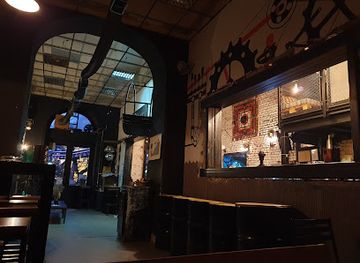
Bar
Круна паб
Discover the vibrant nightlife of Pancevo at Krunna Pub, a premier bar and live music venue offering a unique blend of local culture and entertainment.
4 min walk · 0.3 km from city centre
Best shops in Pančevo
Shopping in Pančevo is woven into ordinary city life rather than concentrated in a single destination retail quarter. The central streets contain everyday shops, cafés, bakeries and independent businesses, while local markets are useful for seasonal fruit and vegetables, dairy products, preserves and other foods from the surrounding plain. Visitors looking for souvenirs may find Serbian food products, spirits, honey, embroidered items and small craft goods, although availability varies between traders and seasons. The city's Banat heritage is better reflected in regional produce and traditional household foods than in a large specialist craft industry. For a broader selection of department stores, international brands and contemporary retail, travellers may choose Belgrade, but Pančevo's own shopping experience is most revealing in its market stalls, bakeries and small independent shops.
-
Shopping mall
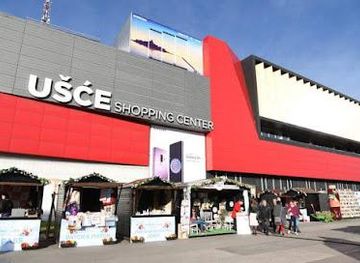
UŠĆE Shopping Center
Discover the vibrant UŠĆE Shopping Center in Belgrade, a perfect blend of shopping, dining, and entertainment for an unforgettable experience.
37 min drive · 17 km from city centre
-
Shopping mall
Delta City
Explore Delta City in Belgrade for an unforgettable shopping and entertainment experience, combining local charm with modern convenience.
40 min drive · 20 km from city centre
-
Shopping mall
BIG Pančevo
Experience the heartbeat of shopping and entertainment at BIG Pančevo, a premier shopping mall that combines local culture with modern amenities.
5 min drive · 1.6 km from city centre
-
Farmers' market
Kalenić Green Market
Explore Kalenić Green Market, a vibrant farmers' market in Belgrade, offering fresh produce, local delicacies, and a taste of Serbian culture.
35 min drive · 15 km from city centre


Get your free copy of our complete guide to Pančevo, delivered straight to you.
Everything on this page, from attractions and restaurants to essentials and local phrases, in one PDF you can read offline, print or share.
Already have an account? Sign in
Your Pančevo guide is ready.
We'll send it to · Not you? Sign out

Getting your guide ready…
We are putting together a fresh copy of the Pančevo guide. This can take up to a minute.
This can take a few moments. If your browser asks, choose Allow so the download can start. You'll find the guide in your Downloads folder.
Nothing happened? Download it again
Sorry, the guide is taking longer than usual. Please try again in a minute, or get it by email instead.
Pančevo essentials
Currency and Payment
Safety
Emergency Situations
Do's and Don'ts
Local Tips
From Eve
Local phrases worth knowing
You don't need to get them perfect. A few words go a long way, and locals appreciate the effort.
Basics
| English | Local | Say it |
|---|---|---|
| Hello | Zdravo | [Zdrah-voh] |
| Goodbye | Doviđenja | [Doh-vee-jen-ya] |
| Yes | Da | [Dah] |
| No | Ne | [Neh] |
| Please/You're welcome | Molim | [Moh-leem] |
| Thank you | Hvala | [Hvah-lah] |
| Excuse me/Sorry | Izvinite | [Eez-vee-nee-teh] |
| How are you? | Kako si? | [Kah-koh see?] |
| Fine. And you? | Dobro. A ti? | [Doh-bro. Ah tee?] |
| Do you speak English? | Da li govorite engleski? | [Dah lee go-vo-ree-teh eng-lehs-kee?] |
| I don't understand | Ne razumem | [Neh rah-zoo-mehm] |
Eating & Drinking
| English | Local | Say it |
|---|---|---|
| I'd like to see the menu, please | Molim vas, da vidim meni | [Moh-leem vahs, dah vee-deem meh-nee] |
| I don't eat meat | Ne jedem meso | [Neh yeh-dehm meh-so] |
| Cheers! | Živeli! | [Zhee-veh-lee] |
| I would like to pay, please | Želeo bih da platim, molim | [Zheh-leh-oh bee dah plah-teem, moh-leem] |
Emergencies
| English | Local | Say it |
|---|---|---|
| Help! | Pomoć! | [Poh-mohch!] |
| Go away! | Idi odavde! | [Ee-dee oh-dahv-deh!] |
| Call the Police! | Pozovite policiju! | [Poh-zoh-vee-teh po-lee-tsee-yoo!] |
| Call a doctor! | Pozovite doktora! | [Poh-zoh-vee-teh dohk-toh-rah!] |
| I'm lost | Izgubio sam se | [Eez-goo-bee-oh sahm seh] |
| I'm ill | Bolestan sam | [Boh-lehs-tahn sahm] |
Shopping
| English | Local | Say it |
|---|---|---|
| I'd like to buy... | Želim da kupim... | [Zheh-leem dah koo-peem...] |
| I'm just looking | Samo gledam | [Sah-moh gleh-dahm] |
| How much is it? | Koliko košta? | [Koh-lee-koh kohs-tah?] |
| That's too expensive | To je previše skupo | [Toh yeh preh-vee-sheh skoo-poh] |
| Can you lower the price? | Možete li spustiti cenu? | [Moh-zheh-teh lee spoo-stee-tee tseh-noo?] |
Time & Numbers
| English | Local | Say it |
|---|---|---|
| What time is it? | Koliko je sati? | [Koh-lee-koh yeh sah-tee?] |
| It's one o'clock | Jedan je sat | [Yeh-dahn yeh saht] |
| Half past (10) | Pola (10) | [Poh-lah (deh-set)] |
| Morning | Jutro | [Yoo-troh] |
| Afternoon | Popodne | [Poh-pohd-neh] |
| Evening | Veče | [Veh-cheh] |
| Yesterday | Juče | [Yoo-cheh] |
| Today | Danas | [Dah-nahs] |
| Tomorrow | Sutra | [Soo-trah] |
| 1 | Jedan | [Yeh-dahn] |
| 2 | Dva | [Dvah] |
| 3 | Tri | [Tree] |
| 4 | Četiri | [Cheh-tee-ree] |
| 5 | Pet | [Peh-t] |
| 6 | Šest | [Shehst] |
| 7 | Sedam | [Seh-dahm] |
| 8 | Osam | [Oh-sahm] |
| 9 | Devet | [Deh-vet] |
| 10 | Deset | [Deh-set] |
Transport & Directions
| English | Local | Say it |
|---|---|---|
| Where's a/the...? | Gde je... | [Gdeh yeh...] |
| What's the address? | Koja je adresa? | [Koh-yah yeh ah-deh-sah?] |
| Can you show me (on the map)? | Možete li da mi pokažete (na mapi)? | [Moh-zheh-teh lee dah mee poh-kah-zheh-teh (nah mah-pee)?] |
| When's the next (bus)? | Kada je sledeći (autobus)? | [Kah-dah yeh sleh-deh-chee (ow-toh-boos)?] |
| A ticket (to ....) | Jednu kartu (do ....) | [Yehd-noo kahr-too (doh ....)] |
History of Pančevo
Early Settlements and Starčevo Culture
The wider Pančevo area has been inhabited since prehistoric times. Around the nearby settlement of Starčevo, archaeologists identified one of the important Neolithic cultural traditions of the central Balkans, generally dated to the seventh millennium BC. Communities practised farming, kept animals and made decorated pottery, leaving evidence that demonstrates the early settlement of the southern Pannonian plain. Later populations, including Celts and Romans, also occupied or influenced the region. The modern city developed beside the Tamiš and close to the Danube, a location that continued to shape movement, trade and settlement long after the prehistoric communities had disappeared.
Medieval Borderland Settlement
During the medieval period, the area around present-day Pančevo belonged to changing political spheres, including the medieval Hungarian kingdom and later the Serbian Despotate. The settlement was known by names rendered in different languages, reflecting its position at a cultural and administrative frontier. Ottoman forces incorporated the region in the sixteenth century, and Pančevo remained within the Ottoman imperial system for more than a century. The town's location near two navigable rivers made it strategically relevant, although warfare and shifting borders repeatedly affected its population and built environment.
Habsburg Military Frontier
The Habsburg Monarchy took Pančevo from the Ottoman Empire in 1716, after which the town was reorganised within the Military Frontier, the fortified border zone facing Ottoman territories. German, Serbian and other communities contributed to its development, while military administration influenced land use, settlement patterns and public institutions. Pančevo's later urban form owes much to this period, when orderly streets, civic buildings and religious institutions accompanied the growth of trade and river transport. The town was also known in German as Pantschowa, a reminder of its multilingual past.
Trade, Brewing and Urban Growth
During the nineteenth century, Pančevo expanded as a commercial and manufacturing centre within the Habsburg lands. River transport on the Tamiš and Danube supported trade, while workshops, mills and other enterprises strengthened the urban economy. The brewery associated with the Vajfert family became one of the city's most recognisable industrial institutions; its history is connected with the wider brewing career of Ignaz and Georg Vajfert, whose family later became prominent in Belgrade. Churches, schools and civic buildings from this era helped give the centre the architectural character that visitors can still trace today.
From Empire to Yugoslavia
At the end of the First World War, Pančevo left the Habsburg imperial framework and became part of the Kingdom of Serbs, Croats and Slovenes, later Yugoslavia. The political change brought new administrative institutions and connected the city more closely with the Serbian and Yugoslav state. Its established manufacturing base continued, while railways and river routes supported movement across the Banat plain. Pančevo's multi-ethnic heritage persisted through the twentieth century, although two world wars, occupation and political upheaval altered the city's population, economy and public life.
Industry in Socialist Yugoslavia
After the Second World War, Pančevo became an important industrial centre of socialist Yugoslavia. Petrochemical, chemical, engineering and food-processing enterprises expanded, changing employment patterns and the city's relationship with its surrounding settlements. Large industrial complexes brought economic importance but also environmental pressures, issues that remain part of Pančevo's modern identity. The city was damaged during the NATO air campaign in 1999, when industrial facilities were struck and pollution concerns attracted international attention. Today, historic streets, cultural institutions and river landscapes coexist with the large-scale industrial zone that helped define Pančevo in the modern era.
Pančevo in Photos
Browse through our photo collection highlighting the charm and character of the destination.
Cities near Pančevo
The closest cities to Pančevo, if you have time for more than one stop.
-

-

-

-

-


Swipe for more cities
Explore more

Explore more of Serbia
Discover Serbia: A Balkan treasure with rich history, stunning natural landscapes, and vibrant cities waiting to be explored.
Explore Serbia