

Free Smederevo Travel Guide & Mobile App
Plan your Smederevo trip with Evendo. Get free guides to top attractions, restaurants, hotels, and bars. Web access or download the mobile app.


Smederevo, Serbia, pairs a medieval Danube fortress with wine country, riverside walks, local history and easy access from Belgrade for rewarding sightseeing.
A Fortress City on the Danube
Smederevo stands on the broad right bank of the Danube, around 45 kilometres east of Belgrade, where river landscapes meet the vineyard country of central Serbia. Its defining sight is the vast Smederevo Fortress, a late-medieval stronghold whose walls and towers extend across a triangular riverside site. Built as the capital of the Serbian Despotate, the fortress gives the city an unusually tangible connection with the final independent medieval Serbian state before the Ottoman conquest.Read more about Smederevo
History in the Urban Landscape
River, Vineyards and Local Life
When is the best time to visit Smederevo?
Best: May, August–September · 23–28°C| Month | High (°C) | Rainfall (mm) |
|---|---|---|
| January | 4 | 39 |
| February | 6 | 37 |
| March | 11 | 38 |
| April | 18 | 45 |
| May (best) | 23 | 52 |
| June | 28 | 56 |
| July | 29 | 50 |
| August (best) | 28 | 45 |
| September (best) | 25 | 44 |
| October | 18 | 55 |
| November | 12 | 53 |
| December | 6 | 43 |
Getting to and around Smederevo
How to get there
Transportation
Best attractions in Smederevo
Smederevo’s principal attraction is its imposing riverside fortress, whose triangular walls, towers and inner court reveal the scale of the medieval Serbian capital created by Despot Đurađ Branković. Within and around the complex, visitors can explore broad grassy spaces, defensive masonry and views across the Danube. The Smederevo Museum adds archaeological and historical context, helping to interpret the city beyond its surviving walls. In the centre, the Church of Saint George represents the town’s later religious and civic development, while the Danube quay provides an easygoing setting for walking and watching river life. The city’s vineyards and association with Smederevka grapes offer a further dimension, particularly during autumn celebrations devoted to wine and harvest culture. Local markets, traditional cafés and the streets between the fortress and centre complete a modest but coherent sightseeing experience grounded in history, food and the river.
-
Fortress
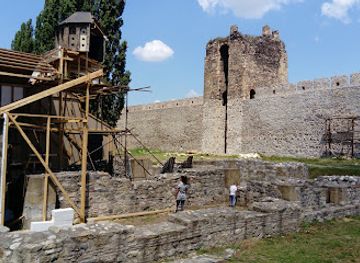
Smederevo Fortress
Discover the historical splendor of Smederevo Fortress, a stunning medieval landmark along the Danube River, rich in culture and breathtaking views.
6 min walk · 0.5 km from city centre
-
Museum
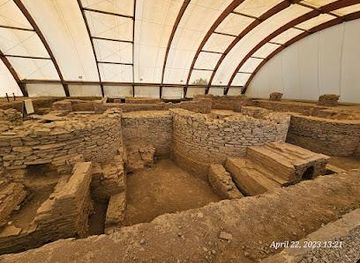
Archaeological Park Viminacium, Research and Tourist Center
Discover the ancient wonders of Viminacium, a premier archaeological park in Serbia showcasing the remnants of a once-thriving Roman city.
45 min drive · 25 km from city centre
-
Tourist attraction
Karađorđev dud
Explore the enchanting Karađorđev dud in Smederevo, Serbia, a historical monument surrounded by serene parkland perfect for relaxation and reflection.
1 min walk · 0.1 km from city centre
-
Nature preserve
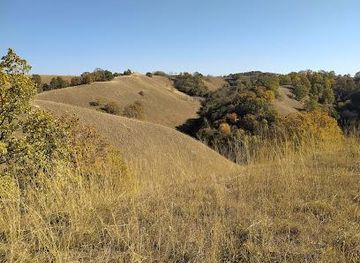
Deliblatska Peščara
Explore the captivating landscapes and rich biodiversity of Deliblatska Peštera, a premier nature preserve in Serbia, perfect for outdoor adventures.
50 min drive · 30 km from city centre

Best landmarks in Smederevo
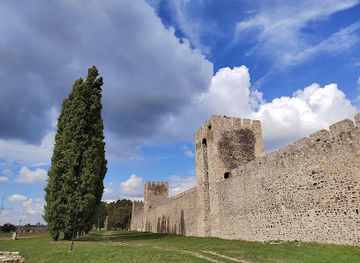
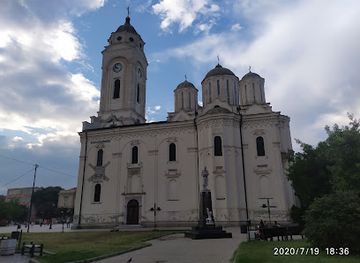
Smederevo Fortress is the city’s defining landmark: commissioned in the fifteenth century by Despot Đurađ Branković, it preserves an extensive system of walls and towers beside the Danube and embodies the political ambitions of the medieval Serbian Despotate. The inner fortified court, known as the Small Town, is especially important for understanding the complex as a capital rather than merely a border castle. The Church of Saint George, built in the nineteenth century, represents the religious and civic rebuilding of Smederevo under the modern Serbian state. Nearby historic streets and civic buildings reveal the town’s later development, while the Danube quay provides a contemporary counterpart to the old defensive riverfront. Together, these landmarks show the city’s passage from medieval court centre to modern regional town.
-
Fortress
Smederevo Fortress
Experience the grandeur of Smederevo Fortress, a captivating medieval landmark steeped in history and overlooking the serene Danube River.
6 min walk · 0.5 km from city centre
-
Historical landmark
Karađorđev dud
Discover the historical significance and natural beauty of Karađorđev Dud, a serene park landmark in Smederevo, Serbia, perfect for relaxation and exploration.
1 min walk · 0.1 km from city centre
-
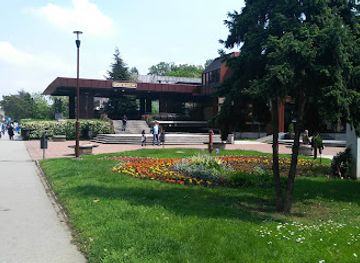
Cultural center
Kulturni centar Smederevo
Explore the vibrant arts scene at Kulturni Centar Smederevo, a cultural hub that showcases Serbia's rich artistic heritage through diverse events and exhibitions.
3 min walk · 0.2 km from city centre
-
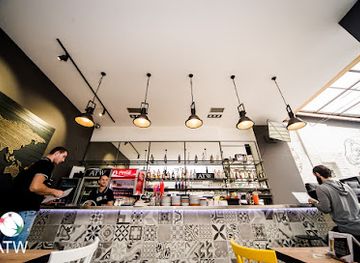
Cafe
Klub ATW
Discover the vibrant nightlife at Klub ATW in Smederevo, a dynamic café and bar offering exciting events and a welcoming atmosphere for all.
5 min walk · 0.4 km from city centre
Explore Smederevo on the map
Plan your Smederevo trip on one map. See where the top attractions, landmarks, restaurants, bars and hotels are, find what's near where you're staying, and book hotels and experiences in a few clicks.
Best hotels in Smederevo
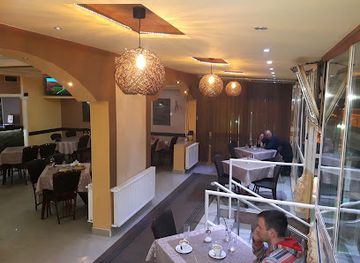
Best restaurants in Smederevo
Smederevo’s dining culture is rooted in the familiar Serbian repertoire of grilled meats, slow-cooked dishes, soups, baked vegetables, fresh salads and generous breads, served in relaxed restaurants and traditional kafane. Alongside ćevapi, pljeskavica and various roasts, menus may feature river fish reflecting the Danube setting, as well as beans, peppers and seasonal produce from the surrounding agricultural districts. Local wine is an important part of the regional identity, with Smederevka grapes and other wines from the wider Danube and Šumadija areas appearing in restaurants and cellar-style venues. The centre and riverside offer cafés and casual dining, while the market provides a glimpse of everyday ingredients and seasonal rhythms. Meals are generally social and unhurried, with coffee often extending the conversation after food.
-
Restaurant
Zar Mance
Savor authentic Serbian flavors at Zar Mance in Smederevo—where tradition meets culinary excellence.
2 min walk · 0.1 km from city centre
-
Restaurant
Kod Sanje
Discover authentic Serbian flavors at Kod Sanje in Kovin—an affordable culinary delight for every traveler.
30 min drive · 9.9 km from city centre
-
Fast Food
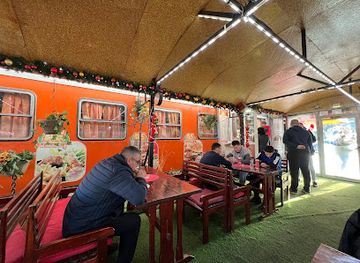
Vagon
Savor delicious fast food and delightful breakfast options at Vagon in Smederevo – your go-to destination for local flavor.
4 min walk · 0.4 km from city centre
-
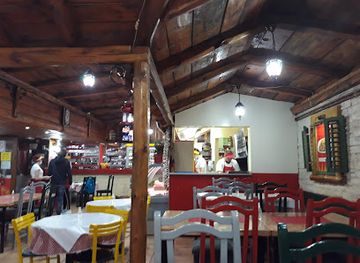
Pizza
Fuego Pizzeria & Caffe
Discover authentic Italian flavors at Fuego Pizzeria & Caffe in Smederevo – where every pizza tells a delicious story.
5 min walk · 0.4 km from city centre
Best bars in Smederevo
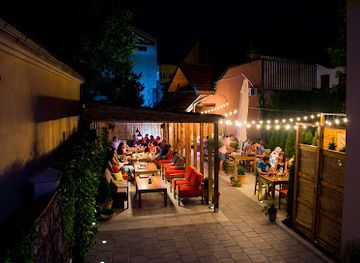
Smederevo’s evening life is modest and locally oriented rather than built around a large club scene. Cafés and bars in the town centre provide the main social setting, while the Danube waterfront becomes particularly pleasant for an early-evening drink or coffee in warmer weather. Traditional restaurants and kafane may continue the night with Serbian food, local wine and occasional live music, and seasonal festivals bring additional performances and public gatherings. Visitors should expect conversation, coffee and relaxed drinks to play a larger role than late-night international clubbing. The city’s cultural calendar can include concerts and community events, but programmes vary, so current local listings are more reliable than assuming regular nightlife schedules.
-
Bar
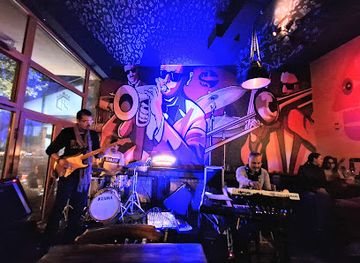
Klub ATW
Experience the vibrant nightlife of Smederevo at Klub ATW, where drinks, music, and unforgettable moments come together.
5 min walk · 0.4 km from city centre
-
Bar
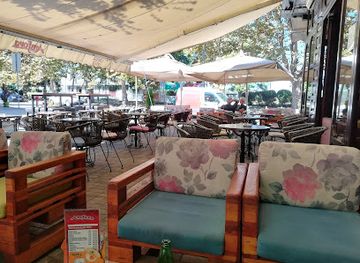
Amfora
Discover Amfora, Smederevo's perfect bar and café for relaxation with local flavors amidst rich history.
6 min walk · 0.5 km from city centre
-
Bar
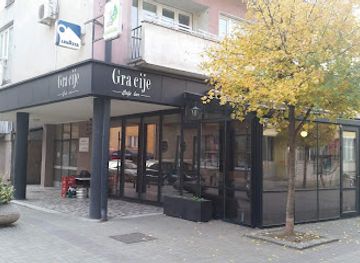
Caffe Bar Gracije
Experience the vibrant atmosphere and local flavors at Caffe Bar Gracije in Smederevo, the perfect spot for relaxation and socializing.
4 min walk · 0.3 km from city centre
-
Bar
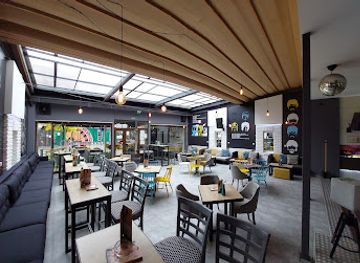
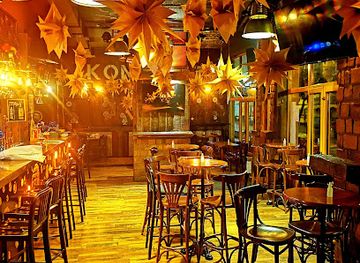
Kombinat Smederevo
Discover the lively spirit of Smederevo at Kombinat Smederevo, where local flavors and vibrant atmosphere come together for an unforgettable experience.
5 min walk · 0.4 km from city centre
Best nightclubs in Smederevo
Smederevo’s evening life is modest and locally oriented rather than built around a large club scene. Cafés and bars in the town centre provide the main social setting, while the Danube waterfront becomes particularly pleasant for an early-evening drink or coffee in warmer weather. Traditional restaurants and kafane may continue the night with Serbian food, local wine and occasional live music, and seasonal festivals bring additional performances and public gatherings. Visitors should expect conversation, coffee and relaxed drinks to play a larger role than late-night international clubbing. The city’s cultural calendar can include concerts and community events, but programmes vary, so current local listings are more reliable than assuming regular nightlife schedules.
-
Night club
Klub ATW
Experience the electrifying nightlife of Smederevo at Klub ATW, where music, dance, and vibrant energy come together for an unforgettable night out.
5 min walk · 0.4 km from city centre
-
Bar
Kombinat Smederevo
Discover the vibrant nightlife at Kombinat Smederevo, a perfect blend of local flavor and modern vibe in the heart of Serbia.
5 min walk · 0.4 km from city centre
-
Club
Klub Kej
Discover the vibrant nightlife at Klub Kej, Smederevo's premier club and café, where music and good times come alive every night.
7 min walk · 0.5 km from city centre
-
Rowing club
Rowing club Smederevo
Discover adventure and relaxation at Rowing Club Smederevo, where the Danube River meets thrilling water sports and scenic beauty.
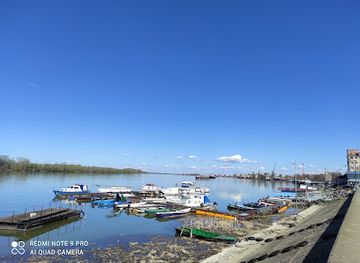
12 min walk · 1.0 km from city centre

Best shops in Smederevo
Shopping in Smederevo is practical and local in character, centred on the town’s everyday market, central shops and independent businesses rather than a major luxury or international retail district. The market is the best place to encounter seasonal fruit, vegetables, preserves and other produce from the agricultural surroundings, while bakeries and small food shops reflect ordinary Serbian tastes. Visitors looking for regional gifts may find local wine, grape products, honey and other pantry goods, with availability varying by season and producer. The centre also has clothing, household and specialist retailers for daily needs. During wine and harvest celebrations, temporary stalls and craft displays can broaden the choice of souvenirs, but purchases should be selected from reputable sellers and packed carefully for travel.
-
Shopping mall
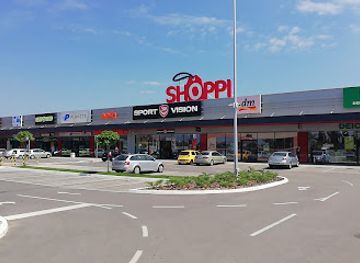
STOP SHOP
Experience shopping, dining, and entertainment at STOP SHOP in Smederevo - a vibrant destination for all your retail needs.
6 min drive · 1.9 km from city centre
-
Shopping mall
Danubius
Discover Danubius Shopping Mall: Smederevo’s premier destination for shopping, dining, and entertainment, blending local charm with modern experiences.
3 min walk · 0.2 km from city centre
-
Vaporizer store
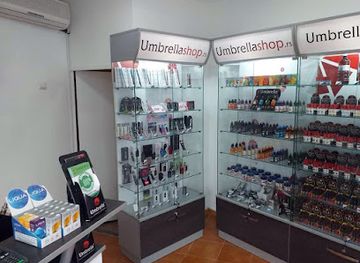
Vape Shop Umbrella Elektronske Cigarete Smederevo
Explore Smederevo's vibrant vaping culture at Vape Shop Umbrella, offering a diverse range of electronic cigarettes and hookah options.
3 min walk · 0.3 km from city centre
-
Grocery store
IDEA Centar 2
Discover fresh produce and local delicacies at IDEA Centar 2, Smederevo's go-to grocery store for travelers seeking authentic flavors.
6 min walk · 0.5 km from city centre
Get your free copy of our complete guide to Smederevo, delivered straight to you.
Everything on this page, from attractions and restaurants to essentials and local phrases, in one PDF you can read offline, print or share.
Already have an account? Sign in
Your Smederevo guide is ready.
We'll send it to · Not you? Sign out

Getting your guide ready…
We are putting together a fresh copy of the Smederevo guide. This can take up to a minute.
This can take a few moments. If your browser asks, choose Allow so the download can start. You'll find the guide in your Downloads folder.
Nothing happened? Download it again
Sorry, the guide is taking longer than usual. Please try again in a minute, or get it by email instead.
Smederevo essentials
Currency and Payment
Safety
Emergency Situations
Do's and Don'ts
Local Tips
From Eve
Local phrases worth knowing
You don't need to get them perfect. A few words go a long way, and locals appreciate the effort.
Basics
| English | Local | Say it |
|---|---|---|
| Hello | Zdravo | [Zdra-vo] |
| Goodbye | Doviđenja | [Do-vi-đen-ja] |
| Yes | Da | [Da] |
| No | Ne | [Ne] |
| Please/You're welcome | Molim | [Mo-lim] |
| Thank you | Hvala | [Hva-la] |
| Excuse me/Sorry | Izvinite | [Iz-vi-ni-te] |
| How are you? | Kako si? | [Ka-ko si?] |
| Fine. And you? | Dobro. A ti? | [Do-bro. A ti?] |
| Do you speak English? | Da li govorite engleski? | [Da li go-vo-ri-te en-gle-ski?] |
| I don't understand | Ne razumem | [Ne ra-zu-mem] |
Eating & Drinking
| English | Local | Say it |
|---|---|---|
| I'd like to see the menu, please | Molim vas, želeo bih da vidim meni | [Molim vas, želeo bih da vi-dim me-ni] |
| I don't eat meat | Ne jedem meso | [Ne je-dem me-so] |
| Cheers! | Živeli! | [Ži-ve-li!] |
| I would like to pay, please | Molim vas, želeo bih da platim | [Molim vas, želeo bih da pla-tim] |
Emergencies
| English | Local | Say it |
|---|---|---|
| Help! | Pomoć! | [Po-moć!] |
| Go away! | Idi odavde! | [I-di o-da-vde!] |
| Call the Police! | Pozovite policiju! | [Po-zo-vi-te po-li-ci-ju!] |
| Call a doctor! | Pozovite doktora! | [Po-zo-vi-te dok-to-ra!] |
| I'm lost | Izgubio sam se | [Iz-gu-bi-o sam se] |
| I'm ill | Bolestan sam | [Bo-le-stan sam] |
Shopping
| English | Local | Say it |
|---|---|---|
| I'd like to buy... | Želeo bih da kupim... | [Že-leo bih da ku-pim...] |
| I'm just looking | Samo gledam | [Sa-mo gle-dam] |
| How much is it? | Koliko košta? | [Ko-li-ko ko-šta?] |
| That's too expensive | To je previše skupo | [To je pre-vi-še sku-po] |
| Can you lower the price? | Mozete li da spustite cenu? | [Mo-že-te li da spu-sti-te ce-nu?] |
Time & Numbers
| English | Local | Say it |
|---|---|---|
| What time is it? | Koliko je sati? | [Ko-li-ko je sa-ti?] |
| It's one o'clock | Jedan je sat | [Je-dan je sat] |
| Half past (10) | Pola (deset) | [Po-la (de-set)] |
| Morning | Jutro | [Ju-tro] |
| Afternoon | Popodne | [Po-po-dne] |
| Evening | Veče | [Ve-če] |
| Yesterday | Juče | [Ju-če] |
| Today | Danas | [Da-nas] |
| Tomorrow | Sutra | [Su-tra] |
| 1 | Jedan | [Je-dan] |
| 2 | Dva | [Dva] |
| 3 | Tri | [Tri] |
| 4 | Četiri | [Če-ti-ri] |
| 5 | Pet | [Pet] |
| 6 | Šest | [Šest] |
| 7 | Sedam | [Se-dam] |
| 8 | Osam | [O-sam] |
| 9 | Devet | [De-vet] |
| 10 | Deset | [De-set] |
Transport & Directions
| English | Local | Say it |
|---|---|---|
| Where's a/the...? | Gde je... | [Gde je...] |
| What's the address? | Koja je adresa? | [Ko-ja je a-dre-sa?] |
| Can you show me (on the map)? | Možete li da mi pokažete (na mapi)? | [Mo-že-te li da mi po-ka-že-te (na ma-pi)?] |
| When's the next (bus)? | Kada je sledeći (autobus)? | [Ka-da je sle-de-ći (au-to-bus)?] |
| A ticket (to ....) | Jednu kartu (za ....) | [Je-dnu kar-tu (za ....)] |
History of Smederevo
A Danube Settlement Before the Capital
The area around present-day Smederevo has long benefited from its position beside the Danube and near routes connecting the Morava valley with the river. Earlier settlements occupied the wider region, but the city’s decisive medieval development came during the political changes that followed the weakening of the Serbian medieval state. Smederevo became increasingly important under the Branković dynasty because its river position offered strategic value and access to communications with Hungary and other Danubian territories. The choice of the site reflected both military necessity and the search for a new administrative centre after earlier Serbian capitals had become vulnerable to Ottoman expansion.
The Branković Capital
Despot Đurađ Branković chose Smederevo as the capital of the Serbian Despotate and began constructing its great fortress in 1428. The inner fortified court, often called the Small Town, was followed by the much larger outer enclosure, creating one of the most ambitious fortification projects in late-medieval Serbia. Smederevo became a seat of government, diplomacy and ecclesiastical life, attracting court officials, craftsmen and merchants. Its architecture expressed the despotate’s political ambitions while its location on the Danube connected it to wider Central European networks. The fortress visible today is therefore not simply a military ruin but the surviving framework of a planned capital.
Ottoman Conquest and Imperial Frontier
After the death of Đurađ Branković in 1456, the Serbian Despotate struggled amid dynastic disputes and pressure from the Ottoman Empire. Smederevo surrendered to Ottoman forces in 1459, an event conventionally regarded as the fall of the medieval Serbian state. The fortress then became an Ottoman military and administrative centre on a strategically important frontier. Its walls were adapted to changing forms of warfare, and the town remained connected to the military movements and commercial routes of the Danube. Ottoman control was interrupted during several Habsburg-Ottoman conflicts, when Smederevo changed hands before returning to Ottoman rule.
From Uprising to Serbian Rule
The First Serbian Uprising brought Smederevo under the control of insurgent Serbian forces in 1805, and the town served as an important centre during the early phase of the revolt against Ottoman authority. The fortress and its surrounding settlement remained strategically significant because they commanded a major river route. Although Ottoman power was restored after the uprising, the gradual establishment of the autonomous Serbian principality transformed the town’s political circumstances. Smederevo’s later nineteenth-century development took place within a Serbian state that was building new civic institutions, roads, churches and commercial connections beyond the old military frontier.
A Nineteenth-Century Civic Town
As Smederevo developed under the modern Serbian state, its identity expanded beyond the fortress. New public buildings, streets, religious institutions and commercial activities shaped the town centre, while vineyards and agriculture remained important to the surrounding economy. The Church of Saint George belongs to this period of civic and religious consolidation, and the city’s association with wine became increasingly prominent. River transport supported trade along the Danube, linking local production with wider markets. The contrast between the medieval fortress and the later town reflects Smederevo’s transition from a frontier stronghold into a regional administrative and commercial centre.
War, Industry and Reconstruction
Smederevo suffered severe disruption during the twentieth century. In 1941, an explosion at an ammunition depot inside the fortress caused extensive destruction and loss of life, damaging parts of the historic complex and the surrounding town. The city also endured wartime bombing in 1944. Post-war reconstruction brought new housing, infrastructure and industrial activity, changing Smederevo’s economic profile while the fortress remained the principal symbol of its older history. Contemporary Smederevo combines this modern regional role with renewed interest in heritage conservation, the Danube waterfront and the vineyards that continue to shape its cultural identity.
Smederevo in Photos
Browse through our photo collection highlighting the charm and character of the destination.
Cities near Smederevo
The closest cities to Smederevo, if you have time for more than one stop.
-

-

-

-

-


Swipe for more cities
Explore more

Explore more of Serbia
Discover Serbia: A Balkan treasure with rich history, stunning natural landscapes, and vibrant cities waiting to be explored.
Explore Serbia